Oleophobic Glass Exporter & Wholesalers Serving the Denpasar Market
Custom anti-fingerprint, tempered, AR-coated and silk-screen printed glass for Bali hospitality, smart villas, retail kiosks, clinics and transport displays — engineered to drawing and packed for export.
Eight Oleophobic-Ready Glass Products for Denpasar Buyers
These eight product families cover the most common Denpasar sourcing requests: touch control plates, display cover glass, printed panels, thin chemically strengthened glass, heat-resistant lighting glass and alkali-free technical substrates. Oleophobic easy-clean treatment, AR coating, anti-glare finishing and printed graphics can be specified on suitable items, subject to drawing review and sample validation.
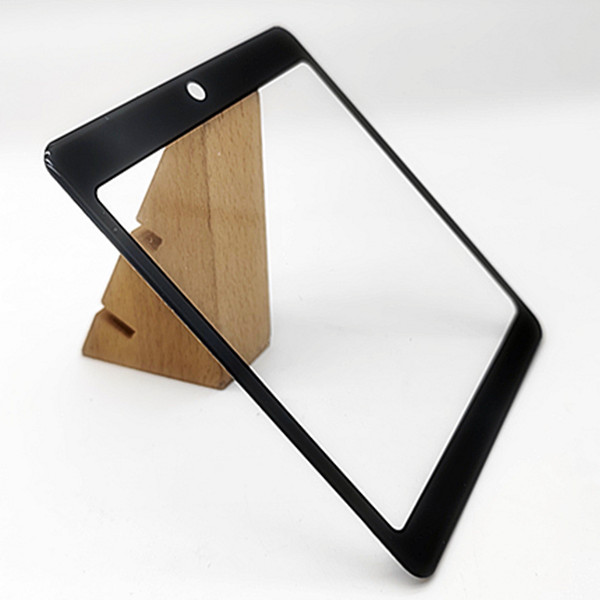
Ultra Clear Gorilla Glass Panel with Silk Screen Printing for Electronic Device
Chemically strengthened Gorilla glass face for control panels, touch interfaces and premium electronics. A top-side oleophobic layer can reduce fingerprints in humid, high-touch hotel and retail environments, while rear silk printing frames icon windows and branding.
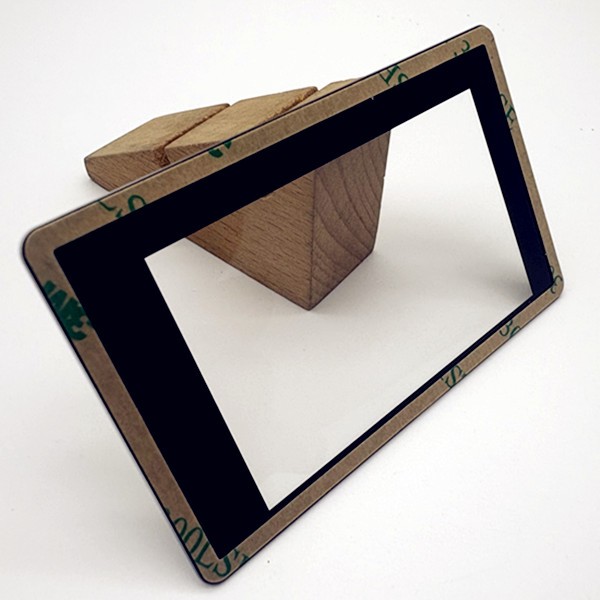
Custom Tempered Glass Dashboard Trim Panel Flat Electronic Glass Screen Protector
Flat tempered cover glass for dashboard trims, EV charger interfaces and instrument displays. For Denpasar rental fleets and vehicle-electronics installers, we can combine anti-glare finishing, printed black borders and an easy-clean oleophobic surface.
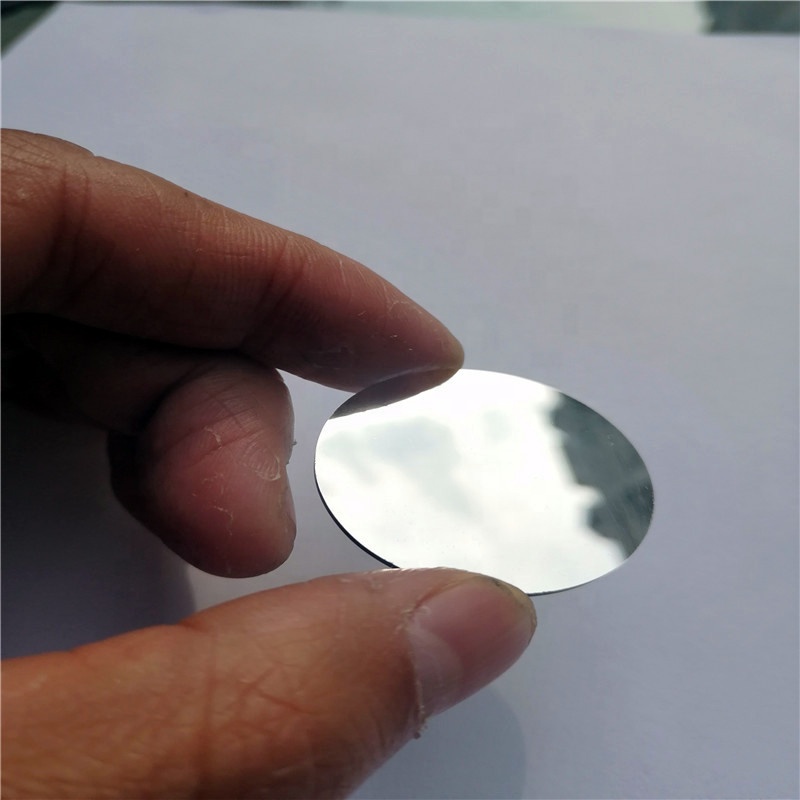
Gobo Glass/dichroic Mirror Lighting Filters Glass Lens
Heat-resistant gobo blanks and dichroic filters for stage, villa event and architectural lighting. Exposed lenses in beach clubs and resort venues benefit from easy-clean finishing to help remove fingerprints, sunscreen residue and airborne salt film.
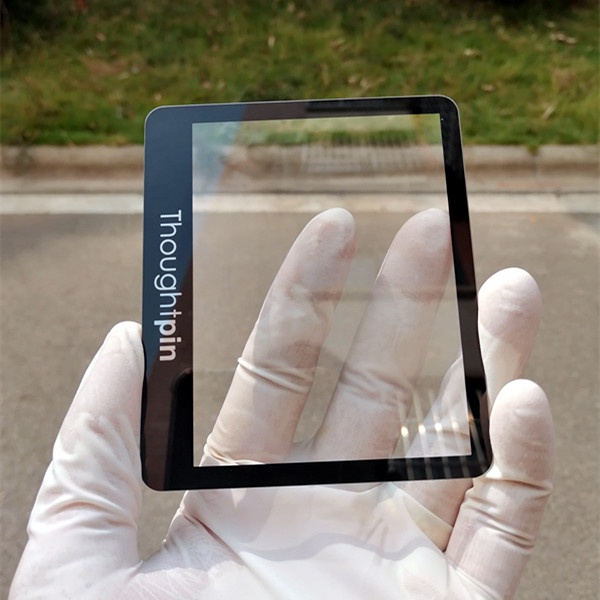
1.5mm 2mm Tempered Glass Thickness Touch Switch Glass Plate
Tempered touch switch plate for smart villa wall controls, elevator buttons, spa lockers and hospitality room panels. An oleophobic finish helps resist lotion, sunscreen and salt film in coastal Bali environments while keeping the tactile response consistent.
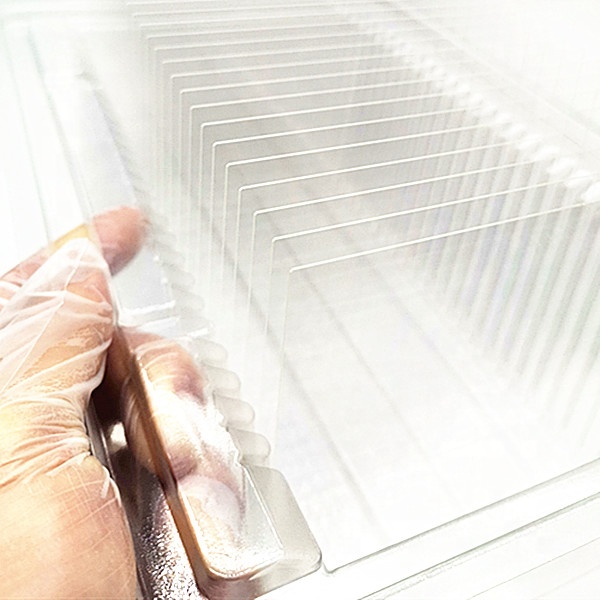
Custom Chemically ultra Thin Clear Transparent Tempered Glass Sheet
Ultra-thin chemically strengthened glass for sensor covers, compact kiosk displays and sealed electronic windows. Thickness from about 0.15 mm to 2 mm allows lightweight design without sacrificing surface strength or optical clarity.

0.5mm 0.7mm 1mm 2mm 3mm Thickness China Suppliers Good Price Oem Wholesale Premium Tempered Printing Custom Gorilla Glass Screen
Multi-thickness Gorilla glass supply for Denpasar wholesalers, display fabricators and OEM assembly teams. Combine custom CNC outlines, edge grinding, silk printing and oleophobic easy-clean treatment for high-touch public interfaces.
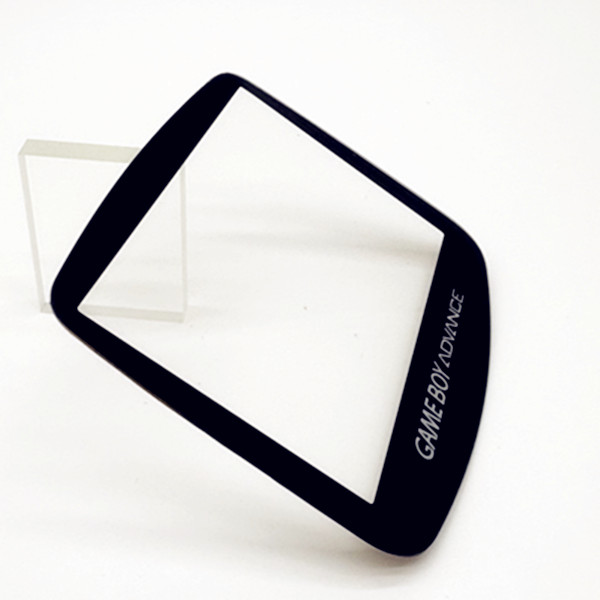
Custom Premium Gorilla Tempered Silk Screen Printed Glass Touch Screen Printed Glass Panels Cover Glass for OLED Screen
Printed cover glass for OLED, LCD and interactive display panels. Precise print registration supports logos, icon windows and IR-transparent zones, while optional oleophobic coating improves the feel and cleanability of public touchscreens.
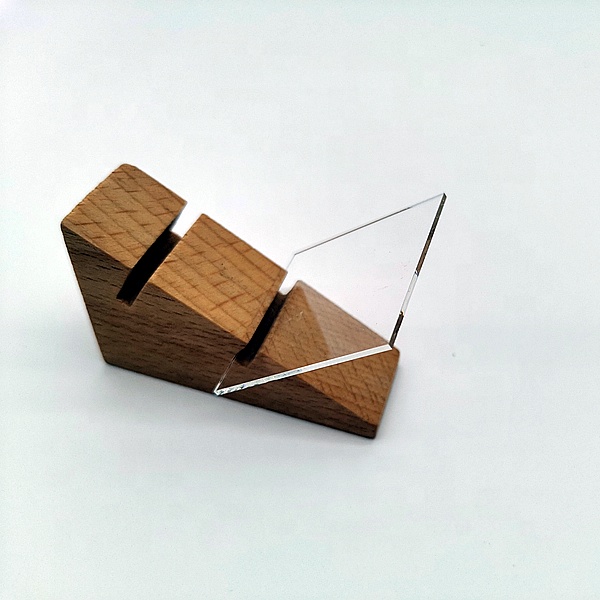
Custom 0.2mm 0.3mm 0.4mm 0.5mm 0.7mm 1mm Alkali Free Borosilicate AF32 Glass
Alkali-free borosilicate glass for optics, biochips, sensor windows and heat-resistant components. Low thermal expansion and stable flatness make it a strong base for precision coating, inspection and thin-glass assembly projects.
Verified Advantages for Denpasar Project Buyers
Fevry Glass combines materials expertise with export-oriented processing and documented trading performance. The metrics below are drawn from the company’s public supplier profile and are included to help Denpasar buyers pre-screen a glass partner before requesting samples.
For current verification records, see the company’s supplier assessment, trade history and buyer reviews on fevryglass.com.
What Is Oleophobic Glass, and Why Does It Matter in Denpasar?
Oleophobic glass is an engineered surface, not a single raw glass type. The base sheet may be soda-lime glass, Gorilla glass, borosilicate 3.3 or Corning Eagle XG. The oleophobic performance comes from surface chemistry — usually a thin fluorosilane-type coating applied after cleaning, strengthening, printing and any AR or AG coating. A properly specified oleophobic surface lowers surface energy, so natural skin oils, sunscreen and lotion tend to bead rather than spread. In Denpasar’s humid, high-touch hospitality and retail spaces, this can mean fewer visible fingerprints, faster cleaning routines and a more consistent tactile experience for guests and staff.
For procurement teams, the important issue is coating durability under local cleaning habits. Tropical environments combine salt-laden air, sunscreen, insect repellent, sweat and frequent disinfection. Buyers should ask which side is coated, how the coating is cured, what abrasion test method is used and whether the sample was cleaned with neutral pH detergents. Abrasive powders, acid cleaners and rough cloths can degrade any easy-clean layer. We recommend validating a simple cleaning protocol with the sample: microfiber cloth, mild neutral cleaner and immediate drying. This is more useful than comparing a single contact-angle number without a test method.
The base glass still controls mechanical safety and optical flatness. For ultra-thin cover glass from 0.15 mm to about 2 mm, chemical strengthening by ion exchange is common. For thicker glass around 3 mm and above, thermal tempering is typical. All cutting, drilling, CNC shaping and edge grinding must be completed before strengthening and coating, because reworking after strengthening can damage the surface or weaken the part.
Coating Stack Examples for Denpasar Projects
Hotel kiosk or lift panel: chemically strengthened Gorilla glass + oleophobic top layer + optional AR + anti-glare finish, with rear black print.
Seafront villa smart switch: 1.5–2 mm tempered glass + oleophobic easy-clean surface + printed icon window; use neutral cleaner to remove salt film.
Luxury retail display: ultra-clear glass + double-sided AR + oleophobic front surface, giving brighter product presentation and easier removal of cosmetic residue.
Stage or architectural lighting: borosilicate 3.3 base + dichroic coating + cleanable front surface where exposure to sunscreen and fingerprints is expected.
Actual stack depends on drawing, coating side, ink sequence, environmental exposure and sample approval.
Indicative target visualisation only. Final performance must be confirmed by the agreed material datasheet, coating specification and approved sample.
Denpasar Market Trends Reshaping Glass Demand
Denpasar is not a generic destination for glass imports. As Bali’s administrative and commercial gateway, it connects hotel groups, villa developers, retail operators, clinics, transport companies and importers who work across Sanur, Kuta, Seminyak, Canggu, Ubud and other high-demand corridors. The purchasing pattern reflects a tourism-driven economy with high humidity, salt exposure and a strong preference for seamless guest experience.
Contactless check-in and guest-facing kiosks
Hotels, villas and beach clubs are adopting self-service check-in, digital menus, wayfinding screens and room-control panels. These surfaces are touched by many guest hands each day, often after sunscreen or moisturizer use. Oleophobic cover glass helps reduce visible smear patterns and supports a premium first impression when staff clean between arrivals.
Humidity, salt film and easy-clean surfaces
Coastal air and open-air transitions place display glass near salt film, rain splash and dust. Buyers increasingly ask for tempered or chemically strengthened glass, sealed edges, corrosion-resistant packaging and cleaning guidance. An oleophobic treatment is useful only when paired with a robust base glass and a realistic maintenance routine.
Glass touch plates for lighting, AC and security
Villa and boutique-hotel projects specify glass touch switches because they look clean, resist wear and fit contemporary interiors. Denpasar suppliers need consistent print registration, flatness and edge quality across small repeat orders. A 1.5–2 mm tempered plate with oleophobic finish is a practical option for wall controls near pools, spas and outdoor showers.
Where Oleophobic Coated Glass Performs in Denpasar
From guest-facing touchpoints to technical display stacks, the value of oleophobic glass is highest where hands, oils, sunscreen and cleaning frequency meet optics.
Hotel & villa control panels
Room lighting, AC, privacy and service controls with printed icons and an easy-clean touch surface.
Self-service kiosks
Check-in, ticketing, menu and wayfinding screens in high-traffic hospitality and transport locations.
Retail & POS displays
Bright product showcases, payment terminals and interactive windows where fingerprints affect perceived quality.
Clinic & dental equipment
Instrument covers, touch panels and cleanable glass windows for hygienic, high-frequency wiping routines.
Beach club menu screens
Outdoor-adjacent menu boards and poolside displays where sunscreen and salt film are daily realities.
Automotive & transport dashboards
Dashboard trims, charger displays and fleet information panels that need anti-glare and repeatable printing.
How Denpasar Buyers Can Source Oleophobic Glass Efficiently
A successful order depends less on a catalog headline and more on the specification loop: drawing, base material, coating side, print sequence, strengthening route, packing method and shipping terms. The workflow below is designed for project buyers, fabricators and wholesalers who need predictable results.
| Stage | What the buyer provides | What Fevry Glass confirms | Denpasar-specific note |
|---|---|---|---|
| 1. Drawing & application | DWG, DXF or PDF with outline dimensions, tolerances, holes, notches, thickness, surface finish and annual volume. | Manufacturability, edge finish, print registration, coating side and sample plan. | Include whether the part is near pool, sea air, outdoor shower or air-conditioned interior. |
| 2. Material & coating review | Preferred base glass, AR/AG requirement, oleophobic side, ink colors and cleaning expectations. | Recommended stack, test method, masking strategy and optical notes. | For humid spaces, confirm cleaning chemistry before approving the easy-clean layer. |
| 3. Sample approval | Target quantity, Pantone references, edge acceptance criteria and function test. | Sample dimensions, visual standard, print alignment and coating appearance. | Air-freight samples to Denpasar via DPS airport; approve before mass production. |
| 4. Mass production | Approved drawing and sample reference. | In-process checks for size, flatness, print and visual defects. | Keep one approved reference sample with your Bali installer or project team. |
| 5. Export packing | Drop-test or logistics preference, labeling and delivery address. | Interleaved, cushioned packing for thin glass and printed parts. | Sea freight may arrive via Benoa, Surabaya or Jakarta transload; confirm final delivery terms with your broker. |
Import duties, HS classification and preferential tariff treatment should be confirmed with an Indonesian customs broker. Typical documents include commercial invoice, packing list, bill of lading or air waybill, certificate of origin where applicable, and product description for customs review.
Share a complete drawing
Send a 2D drawing with tolerances, glass type, thickness, edge condition, hole positions and print details. This removes most back-and-forth.
Define the tactile surface
Tell us if the touch side needs oleophobic treatment, AR coating, anti-glare etching or a combination. State which side is coated.
Validate cleaning
Test a sample with the actual cleaner used in Denpasar. Neutral pH cleaner and microfiber cloth are safer than abrasive or strongly acidic products.
Approve the print
Silk-screen printing should be checked for color, opacity, window clarity and alignment before strengthening and final packing.
Plan freight mode
Use air freight for urgent samples and sea freight for production batches. Insure fragile glass and confirm last-mile handling in Bali.
Keep a reference sample
Store an approved sample with your installer or project manager so future repeat orders stay consistent.



Why Choose Fevry Glass for Denpasar Oleophobic Glass Supply?
Fevry Glass Co., Ltd. is a specialty glass supplier and exporter based in Xinyu, Jiangxi, China. Drawing on hands-on experience with optical, biological, semiconductor, communications, lighting and electronics customers, we help buyers choose a suitable substrate and convert it into an export-ready finished part. For Denpasar projects, that means a partner who understands both the technical stack and the realities of shipping fragile, printed, coated glass into Bali.
We source raw glass from established producers, including Corning and AGC, and work with experienced Chinese optical glass makers such as Chengdu Guangming and Xinhuguang. Processing is supported by laser, ultrasonic, CNC carving, grinding, strengthening, coating, printing and inspection equipment from the USA, Germany and Japan. Our guiding principle is “Quality is superior, service is supreme, reputation is first”, and our motto is “Your success, our glory”.
- 10+ years as an Alibaba.com member
- ≤4 hour average response time
- 100% inquiry response rate
- 5.0/5 buyer rating
- Export experience across 7+ regions
- Corning Eagle XG, borosilicate, printed glass
- AR, dichroic and optical coating capability
- Silk-screen printing and back painting
Material sourcing
Traceable raw glass from Corning, AGC and established optical glass makers.
Laser, CNC & ultrasonic
Custom outlines, holes, notches, slots and controlled edge finishing.
Strengthening
Thermal tempering for thicker panels and ion exchange for thin glass.
Optical coatings
AR, dichroic and filter coatings, with oleophobic easy-clean treatment available on request.
Printing & painting
Pantone-matched borders, logos, icon windows and IR-transparent zones.
Inspection & packing
Dimensional, visual and optical checks before cushioned export packing.
Questions Local Buyers Ask Before Ordering Oleophobic Glass
Practical answers for hotel owners, fabricators, importers and project buyers sourcing from Bali’s commercial hub.
Do you supply oleophobic glass directly to Denpasar buyers, or only to distributors?
We are an exporter and wholesale supplier, so we work with both project buyers and distributors. For Denpasar, typical customers include display fabricators, hotel engineering teams, smart-villa integrators, lighting suppliers and electronics assemblers. We do not claim a local stock warehouse in Bali; production is made to drawing in China and shipped according to the agreed Incoterms. If you need local installation, we can coordinate with your appointed Bali fabricator or contractor.
Will an oleophobic coating survive humid Bali cleaning routines?
It can perform well when the coating is correctly specified and cleaned with compatible products. We recommend a neutral-pH cleaner and a soft microfiber cloth. Avoid abrasive pads, acid-based bathroom cleaners, strong solvents and dry wiping that traps grit. Because cleaning chemicals used in Bali hotels can vary, request a coated sample and test it with the actual cleaner before approving mass production. The test should simulate the site’s cleaning frequency and wiping method.
Can you combine oleophobic, anti-reflective and anti-glare finishes on one glass panel?
In many display stacks, yes, but the sequence must be engineered. AR coating is usually applied before the final oleophobic top layer, and anti-glare etching may be applied to one surface. Silk-screen printing on the rear must not intrude into optical windows. We need to know the touch side, viewing side, printed side, application environment and whether the part will be laminated. Over-specifying can increase cost without improving the user experience, so our engineers will recommend a practical combination.
What MOQ and lead time should a Denpasar buyer expect?
Many custom cover glass, printed glass and AR glass items start from about 300 to 500 pieces. Custom-cut Corning Eagle XG parts may start from around 1,000 pieces, while selected gobo blanks can start from smaller quantities. Lead time depends on drawing complexity, coating route, print colors and sample approval. A typical sequence is engineering review, sample making, sample approval, mass production and export packing. Always confirm the production schedule in writing before placing a project order.
How is glass shipped to Denpasar, and what documents are needed?
Samples are commonly air-freighted through Ngurah Rai International Airport (DPS). Production batches usually move by sea freight to Benoa, or via Indonesian transload ports depending on the forwarder. Typical documents include commercial invoice, packing list, bill of lading or air waybill, and certificate of origin where applicable. Glass should be insured, crated with interleaves and cushions, and labeled for fragile handling. Import duties and classification should be confirmed with an Indonesian customs broker before shipment.
What information should I send for a fast quotation?
Send a 2D drawing (DWG, DXF or PDF) with outline dimensions and tolerances, thickness, base glass preference, edge finish, hole and notch positions, strengthening method, print colors with Pantone references, coating sides, application, annual quantity and delivery city. For Denpasar, also tell us whether the part is for an air-conditioned interior, poolside area, beachfront venue or transport equipment. Complete information allows our team to respond with a focused recommendation rather than a generic price list.
Planning an Oleophobic Glass Order for Denpasar?
Send your drawing, coating requirement and expected annual volume. Our team will help you select a practical glass stack for Bali’s climate and your project budget.