
OEM/ODM Touch Panel Glass Exporters & Wholesalers for the Chiang Mai Market
Custom tempered, AR-coated, silk-screen printed, borosilicate and chemically strengthened cover glass for Chiang Mai hospitality, healthcare, EV, smart retail and industrial HMI programs.
Recommended OEM/ODM Shortlist
8 Touch Panel Glass Products for Chiang Mai Wholesalers and Integrators
Start with the application, not the lowest sheet price. These eight product families cover the most common Chiang Mai requests: clear tempered cover glass, printed Gorilla glass, AR-coated display glass, borosilicate for heat, back-painted LED glass and gobo blanks for lighting.
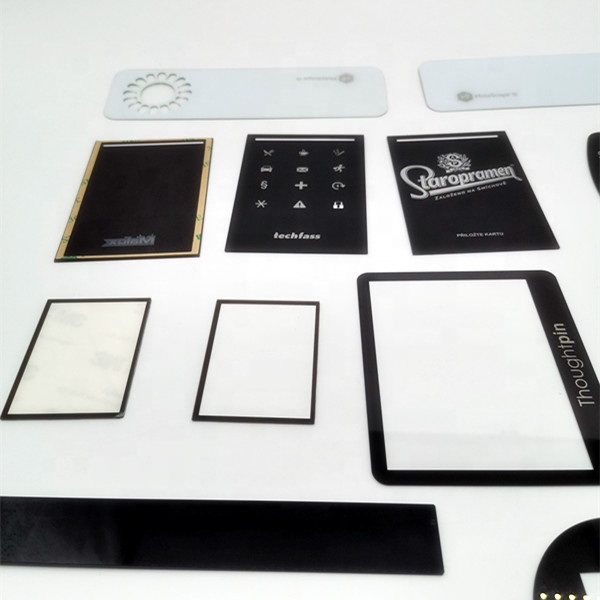
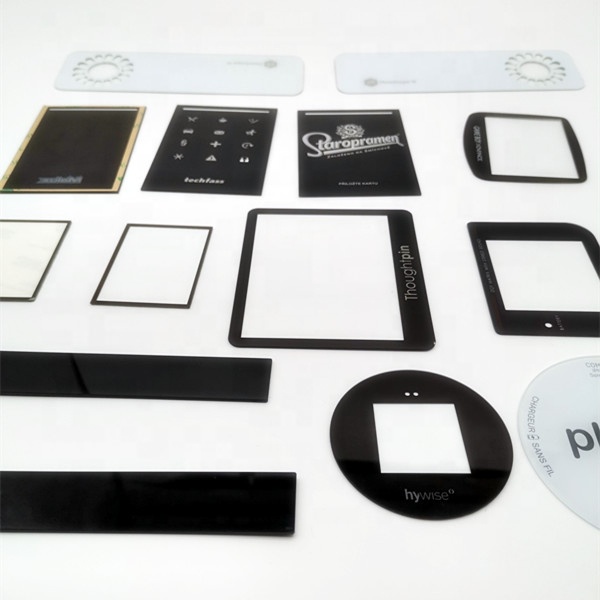
Printed Gorilla Glass
Custom Display Screen Silk Screen Printing Tempered Gorilla Glass
View product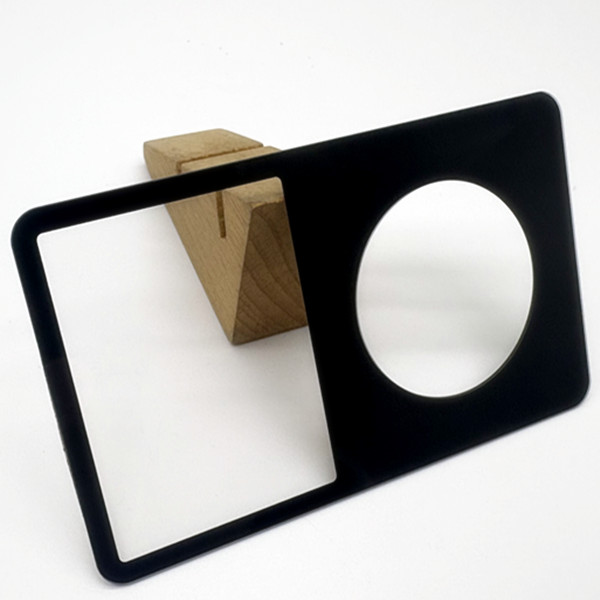


Supplier Signals You Can Check
Export Experience That Matters to Chiang Mai Buyers
For OEM/ODM touch panel glass, the real risk is not only unit price. It is specification drift, coating defects, print misregistration, edge chipping and fragile-glass packing after a long route into Northern Thailand.
10+Years as an Alibaba.com member
≤4hAverage inquiry response time
100%Inquiry response rate
5.0/5Buyer rating
7+Export regions served
0.15–4mmCustom glass thickness range
Chiang Mai Market Context
Why Chiang Mai Needs a Localized Touch Panel Glass Supply Strategy
Chiang Mai is a northern Thailand commercial and service hub with strong links to hospitality, healthcare, education, agriculture, retail and light industrial supply chains. For local integrators and brand owners, finished touch panel glass is rarely just a commodity sheet. It sits in front of the user interface, so every scratch, reflection, color mismatch or edge chip becomes visible at the point of sale, in the hotel lobby, at the clinic reception or on the factory floor.
Most Chiang Mai buyers do not need a glass factory next door. They need an export-ready OEM/ODM partner that can cut, strengthen, coat, print, inspect and pack glass to a drawing, then support a repeatable replenishment plan. The buying decision should therefore compare total program risk: drawing review speed, sample accuracy, material traceability, print color control, packing quality and delivery coordination into Thailand.
Climate also matters. Chiang Mai’s hot and humid periods, seasonal dust and strong daylight in glass-fronted public spaces make anti-glare, anti-reflective and easy-clean surfaces more valuable than buyers sometimes expect. For thin cover glass, chemically strengthened glass is often more suitable than thermal tempering; for thicker architectural or machine panels, thermal tempering may be more appropriate. The right answer depends on thickness, strength target, optical requirement and the assembly process.
- Drawing-based OEM/ODM instead of open-stock guessing
- AR, AG, printed borders and icon windows
- Chemical strengthening for thin cover glass
- Borosilicate options for heat and lighting
- Export packing for fragile thin glass
- Repeat-order material and color consistency

From raw sheet to finished optical part: cutting, strengthening, coating, printing and inspection can be coordinated under one supplier workflow.
Localized Applications
Where Touch Panel Glass Is Used in and around Chiang Mai
Chiang Mai buyers often source for multiple end markets at once. The same glass supplier may be asked for hotel control panels, clinic display covers, EV charging HMI, smart-farm monitors and industrial touch screens. Each application has a different priority.
Hotels, Resorts & Hospitality
Check-in kiosks, room control panels, spa menus, digital signage and concierge displays benefit from anti-glare cover glass, anti-fingerprint surfaces and clean silk-printed borders. Thin chemically strengthened glass helps keep wall panels slim.
EV Charging & Automotive Aftermarket
Charging-station HMI, two-wheel EV dashboards, garage diagnostics and dashboard trim panels need scratch-resistant, UV-stable and optically clear cover glass. Black printed borders can hide bonding edges and indicator windows.
Medical, Dental & Wellness Clinics
Chiang Mai’s medical and wellness ecosystem uses patient terminals, diagnostic displays and reception signage. Buyers should specify cleanable surfaces, consistent flatness, edge quality and repeatable optical transmission for display readability.
Smart Agriculture & Cold Chain
Packhouse monitors, cold-room HMI, irrigation controllers and sensor displays require reliable cover glass that tolerates cleaning, humidity and daily handling. Buyers often prioritize robust edges and stable print quality over premium decorative effects.
Industrial Automation & Food Processing
Machine HMI, control-room monitors and equipment covers need tempered glass, chemically strengthened thin glass or borosilicate depending on heat and impact. Printed dead-front graphics can integrate logos, warnings and touch windows.
Smart Retail, Kiosks & Payment Terminals
Self-service kiosks, POS terminals, vending machines and digital menu boards live in high-touch environments. AR/AG glass, anti-fingerprint treatment, scratch resistance and precise icon-window printing improve both durability and user experience.
Localization Trends
Chiang Mai Trends Shaping OEM/ODM Touch Panel Glass Demand
These are practical sourcing trends rather than abstract forecasts. They reflect how local buyers are combining imported finished glass with local assembly, branding and installation into Thai and wider Mekong-region projects.
AR/AG + Anti-Fingerprint Surfaces
Hotels, clinics and retail spaces are bright and highly visual. Anti-reflective coating improves readability, while anti-glare and easy-clean finishes reduce visible smudges in public use.
Thinner, Stronger Cover Glass
Chemically strengthened glass from 0.15 mm to about 2 mm helps Chiang Mai product teams create slim wall panels, portable devices and compact kiosks without sacrificing surface strength.
Printed Dead-Front Graphics
Brand owners want glass that hides internal electronics and shows only the required icons, logos or indicator windows. Pantone-matched silk printing and back painting turn glass into a finished UI component.
Decorated LED & Backlit Glass
Back-painted tempered glass is used in illuminated signage, appliance panels and decorative lighting. Buyers should lock paint color, light transmission and hiding power before mass production.
Heat-Resistant Borosilicate Demand
Lighting, projector gobo, optical filters and heat-exposed covers favor low-expansion borosilicate 3.3 or related technical glass. This is especially relevant for lighting OEMs serving tourism, events and stage production.
Smaller, More Frequent Replenishment
Instead of one oversized container, some buyers prefer planned mixed batches, buffer stock and repeat production. This can reduce cash exposure and keep Chiang Mai assembly teams supplied during project installations.
The bars above are illustrative program-fit indicators based on common OEM/ODM inquiries, not a statistical market forecast. Final specifications must be confirmed against your drawing, assembly method and end-use environment.
Material Selection Guide
Choose the Right Glass Before Comparing Wholesale Prices
Two suppliers may quote the same thickness, but the material, strengthening method, coating and print process can change the real performance of your touch panel. Use this technical shortlist for early-stage Chiang Mai sourcing discussions.
Typical Material Comparison for Touch Panel & Technical Glass Programs
| Material | Thickness Range | CTE (×10⁻⁶/K) | Best Chiang Mai Use | Why It Matters |
|---|---|---|---|---|
| Ultra-clear soda-lime | 0.5–4 mm | ≈9.0 | Printed covers, AR display windows, decorative panels | Cost-effective clarity and printability for many indoor UI covers. |
| Gorilla® alkali-aluminosilicate | 0.4–2 mm | ≈7.5–8.5 | Scratch-resistant touch panels, kiosk covers, smart controls | Chemically strengthened thin glass can improve damage resistance while keeping the panel slim. |
| Borosilicate 3.3 | 0.3–3.3 mm | 3.3 | Lighting covers, gobo blanks, heat-resistant windows | Low expansion gives better thermal-shock resistance than common soda-lime glass. |
| Corning® Eagle XG | 0.5–1.1 mm | ≈3.2 | Biochips, wafers, PLC and micro-optics | Alkali-free, flat and dimensionally stable for precision patterning or bonding. |
| Chemically strengthened thin glass | 0.15–2 mm | Base-glass dependent | Ultra-thin protectors, sensor covers, compact HMI | Ion-exchange strengthening supports thin, lightweight designs without thermal tempering distortion. |
Values are typical industry figures for preliminary selection. Final material, tolerances and coatings should be confirmed against the manufacturer datasheet, your drawing and your assembly process.


E-E-A-T & Company Advantages
Why Chiang Mai OEM/ODM Buyers Work with Fevry Glass
Fevry Glass Co., Ltd. is a specialty glass supplier based in Xinyu, Jiangxi, China. Our experience spans optical, biological, semiconductor, communications, lighting and electronics customers. For Chiang Mai buyers, that matters because a touch panel cover is rarely only “a piece of glass” — it must fit the housing, match the print, support the bonding process and survive export handling.
We source raw glass from established producers including Corning, AGC and Chinese optical-glass makers such as Chengdu Guangming and Xinhuguang, so material selection can start from traceable, consistent substrates. Processing is supported by laser, ultrasonic, CNC carving, grinding and inspection equipment imported from the USA, Germany and Japan. Our working principle is “Quality is superior, service is supreme, reputation is first” and our motto is “Your success, our glory.”
- Corning Eagle XG, borosilicate and transparent technical glass
- Semiconductor wafers and biochip glass
- PLC substrates and optical V-groove glass
- Lighting color lenses and gobo blanks
- AR, dichroic and optical coatings
- Silk-screen printing and back painting
Processing Capabilities
One Accountable Workflow from Drawing to Export Packing
Fewer hand-offs mean fewer specification gaps. For Chiang Mai OEM/ODM projects, the goal is to lock the drawing, material, coating side, print color and packing method before mass production begins.
Laser, CNC & Ultrasonic Machining
Custom outlines, holes, notches, slots and edge profiles for display windows, sensor openings and mechanical fit.
Thermal & Chemical Strengthening
Thermal tempering for suitable thicker panels; ion-exchange chemical strengthening for 0.15–2 mm thin cover glass.
AR, Dichroic & Optical Coatings
Anti-reflective coating on one or both sides, plus dichroic and filter coatings for lighting, optics and instruments.
Silk-Screen Printing & Back Painting
Pantone-matched borders, logos, icon windows, IR-transparent ink areas and decorative back-painted colors.
Dimensional & Optical Inspection
Checks for size, thickness, flatness, edge condition, print registration, coating appearance and visible defects.
Export Packing & Replenishment
Interleaved and cushioned packing for fragile glass, with repeat-order planning for Chiang Mai assembly schedules.
OEM/ODM Process
A Clear 6-Step Path from Drawing to Chiang Mai Delivery
The fastest way to reduce quotation rounds is to send complete technical information at the start. A professional glass exporter should be able to review manufacturability, propose a material, confirm tolerances and explain packing before asking for a bulk order.
Share Drawing & Use Case
Send DWG, DXF or PDF with dimensions, tolerances, material, thickness, edge finish, holes and application.
Engineering Review
Confirm manufacturability, strengthening method, coating side, print colors and likely risk points.
Sample Approval
Validate fit, optical appearance, print registration, edge quality and packing before mass production.
Production & Inspection
Process cutting, strengthening, coating and printing with dimensional and visual quality checks.
Export Documentation
Prepare commercial invoice, packing list and shipping coordination for Thailand-bound freight.
Replenishment Planning
Keep material, print color and packing specifications on file for repeat orders and future model updates.
Chiang Mai Buyer FAQ
Common Procurement Questions from Chiang Mai Touch Panel Glass Buyers
These are the practical questions engineers, brand owners and sourcing teams ask when importing custom touch panel glass into Northern Thailand.
What information should I send for an OEM/ODM touch panel glass quotation?
Send a 2D drawing (DWG, DXF or PDF) with outline dimensions and tolerances, glass material, thickness, edge finish, hole and notch positions, strengthening method, print colors with Pantone references, AR coating side or sides, end application, annual quantity and delivery destination in Thailand. If you have an existing sample or assembly photo, include it. Complete information helps our engineers respond with a firm, comparable recommendation rather than a generic price.
What is the typical minimum order quantity for Chiang Mai wholesale programs?
Most custom cover glass and AR glass items start from around 300–500 pieces, some custom-cut Eagle XG parts from 1,000 pieces, and selected gobo glass blanks from as low as 10 pieces. Samples can usually be discussed to validate fit and optical performance before mass production. MOQ depends on size, material, coating, printing and packing, so confirm it together with your drawing.
How is glass shipped to Chiang Mai, and what should we plan for?
Samples are commonly sent by international courier to Chiang Mai International Airport (CNX) or a local office address. Bulk orders are usually coordinated by sea freight via Laem Chabang or Bangkok, followed by trucking to Chiang Mai, or by air freight when schedule and budget allow. Because glass is fragile and heavy, buyers should discuss palletization, interleaving, cushioning and carton labeling early. Ask for a live shipping quotation with your preferred Incoterm.
What about Thai import VAT, duty and customs documents?
Thailand generally applies 7% VAT on imports, while customs duty depends on the product classification, origin and applicable trade rules. Worked glass may fall under different HS headings depending on whether it is tempered, printed, coated or further processed, so a Thai customs broker should confirm classification. We can provide commercial invoice, packing list and applicable origin or product documents for the shipment.
Which glass should be used in Chiang Mai’s hot and humid climate?
For thin display covers, chemically strengthened glass is often preferred because it maintains flatness and optical quality while improving surface strength. For outdoor or brightly lit spaces, specify AR or AG glass with a durable coating and verify cleaning chemical compatibility. Printed glass should use suitable inks for humidity and UV exposure. For heat-exposed lighting parts, borosilicate 3.3 may be more appropriate than soda-lime glass. Always test the chosen glass against your actual cleaning method and installation environment.
Can you support custom silk-screen printing, icons and private-label packaging?
Yes. Printed cover glass can include black or colored borders, logos, touch icons, indicator windows, IR-transparent areas and back-painted regions. Buyers should provide vector artwork, Pantone color references, print-side instructions and tolerance expectations. For private-label or OEM packaging, share carton artwork, label data and packing requirements so that print and packing can be reviewed together with the glass drawing.
How do you reduce breakage risk during export packing?
Thin glass requires interleaved protection, edge protection, cushioned cartons and clear orientation labels. Depending on size and volume, we can discuss foam separators, moisture protection and palletized packing. For high-value printed or AR-coated glass, buyers should approve the packing method at sample stage. Please tell us whether your Chiang Mai warehouse can handle full pallets, small cartons or mixed boxes.
Are you a trading company or a processing supplier?
Fevry Glass works as a specialty glass supplier with processing capability. We coordinate raw material sourcing and finish glass through cutting, strengthening, coating, printing and inspection. This matters for OEM/ODM buyers who need one accountable partner for technical review and repeat production, rather than disconnected steps across multiple trading intermediaries.
Gorilla® and Eagle XG® are trademarks of Corning Incorporated, used here for material identification only. Final specifications are confirmed by drawing, sample approval and supplier datasheet.
Send Your Touch Panel Glass Drawing for a Chiang Mai-Ready Quotation
Share your drawing, material, thickness, print colors, AR requirement, annual volume and destination in Chiang Mai. Our team will review manufacturability and recommend the next practical step.
Contact Us
OEM/ODM · wholesalers · Chiang Mai market