8 Optical Glass Products for Projector Lens and Light-Engine Programs in Tijuana
Projector lens programs rarely buy a single sheet of glass. They buy a repeatable stack of windows, filters, mirrors, printed covers and protective panels that must fit a mechanical housing, survive handling and protect optical alignment. These eight product families support common OEM/ODM requirements from Tijuana and Baja California buyers. All parts are quoted from drawing; where the finished lens prescription is proprietary, we manufacture the glass components around it.
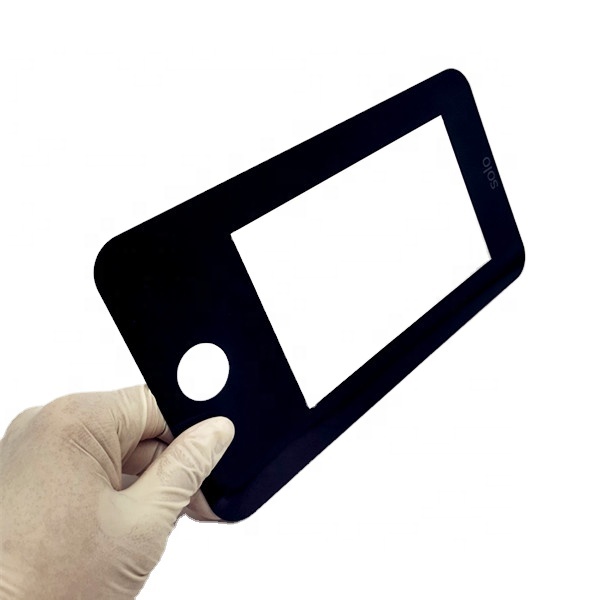
Manufacturer OEM Wholesale Custom Unbreakable Tempered Glass, High Quality Tempered Glass, Low Iron Tempered Glass Manufacturer
Low-iron tempered glass for projector windows, light-engine covers and sensor protection. Neutral color supports true image tone, while tempering improves mechanical durability for cross-border assembly and field use.
View product specs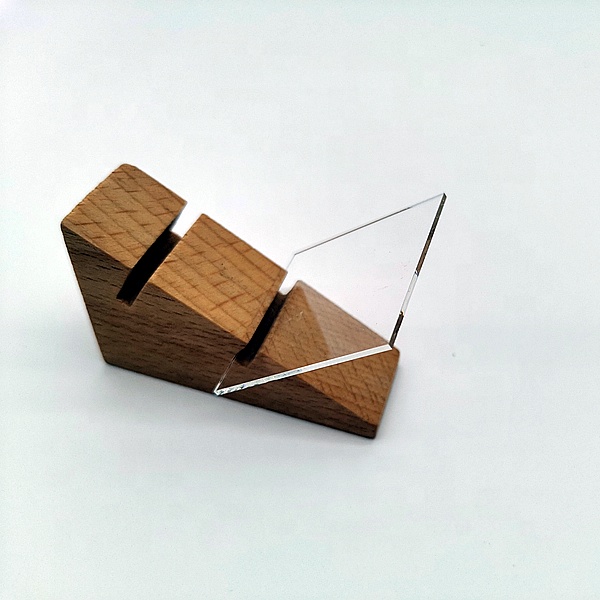
Custom 0.2mm 0.3mm 0.4mm 0.5mm 0.7mm 1mm Alkali Free Borosilicate AF32 Glass
Alkali-free borosilicate AF32 in 0.2–1 mm for compact lens stacks, heat shields and projection light paths where low thermal expansion, optical clarity and thin-glass handling matter.
View product specs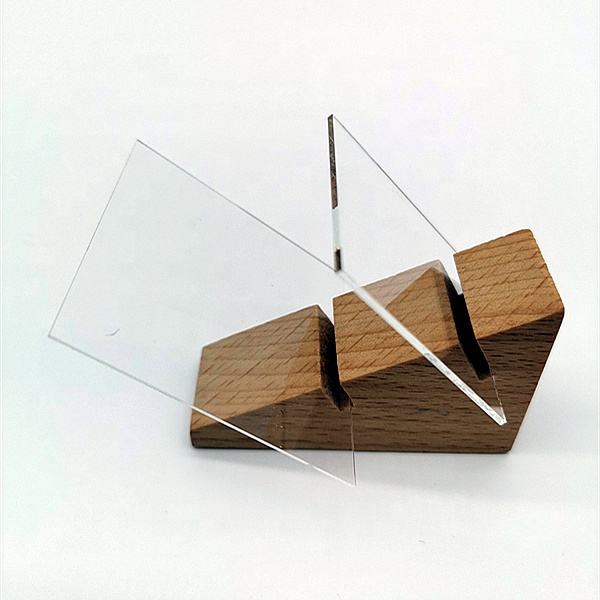
Custom Cut 0.5mm 0.7mm 1mm 1.5mm 2mm 2.5mm 3mm Corning Gorilla Temper Glass
Gorilla glass cut, edged and strengthened for touch interfaces, projector control panels and ruggedized industrial displays used in cross-border electronics programs.
View product specs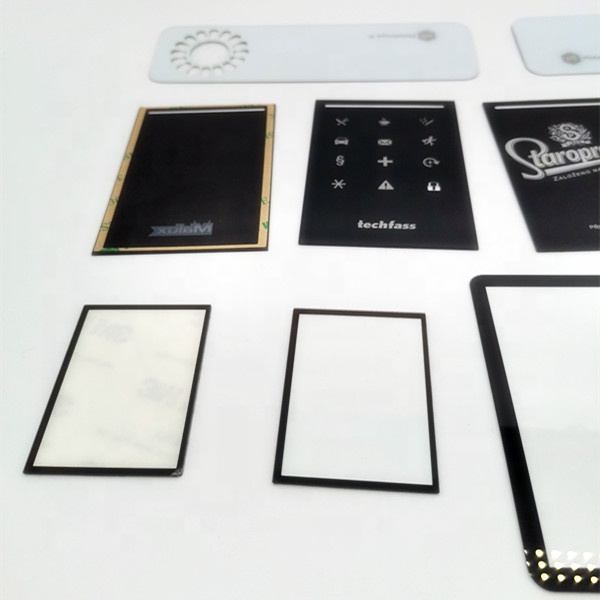
Custom Corning Gorilla Tempered Glass Silk Screen Printing for Touch Screen
Silk-screen borders, logos and windows on strengthened Gorilla glass. Useful for interactive projector controllers, smart-home panels and HMI displays requiring clean optical windows.
View product specs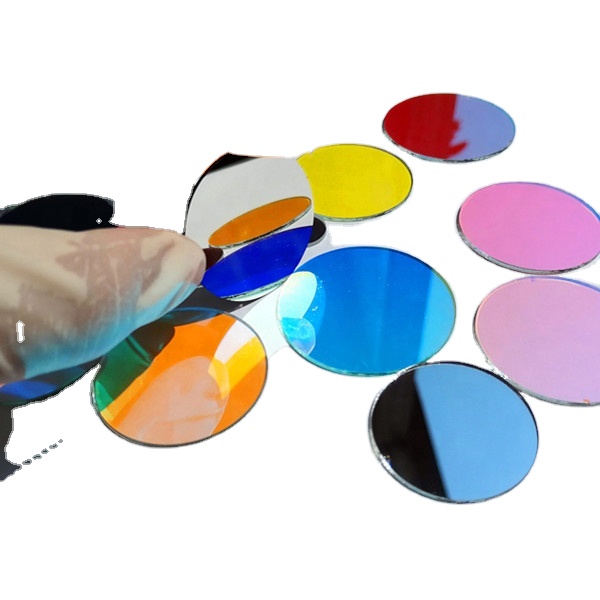
0.3mm ~ 2mm Dichroic Glass Mirror for Gobos
Thin dichroic mirror blanks for gobo patterns, color mixing and decorative projection. Heat-resistant substrate options help Tijuana lighting and stage-equipment builders manage thermal load.
View product specs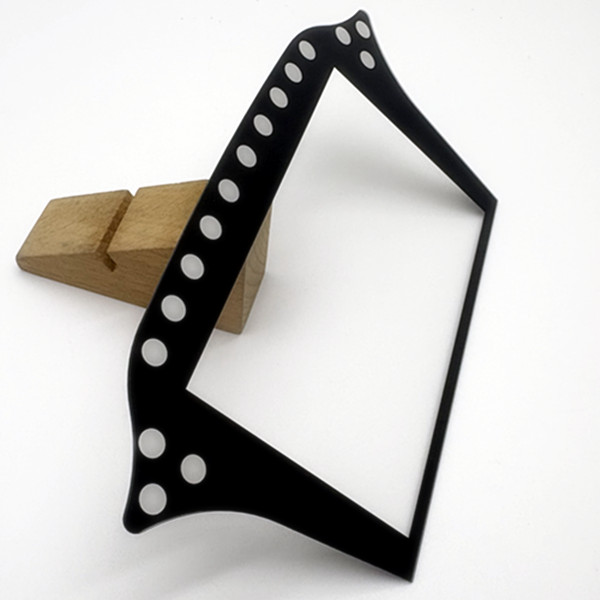
Custom Shaped Tempered Glass Processing, High Transparency Window Panels with Screen Printing
CNC-shaped, printed, high-transparency tempered panels for projector bezels, inspection windows and optical equipment where fit, cosmetics and edge quality all affect assembly.
View product specs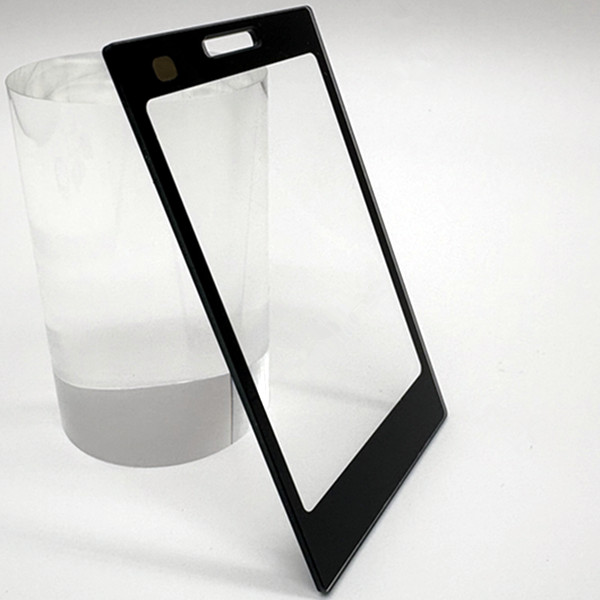
Factory Customized Black Glass Panel Silk Screen for Display Touch Electronic Glass
Black print and touch-display glass for control panels, projection interfaces and home electronics. Ink windows, logo areas and IR-transparent zones can be aligned to the drawing.
View product specs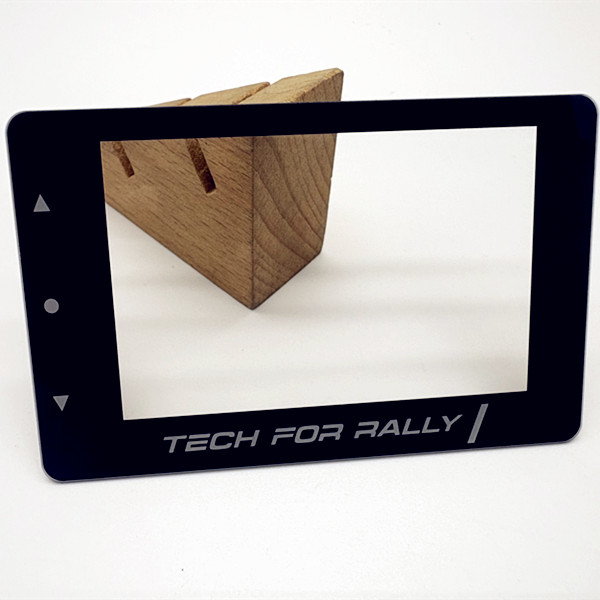
Customize Tempered Glass Silk Printed Ar Coating Gorila Glass LCD Screen protection Display
AR coating and silk print on tempered Gorilla glass for displays where glare control, scratch resistance and clean edges are critical to user experience and optical performance.
View product specsWhy Tijuana’s Projector Lens Programs Need a Different Kind of Glass Supplier
Tijuana is not only a low-cost assembly location. It is an integrated industrial city with electronics, medical device, automotive, aerospace and lighting suppliers tied to California and U.S. supply chains. Engineering and procurement may sit in San Diego, Irvine or Los Angeles, while production engineers and quality teams work in Baja California. That cross-border workflow creates a demand pattern quite different from a single large consumer-electronics factory: high-mix builds, frequent engineering changes, smaller first batches and a strong need to protect optical surfaces during border crossing.
Glass is one of the least forgiving components in that chain. A small edge chip or a pinhole in an AR coating can become a visible flare artifact. A silk-screen border that is off by a fraction of a millimeter can fail a cosmetic inspection. A packing choice that works for metal brackets may destroy a thin glass panel. Buyers therefore need more than a trading company that forwards quotations. They need a supplier that can review a 2D drawing, propose a substrate, control the edge, apply the correct coating, print to Pantone, inspect the part and pack it for export.
Fevry Glass Co., Ltd. operates as that kind of manufacturing partner. We are based in Xinyu, Jiangxi, China, and serve overseas OEMs and research teams. We do not claim a Tijuana storefront; instead, we support Tijuana buyers from a China-based specialty glass facility with engineering review, sample development, volume production and export packing. That distinction matters when procurement teams compare local distributors with overseas manufacturers. A local distributor may offer fast access to standard stock, but a drawing-based manufacturer can control substrate, coating and print variables that distributors rarely influence.
The practical question for a Tijuana buyer is not simply “Who is closest?” It is “Who can deliver a stable optical component with documentation, packaging and communication that fit a cross-border production schedule?” That is where a specialty glass exporter with process control and responsive engineering support can reduce total risk.
What Tijuana OEM/ODM Teams Usually Send Us
- 2D drawing in DWG, DXF or PDF with tolerances and critical dimensions
- Substrate, thickness, edge finish and hole or notch positions
- AR coating side, reflection or transmission target, and color neutrality
- Pantone print references plus transparent or IR ink windows
- Annual volume, first-article quantity and Tijuana ship-to address
- Target production date, packaging preference and customs broker details
Where These Glass Components Perform in Tijuana and Baja California
Tijuana’s industrial clusters create several practical use cases for precision glass. The same product family may serve a projector light engine, an industrial vision system and a display cover, but the drawing, coating and inspection criteria must be adapted to the application.
Projector Light Engines & Lens Modules
Condenser windows, AR cover glass, dichroic mirrors and heat-resistant borosilicate for compact projection modules. Glass is cut to fit mechanical housings and coated for the required wavelength band.
Automotive Displays, HUD & Interior Trim
Baja California’s automotive electronics chain needs anti-glare cover glass, printed trim panels and chemically strengthened thin glass for dashboards, HUD optics and control surfaces.
Stage, Studio & Architectural Lighting
Gobo blanks, dichroic color filters and high-transparency heat shields for entertainment lighting and architectural projection, including venues across Tijuana and Southern California.
Medical, Biotech & Analytical Devices
Borosilicate and ultra-clear glass windows for analyzers, imaging instruments and laboratory equipment used by the region’s medical-device and life-science manufacturers.
Industrial Vision & Laser Systems
Protective AR windows, shaped panels and durable covers for cameras, sensors and laser systems used in factory automation, inspection and precision manufacturing.
Smart Home & Touch Controls
Silk-printed black glass, Gorilla cover glass and AR-coated LCD protection for control panels, projectors, appliances and electronic interfaces in connected products.
Tijuana Market Trends Reshaping Projector Lens and Optical Glass Procurement
Nearshoring has made Tijuana more strategic, but it has also raised the bar for supply-chain transparency. A projector lens or optical module shipped to Tijuana may be designed in the United States, assembled in Mexico and sold back into the U.S. market. Each step creates documentation, quality and origin questions.
| Tijuana Procurement Trend | What It Means for Projector Lens Buyers | How Fevry Glass Supports the Project |
|---|---|---|
| Nearshoring and cross-border JIT | U.S. OEMs expand Baja California programs, so suppliers must handle high-mix builds, frequent changes and smaller batches without losing process control. | Drawing-based quotations, sample approval, custom sizes and repeat production with material lot control for optical glass components. |
| USMCA and customs discipline | The USMCA supports North American trade, but it does not automatically confer origin. Chinese-origin glass may still require duty, correct HS classification and proper declarations. | Commercial invoice, packing list, material reports and drawing-based descriptions help the importer and customs broker classify the shipment accurately. |
| Optical performance and coating durability | Projector systems demand lower reflection, controlled color and durable AR layers. Buyers increasingly ask for transmission targets and coating-side confirmation. | AR coating on one or both sides, with typical double-sided AR transmission up to about 98%; final values are confirmed against the design and coating specification. |
| Miniaturization and thin glass | Portable projectors, HUDs and compact imaging devices push thickness toward 0.15–2 mm, where chemical strengthening and edge quality become critical. | Ion-exchange chemical strengthening, thin-glass handling, laser/CNC/ultrasonic shaping and dimensional inspection before packing. |
| Traceability and quality records | Quality teams request material certificates, lot traceability and inspection records to support internal audits and customer approvals. | Raw glass sourced from Corning, AGC and established Chinese optical-glass makers such as Chengdu Guangming and Xinhuguang, with inspection records available. |
| Logistics resilience | Port-to-border delays can disrupt production. Buyers combine air and sea freight and require packaging that survives multiple handling points. | Export-ready cushioned packing, support for air freight to TIJ and ocean freight via Ensenada or Long Beach, then truck to Otay Mesa and Tijuana. |
Customs, duty and origin treatment depend on the part, production location, importer and current regulations. Confirm with your qualified broker before shipping.
How to Specify Optical Glass for Projector Lens and Cover-Glass Applications
A good RFQ is a risk-reduction tool. For projector lens and imaging glass, the drawing should distinguish between cosmetic surfaces and optical surfaces; call out which edges are visible; identify the coating side; and state whether the part will be cleaned, bonded or mounted under stress. If the final assembly uses a metal bezel, specify flatness and edge conditions that prevent point loading. If the part must survive automotive heat or outdoor use, include the operating temperature range.
| Material / Product | Typical Thickness | Key Benefit | Projector / Tijuana Use Case |
|---|---|---|---|
| Low-iron tempered glass | 0.5–4 mm | Clear color, mechanical durability | Projection windows, light-engine covers, display protection |
| Borosilicate AF32 | 0.2–1 mm | Alkali-free, low expansion, thin-glass capability | Compact lens stacks, heat shields, precision optical windows |
| Corning Gorilla glass | 0.4–3 mm | Scratch resistance after strengthening | Touch interfaces, control panels, rugged display covers |
| Borosilicate 3.3 | 0.3–3.3 mm | CTE about 3.3 × 10⁻⁶/K and strong thermal-shock resistance | Gobo blanks, lighting covers, heat-resistant windows |
| Dichroic glass | 0.3–2 mm | Wavelength-selective reflection and color separation | Projector color mixing, gobos, stage lighting |
| Chemically strengthened thin glass | 0.15–2 mm | High surface strength with flat, optically clean sheets | Ultra-thin protectors, sensor covers, compact optical modules |
Values are typical industry figures for preliminary selection. Final specifications must be confirmed against the manufacturer datasheet, coating design and your drawing.
RFQ Package That Speeds Up a Tijuana Quote
- Substrate, thickness and glass grade
- 2D drawing with critical tolerances
- Optical surface quality and allowable cosmetic defects
- Coating type, wavelength band and coated side
- Pantone print colors, ink opacity and transparent windows
- Thermal tempering or chemical strengthening requirement
- Application environment, cleaning method and mounting condition
- Annual demand, sample quantity and Tijuana ship-to address
- Incoterms, broker contact and preferred freight mode

Why Fevry Glass Is a Practical OEM/ODM Partner for Tijuana Buyers
Fevry Glass Co., Ltd. is a specialty glass supplier based in Xinyu, Jiangxi, China. Our team works with optical, biological, semiconductor, communications, lighting and electronics customers. We source raw glass from Corning, AGC and other multinational producers and work with established Chinese optical-glass makers such as Chengdu Guangming and Xinhuguang. That gives our engineers a wider material palette when a Tijuana project needs low-iron clarity, borosilicate heat resistance, Gorilla scratch resistance or a thin alkali-free substrate.
Processing is where many suppliers lose control. At Fevry, we keep laser, ultrasonic, CNC carving, grinding and inspection equipment imported from the United States, Germany and Japan. We can support thermal tempering, chemical strengthening, AR and dichroic coating, silk-screen printing, back painting and final visual and dimensional inspection. For Tijuana buyers, this means fewer hand-offs between a cutter, a coater and a printer. It also means one production team can answer questions about why a coating mark, edge chip or print shift occurred.
Not every project needs the same material. A borosilicate gobo blank chosen for a high-power stage light should not be replaced with ordinary soda-lime glass simply because the unit price is lower. An AR-coated display cover for a projector interface may need a different coating target from a window used over a sensor. Our engineering review starts with the application, not with a stock SKU. This is the practical meaning of OEM/ODM support: adapting a drawing, a material and a process to the conditions the part will see.
Traceable Material Sourcing
Corning, AGC, Chengdu Guangming and Xinhuguang supply routes help maintain substrate consistency for repeat projector-lens orders.
Single-Source Precision Finishing
Cutting, grinding, strengthening, AR or dichroic coating, silk-screen printing and back painting can be coordinated under one production plan.
Inspection Before Packing
Dimensional checks, flatness review and visual defect inspection reduce the risk of receiving unusable glass in Tijuana.
Responsive Export Desk
10+ years as an Alibaba.com member, ≤4-hour average response time, 100% inquiry response rate and a 5.0/5 buyer rating.
Export Packing for Fragile Optics
Interleaved, cushioned packing designed for international freight and cross-border handling, with labels and documents to support customs clearance.
Samples and Drawing Review
We review DWG, DXF or PDF drawings, confirm manufacturability and provide samples so your Baja California team can validate fit and optics.
From Drawing to Tijuana Delivery: A 5-Step Workflow
The workflow is built for procurement teams that need predictable communication and fewer surprises between sample approval and mass production.
Share Drawing & Use Case
Send DWG, DXF or PDF drawings, annual volume, Tijuana ship-to address, coating and print specs, plus cleaning or bonding constraints.
Engineering & Material Review
We confirm manufacturability, recommend substrate, thickness and strengthening method, and flag tolerances that could raise cost or risk.
Sample & First-Article Validation
Samples check fit, print alignment, coating appearance and packing. Your team can review photos or physical samples before release.
Production & Inspection
Cutting, strengthening, coating, printing and visual or dimensional checks are sequenced to reduce rework and maintain optical cleanliness.
Export Packing & Delivery Support
Interleaved packing, labels and export documents are prepared for air freight to TIJ or sea freight via Ensenada or Long Beach and truck to Tijuana.
How to Compare Projector-Lens Glass Suppliers for Tijuana Programs
Use a weighted scorecard instead of comparing only piece price. The percentages below are a suggested starting point for OEM/ODM projector-lens and optical-cover projects; adjust them to your program and quality-system requirements.
Common Purchasing Questions from Local Projector Lens Teams
These are the questions engineers, buyers and customs coordinators ask most often when sourcing optical glass for Tijuana and Baja California programs.
Can you ship projector lens glass components directly to Tijuana?
Yes. We export from China to Tijuana addresses and to cross-border consolidators. Common routes include air freight to TIJ and ocean freight via Ensenada or Long Beach followed by truck to Otay Mesa and Tijuana. The importer’s broker handles clearance; we prepare commercial documents, packing lists and inspection records.
Do you support OEM and ODM drawings from Baja California engineering teams?
Yes. Send DWG, DXF or PDF drawings with tolerances, edge finish, coating side and print references. We review manufacturability, clarify dimensions and recommend the substrate and strengthening method before quoting.
What is the minimum order quantity?
Most custom cover glass and AR glass items start from 300–500 pieces, some custom-cut technical glass parts from about 1,000 pieces, and selected gobo or dichroic blanks from as few as 10 pieces. Samples are available to validate fit and optical performance before mass production.
What documents are useful for Mexico import?
Commercial invoice, packing list, HS code, material description, coating or print specification and inspection report are commonly requested. We provide manufacturing documents; the importer and customs broker determine tariff treatment, NOM requirements and origin eligibility.
How are optical surfaces protected during cross-border shipping?
Parts are interleaved, cushioned and separated to prevent edge contact. Labels identify part number, drawing revision, quantity and handling direction. Packaging can be adapted for air freight, sea freight or consolidated truck shipments into Tijuana.
Do you provide Spanish-language support?
Our engineering and export communication is primarily in English. We can align drawings, labels and key specifications with Spanish-English comments from your Tijuana team so that dimensions, colors and coating requirements are not lost in translation.
Can you match AR coating and silk-screen colors?
AR coatings are specified by transmission, reflection or wavelength target and coated side. Silk-screen colors are matched to Pantone references where possible. Samples are the best way to confirm appearance, ink opacity and window alignment before production.
What lead times should we plan for?
Sample and production schedules depend on substrate, coating, printing, strengthening and volume. After drawing review we issue a production schedule and shipping plan. Urgent Tijuana projects can be quoted with air-freight options, while larger orders usually use sea freight for cost efficiency.
Send Your Optical Drawing. Get a Tijuana-Ready Quotation.
Share your substrate, thickness, tolerance, AR or dichroic coating requirement, print colors, annual volume and Tijuana delivery address. Our team will review manufacturability and recommend a practical glass component route for your projector lens, light engine or display program.
Get Catalog Email: info@fevryglass.com · Response target: ≤4 hours average