LED, Gobo, Dichroic and Display Glass Products for Thailand-Focused OEM/ODM Programs
These eight product families cover the most common optical and cover-glass requests from Thai lighting brands, display integrators, automotive electronics suppliers, architects and laboratory-equipment teams. Each can be adapted by drawing, material, coating, print, edge finish and packaging.

Custom Shaped Tempered Glass Processing, High Transparency Window Panels with Screen Printing
Suitable for LED luminaire windows, control panels and architectural display covers where edge quality and optical clarity matter.
View Product & Specifications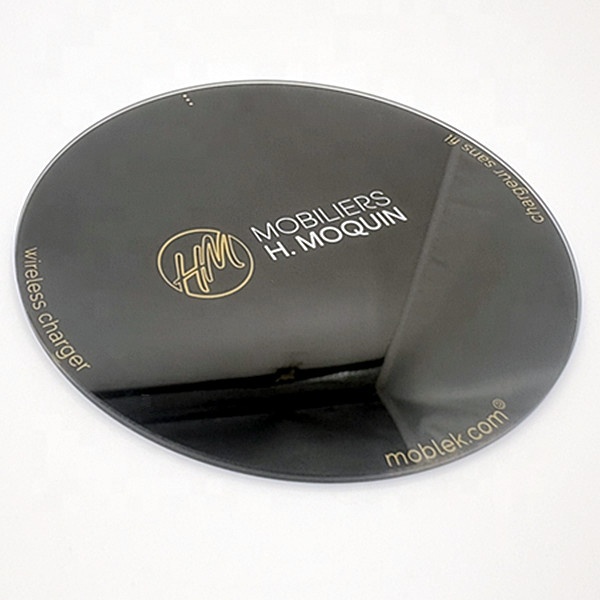
Custom Black Border Tempered Glass Panels Silk Screen Print Tempered Glass
Ideal for clean display borders, sensor windows, smart-home controls and commercial lighting interfaces.
View Product & Specifications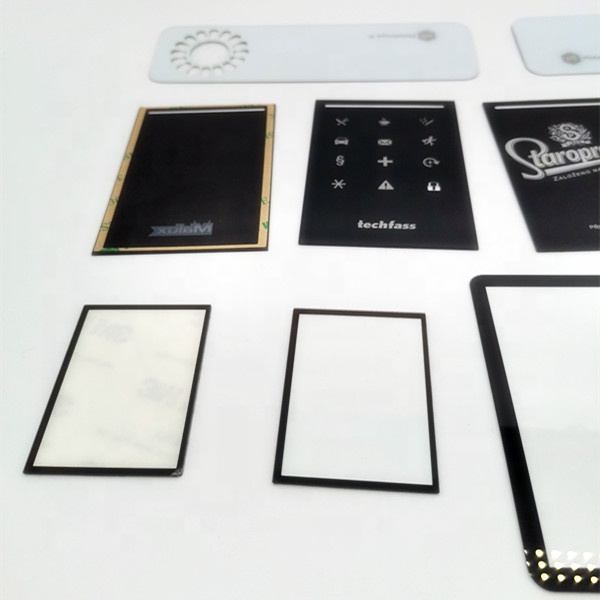
Custom Corning Gorilla Tempered Glass Silk Screen Printing for Touch Screen
A strong choice for interactive displays, kiosks, appliances and industrial control interfaces requiring scratch resistance.
View Product & Specifications
Custom 0.3mm 0.5mm 0.7mm Heat Resistant Gobo Glass Blanks for Projector
Recommended for high-power LED gobo projectors, stage lighting and architectural pattern projection in hot venues.
View Product & Specifications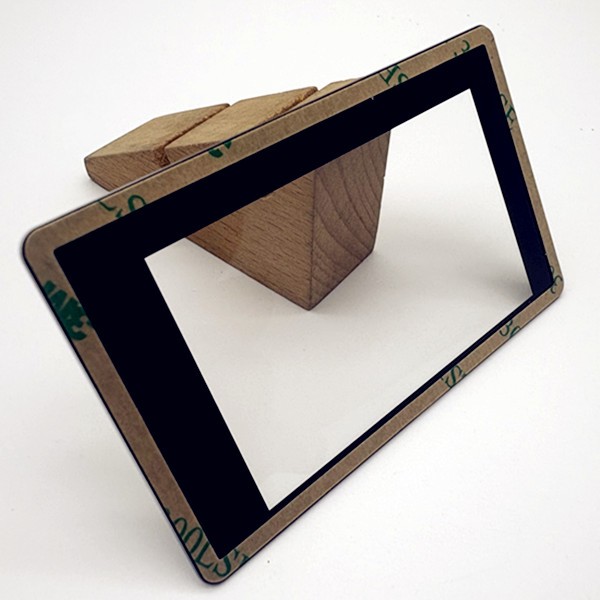
Custom Tempered Glass Dashboard Trim Panel Flat Electronic Glass Screen Protector
For Thai automotive and EEC electronics programs needing flat, printed, durable cover glass with stable dimensions.
View Product & Specifications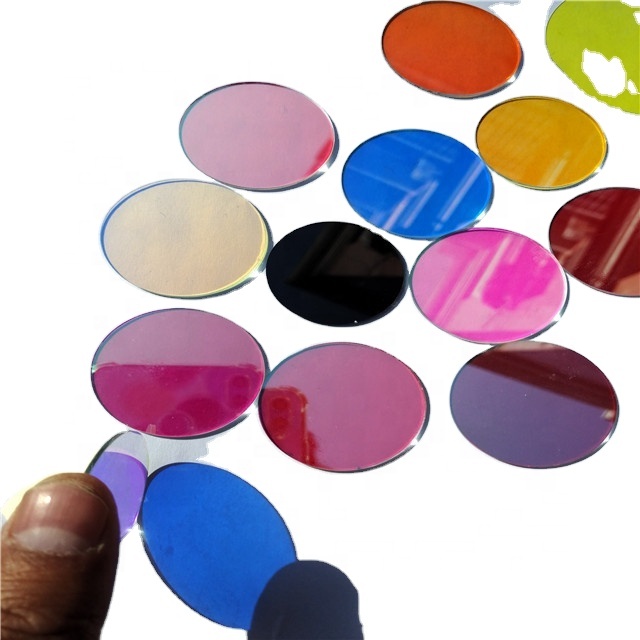
Heat Resistant Borosilicate 3.3 Dichroic Glass Filter
Used for color separation, reflected-light control, stage effects and high-temperature LED optical paths.
View Product & Specifications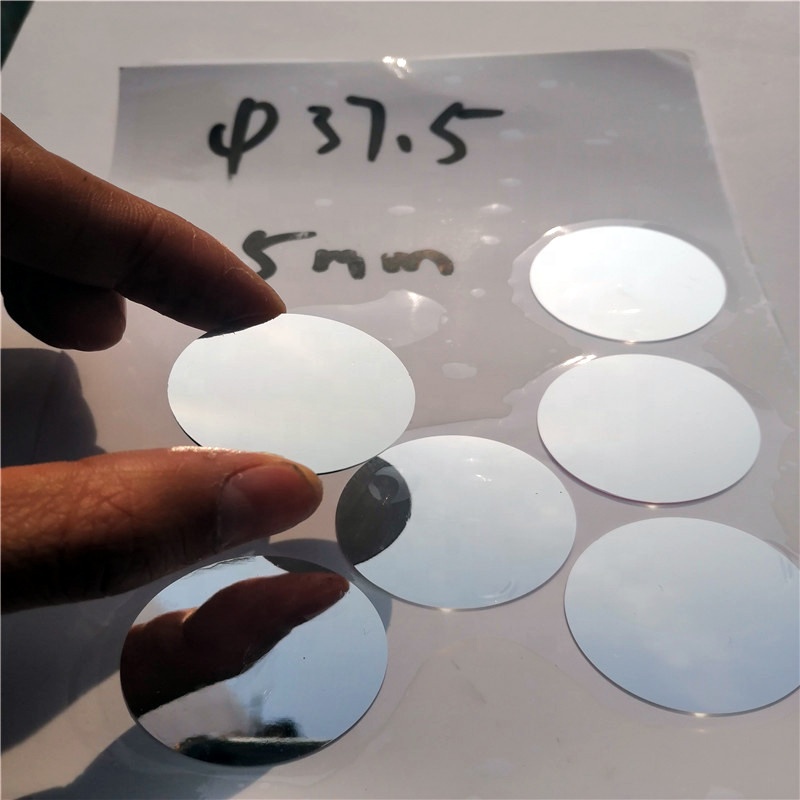
OEM Custom Heat Resistant Gobo Glass Lens
A dedicated platform for branded gobo patterns, projection fixtures, profile spotlights and custom optical apertures.
View Product & Specifications
0.3mm ~ 2mm Dichroic Glass Mirror for Gobos
Supports color reflection, beam shaping and compact optical assemblies where thermal stability and coating uniformity are critical.
View Product & SpecificationsWhy Thailand Is a High-Value Market for OEM/ODM LED Glass Lenses
Thailand’s lighting and optical demand is not a single market. It is a collection of buyer groups with different priorities: international hospitality brands upgrading Bangkok and resort properties, entertainment venues in Pattaya and Phuket, retail and signage networks, automotive electronics suppliers around the Eastern Economic Corridor, medical and beauty device makers, laboratories, and industrial LED fixture builders. For all of them, the optical window, lens blank or cover glass is a small component with an outsized effect on heat tolerance, light quality, service life and brand perception.
The local climate raises the engineering bar. High humidity, intense UV exposure, warm ambient temperatures and rapid thermal cycling inside compact LED fixtures can expose weaknesses that do not appear in a mild-climate showroom. A plastic optic may be adequate for a low-power decorative lamp, but a high-power LED gobo projector, outdoor architectural spotlight, stage fixture or dashboard display often benefits from heat-resistant borosilicate glass, dichroic-coated glass or tempered cover glass with verified coating adhesion and dimensional stability.
This is where an experienced OEM/ODM glass manufacturer becomes useful. Thai buyers increasingly want more than a generic sheet supplier: they want drawing review, material recommendations, sample validation, consistent color matching, export-ready packing and a supplier that can explain the trade-offs between borosilicate 3.3, soda-lime glass, chemically strengthened glass, Corning Eagle XG substrates and dichroic coatings.
Thermal headroom for compact, high-power LED designs
Glass optical elements support higher operating temperatures than many polymer alternatives, helping protect beam quality and avoid deformation in compact fixtures.
UV and humidity resistance for tropical installations
In exterior, hospitality and stage environments, material stability and coating adhesion are as important as initial transmission.
Local assembly with global material traceability
Raw glass sourced from recognized producers can be processed to drawing, printed, coated, tempered and packed for export.
Example Thailand-Fit Weighting for a High-Power LED Lens Project
Use this as a discussion tool, not a universal formula. Final priorities must be confirmed against your photometric, thermal and reliability requirements.
Design note: for exterior or coastal projects, ask suppliers to discuss edge quality, coating side, cleaning chemicals, packaging and installation torque — not only glass thickness.
Where Thai OEMs and Integrators Use Glass Lenses, Filters and Cover Glass
From Bangkok hospitality interiors to EEC automotive electronics, the right glass specification depends on the light source, operating temperature, installation environment and maintenance cycle.
Hospitality, Retail & Architectural Lighting
Hotels, restaurants, luxury retail and mixed-use developments need clean beams, stable color and easy maintenance. Tempered or AR-coated glass windows improve visual clarity and resist cleaning wear in high-touch public areas.
Stage, Studio & Entertainment Venues
Gobo projectors, profile spots and effects lighting create high thermal loads. Borosilicate gobo blanks and dichroic mirrors help maintain pattern sharpness and color separation in demanding show schedules.
Outdoor Signage & Smart-City Fixtures
UV, rain, heat and coastal air put coatings under stress. For exterior LED modules, specify glass with suitable coating adhesion, edge finishing and sealed fixture design rather than relying on appearance alone.
Automotive & EEC Electronics
Dashboard trim glass, display covers and sensor windows require flatness, reliable print alignment and consistent dimensional control for automated assembly lines and long service life.
Medical, Beauty & Laboratory Devices
Corning Eagle XG and borosilicate 3.3 substrates support analytical equipment, filters and precision windows where flatness, chemical stability and optical consistency are valued.
Horticultural & Industrial LED Systems
High-power LED arrays and controlled-environment lighting need heat-resistant optics, robust sealing and stable optical properties under continuous operation in warm, humid conditions.
Material Selection Matrix for Thailand-Focused LED Glass Lens Projects
The best material is the one that meets your optical target, thermal load, reliability plan and total cost. Use this matrix for early engineering discussions, then confirm final values against the manufacturer datasheet and your drawing.
Typical Glass Material Comparison for Lighting, Display and Optical Applications
| Material / Process | Typical Thickness | Thermal & Optical Character | Best Fit for Thailand Projects | Procurement Note |
|---|---|---|---|---|
| Borosilicate 3.3 | 0.2–3.3 mm | Low expansion, strong thermal-shock resistance, good optical clarity | Gobo blanks, projector lenses, high-power LED covers, heat-resistant windows | Specify application temperature, edge finish and coating side; confirm final thickness tolerance. |
| Dichroic-coated glass | Custom, often 0.3–2 mm | Wavelength-selective reflection and transmission; effect depends on coating design | Stage and architectural color mixing, gobo systems, decorative LED effects | Provide target colors, light-source spectrum, incidence angle and coating durability expectations. |
| Tempered ultra-clear soda-lime | 0.5–4 mm | Good clarity, mechanical strength from tempering, economical for many cover-glass parts | Display windows, luminaire covers, architectural glass panels, printed covers | Tempering occurs after cutting and printing; designs cannot be re-cut after strengthening. |
| Corning Eagle XG | 0.5–1.1 mm | Alkali-free boro-aluminosilicate, low expansion, flat fusion-formed surface | Biochips, analyzer filters, PLC substrates, micro-optics and precision alignment parts | Custom-cut Eagle XG parts may require higher MOQ, often around 1,000 pieces depending on size. |
| Chemically strengthened thin glass | 0.15–2 mm | Ion-exchange strengthening with high surface strength and optical clarity | Ultra-thin display covers, sensor windows, lightweight touch interfaces | Clarify bend requirements, impact target and whether any post-strengthening machining is needed. |
| Silk-screen printed glass | Project dependent | Decorative and functional printed areas with custom colors, borders and windows | Appliance panels, smart-home interfaces, LED covers, automotive trim glass | Supply Pantone references, print side, light-blocking requirement and adhesion/abrasion test plan. |
Information gain note: Thai buyers should align glass selection with fixture sealing, cleaning procedures and installation method. A high-quality lens can still fail if the fixture traps moisture, applies uneven mechanical stress or uses incompatible cleaning chemicals.
A Practical Four-Part Specification Framework for Tropical LED Glass Lenses
To reduce sampling cycles, describe the operating environment and failure risks — not only the size. Thai projects often benefit from an explicit reliability brief covering heat, humidity, UV and handling.
Thermal Load & Shock
State LED power, proximity of the lens to the emitter, expected fixture temperature, heat-sink design and any rapid cycling. For high-power fixtures, discuss borosilicate versus soda-lime, coating stability and whether an air gap is part of the design.
Humidity, UV & Cleaning
Exterior, coastal and hospitality installations need a cleaning-chemical and humidity plan. Specify coating adhesion expectations, allowable cleaning agents, edge sealing needs and whether the glass is exposed or behind a sealed window.
Optical Target
Define transmission range, wavelength band, color coordinates, glare target, AR coating side, dichroic angle and acceptable cosmetic limits. For gobo projection, provide pattern geometry, minimum feature size and projection distance.
Mechanical & Assembly
Provide 2D drawings with outline, holes, notches, tolerance, edge finish, flatness, print position and installation method. Clarify whether the glass will be bonded, clamped, drop-in mounted or used in a rotating gobo wheel.
Suggested Validation Questions Before Mass Production
| Risk Area | Question to Align | Why It Matters in Thailand |
|---|---|---|
| Thermal cycling | What are the minimum and maximum fixture temperatures, and how often will the lamp cycle? | High-power LED fixtures and stage equipment can generate concentrated heat; repeated cycling stresses coatings and edges. |
| Damp heat | Will the lens be exposed to condensation, rain splash or high ambient humidity? | Moisture can attack weak coating edges and packaging if the fixture is not properly sealed. |
| UV exposure | Is the fixture outdoor, near windows or used for long daily operating hours? | UV can affect inks, coatings and polymer gaskets; glass itself is generally stable, but coating design must be suitable. |
| Cleaning | Which cleaners and cloths will maintenance teams use? | Aggressive chemicals or abrasive wiping can degrade AR or printed surfaces even when the glass is durable. |
| Installation stress | Will the glass be clamped, bonded or mounted with screws? | Uneven stress can cause breakage or coating damage; specify edge quality and flatness accordingly. |
Use this checklist during RFQ review. It is often faster to revise a drawing before sampling than to troubleshoot a finished fixture in Bangkok, Laem Chabang or an overseas installation.
From Thai Buyer Drawing to Export-Ready Glass Components
A clear process protects schedule, cost and optical performance — especially when custom printing, coating and strengthening are combined.
Share Drawing & Brief
Send a 2D drawing in DWG, DXF or PDF with dimensions, tolerances, material, thickness, print colors, coating sides and annual volume.
Engineering Review
Review manufacturability, edge finish, strengthening route, coating feasibility, print alignment and packaging needs.
Sample Approval
Validate fit, appearance, light transmission, color, pattern clarity and installation handling before mass production.
Production & Inspection
Run cutting, CNC/laser, strengthening, coating, printing and visual/dimensional inspection with agreed acceptance criteria.
Export Packing
Use interleaved, cushioned and moisture-aware packing for fragile thin glass, with labels and carton marks suitable for Thailand delivery.



Specialty Glass Expertise, Traceable Materials and Export Discipline
Fevry Glass Co., Ltd. is a specialty glass supplier based in Xinyu, Jiangxi, China. The company works with optical, biological, semiconductor, communications, lighting and electronics customers, helping engineers select the right substrate and convert it into a finished export-ready part. For Thai OEMs, that means a supplier who can discuss the material and the process together — rather than quoting glass thickness in isolation.
Raw glass is sourced from recognized producers such as Corning and AGC, and the company works closely with established Chinese optical-glass makers including Chengdu Guangming and Xinhuguang. Processing relies on laser, ultrasonic, CNC carving, grinding and inspection equipment imported from the United States, Germany and Japan. The practical result is a single source for cutting, strengthening, coating, printing and inspection — with fewer hand-offs and clearer accountability.
What Thai Procurement Teams Can Review Before Ordering
Supplier selection should not rely on a product photo alone. Fevry Glass maintains publicly visible Alibaba.com records covering supplier assessment, credit profile, transaction level, trade capacity and trade history, alongside a 5.0 buyer rating and responsive inquiry performance.
10+ Years as an Alibaba.com Member
A long-standing trade presence gives buyers a visible record of activity, communication and export experience.
≤4 Hour Average Response
Fast technical clarification reduces the risk of late-stage drawing errors, especially when Thai teams coordinate multiple suppliers.
5.0 / 5 Buyer Rating
Review buyer feedback, transaction records and supplier assessment before committing to tooling, samples or mass production.
Commercial Advantages for Thailand-Focused OEM / ODM Purchasing
| Buyer Need | Fevry Glass Advantage | How It Helps the Project |
|---|---|---|
| Material consistency | Traceable raw glass from recognized producers and established optical-glass makers | Reduces batch-to-batch variation in optical appearance and dimensional behavior. |
| Custom engineering | Drawing-based cutting, drilling, edge grinding, strengthening, coating and printing | Lets Thai designers combine optical function and brand appearance in one component. |
| Responsive sampling | Samples can be arranged to validate fit and optical performance before mass production | Shortens the approval cycle between Thai engineering, marketing and procurement teams. |
| Portfolio breadth | Gobo glass, dichroic mirrors, AR-coated windows, tempered display covers and Eagle XG substrates | Consolidates multiple glass parts with one supplier and one technical contact. |
| Export readiness | Experience serving Western Europe, the USA, Japan, South Korea, Taiwan, Hong Kong and Southeast Asia | Packaging and documentation are planned for international fragile-glass shipments. |
For project-specific MOQ, sampling schedule and commercial terms, send your drawing and annual demand estimate. Selected gobo/dichroic items may start from low quantities, while custom Eagle XG parts and larger printed covers may require higher minimums.
Common Questions from Thai Buyers
These answers reflect the practical questions lighting brands, display manufacturers, automotive suppliers and laboratory-equipment teams ask when sourcing custom optical glass from China.
Fast Evaluation Checklist
- 2D drawing in DWG, DXF or PDF
- Glass material, thickness and tolerance
- Application, LED power and operating temperature
- Coating type and coating side
- Print colors, Pantone references and print side
- Edge finish, hole positions, notches and flatness
- Estimated annual volume and target delivery port
Can Fevry Glass supply custom LED glass lenses and gobo glass to Thailand with OEM branding?
Yes. OEM/ODM support can include custom outline, thickness, edge finishing, tempered or chemically strengthened glass, AR coating, dichroic coating, silk-screen printing, back painting and packaging labels. To quote accurately, provide a 2D drawing, application details, target material, print colors, coating requirements and estimated annual quantity. If your product uses a branded gobo pattern or a proprietary display border, the print artwork and placement tolerances should be included in the RFQ.
Which material is best for a high-power LED gobo projector in Thailand’s hot climate?
Borosilicate 3.3 is often a strong starting point for heat-resistant gobo blanks, projector lenses and high-power LED windows because of its low thermal expansion and thermal-shock resistance. Dichroic-coated glass may be appropriate when color separation or reflected-light control is needed. The final choice depends on LED power, distance from the emitter, fixture airflow, pattern complexity and whether the glass is exposed to moisture. Share the fixture design and operating conditions so the supplier can recommend a suitable substrate and coating stack.
What is the typical minimum order quantity for custom glass parts?
Many custom cover-glass and AR-glass items start from around 300 to 500 pieces. Some Corning Eagle XG cut parts may require around 1,000 pieces, while selected gobo glass blanks and dichroic items can start from lower quantities, sometimes from 10 pieces depending on size and process. MOQ is not universal: it changes with glass type, thickness, coating, print colors, tolerance and yield. Always request an item-specific quotation.
How should we specify AR-coated glass for a Thai lighting or display project?
Specify the wavelength range or visible band, target transmission or reflection, coating side, substrate material, thickness, outline tolerance, edge finish and cleaning requirements. If the glass is used in a touch display, clarify whether the coating must be scratch-resistant and compatible with anti-fingerprint or anti-glare treatments. For exterior fixtures, discuss coating adhesion and humidity exposure with the supplier before approving samples.
Can you support Thai buyers who need a small initial order before scaling?
In many cases, yes — subject to the specific material and process. Sampling can validate fit, print alignment, optical appearance and installation handling before mass production. Buyers should provide an annual demand estimate alongside the first-order quantity so the supplier can recommend a practical MOQ, sample path and production route.
How is fragile thin glass packed for shipment to Bangkok or Laem Chabang?
Export packing typically uses interleaved protection, cushioning, individual wrapping where required, carton reinforcement and moisture-control measures. For very thin or large glass, wooden crates or customized foam inserts may be appropriate. Buyers should state the destination port, handling environment, storage conditions and any special labeling requirements. Packaging validation is particularly important for thin glass, printed borders and high-gloss AR surfaces.
What about import duties, VAT and customs clearance in Thailand?
Quotations are normally structured with agreed trade terms such as EXW or FOB, while import duties, VAT, customs clearance and local delivery are handled on the buyer side unless otherwise agreed. Thai importers should confirm the current tariff classification and applicable tax treatment with a licensed customs broker before placing the order. The supplier can provide commercial invoices, packing lists and product descriptions to support the shipment.
How do we start an OEM/ODM LED glass lens project?
Send a 2D drawing with dimensions and tolerances, glass material and thickness, edge finish, hole and notch positions, strengthening method, print colors with Pantone references, AR coating side or dichroic requirement, end application, annual volume and target delivery schedule. If a drawing is not yet available, provide a clear sketch, reference photo and performance target. The engineering team can then review manufacturability and recommend the next sampling step.
Send Your Drawing. Get a Thailand-Focused Glass Manufacturability Review.
Share your LED lens, gobo, dichroic filter, AR window or tempered cover-glass requirements. Fevry Glass typically responds to complete inquiries within 4 hours with questions, material guidance and a practical next step.