OEM/ODM custom chemically ultra-thin clear transparent tempered glass sheet Factory & Supplier in the Makassar market
Ion-exchanged 0.15–2 mm glass, AR-coated, silk-screen printed and cut to drawing by Fevry Glass Co., Ltd. for Makassar OEM buyers who need optical clarity, stable edges and export-ready packing.
Eight Drawing-Led Glass Products for Makassar OEM/ODM Programs
These eight products are practical building blocks for Makassar distributors, display integrators, lighting brands, automotive accessory teams, appliance assemblers and medical-device importers. Each item can be specified with edge grinding, chemical strengthening, AR coating, silk-screen printing, back painting, protective film and export packing. The product URLs below are preserved exactly from the original range, so technical teams can compare specifications without losing traceability.

1.5mm 2mm Tempered Glass Thickness Touch Switch Glass Plate
- 1.5 / 2 mm
- Touch switch
- Printing optional
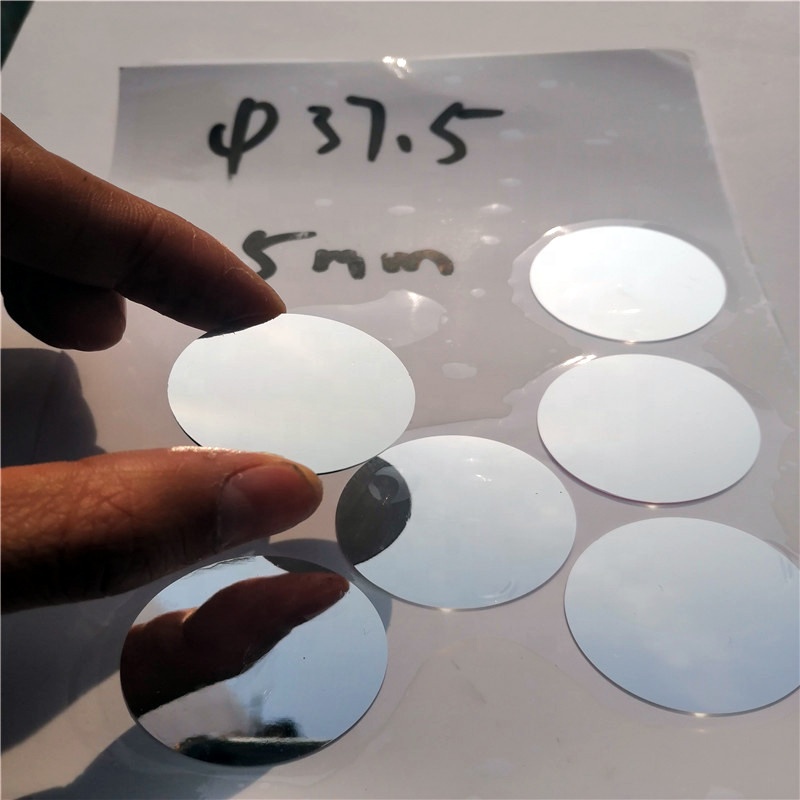
OEM Custom Heat Resistant Gobo Glass Lens
- Heat resistant
- OEM drawing
- Gobo lens
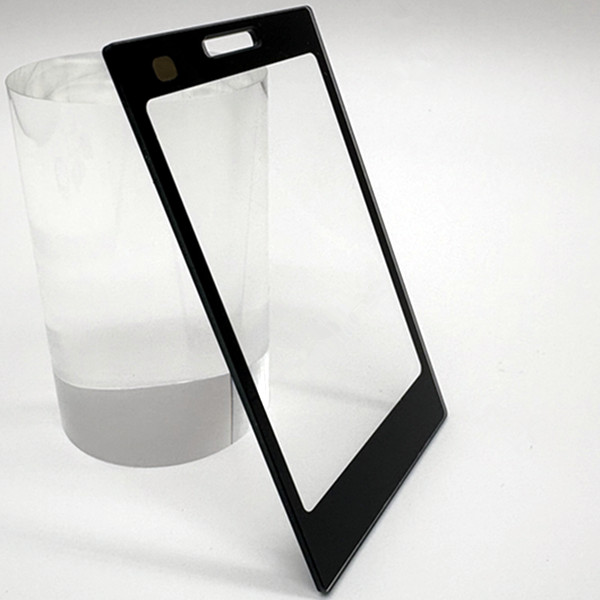
Factory Customized Black Glass Panel Silk Screen for Display Touch Electronic Glass
- Black print
- Touch display
- Electronic glass
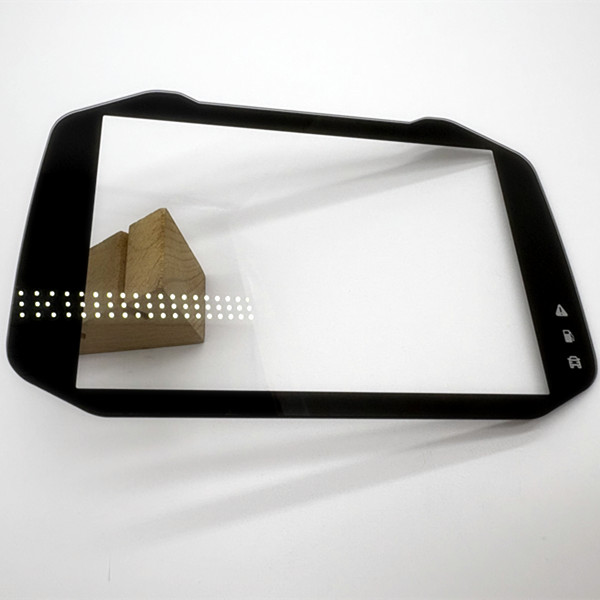
Custom Shape High Transmittance Ultra Clear Tempered Glass Panel With Anti-reflective Coating on Two Sides
- Ultra-clear
- Double AR
- Custom shape

Custom 0.3mm 0.5mm 0.7mm Heat Resistant Gobo Glass Blanks for Projector
- 0.3 / 0.5 / 0.7 mm
- Projector use
- Heat resistant
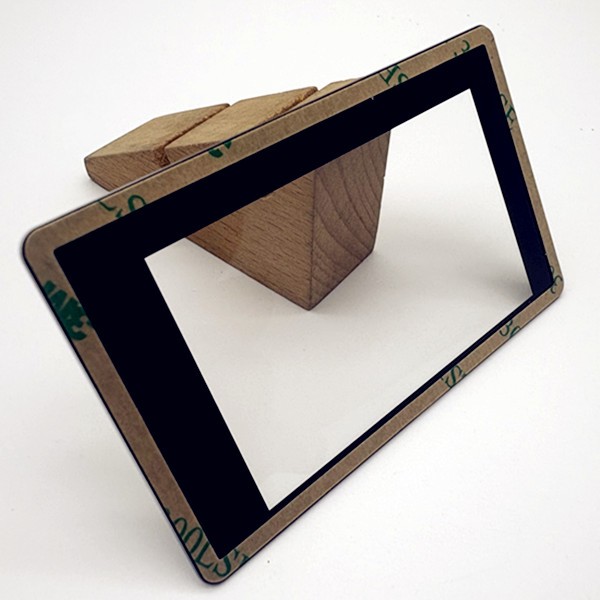
Custom Tempered Glass Dashboard Trim Panel Flat Electronic Glass Screen Protector
- Flat panel
- Dashboard trim
- Screen protector
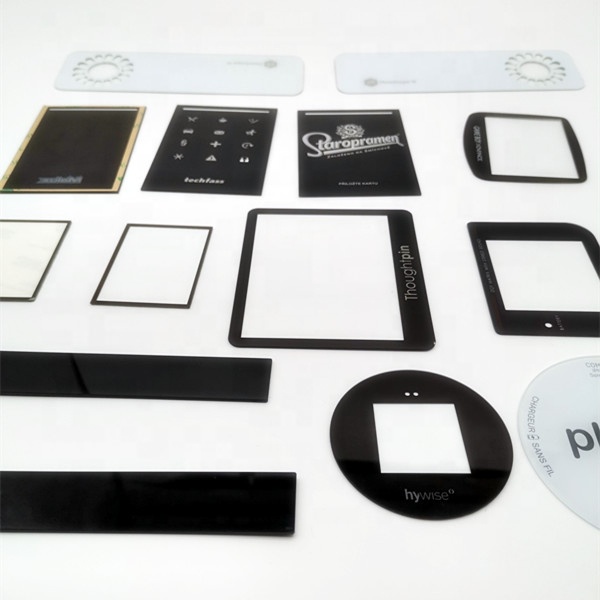
Back Painted Tempered Glass Led Glass Panel Cover Glass
- Back painted
- LED panel
- Cover glass
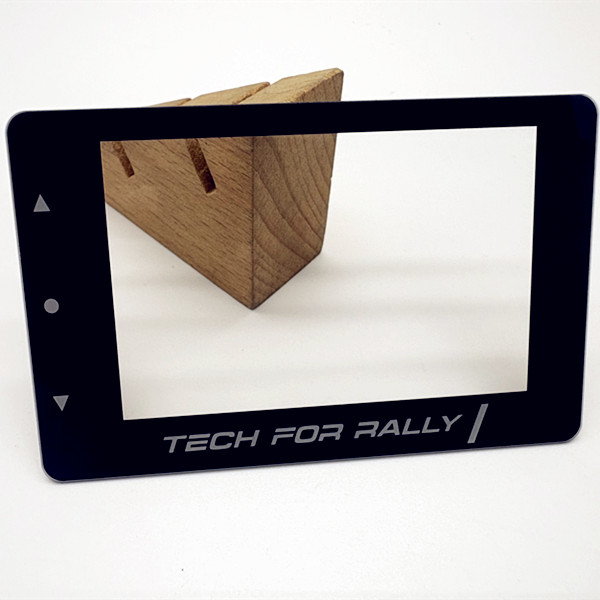
Customize Tempered Glass Silk Printed AR Coating Gorilla Glass LCD Screen Protection Display
- Silk printed
- AR coating
- LCD protection
A Supplier Makassar Buyers Can Verify Before the First PO
For imported technical glass, verification is part of product quality. The figures below reflect the supplier profile information presented on the original Fevry Glass site and Alibaba.com presence — useful evidence for procurement teams comparing factories in China.
Why Chemically Ultra-Thin Glass Matters in Makassar’s OEM Supply Chain
Makassar is not only a consumer market; it is a gateway for South Sulawesi and Eastern Indonesia. For OEM/ODM buyers, the winning specification is the one that survives tropical sunlight, coastal humidity, transport handling and local assembly pressure without losing optical clarity.
Makassar’s commercial ecosystem connects port logistics, electronics distribution, LED lighting, appliance assembly, automotive accessories, public-information displays and medical or laboratory equipment. Buyers in Makassar often consolidate products for onward distribution to South Sulawesi, Central Sulawesi, Southeast Sulawesi and other Eastern Indonesia destinations. That makes dimensional consistency, scratch resistance and packing reliability more important than a low unit price alone. A glass sheet that arrives with edge chips or coating haze can create rework across an entire batch of finished displays.
For ultra-thin cover glass from 0.15 mm to about 2 mm, chemical strengthening through ion exchange is usually the practical strengthening route. Thermal tempering is better suited to glass around 3 mm and thicker, while ultra-thin glass needs a process that raises surface strength without destroying flatness, print alignment or optical appearance. This distinction matters in Makassar because many inquiries begin with the phrase “tempered glass” even when the actual requirement is a 0.3 mm, 0.5 mm or 0.7 mm chemically strengthened sheet for a touch interface, sensor window or lighting component.
Optical performance is the second differentiator. Double-sided AR coating can raise transmission to approximately 98%, reducing reflections on kiosks, instrument panels and display windows used under bright equatorial light. However, AR is not a commodity label. Buyers should specify which side is coated, the target reflection level, the acceptable color shift, the printing window and whether the glass will be bonded behind a bezel or exposed to direct cleaning. Silk-screen printing and back painting must also be reviewed with the final light source, because opacity, ink thickness and window geometry affect perceived quality after assembly.
In Makassar procurement, the most expensive mistake is an incomplete drawing. A useful RFQ should state thickness, material, outline dimensions, tolerances, hole and notch positions, edge finish, strengthening method, print colors using Pantone references, AR coating side or sides, protective film, annual volume and the end application. This allows the factory to recommend the right substrate before sampling, instead of forcing a low-cost material into a high-glare, high-humidity or heat-exposed installation. The correct sequence is application first, material second, drawing third, sample fourth and mass production last.
Do not use the word “tempered” as a generic quality claim. For 0.15–2 mm glass, clarify chemical strengthening; for 3 mm and above, confirm whether thermal tempering is required.
For Makassar’s coastal climate, edge quality and interleaved export packing can matter as much as the glass surface itself. Chipped edges concentrate stress during handling and installation.
AR-coated glass should be quoted with the coating side, transmission target and cleaning expectation. A display that looks perfect indoors may still wash out under strong daylight if AR is unspecified.
Where Ultra-Thin Clear Tempered Glass Performs in Makassar
Makassar’s mix of trade, services, marine activity, healthcare, education and growing digital infrastructure creates demand for glass that is thin, clear, printable and durable in real installation conditions.
Smart-Home & Appliance Panels
Chemically strengthened 0.5–2 mm cover glass with printed icon windows and optional AR coating for air-conditioners, water dispensers, kitchen appliances and control panels sold through Makassar distributors.
Automotive & Motorcycle Displays
Dashboard trim panels, cluster covers and navigation screens need glare control, scratch resistance and stable print borders. Thin chemically treated glass helps local accessory brands create a premium look without thick, heavy panels.
LED Lighting, Gobo & Stage Optics
Heat-resistant borosilicate gobo blanks and lighting lenses suit rental stages, hotels, retail displays, event venues and architectural lighting projects where color projection and thermal stability are important.
Digital Signage & Public Kiosks
Makassar’s malls, hospitals, campuses and public-service buildings increasingly use information displays. Double-sided AR glass improves daylight readability, while printed black borders hide bonding lines and sensors.
Medical & Diagnostic Instruments
Biological analyzers, optical filters and diagnostic windows benefit from Corning Eagle XG, borosilicate 3.3 or dimensionally stable glass. Clean edges and repeatable flatness support tight instrument assembly.
Marine, Port & Industrial Instruments
South Sulawesi’s port and marine economy uses control panels, monitoring instruments and outdoor enclosures. Salt-laden air makes edge protection, coating quality and robust packing essential for long service life.
Makassar Market Trends Reshaping Glass Sourcing Decisions
Buyers are moving from ready-made sheets to drawing-based glass components. The strongest suppliers will be those who can support specification advice, samples, mixed export packing and repeatable quality.
Eastern Indonesia Distribution Hubs
Makassar’s role as a consolidation point is increasing demand for export-ready cartons, clear labeling and mixed-product shipments that can be distributed onward without repacking damage.
Sunlight-Readable Displays
AR-coated ultra-clear glass is becoming a specification item, not an upgrade, for outdoor kiosks, automotive displays and retail screens exposed to strong tropical daylight.
Lower-MOQ ODM Launch Cycles
Local brands and importers want to validate a design before committing to large volume. Sample-first development and practical MOQs of around 300–500 pieces support faster market testing.
Printed Glass as Brand Experience
Black borders, white icons, transparent windows and back-painted LED covers are now part of product identity. Print alignment and ink consistency matter as much as glass strength.
Traceable Material Stories
Procurement teams increasingly ask where the raw glass comes from. Corning, AGC, Chengdu Guangming and Xinhuguang material references help build confidence for OEM programs.
Humidity-Aware Packing Standards
Tropical shipping requires interleaved protection, edge cushioning and moisture-conscious packing. This reduces the risk of staining, chipping and rework after arrival in Makassar.
Choosing the Right Glass for Makassar Conditions
Material selection should start with thermal load, required strength, optical clarity, coating needs and the assembly process. The table below is a preliminary guide; final specifications should be confirmed against the manufacturer datasheet and your drawing.
Practical selection rules for OEM buyers
For thin touch panels, display windows and portable electronics, use chemically strengthened ultra-clear glass in the 0.15–2 mm range. It keeps the stack thin while improving surface durability. For lighting covers, gobo blanks and heat-exposed windows, borosilicate 3.3 is often the better material because its coefficient of thermal expansion is about one third that of soda-lime glass. For biochips, wafers, PLC substrates and precision optical alignment, Corning Eagle XG or a comparable low-expansion substrate may be required.
Do not choose a material only by price per square meter. In Makassar’s humidity and transport environment, a small upgrade in edge quality or packing can prevent a much larger loss in assembly yield. Equally, do not over-specify thickness. A well-finished 1.1 mm chemically strengthened panel may be more suitable than a heavier thermally tempered sheet if the product is a slim control interface.
- Confirm whether the glass will be bonded, mechanically clamped or exposed.
- State AR coating side, transmission target and print window dimensions.
- Define edge finish, chip tolerance and protective film requirements.
- Approve a sample before mass production, especially for printed or coated parts.
Material Selection Guide (Typical Properties)
| Material | Thickness | CTE (×10⁻⁶/K) | Best For |
|---|---|---|---|
| Ultra-clear soda-lime | 0.5–4 mm | ≈9.0 | Cover glass, AR panels, printed windows |
| Gorilla-class aluminosilicate | 0.4–2 mm | ≈7.5–8.5 | Scratch-resistant touch and display covers |
| Borosilicate 3.3 | 0.3–3.3 mm | 3.3 | Heat-resistant windows, gobo, lab glass |
| Corning Eagle XG | 0.5–1.1 mm | ≈3.2 | Biochips, wafers, PLC and micro-optics |
| Chemically strengthened thin glass | 0.15–2 mm | Base-dependent | Ultra-thin protectors, sensor covers |
Typical industry values are shown for preliminary selection. Final specifications must be verified against the selected raw-glass datasheet and the approved drawing. Corning®, Eagle XG® and Gorilla® are trademarks of their respective owners, used for material identification only.
A Specialty Glass Factory Built for Custom OEM/ODM Projects
Fevry Glass Co., Ltd. is based in Xinyu, Jiangxi, China. We support Makassar buyers with drawing review, material selection, sampling, processing, inspection and export packing from one accountable supplier.
 Precision glass processing workshop
 Imported cutting and grinding equipment
 Inspection and export packing
Specialty glass is unforgiving. A small edge chip, a poorly registered print or a subtle coating haze can spoil an entire assembly lot. That is why our workflow concentrates cutting, CNC shaping, ultrasonic cleaning, edge grinding, strengthening, coating, silk-screen printing, inspection and packing under one roof. Our technicians work with equipment imported from the USA, Germany and Japan, and we source raw glass from multinational producers such as Corning and AGC as well as established Chinese optical-glass makers including Chengdu Guangming and Xinhuguang.
For Makassar buyers, this structure reduces the number of hand-offs between material supplier, printer, coater and packing agent. It also makes technical communication clearer: one team reviews the drawing, recommends the substrate, confirms the strengthening route and checks the final appearance. Our guiding principle remains “Quality is superior, service is supreme, reputation is first”, with the working motto “Your success, our glory.”
Traceable Raw Materials
Corning Eagle XG, borosilicate 3.3, ultra-clear soda-lime and selected aluminosilicate substrates can be matched to the application and documentation needs.
Chemical Strengthening
Ion-exchange processing is available for ultra-thin glass in the 0.15–2 mm range, helping protect touch surfaces without sacrificing flatness.
AR & Optical Coatings
Single- or double-sided anti-reflective coating can improve display readability. Double-sided AR can reach approximately 98% transmission in suitable configurations.
Laser, CNC & Ultrasonic Machining
Custom outlines, holes, notches, slots and edge profiles are processed to drawing, with grinding and chamfering options for safer handling.
Printing & Back Painting
Pantone-matched borders, logos, icon windows, black display panels and back-painted LED covers can be produced before final inspection.
Verified Supplier Signals
A 10+ year Alibaba.com membership, ≤4-hour average response time, 100% inquiry response, 5.0/5 buyer rating and export experience across 7+ regions help de-risk first orders.
A Clear Five-Step Path from Drawing to Makassar Delivery
Designed for procurement teams that need predictable communication, sample approval and export-ready packing rather than vague promises.
Share Your Drawing
Send DWG, DXF or PDF with dimensions, tolerances, material, thickness, print colors, AR side and annual volume.
Engineering Review
We confirm manufacturability and recommend the substrate, strengthening route, coating and edge finish.
Sample Approval
Samples validate fit, print alignment, optical appearance and packing before mass production begins.
Mass Production
Processing proceeds with dimensional and visual checks at key stages, including printing and coating inspections.
Export Packing
Interleaved, cushioned packing is prepared for international shipping to Makassar and onward Eastern Indonesia distribution.
Common Procurement Questions from Makassar Importers and OEM Teams
These are the questions engineers, brand owners and sourcing managers ask most often when evaluating ultra-thin custom glass from China for the Indonesian market.
Can you ship chemically ultra-thin glass sheets to Makassar and South Sulawesi?
Yes. We regularly support export orders for Southeast Asia and can prepare goods for sea freight to Makassar Port, with transshipment via Jakarta or Surabaya when the shipping schedule requires it. For fragile thin glass, packing method, carton strength and pallet configuration should be confirmed with the quotation. Please share your target quantity, delivery address and preferred Incoterm so the freight option can be evaluated clearly.
What thickness should I choose for an ultra-thin touch panel in Indonesia?
Thickness depends on the housing, bonding method and required impact resistance. For many touch-switch and appliance panels, 0.5 mm to 2 mm chemically strengthened glass is practical. For ultra-thin protectors or sensor windows, 0.15 mm to 0.7 mm may be suitable. Because Makassar installations may face heat, humidity and cleaning cycles, we recommend reviewing the full stack — glass, adhesive, display and bezel — before fixing the final thickness.
How do you reduce coating or print damage during tropical shipping?
Export packing for thin glass should use interleaved protection, edge cushioning and secure cartons to limit movement. Coated and printed surfaces need compatible protective film and clean handling. For Makassar’s humid climate, buyers should also confirm warehouse conditions and avoid opening sealed packs in a dusty area before assembly. If your product requires a special moisture barrier, mention it during quotation so the packing plan can be adjusted.
What is the typical MOQ for a first OEM/ODM trial order?
Most custom cover glass and AR glass items start from around 300 to 500 pieces, custom-cut Eagle XG parts may start from about 1,000 pieces, and selected gobo glass blanks can start from as few as 10 pieces depending on the specification. MOQ is confirmed after drawing review because size, printing, coating and material affect yield. For Makassar buyers launching a new product, a sample-first approach is usually the safest path.
Can you support ODM branding for local distributors in Makassar?
Yes. OEM/ODM support can include custom dimensions, printed logos, icon windows, back painting, AR coating, protective film and product-specific packing. To protect your brand, share the final artwork, Pantone references and any tolerance requirements before sampling. We can then review print registration, window clarity and edge treatment against the intended product design.
Which glass is better for heat, sunlight or strong LED lighting?
For heat-exposed lighting components such as gobo blanks, borosilicate 3.3 is often preferred because its thermal expansion is much lower than soda-lime glass. For sunlight-readable displays, ultra-clear glass with AR coating can improve transmission and reduce reflections. If the application also involves precision optical alignment or bio-diagnostics, Corning Eagle XG may be the better substrate. The right answer depends on the combined thermal, optical and mechanical requirements.
What information do you need to quote a custom glass project?
Please send a 2D drawing in DWG, DXF or PDF with outline dimensions and tolerances, thickness, glass material, edge finish, hole and notch positions, strengthening method, print colors with Pantone references, AR coating side or sides, protective film request, end application and expected annual quantity. If you have an existing sample or a photo of the assembly, include it as well. Complete information reduces quotation cycles and helps avoid sampling errors.
How can Makassar procurement teams verify the supplier before ordering?
Review the supplier’s Alibaba.com profile, supplier assessment page, transaction history, trade capacity and buyer feedback. The original Fevry Glass site highlights a 10+ year Alibaba.com membership, ≤4-hour average response time, 100% inquiry response rate, 5.0/5 buyer rating and exports to multiple regions. For technical projects, also request a sample and confirm drawing approval before mass production. A supplier that can answer specification questions clearly is usually safer than one that only competes on price.
Send Your Drawing to the Makassar Glass Project Desk
Email your dimensions, thickness, material, print colors, AR requirement and annual quantity. Our engineers typically reply within 4 hours with material guidance, sampling suggestions and a practical next step for OEM/ODM production.
For the fastest evaluation, include a 2D drawing, application photo, target quantity and delivery destination in Makassar or elsewhere in South Sulawesi.