Custom Glass Building Blocks for Columbus Camera Modules
These eight product platforms cover the most common camera-window requirements: optical clarity, anti-reflection, scratch resistance, printed apertures, tempered strength and transparent conductivity. Each can be quoted against your 2D drawing and annual volume.
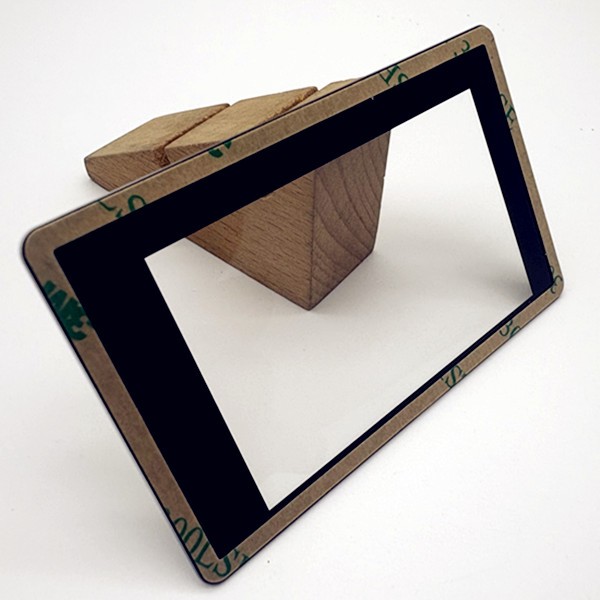
Custom Tempered Glass Dashboard Trim Panel Flat Electronic Glass Screen Protector
For automotive camera trims, display windows and interior sensor covers where flatness, print alignment and tempered strength matter.
View Product
Custom Shape High Transmittance Ultra Clear Tempered Glass Panel With Anti-reflective Coating on Two Sides
Double-sided AR reduces ghosting and flare in camera windows, optical sensors and outdoor imaging apertures.
View Product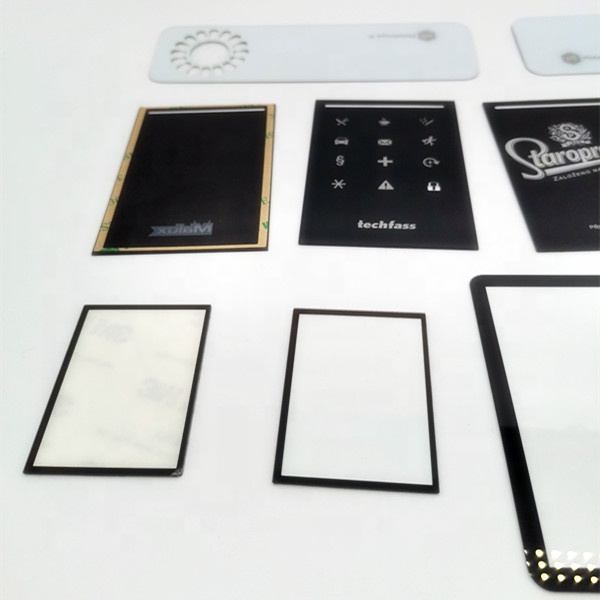
Custom Corning Gorilla Tempered Glass Silk Screen Printing for Touch Screen
Gorilla® glass with durable printed borders for touch interfaces, camera control panels and premium device covers.
View Product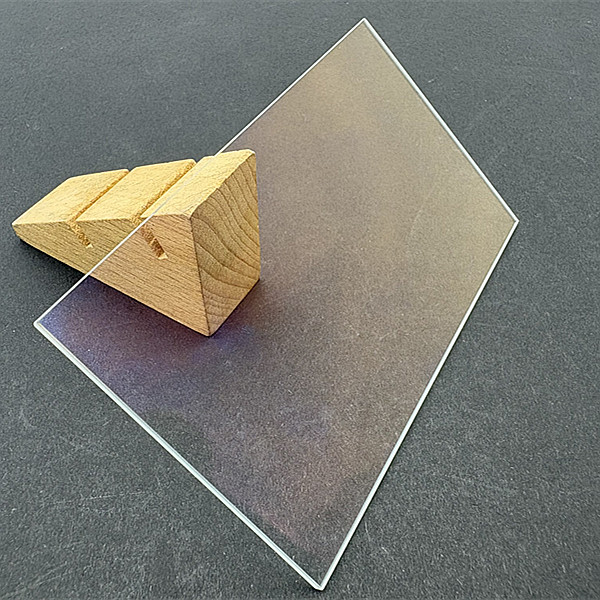
Customized Tempered Anti-Reflective Glass AR Coated Tempered Glass
AR-coated tempered glass for glare-sensitive lens covers, viewfinders, outdoor camera windows and optical instruments.
View Product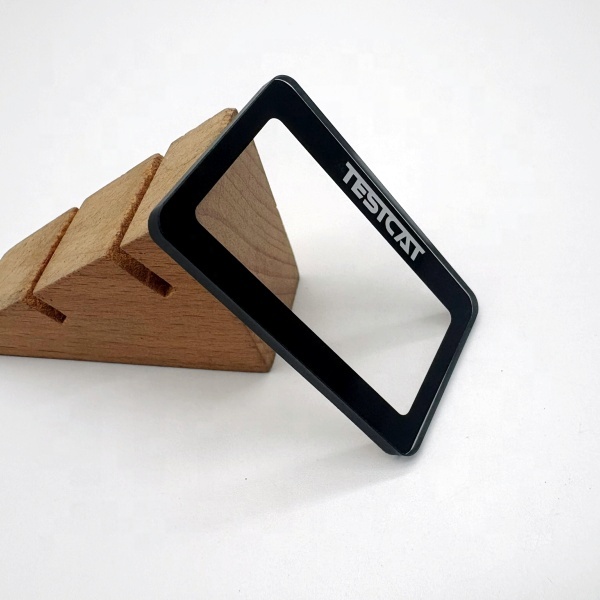
Custom Gorilla Glass Panel Tempered Glass Display Window Silk Screen Printing for LCD Display
Printed display windows for camera user interfaces, LCD protection and integrated aperture masks.
View Product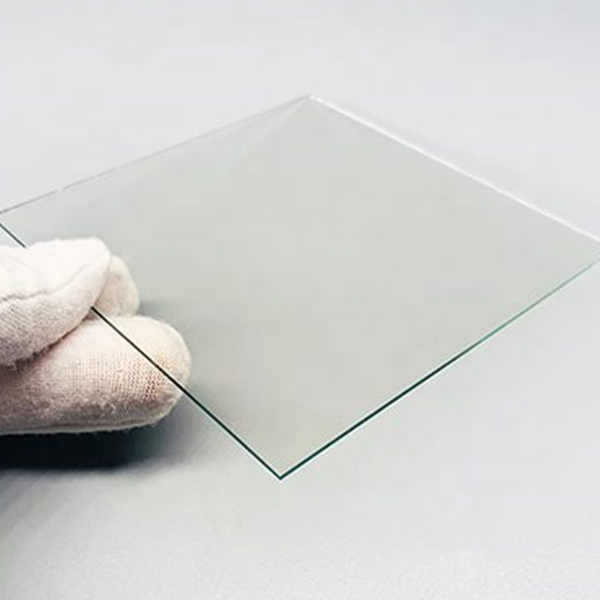
Ito Conducting Glass, Ito Coated Glass, Ito Glass
ITO-coated glass for EMI shielding, heater layers and transparent conductive camera windows or sensor covers.
View Product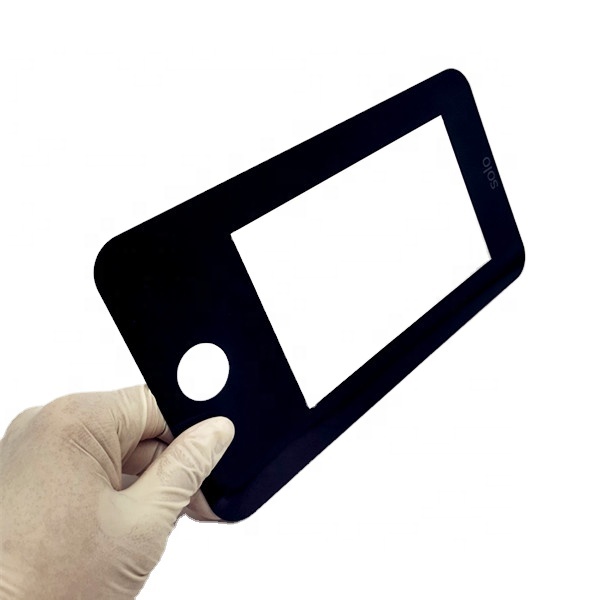
Manufacturer OEM Wholesale Custom Unbreakable Tempered Glass, High Quality Tempered Glass, Low Iron Tempered Glass
Low-iron, tempered glass for clear camera windows, protective optics and applications where edge strength matters.
View Product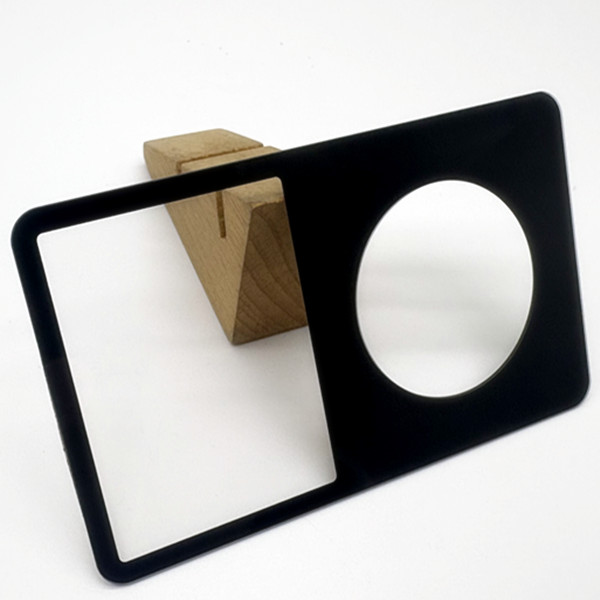
Factory Custom Smart Silkscreen Gorilla Glass Panel Tempered Glass Printing Glass
Silkscreen-printed Gorilla® glass for smart camera front covers, logo areas and masked aperture windows.
View ProductWhat Columbus Buyers Are Really Specifying When They Search for Camera Cover Glass
Search demand for OEM/ODM camera cover glass in Columbus is rarely about a simple rectangular sheet. Product teams across Central Ohio are building automated vision systems, medical imaging devices, smart-city cameras, automotive sensor modules, security hardware and rugged outdoor equipment. For those programs, the cover glass is part of the optical stack: its transmission, haze, flatness, coating reflectance, edge quality, print registration and environmental durability can change image contrast, calibration stability and field reliability.
A supplier that only sells glass blanks may force engineers to manage cutting, coating, printing, strengthening, inspection and packing across several vendors. That fragmentation increases tolerance stack-up, lengthens sample cycles and weakens accountability. Fevry Glass supports the alternate route: one manufacturing partner for custom glass processed to drawing, with material selection, machining, strengthening, optical coating, silk-screen printing, inspection and export packing connected in one workflow.
The title phrase also reveals procurement intent. Columbus sourcing managers often need an OEM/ODM manufacturer that can support both build-to-print production and early design decisions: which substrate to use, how thick the glass should be, whether AR coating is required on one or two sides, where the silk-screen aperture should sit, and how to pack fragile parts for export. Camera cover glass is an optical component, not a cosmetic part, so the best supplier conversations start with the application, not only the price per piece.
Fevry Glass Co., Ltd. is based in Xinyu, Jiangxi, China, and serves customers in China and export markets including Western Europe, the United States, Japan, South Korea, Taiwan, Hong Kong and Southeast Asia. Our team works from 2D drawings and application data, then recommends a glass material and process route before sampling. For Columbus buyers, that means a practical path from prototype validation to repeat export production.
Supplier signals relevant to a camera-cover-glass RFQ.
Based on Fevry Glass company profile and Alibaba.com storefront information. Confirm current records before supplier award.
Years as Alibaba.com Member
Average Response Time
Inquiry Response Rate
Buyer Rating
Export Regions Served
Camera Cover Glass Applications in Columbus and Central Ohio
Columbus is not a single market. Automotive suppliers, medical innovators, logistics operators, consumer brands and machine-vision integrators each evaluate camera glass against different performance criteria.
Automotive ADAS & Surround-View Cameras
Central Ohio’s automotive corridor—including Marysville, East Liberty and the broader Honda supply chain—supports ADAS, surround-view and driver-monitoring programs. Covers often need tempered or chemically strengthened substrates, controlled AR coating and printed borders that survive heat, vibration and cleaning.
Security & Smart-City Imaging
Logistics hubs, campuses, parking structures and public venues deploy fixed and PTZ cameras that must perform in rain, sun, dust and night glare. Low-iron ultra-clear glass with double-sided AR can improve transmission and reduce ghosting, while ground edges and robust packing reduce installation damage.
Medical & Life-Science Imaging
Near The Ohio State University Wexner Medical Center and Columbus’s growing life-science ecosystem, imaging devices need consistent transmission, clean surfaces and traceable process records. Borosilicate 3.3 and Eagle XG substrates are often considered for analyzer windows, filter covers and diagnostic hardware.
Machine Vision & Robotics
New Albany, Dublin, Hilliard and other Central Ohio manufacturing and logistics sites use machine vision for inspection, barcode reading and robotic guidance. A flat, accurately cut window with low haze and predictable AR performance helps maintain calibration and image contrast.
Smart Home & Consumer Devices
Consumer product teams around Easton, the Short North and Columbus’s broader tech community need camera windows that look premium and survive daily handling. Gorilla® glass, silk-screen printed apertures and AR-coated ultra-clear glass can be combined into one front cover with logo, icon window and sensor opening.
Drones, Sports Optics & Outdoor Imaging
Ohio’s outdoor recreation market and Columbus-based product companies support drones, trail cameras, binoculars and action-camera accessories. Lightweight chemically strengthened glass, scratch-resistant surfaces and sealed edge finishes help protect optical apertures in field conditions.
Localized Trends Shaping Camera Glass Procurement in Columbus
Several regional forces are changing what buyers expect from a camera-cover-glass manufacturer—and why a generic glass blank is no longer enough.
ADAS and Mobility Investment
As Ohio’s automotive and mobility supply chain invests in driver assistance and electric-vehicle programs, camera windows face stricter requirements for thermal cycling, optical clarity, coating durability and printed-border accuracy.
Advanced Manufacturing Growth
Intel’s Ohio One project in Licking County and the broader New Albany technology corridor are expanding the region’s precision-manufacturing base. Suppliers increasingly ask for metrology-grade windows, clean packing and documentation.
Supply-Chain Resilience
Columbus buyers are qualifying suppliers for communication speed, export packing, traceable material sources and predictable production steps. A 100% inquiry response rate and ≤4-hour average reply matter in early sourcing.
High-Mix, Low-Volume Customization
Brands want fast samples, custom shapes, printed apertures and mixed coating options without committing to commodity volumes. Typical MOQs for many custom cover-glass items start at 300–500 pieces, with sampling before mass production.
Which Glass and Finish Fits Your Camera Program?
Use this matrix as a starting point for engineering review. Final material, thickness, coating and print specification should be confirmed against your drawing, end-use environment and annual volume.
| Camera Application | Recommended Material / Finish | Buyer Rationale | Relevant Product Platform |
|---|---|---|---|
| Outdoor security and smart-city cameras | Low-iron ultra-clear glass with double-sided AR coating; ground edges | Higher transmission, lower glare and controlled ghosting in sun, rain and night scenes | Ultra-clear double-AR tempered glass; customized AR-coated tempered glass |
| Automotive surround-view and ADAS cameras | Tempered or chemically strengthened substrate; AR coating; printed border | Mechanical durability, thermal cycling resistance and clean aperture registration | Dashboard trim glass; printed Gorilla® glass; unbreakable low-iron tempered glass |
| Medical and diagnostic imaging | Borosilicate 3.3 or Eagle XG substrate; AR or optical coating as needed | Low thermal expansion, dimensional stability and clean optical surfaces | Ultra-clear double-AR glass; customized AR-coated glass |
| Smart-home and consumer camera covers | Gorilla® glass; silk-screen printed aperture; AR coating option | Scratch resistance, premium appearance and integrated logo or icon window | Gorilla® touch-screen printing; LCD display window; smart silkscreen Gorilla® glass |
| EMI shielding or transparent conductive windows | ITO-coated glass | Transparent conductivity for shielding, heater layers or sensor integration | ITO conducting glass, ITO coated glass, ITO glass |
| Machine vision and inspection windows | Ultra-clear tempered glass; AR coating; tight flatness and edge control | Stable image contrast, low haze and repeatable optical alignment | Ultra-clear double-AR glass; low-iron tempered glass |
Application guidance is for preliminary selection only. Fevry Glass confirms final specifications against the material datasheet, coating design and your 2D drawing.
Why Columbus Buyers Shortlist Fevry Glass
Camera cover glass projects need more than a product list. They need material traceability, responsive engineering communication, controlled processing and export packing that protects thin glass.
10+ Years on Alibaba.com
Fevry Glass has maintained an Alibaba.com presence for more than ten years, with supplier assessment, credit profile, transaction level and trade records available for buyer review.
≤4-Hour Average Response
Our storefront reports an average response time of four hours or less and a 100% inquiry response rate, which helps Columbus sourcing teams keep sample and quote cycles moving.
5.0/5 Buyer Rating
Repeat buyers and visible buyer ratings support a trust-first approach. We focus on clear drawing review, sample approval and consistent production communication rather than one-off promises.
Traceable Raw-Glass Network
We source raw glass from Corning, AGC and established Chinese optical-glass makers such as Chengdu Guangming and Xinhuguang, so projects can start from consistent, traceable material.
Imported Processing Equipment
Laser, ultrasonic, CNC carving, grinding and inspection equipment imported from the USA, Germany and Japan supports custom outlines, holes, notches, edges and dimensional checks.
One Partner from Cutting to Packing
Cutting, strengthening, AR or dichroic coating, silk-screen printing, back painting, inspection and export packing can be coordinated under one supplier, reducing hand-offs and tolerance risk.
Quality Controls Built for Fragile Camera Cover Glass
Thin glass can look perfect before coating, printing or shipping. Our process separates critical quality gates so defects are caught before they reach a Columbus production line.
Incoming Material Verification
Glass source, thickness, visual condition and material identity are checked before cutting so downstream processing starts from known stock.
Process Control
Cutting, drilling, edge grinding and strengthening are completed in the correct sequence. Glass is not re-cut after strengthening.
Optical & Dimensional Inspection
Size, thickness, flatness, print position, coating appearance and visual defects are inspected according to the approved drawing and sample.
Export Packing
Interleaved, cushioned packing is designed for thin glass and international shipping, with labels and carton protection suited to fragile optical parts.
A Clear Path from Drawing to Delivery
Designed for procurement teams that need predictable communication and fewer surprises between sample approval and mass production.
Share Your Drawing
Send dimensions, tolerances, material, thickness, coating, print colors and application details.
Engineering Review
We confirm manufacturability and recommend substrate, edge finish, strengthening and coating route.
Sample Approval
Samples validate fit, color matching, print registration and optical performance before mass production.
Mass Production
Production runs with in-line dimensional and visual quality checks against the approved sample.
Export Packing
Interleaved, cushioned packing prepares the glass for international shipment and local handling.
Common Questions from Camera Glass Buyers
These are the questions Columbus engineers and sourcing managers ask most often when evaluating an overseas OEM/ODM camera cover glass supplier.
Can Fevry Glass supply OEM or ODM camera cover glass to Columbus, Ohio?
Yes. Fevry Glass serves customers in China and exports to Western Europe, the United States, Japan, South Korea, Taiwan, Hong Kong and Southeast Asia. For Columbus programs, we can work from your 2D drawing as an OEM build-to-print supplier or support ODM-style material and process recommendations before final design release.
What is the minimum order quantity for a Columbus pilot build?
Most custom cover-glass and AR-glass items start from 300 to 500 pieces. Some Eagle XG cut parts start from 1,000 pieces, and selected gobo glass blanks can start from 10 pieces. Samples can be arranged to validate fit and optical performance before mass production.
Can you combine AR coating and silk-screen printing in one camera window?
Yes. Many camera-cover projects combine an ultra-clear or Gorilla® glass substrate, AR coating on one or both sides, and a silk-screen printed border or aperture. During review, we confirm coating side, print color references, ink window requirements and handling sequence.
How do you control optical and dimensional quality?
We inspect size, thickness, flatness, visual defects, coating appearance and print position against the approved drawing and sample. Cutting, drilling and edge grinding are completed before strengthening, because strengthened glass cannot be re-cut afterward.
What information should I send for a fast camera glass quote?
Please send a 2D drawing in DWG, DXF or PDF with outline dimensions and tolerances, thickness, glass material, edge finish, hole and notch positions, strengthening method, print colors, AR coating side or sides, end application and expected annual quantity. Complete information lets our engineers respond with a firm recommendation in one round.
How is fragile camera cover glass packed for export to Columbus?
Thin glass is interleaved and cushioned for international shipping, with carton protection and labels matched to the approved part. Export packing is planned around the part size, coating, print and quantity so the glass arrives ready for incoming inspection and assembly.
Send Your Camera Cover Glass Drawing for a Columbus-Ready Quote
Share your 2D drawing, material, coating, print and annual volume requirements. Our team will review manufacturability and recommend the most practical glass, strengthening, AR-coating and packing route for your Columbus camera program.