Eight projection-grade glass products Houston buyers ask for first
Buyers searching for a glass projection lens exporter in Houston usually need more than a catalog photo. They need a material path that matches the optical load, housing design, cleaning chemistry and shipping route into Texas. These eight products are practical starting points for Houston OEMs, lighting distributors, medical device teams and industrial panel builders. Each item can be quoted to drawing, with material, thickness, coating side, print color and edge finish confirmed before production.
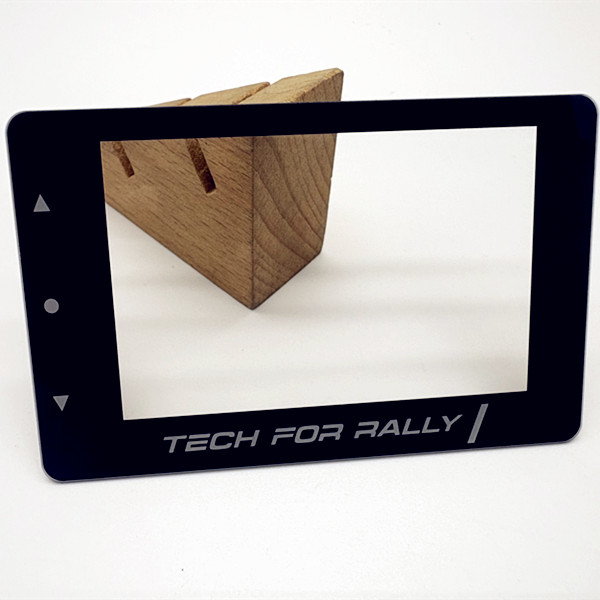
Customize Tempered Glass Silk Printed AR Coating Gorilla Glass LCD Screen Protection Display
A common choice for Houston control-room LCDs, medical carts and industrial HMI enclosures where a printed border, AR coating and strengthened glass reduce glare and abrasion in 24/7 use.
Review product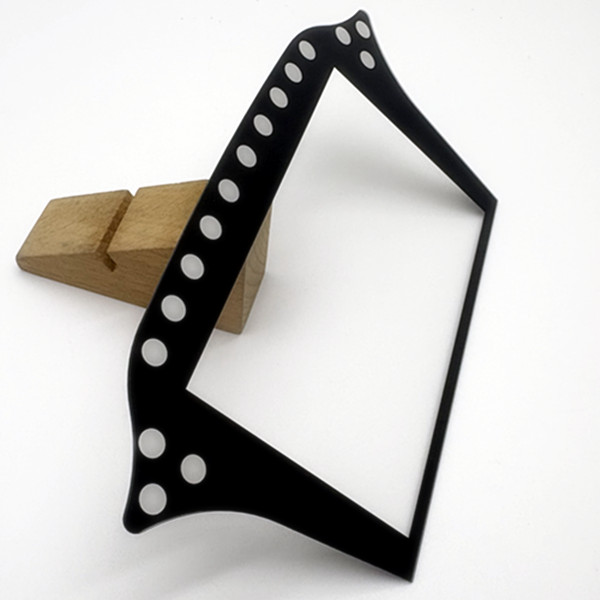
Custom Shaped Tempered Glass Processing, High Transparency Window Panels with Screen Printing
For Houston manufacturers that need a shaped, high-clarity window with printed graphics, this panel is processed to drawing and can combine strengthening, edge grinding and functional print.
Review product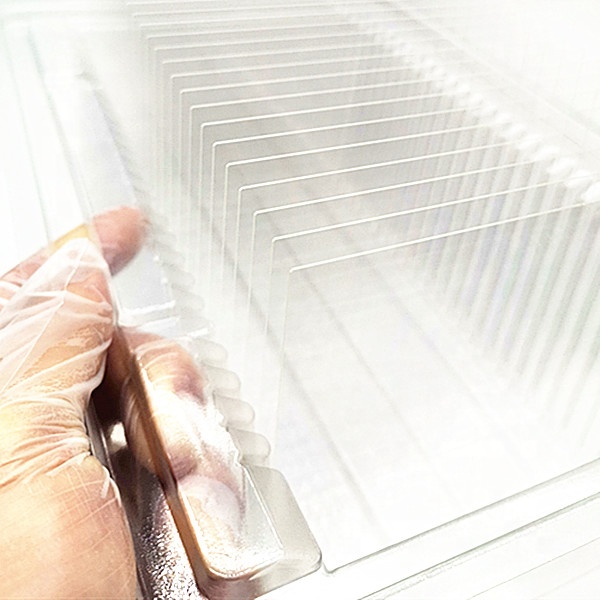
Custom Chemically Ultra Thin Clear Transparent Tempered Glass Sheet
Ideal for thin protective windows, sensor covers and lightweight display stacks; chemical strengthening helps maintain flatness and optical clarity in compact projection and imaging assemblies.
Review product
Custom Black Border Tempered Glass Panels Silk Screen Print Tempered Glass
Black-border silk-screen glass for HMI, instrument windows and display cover panels; the printed mask hides bonding lines and creates crisp icon windows while the tempered substrate improves durability.
Review product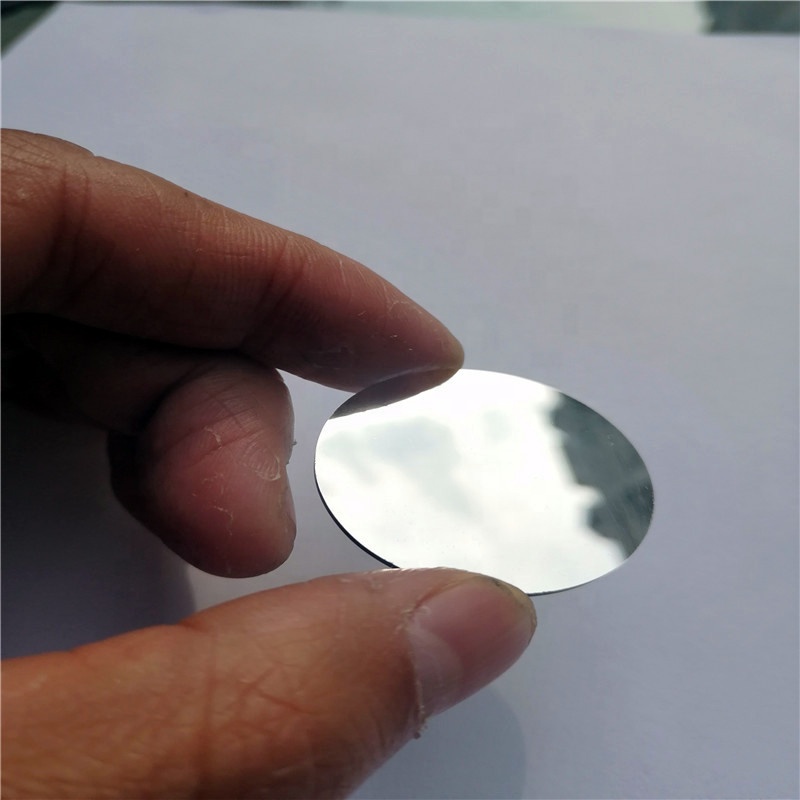
Gobo Glass / Dichroic Mirror Lighting Filters Glass Lens
Gobo and dichroic filter glass for projection, stage lighting and color-separation systems; custom sizes and coatings support OEM fixtures and replacement programs across Houston venues.
Review product
Custom 0.3mm 0.5mm 0.7mm Heat Resistant Gobo Glass Blanks for Projector
Thin heat-resistant gobo blanks for projectors and lighting fixtures where thermal load and sharp pattern projection matter; select borosilicate-based material for aggressive heat cycles.
Review product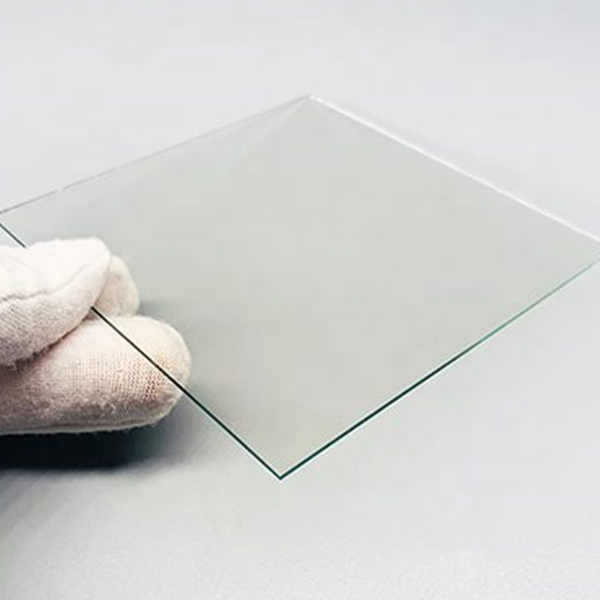
ITO Conducting Glass, ITO Coated Glass, ITO Glass
ITO-coated glass for transparent conductive electrodes, sensor windows and specialty display designs; Houston R&D teams use it for prototypes and pilot lines before scaling to production.
Review product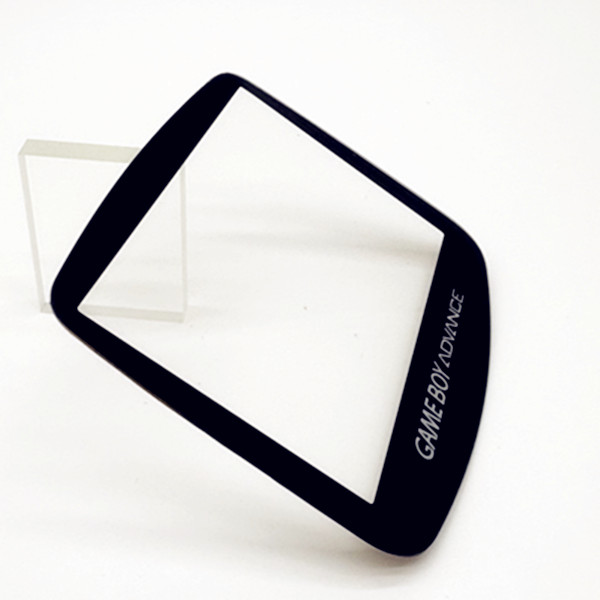
Custom Premium Gorilla Tempered Silk Screen Printed Glass Touch Screen Printed Glass Panels Cover Glass for OLED Screen
Premium tempered printed glass for OLED display covers and touch interfaces; custom logo, color and window details can align with enclosure design and abrasion-resistance goals.
Review productWhy Houston is a distinct market for projection lens glass
Although the title of this page uses projection lens, a complete projection assembly is rarely one glass part. The optical path may include a heat-resistant gobo blank, a dichroic color filter, an AR-coated protective window, a black-printed display cover, an ultra-thin strengthened sheet or an ITO-coated conductive window. For that reason, Houston buyers often source a family of glass components rather than one SKU.
Houston’s buying intent is unusually diverse. OEM design teams in the Energy Corridor need AR-treated HMI covers for control-room displays. Lighting distributors near the Port of Houston need replacement gobo and dichroic glass for touring productions and venue maintenance. Medical and biotech teams around the Texas Medical Center may need Eagle XG or ITO glass for analyzers, sensor windows and microfluidic prototypes. Aerospace simulation, museum projection and industrial vision teams add further requirements for low reflection, dimensional stability and clean print.
For a Houston-based wholesale program, the practical question is not only “What is the price per piece?” but “Can the same supplier repeat the material, coating, print and packing after the first shipment?” Gulf Coast humidity, summer heat, salt air and hurricane-season logistics all influence how fragile glass should be packed, labeled and documented. A supplier that can lock material traceability and export packing is often more valuable than one that quotes only the lowest unit price.
- Define the optical function first: protection, reflection control, color filtering, light shaping or conductive sensing.
- Match the material to the Houston environment: heat cycles, humidity, cleaning chemicals and daily operating hours.
- Confirm whether the part is for a new OEM design, a wholesale replacement range or urgent maintenance stock.
- Ask for packing that includes interleaving, cushioning, moisture control and clear carton labeling for Houston receiving.
- Keep drawing revision, coating side, print color and approval sample tied to the purchase order.
What a Houston buyer should add to the RFQ
Most generic glass RFQs leave out the data that determines coating choice, breakage risk and landed cost. For Houston projects, include these details in the first message.
- Application: projector, stage light, HMI, sensor window, medical analyzer or display cover.
- Optical target: transmission, reflection, haze, color shift and which side receives AR coating.
- Thermal load: lamp or laser power, duty cycle, ambient temperature and filter position.
- Environment: humidity exposure, cleaning agents, salt air, indoor/outdoor use and thermal cycling.
- Supply plan: annual volume, blanket releases, spare-part target and Houston delivery ZIP or 3PL address.
- Documentation: material certificate, inspection report and customs classification support from your broker.
Where Houston teams use projection and specialty glass
Houston’s industrial, medical, energy, aerospace and entertainment mix creates demand for glass components that perform under heat, glare, cleaning and continuous operation.
Live events and venue projection
Gobo glass, dichroic filters and heat-resistant blanks for touring productions, theaters, convention centers, houses of worship and architectural projection. Quick replacement programs matter.
Energy and control rooms
AR-coated cover glass and black-border printed HMI windows reduce glare in 24/7 control rooms, refinery offices, pipeline monitoring centers and industrial command environments.
Medical, biotech and laboratory
Eagle XG, ITO and high-clarity glass for analyzer filters, microfluidic substrates, sensor windows and instrument displays used by Houston’s medical and life-science ecosystem.
Industrial inspection and machine vision
Shaped high-transparency windows, protective covers and optical filters for camera systems, factory-floor inspection, barcode reading and automated quality control.
Aerospace simulation and training
Projection windows, low-reflectance protective glass and custom filters for training simulators, visualization labs and technical education environments in the Houston aerospace cluster.
Retail, museum and architectural display
OLED cover glass, printed glass, LED panel covers and AR windows for museums, showrooms, hospitality and commercial interiors where clarity and design detail matter.
Local trends shaping glass projection and optical sourcing
Houston procurement teams are balancing performance, landed cost and supply continuity. These four trends are visible across OEM, wholesale and maintenance buying behavior.
High-brightness laser projection
Brighter projectors and tighter optical paths raise the bar for coating uniformity, heat resistance and surface cleanliness. Gobo blanks and dichroic filters must be specified with the actual duty cycle in mind.
Digital industrial investment
Energy, petrochemical and manufacturing control rooms continue to upgrade HMI displays. AR-treated glass, printed borders and scratch-resistant covers are becoming standard for readability and service life.
Port-led wholesale distribution
The Port of Houston is a gateway for Texas and nearby markets. Distributors are asking for repeatable wholesale lots, consistent labeling and documentation that supports fast customs clearance.
Heat, humidity and uptime
Gulf Coast conditions favor materials such as borosilicate 3.3 for heat-load parts and robust packing for fragile glass. Buyers increasingly evaluate total landed reliability, not only piece price.
Material selection for projection, lighting and display optics
Most cost and failure risk is created before production begins. A common mistake is to choose glass by thickness alone. For Houston projects, the stronger sequence is to define optical function, environmental load, mechanical interface and cleaning method, then choose material and strengthening. Thermal tempering is generally used for thicker glass, while chemical strengthening is often preferred for thin cover glass where flatness and optical clarity matter.
| Material | Typical thickness | CTE / key point | Best fit for Houston |
|---|---|---|---|
| Borosilicate 3.3 | 0.3–3.3 mm | ≈3.3 ×10⁻⁶/K; low thermal expansion | Gobo blanks, heat-resistant windows, lighting covers and filters exposed to thermal shock. |
| Ultra-clear soda-lime | 0.5–4 mm | ≈9.0 ×10⁻⁶/K; economical clarity | AR cover glass, printed windows and display protection where cost and transmission are balanced. |
| Gorilla® / alkali-aluminosilicate | 0.4–2 mm | ≈7.5–8.5 ×10⁻⁶/K; strengthened surface | Scratch-resistant touch covers, HMI glass and OLED display cover panels. |
| Corning® Eagle XG | 0.5–1.1 mm | ≈3.2 ×10⁻⁶/K; alkali-free, flat surface | Biochips, analyzer filters, PLC substrates and precision optical alignment. |
| ITO-coated glass | Base-glass dependent | Transparent conductive layer | Sensor windows, transparent electrodes and specialty display structures for R&D and pilot lines. |
| Dichroic filter glass | 0.3–3.3 mm | Coating-dependent color separation | Projection color systems, stage lighting and optical filters where angle and thermal load matter. |
Houston environment fit matrix
Qualitative selection fit for early discussion, not a final specification. Final material and coating must be confirmed against the manufacturer datasheet and approved sample.
For thin glass below about 2 mm, chemical strengthening can improve strength while preserving flatness. For thicker glass around 3 mm and above, thermal tempering may be more suitable. All cutting, drilling and edge grinding should be completed before strengthening.
Why Houston buyers work with Fevry Glass
Fevry Glass Co., Ltd. is an export-focused specialty glass partner based in Xinyu, Jiangxi, China. We serve Houston inquiries through drawing-based engineering and export packing; we do not claim to be a local Houston stockist. For distributors that need local inventory, we can support your Houston warehouse or 3PL with production lots, labels and documentation.
Raw-material accountability
We source from Corning®, AGC and established Chinese optical-glass makers such as Chengdu Guangming and Xinhuguang, supporting traceable material choices for repeat orders.
Cut-to-drawing machining
Laser, CNC, ultrasonic and grinding processes support custom outlines, holes, notches, edges and tolerances for 0.15–4 mm specialty glass projects.
Strengthening and coating
Thermal tempering, chemical strengthening, AR coating, dichroic coating and optical filter processes can be engineered for display, lighting and projection use.
Print and HMI integration
Silk-screen printing and back painting support black borders, icon windows, Pantone color matching and visual details that help display covers fit cleanly into housings.
Export packing for Houston
Interleaved, cushioned packing is designed for fragile thin glass. We can coordinate with your freight forwarder for Port of Houston, air samples or 3PL receiving.
Fast commercial response
More than 10 years as an Alibaba.com member, average response ≤4 hours, 100% inquiry response and a 5.0/5 buyer rating support a smoother Houston sourcing process.
From drawing to Houston delivery in four clear steps
A structured path for OEM, distributor and maintenance buyers who need predictable communication.
RFQ and drawing
Send the 2D drawing, application, material preference, thickness, coating side, print colors and annual volume.
Engineering review
We confirm manufacturability, edge design, strengthening route, coating logic and packing requirements.
Sample approval
Samples validate fit, optical appearance, color and print detail before mass production is released.
Production and export
Production includes dimensional and visual checks, then export packing and coordination with your Houston forwarder.
Common questions from Houston glass buyers
These answers reflect the practical questions asked by OEM engineers, distributors and maintenance buyers sourcing projection and specialty glass from an overseas exporter.
Are you a Houston-based wholesaler or an overseas glass exporter?
Fevry Glass is a China-based specialty glass manufacturer and exporter serving Houston buyers. We do not claim a local Houston storefront or stock warehouse. For buyers that need local inventory, we can coordinate production lots, labels and documentation with your Houston distributor or third-party logistics provider.
Can you ship projection lens glass components to Houston?
Yes. Typical routes include ocean freight through the Port of Houston and air freight to IAH for samples or urgent approvals. Terms can be discussed as FOB, CIF or other arrangements supported by your broker. HTS classification and duty treatment depend on material, coating and end use, so confirm final classification with a licensed customs broker.
What is the minimum order quantity for wholesale orders?
Most custom cover glass and AR glass items start from 300–500 pieces. Some Eagle XG cut parts begin around 1,000 pieces, while selected gobo glass blanks can start from smaller trial quantities. Distributors can discuss blanket orders, repeat releases and volume price breaks based on annual demand.
How do I reduce breakage and coating damage during shipping?
Specify interleaved packing, edge protection, moisture control and clearly labeled cartons. For high-value AR or printed glass, request an approval photo of packing before shipment. Houston humidity and multi-handling transit make robust export packing especially important for thin glass and coated parts.
What should I include for an accurate quotation?
Send a 2D drawing in DWG, DXF or PDF with outline dimensions, tolerances, thickness, material, edge finish, hole and notch positions, strengthening method, print colors, AR coating side, application, annual quantity and Houston delivery ZIP or 3PL address. Complete information reduces quotation cycles.
Can you support heat-resistant, AR, ITO and dichroic requirements?
We can review borosilicate 3.3 for heat-resistant gobo and lighting parts, AR coating for low-reflection windows, ITO-coated glass for conductive or sensor applications, and dichroic coating for color-separation and projection filters. The final recommendation depends on temperature, wavelength, angle, cleaning method and the housing design.
Request a Houston-ready quotation for projection lens glass
Send your 2D drawing, material preference, coating side, print colors, expected annual volume and Houston delivery location. Our engineering team will review the optical function, heat load, packaging and export route before quoting.
For the fastest response, include a drawing and application note. Final material and optical specifications are confirmed against the approved sample and manufacturer datasheet.