Glass Grinding Manufacturers & Factories for the Nashville Market
Precision CNC grinding, edge finishing, tempering, AR coating and custom cover glass for Nashville OEMs, integrators and specifiers. Drawing-based production from 0.15 mm to 4 mm.
8 Custom Glass Products for Nashville Buyers
These product families match common Nashville sourcing requests: anti-reflective display glass for healthcare and hospitality, printed control glass for appliances, gobo glass for Music City venues, and technical substrates for advanced manufacturing. All product links below are preserved from the original catalog.
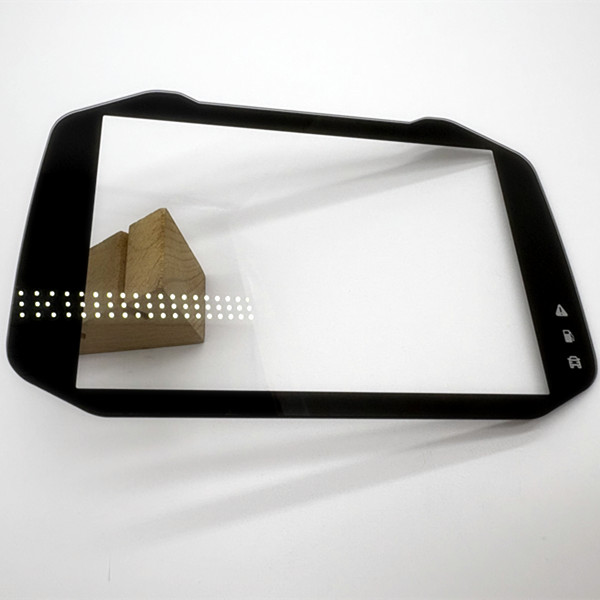
Custom Shape High Transmittance Ultra Clear Tempered Glass Panel With Anti-reflective Coating on Two Sides
High-clarity display windows, glare-sensitive kiosks and instrument covers.
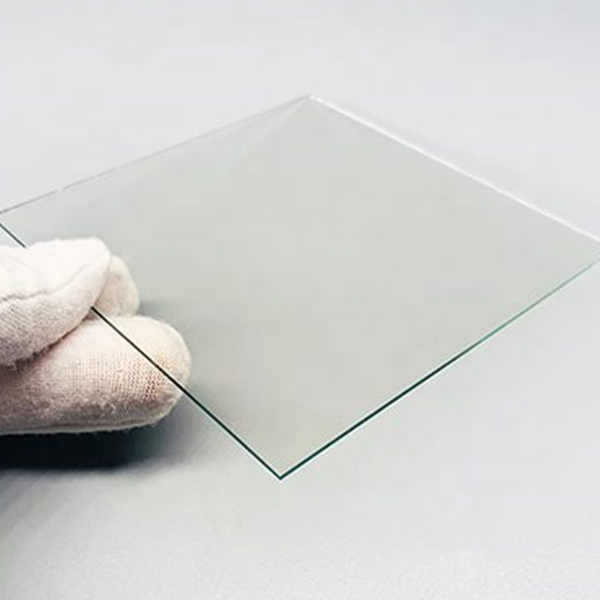
Ito Conducting Glass, Ito Coated Glass, Ito Glass
Conductive glass for touch panels, sensor windows and laboratory instruments.

Customized Tempered Anti-Reflective Glass AR Coated Tempered Glass
AR cover glass for Middle Tennessee automotive HMI and dashboard displays.
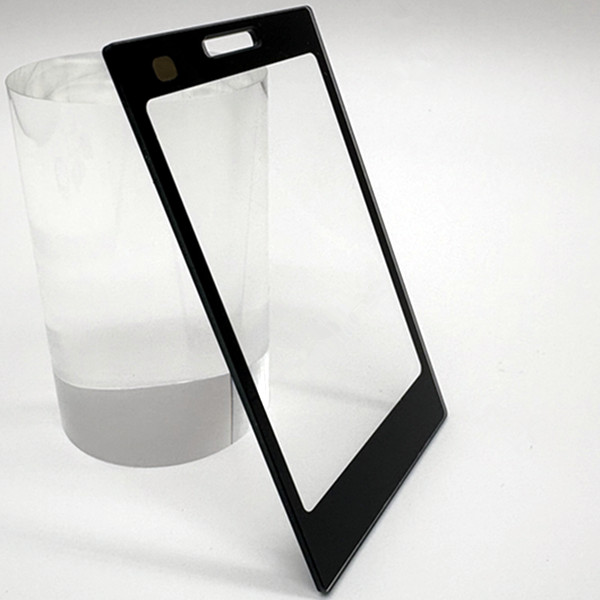
Factory Customized Black Glass Panel Silk Screen for Display Touch Electronic Glass
Silk-screen borders, icons and black windows for appliance control panels.
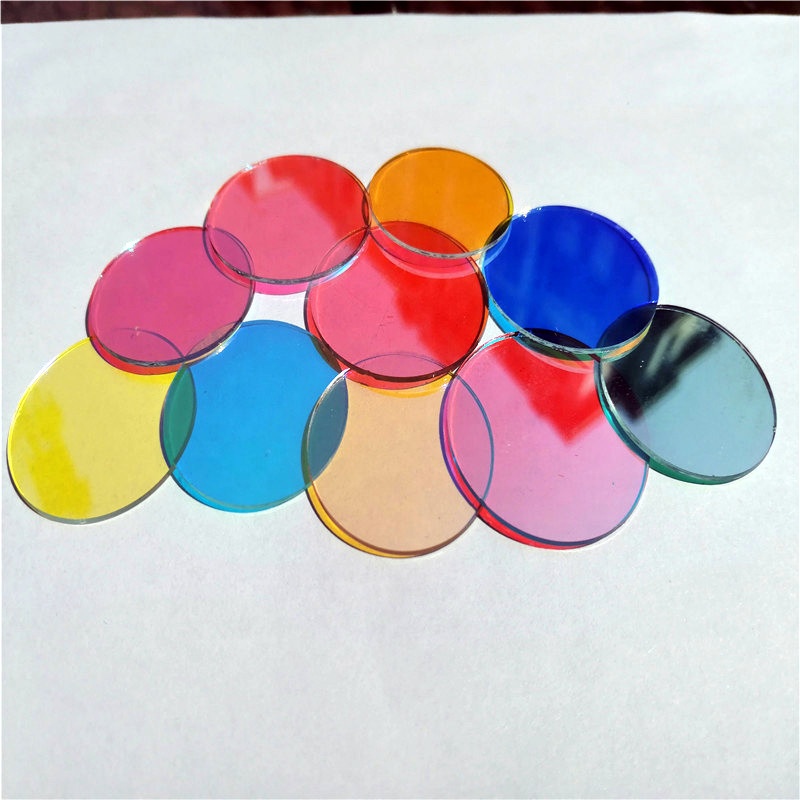
Customize logo Color Glass Gobo Glass
Gobo blanks for Nashville live venues, touring productions and lighting studios.

Factory Custom Tempered Silk Printed Gorilla Glass Screen Protector Printing Glass
Printed, strengthened Gorilla glass for premium consumer electronics covers.

Custom 0.2mm 0.3mm 0.4mm 0.5mm 0.7mm 1mm Alkali Free Borosilicate AF32 Glass
Alkali-free technical glass for semiconductor, lab and high-frequency work.
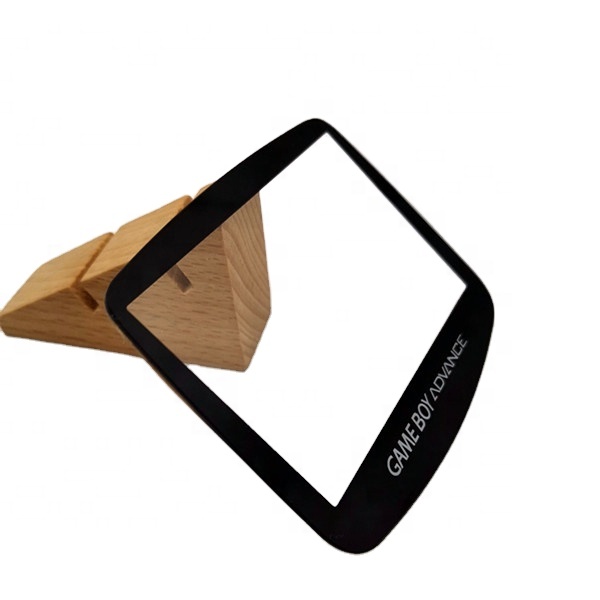
0.5mm 0.7mm 1mm 2mm 3mm Thickness China Suppliers Good Price Oem Wholesale Premium Tempered Printing Custom Gorilla Glass Screen
Scalable cover glass for OEM display programs with printing and tempering.
Need a custom grind, coating or print spec not shown above?
Inquire NowGlass Grinding Manufacturers & Factories for Nashville: What Buyers Are Really Comparing
Someone searching for “glass grinding manufacturers” or “glass grinding factories near Nashville” is usually not looking for commodity glass sheet. They need a production partner that can turn a drawing into a part that fits, coats, prints, strengthens and arrives intact.
Intent: Grinding Accuracy
Nashville engineers ask about outline tolerance, hole position, edge quality, chamfer size and flatness. A supplier that quotes only thickness and material is not answering the real question. Drawing-based review is the first filter.
Intent: Process Integration
Most custom display glass is not finished at grinding. It may need tempering or chemical strengthening, AR coating, silk-screen printing and inspection. Multiple hand-offs increase risk, so buyers compare integrated factories.
Intent: Landed Cost to Tennessee
Nashville buyers compare unit price, packaging, freight, customs and replacement risk. Thin glass can arrive with hidden edge chips if packing is weak. Strong export packing is part of the specification, not an afterthought.
A local Nashville grinding shop can be valuable for urgent prototypes and hands-on collaboration. For production programs that involve several processes, an integrated export factory may reduce process risk — but only when communication, inspection and packing are controlled. Fevry Glass serves US and Nashville-area buyers from an export-oriented production base in Xinyu, Jiangxi, China, not from a local Tennessee storefront.
Six Grinding and Finishing Controls That Affect Nashville Quality Outcomes
Semantic search for custom glass manufacturing often separates “cutting” from “grinding,” but the real quality outcome depends on process order. Drilling, CNC shaping and edge grinding usually happen before strengthening; coating and printing must be planned around cleaning, handling and final inspection.
Laser, CNC & Ultrasonic Machining
Complex outlines, slots, notches and holes are cut and refined before strengthening. This protects edge integrity and helps maintain hole position through the finishing flow.
Precision Edge Grinding & Chamfering
Flat, pencil, bevel and chamfered edges are selected for handling, coating adhesion and appearance. Edge chips and micro-cracks are controlled before tempering or ion exchange.
Thermal & Chemical Strengthening
Thermal tempering suits thicker panels; ion exchange supports thin cover glass. All cutting and grinding must be finished first because strengthened glass cannot be reworked without risking strength.
AR, Dichroic & Optical Coatings
Single- or double-sided AR coatings improve transmission and reduce display glare. Coating is applied after grinding and cleaning, with protective handling before assembly or shipment.
Silk-Screen Printing & Back Painting
Pantone-matched borders, icons, windows and back-painted areas are aligned to the ground outline. Print quality is checked for pinholes, registration and color consistency.
Dimensional & Optical Inspection
Size, thickness, flatness and visual defects are checked before packing. For AR and printed parts, inspection also covers coating appearance, print registration and protective film condition.
Where Custom Ground Glass Performs in the Nashville Market
Nashville’s economy is not one industry. It combines healthcare, automotive, music and entertainment, hospitality, logistics, education and a growing advanced manufacturing base. That mix creates demand for glass parts that are both visually precise and durable.
Healthcare & Life Sciences
AR display windows, equipment covers, touch interfaces and laboratory glass for Nashville’s healthcare and research ecosystem.
Automotive & Mobility
Dashboard trim glass, HMI cover glass, EV charging interfaces and printed control panels for the Middle Tennessee automotive corridor.
Music, Events & Stage Lighting
Gobo glass, dichroic color lenses and heat-resistant lighting covers for Nashville venues, touring productions and production studios.
Smart Buildings & Hospitality
Black glass control panels, printed switch covers, decorative glass and display windows for hotels, restaurants and corporate interiors.
Consumer Electronics & Appliances
Gorilla glass covers, silk-printed touch panels, screen protectors and decorative front glass for small-batch launches and volume OEM programs.
Advanced Manufacturing & Labs
Borosilicate 3.3, AF32 and Eagle XG substrates for semiconductor, optical communication, measurement and analytical equipment.
Local Development Trends Changing Custom Glass Procurement
Nashville-area buyers are asking for more than a ground outline. They want shorter validation loops, tighter visual quality, and a supply route that protects the glass from factory to Tennessee. The strongest patterns we see in custom RFQs are practical rather than abstract.
Buyers prefer one supplier for grinding, strengthening, AR coating and printing to reduce quality disputes between vendors.
Nashville teams want sample validation without losing the process recipe when they scale to production.
Printed borders, AR appearance and edge cosmetics matter more for consumer-facing healthcare, hospitality and automotive interfaces.
Unit price alone is not enough. Packaging, replacement risk, freight mode and customs timing influence the real cost to Nashville.
Custom RFQ Complexity Map
Qualitative sourcing signal for Nashville-area inquiries; not a market-size forecast.
| Material | Typical Thickness | CTE (×10⁻⁶/K) | Processing Notes | Nashville Fit |
|---|---|---|---|---|
| Ultra-clear soda-lime | 0.5–4 mm | ≈9.0 | Edge grind, temper, AR coat, silk-screen | Display windows, kiosks, printed panels |
| Gorilla® alkali-aluminosilicate | 0.4–2 mm | ≈7.5–8.5 | Chemical strengthening, printing, AR | Touch covers, consumer devices, appliance glass |
| Borosilicate 3.3 | 0.3–3.3 mm | 3.3 | Good thermal shock resistance; grind and temper with care | Lighting covers, heat-resistant windows, gobo blanks |
| Corning® Eagle XG | 0.5–1.1 mm | ≈3.2 | Low TTV, flat surface, alkali-free processing | Biochips, wafers, PLC and analytical instruments |
| AF32 alkali-free borosilicate | 0.2–1 mm | Low expansion | Ultra-thin handling, clean cutting, controlled edge finish | Semiconductor, lab, high-frequency technical parts |
Typical values are for preliminary material selection. Final specifications must be confirmed against the manufacturer datasheet and your drawing, especially when grinding, coating or strengthening is involved.



Why Fevry Glass Is a Practical Partner for Nashville OEMs
Fevry Glass Co., Ltd. is a specialty glass supplier based in Xinyu, Jiangxi, China. We work with optical, biological, semiconductor, communications, lighting and electronics customers — the same technical categories that drive custom glass demand in Nashville’s healthcare, automotive, entertainment and advanced manufacturing base.
We source raw glass from Corning, AGC and established Chinese optical-glass makers such as Chengdu Guangming and Xinhuguang. Processing is supported by laser, ultrasonic, CNC carving, grinding and inspection equipment imported from the USA, Germany and Japan. This gives Nashville buyers a route to traceable material, drawing-based processing and export-ready packing from one technical team.
- Corning Eagle XG, borosilicate 3.3, transparent ceramic, glass wafers and biochip glass
- CNC grinding, laser cutting, ultrasonic machining, drilling and edge finishing
- Thermal tempering, chemical strengthening, AR coating, silk printing and back painting
- Optical filter, PLC substrate, V-groove glass, gobo, LED cover and ultra-thin protector glass
- Export packing designed for fragile thin glass, with inspection records available on request
Our operating principle is “Quality is superior, service is supreme, reputation is first”, and our motto is “Your success, our glory.” For Nashville buyers, that means a clear engineering conversation before the quote, not a blind price sheet.
From Nashville Drawing to Export-Ready Glass: Four Steps
Clear process steps reduce back-and-forth for procurement teams. The most useful first message is not “best price” — it is a dimensioned drawing, target quantity and a short description of how the part will be used.
Share the Drawing
Send a 2D drawing in DWG, DXF or PDF with outline dimensions, tolerances, thickness, material, edge finish, holes, notches, print colors and AR coating sides.
Engineering Review
We check manufacturability and process order: grinding, strengthening, coating, printing, inspection and packing. We flag conflicts before quoting.
Sample Approval
Samples validate fit, edge quality, color matching, AR appearance and print registration. Approval locks the production recipe for repeat orders.
Production & Export Packing
In-process checks cover size, appearance and function. Interleaved, cushioned packing is planned for fragile glass shipping to Tennessee.
Glass Grinding, Tolerances and Delivery Questions
These are the questions Nashville-area buyers ask most when they compare custom glass grinding factories for a US production program.
Fast RFQ Checklist
- 2D drawing: DWG, DXF or PDF
- Glass material and thickness
- Outline tolerance and edge finish
- Holes, notches, slots and chamfers
- Tempering or chemical strengthening
- AR side(s), print colors and logo files
- Sample quantity and annual volume
- Nashville delivery ZIP and preferred Incoterm
Are you a local glass grinding factory in Nashville?
No. Fevry Glass is an export-oriented specialty glass factory based in Xinyu, Jiangxi, China, serving Nashville-area and US buyers through international shipping. We do not claim a local Tennessee storefront. Our value is process integration, drawing-based production and export packing, not local same-day pickup.
Can you grind to a Nashville engineer’s drawing or a local glazier’s sample?
Yes. We need a dimensioned 2D drawing, a material and thickness target, edge requirements, tolerance notes, coating or print details, and the application. If you only have a physical sample, a measured drawing is still required before production. Complete data lets our engineering team respond in one round.
What grinding tolerances are practical for custom display glass?
Many custom cover glass and AR glass parts are quoted around ±0.1 mm on peripheral dimensions, with edge chips and flatness controlled to the drawing. Tighter tolerances, thin glass, long outlines or multiple holes may require review. The final tolerance depends on material, thickness, shape and post-processing such as tempering or coating.
Should a Nashville buyer choose a local grinder or an overseas integrated factory?
Use a local Nashville grinder when speed, hands-on prototyping or same-day rework is the dominant need. Use an integrated export factory when the part requires combined grinding, strengthening, AR coating, printing and export packing, and when annual volume justifies tighter process control. Compare landed cost, replacement risk, communication quality and sample approval, not only unit price.
What is the minimum order quantity for custom ground glass?
Most custom cover glass and AR glass items start from 300 to 500 pieces. Custom-cut Eagle XG parts may start from 1,000 pieces, while selected gobo glass blanks can start from as few as 10 pieces. Samples can be arranged before mass production so Nashville teams can validate fit and optical performance.
How long does production and shipping to Nashville take?
Typical sample lead time is several working days after drawing approval. Production timing depends on material, coating, printing and volume. Air freight to the Nashville area is usually faster, while ocean freight has longer transit and requires planning around port and customs schedules. Share your target launch date, annual volume and delivery ZIP so the quote can reflect a realistic route instead of a generic lead time.
How do you protect AR coatings and silk-printed surfaces during packing?
Coating and printing are scheduled after grinding and cleaning, then protected with carefully selected film and interleaving. Packing is designed for fragile thin glass, with cushioning and outer cartons or crates suitable for export. For ITO or conductive glass, ESD-aware handling can be discussed. The goal is to reduce edge chips, coating scratches and print abrasion before the glass reaches Tennessee.
Can you support ITO glass, borosilicate and Corning Eagle XG in one project?
Yes. We supply ITO conducting glass, borosilicate 3.3, AF32, Corning Eagle XG, Gorilla glass, ultra-clear soda-lime and other technical glass types. Each material requires different cutting and grinding behavior, coating compatibility and cleaning steps, so the process route should be confirmed per drawing.
What should I send for a Nashville-specific quotation?
Send the 2D drawing, target material and thickness, edge and tolerance requirements, strengthening method, AR side(s), print colors, annual volume, sample quantity, Nashville delivery ZIP and preferred Incoterm. If you have a target landed cost or an existing supplier issue, mention it. That information helps our team quote a manufacturable process rather than a one-line price.
Do you support repeat production for US buyers?
Yes. Repeat orders benefit from a locked process route, approved sample, stable material source and retained inspection criteria. For Nashville OEMs and integrators, we recommend documenting edge, print, coating and packing requirements during sample approval so future batches remain consistent.
Request a Nashville-Specific Grinding Quote
Share a drawing, material, tolerance, volume and Nashville delivery ZIP. Our team can review the process route, identify conflicts before quoting, and recommend whether grinding should be combined with tempering, AR coating or printing.
Inquire Now