Start With the Substrate—Then Plan the Etch, Coat and Assembly
These eight product families cover the most common wholesale glass requests from San Diego etching factories: lighting filters, gobo blanks, printed cover glass, tempered electronic panels, thin Gorilla® glass, alkali-free AF32 glass and low-iron tempered glass.
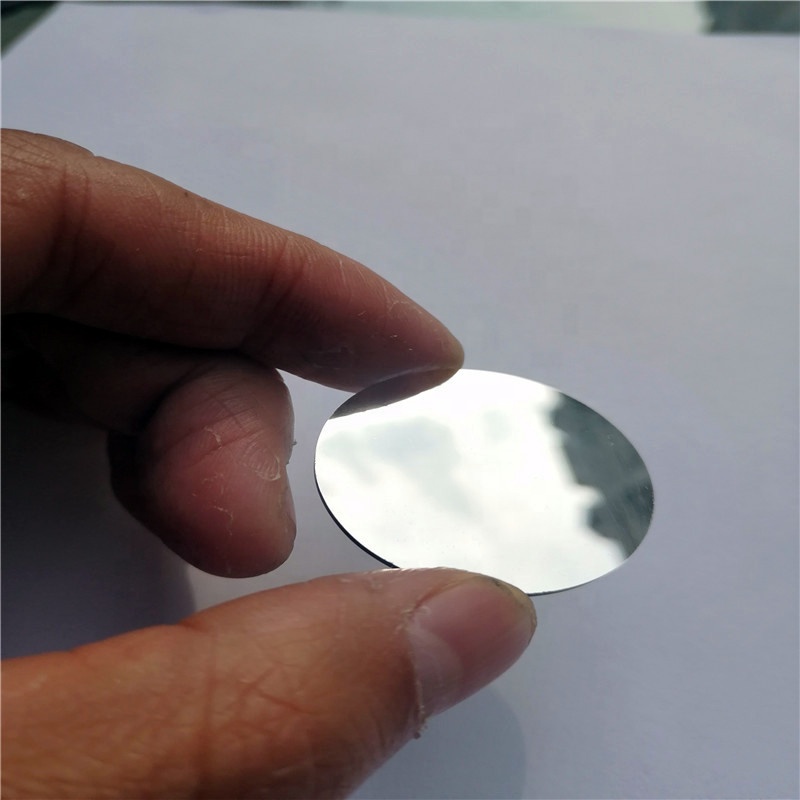
Gobo Glass/dichroic Mirror Lighting Filters Glass Lens
A strong fit for stage, studio and architectural lighting teams that need color separation, heat resistance and repeatable optical appearance.
View product
Custom 0.3mm 0.5mm 0.7mm Heat Resistant Gobo Glass Blanks for Projector
Designed for projector gobos and high-heat lighting fixtures where thickness, flatness and edge quality affect image clarity.
View product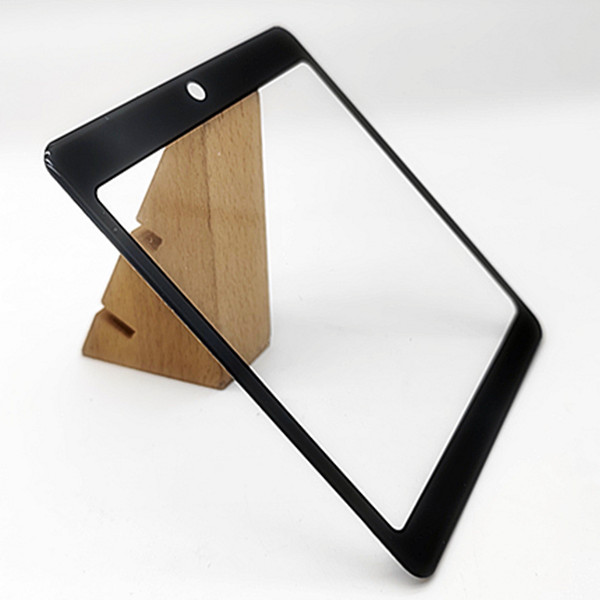
Ultra Clear Gorilla Glass Panel with Silk Screen Printing for Electronic Device
A practical choice for smart-home controls, instrument interfaces and display windows that need sharp printed borders.
View product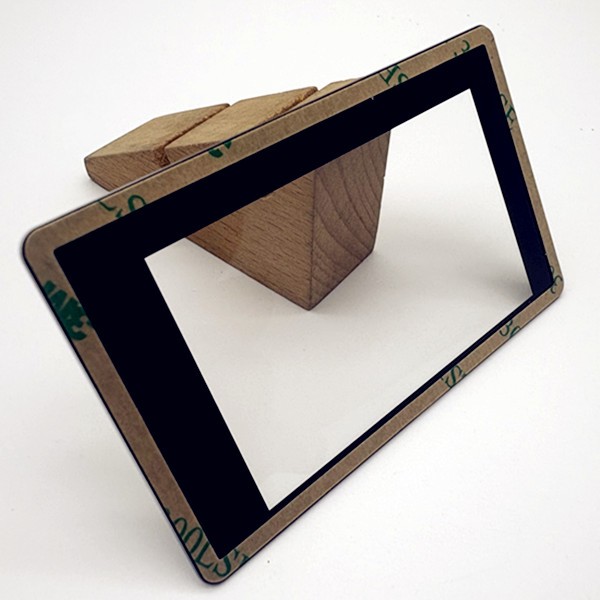
Custom Tempered Glass Dashboard Trim Panel Flat Electronic Glass Screen Protector
For flat dashboard trim, display protection and electronic control panels where dimensional consistency matters.
View product
Custom Cut 0.5mm 0.7mm 1mm 1.5mm 2mm Clear Toughened Glass Tempered Corning Gorilla Glass
Useful for wearables, compact displays and touch surfaces that combine scratch resistance with tight drawing tolerances.
View product
Custom 0.2mm 0.3mm 0.4mm 0.5mm 0.7mm 1mm Alkali Free Borosilicate AF32 Glass
Suitable for biochip carriers, precision display substrates and micro-fabrication where alkali content and flatness must be controlled.
View product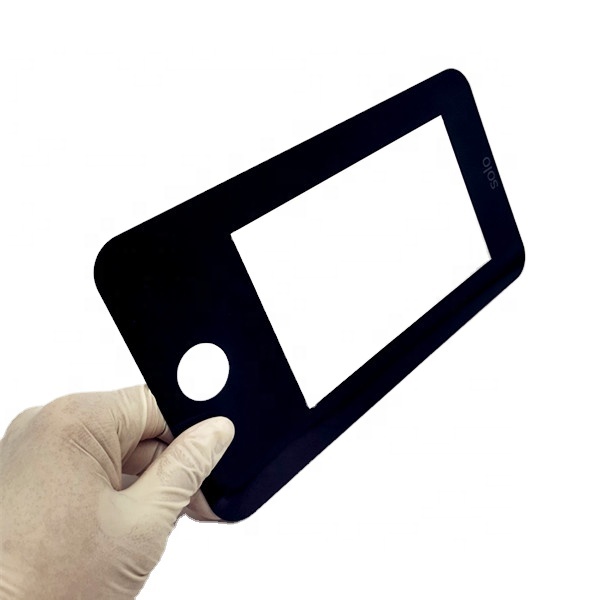
Manufacturer Oem Wholesale Custom Unbreakable Tempered Glass,high Quality Tempered Glass,low Iron Tempered Glass Manufacturer
For decorative etching, signage and architectural glass where clarity and strength must be balanced.
View product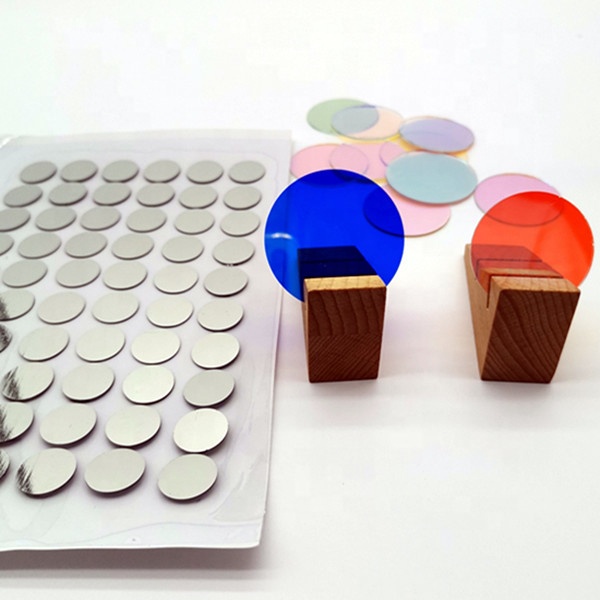
0.2mm 0.3mm 0.4mm 0.5mm 0.7mm 1.0mm 2mm Heat Resistant Gobo Glass Blanks
A broad gobo blank range for lighting designers and etching factories that need multiple thicknesses for different projectors.
View productNeed a cut-to-drawing blank, a coated sample or a wholesale quotation for San Diego?
Get a QuoteA San Diego Sourcing Guide for Etching-Ready Glass—Not Just Cut Sheets
San Diego’s glass etching factories do not buy glass in isolation. They buy yield, optical consistency, edge reliability and process compatibility that show up later in the finished panel.
San Diego County hosts a varied fabrication ecosystem: architectural glazing and signage shops, brewery and hospitality fit-outs, marine and coastal projects, life-science instrument builders, photonics teams, lighting studios, consumer-electronics importers and contract manufacturers serving the cross-border industrial corridor. A glass panel that looks acceptable at receiving can still fail after chemical etching, laser marking, silk-screen printing, AR coating or tempering compatibility checks if the substrate and process sequence were not specified together.
The strongest wholesale strategy is to define the complete route before ordering: raw sheet, cutting, edge grinding, holes or notches, etching method, strengthening, coating, printing, inspection and export packing. For San Diego etching studios, Fevry Glass is a drawing-based specialty glass supplier—not a local stock warehouse—so the value is in material sourcing, custom cutting, coating and process documentation, while your team keeps control of artwork, masking, local etching and final assembly.
Information gain in this category comes from asking specification questions that ordinary price comparisons miss: Does the etching step remove material or only mark the surface? Will the part be chemically strengthened before or after etching? Does the AR coating cover the etched area? Is the printed border inside or outside the optical window? What edge chip limit and warp allowance are realistic after strengthening? Buyers who answer these questions before issuing a PO usually reduce rework, breakage and schedule risk.
These supplier signals are useful, but they do not replace a first-article approval. For custom etched glass, the sample is the real contract: it confirms optical appearance, print alignment, edge quality and packing protection before volume production.
Where San Diego Buyers Use Etched, Coated and Strengthened Glass
From Sorrento Valley instruments to coastal hospitality interiors and entertainment lighting, the same glass family can require very different specifications.
Architectural & Signage Glass
Lobby partitions, brewery taprooms, wayfinding panels and decorative etched signage benefit from low-iron or ultra-clear tempered glass. San Diego buyers should confirm safety-glazing requirements, edge finish and mounting details with a licensed local fabricator.
Life Science & Diagnostics
Instrument makers around Torrey Pines and Sorrento Valley often need Eagle XG, AF32 or borosilicate substrates with controlled flatness, low alkali content and repeatable dimensional stability for micro-patterning and bonding.
Lighting & Entertainment
Gobo blanks, dichroic mirrors and heat-resistant filter glass support production studios, theme venues and LED fixture designers. Thickness and coating choice must be matched to the fixture’s thermal load and optical path.
Displays & Smart Devices
Gorilla® glass, chemically strengthened thin glass, silk-printed borders and AR-coated windows suit control panels, smart-home interfaces, automotive trim and portable instruments.
Marine & Coastal Public Spaces
Glass itself is inert, but coastal humidity makes edge quality, coating adhesion and frame drainage important. Specify tempered or strengthened glass, sealed edges and compatible metal finishes, and test printed or coated samples for the intended exposure.
Photonics & Optical Communication
Dichroic filters, AR-coated panels and glass wafers serve optical assemblies and communication components. Buyers should define wavelength targets, transmission goals, coating sides and inspection criteria before sampling.
San Diego Glass Etching Trends for 2025–2026
Demand is moving toward higher optical clarity, thinner strengthened glass, tighter documentation and shorter custom runs—not simply lower unit price.
Nearshoring and Local Final Fabrication
San Diego importers increasingly source precision blanks from specialized overseas processors, then perform etching, assembly or finishing locally or in the Baja California manufacturing corridor. This keeps artwork control close to the customer while using global material access.
AR-Coated Glass for Daylight Readability
Outdoor displays, marine instruments and bright San Diego interiors push demand for anti-reflective cover glass. Buyers want one-sided or two-sided AR, defined transmission targets and witness samples before production.
Thin Glass and Chemical Strengthening
For compact devices and touch surfaces, 0.2–2 mm glass with ion-exchange strengthening is replacing thicker panels. The trend increases the importance of pre-strengthening edge quality and careful export packing.
Heat-Resistant Lighting Materials
High-power LED and entertainment lighting continue to use borosilicate gobo blanks and dichroic filters. Buyers are asking for multi-thickness availability so one fixture platform can be tuned without changing suppliers.
Documentation as a Purchasing Requirement
Quality teams want material datasheets, dimensional reports, first-article photos and packing verification. For regulated or OEM programs, documentation can be as important as the glass itself.
Short Runs and Custom Etching Artwork
Hospitality, brewery, tourism and wayfinding projects favor short, design-led runs. Laser marking and digitally managed artwork are growing, while chemical etching remains valued for uniform matte finishes and larger decorative areas.
Which Etching Process Should Your Glass Blank Be Designed For?
San Diego etching factories often run more than one process. Match the blank, coating and strengthening sequence to the etching method before quoting the job.
Laser Etching & Marking
Best for fine graphics, serial numbers, logos and shallow surface marks. The glass should be flat and consistently coated if the laser will pass through a coating. For AR-coated parts, test whether the mark should be applied before or after coating to avoid haze or delamination.
Chemical Etching / Frosting
Used for uniform matte areas, decorative panels and larger production runs. If the process removes material, plan cutting, drilling and edge grinding before strengthening. For coated glass, etch first and coat afterward unless your coater approves an alternative sequence.
Abrasive Etching / Sandblasting
Common for signage, depth effects and artistic work. Tempered glass cannot be cut or drilled after strengthening, so all mechanical features must be completed first. Edge quality and masking control are critical to avoid chips that become rejects after etching.
Match Glass to the San Diego End Use—Not Only to the Drawing
Use this matrix for preliminary selection, then confirm final properties against the manufacturer datasheet and your own application testing.
Typical Material Properties and Buyer Notes
| Material | Thickness range | CTE | Best San Diego fit |
|---|---|---|---|
| Ultra-clear soda-lime glass | 0.5–4 mm | ≈9.0 × 10⁻⁶/K | Etched signage, display windows, decorative panels and AR cover glass where clarity and cost efficiency matter. |
| Gorilla® alkali-aluminosilicate | 0.4–2 mm | ≈7.5–8.5 × 10⁻⁶/K | Scratch-resistant touch panels, smart-home controls and portable device covers. |
| Borosilicate 3.3 | 0.3–3.3 mm | 3.3 × 10⁻⁶/K | Heat-resistant lighting covers, gobo blanks, laboratory windows and dichroic substrates. |
| Corning® Eagle XG | 0.5–1.1 mm | ≈3.2 × 10⁻⁶/K | Biochips, analyzer filters, wafers, PLC substrates and flat high-stability optical platforms. |
| Alkali-free borosilicate AF32 | 0.2–1 mm | Low-expansion glass | Micro-fabrication, display substrates and thin alkali-sensitive assemblies. |
Application Fit Snapshot
Indicative engineering judgment for early supplier discussions, not a performance warranty. Final selection depends on thickness, edge finish, coating, etching depth and field conditions.

Why Fevry Glass Is a Practical Wholesale Partner for San Diego Etching Factories
Fevry Glass Co., Ltd. is based in Xinyu, Jiangxi, China, and supplies specialty glass processed to customer drawings. The company works with raw glass from Corning, AGC and established Chinese optical-glass makers such as Chengdu Guangming and Xinhuguang, then processes material on laser, ultrasonic, CNC carving, grinding and inspection equipment imported from the USA, Germany and Japan.
For San Diego buyers, that combination supports a focused wholesale model: source a traceable substrate, cut and grind it to the drawing, apply strengthening, AR coating, dichroic coating or silk-screen printing where required, inspect the batch and export-pack thin glass for long-distance shipping. Our range includes Corning® Eagle XG, borosilicate 3.3, AF32, Gorilla® glass panels, tempered cover glass, glass wafers, optical filters, gobo blanks and dichroic lighting glass.
- 10+ years as an Alibaba.com member
- Average response time ≤4 hours
- 100% inquiry response rate
- 5.0/5 buyer rating
- Exports to the United States, Western Europe, Japan, South Korea, Taiwan, Hong Kong and Southeast Asia
- Drawing-based cutting, strengthening, coating and printing workflow
A Five-Step Path from Drawing to San Diego Delivery
Built for procurement and engineering teams that need predictable communication, not vague promises.
Share the Drawing
Send DWG, DXF or PDF dimensions, tolerances, thickness, material, edge finish, holes or notches, coating sides, print colors and application.
Engineering Review
We confirm manufacturability and recommend substrate, strengthening method, coating sequence and realistic inspection criteria.
Sample Approval
Validate fit, appearance, print alignment and optical performance before mass production. Keep the approved sample as the reference.
Production & Inspection
Process with dimensional and visual checks. For San Diego shipments, packing protection is reviewed as part of quality control.
Export Packing
Interleaved, cushioned packing for fragile thin glass. Shipping is typically routed through Southern California ports or air cargo, then trucked to San Diego County.
San Diego Buyer FAQ: Etching Blanks, Lead Times and Import Details
Straight answers for etching factory owners, product engineers and sourcing teams comparing a local fabricator with a specialty glass wholesaler.
Can Fevry supply glass blanks to San Diego etching factories instead of finished etched glass?
Yes. Many customers prefer to receive cut, ground, strengthened or coated blanks and perform etching, masking, artwork and final assembly locally. We can supply uncoated blanks, AR-coated panels, tempered panels, silk-printed glass, gobo blanks, dichroic glass and thin strengthened glass depending on the process route.
What is the minimum order quantity for custom glass?
Most custom cover glass and AR glass items start from 300–500 pieces. Custom-cut Eagle XG parts often start from 1,000 pieces, and selected gobo glass blanks can start from 10 pieces. A sample can be arranged to validate fit and optical performance before mass production.
What lead time should a San Diego buyer expect?
Most RFQs receive an engineering response within four hours. Sample and production lead times depend on material availability, coating, printing, strengthening and inspection requirements. Transit time to San Diego also depends on air freight versus sea freight and customs clearance. The quotation should state the assumed route, Incoterms and packaging method.
Should I etch before or after AR coating and strengthening?
For processes that remove material or require edge work, complete cutting, drilling and edge grinding before strengthening. If chemical etching is part of the optical or decorative surface, etch before AR coating whenever possible. For shallow laser marking on coated glass, validate a sample because coating adhesion and optical appearance can change. Every sequence should be approved on a physical first article.
How do I specify AR-coated glass for a San Diego display or instrument?
Define the substrate, thickness, outline drawing, one-sided or two-sided AR, target wavelength range, acceptable transmission or reflection, visible haze limit, coating hardness requirement and which surface will be etched or printed. If the display is used outdoors or near the coast, include a humidity or salt-fog test requirement in the qualification plan.
Can you provide material certificates and inspection records?
Yes—documentation requirements should be quoted with the order. Typical packages can include material datasheets, dimensional inspection results, visual defect criteria, first-article photos and packing verification. For regulated programs, specify the exact documents your quality team needs before production starts.
How is thin glass packed for export to San Diego?
Thin glass requires edge protection, interleaving, cushioning and moisture protection. Export cartons are designed for fragile panels and can be quoted with reinforced crates when needed. Because the route may include Southern California ports or air cargo followed by local trucking, buyers should confirm drop-test expectations and receiving conditions.
Do you provide local code compliance or engineering stamps for San Diego projects?
No. Fevry supplies glass materials and process data; a licensed local fabricator, architect or engineer should verify California Building Code requirements, safety glazing, seismic conditions, marine exposure and installation details. This division of responsibility is important for reliable, code-compliant projects.
Send Your Drawing and Etching Assumptions—Get a Manufacturable Glass Quote
Include your 2D drawing, thickness, material, edge finish, etching method, strengthening requirement, AR coating sides, print colors, application and annual volume. Our engineers typically reply within four hours with the next technical questions or a quotation path.
Get a Quote