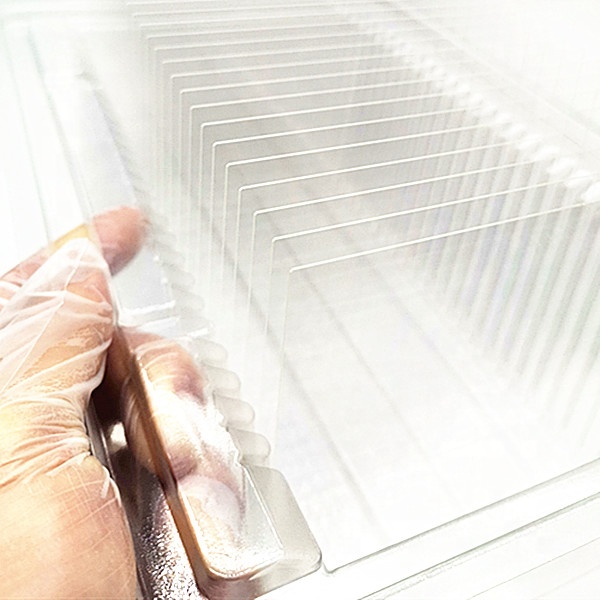
Glass Dicing Factory & Supplier Serving Osaka

Precision glass dicing, CNC shaping, edge finishing, strengthening, AR coating and silk-screen printing for Osaka display, semiconductor, optical, lighting, automotive and life-science buyers.

Inquire Now Drawing-based DFM review · Sample validation · Export packing
Product Selection

8 Precision Glass Products Recommended for Osaka OEMs

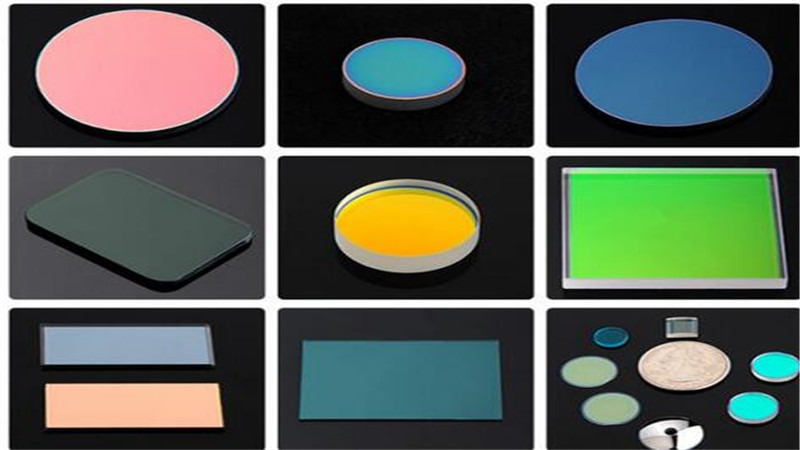
These are among the most requested custom glass formats for Kansai buyers: diced cover glass, AR-coated display glass, heat-resistant lighting glass, ultra-thin chemically strengthened glass, borosilicate gobo blanks and printed control panels.

10+Years as an Alibaba.com member
≤4hAverage inquiry response time
100%Inquiry response rate
5.0/5Buyer rating record
7+Export regions served
Engineering Context

What Glass Dicing Really Means for Osaka’s Precision Manufacturing Cluster

Osaka and the wider Kansai region bring together display electronics, industrial automation, semiconductor equipment, optical communication, medical analyzers, automotive HMI, stage lighting and precision instruments. For these buyers, glass dicing is a front-end engineering process, not a simple cut-to-size operation.

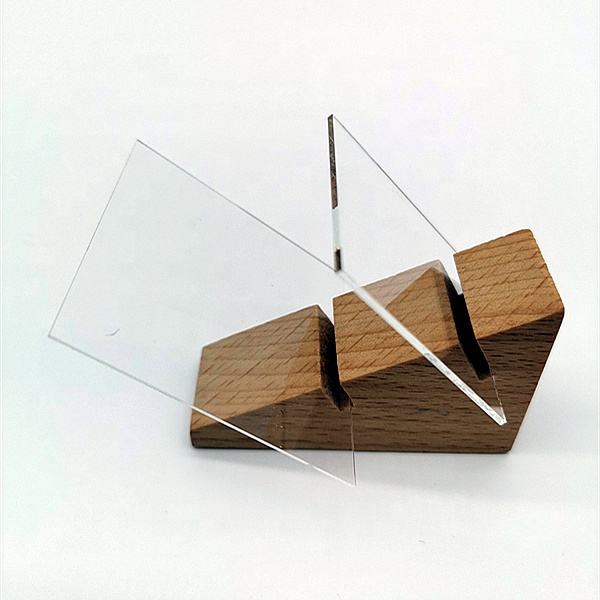
In a factory, “glass dicing” usually describes the controlled cutting and singulation of glass into final outlines, windows, holes, notches, slots and edge profiles. The process may use laser scribing and breaking, CNC grinding, ultrasonic machining or precision wheel cutting, depending on thickness, material, tolerance and edge-strength requirements. A 0.1 mm dimensional error can become a print registration problem, a coating shadow, a bonding void or a micro-crack that only appears after thermal cycling or drop testing.

For Osaka buyers, the practical question is not simply “who can cut glass?” It is “who can control the route from raw sheet to finished part?” That route usually includes drawing review, material selection, dicing, hole and notch machining, edge grinding, thermal tempering or chemical strengthening, AR or dichroic coating, silk-screen printing, dimensional inspection and export packing. Each hand-off adds risk. A supplier that owns more of this sequence can protect tolerance stack-up and reduce the number of parties involved in corrective action.

Fevry Glass Co., Ltd. is a specialty glass dicing factory and supplier serving Osaka customers from an export-oriented processing base in Xinyu, Jiangxi, China. We source raw glass from Corning®, AGC and established Chinese optical glass makers such as Chengdu Guangming and Xinhuguang, and we process it with laser, ultrasonic, CNC carving, grinding and inspection equipment imported from the USA, Germany and Japan. That combination matters when an Osaka engineering team needs traceable substrates, consistent edges and a supplier who can explain why a particular material or process sequence is recommended.
Osaka Buyer Intent Snapshot

Procurement and engineering teams in Osaka typically search for a glass dicing supplier when they need:

  • Drawing-based dicing for thin cover glass
  • Low-volume samples before mass production
  • AR-coated, printed or strengthened finished parts
  • Heat-resistant borosilicate and optical substrates
  • Export documentation and safe packing to Kansai
  • Clear specifications before a PO is issued
Factory Capabilities

From Raw Sheet to Finished Optical Part: One Accountable Process

Instead of separating dicing, strengthening, coating and printing across multiple vendors, Osaka buyers can review the complete process window with one supplier.

Laser, CNC & Ultrasonic Machining

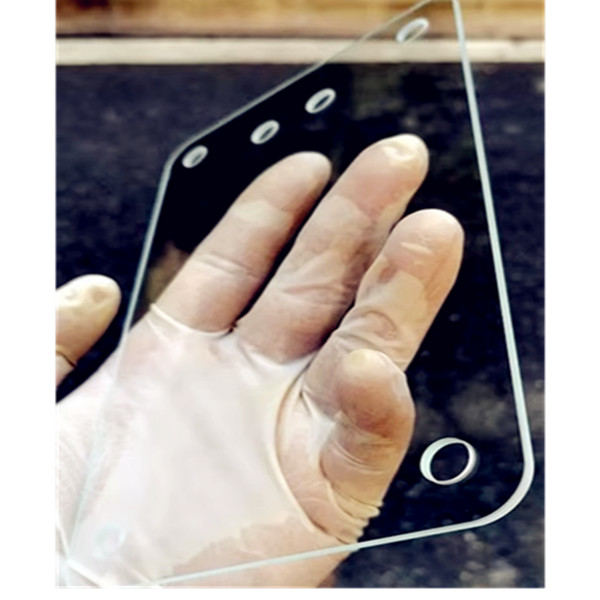
Custom outlines, holes, notches, slots, countersinks and edge profiles. Laser processing is often reviewed for thin glass; CNC and ultrasonic machining support thicker glass and complex geometry.

Thermal & Chemical Strengthening

Thermal tempering is generally applied to thicker glass, while ion-exchange chemical strengthening is used for ultra-thin cover glass from about 0.15 mm to 2 mm. All cutting and edge finishing must be completed first.

AR, Dichroic & Optical Coatings

Anti-reflective coating on one or both sides can raise transmission to approximately 98% in double-sided AR configurations. Dichroic and lighting filter coatings are reviewed against heat load and spectral targets.

Silk-Screen Printing & Back Painting

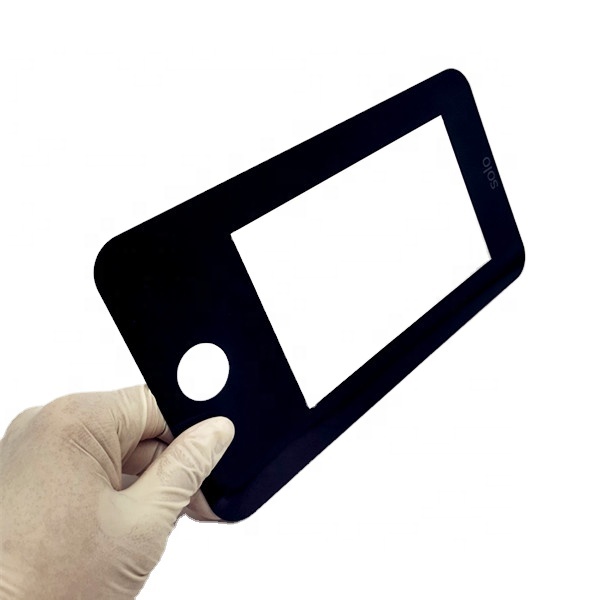
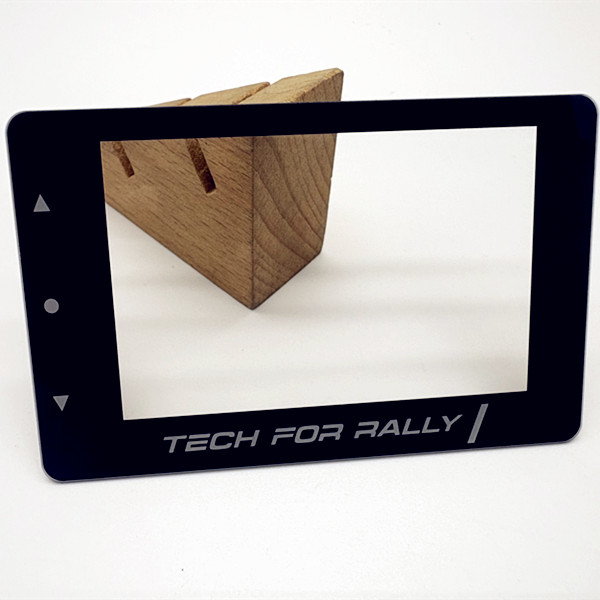
Pantone-matched borders, logos, icon windows, IR-transparent ink areas and back-painted cover glass. Print registration is considered together with dicing tolerance and assembly datum.

Dimensional & Optical Inspection

Inspection covers outline dimensions, thickness, flatness, visual defects, print alignment and coating appearance before packing. Critical dimensions can be documented for incoming inspection.

Export Packing for Fragile Thin Glass

Interleaved, cushioned packing designed for international shipment. Labels, quantity checks and packing photos help Osaka buyers verify shipment condition and simplify receiving inspection.

Material Selection Guide for Glass Dicing Projects

MaterialTypical ThicknessCTEBest Fit
Ultra-clear soda-lime0.5–4 mm≈9.0 × 10⁻⁶/KCover glass, AR panels, printed windows
Gorilla® alkali-aluminosilicate0.4–2 mm≈7.5–8.5 × 10⁻⁶/KScratch-resistant touch and display covers
Borosilicate 3.30.3–3.3 mm≈3.3 × 10⁻⁶/KHeat-resistant windows, gobo, lab glass
Corning® Eagle XG0.5–1.1 mm≈3.2 × 10⁻⁶/KBiochips, wafers, PLC and micro-optics
Chemically strengthened thin glass0.15–2 mmBase-glass dependentUltra-thin protectors, sensor covers

Values are typical industry figures for preliminary material selection. Final specifications should be confirmed against the manufacturer datasheet and the approved drawing.

Engineering note: For thermally tempered glass, dicing, drilling and edge grinding must be completed before tempering because tempered glass cannot be re-cut afterwards. For chemically strengthened glass, ion exchange is normally performed after the final mechanical shape is achieved. Coating and printing sequences are fixed during DFM review so that temper, flatness and print registration are not compromised.
Localized Applications

Where Precision Glass Dicing Supports Osaka and Kansai Industries

Osaka buyers rarely purchase glass in isolation. The part must fit a housing, survive a drop test, pass optical inspection, match a display’s black border and arrive without edge chipping. These localized scenarios show where material and process choices matter.

Display, HMI & Appliance Covers

Osaka’s electronics and appliance control clusters need glare-free, scratch-resistant cover glass with printed borders and precise windows. AR-coated Gorilla glass or chemically strengthened thin glass can reduce reflection while preserving touch sensitivity.

Automotive Dashboard & EV HMI

Automotive trim panels, dashboard displays and equipment interfaces demand color consistency, reliable print registration and edge strength. Low-iron tempered glass and printed black-border panels are common formats for Kansai automotive electronics programs.

Biotech, Analyzers & Life Science

Osaka’s life-science and analyzer manufacturers benefit from alkali-free Eagle XG and borosilicate substrates with stable dimensions and clean surfaces. Applications include biochip carriers, optical windows and analyzer filters.

Stage Lighting, LED & Gobo Optics

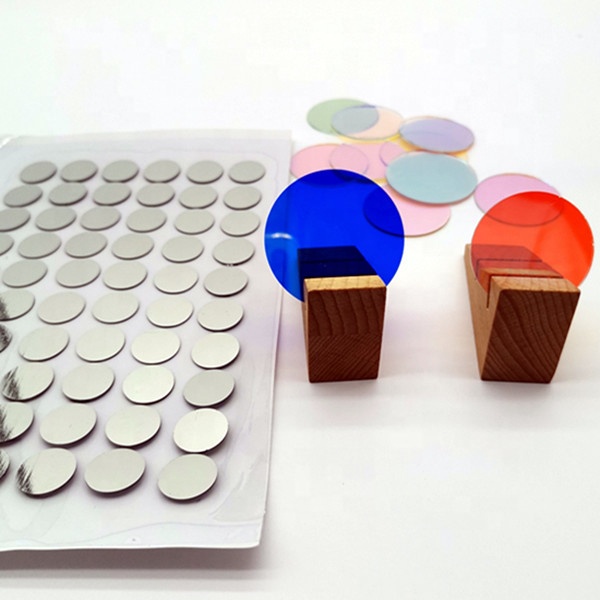
Osaka’s entertainment, display and lighting industries use gobo blanks, dichroic mirrors and heat-resistant glass lenses. Borosilicate 3.3 is often preferred because its expansion is roughly one third that of soda-lime glass, improving thermal shock resistance.

Semiconductor & Optical Communication

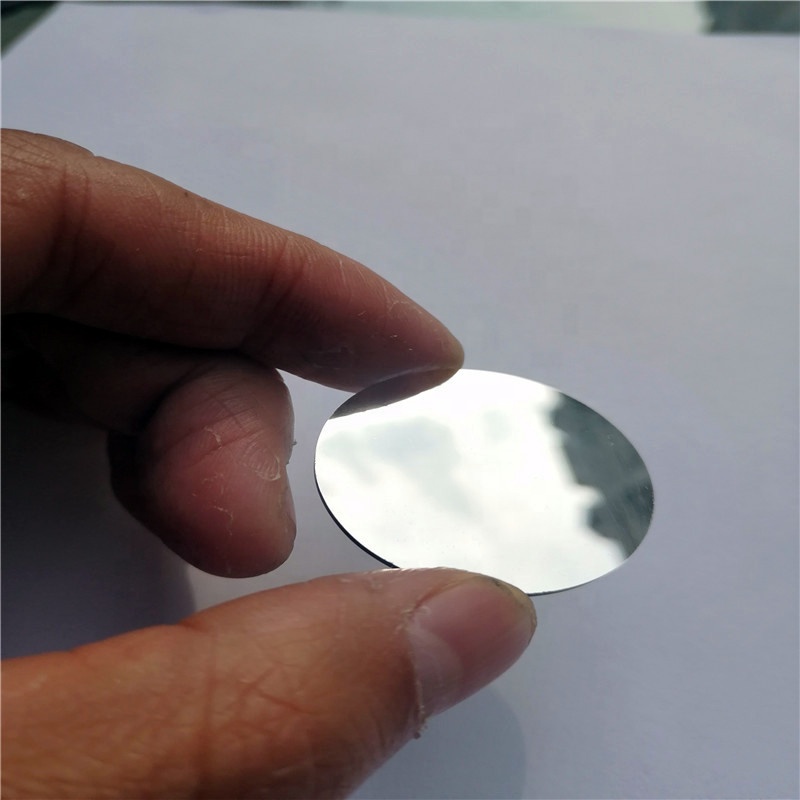
Glass wafers, PLC substrate glass and V-groove glass require flatness, dimensional stability and clean edges. Dicing quality directly affects bonding yield, alignment and downstream micro-fabrication.

Measuring Instruments & Equipment Windows

Precision instruments need flat, stable optical windows with clean edges. Drawing-based dicing, edge grinding and optional AR coating help maintain optical alignment and visibility in inspection equipment, metrology devices and laboratory instruments.

Osaka Sourcing Trends

Localized Trends Shaping Glass Dicing Demand in Osaka

Kansai procurement teams are balancing faster product cycles, thinner devices, optical performance and supply-chain resilience. These trends influence how glass dicing projects are specified.

1. Thin-and-Strong Becomes the Default

Portable devices, compact sensors and slim HMI panels continue to push toward thinner glass. Chemical strengthening is often specified for 0.15–2 mm cover glass, while the dicing process must control micro-cracks and edge chipping to preserve strength after ion exchange.

2. AR Coating Supports Readability and Sensing

From automotive displays to industrial instruments, users expect low reflection and high clarity. Double-sided AR coating can reach approximately 98% transmission, and it plays a growing role in optical sensing windows, camera covers and daylight-readable interfaces.

3. High-Mix, Low-Volume NPI Pressure

Osaka R&D and product teams often need samples before the annual volume is fixed. A supplier that can review drawings quickly, propose a material and process route, and produce sample quantities before mass production reduces development risk.

4. Supply-Chain Resilience and Documentation

Procurement teams now look beyond unit price. Verified supplier records, trade history, buyer ratings, response time and export packing evidence help justify a supplier internally. Documentation attached to the shipment supports Kansai receiving inspection and supplier qualification.

Workflow

A Clear 5-Step Path from Drawing to Delivery

The process is designed for Osaka engineering and procurement teams that need predictable communication, sample approval and mass-production consistency.

Share Your Drawing

Send DWG, DXF or PDF drawings with outline dimensions, tolerances, material, thickness, holes, notches and edge requirements.

Engineering Review

We confirm manufacturability and recommend the substrate, strengthening method, coating side and print sequence.

Sample Approval

Samples validate fit, edge appearance, print color, AR performance and packing method before mass production.

Mass Production

Processing proceeds with in-line dimensional checks, visual inspection and documented quality control points.

Export Packing

Interleaved, cushioned packing and labeling help protect thin glass during international shipping to Osaka and Kansai.

Enterprise Advantages

Why Osaka Buyers Choose Fevry Glass

Our advantage is not a single machine or a single price point. It is the ability to connect material sourcing, precision dicing, strengthening, coating, printing, inspection and export packing in one accountable workflow.

Traceable Material Sources

We source from Corning®, AGC and established Chinese optical glass makers such as Chengdu Guangming and Xinhuguang. Material choice is matched to the application rather than defaulting to one substrate.

Imported Processing Equipment

Laser, ultrasonic, CNC carving, grinding and inspection equipment imported from the USA, Germany and Japan supports precision outlines, edge finishing and dimensional verification.

Single-Source Post-Processing

Dicing, strengthening, AR coating, silk-screen printing, back painting and inspection can be coordinated in one production plan, reducing hand-off risk and simplifying corrective action.

Verified Supplier Records

Fevry Glass has 10+ years as an Alibaba.com member, a 5.0/5 buyer rating record, a 100% inquiry response rate and an average response time of 4 hours or less. Buyers can review supplier assessment, credit profile and trade history.

Drawing-Based Communication

We work from 2D drawings, tolerances, Pantone references, AR coating side requirements and annual volume. Clear input reduces the back-and-forth that delays Osaka sample approvals.

Export Experience Across Markets

We serve domestic customers and export to Western Europe, the United States, Japan, South Korea, Taiwan, Hong Kong and Southeast Asia. Our guiding principle remains: “Quality is superior, service is supreme, reputation is first.”

Buyer FAQ

Glass Dicing and Procurement FAQ for Osaka Buyers

These are the questions engineers and sourcing managers in Osaka ask most often before requesting a quotation.

Do you provide glass dicing for companies located in Osaka?

Yes. Fevry Glass regularly supports Osaka and Kansai buyers with drawing-based glass dicing, shaping, edge finishing, strengthening, coating and printing. We are an export-oriented factory and supplier rather than a local Osaka storefront, so communication is handled by email, drawings, samples, photos and production videos before shipment.

Which glass material should we choose for an Osaka display or HMI project?

For scratch-resistant touch covers, Gorilla® alkali-aluminosilicate glass or chemically strengthened thin glass is often considered. For general cover glass with AR coating and printed borders, ultra-clear soda-lime glass may be sufficient. For heat resistance, choose borosilicate 3.3; for biochips, analyzers and PLC substrates, Eagle XG is often preferred because of its low expansion and dimensional stability.

Can you control tolerances and edge quality after dicing?

Yes. The drawing review defines outline dimensions, critical tolerances, datum edges, hole positions and edge finish. Laser, CNC or ultrasonic machining may be selected depending on thickness and geometry, followed by edge grinding where required. Inspection checks dimensions, thickness, visual defects and edge condition before packing.

What is the minimum order quantity for custom glass dicing?

Most custom cover glass and AR glass items start from 300 to 500 pieces. Custom-cut Eagle XG parts may start from 1,000 pieces, while selected gobo glass blanks can start from around 10 pieces. Samples can be arranged to validate fit, print appearance and optical performance before mass production.

How do you reduce chipping and micro-cracks during glass dicing?

The process is selected around the material and thickness. Thin glass may use laser processing and careful handling, while thicker glass may use CNC or ultrasonic machining. Edge grinding, cleaning, inspection and controlled packing all help reduce the risk of micro-cracks that can lower strength after strengthening or thermal cycling.

Can you combine dicing, AR coating and silk-screen printing in one order?

Yes. We review the sequence during DFM: dicing and edge finishing, strengthening, coating and printing are scheduled according to the material and final performance requirements. Black borders, logos, icon windows, transparent areas and IR ink windows can be specified with Pantone references and drawing notes.

What information should Osaka procurement send for a fast quotation?

Please send a 2D drawing in DWG, DXF or PDF format with outline dimensions, tolerances, thickness, glass material, edge finish, hole and notch positions, strengthening method, print colors, AR coating side or sides, application and estimated annual quantity. If the application is automotive, lighting, biochip or optical communication, include the relevant environmental or optical requirements.

How is glass packed for shipment to Osaka and the Kansai region?

Thin glass is interleaved and cushioned to protect surfaces and edges during international transit. Packing depends on size, thickness, print or coating, and quantity. Labels and packing photos can be provided so the receiving team can check carton condition and quantity quickly.

Have a Drawing? Let’s Engineer Your Glass Dicing Project for Osaka

Send your specifications and our engineers will review material, thickness, dicing method, edge finish, strengthening, coating, printing and packing. For Osaka and Kansai buyers, clear drawing-based communication is the fastest route to a reliable quotation.

2D drawing Material & thickness Tolerances Print colors AR coating sides Annual volume
Inquire Now
info@fevryglass.com