0.15–4 mm glassCTE-aware material guidanceExport packing for thin glassVerified Alibaba.com records
Products for Las Vegas Buyers
Eight Engineered Glass Products for the Las Vegas Market
From casino-floor touch controls to stage-lighting lenses and high-clarity screen covers, these eight product families are matched to local buying patterns: high-mix orders, drawing-based customization, fast sample validation and dependable export packing.
Why Glass Carrier Wafers and Technical Glass Matter in Las Vegas
Las Vegas is not only a hospitality and entertainment market. It is a high-visibility testing ground for display technology, touch interaction, lighting optics, event production, secure kiosks, data infrastructure and advanced packaging.
For procurement teams, the buying challenge is rarely a simple sheet order. A casino cabinet refresh may require printed Gorilla glass with precise icon windows. A sportsbook project may call for anti-reflective cover glass that reduces glare under bright lighting. A lighting manufacturer may need heat-resistant borosilicate gobo blanks that survive rapid thermal cycling. A photonics or semiconductor research group may require a glass carrier wafer with stable dimensions, low total thickness variation and material traceability. These are different applications, but they share the same supply requirement: a drawing-based exporter that can connect material science with repeatable processing.
Fevry Glass Co., Ltd. serves this need from Xinyu, Jiangxi, China, with specialty glass processing for optical, biological, semiconductor, communications, lighting and electronics customers. The company exports to Western Europe, the United States, Japan, South Korea, Taiwan, Hong Kong and Southeast Asia. For the Las Vegas market, that export experience matters because thin glass and coated optics must arrive clean, flat, protected and documented after a long freight route.
Technical Selection
Material Selection for Carrier Wafers, Displays, Optics and Lighting
Use this guide to align the substrate with the environment. The right glass is not always the strongest or the thinnest; it is the one whose thermal expansion, optical behavior, surface quality and processing path match the finished device.
Corning Eagle XG
Alkali-free boro-aluminosilicate glass with low expansion and fusion-formed flatness. Suitable for biochip substrates, analyzer filters, PLC wafers and precision optical alignment where dimensional stability matters.
Borosilicate 3.3
CTE approximately 3.3 × 10⁻⁶/K, about one third that of soda-lime glass. It resists thermal shock and chemical exposure, making it a strong option for lighting covers, gobo blanks, heat-resistant windows and laboratory glass.
Gorilla Glass
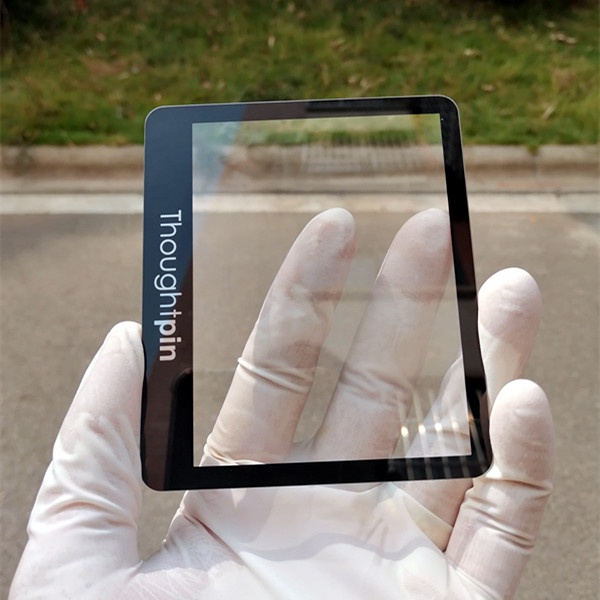
Alkali-aluminosilicate glass strengthened through ion exchange. It provides scratch resistance and damage tolerance for touch panels, display covers, kiosk fronts and printed interface windows.
Ultra-Clear Soda-Lime
A practical, economical substrate for AR-coated cover glass, printed windows, LED panels and general display protection. Low-iron variants improve transparency where color neutrality is important.
AR-Coated Glass
Single- or double-sided anti-reflective coating improves transmission and reduces glare. This is useful for sportsbook displays, outdoor-facing signage, optical instruments and casino environments with layered lighting.
Dichroic and Filter Glass
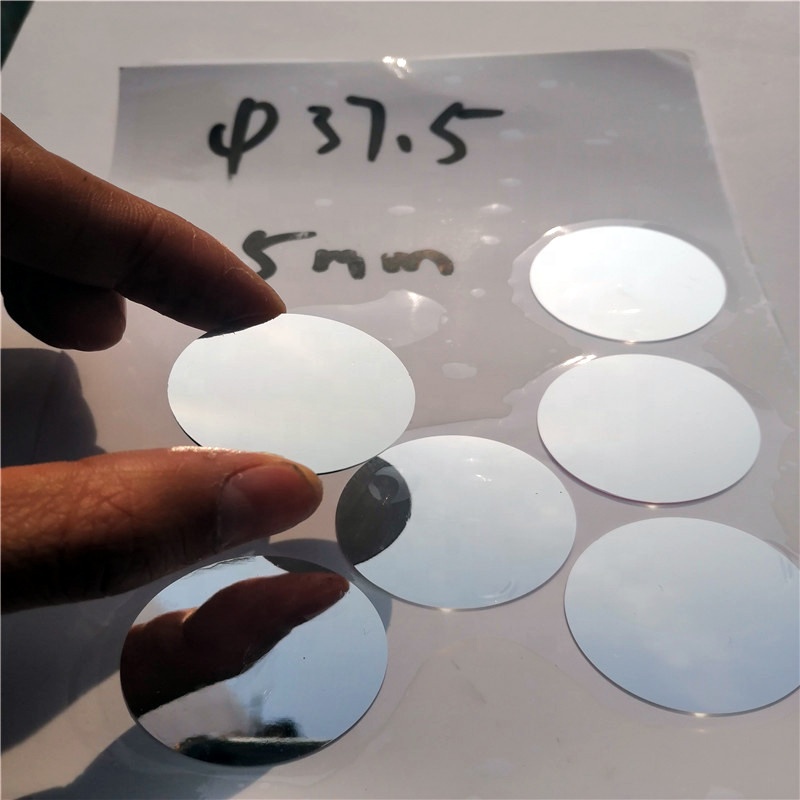
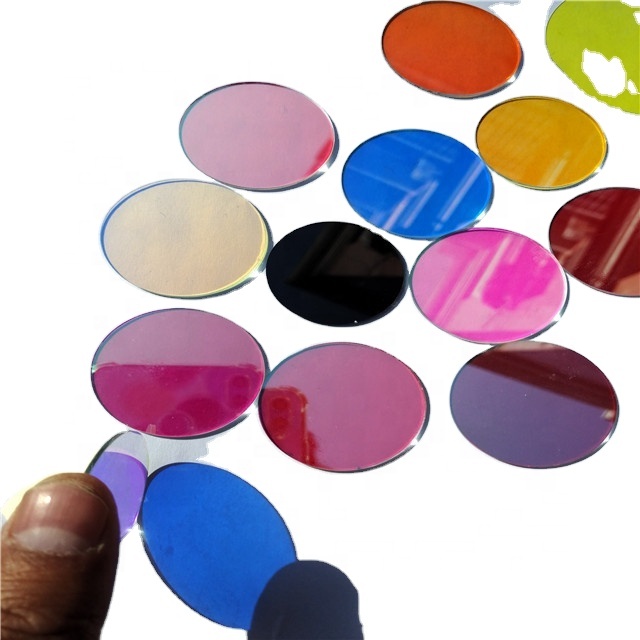
Coated borosilicate substrates for color separation, stage effects, architectural lighting and instrument filters. Coating design, angle of incidence and thermal load should be reviewed together.
Where Technical Glass Performs Across the Las Vegas Market
Las Vegas projects often combine high visual standards with 24/7 operation, heavy public contact and desert-climate stress. The glass specification should reflect the venue, the cleaning routine and the lighting environment.
Casino and Gaming Interfaces
Printed Gorilla glass, touch-switch plates and AR cover glass for slot machines, betting kiosks, loyalty terminals and service screens.
Hotel and Hospitality Controls
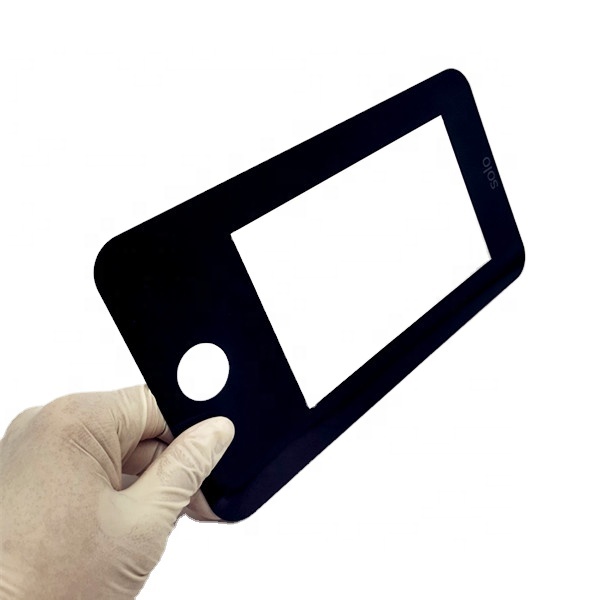
Black-border printed glass, smart-room panels, elevator interfaces and lobby signage that resist frequent cleaning and fingerprints.
Stage, Event and LED Lighting
Heat-resistant gobo glass, dichroic filters and borosilicate optics for production lighting, themed environments and projection effects.
Sportsbook and Display Walls
Low-glare AR glass, low-iron display covers and printed bezels for venues where visibility and brand presentation are critical.
Advanced Packaging and Photonics
Glass carrier wafers, Eagle XG substrates and PLC glass for temporary bonding, optical alignment, sensors and micro-fabrication support.
Optical Communication and Instruments
Flat, stable glass for V-groove alignment, analyzer windows, metrology equipment and optical filter assemblies.
Las Vegas Procurement Trends
What Local Buyers Are Changing in 2025
Procurement teams are consolidating suppliers, asking for more complete drawing reviews and treating glass as a performance component rather than a commodity. Four trends stand out.
Glare Control Is Now a Design Requirement
Sportsbooks, lobbies and convention displays increasingly specify AR-coated glass to improve readability under complex lighting.
AR demand signalHigh
Printed Glass Is Treated as Brand Infrastructure
Black borders, icon windows and custom Pantone colors help hotel and casino operators maintain visual consistency across properties.
High-output LED fixtures and compact stage optics push buyers toward borosilicate 3.3 and verified coating stacks.
Heat resistance focusCritical
High-Mix, Low-Volume Sourcing Persists
Renovation cycles and custom venue projects reward exporters that can quote from drawings and support sample approval before mass production.
Customization needStrong
Enterprise Advantages
Fevry Glass: A Specialized Exporter Built for Drawing-Based Projects
Fevry Glass Co., Ltd. is a specialty glass company based in Xinyu, Jiangxi, China. Its work is focused on high-tech glass materials and custom processing for optical, biological, semiconductor, communications, lighting and electronics applications. For Las Vegas buyers, this specialization reduces the risk of a general-purpose supplier misunderstanding coating side, print registration, edge quality or wafer flatness.
The company sources raw glass from Corning, AGC and other multinational producers and works closely with established Chinese optical-glass makers such as Chengdu Guangming and Xinhuguang. Processing relies on laser, ultrasonic, CNC carving, grinding and inspection equipment imported from the USA, Germany and Japan. The operating principle is “Quality is superior, service is supreme, reputation is first”; the motto is “Your success, our glory”.
Eagle XG, borosilicate and transparent ceramic glass
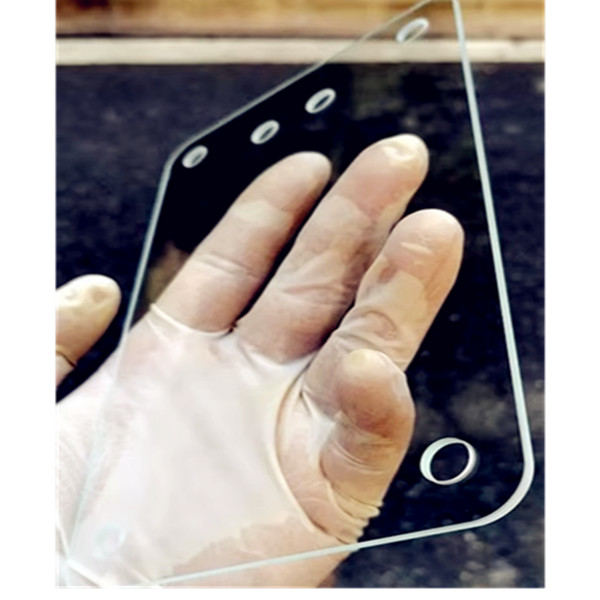
Custom outlines, holes, notches and slots with flat, pencil or chamfered edges. This supports both display-glass windows and precise carrier-wafer profiles.
Thermal and Chemical Strengthening
Thermal tempering for thicker panels and ion-exchange strengthening for thin cover glass. Cutting, drilling and edge grinding are completed before strengthening.
AR, Dichroic and Optical Coatings
Anti-reflective coating on one or both sides, plus dichroic and filter coatings for lighting, imaging and optical assemblies.
Silk-Screen Printing and Back Painting
Pantone-matched borders, logos, icon windows and IR-transparent ink areas for control panels and branded display glass.
Dimensional and Optical Inspection
Inspection of size, thickness, flatness and visual defects before packing, supporting a cleaner approval process for thin glass.
Verified Supplier Records
Buyers can independently check supplier assessment, transaction level, trade capacity, trade history, credit profile and buyer feedback on Alibaba.com.
Controlled Workflow
From Drawing to Delivered Glass: Five Steps
For Las Vegas procurement teams, predictable communication matters as much as the material itself. A structured path keeps design intent, sample approval and export packing aligned.
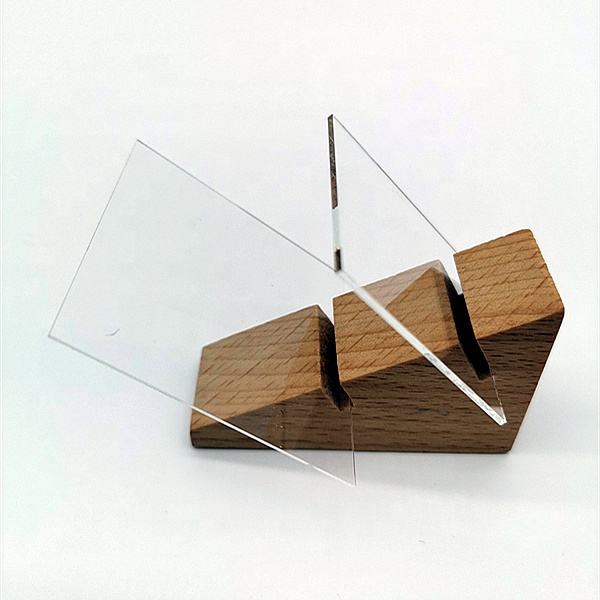
Interleaved, cushioned packing supports the long route from China to Nevada and the wider United States.
Las Vegas Buyer FAQ
Common Procurement Questions from Las Vegas Buyers
These are the questions engineers and sourcing managers ask most often when evaluating a glass carrier wafer exporter or custom glass supplier for the Las Vegas market.
How do Las Vegas buyers validate a glass carrier wafer exporter before ordering?
Start with the drawing package, not the price list. Confirm that the exporter can discuss substrate choice, CTE, thickness tolerance, flatness, edge quality, coating side and packing method. Ask for sample validation and check independent supplier records. Fevry Glass maintains publicly visible Alibaba.com records for supplier assessment, transaction level, trade capacity, trade history, credit profile and buyer feedback, so procurement teams can review evidence before committing to a production order.
Which local applications drive demand for glass carrier wafers and technical glass in Las Vegas?
Demand comes from several directions: casino and sportsbook display hardware, hotel automation, event and stage lighting, convention displays, LED signage, optical instruments and advanced packaging or photonics research. The common thread is a need for flat, stable, clean glass that can be cut, coated or printed to a drawing. A product that works on a casino floor may require different scratch resistance, print durability or glare control than a wafer used in a bonding process.
Can you supply custom sizes, holes, notches and printed borders?
Yes. Custom outlines, holes, notches, slots, edge profiles, silk-screen printing, back painting, AR coating and strengthening are part of the drawing-based process. The key is to finish all cutting, drilling and edge grinding before strengthening. For printed glass, Pantone references, icon-window dimensions and ink opacity should be included in the drawing package so the sample reflects the intended appearance.
What information is needed for a fast quotation?
Send a 2D drawing in DWG, DXF or PDF with outline dimensions and tolerances. Include thickness, glass material, edge finish, hole and notch positions, strengthening method, print colors, AR coating side or coating specification, end application and expected annual quantity. A clear drawing lets engineering respond with a manufacturable recommendation and reduces avoidable sample revisions.
How is glass protected for export to Las Vegas or wider Nevada?
Thin glass requires interleaved, cushioned packing rather than a generic carton. The packing plan should match the part size, edge condition and coating. For AR-coated or printed glass, protection against abrasion and surface contamination is especially important. Export packing is planned before shipment so that the route from China to the United States does not compromise flatness or surface quality.
What are typical minimum order quantities and sample options?
Most custom cover glass and AR glass items start from around 300–500 pieces. Custom-cut Eagle XG parts may start from 1,000 pieces, while selected gobo or dichroic glass blanks may be available from smaller quantities. Samples can be arranged to validate fit, print appearance and optical performance before mass production. Final MOQ depends on material, size, coating and processing complexity.
Have a Las Vegas Project Drawing? Let’s Engineer the Glass.
Send your 2D drawing, material target, thickness, coating side, print colors and annual volume. Fevry Glass will review manufacturability and recommend the right substrate for your glass carrier wafer, display cover, lighting optic or printed control panel.
Typical inquiry response: ≤4 hours. Export experience: Western Europe, United States, Japan, South Korea, Taiwan, Hong Kong and Southeast Asia.