Float Glass Factory & Wholesaler serving Portland
Custom tempered, AR-coated, silk-printed and specialty glass for Portland architects, glaziers, display manufacturers, lighting studios and OEM buyers — processed to drawing with traceable materials and export-ready inspection.
Float Glass, Cover Glass and Specialty Optics for Portland Projects
These eight product families cover the glass requirements most often reviewed by Portland-area OEMs, glazing contractors and design teams: tempered cover glass, printed glass, gobo glass, dichroic optics, dashboard panels and ultra-clear electronic glass. Product links are preserved for direct technical review.
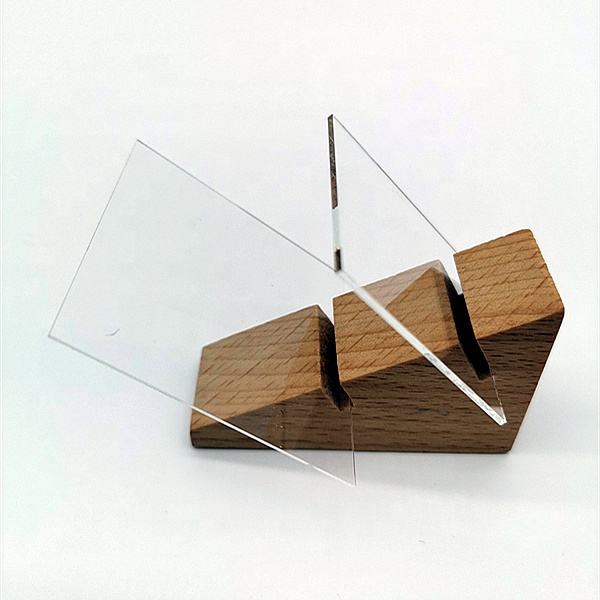
Custom Cut 0.5mm 0.7mm 1mm 1.5mm 2mm 2.5mm 3mm Corning Gorilla Temper Glass
A direct-factory option for Portland kiosk, appliance and touch-display projects; cut from 0.5–3 mm with edge grinding, print and strengthening options.
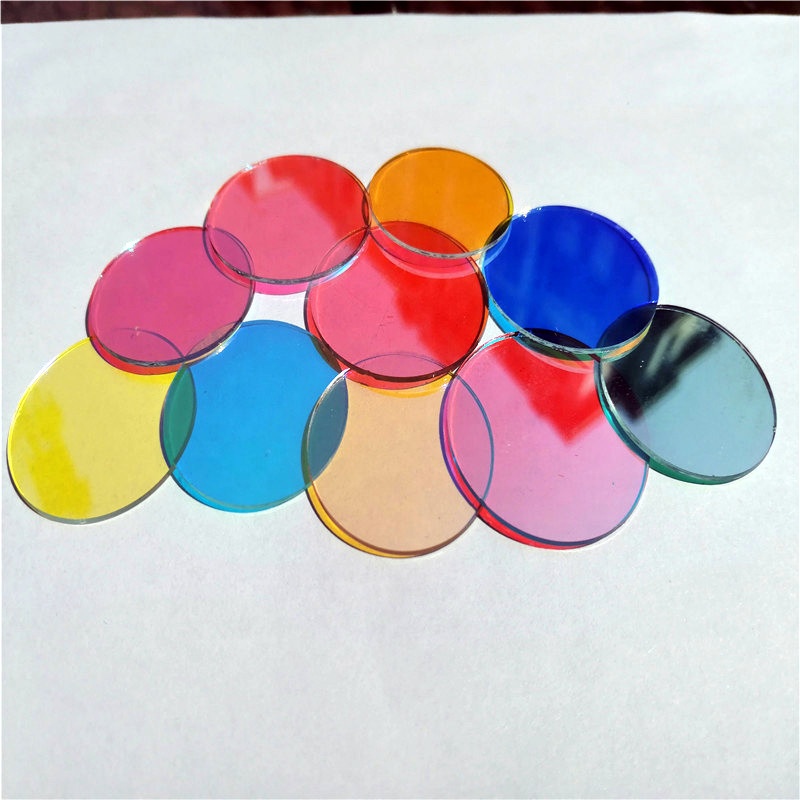
Customize logo Color Glass Gobo Glass
Color gobo blanks for stage, film, studio and architectural lighting; custom logos and patterns support Portland’s production, venue and creative economies.
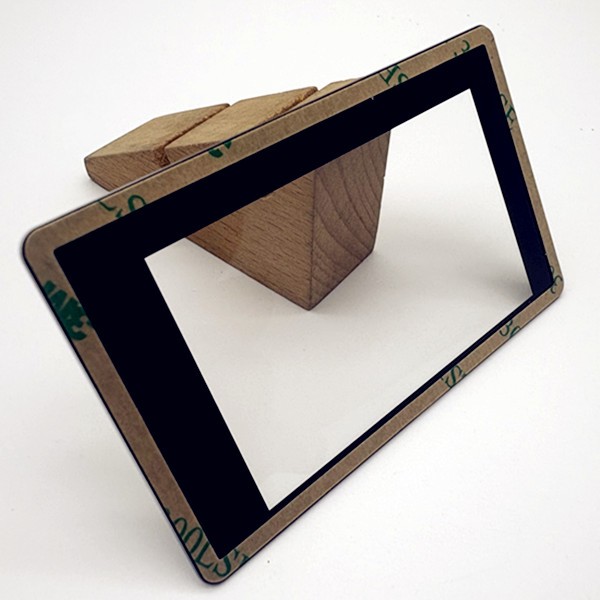
Custom Tempered Glass Dashboard Trim Panel Flat Electronic Glass Screen Protector
Flat tempered dashboard trim panel and electronic screen protector; choose AR coating and printed borders for EV, instrument and industrial control interfaces.

Factory Custom Tempered Silk Printed Gorilla Glass Screen Protector Printing Glass
Factory silk-printed strengthened glass for screen protection and control panels; suitable for small-batch validation through wholesale production.

0.3mm ~ 2mm Dichroic Glass Mirror for Gobos
Thin dichroic mirror glass for gobos and optical filters; heat-resistant configurations support high-output lighting and creative projection designs.
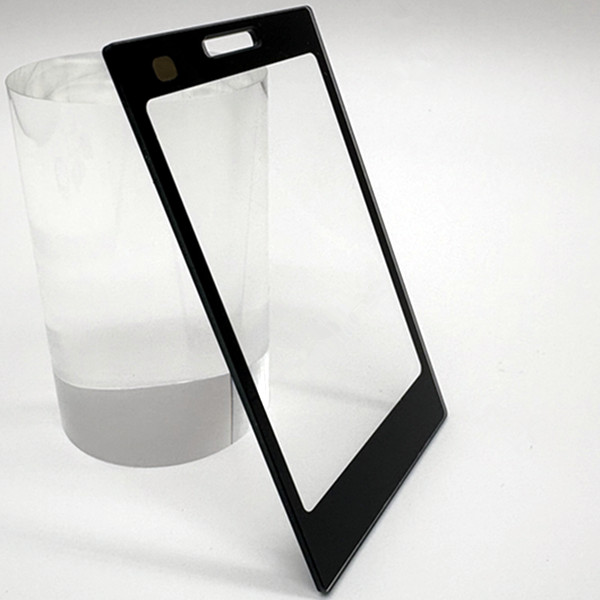
Factory Customized Black Glass Panel Silk Screen for Display Touch Electronic Glass
Black glass panel with silk-screen printing for touch displays; delivers crisp borders, hidden inactive areas and a premium front surface.
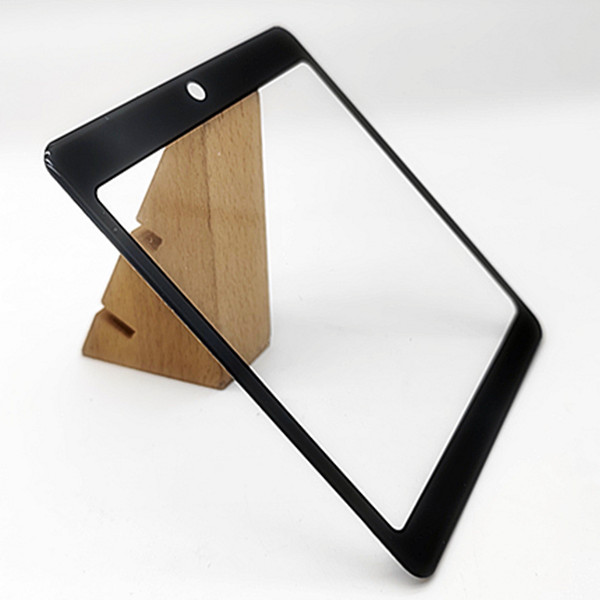
Ultra Clear Gorilla Glass Panel with Silk Screen Printing for Electronic Device
Ultra-clear Gorilla glass panel with silk-screen printing for electronic windows; high clarity and scratch resistance for premium products.
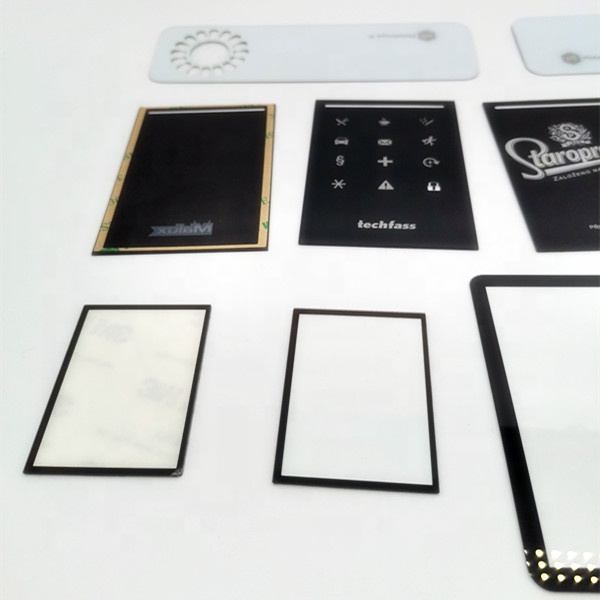
Custom Corning Gorilla Tempered Glass Silk Screen Printing for Touch Screen
Custom Corning Gorilla tempered glass with silk-screen printing for touch screens; processed to drawing for consistent fit, print and optical appearance.
What Portland Buyers Should Know Before Specifying Float Glass
Float glass provides a flat, optically clear base for architectural, electronic and lighting applications. In Portland, the real value is not only the sheet itself, but how it is cut, strengthened, printed, coated, inspected and packed for the project.
Optical clarity and neutral appearance
For storefronts, display windows and electronic covers, distortion and tint can become visible quality issues. Low-iron and ultra-clear substrates help keep edges clean and transmitted color neutral when laminated, printed or AR-coated.
Safety glazing decisions
Doors, sidelights, guardrails and large interior partitions may require tempered or laminated safety glass. The final choice depends on panel size, support, occupancy and local code review by the project architect or engineer.
Condensation and thermal planning
Portland’s rainy, mild climate can hide condensation risk inside insulated glass units and framed assemblies. Warm-edge spacers, coating placement, drainage and ventilation should be resolved with the glazing system supplier.
Acoustic comfort and urban context
Laminated float glass assemblies can improve acoustic comfort along busy corridors and mixed-use districts. Glass thickness, interlayer type, frame isolation and cavity design all influence real-world performance.
Bird-safe design in the Willamette corridor
Portland’s river corridor and urban tree canopy make bird-friendly glazing a practical design topic. Ceramic frit, silk-print patterns, contrast rules and low-reflectance treatments can be discussed with the façade designer.
Lead time and repairability
Standardizing thicknesses, edge profiles and print colors reduces production risk. All cutting, drilling and edge grinding should be completed before strengthening, because tempered or chemically strengthened glass cannot be reworked like annealed glass.
Where Float Glass and Custom Glass Perform in Portland
From the Central Eastside to the Pearl District, Hillsboro and Vancouver, WA, glass specifications often combine appearance, safety, energy, maintenance and local design review. These are practical starting points for project conversations.
Storefronts and mixed-use facades
Tempered, laminated and low-iron float glass for retail entries, lobby glazing and street-level transparency. Final build-ups should be coordinated with wind load, thermal and safety requirements.
Multifamily interiors and partitions
Printed, frosted-look and tempered float glass for corridors, amenity spaces and workspace privacy. Silk-screen patterns can also carry wayfinding, branding and bird-safe motifs.
Transit shelters and wayfinding
Silk-printed float glass, back-painted panels and anti-graffiti-friendly surface strategies can support transit, campus and public-realm signage, subject to agency standards.
Creative office and hospitality
Back-painted glass, dichroic accents and custom-printed panels for feature walls, signage and furniture. These are good candidates for early sample approval to confirm color and sheen.
Electronics, EV and HMI displays
AR-coated, black-printed and Gorilla® cover glass for touch interfaces, vehicle dashboards, kiosks and control panels. Consider readability, fingerprint visibility, print opacity and coating side.
Lighting, film and theatre
Gobo glass, dichroic mirrors and heat-resistant glass for production studios, venues and architectural lighting. Custom logo gobos make local creative prototyping more efficient.
Localized Glass Trends Shaping Portland Procurement
These trends are useful for early-stage planning, not a substitute for project-specific code, structural or energy review. They help buyers ask their fabricator and design team better questions.
Adaptive reuse and envelope upgrades
Portland’s older commercial stock often needs improved glazing performance without losing daylight. Float glass is frequently specified as part of laminated, insulated or coated assemblies for renovation projects.
Bird-safe and low-reflection design
Patterned frit, silk-print dots and contrast-based markings are increasingly discussed for riverfront and greenway-adjacent buildings. Architectural teams should verify the pattern against current local guidance.
Display glass for electrification
EV charging, energy storage and building controls all require readable, durable interface glass. AR coating, black printing, silk borders and strengthened cover glass are increasingly reviewed together.
Small-batch creativity, wholesale scale
Local lighting, film, furniture and technology studios often prototype first and scale later. A supplier that can move from sample approval to export production helps avoid re-tooling and specification drift.
Material and Process Selection Guide for Portland Glass Projects
Use this comparison to prepare an RFQ. It is a preliminary planning aid, not a final specification. Project requirements should be confirmed by a licensed architect, engineer or code consultant.
Specifications shown are typical industry ranges for preliminary selection. Final material, thickness, tolerances and test requirements must be confirmed against your drawing, application and project standards.
Which Glass Product Should a Portland Buyer Start With?
Start with the application rather than the catalogue. The right starting point is the surface the user sees, the safety requirement behind it and the environment it must survive.
Architectural and interior glazing
Begin with tempered or laminated float glass, then choose print, low-iron body or AR coating only when the design requires it.
- Storefront and partition review: safety, panel size and edge quality
- Silk-printed privacy bands and wayfinding graphics
- Low-iron glass for cleaner edges and truer color
Display, electronic and HMI glass
Focus on readability, touch durability and print alignment. AR coating, black printing and Gorilla® substrates are often evaluated together.
- Dashboard trim, touch screens and control panels
- Black borders, icon windows and hidden inactive areas
- Ultra-clear electronic glass for premium product appearance
Lighting, optical and gobo glass
Confirm heat exposure, spectral target and projection geometry before selecting the glass thickness and coating stack.
- Custom color gobo glass for logos and patterns
- Dichroic glass mirrors for color and projection effects
- Heat-resistant blanks for high-output lighting fixtures
Inside the Fevry Glass Advantage
Fevry Glass Co., Ltd. is a specialty glass company based in Xinyu, Jiangxi, China, serving overseas buyers through direct factory supply and export wholesale. We are not a local Portland warehouse; our value is traceable material selection, drawing-based processing and export-ready quality control.
Verified buyer experience
10+ years as an Alibaba.com member, a 5.0/5 buyer rating, 100% inquiry response rate and an average response time of ≤4 hours support predictable communication for Portland sourcing teams.
Traceable material sourcing
Raw glass is sourced from Corning, AGC and other multinational producers, with close work alongside established Chinese optical-glass makers such as Chengdu Guangming and Xinhuguang. This supports consistent, traceable material selection.
Imported processing equipment
Technicians process glass on laser, ultrasonic, CNC carving, grinding and inspection equipment imported from the USA, Germany and Japan — helping control outline accuracy, edge quality and visual defects.
One-source process control
Cutting, strengthening, AR or optical coating, silk-screen printing, back painting and final inspection can be coordinated under one supplier. Fewer hand-offs mean fewer tolerance and accountability gaps.
Specialty application knowledge
Projects span optical, biological, semiconductor, communications, lighting and electronics applications, including Eagle XG, borosilicate 3.3, glass wafers, PLC substrates, optical V-groove glass, gobo lenses and 0.15/0.2 mm ultra-thin protector glass.
Export coverage and service culture
Besides customers in China, Fevry Glass exports to Western Europe, the United States, Japan, South Korea, Taiwan, Hong Kong and Southeast Asia. Our principle — “Quality is superior, service is supreme, reputation is first” — and motto “Your success, our glory” guide every shipment.
From Drawing to Delivery in Five Practical Steps
Designed for procurement teams that need clear communication, sample validation and predictable export packing, without unnecessary back-and-forth.
Share your drawing
Send dimensions, tolerances, material, thickness, coating, print and edge requirements by email or inquiry.
Engineering review
We confirm manufacturability and recommend substrate, strengthening method and process sequence.
Sample approval
Samples validate fit, print color, edge quality and optical appearance before mass production.
Mass production
Processing is controlled with dimensional and visual checks at key stages, with video support available.
Export packing
Interleaved, cushioned export packing is planned for fragile thin glass and international shipping.
Float Glass and Custom Glass FAQ for Portland Buyers
Practical answers for procurement managers, glaziers, product engineers and design teams evaluating a direct factory supplier for Portland delivery.
Do you supply float glass to Portland, Oregon, from a local warehouse?
Fevry Glass is a direct factory and export wholesaler based in Xinyu, Jiangxi, China. We do not operate a local Portland warehouse. We regularly support buyers across the Portland metro — including Beaverton, Hillsboro, Gresham, Lake Oswego and Vancouver, WA — by quoting to drawing and shipping from our factory. Freight options can be reviewed after size, volume, weight and delivery target are confirmed.
What is the minimum order quantity for custom float glass and processed glass?
Most custom cover glass and AR glass items start from around 300–500 pieces. Some custom-cut Eagle XG parts start from 1,000 pieces, while selected gobo glass blanks can start from 10 pieces. Samples can be arranged to validate fit and optical performance before mass production. The exact MOQ depends on drawing complexity, material, coating and print setup.
Can you help with Portland safety glazing requirements?
We can process tempered and laminated glass and provide material and inspection documentation based on the agreed scope. Final safety-glazing compliance must be confirmed by the project architect, engineer or code consultant because requirements depend on application, occupancy, panel size and mounting. Where project-specific third-party testing is required, the test plan should be discussed before production.
What thickness should I use for a storefront, partition or display cover?
There is no single thickness that fits every project. Storefronts may depend on wind load, framing, glass type and safety classification; interior partitions depend on span, impact risk and support; display covers depend on drop, scratch and optical requirements. Typical discussions may range from 6–12 mm for architectural panels and 0.5–4 mm for electronic cover glass, but the licensed project professional must confirm the final build-up.
Can you print custom logos, borders, privacy patterns or bird-safe designs?
Yes. Silk-screen printing, ceramic frit, back painting and custom pattern printing can be reviewed against your artwork. Please provide vector files, Pantone references, target opacity, print side and tolerance expectations. For bird-safe patterns, coordinate the dot spacing, contrast and pattern coverage with the façade designer and current local guidance.
How do you reduce breakage risk when shipping thin glass to Portland?
Export packing is planned around glass thickness, panel size, edge condition and shipping method. Typical measures include interleaving, edge protection, cushioning, reinforced crates and moisture protection. For very thin or high-value parts, we can discuss custom packing and inspection documentation before shipment. Please include your receiving conditions and any unloading limitations in the RFQ.
What information do you need for a fast quotation?
Send a 2D drawing in DWG, DXF or PDF with outline dimensions and tolerances; thickness; glass material; edge finish; hole and notch positions; strengthening method; print colors; AR coating side or sides; application; annual volume and delivery target. If you have a target unit price, packaging requirement or required test report, include that as well so our engineers can respond in one round.
Are you a manufacturer or a trading company?
Fevry Glass operates as a specialty glass supplier with factory-based processing and export wholesale service. We source raw glass from major producers and established optical-glass makers, then process it to customer drawings. Our public supplier profile, buyer rating and transaction records can be reviewed before you commit, and our team can provide relevant company and product video references where available.
Can you support AR-coated and silk-printed Gorilla® glass for display products?
Yes. The product range includes AR-coated glass, black silk-screen touch display glass, ultra-clear Gorilla glass panels, printed Gorilla screen protectors and custom Corning Gorilla tempered glass for touch screens. During review, confirm which side receives the AR coating, whether the print is on the first or second surface, the target transmission, haze and color, and whether the part will be bonded to a display module.
What are the lead time and shipping terms for Portland orders?
Lead time and shipping terms are quoted after engineering review because they depend on material availability, coating or print setup, sample approval, quantity and packing method. Typical project flow is drawing review, quotation, sample approval, production and export shipment. Shipping can be discussed by air or sea with FOB, CIF or other agreed terms. Share your required-on-site date and any consolidation requirements as early as possible.
Send Your Portland Glass Drawing for a Factory Review
Include substrate, thickness, processing, print colors, AR coating side or sides, application and annual volume. Our engineers will confirm feasibility, recommend the most efficient specification and help you plan samples before wholesale production.