Electronic Cover Glass Manufacturers & Supplier Serving the Indianapolis Market
Custom tempered, AR-coated, silk-printed, borosilicate and Corning Eagle XG cover glass for Indianapolis OEMs, life-science instrument teams, mobility engineers, lighting manufacturers and smart-building integrators.
Contact UsIndianapolis Electronic Cover Glass: A Practical Sourcing Brief
Electronic cover glass is a small component with an outsized effect on product reliability, user experience and brand perception. This guide connects local application needs with material, coating and printing choices.
Indianapolis is not a generic U.S. market for electronic glass. It sits at the intersection of advanced manufacturing, life-science instrumentation, motorsports engineering, distribution and a growing smart-building ecosystem. A cover glass that succeeds in a consumer device may fail on a hospital analyzer, a factory HMI, an EV charging interface, a sports-venue display or a public wayfinding kiosk if the specification ignores thermal cycling, print durability, edge quality or coating side. The right supplier therefore needs to think in applications, not just sheet size.
This guide is written for Indianapolis engineers and procurement teams who want a supplier outside the local market without losing control of quality, communication or delivery planning. Fevry Glass Co., Ltd. is a specialty glass manufacturer based in Xinyu, Jiangxi, China. We cut, strengthen, coat, print and inspect technical glass to customer drawings, and we export to Western Europe, the United States, Japan, South Korea, Taiwan, Hong Kong and Southeast Asia. For Indianapolis buyers, the model is direct factory supply supported by drawing review, sample approval and export packing—not a claim of local inventory.
Our recommendations draw on work with optical, biological, semiconductor, communications, lighting and electronics customers. Use them to shortlist material, thickness and process before requesting a quote, then validate the final specification against your drawing and product test plan.
Eight Electronic Cover Glass Products for Indianapolis Design Teams
These eight product families cover the most common starting points for electronics, lighting, medical, automotive and industrial programs. Each product can be customized to a drawing; final specification is confirmed against your application, annual volume and inspection plan.
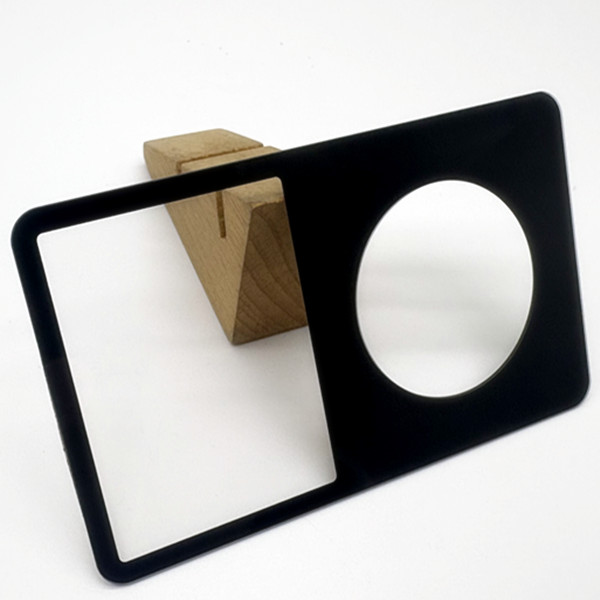
Factory Custom Smart Silkscreen Gorilla Glass Panel Tempered Glass Printing Glass
A silk-screened Gorilla glass panel for HMI windows, appliance controls and industrial interfaces where scratch resistance and crisp graphics matter. Choose tempered or chemically strengthened glass, Pantone-matched print and optional AR coating for glare control.
View product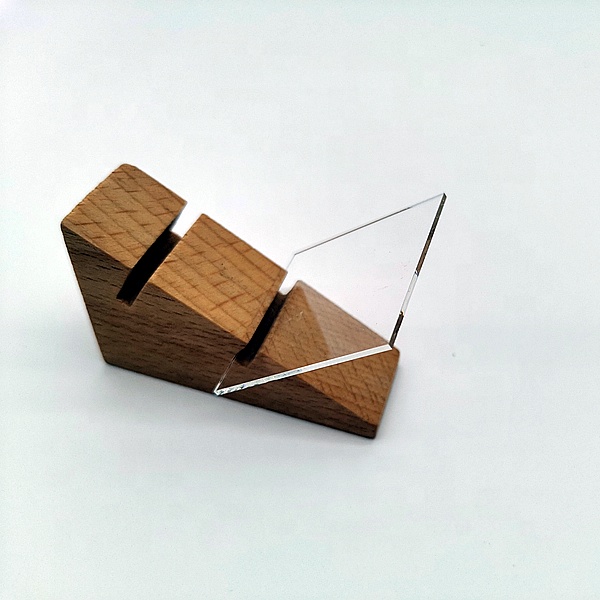
Custom 0.2mm 0.3mm 0.4mm 0.5mm 0.7mm 1mm Alkali Free Borosilicate AF32 Glass
Ultra-thin alkali-free borosilicate AF32 glass in 0.2–1 mm. Ideal for precision windows, sensor covers and laboratory fixtures where low expansion, flatness and consistent thickness help stabilize optical alignment.
View product
Factory Customization Dichroic Glass Gobo Glass
Custom dichroic gobo glass for stage, studio and architectural lighting. We cut to shape, edge-finish and coat for color separation, heat exposure and projection patterns in entertainment and venue installations.
View product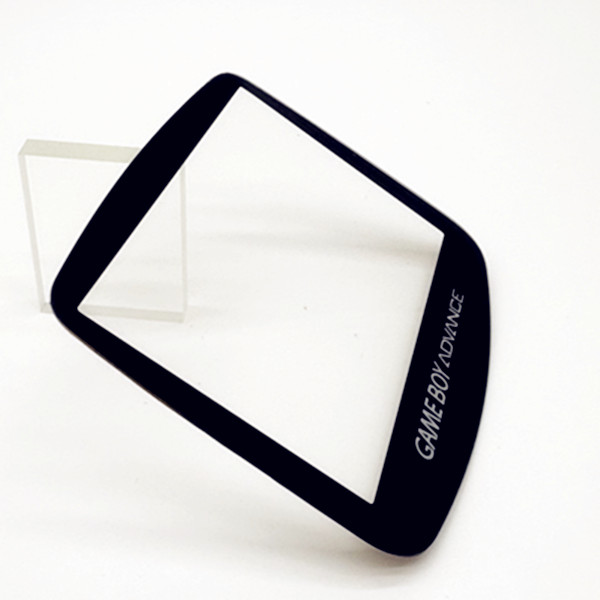
Custom Premium Gorilla Tempered Silk Screen Printed Glass Touch Screen Printed Glass Panels Cover Glass for OLED Screen
Premium Gorilla glass with silk-screen printing for OLED and touch displays. This cover-glass program combines optical clarity, durable printed borders and a strengthened surface for repeated user contact.
View product
Back Painted Tempered Glass Led Glass Panel Cover Glass
Back-painted tempered glass with LED compatibility for control panels and appliance fascia. The painted layer diffuses light, hides circuit details and creates a clean illuminated interface when paired with LEDs.
View product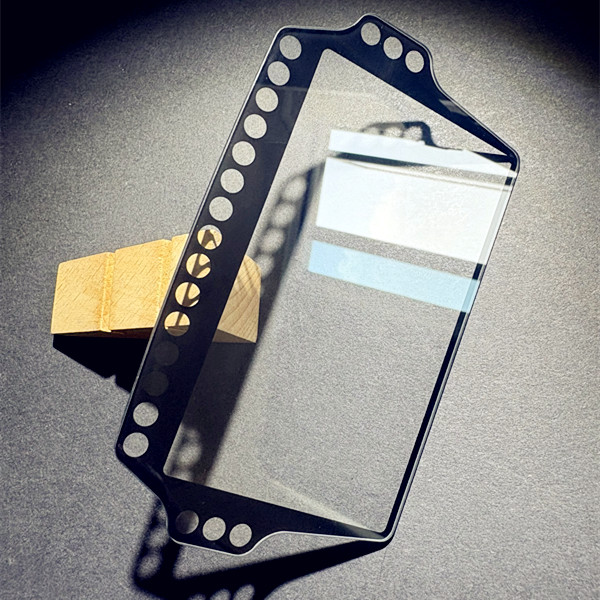
Factory Custom Tempered Silk Printed Gorilla Glass Screen Protector Printing Glass
A tempered, silk-printed Gorilla glass protector for display windows. Suitable for instrument covers, kiosk screens and embedded electronics where the glass must survive repeated cleaning and user contact.
View product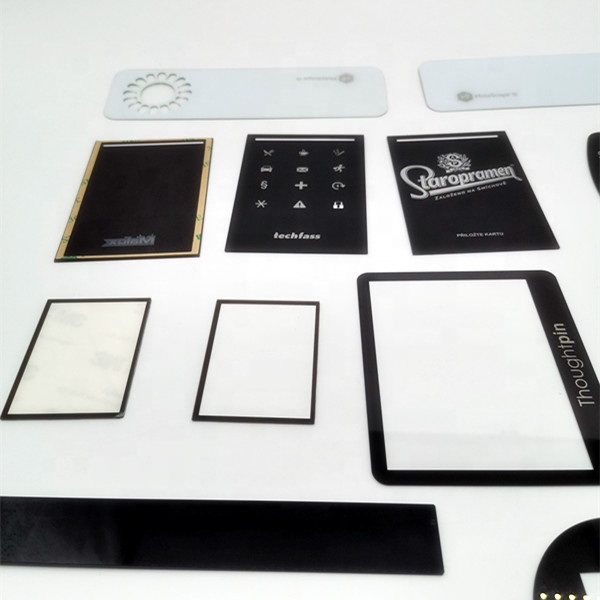
Custom Display Screen Silk Screen Printing Tempered Gorilla Glass
Custom display cover glass with silk-screen printing and tempered strengthening. Supports logos, icon windows, borders and selective masking for industrial and commercial displays.
View product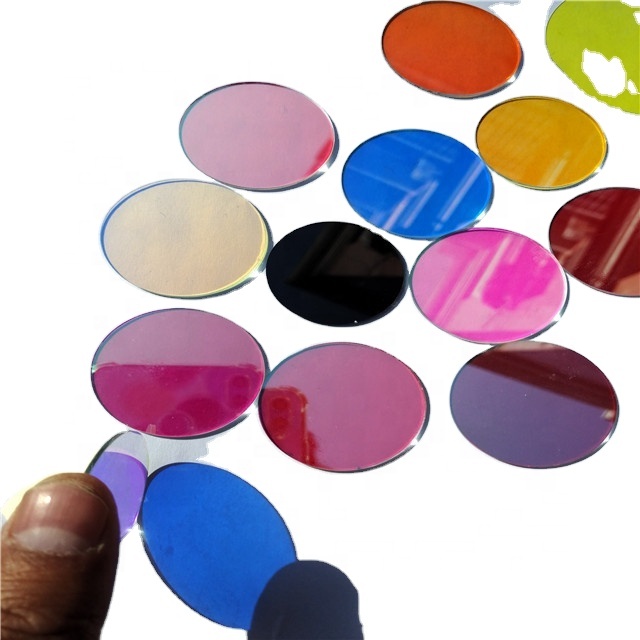
Heat Resistant Borosilicate 3.3 Dichroic Glass Filter
Heat-resistant borosilicate 3.3 dichroic glass filter for lighting and optical systems. Low thermal expansion and coating durability help manage heat load and color control in demanding fixtures.
View productWhere Electronic Cover Glass Wins in Indianapolis
The local application map is the fastest way to identify the right grade. Align your Indianapolis product team around the performance criteria that matter before you compare prices.
Factory Automation & HMI
Control panels, machine-vision windows and operator terminals need anti-glare glass, crisp printed icons, flat surfaces and edge profiles that seal cleanly into enclosures. AR coating improves readability under high-bay lighting; tempered or ion-exchanged glass improves resistance to impact and cleaning.
Life Sciences & Medical Instruments
Indianapolis has a strong life-science and healthcare ecosystem. Analyzer windows, reader covers and fluidic inspection windows often use alkali-free Eagle XG, borosilicate 3.3 or ultra-thin glass. Dimensional stability, low fluorescence where relevant and a clean, inspectable edge are more important than decorative print.
Mobility, EV & Charging Interfaces
Dashboard trim, charging-station covers and vehicle HMI panels require durable decorative print, AR or anti-glare surfaces and strong edge quality for gaskets and adhesive bonding. Thermal cycling and outdoor exposure should be discussed with your validation plan.
Smart Buildings & Access Control
Touch panels, elevator interfaces, access readers and room controllers use printed cover glass to merge display, backlight and branding. Back-painted glass and selective ink windows can hide electronics while letting light pass.
Signage, Kiosks & Retail Displays
Indianapolis venues, logistics corridors and public buildings rely on wayfinding screens and service kiosks. A cover-glass program should consider glare, vandal resistance, print wear, cleaning chemicals and the difference between indoor and outdoor thermal load.
Lighting, Studio & Venue Production
Gobo, dichroic and heat-resistant glass supports broadcast studios, stages, sports venues and architectural lighting. Borosilicate 3.3 is often selected when thermal shock or sustained heat is part of the fixture design.
Localized Trends Shaping Demand in the Indianapolis Market
Procurement behavior in Central Indiana is changing. These four trends explain why more buyers now ask for drawing-based customization, traceable material and earlier engineering support.
Supply-Chain Resilience
Buyers are adding second sources and asking for drawing-based repeatability, not anonymous stock glass. The practical result is earlier supplier involvement, documented material traceability and samples that represent production conditions.
Miniaturization in Medtech
Smaller sensors and compact analyzers increase demand for thin, flat, low-expansion substrates. Eagle XG and borosilicate glass are increasingly specified during optical and fluidic design, not after the enclosure is finished.
Electrification & Smart Mobility
EV, battery, charging and mobility clusters around the Midwest are creating more interfaces that combine glass, print, touch and LED backlighting. Suppliers that control coating and printing together reduce hand-offs and variation.
Experience-Driven Buildings
Smart buildings, sports venues and public wayfinding are turning cover glass into a visible brand surface. Indianapolis teams increasingly ask for anti-glare readability, fingerprint resistance, custom print and packaging that protects finished appearance.
How to Specify Electronic Cover Glass for an Indianapolis Program
Use this matrix as a first-pass decision aid. Final selection still depends on your drawing, product validation and cleaning or sterilization process.
What to Send With Your Inquiry
A complete drawing package shortens the quotation path and reduces sample iterations. Please include:
- 2D drawing in DWG, DXF or PDF with outline dimensions and tolerances
- Glass material, thickness range and edge finish
- Hole, notch, slot and corner-radius positions
- Strengthening method: thermal tempering or chemical strengthening
- Print colors, Pantone references and transparent or IR windows
- AR coating side, anti-glare requirements and display stack
- End application, annual volume and target validation plan
Indianapolis Buyer Priority Index
| Indianapolis Use Case | Recommended Glass | Key Process | Why It Fits |
|---|---|---|---|
| Factory HMI cover | Ultra-clear soda-lime or Gorilla® tempered glass | AR/AG coating, silk print, CNC edges | Sharper readability and scratch resistance |
| Medical analyzer window | Corning® Eagle XG or borosilicate 3.3 | Precision cut, polished edges, flatness inspection | Dimensional stability and optical consistency |
| Lighting gobo / filter | Borosilicate 3.3 | Dichroic coating, heat-resistant finishing | Thermal shock resistance |
| EV / charging interface | Tempered or chemically strengthened glass | Print plus AR/AG, impact-conscious edges | Durability and brand appearance |
| Smart-building touch panel | Ultra-clear glass with back painting | Selective windows, LED diffusion, print | Clean integration with sensors and LEDs |
| Precision sensor cover | Ultra-thin glass 0.15–2 mm | Chemical strengthening, tight dimensional checks | Low mass and optical clarity |
Material values and process choices must be confirmed against the final drawing and datasheet. Ask for a sample before production, especially when print color, coating side or adhesive bonding affects final appearance.



Why Indianapolis Buyers Work With Fevry Glass
Fevry Glass Co., Ltd. is a specialty glass company built around one premise: resolve the hard technical decisions upstream, before production begins. Our team supports engineers across optical, biological, semiconductor, communications, lighting and electronics applications, helping them select a substrate and turn it into an export-ready finished part.
We source raw glass from Corning, AGC and established Chinese optical-glass makers such as Chengdu Guangming and Xinhuguang. This helps maintain consistency for Eagle XG, borosilicate and optical programs. Processing is handled with laser, ultrasonic, CNC carving, grinding, strengthening, coating, printing and inspection equipment imported from the USA, Germany and Japan.
- ✓Material traceability for Eagle XG, borosilicate and transparent glass
- ✓CNC, laser and ultrasonic cutting for holes, notches and outlines
- ✓Thermal tempering and ion-exchange chemical strengthening
- ✓AR, dichroic and optical coatings on one or both sides
- ✓Silk-screen printing, back painting and Pantone color matching
- ✓Dimensional, optical and packing inspection before shipment
Our export record includes more than ten years as an Alibaba.com member, an average response time of four hours or less, a 100% inquiry response rate, a 5.0/5 buyer rating and shipments to seven export regions. We do not claim a local Indianapolis warehouse; instead, we provide direct factory communication, drawing-based production and freight planning that fits your receiving process.
Contact UsFrom Drawing to Indianapolis Receiving Dock
A clear four-step path keeps the technical and commercial sides of a custom glass order aligned.
Drawing & Application Review
Share the 2D drawing, material, thickness, print and coating requirements, annual volume and validation plan. We review the application before suggesting a process route.
Material & DFM Feedback
Our engineers confirm manufacturability, edge design, strengthening sequence, print windows and coating side. We identify risks such as re-cutting after strengthening or ink on bonding areas.
Sample Approval
Samples validate fit, optical performance, Pantone color and surface appearance under your real lighting or display stack. Approve the inspection criteria before mass production.
Production & Export Packing
Production runs with in-line dimensional and visual checks. Finished parts are interleaved and cushioned for international transit, with commercial invoice, packing list and available material documents.
For freight, samples often move by international courier; time-critical production can use air freight; larger orders are planned by sea freight with a forwarder selected by the buyer or coordinated with us. We confirm the shipping method in the quotation because glass thickness, print, coating and packing volume all affect the best route to Indianapolis.
Indianapolis Buyer FAQ
Straight answers for engineers, sourcing managers and product owners comparing custom electronic cover glass suppliers for the Indianapolis market.
Do you have a warehouse or office in Indianapolis?
No. Fevry Glass is an export manufacturer based in Xinyu, Jiangxi, China. We serve Indianapolis buyers through direct communication, drawing-based production and international freight. If you need a local warehouse, we can discuss whether your forwarder or a third-party logistics provider in Indiana should receive the shipment; we do not represent a local facility we do not operate.
What is the typical lead time to Indianapolis?
After drawing and sample approval, most custom cover glass production is planned in weeks, not days. As a planning guide, samples are often arranged in 7–15 days after a complete drawing is reviewed; production may take 2–4 weeks depending on print, coating and strengthening steps; transit can range from a few days by air to several weeks by sea plus customs. We confirm a schedule in the quotation because MOQ, coating and inspection requirements change the critical path.
What is the minimum order quantity?
Most custom cover glass and AR glass items start from 300–500 pieces. Custom-cut Eagle XG parts often start from 1,000 pieces, and selected gobo or dichroic glass blanks can start from 10 pieces. Samples can be arranged to validate fit and optical performance before mass production.
Can you match Pantone print and AR coating on one or both sides?
Yes. Provide Pantone references, artwork or a 2D drawing showing print areas and windows. AR can be specified on one or both sides. We recommend approving a sample under your real lighting and with your display stack, because coating performance depends on the substrate, adhesive and cover-lens design.
Which documents can support purchasing and customs?
We can provide a commercial invoice, packing list, material datasheets and available inspection records. Additional compliance documentation depends on the material and application. Please state your requirements in the inquiry so we can confirm what is available before you place an order.
How should I start a custom cover glass project?
Send a 2D drawing (DWG, DXF or PDF) with outline dimensions, tolerances, thickness, glass material, edge finish, holes and notches, strengthening method, print colors, AR side, application and annual volume. Our engineering team will review manufacturability and respond with a recommended specification and quotation path.
Request an Indianapolis-Ready Electronic Cover Glass Quote
Share your drawing, target volume and validation plan. We will reply with a material recommendation, process route, MOQ and lead-time range. For prototypes, tell us what must be proven—optical transmission, print color, edge strength, flatness or export packing—before you scale.