8 Custom Glass Products for Canadian OEM Programs
Start with the product route closest to your drawing. Every item below is produced to customer specifications rather than sold as a fixed stock size. Canadian buyers can request samples, DFM feedback, print color matching, coating options, and export packing before releasing volume. The product URLs are preserved exactly as supplied in the original catalog.
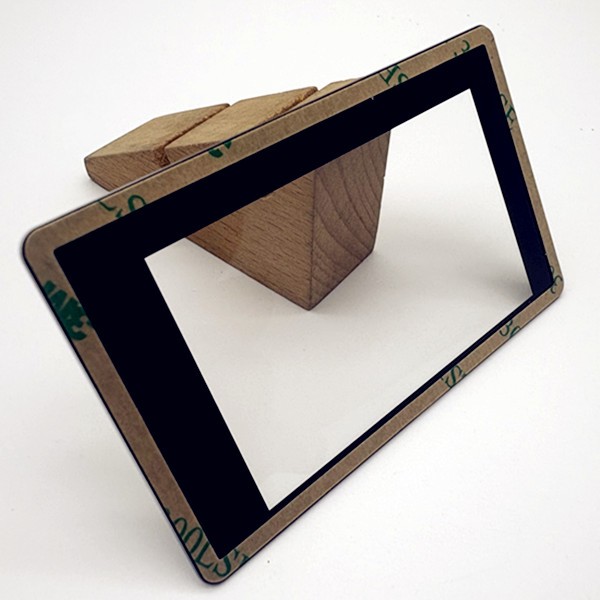
Custom Tempered Glass Dashboard Trim Panel Flat Electronic Glass Screen Protector
A flat tempered dashboard trim panel with optional silk-screen printing, designed as a protective display window for automotive, appliance, HVAC, and EV-charging interfaces. The glass can be cut to a 2D drawing, edge-ground, strengthened, and printed with black borders or icon windows. It is a practical choice when the panel must hide adhesive or conductive traces while keeping the active display area highly transparent.
Request drawing-based quote →
0.5mm 0.7mm 1mm 2mm 3mm Thickness China Suppliers Good Price Oem Wholesale Premium Tempered Printing Custom Gorilla Glass Screen
A thin-to-medium Gorilla glass screen program for buyers who need scratch resistance, custom thickness, and OEM branding. Available in common 0.5, 0.7, 1, 2, and 3 mm routes, the panel can be chemically strengthened for thin glass or thermally tempered where thickness allows. Use it for premium touch covers, appliance windows, and durable display fronts.
Request drawing-based quote →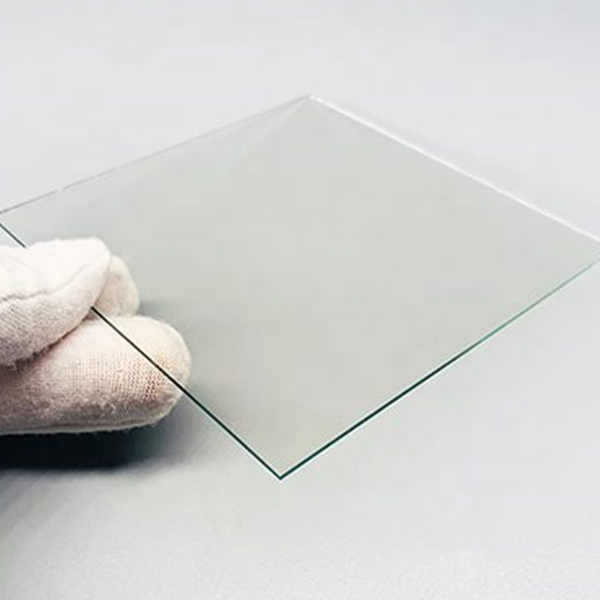
Ito Conducting Glass, Ito Coated Glass, Ito Glass
ITO-coated conducting glass for touch sensing, transparent heating, EMI shielding, and instrument electrodes. Fevry can cut the coated substrate to drawing and protect the conductive layer during packing. Canadian designers should confirm sheet resistance, coating side, and busbar layout before sample approval.
Request drawing-based quote →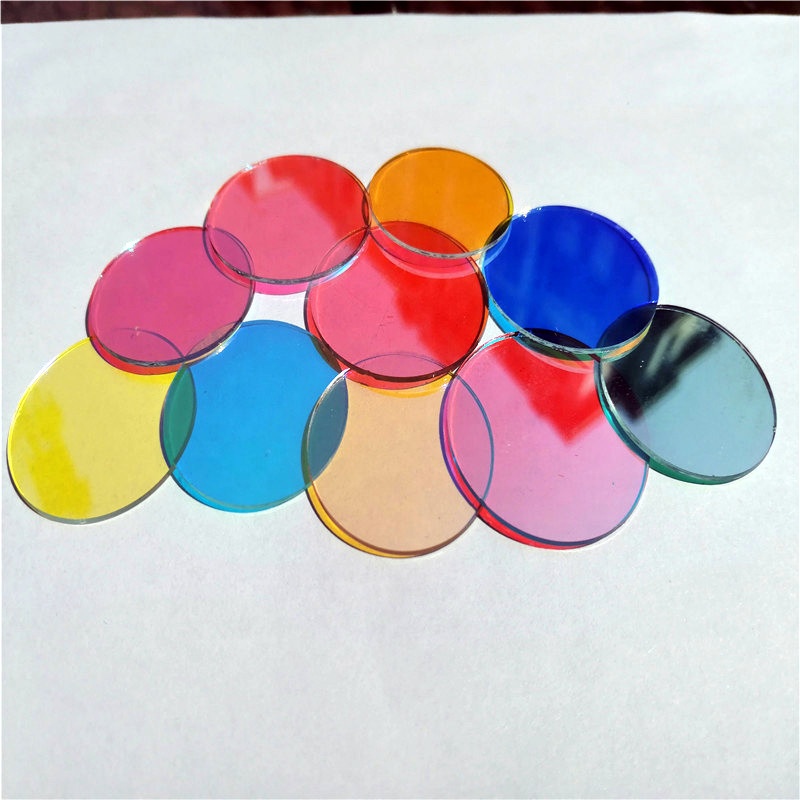
Customize logo Color Glass Gobo Glass
Customized color and logo gobo glass for architectural lighting, stage effects, retail displays, and branded projection. The artwork can be produced in custom colors and shapes, with heat-resistant substrates selected for higher-power fixtures. This is not a standard printed sign; it is an optical component that must balance color saturation, pattern resolution, and thermal load.
Request drawing-based quote →
Factory Customization Dichroic Glass Gobo Glass
Factory-custom dichroic gobo glass for color separation in entertainment and architectural lighting. Dichroic coatings can create vivid reflected and transmitted colors, while the glass substrate and shape are matched to the fixture. Buyers should define the target color coordinates, coating orientation, and operating temperature so the sample can be evaluated under real illumination.
Request drawing-based quote →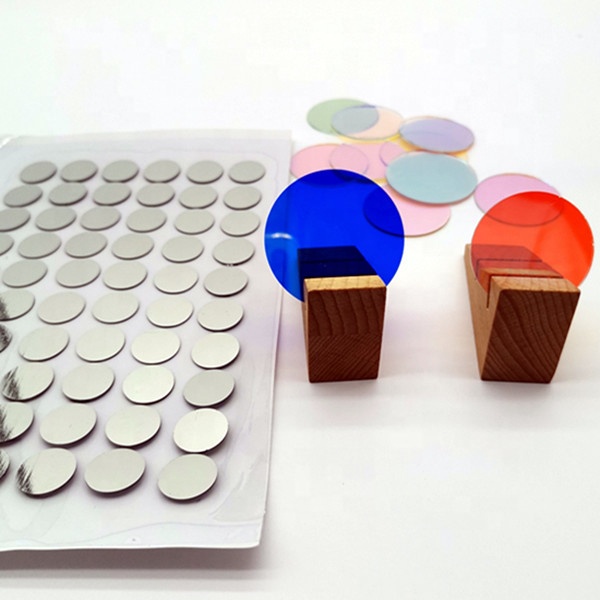
0.2mm 0.3mm 0.4mm 0.5mm 0.7mm 1.0mm 2mm Heat Resistant Gobo Glass Blanks
Heat-resistant gobo glass blanks in 0.2, 0.3, 0.4, 0.5, 0.7, 1.0, and 2 mm options for stage lighting, projection, and high-temperature optical fixtures. Borosilicate-based routes are available for better thermal-shock resistance. The blank can be supplied as a ready-to-print substrate or further processed with custom shaping and coating when the project volume justifies it.
Request drawing-based quote →
Factory Custom Tempered Silk Printed Gorilla Glass Screen Protector Printing Glass
Factory-custom tempered silk-printed Gorilla glass screen protectors for industrial controllers, appliances, medical front panels, and smart-home devices. The print can include borders, logos, icon windows, light-diffusing areas, and IR-transparent zones. Because strengthening usually happens before final printing and assembly, the drawing and artwork must be frozen early to avoid re-tooling and re-qualification.
Request drawing-based quote →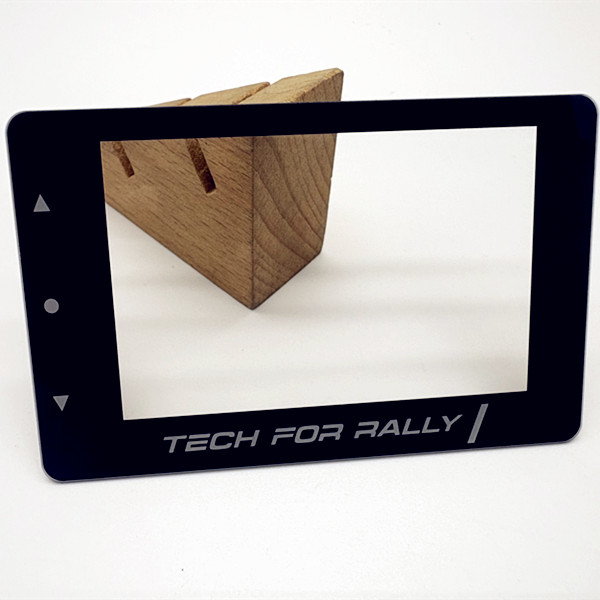
Customize Tempered Glass Silk Printed AR Coating Gorilla Glass LCD Screen Protection Display
Custom silk-printed AR-coated Gorilla glass for LCD protection and high-contrast display windows. AR coating reduces surface reflection, while the printed border masks backlight spill and bond lines. This is a strong option for bright Canadian retail, transit, and outdoor equipment where the display must remain readable under high ambient light without giving up scratch resistance.
Request drawing-based quote →What Canadian Buyers Should Verify Before Approving a Printed Glass Window
In Canada, the lowest piece price is not always the lowest total cost. A custom shaped tempered glass window with screen printing can carry hidden costs if print registration is unstable, edges chip during transit, or the supplier cannot reproduce the same ink color in the next order. For OEMs in Ontario, Quebec, British Columbia, Alberta, and other provinces, the practical questions are: can the supplier read a drawing, control the process, document deviations, and ship fragile glass safely?
These performance markers are drawn from the public Fevry Glass supplier profile and normal export workflow. They are a starting point for due diligence, not a substitute for your own audit, incoming inspection, or regulatory review.
Six Engineering Variables That Determine Window-Panel Performance
A high-transparency printed window is a system: substrate, strengthening, surface optics, ink, geometry, and inspection all interact. A change in one variable can shift the result in another. For example, increasing print opacity may improve masking but create a thicker ink step; choosing thinner glass may enable a slimmer device but force a move from thermal tempering to chemical strengthening. Use the six variables below as a DFM agenda.
1. Substrate and Color Neutrality
High transparency is not only total transmission; it is haze, color shift, surface quality, and thickness consistency. Low-iron soda-lime glass is common for display windows, while borosilicate 3.3 is chosen for thermal-shock resistance and Corning Eagle XG for alkali-free precision substrates. Specify the application first, then compare optical and thermal data.
2. Strengthening Route
Thermal tempering is generally used for glass around 3 mm and thicker. Chemically strengthened glass is preferred for ultra-thin covers from about 0.15 mm to 2 mm because it improves surface strength while keeping the sheet flat and optically clean. Cutting, drilling, and edge grinding must be completed before strengthening, so the drawing must be mature early.
3. Optical Coating Design
Anti-reflective coating can improve contrast and reduce glare in bright retail, transit, and outdoor environments. A double-sided AR coating may be specified for high-transmission windows, while a single-sided coating may suit cost-sensitive assemblies. Confirm which surface faces the user, how the coating interacts with printing, and which cleaning chemicals are allowed.
4. Screen-Print Ink System
Screen printing can define borders, logos, icon windows, light-masking zones, and infrared-transparent areas. Durability depends on ink chemistry, cure, substrate, and the cleaning regime. For Canadian programs, specify Pantone references, print-side orientation, opacity targets, registration tolerance, scratch resistance, and whether the print is exposed to UV, condensation, or sanitizers.
5. Custom Shape and Edge Quality
CNC, laser, and ultrasonic machining can produce custom outlines, holes, notches, slots, and chamfers. Edge quality is critical before strengthening because chips and micro-cracks can propagate during thermal or chemical processing. Define critical dimensions, non-critical dimensions, edge profile, corner radii, and handling requirements on the drawing rather than leaving them to interpretation.
6. Reliability and Documentation
A printed glass panel should be inspected against an agreed specification: dimensions, thickness, flatness, edge condition, print registration, color, coating appearance, and visible defects. For Canadian buyers, request inspection records, sample approval criteria, change-control notifications, and packing validation. If safety glazing or equipment certification applies, confirm the required standard with your compliance team.
Where Custom Shaped Tempered Glass Window Panels Fit in Canada
Canada is not a single climate or a single market. Coastal humidity, prairie cold, urban transit vibration, long indoor heating seasons, and strong retail lighting all affect how a printed glass panel is specified. The application routes below are based on common RFQs from Canadian OEMs and should be adapted to the end-product standard, installation method, and certification scope.
HVAC, Heat Pumps, and Smart Home Controls
Heat-pump adoption and home-energy upgrades are increasing demand for cleanable control windows and printed icon panels. Recommended routes include 0.7–1.8 mm chemically strengthened glass, optional AR coating, anti-fingerprint treatment, and silk-printed black or white borders. The panel must remain readable under low light and resist repeated cleaning by installers and homeowners.
EV Charging and Outdoor Human-Machine Interfaces
Canadian EV infrastructure must tolerate snow clearing, de-icing salt spray, UV exposure, temperature cycling, and public use. A 3–4 mm thermally tempered low-iron window with a durable printed border and optional anti-glare or AR treatment is a practical starting point. Define impact expectations, cleaning chemicals, heater integration, and gasket compression before finalizing the design.
Commercial Refrigeration and Retail Display
Refrigerated display windows, self-service kiosks, and retail appliance fronts often use printed glass to create a premium appearance while masking lighting hardware. Low-iron tempered glass helps preserve color neutrality. Depending on the cabinet design, buyers may need to consider condensation, shelf lighting, safe breakage behavior, and safety-glazing requirements for the finished assembly.
Medical, Diagnostic, and Laboratory Instruments
Analyzer windows, diagnostic covers, and laboratory display panels require clean optical surfaces and stable dimensions. Corning Eagle XG, borosilicate 3.3, and chemically strengthened ultra-clear glass are common candidates. Confirm sterilization or cleaning compatibility, coating durability, and whether the glass is part of a regulated medical device before committing to a material route.
Industrial Automation and Food-Processing Control
Printed tempered windows protect HMI displays, vision systems, and control panels in plants, warehouses, and food-processing facilities. Canadian integrators often need thicker glass for impact resistance, sealed gasket interfaces, and chemical-resistant printed surfaces. Share the washdown chemicals and operating temperature range so the ink and coating stack can be reviewed together.
Transit, Wayfinding, and Public Kiosks
Canadian transit agencies, airports, and public venues need readable displays, durable printed graphics, and resistance to vandalism and repeated cleaning. Thermally tempered glass with a printed mask and AR or anti-glare treatment can reduce reflections in bright concourses. For public-facing equipment, coordinate accessibility requirements, bilingual content, and replacement-part logistics early.
Canada-Focused Trends Reshaping Printed Glass Demand
Demand for custom decorative and functional glass is being shaped by Canadian energy policy, infrastructure investment, retail design, and supply-chain risk management. These trends do not replace a formal specification, but they help explain why buyers are moving from standard cut sizes toward drawing-based printed panels with documented performance.
Electrification and Heat-Pump Growth
Residential and commercial electrification is creating more control panels, energy monitors, and equipment interfaces. Buyers increasingly want glass that looks architectural, hides internal electronics, and remains readable after years of cleaning.
Cold-Climate Outdoor Infrastructure
EV chargers, transit displays, utility equipment, and outdoor kiosks must tolerate snow, ice, salt, and UV. Canadian buyers are asking for stronger substrate selection, durable print, and export packing that protects edges and corners before installation.
Design-Led Branding and Premiumization
Screen printing, color gobo glass, and dichroic effects are being used to make appliances, retail fixtures, and lighting products feel more distinctive. The challenge is to match visual ambition with repeatable print registration, color control, and optical performance.
Supply-Chain Resilience and Documentation
Canadian OEMs are reducing single-source risk and asking for clearer material traceability, change-control notices, and shipping validation. A factory-direct supplier with export packing experience can complement local inventory or assembly partners.
Material Selection Guide for Custom Printed Window Panels
The right substrate depends on thickness, impact expectation, thermal load, optical target, printing process, cleaning chemicals, and the regulatory scope of the finished product. The table below is a preliminary selection guide for Canadian RFQs. Final specifications should be confirmed against the manufacturer datasheet and your drawing.
| Material Route | Typical Thickness | Optical and Thermal Notes | Canadian Applications | Procurement Note |
|---|---|---|---|---|
| Low-iron soda-lime glass, thermally tempered | 3–4 mm | High clarity, low green tint, good mechanical strength after tempering; not a low-expansion material for extreme thermal shock. | EV charger HMI, commercial refrigeration, outdoor kiosks, industrial control windows. | Specify safety-glazing documentation only when the finished assembly requires it; confirm edge and hole quality before tempering. |
| Chemically strengthened ultra-clear glass | 0.5–2 mm | Ion-exchange strengthening improves surface strength while maintaining flatness; suitable for thin covers and AR-coated display windows. | Smart-home controls, thermostat windows, medical covers, portable instruments. | Finish all cutting and edge work before strengthening; lock print artwork early because post-strengthening machining is not possible. |
| Gorilla glass or alkali-aluminosilicate | 0.4–2 mm | Good scratch resistance and damage tolerance for premium display covers; coating and print compatibility must be validated. | Premium appliance interfaces, industrial controllers, LCD protection, touch panels. | Confirm material availability, print color performance, and whether chemical strengthening is part of the route. |
| Borosilicate 3.3 | 0.3–3.3 mm | Low coefficient of thermal expansion; better thermal-shock resistance than soda-lime glass; useful for heat-resistant windows. | Stage lighting, high-temperature windows, laboratory covers, gobo blanks. | Choose for thermal and chemical resistance rather than low-cost structural glazing; confirm coating adhesion and print cure. |
| Corning Eagle XG | 0.5–1.1 mm | Alkali-free boro-aluminosilicate glass with low expansion, good flatness, and dimensional stability for precision work. | Biochips, analyzer filters, PLC substrates, optical communication parts. | Higher MOQ and clean handling may apply; request datasheet confirmation, packing method, and edge inspection criteria. |
Typical values are shown for preliminary engineering discussion only. Actual properties depend on the supplied substrate, thickness, coating, print, and strengthening process. For Canadian safety or equipment certification, verify the exact standard with your compliance team and request current test documentation from the supplier.
From a Canadian Drawing to an Export-Ready Glass Part
A controlled process reduces surprises between sample approval and mass production. The workflow below reflects the normal sequence for custom printed glass panels and should be adapted when coating, conductive layers, or special packing are required.
Drawing Intake and DFM Review
Send a 2D drawing in DWG, DXF, or PDF format with outline dimensions, tolerances, thickness, material, edge finish, hole positions, print colors, coating sides, application, and annual volume. The engineering team reviews manufacturability before quoting.
Material and Ink Alignment
The substrate, strengthening method, AR coating, and screen-print ink system are matched to the end use. Critical items include Pantone references, print opacity, IR-transparent windows, coating orientation, cleaning chemicals, and operating temperature.
Pre-Strengthening Machining
Cutting, CNC shaping, drilling, notching, and edge grinding are completed before strengthening. This is the stage where critical dimensions and edge quality must be fixed, because post-strengthening cutting can damage the glass and is not part of a controlled route.
Strengthening and Coating
Thermal tempering or chemical strengthening is selected according to thickness and performance target. AR or other optical coatings are applied where specified. The panel is visually inspected before the next value-added step.
Screen Printing and Curing
Print registration, ink thickness, opacity, and color are checked against the approved sample. Printed windows, icons, borders, and masked areas must remain consistent across the production lot. Curing and adhesion are controlled before final assembly or packing.
Final Inspection and Export Packing
Final checks cover dimensions, thickness, flatness, edge condition, print appearance, coating appearance, and visible defects. Glass is interleaved and cushioned for fragile export shipping, with carton or crate options selected for the destination and freight method.
Why Fevry Glass Fits Canadian Sourcing Programs
Fevry Glass Co., Ltd. is a specialty glass supplier based in Xinyu, Jiangxi, China. We work from traceable raw glass, process it on imported equipment, and export finished parts to customers in Western Europe, the United States, Japan, South Korea, Taiwan, Hong Kong, and Southeast Asia. For Canadian buyers, we provide a factory-direct route for custom shaped tempered glass processing, high-transparency window panels, screen printing, AR coating, borosilicate, and Eagle XG parts. We are not claiming a Canadian manufacturing plant; the value is engineering support, drawing-based production, material breadth, and export experience for Canadian projects.
Traceable Raw Material Sources
We source raw glass from established producers such as Corning, AGC, Chengdu Guangming, and Xinhuguang. This allows discussions around material grade, thickness, optical properties, and datasheet confirmation before a custom panel enters production.
In-House Precision Machining
Our technicians process glass on laser, ultrasonic, CNC carving, grinding, and inspection equipment imported from the USA, Germany, and Japan. This helps keep cutting, shaping, edging, and inspection closer to one accountable production flow.
Broad Technical Glass Portfolio
We support Eagle XG, borosilicate 3.3, transparent ceramic glass, semiconductor wafers, biochip glass, PLC substrates, optical filters, gobo glass, ultra-thin protector glass, and printed cover glass. This breadth helps engineers compare routes before committing to one material.
Export Packing for Fragile Glass
Custom glass needs protection from edge chipping, surface scratches, and moisture during international freight. We plan interleaving, cushioning, carton or crate selection, labels, and packing validation according to panel size, print sensitivity, and destination.
Responsive Export Communication
The public supplier profile shows 10+ years as an Alibaba.com member, ≤4 hours average response time, 100% inquiry response rate, and a 5.0/5 buyer rating. Current records should always be reviewed directly before placing a production order.
Quality-First Company Principle
Our guiding principle is “Quality is superior, service is supreme, reputation is first,” and our motto is “Your success, our glory.” In practice, that means agreeing on inspection criteria, freezing artwork, documenting changes, and packing glass for the real journey to Canada.
Procurement Checklist for Canadian Buyers
A complete RFQ shortens sample cycles and avoids quotations that cannot be compared. Use the four groups below to prepare a technical package before contacting a custom glass supplier.
Drawing Pack
Provide DWG, DXF, or PDF drawings with outline dimensions, thickness, critical tolerances, hole and notch positions, corner radii, edge profile, flatness expectations, and inspection criteria.
Material and Optics
State the substrate, thickness, transmission target, haze limit, coating side, AR or anti-glare requirement, print-side orientation, Pantone references, opacity, and IR-transparent windows.
Compliance and Environment
Confirm operating temperature, humidity, UV exposure, cleaning chemicals, sterilization methods, impact expectations, and whether safety glazing or equipment certification applies to the finished product.
Commercial and Logistics
Share annual volume, prototype quantity, sample approval plan, target delivery, destination province or port, packaging preference, freight terms, and change-control expectations for future orders.
Common Canadian Procurement Questions
These are the questions engineers and sourcing managers ask most often when evaluating a custom shaped tempered glass window with screen printing for Canada.
Do you ship custom glass panels to Canada?
Yes. Fevry Glass supports Canadian OEMs from its production base in Xinyu, Jiangxi, China. Typical export planning includes interleaved surfaces, edge protection, moisture barriers, cartons or crates, labels, and freight documentation. The safest shipping method depends on panel size, thickness, print sensitivity, quantity, and whether the parts feed a Canadian assembly line or a field-service warehouse. Please include the destination province or port in the RFQ so packing and routing can be quoted realistically.
Is thermal tempering or chemical strengthening better for Canadian outdoor panels?
Thermal tempering is generally used around 3 mm and thicker, while chemical strengthening is preferred for thin glass from about 0.15 mm to 2 mm. Cold weather alone does not replace the need for proper engineering, but temperature cycling, snow clearing, de-icing chemicals, installation stress, and public impact expectations should all be defined. For outdoor EV chargers or transit kiosks, a thermally tempered low-iron panel may be a practical starting point; for slim control windows, chemically strengthened glass may be better.
Can the screen-printed design include transparent windows and infrared-pass areas?
Yes. Screen printing can create opaque borders, logos, icon windows, light-diffusing zones, and IR-transparent regions for sensors. The key is to provide artwork with color references, print-side orientation, window dimensions, opacity expectations, and registration tolerances. If the print borders a display or touch area, the drawing should show how the visible ink edge aligns with the active area, adhesive, gasket, and housing.
What tolerances are realistic for custom shaped printed glass?
Tolerances are drawing-specific. Outline dimensions, hole positions, edge profile, flatness, and print registration all have different practical limits, and thin glass behaves differently from thick tempered panels. A supplier should confirm achievable tolerances during DFM review and identify which dimensions are critical. Do not assume that every dimension can carry the same tolerance; mark critical features, fit interfaces, and cosmetic zones clearly on the drawing.
Can you support Canadian safety-glazing or equipment compliance documentation?
Where applicable, we can discuss documentation needs against standards such as CAN/CGSB-12.1, ASTM C1048, or EN 12150, but final compliance depends on the finished product, installation, certification scope, and the buyer’s regulatory path. A glass panel is often a component rather than the finished building product or certified appliance. Provide the exact standard and application to your supplier early so material, marking, testing, and documentation expectations can be reviewed before production.
What is the minimum order quantity for custom printed glass?
Most custom cover glass and AR glass items start around 300 to 500 pieces. Selected gobo glass blanks may start from smaller quantities, while some Corning Eagle XG cut parts can require higher volumes such as 1,000 pieces. Samples are used to validate fit, print color, edge quality, coating appearance, and packing before mass production. MOQ should be confirmed for the exact drawing because size, material, and process yield all affect the production setup.
How should a Canadian buyer compare a local supplier with an overseas custom glass factory?
Compare total landed cost, engineering response, material traceability, sample quality, print repeatability, edge quality, export packing, change-control process, and the ability to reproduce the part on future orders. A local distributor may be helpful for inventory or emergency support, while a factory-direct supplier may offer more custom processing flexibility. Review independent supplier records, ask for similar application references where available, and always approve a production sample before releasing volume.
What information is needed for a fast quotation?
Send a 2D drawing with dimensions and tolerances, thickness, glass material, edge finish, hole and notch positions, strengthening method, print colors with Pantone references, AR coating side or sides, application, annual quantity, sample quantity, destination, and any compliance documentation requirements. If you have an existing panel or CAD model, include it. Complete input lets the engineering team return a focused recommendation instead of a generic price range.
Have a Canadian Drawing or Display Window to Match?
Send your 2D drawing, print artwork, application, and estimated annual volume. Our engineering team will review manufacturability and recommend the most practical substrate, strengthening route, coating, and screen-printing approach for your Canadian project.
Helpful details for a faster review: material and thickness, outline and critical tolerances, edge finish, print Pantone colors, AR coating side or sides, end application, annual quantity, destination, and any safety or equipment-compliance requirements. For custom shaped tempered glass processing and high-transparency window panels with screen printing, a complete drawing package is the fastest route to an accurate quotation.