Custom Screen Protector & Technical Glass Products for Mexico City Buyers
This shortlist reflects real OEM sourcing briefs: clear and printed covers, scratch-resistant touch glass, anti-reflective panels, low-iron tempered windows, black display glass, and ultra-thin chemically strengthened sheets. Each product link is preserved for direct technical review.

Custom 0.2mm 0.3mm 0.4mm 0.5mm 0.7mm 1mm Alkali Free Borosilicate AF32 Glass
Recommended for optical windows, heat-tolerant cover lenses, sensor covers, and compact industrial displays where low expansion and stable clarity matter.
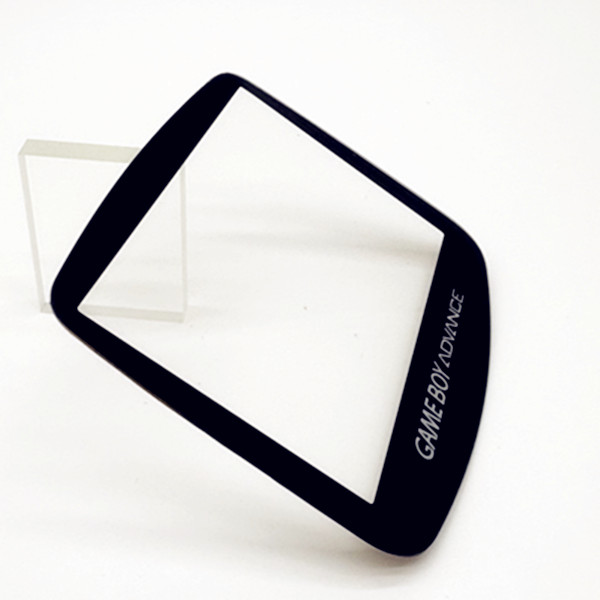
Custom Premium Gorilla Tempered Silk Screen Printed Glass Touch Screen Printed Glass Panels Cover Glass for OLED Screen
A strong fit for premium kiosks, branded HMI, consumer devices, and control panels that need crisp borders, logos, and scratch resistance.

Custom Cut 0.5mm 0.7mm 1mm 1.5mm 2mm Clear Toughened Glass Tempered Corning Gorilla Glass
Useful for distributors stocking multiple screen sizes and for smart-home panels, display covers, and replacement-protector programs.
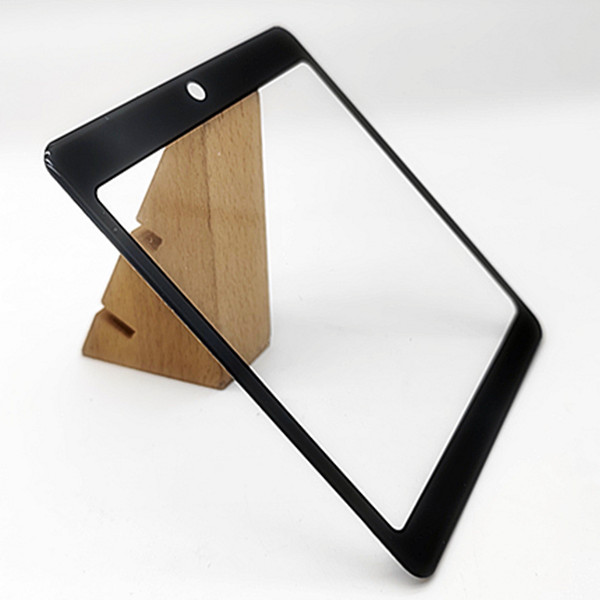
Ultra Clear Gorilla Glass Panel with Silk Screen Printing for Electronic Device
Designed for electronic device windows requiring high transmission, clean graphic borders, and a premium touch-surface appearance.
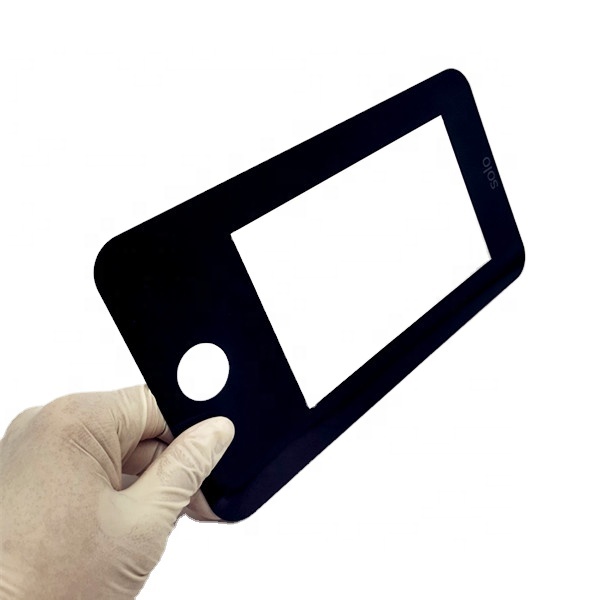
Manufacturer Oem Wholesale Custom Unbreakable Tempered Glass,high Quality Tempered Glass,low Iron Tempered Glass Manufacturer
Suitable for large covers, appliance panels, LED lighting, signage, and commercial display windows needing clearer low-iron glass.
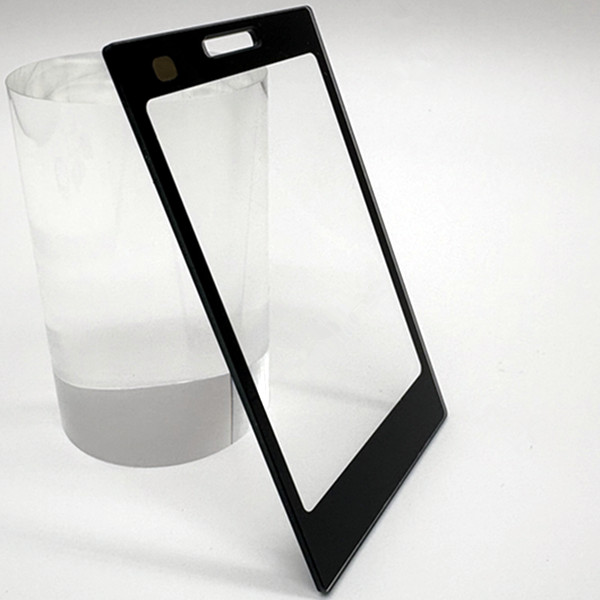
Factory Customized Black Glass Panel Silk Screen for Display Touch Electronic Glass
A practical choice for metering equipment, appliances, digital signage, and Mexico City retail or hospitality interfaces needing black borders.
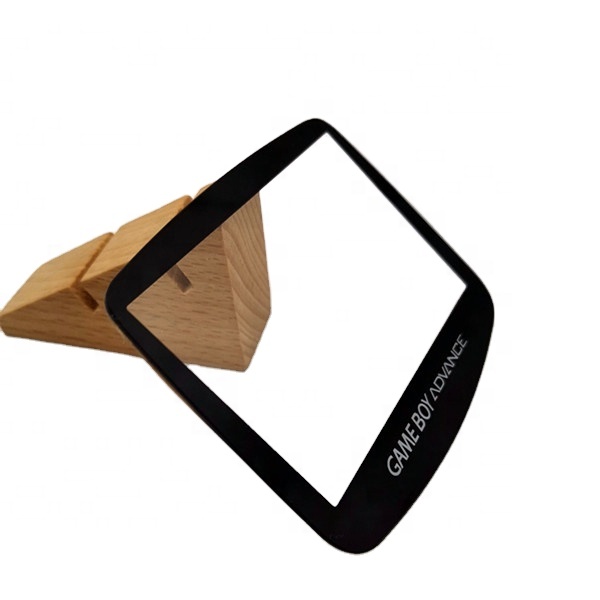
0.5mm 0.7mm 1mm 2mm 3mm Thickness China Suppliers Good Price Oem Wholesale Premium Tempered Printing Custom Gorilla Glass Screen
Best for private-label screen protector programs, multi-model accessory ranges, and distributors planning repeat wholesale orders.

Custom Chemically ultra Thin Clear Transparent Tempered Glass Sheet
Recommended for 0.15–0.2 mm protector concepts, sensor covers, wearables, and thin display stacks where chemical strengthening is preferred.
Need a Mexico City-specific quotation? Share your drawing, annual volume, print colors, and destination postal code so engineering and export packing can be reviewed together.
Send an InquiryCustom OEM Tempered Screen Protector Supply for CDMX Distributors and Manufacturers
Mexico City is not a single application market. It combines corporate procurement, retail distribution, design studios, medical equipment, hospitality, digital signage, and import houses supporting the manufacturing corridors around CDMX and the State of Mexico. Buyers often need one supplier to translate a drawing into repeatable glass parts and to connect glass specifications with the final product’s optical, scratch, print, and assembly requirements.
This program is structured for that reality. Fevry Glass Co., Ltd. is a specialty glass supplier based in Xinyu, Jiangxi, China, supplying custom tempered, AR-coated, silk-screen printed, borosilicate 3.3, Corning® Eagle XG, Gorilla®-type, glass wafer, and optical filter glass processed to customer drawings. For Mexico City buyers, the value is not only a price per piece; it is a controlled path from substrate selection to strengthening, coating, printing, inspection, and export packing.
Wholesale customers can plan tiered quantities, repeat orders, private-label print programs, and mixed-product shipments. OEM teams can request samples before mass production and compare material options using a single technical review. The content below explains where the eight product families fit, how local demand is changing, which supplier advantages matter, and what information is required for a firm quotation.
- Drawing-based customization
- Thermal tempering and chemical strengthening
- AR coating and silk-screen printing
- Borosilicate and Eagle XG substrates
- Export packing for fragile glass
- Alibaba.com supplier records

Where Tempered Screen Protector Glass Is Used in and around Mexico City
These applications reflect the procurement patterns of OEMs, importers, integrators, and distributors serving CDMX. Final material, thickness, coating, and print specifications should always be confirmed against the device or enclosure design.
Digital signage & kiosks
Santa Fe, Polanco, and Centro hospitality and retail projects use printed glass with AR or clear tempered covers for touch kiosks, wayfinding, and commercial displays.
Automotive aftermarket & HMI
Dashboard trim panels, cluster lenses, and aftermarket touch displays benefit from Gorilla®-type glass, printed borders, and stable optical clarity.
Appliance & smart-home controls
Black silk-screen glass improves control panels for appliances, air systems, access control, and smart-home interfaces installed across the State of Mexico.
Medical & diagnostic equipment
AF32, borosilicate, and Eagle XG glass support analyzer windows, sensor covers, biochip substrates, and flat inspection surfaces.
Retail, POS & hospitality
High-use touch surfaces in Mexico City benefit from chemically strengthened thin glass and easy-to-clean printed cover panels.
Stage, LED & architectural lighting
Heat-resistant borosilicate covers and lighting glass support stage fixtures, architectural lighting, and display lighting assemblies.
Four Local Trends Changing Screen Protector Purchasing
Procurement teams in CDMX are balancing landed cost, design differentiation, freight risk, and supplier traceability. These four trends explain why more buyers are asking for drawing-based glass rather than generic stock protectors.
Nearshoring and local inventory
Mexico City distributors increasingly plan safety stock for OEM customers while sourcing custom sizes from Asia. Clear MOQ planning, repeat-order consistency, and bilingual specification sheets help reduce stockouts.
Premiumization of touch surfaces
AR-coated glass, low-iron clarity, Gorilla®-type substrates, and black-printed borders are moving from premium devices into mainstream kiosks, appliances, and commercial interfaces.
Traceability and dual sourcing
Importers want material source, thickness, strengthening method, and inspection records documented. Traceable raw glass from Corning®, AGC, and established optical-glass makers supports that review.
Private-label and replacement ranges
Retail and e-commerce brands in Mexico City need Pantone-matched printing, custom packaging discussions, and MOQ structures that support multi-model screen protector lines.
A Specialty Glass Supplier with Traceable Materials and Integrated Processing
Fevry Glass Co., Ltd. supplies precision technical glass from 0.15–4 mm for displays, optics, biotech, semiconductor, communications, lighting, and electronics customers. Raw glass is sourced from Corning, AGC, and other multinational producers and is used alongside established Chinese optical-glass makers such as Chengdu Guangming and Xinhuguang. That range matters when a Mexico City buyer needs to compare soda-lime, Gorilla®-type, borosilicate 3.3, and Eagle XG options before committing to tooling or a retail range.
Processing is carried out using laser, ultrasonic, CNC carving, grinding, and inspection equipment imported from the USA, Germany, and Japan. Our guiding principle — “Quality is superior, service is supreme, reputation is first” — and our motto “Your success, our glory” are practical commitments: engineering review before quoting, sample validation before mass production, and export-ready inspection before shipment.
Material access
Corning®, AGC, Chengdu Guangming, Xinhuguang, AF32, borosilicate, Gorilla®-type, and Eagle XG options for different optical and thermal needs.
Integrated processing
Cutting, drilling, edge grinding, strengthening, coating, screen printing, and inspection coordinated under one supplier relationship.
Thin-glass expertise
Chemical strengthening for 0.15–2 mm ultra-thin cover glass, plus thermal tempering for thicker panels where appropriate.
Print and coating control
Pantone-matched borders, logos, icon windows, AR coating on one or both sides, and visual checks before packing.
Export communication
Supplier records include 10+ years as an Alibaba.com member, an average response time of ≤4 hours, and a 100% inquiry response rate.
Fragile-glass packing
Interleaved, cushioned export packing designed for international shipping, with samples arranged before mass production.


Material Selection for Custom Screen Protectors, HMI Panels, and Optical Covers
Use this table for preliminary material discussion. Final specifications must be confirmed against the glass manufacturer datasheet, your 2D drawing, and the mechanical or optical requirements of the final device.
| Material | Typical Thickness | Best For | Mexico City Application Note |
|---|---|---|---|
| Ultra-clear soda-lime | 0.5–4 mm | Cover glass, AR panels, printed windows | Good for cost-controlled kiosk covers, appliance panels, and signage when surface strength is designed correctly. |
| Gorilla®-type alkali-aluminosilicate | 0.4–2 mm | Scratch-resistant touch and display covers | Preferred for high-use touch surfaces, branded HMI, POS, automotive aftermarket, and premium device covers. |
| Borosilicate 3.3 | 0.3–3.3 mm | Heat-resistant windows, gobo blanks, lab glass | Useful for lighting covers, heat-resistant windows, and instrument glass exposed to thermal cycling. |
| AF32 / Corning® Eagle XG | 0.5–1.1 mm typical | Biochips, wafers, PLC, micro-optics | Appropriate for diagnostics, analyzer windows, and flat substrates requiring dimensional stability. |
| Chemically strengthened thin glass | 0.15–2 mm | Ultra-thin protectors, sensor covers | Recommended for wearable, sensor, and thin display stacks where flatness and optical cleanliness are critical. |
Typical industry ranges are shown for preliminary selection. Strengthening, holes, notches, edge grinding, and print layers affect final performance; cutting and edge finishing must be completed before strengthening.
A Six-Step Path from Drawing to Export-Ready Glass
Procurement teams in Mexico City need predictable communication. This workflow keeps engineering, quality, and logistics aligned before a purchase order is issued.
Share your drawing
Send the 2D drawing, material, thickness, tolerances, edge finish, print colors, AR side, application, and annual quantity.
Engineering review
We confirm manufacturability and recommend substrate, strengthening method, print sequence, and packing approach.
Sample approval
Samples validate fit, color matching, optical appearance, edge quality, and print registration before mass production.
Mass production
Processing is controlled with in-line dimensional checks and visual inspection against the approved sample.
Final inspection
Size, thickness, flatness, print, coating, and visible defects are checked before export packing.
Export packing
Interleaved, cushioned packing supports safe international shipping, with shipment terms discussed with your forwarder.
Common Questions from CDMX Importers and OEM Buyers
These answers address wholesale planning, samples, documents, customs coordination, material choice, and the information needed for a fast engineering review.
Can you supply custom tempered screen protectors to buyers in Mexico City?
Yes. Fevry Glass works from customer drawings and exports to buyers in multiple regions. For Mexico City, the review usually starts with your 2D drawing, target annual quantity, glass material, thickness, print colors, AR coating requirement, and delivery arrangement. We do not claim a local warehouse in CDMX; the supply model is factory-direct custom processing plus export packing and shipping coordination with your importer or freight forwarder.
What is the minimum order quantity for a custom screen protector or printed glass panel?
Most custom cover glass and AR glass items start from 300–500 pieces. Some custom-cut Eagle XG parts may start from 1,000 pieces, while selected lighting or optical parts can start from lower quantities. MOQ is confirmed after drawing review because size, material, print complexity, coating, and packing all affect the production setup.
Are you a manufacturer or a trading company?
Fevry Glass Co., Ltd. is a specialty glass supplier focused on processed technical glass. We source raw glass from Corning, AGC, and established optical-glass makers, then process it through cutting, grinding, strengthening, coating, printing, and inspection. The practical benefit is a single accountable source for material selection and finishing rather than multiple hand-offs between unrelated workshops.
How are fragile glass parts packed for international shipment to Mexico City?
Export packing uses interleaving and cushioning to reduce movement and surface contact during transit. Packing details can be adjusted for your forwarder, destination, and handling profile. For high-value printed or AR-coated glass, buyers often request sample approval and a pre-shipment inspection record before the main shipment is released.
Which documents and specifications do you need for a quotation?
Send a 2D drawing in DWG, DXF, or PDF with outline dimensions and tolerances, thickness, glass material, edge finish, hole and notch positions, strengthening method, print colors with Pantone references, AR coating side or sides, end application, and annual quantity. Include packing requirements and the destination postal code in Mexico City if logistics support is needed.
Can you match Pantone colors, logos, and private-label requirements?
Silk-screen printing and back painting can support Pantone-matched borders, logos, icon windows, and display-window designs. For private-label screen protector programs, share the artwork, color references, and any packaging guidance. Color appearance can vary with glass thickness, ink, lighting, and coating, so sample approval is strongly recommended before mass production.
Which glass should be chosen for high-use public kiosks in Mexico City?
High-use kiosks usually benefit from a chemically strengthened Gorilla®-type substrate, tempered glass for thicker designs, or a printed glass panel with AR coating if glare is a problem. The right choice depends on the enclosure, impact risk, viewing distance, cleaning method, and whether the glass is structural. Send the design and use case so engineering can recommend thickness and strengthening.
What shipment terms can be discussed for Mexico City orders?
Incoterms and freight arrangements are confirmed during quotation. Buyers can discuss EXW, FOB, CIF, or other arrangements with their freight forwarder and customs broker. Import classification, tax, and any applicable Mexican regulatory confirmation remain the responsibility of the importer; we can support the commercial invoice, packing list, and agreed inspection documents.
Can samples be arranged before a wholesale purchase order?
Yes. Samples can be arranged to validate fit and optical performance before mass production. The sample review should confirm dimensions, edge finish, print registration, color match, AR appearance, and packaging expectations. Once the sample is approved, the production order follows the approved specification and quality checkpoints.
Have a Drawing for a Mexico City OEM or Wholesale Program?
Send the glass material, thickness, print colors, AR requirement, annual volume, and destination details. Our team will review manufacturability and respond with a practical next step for sampling or quotation.
info@fevryglass.com