Eight Custom Wafer and Cover-Glass Products for Montreal Buyers
For Montreal OEMs and wholesalers, material consistency, edge quality and repeatable optical performance matter more than a generic catalogue. These eight products represent the custom glass and wafer-adjacent work we regularly engineer for export programs, with each link preserved for direct technical review.
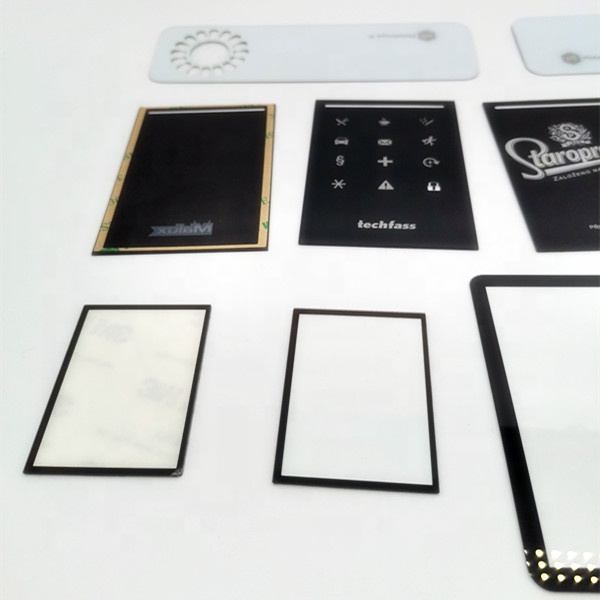
Custom Corning Gorilla Tempered Glass Silk Screen Printing for Touch Screen
Strengthened Gorilla glass with printed borders and windows for HMI, appliance and industrial touch panels.
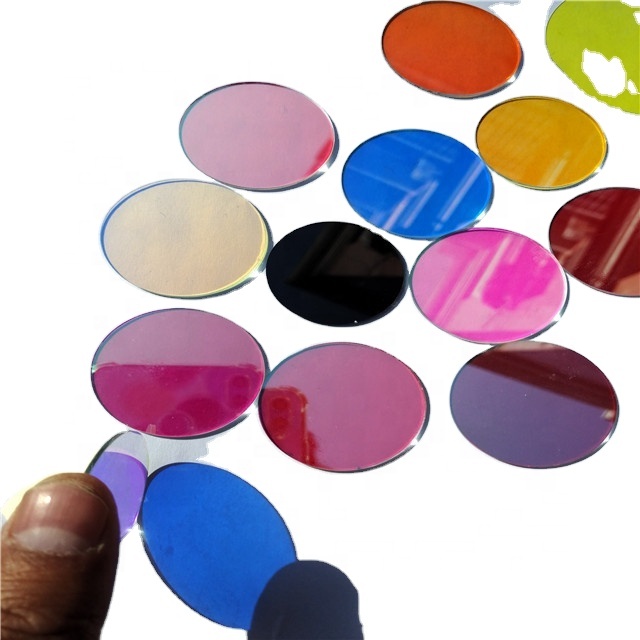
Heat Resistant Borosilicate 3.3 Dichroic Glass Filter
Low-expansion borosilicate substrate with dichroic coating for heat-sensitive optical and lighting assemblies.
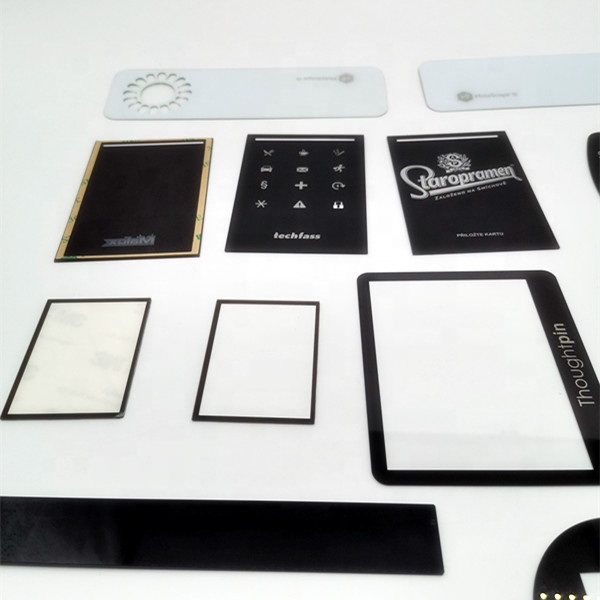
Custom Display Screen Silk Screen Printing Tempered Gorilla Glass
Printed display glass with custom icon windows, black borders and edge treatment for electronic devices.
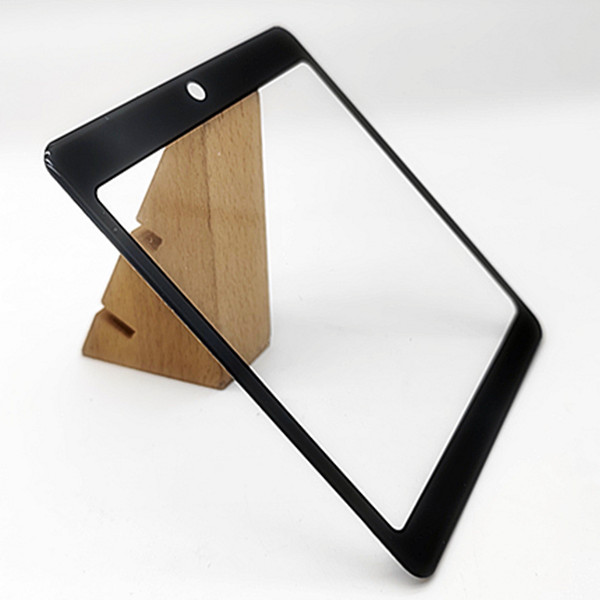
Ultra Clear Gorilla Glass Panel with Silk Screen Printing for Electronic Device
High-clarity cover panel for electronic devices where optical cleanliness and print precision are critical.
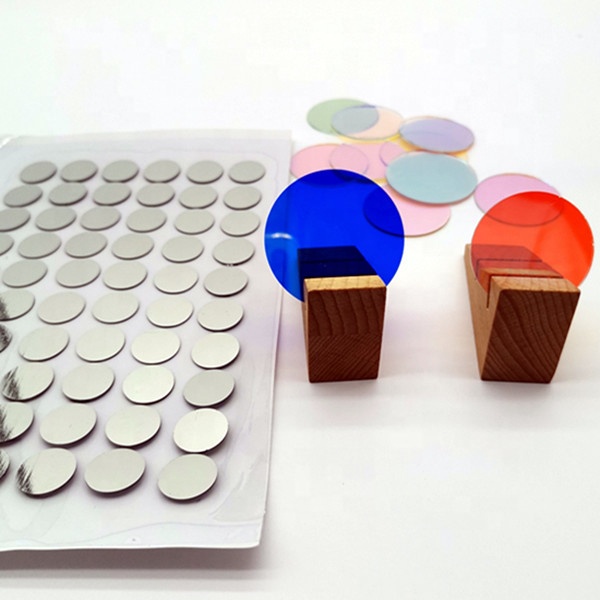
0.2mm 0.3mm 0.4mm 0.5mm 0.7mm 1.0mm 2mm Heat Resistant Gobo Glass Blanks
Thin heat-resistant blanks for gobo patterns, color filters and high-power stage and studio lighting.

Back Painted Tempered Glass Led Glass Panel Cover Glass
Back-painted tempered cover glass for LED panels, display luminaires and architectural lighting.

Custom Black Border Tempered Glass Panels Silk Screen Print Tempered Glass
Black-border tempered panels for appliance controls, display windows and architectural electronic interfaces.
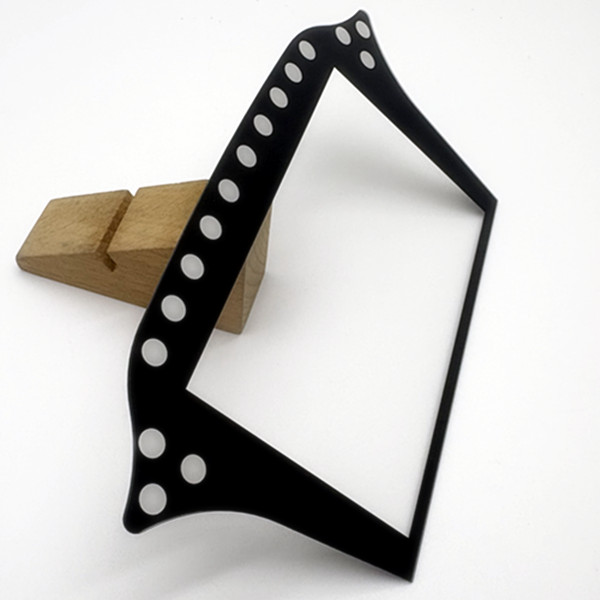
Custom Shaped Tempered Glass Processing, High Transparency Window Panels with Screen Printing
CNC-shaped, high-transparency window panels with printed graphics for sensors, instruments and electronic windows.
Years as an Alibaba.com member
Average inquiry response time
Inquiry response rate
Buyer rating
Export regions served
Typical custom thickness window
Custom OEM Quartz Wafer Exporter & Wholesalers for the Montreal Market
Montreal is one of North America’s most distinctive technical manufacturing markets: a compact but deeply integrated ecosystem of aerospace suppliers, photonics and optical-communication companies, life-science instrument makers, semiconductor and microelectronics teams, display integrators and specialty lighting manufacturers. For these buyers, a custom OEM quartz wafer exporter is not simply a vendor that lists a size and thickness. It is a partner that can interpret a drawing, recommend a substrate, control edge quality, preserve optical clarity, manage coating and printing steps, and deliver a traceable lot into Quebec without creating a new procurement risk.
Fevry Glass Co., Ltd. approaches quartz wafer, glass wafer and specialty substrate supply from the material side up. We work with raw glass sourced from Corning, AGC and established Chinese optical-glass makers such as Chengdu Guangming and Xinhuguang, then process it on laser, ultrasonic, CNC carving, grinding and inspection equipment imported from the USA, Germany and Japan. That combination matters to Montreal wholesalers because it supports both engineering customisation and repeatable export production — two requirements that rarely arrive in the same purchase order.
When Montreal OEM buyers search for quartz wafer suppliers, they usually compare five things: the supplier’s ability to read a mechanical drawing, the stability of the raw material source, the control of edge chips and micro-cracks, the availability of coating and printing in one supply chain, and the quality of export packing for thin, fragile substrates. This page is therefore structured as a technical buying guide rather than a catalogue wall. It explains where quartz and technical glass wafers fit in Montreal applications, what local trends are changing procurement behaviour, and what information a supplier needs to quote accurately.
For programs that specify fused quartz, borosilicate 3.3, Corning Eagle XG or chemically strengthened glass, Fevry evaluates the substrate and process route against the application rather than forcing every project into one material. That is especially important for Montreal teams working across photonics, bioinstrumentation and aerospace-adjacent electronics, where a small change in thermal expansion, surface flatness or coating performance can affect the entire assembly.
Why Montreal Is Not a Generic North American Glass Market
Montreal buyers tend to combine advanced engineering with practical import constraints. The result is a procurement culture that values documentation, sample validation and reliable communication as much as price.
Montreal’s industrial base is unusually cross-disciplinary. A single supplier relationship may need to serve an aerospace subcontractor in the Greater Montreal area, a life-science instrument developer near a university research cluster, a photonics company serving global telecom networks, and a display or lighting integrator importing components for North American distribution. Each buyer may use different terminology — quartz wafer, glass wafer, cover glass, optical window, substrate, spacer or filter — even when the underlying requirement is a precision flat part with controlled edges and optical properties.
Local procurement teams also work in both English and French. Technical drawings may be issued in metric dimensions with ISO tolerances, while commercial documents, labels and incoming inspection records may need bilingual presentation. For a Montreal wholesaler, the supplier’s ability to keep part numbers, lot IDs and packaging labels consistent across repeat shipments is a real operational advantage. It reduces receiving errors, simplifies customs review and helps the distributor serve French-speaking customers without re-labelling every carton.
Another local factor is winter logistics. Thin glass and quartz wafers are fragile, but cold-weather shipping introduces additional concerns: condensation when a cold carton enters a warm receiving area, moisture exposure during transfer, and handling risk when gloves or packaging become stiff. Export packing should therefore be discussed early, especially for high-value optical parts that cannot tolerate surface contamination.
Montreal Buying Signals to Discuss Early
Application first: confirm whether the part is an optical window, a carrier wafer, a printed cover glass or a lighting filter. Drawing discipline: share tolerances, edge finish, hole positions and coating sides. Import reality: agree Incoterms, labelling language and receiving inspection criteria before production. Risk control: validate samples for fit, colour and transmission before releasing mass production.
Aerospace & Mobility Supply Chains
Greater Montreal’s aerospace and mobility suppliers often require documented dimensions, repeatable finishes and packaging that protects precision parts through multi-leg freight.
Life Sciences & Instrumentation
Microfluidics, analysers and laboratory instruments benefit from low-fluorescence, flat substrates such as Eagle XG, borosilicate and selected quartz grades.
Photonics, Displays & Clean Technology
Optical communication, display and clean-tech teams need coating, printing and substrate choices that stay stable from prototype to repeat production.



Fevry Glass: A Specialty Wafer Partner Built for Custom OEM Programs
Fevry Glass Co., Ltd. is a specialty glass company based in Xinyu, Jiangxi, China. Our work is built around hands-on material selection for optical, biological, semiconductor, communications, lighting and electronics customers. We source raw glass from Corning, AGC and other multinational producers and work closely with established Chinese optical-glass makers such as Chengdu Guangming and Xinhuguang, so every project starts from traceable, consistent material.
Our technicians process that material with laser, ultrasonic, CNC carving, grinding and inspection equipment imported from the USA, Germany and Japan. Our guiding principle — “Quality is superior, service is supreme, reputation is first” — and our motto, “Your success, our glory”, describe how we prefer to work with OEM engineering and procurement teams: clear specifications, disciplined samples and accountable shipment communication.
Traceable Material Starts
Raw glass sourced from Corning, AGC, Chengdu Guangming and Xinhuguang supports stable optical, thermal and dimensional performance across repeat orders.
Dimensional Control for Thin Wafers
Laser, CNC and ultrasonic machining handle custom outlines, holes, notches and edge grinding — the details that determine yield in downstream assembly.
Strengthening, Coating & Printing Under One Roof
Thermal tempering, ion-exchange strengthening, AR coating, dichroic coating, silk-screen printing and back painting reduce supplier hand-offs and tolerance loss.
Inspection Before Packing
Dimensional, thickness, flatness and visual inspection checkpoints are agreed before production so Montreal receiving teams know what to expect.
Responsive Export Communication
10+ years as an Alibaba.com member, ≤4-hour average response time, a 100% inquiry response rate and a 5.0/5 buyer rating support fast technical follow-up.
Montreal-Ready Documentation & Packaging
English/French commercial labelling can be prepared on request, while interleaved, cushioned and moisture-controlled packing supports fragile thin-glass export.
Where Quartz Wafers and Technical Glass Perform in Montreal and Quebec
Montreal’s industrial clusters use flat glass and wafer substrates in very different ways. The common thread is precision: a part that looks simple on a purchase order can determine optical alignment, sealing performance or user-interface durability.
Photonics & Optical Communication
PLC substrate glass, V-groove glass, filter glass and low-expansion wafers for optical modules, sensors and lab photonics in the Montreal research and telecom ecosystem.
Life Sciences & Microfluidics
Corning Eagle XG, borosilicate and selected quartz substrates for biochips, analyser filters, microscope windows and microfluidic devices where flatness and chemical stability matter.
Semiconductor, MEMS & Advanced Packaging
Glass wafers, carrier substrates and precision spacers for MEMS, packaging and micro-fabrication, with material and thickness selected around thermal expansion and handling.
Aerospace, Mobility & Industrial HMI
Tempered, AR-coated and printed cover glass for dashboards, control panels, outdoor interfaces and industrial displays that must resist scratches, glare and cleaning chemicals.
Stage, Studio & Architectural Lighting
Heat-resistant gobo blanks, dichroic filters and borosilicate lighting glass for stage, studio and architectural fixtures used across Quebec’s entertainment and event sector.
Smart Home, Display & Consumer Electronics
Silk-printed Gorilla glass, ultra-clear AR panels, back-painted LED covers and shaped window panels for appliances, smart-home controls and electronic device interfaces.
Local Trends Reshaping Quartz Wafer Procurement in Montreal
Montreal buyers are not simply looking for lower unit prices. They are redesigning supply chains around speed, traceability and lower qualification risk.
Asia Process Depth, Local Accountability
Engineering teams want the material and processing depth available in Asia, but with clearer documentation and communication that fits North American program management.
English and French Readiness
Wholesalers and OEMs increasingly ask for bilingual labels, packing lists and receiving documents so parts move through Quebec operations without delays.
Samples Before Scale
Prototype iterations are shorter. Buyers prefer suppliers that can validate fit, print colour and optical transmission before committing to mass production quantities.
Moisture & Fragility Control
Winter receiving conditions make desiccant, moisture-barrier bags, interleaving and cushioned cartons part of the technical specification, not an afterthought.
Substrate Choice Becomes Strategic
Quartz, borosilicate, Eagle XG and chemically strengthened glass are selected around thermal expansion, chemical exposure, optical transmission and total cost.
Quartz Wafer vs. Glass Wafer: A Practical Selection Guide
The most expensive specification error in wafer sourcing is choosing a material before defining the application. Use the comparison below as a starting point for engineering discussion, not as a substitute for final datasheet review.
| Material | Typical Thickness | Key Strength | Best Fit for Montreal Programs |
|---|---|---|---|
| Fused quartz / quartz wafer | 0.2–3.0 mm, project-specific | High purity, low thermal expansion, UV transparency, excellent chemical stability | Laser optics, high-temperature windows, semiconductor-adjacent carriers, photonics substrates |
| Borosilicate 3.3 | 0.3–3.3 mm | CTE around 3.3 × 10⁻⁶/K, strong thermal-shock resistance | Lighting covers, gobo blanks, heat-resistant windows, laboratory and instrument glass |
| Corning Eagle XG | 0.5–1.1 mm | Alkali-free boro-aluminosilicate, fusion-formed flatness, dimensional stability | Biochips, analyser filters, PLC substrates, micro-optics and precision bonding |
| Gorilla / chemically strengthened glass | 0.4–2.0 mm | Scratch resistance, impact strength, thin-profile durability | Touch displays, HMI covers, printed electronic windows and portable device panels |
| Ultra-clear soda-lime or low-iron glass | 0.5–4.0 mm | High visible transmission, cost-efficient cover-glass platform | AR-coated display covers, LED panels, printed windows and general industrial glazing |
Values are typical selection references. Final specifications must be confirmed against the manufacturer datasheet, coating design and your 2D drawing. For quartz wafer inquiries, state optical transmission, thermal history, chemical exposure and flatness requirements so the correct grade can be quoted.
Supplier Evaluation Checklist for Montreal Procurement Teams
Use this practical checklist to compare quartz wafer exporters and wholesalers beyond the price per piece.
Drawing Review & DFM Feedback
Will the supplier flag impossible tolerances, fragile corners or coating conflicts before quoting?
Material Certificates & Lot Traceability
Can the supplier link the finished part to a raw-glass batch, inspection record and packing list?
Edge, Flatness & Optical Inspection
Confirm how chips, micro-cracks, bow, thickness variation and surface defects are judged and reported.
Coating and Printing Validation
Ask for transmission targets, adhesion checks, colour references and print-side alignment criteria.
Packaging for Montreal Receiving
Discuss winter condensation, desiccant, anti-static protection, shock indicators and bilingual labels.
Commercial Clarity
Agree MOQ, sample cost, Incoterms, lead time, replacement policy and whether DDP Montreal is feasible.
Questions Local Buyers Ask Before Sourcing Quartz Wafers
These are the practical questions we hear from OEM engineers, distributors and procurement teams evaluating custom wafer and technical glass supply.
What is the difference between a quartz wafer and a glass wafer?
A quartz wafer usually refers to fused silica or quartz-based substrate with high purity, low thermal expansion and strong UV transmission. A glass wafer may use borosilicate 3.3, Corning Eagle XG, chemically strengthened glass or ultra-clear soda-lime glass. The correct choice depends on optical band, thermal cycling, chemical exposure, flatness and budget. Fevry evaluates the application before recommending a material route.
Can Fevry supply custom OEM quartz wafers to Montreal wholesalers?
Yes. We quote to drawing for custom sizes, thicknesses, holes, notches, edge finishes, coating, printing and packing requirements. Montreal wholesalers can combine multiple part numbers into one production and export plan, subject to material availability and drawing review. Final specifications are confirmed before samples or mass production.
What minimum order quantity should a Montreal buyer expect?
Most custom cover glass and AR glass items start from 300–500 pieces. Custom-cut Corning Eagle XG parts often start around 1,000 pieces, while selected gobo glass blanks may start from 10 pieces. Quartz wafer quantities are project-specific because material grade, thickness and flatness requirements vary significantly. Samples can usually be arranged before a mass-production commitment.
How quickly can my Montreal company receive a quotation?
Our average inquiry response time is ≤4 hours, with a 100% inquiry response rate. A firm technical quotation is faster when you send a 2D drawing, material, thickness, tolerances, edge finish, coating or print details, application and annual quantity. Complex quartz wafer requests may require an engineering review before price and lead time are confirmed.
How are thin wafers packed for Quebec winter shipping?
Export packing can include interleaving, cushioned separators, moisture-barrier bags, desiccant and clearly labelled cartons. For Montreal winter receiving, we recommend discussing condensation control and warm-up procedures with your receiving team, especially for optical parts that cannot be cleaned after unpacking. Shock and handling indicators can be discussed for high-value shipments.
Can documentation be provided in English and French?
Commercial invoices, packing lists and carton labels can be prepared in English, with French wording available on request when agreed before production. Technical drawings and inspection reports are normally handled in English unless your program requires a bilingual format. Clear document requirements at quotation stage prevent surprises at customs or receiving.
What information is needed for an accurate custom wafer quote?
Send a 2D drawing in DWG, DXF or PDF with outline dimensions and tolerances, thickness, glass or quartz material, edge finish, hole and notch positions, strengthening method, print colours with Pantone references, AR coating side or sides, application, annual quantity and delivery destination. For Montreal orders, also state Incoterms preference and any bilingual labelling requirement.
Do you support samples before mass production?
Yes. Samples are the most reliable way to validate fit, edge quality, print alignment, colour matching and optical transmission before mass production. For Montreal OEM programs, sample approval can also establish the inspection criteria used for incoming receiving. Once the sample is approved, production can proceed against the agreed drawing and packaging specification.
A Five-Step Path from Drawing to Delivered Wafers
Designed for procurement teams that need predictable communication from first quote to export packing.
Share Your Drawing
Send dimensions, tolerances, material, coating, print and packing requirements by email.
Engineering Review
We confirm manufacturability and recommend substrate, thickness, edge and process route.
Sample Approval
Samples validate fit, colour, print alignment and optical performance before scale-up.
Mass Production
Production proceeds with agreed dimensional, visual and packing checkpoints.
Export Packing
Interleaved, cushioned and labelled packing supports safe delivery to Montreal.
Request a Montreal-Ready Quartz Wafer Quotation
Send your drawing, material preference, annual volume and delivery destination. Our engineers typically respond within four hours with the next technical questions and a practical route to sample approval.