8 Custom Cover Glass Products for Philippine Buyers
These eight product families cover the most common RFQs from Philippine OEMs, EMS providers, signage integrators, lighting studios and appliance brands. Each item can be processed to drawing, with material, thickness, printing, coating and edge finish confirmed before mass production.
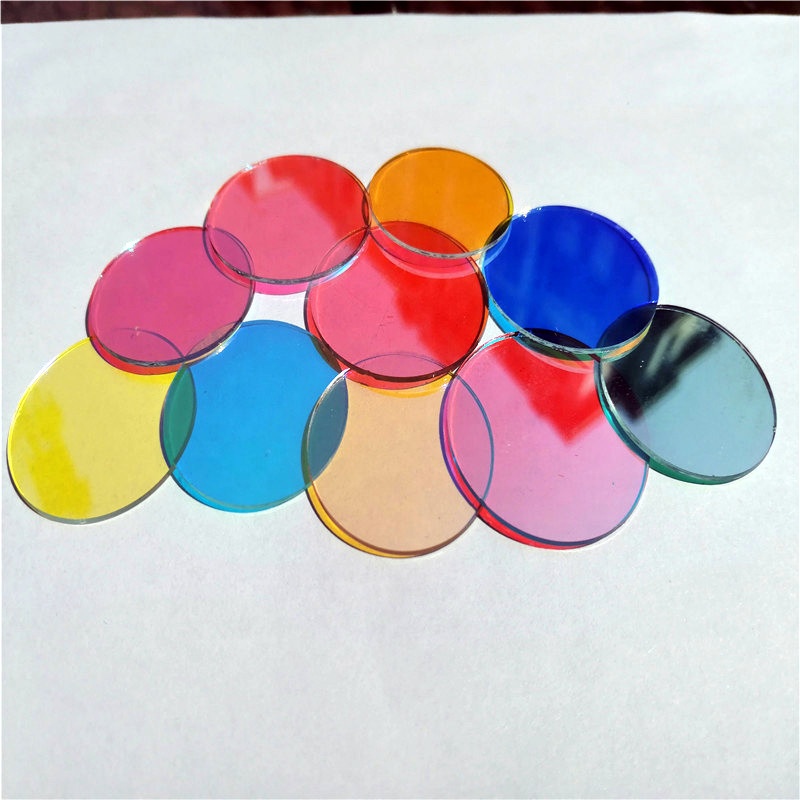
Customize logo Color Glass Gobo Glass
Custom color gobo glass for branded lighting, stage projection and architectural effects, processed with your logo artwork and heat-resistant substrate.
- Logo gobo
- Color glass
- Custom artwork
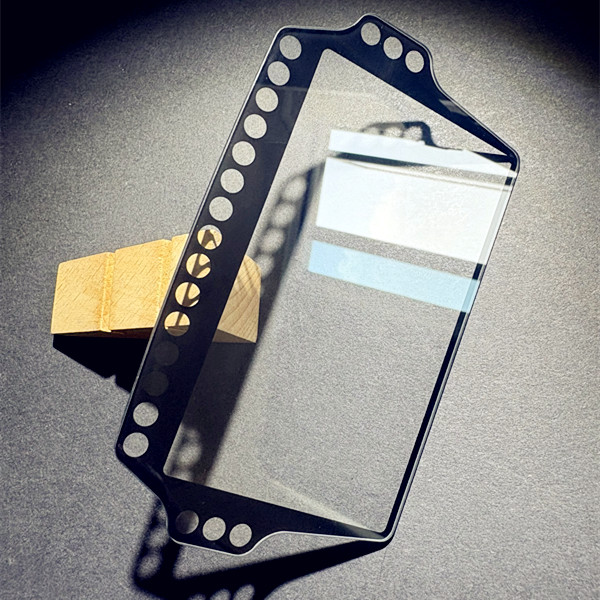
Factory Custom Tempered Silk Printed Gorilla Glass Screen Protector Printing Glass
Strengthened Gorilla glass with silk-printed borders and windows for POS terminals, kiosks, appliance displays and public touch screens in Metro Manila.
- Gorilla glass
- Silk printing
- Touch display
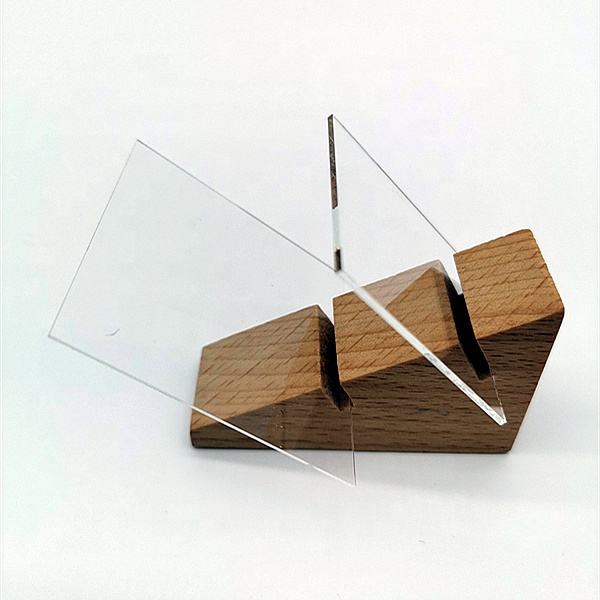
Custom Cut 0.5mm 0.7mm 1mm 1.5mm 2mm 2.5mm 3mm Corning Gorilla Temper Glass
Thin Corning Gorilla tempered glass from 0.5 mm to 3 mm, cut to drawing for HMI covers, protective windows and consumer electronics.
- 0.5–3 mm
- CNC cutting
- Gorilla glass
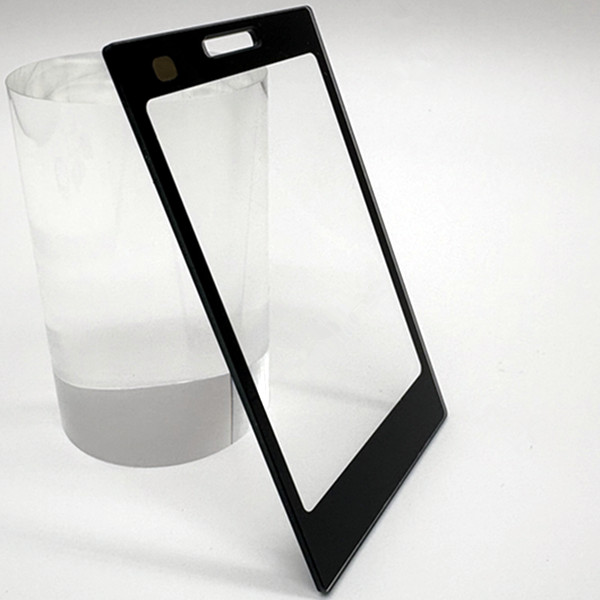
Factory Customized Black Glass Panel Silk Screen for Display Touch Electronic Glass
Black-printed electronic glass panels with high-contrast graphics and light-blocking borders for touch displays, control panels and white goods.
- Black panel
- Silk screen
- Display touch

Custom 0.3mm 0.5mm 0.7mm Heat Resistant Gobo Glass Blanks for Projector
Borosilicate gobo blanks for projectors and stage lighting, selected for heat resistance and thermal shock performance in demanding venues.
- 0.3–0.7 mm
- Heat resistant
- Projector

1.5mm 2mm Tempered Glass Thickness Touch Switch Glass Plate
Tempered touch switch glass plates for wall switches, home automation and industrial controls, with smooth surfaces and controlled edge quality.
- 1.5 / 2 mm
- Touch switch
- Tempered
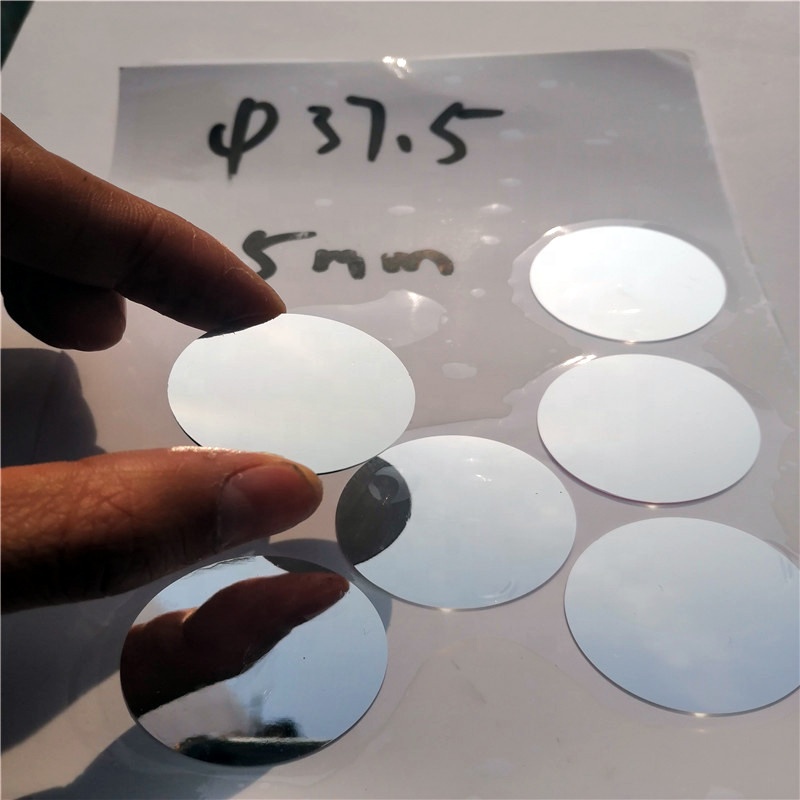
OEM Custom Heat Resistant Gobo Glass Lens
OEM gobo lenses and patterned glass for lighting manufacturers, with custom shape, coating and logo support for repeat production.
- OEM custom
- Heat resistant
- Gobo lens

Customized Tempered Anti-Reflective Glass AR Coated Tempered Glass
AR-coated tempered cover glass for outdoor kiosks, signage and instruments, improving readability under bright tropical sunlight and reducing glare.
- AR coating
- Tempered
- Custom size
Supplier Records Philippine Buyers Can Check
For export buyers, a factory statement is not enough. Trading records, response behaviour and third-party checks help a Philippine procurement team compare risk before placing a custom glass order.
What a Good Philippine Cover Glass RFQ Should Define
A custom cover glass part is not one surface. It is a system of optical surface, edge geometry, printed interface and operating environment. The strongest Philippine inquiries separate these three zones before comparing price.
This distinction matters in the Philippines because a part may pass incoming inspection and still fail after months of humidity, cleaning chemicals, coastal salt fog, strong UV and thermal cycling. A three-zone specification gives the factory enough information to recommend the right substrate, strengthening method, coating stack and packing method instead of quoting only “2 mm tempered glass”.
1. Optical and touch surface
State whether the glass is a display window, a touch cover, a switch plate or a decorative black panel. Give Pantone references for print colours, specify print on the front or back, AR coating on one or two sides, transmission or reflection targets, gloss level and any anti-fingerprint requirement. For outdoor signage, evaluate a sample in direct sunlight rather than relying only on a transmission figure.
2. Edge and mechanical interface
Define outline tolerances, hole and notch positions, corner radii, chamfer or pencil edge, step height and flatness. Edge micro-chips are a common source of breakage in thin cover glass. A controlled edge and interleaved packing often matter more than a headline strength claim. For touch switch plates, confirm adhesive compatibility, frame clearance and mounting flatness before mass production.
3. Environment and import requirements
For Manila, Cebu, Clark, Subic and CALABARZON locators, include humidity, salt fog, cleaning agents, UV exposure and thermal cycling. Ask how AR coatings, inks and adhesives are checked after ageing. For PEZA or bonded import flows, request the HS code suggestion, packing list format, country of origin and documents your customs broker needs. The importer of record should confirm final customs and PEZA requirements.
Why Fevry Glass Fits Custom Cover Glass Projects in the Philippines
Fevry Glass Co., Ltd. works from Xinyu, Jiangxi, China, supplying specialty glass cut, strengthened, coated, printed and inspected to drawing. The advantage is not a single machine; it is the control of material selection and finishing steps under one export workflow.
Cut-to-drawing processing
Laser, CNC carving, ultrasonic machining, grinding and edge processing support outlines, holes, notches, slots and windows. Technicians work from DWG, DXF or PDF drawings, which is useful for Philippine buyers managing several product variants.
Strengthening and coating
Thermal tempering suits thicker panels, while chemical strengthening through ion exchange supports ultra-thin cover glass from 0.15 mm to about 2 mm. AR, dichroic and optical coatings can be combined with silk printing or back painting.
Traceable specialty materials
Raw glass is sourced from Corning, AGC and established Chinese optical glass makers such as Chengdu Guangming and Xinhuguang. For programmes requiring Eagle XG, borosilicate 3.3, Gorilla glass or glass wafer substrates, material selection starts from traceable supply.
Export communication for OEMs
Fevry is a long-standing Alibaba.com member with a 5.0 buyer rating, 100% inquiry response rate and average response within four hours. Current export markets include Western Europe, the United States, Japan, South Korea, Taiwan, Hong Kong and Southeast Asia.
Cover Glass Trends Shaping Philippine Sourcing
Demand in the Philippines is not uniform. It is shaped by electronics manufacturing clusters, the country’s tropical coastal climate, growing digital signage and a stronger focus on supply-chain resilience.
Electronics and semiconductor supply chains
The Philippines has established electronics and semiconductor assembly, test and EMS clusters, especially around Metro Manila and CALABARZON, with additional operations in Cebu and Clark. As buyers diversify part of their Asian supply chain, local teams need drawing-based suppliers that can repeat the same cover glass specification across production lots rather than sourcing one-off pieces from traders.
Tropical and coastal performance
High humidity, salt-laden air in coastal industrial zones, strong sunlight and frequent cleaning push buyers toward chemically strengthened thin glass, durable AR coatings and controlled edge quality. Outdoor kiosks, EV charging displays and signage need samples that have been checked for glare, print adhesion and environmental exposure, not just a thickness statement.
Smaller mixed orders and faster launches
Product teams in Manila and Cebu increasingly launch several SKUs per year. Mixed shipments, quick samples and 300–500 piece production runs are more useful than large inventory. A factory-exporter should be able to combine several cover glass SKUs in one export carton and provide one engineering contact instead of treating every item as a separate import project.
Where Custom Cover Glass Performs in the Philippines
From BPO and retail terminals in Metro Manila to lighting studios and instrument builders in Cebu, the same failure questions recur: is the edge robust, is the print stable, is the coating readable in daylight and will the packing survive export handling?
POS, kiosks and public touch terminals
Retail, BPO, transport and service terminals need scratch-resistant covers with clean black borders and reliable touch response. Silk-printed Gorilla glass and black glass panels reduce light leakage around the display window while protecting the module from daily public use.
Appliance and smart-home control panels
Touch switch glass plates in 1.5 mm and 2 mm are common for wall switches, smart-home controls, appliance interfaces and hotel room panels. Buyers should confirm print opacity, icon sharpness, adhesive compatibility and edge finish before production.
Outdoor digital signage and EV charging
Strong sunlight makes glare a practical problem. Double-sided or single-sided AR-coated tempered cover glass improves readability while protecting the display from cleaning and impact. Coastal installations should also discuss salt-fog exposure and sealed-edge design with the enclosure supplier.
Stage, studio and LED lighting
Gobo glass blanks, colour gobo glass and heat-resistant lenses support theatre, rental, studio, architectural and entertainment lighting. Thin gobo glass needs careful packing and consistent coating or printing because small defects become obvious when projected.
Electronics and instrument covers
Custom-cut Gorilla glass, borosilicate 3.3 and Eagle XG substrates can be used for protective windows, analyzer filters, optical alignment parts and micro-fabrication carriers. For these projects, flatness, thickness tolerance and surface cleanliness matter as much as appearance.
Cebu and Clark industrial HMIs
Industrial displays, machine panels and building controls often need custom outlines, holes and printed legends. A drawing-based supplier can combine tempered glass, silk printing and AR coating in one finished part, reducing the number of local assembly steps.
Material Selection Guide for Philippine Cover Glass Projects
The cheapest sheet is rarely the lowest landed cost if it fails in the field. Use this preliminary table to shortlist the substrate, then confirm final properties against the manufacturer datasheet and your application test plan.
| Material | Typical thickness | CTE (×10⁻⁶/K) | Best fit for Philippine applications | Buyer note |
|---|---|---|---|---|
| Ultra-clear soda-lime | 0.5–4 mm | ≈9.0 | Printed control panels, AR cover glass, appliance windows | Cost-effective; specify edge quality, print opacity and coating durability. |
| Gorilla® alkali-aluminosilicate | 0.4–2 mm | ≈7.5–8.5 | Touch screens, POS terminals, portable devices and high-touch covers | Cut, drill and edge before strengthening; the glass cannot be re-cut afterwards. |
| Borosilicate 3.3 | 0.3–3.3 mm | 3.3 | Gobo blanks, heat-resistant windows, lighting lenses and lab glass | Low thermal expansion; preferred where thermal shock or chemical exposure is expected. |
| Corning® Eagle XG | 0.5–1.1 mm | ≈3.2 | Biochips, analyzer filters, PLC substrates and precision optical parts | Alkali-free, flat and dimensionally stable; minimum order quantities can be higher. |
| Chemically strengthened thin glass | 0.15–2 mm | Base-glass dependent | Ultra-thin protectors, sensor covers and lightweight display windows | Ion exchange improves surface strength while keeping thin glass flat and optically clean. |
Values are typical industry figures for preliminary selection. Final specifications must be confirmed against the selected manufacturer datasheet, glass grade, coating design and your drawing revision.
Application Fit and Environmental Stress Matrix
Most supplier catalogues stop at “tempered” or “AR coated”. For Philippine conditions, the more useful question is how the finished part behaves after humidity, cleaning, salt exposure and thermal cycling.
| Exposure | Risk in the Philippines | Specification response |
|---|---|---|
| Humidity | Print edge ingress, adhesive haziness, coating blush | Specify ink adhesion test, humidity ageing and sealed edge where required. |
| Coastal salt fog | Corrosion of nearby metal parts and coating degradation | Review coating durability, edge sealing and enclosure design with the assembly team. |
| Strong UV | Discolouration of inks or adhesives | Use UV-stable inks and confirm with post-ageing colour check against the approved sample. |
| Thermal cycling | Stress at holes, slots and printed windows | Chamfer edges, avoid sharp internal corners and select CTE-compatible materials. |
| Cleaning agents | Gloss change, print softening or AR coating damage | State the cleaning chemicals used; test coupons before mass production. |
From Drawing to Export Packing: A Five-Step Supply Path
For Philippine procurement teams, predictable communication is part of quality. The workflow below keeps engineering, sample approval and export documentation visible.
Share your drawing
Send DWG, DXF or PDF with dimensions, tolerances, holes, print colours, coating sides, material, application and target annual quantity.
Engineering review
We confirm manufacturability and recommend substrate, thickness, edge finish, strengthening, printing and coating route.
Sample approval
Pre-production samples validate fit, logo colours, optical appearance and packing. Approve the sample before mass production.
Production and inspection
Processing is followed by dimensional, visual and surface checks before final packing. Key dimensions and appearance are compared with the drawing.
Export packing and documents
Interleaved and cushioned packing supports fragile thin glass. Commercial invoice, packing list and shipping documents are prepared for your forwarder or customs broker.
Independent Evidence Behind the Supplier Profile
Fevry Glass Co., Ltd. operates as a specialty glass supplier from Xinyu, Jiangxi, China. The company premises have been checked onsite, and trading records are publicly visible through Alibaba.com. Buyers should review the records relevant to their order value and risk level.
Supplier assessment
Third-party verification details
Ratings and reviews
5.0 / 5 average buyer rating
Trade capacity
Export markets and logistics
Trade history
Past transaction records
The company’s guiding principle is “Quality is superior, service is supreme, reputation is first”, with the working motto “Your success, our glory”. For Philippine buyers, this translates into a practical expectation: approved samples, stable repeat production and export packing designed for fragile thin glass.
Local Procurement FAQ for Philippine Cover Glass Buyers
These are the questions engineers, procurement managers and customs brokers most often raise when sourcing custom cover glass from an overseas factory.
What is the typical MOQ for custom cover glass in the Philippines?
Most custom cover glass and AR-coated items start from about 300–500 pieces, depending on size, print colours, coating and material. Custom-cut Corning Eagle XG parts may start from 1,000 pieces, while selected gobo glass blanks can be considered from lower quantities such as 10 pieces for specific patterns or samples. Samples can be arranged to validate fit, colour and optical performance before mass production.
Can you support PEZA locators and Philippine import documentation?
Fevry can prepare standard export documents such as the commercial invoice, packing list, bill of lading or airway bill and certificate of origin when required. We can also suggest an HS code for the glass item. The importer of record and its customs broker should confirm final PEZA, Bureau of Customs and product-specific requirements before shipment, because tax, duty and zone rules depend on the importer’s registration and the final use of the goods.
What are typical lead times for samples and production?
Sampling is commonly around 7–15 days after drawing and material confirmation, while production is often 15–30 days after sample approval, depending on quantity, coating, printing and material availability. These are indicative ranges, not a fixed promise. A firm schedule should be confirmed against the final drawing, annual volume, inspection plan and shipping method to Manila, Cebu, Clark or another destination.
How do you pack fragile cover glass for shipment to Manila or Cebu?
Thin cover glass is packed with interleaving, edge protection, cushioning and moisture protection where needed. The carton construction and pallet arrangement depend on size, thickness and shipping mode. For high-value printed or AR-coated parts, buyers should ask for the packing drawing and sample packing photos before shipment. Export packing is designed to reduce abrasion, edge chipping and transit breakage, but the buyer’s forwarder and destination handling also affect final risk.
Which glass should I use for outdoor signage in the Philippines?
For outdoor signage, AR-coated tempered glass is usually a suitable starting point because glare reduction improves readability under strong sunlight. If the display is near the coast, discuss salt-fog exposure, cleaning chemicals and enclosure sealing with the assembly team. For large windows, thickness, impact requirement and mounting method should be reviewed together; do not select a cover glass only by comparing transmission figures.
Can you match print colours, logos and black borders?
Yes. Silk-screen printing and back painting can be matched to Pantone references, with print on the front or back depending on the visual and durability requirement. The best result comes from approving a physical sample with the intended glass, ink, coating and lighting condition. For logos and icon windows, provide vector artwork and specify whether the printed area must block light, diffuse light or allow infrared transmission.
Do you supply gobo glass for small lighting projects?
Fevry supplies heat-resistant gobo glass blanks, colour gobo glass and OEM gobo lenses for lighting projects. Many custom gobo items are more flexible on minimum order than large cover glass panels, and selected blanks can start from 10 pieces. For project-specific gobos, share the artwork, outside diameter, thickness, heat exposure and projection requirement so the correct borosilicate grade and coating can be recommended.
What information should I send with my inquiry?
Send a 2D drawing in DWG, DXF or PDF with outline dimensions, tolerances, thickness, material, edge finish, holes and notches, strengthening method, print colours with Pantone references, AR coating sides, application, annual quantity and destination port in the Philippines. If you already have a prototype, include photos and failure concerns. Complete information lets our engineers reply with a manufacturable recommendation instead of a generic price.
Send Your Drawing for a Philippine-Ready Cover Glass Quotation
Share your 2D drawing, material, thickness, print colours, AR coating requirement, application and annual volume. Our engineering and export team will review manufacturability and recommend the most practical glass, strengthening and packing route for your Philippine project.