8 Precision Glass Products for Louisville Wholesale & OEM Programs
Each product below is processed to drawing and can be quoted for wholesale programs, mixed-SKU shipments and repeat production. Product links and images are preserved so engineers and buyers can move from evaluation to RFQ without losing the specification thread.
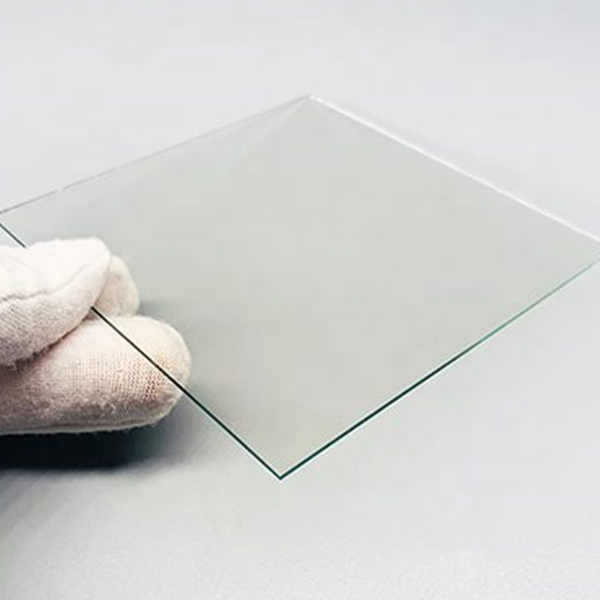
Ito Conducting Glass, Ito Coated Glass, Ito Glass
ITO-coated glass for touch sensing, transparent heating and EMI shielding in display stacks. Available in custom cut sizes with edge and coating options confirmed against your drawing.
View product
Custom 0.3mm 0.5mm 0.7mm Heat Resistant Gobo Glass Blanks for Projector
Thin borosilicate gobo blanks for projector, stage and architectural lighting. Heat resistance and flatness help maintain pattern sharpness under high lamp loads.
View product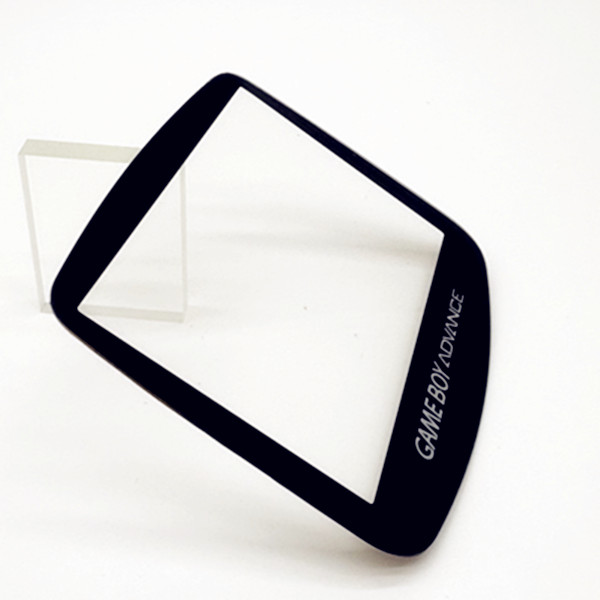
Custom Premium Gorilla Tempered Silk Screen Printed Glass Touch Screen Printed Glass Panels Cover Glass for OLED Screen
Chemically strengthened Gorilla glass with silk-screen printed borders, windows and logos for OLED and touch displays. Print color and AR side are quoted from your artwork.
View product
1.5mm 2mm Tempered Glass Thickness Touch Switch Glass Plate
Tempered touch switch plates for appliance, HVAC and smart-home controls. The glass can be printed, back-painted and paired with AR or anti-glare coating.
View product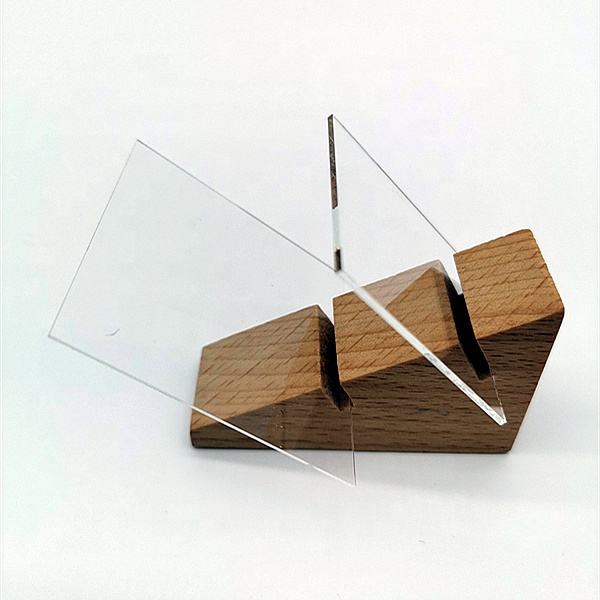
Custom Cut 0.5mm 0.7mm 1mm 1.5mm 2mm 2.5mm 3mm Corning Gorilla Temper Glass
Multi-thickness Gorilla glass cut to outline for display covers, sensor windows and industrial interfaces. Thickness selection is matched to strength and flatness needs.
View product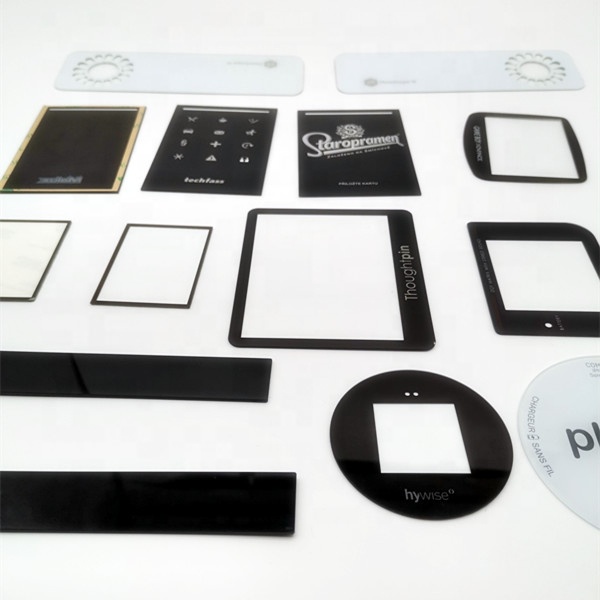
Back Painted Tempered Glass Led Glass Panel Cover Glass
Back-painted tempered glass for LED panels, appliance windows and illuminated interfaces. Paint masking and window openings are produced to your drawing.
View product
Custom Cut 0.5mm 0.7mm 1mm 1.5mm 2mm Clear Toughened Glass Tempered Corning Gorilla Glass
Clear toughened Gorilla glass for distributors and OEMs needing repeatable cut sizes. Suitable for cover glass, inspection windows and touch interfaces.
View product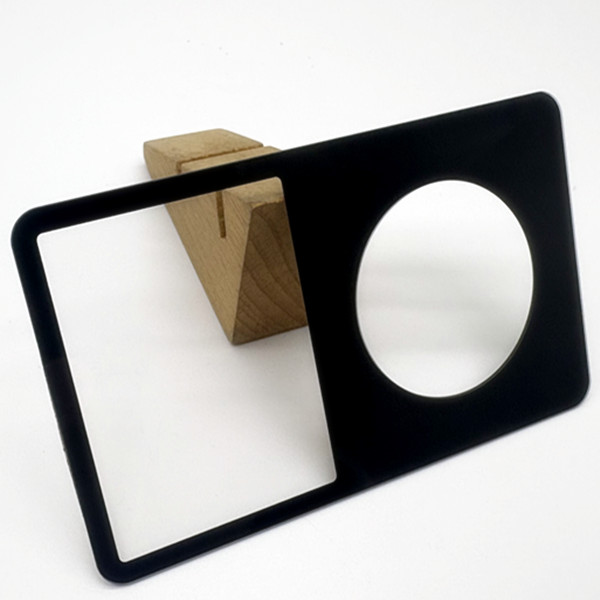
Factory Custom Smart Silkscreen Gorilla Glass Panel Tempered Glass Printing Glass
Smart silkscreen glass panels with durable printed graphics for control panels, displays and architectural interfaces. Batch color consistency is reviewed against Pantone references.
View productWhat Louisville Buyers Really Mean by “China Wholesale Precision Glass Processing Suppliers”
When a procurement team in Louisville searches for China wholesale precision glass processing suppliers, the query usually combines two different intents. One is sourcing: find a factory-direct processor that can cut, strengthen, coat, print and inspect glass to a drawing. The other is local availability: find a wholesaler in Louisville that stocks or can quickly replenish the exact cover glass, touch panel or lighting glass needed by a nearby plant. The most efficient supply chain often connects both: a China precision glass processor produces to a controlled specification, while a Louisville distributor, 3PL or OEM buyer manages local inventory and delivery. This page is written for that model.
Louisville is not a generic U.S. market. It combines advanced appliance manufacturing, automotive assembly and supplier networks, healthcare and research, hospitality and venue technology, and one of the world’s busiest air-cargo hubs at UPS Worldport. Each of those environments creates a different glass specification. A tempered touch switch plate for a smart appliance does not share the same tolerance stack-up as a borosilicate gobo blank for a venue lighting rig or an Eagle XG substrate for a lab analyzer. Buyers who search for “wholesalers in Louisville” are often trying to reduce lead time, consolidate freight or find a local partner who understands those differences. The right supplier answer is not a generic catalog. It is a drawing-based engineering review, a repeatable production process and a logistics plan that fits the buyer’s Louisville operation.
Specification risk
Glass is inexpensive as a raw sheet and expensive as a finished part that does not fit. A useful quote confirms thickness, edge finish, hole positions, coating side, print color and the strengthening sequence. Louisville OEMs should require a drawing review before tooling, samples or a wholesale price is locked.
Landed cost
Piece price is only one line in the total landed cost. Freight, duty, insurance, packing, incoming inspection and replacement of breakage all affect the real number. A factory-direct quote should state Incoterms, pack quantity and whether multiple SKUs can be consolidated for a Louisville 3PL or plant dock.
Continuity
A wholesale program is a repeat order, not a one-time purchase. Repeatability depends on material traceability, color matching, edge quality and change control. Ask how the supplier retains the approved sample, records the inspection criteria and handles a thickness, print or coating revision.
For Louisville buyers, the most useful information gain is a decision path: which substrate fits the application, which strengthening method fits the thickness, which coating controls glare, which print method survives the environment, and which packaging protects the part through air or ocean transit. The sections below organize those decisions around eight products, local applications, material properties, supplier capabilities and buyer FAQ.
Product Recommendations by Louisville Application
Louisville’s manufacturing and service economy creates six practical glass programs. The recommendations below are starting points; final specifications should be confirmed against the drawing, the end-use environment and the expected annual volume.
Appliance & Smart Home Controls
Louisville is home to major appliance operations and a deep supplier base. Tempered switch glass, silk-printed Gorilla glass and AR-coated cover panels are used on ranges, refrigerators, laundry controls and smart-home interfaces. 1.5–2 mm tempered glass is common for touch plates, while 0.5–1 mm chemically strengthened glass suits thinner display covers. Printing can include icon windows, capacitive touch areas and hidden-until-lit symbols.
Automotive & Mobility Displays
The Louisville region supports automotive assembly and tier suppliers. Dashboard trim panels, display covers and back-painted LED glass require flatness, print registration and scratch resistance. AR coating reduces reflections on driver-facing displays; back painting hides circuitry while leaving sensor or icon windows clear. Buyers should confirm the glass is cut and strengthened before any print or coating step that would be damaged by rework.
Medical, Laboratory & Biotech
Louisville’s hospital and research networks need glass that is dimensionally stable and compatible with optical or chemical workflows. Corning Eagle XG is an alkali-free boro-aluminosilicate glass used for biochips, analyzer filters and PLC substrates. Borosilicate 3.3 is preferred where thermal shock or chemical exposure is expected. Glass wafers and V-groove substrates support optical communication and lab instrumentation.
Stage, Venue & Hospitality Lighting
From performance venues to hospitality and distillery visitor experiences, lighting designers need gobo blanks, dichroic mirrors and heat-resistant glass. Borosilicate 3.3 and low-expansion gobo glass help resist lamp heat and maintain pattern crispness. For LED-based fixtures, back-painted and diffusing glass can be specified instead of traditional filters.
Retail, Kiosk & Smart Building Interfaces
Self-service kiosks, wayfinding displays, elevator controls and building automation panels need cover glass that survives public use. Tempered or chemically strengthened glass with AR coating improves readability under lobby lighting. Silk-screen printing defines active areas, logos and borders. For outdoor or high-glare locations, double-sided AR should be evaluated with the display brightness.
Distributor & Wholesale Programs
Louisville distributors often want a factory partner that can supply mixed thicknesses, repeat cut sizes and kitted programs rather than a single SKU. A wholesale program can combine ITO glass, Gorilla glass, borosilicate 3.3, Eagle XG and gobo blanks under one approved-sample process. The value is fewer suppliers, consolidated freight and a single technical contact for drawing changes.
Local Trends Reshaping Precision Glass Procurement in Louisville
Several procurement shifts are visible in Louisville RFQs. They are not abstract market trends; they change how drawings are specified and how suppliers are selected.
Supply-chain resilience and dual sourcing
Buyers are reducing single-point risk by qualifying a China processing partner alongside a domestic fabricator or Louisville distributor. The approved drawing and sample become the control point, so production can move without re-engineering. A China factory-direct source is most useful when the specification is documented and the local partner handles buffer stock.
Low-volume, high-mix programs
More Louisville OEMs and distributors are asking for smaller production runs with more variants: multiple thicknesses, print colors and coating options in one shipment. Suppliers that can combine CNC cutting, strengthening and printing under one roof reduce the hand-off risk that appears when each step is outsourced.
Optical performance and outdoor readability
AR-coated glass is moving from premium displays into kiosks, appliance interfaces and industrial controls. Double-sided AR can raise transmission to roughly 98% while cutting surface reflections. Buyers should specify the coated side, the target wavelength range and whether the coating must survive cleaning or touch.
Documentation, traceability and total landed cost
Procurement teams are asking for more than a price. They want material source, inspection criteria, pack configuration, approved sample retention and Incoterms. For fragile glass, damage rate and replacement lead time can outweigh a small piece-price difference. A supplier with export packing experience and responsive communication reduces hidden cost.
Material Selection Guide for Louisville Engineers
Use this matrix as a first-pass screen. Final selection depends on thickness, thermal load, chemical exposure, optical requirements and the strengthening step.
Ultra-clear soda-lime
The workhorse cover glass for appliance panels, display windows and AR-coated covers. It offers good clarity and cost efficiency; thermal tempering is used for thicker parts, while thin parts may be chemically strengthened.
Gorilla® alkali-aluminosilicate
A scratch-resistant glass family for touch screens, OLED covers and industrial interfaces. It is commonly chemically strengthened after cutting, drilling and edge grinding. Print and AR coating should be sequenced with the strengthening process.
Borosilicate 3.3
Low thermal expansion makes it suitable for lighting covers, gobo blanks, heat-resistant windows and laboratory glass. It tolerates rapid temperature changes far better than soda-lime glass.
Corning® Eagle XG
An alkali-free boro-aluminosilicate glass with low expansion and a fusion-formed surface. Its flatness and dimensional stability support micro-patterning, bonding and optical alignment.
Chemically strengthened thin glass
Ion-exchange strengthening raises surface strength while keeping thin sheets flat and optically clean. It is used for ultra-thin protectors, sensor covers and slim display stacks.
Glass wafer and transparent ceramic
Glass wafers support MEMS, packaging, bonding carriers and PLC substrates. Transparent ceramic or specialty glass may be considered when mechanical or thermal performance exceeds standard glass.
Why Fevry Glass Is a Practical Partner for Louisville Wholesale Buyers
Factory-direct engineering, traceable raw materials and one quality plan across cutting, strengthening, coating, printing and inspection.



Fevry Glass Co., Ltd. is a specialty glass processor based in Xinyu, Jiangxi, China. We source raw glass from Corning, AGC and other multinational producers and work closely with established Chinese optical-glass makers such as Chengdu Guangming and Xinhuguang. That matters to Louisville buyers because the raw material is the first variable in repeatability: if the substrate changes, the print color, coating behavior and flatness may change with it. Our technicians process glass on laser, ultrasonic, CNC carving, grinding and inspection equipment imported from the USA, Germany and Japan. The result is a single-source path from raw sheet to cut, strengthened, coated, printed and inspected parts.
Our public trading record includes more than 10 years as an Alibaba.com member, an average response time of ≤4 hours, a 100% inquiry response rate, a 5.0/5 buyer rating and exports to 7+ regions, including Western Europe, the United States, Japan, South Korea, Taiwan, Hong Kong and Southeast Asia. Our guiding principle is “Quality is superior, service is supreme, reputation is first,” and our motto is “Your success, our glory.” For a Louisville distributor, that means program pricing can be paired with an approved sample, repeat inspection criteria and a communication rhythm that fits a fast-moving local sales team.
Factory-direct engineering
One team reviews the drawing, recommends the substrate and sequences cutting, strengthening, coating and printing. Fewer hand-offs mean fewer tolerance surprises.
Traceable raw materials
Corning, AGC, Chengdu Guangming and Xinhuguang are part of our material sourcing network, supporting consistent optical and mechanical behavior.
In-house processing breadth
Laser, CNC, ultrasonic, edge grinding, thermal tempering, chemical strengthening, AR coating, silk-screen printing and back painting are coordinated under one quality plan.
Inspection before packing
Dimensional, thickness, flatness and visual checks are performed against the approved sample. Packaging is designed for fragile thin glass and mixed-SKU shipments.
Wholesale program support
We can quote repeat cut sizes, multiple thicknesses and mixed models, then consolidate export packing for a Louisville distributor or 3PL.
Responsive communication
Published performance includes ≤4-hour average response, 100% inquiry response and a 5.0/5 buyer rating, which matters when a local line needs an answer quickly.
From Drawing to Louisville Dock: A Four-Step Process
A documented path from first RFQ to export delivery, designed for procurement teams that need predictable communication.
Drawing & intention review
Send a 2D drawing (DWG, DXF or PDF) with dimensions, thickness, edge finish, holes, print colors, AR side and annual volume. We check manufacturability and flag risks before quoting.
Material & sample approval
We recommend the substrate and strengthening method, then produce a sample to validate fit, print color and optical performance. The approved sample becomes the reference for production.
Production & inspection
Cutting, strengthening, coating, printing and inspection follow the approved process. Batch records and visual checks reduce variation across repeat orders.
Export packing & delivery
Parts are interleaved and cushioned for fragile glass, then packed for air or sea freight. We can coordinate with a Louisville 3PL or the buyer’s freight forwarder.
China Precision Glass Processing & Wholesale Supply Questions
Direct answers to the questions engineers and sourcing managers ask most often when comparing China suppliers for Louisville delivery.
Can you ship precision glass directly to Louisville, Kentucky?
Yes. We export to the United States and can ship to Louisville by air or ocean freight, depending on size, value and urgency. Louisville Muhammad Ali International Airport and UPS Worldport make air cargo practical for urgent samples or high-value parts. For production orders, we can work with your forwarder, quote FOB or other Incoterms, or coordinate delivery to a Louisville 3PL. Packing is designed for fragile thin glass, with interleaving, cushioning and carton labeling.
What is the MOQ for a wholesale glass program?
Most custom cover glass and AR glass items start from 300–500 pieces. Custom-cut Eagle XG parts may start from 1,000 pieces, and selected gobo glass blanks can start from 10 pieces. A wholesale program can combine several SKUs to reach an efficient production batch. Samples are available before mass production so the fit, print and coating can be validated.
Should I choose tempered, chemically strengthened or borosilicate glass?
Thermal tempering is generally used for glass around 3 mm and thicker. For 0.15–2 mm cover glass, chemical strengthening (ion exchange) improves surface strength while keeping the sheet flat. Borosilicate 3.3 is chosen when thermal shock or chemical exposure is the main risk, such as lighting covers, gobo blanks and lab glass. All cutting, drilling and edge grinding must be completed before strengthening.
Can you match Pantone colors and print logos on glass?
Yes. Silk-screen printing and back painting can reproduce borders, logos, icon windows and IR-transparent areas. Send Pantone references, artwork and the required print side. We review ink sequence, curing and coating compatibility. For touch panels, we also confirm whether the printed area must remain capacitive-sensitive or be masked.
What information do you need for a fast quotation?
Send a 2D drawing with outline dimensions and tolerances, thickness, glass material, edge finish, hole and notch positions, strengthening method, print colors, AR coating side(s), application and expected annual quantity. A photo of the assembly or a sample can help. Complete input usually allows a firm engineering response in one round.
How do Louisville buyers manage duties, freight and breakage risk?
The quote should state Incoterms, pack quantity, carton dimensions and whether multiple SKUs are consolidated. For fragile glass, choose export packing with interleaving and cushioning, and consider ordering a small buffer of spare units for line trials. We can provide inspection records against the approved sample. Duty and tariff treatment depends on the product and import program; your customs broker should confirm the HTS classification.
Have a Drawing? Let’s Engineer Your Precision Glass Program.
Send your drawing, target thickness, print colors, AR requirement and annual volume. Our team will review manufacturability, recommend the material and strengthen method, and quote a wholesale program for Louisville delivery. Typical response time is ≤4 hours during business days.
Contact Us