China Wholesale Glass Cutting Factory & Supplier serving Ho Chi Minh City
Custom tempered, anti-reflective, silk-screen printed, borosilicate, dichroic and Corning® Eagle XG glass cut to drawing for display, lighting, smart-home, automotive and instrumentation programmes in Ho Chi Minh City and the wider Vietnam manufacturing corridor.
Eight custom glass products for Ho Chi Minh City buyers
Start with the part, not the category. Each product below is cut, edged, strengthened, coated or printed to drawing. For Ho Chi Minh City display assembly, LED lighting, smart-home controls, automotive HMIs and optical instruments, these eight families cover most first-round RFQs.

Custom Shape High Transmittance Ultra Clear Tempered Glass Panel With Anti-reflective Coating on Two Sides
Recommended for HCMC display lamination, optical windows and high-clarity touch covers.
View specification →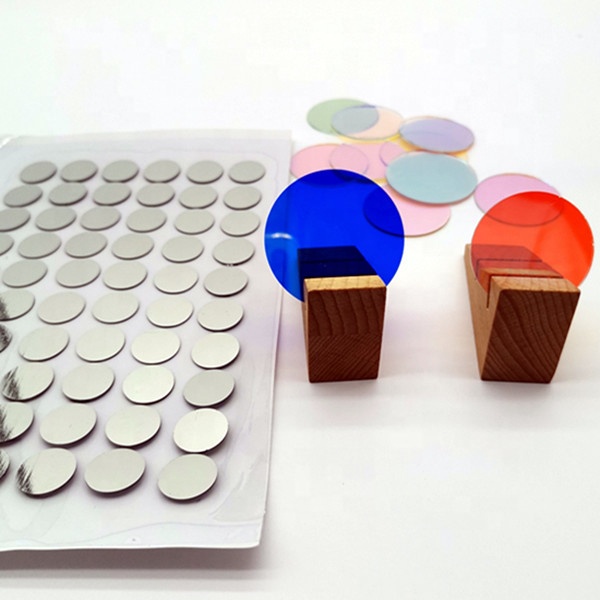
0.2mm 0.3mm 0.4mm 0.5mm 0.7mm 1.0mm 2mm Heat Resistant Gobo Glass Blanks
For stage, studio, architectural and entertainment lighting projects across HCMC.
View specification →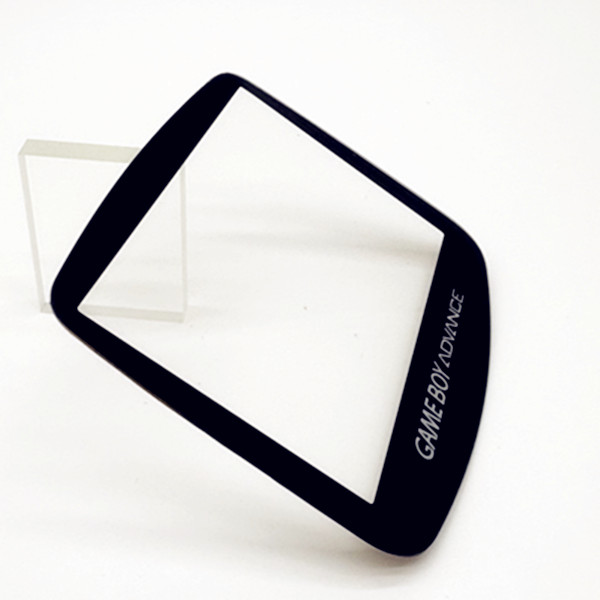
Custom Premium Gorilla Tempered Silk Screen Printed Glass Touch Screen Printed Glass Panels Cover Glass for OLED Screen
For HCMC OLED cover glass, branded borders, icon windows and scratch-resistant touch surfaces.
View specification →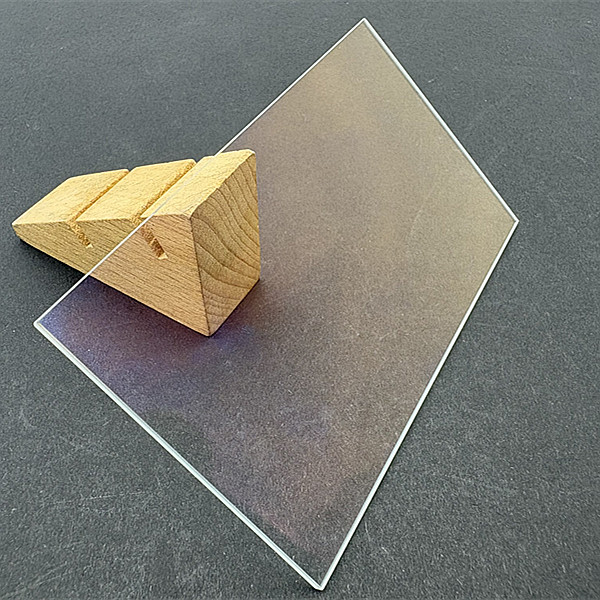
Customized Tempered Anti-Reflective Glass AR Coated Tempered Glass
For instrument windows, HMI overlays and display panels where glare and reflection reduce legibility.
View specification →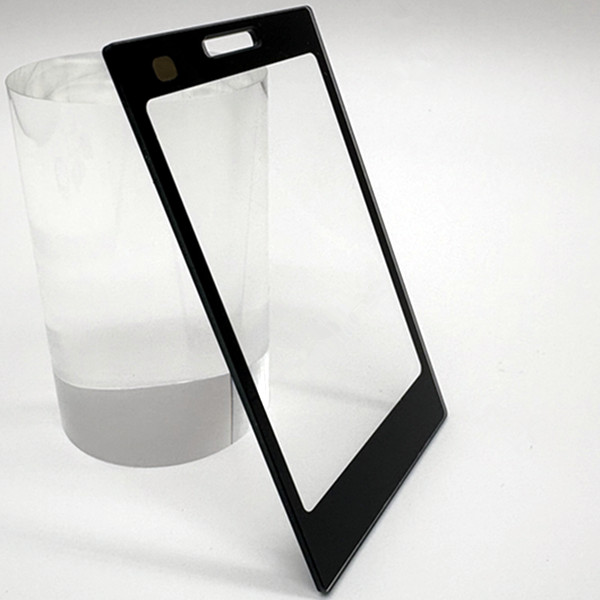
Factory Customized Black Glass Panel Silk Screen for Display Touch Electronic Glass
For smart-home controls, kiosks, appliance panels and concealed-display industrial enclosures.
View specification →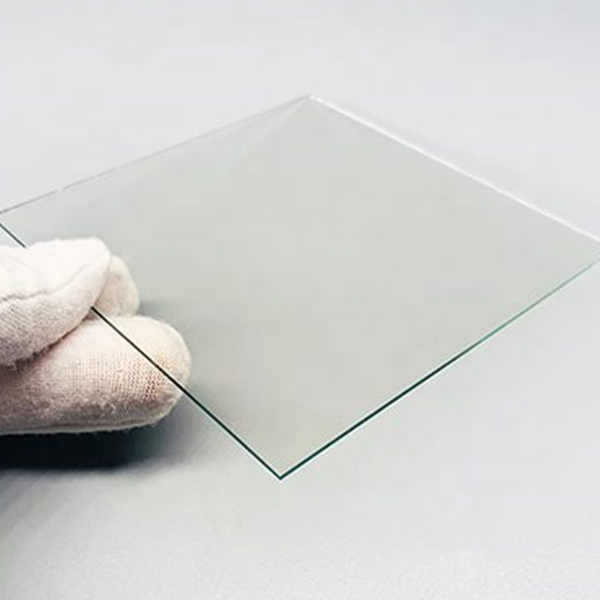
Ito Conducting Glass, Ito Coated Glass, Ito Glass
For touch-sensing, electrode and optical-electronic development projects requiring conductive transparent substrates.
View specification →
Factory Customization Dichroic Glass Gobo Glass
For colour-splitting, architectural lighting, stage effects and decorative light installations.
View specification →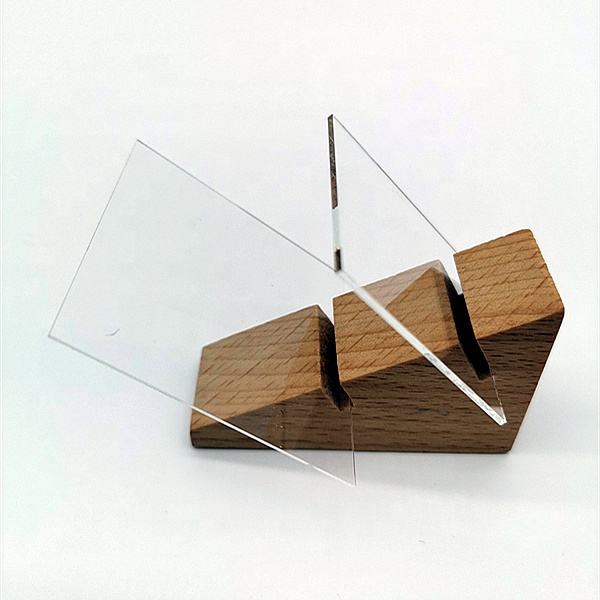
Custom Cut 0.5mm 0.7mm 1mm 1.5mm 2mm 2.5mm 3mm Corning Gorilla Temper Glass
For HCMC buyers who need strengthened thin glass sheets with custom outline, holes and edge finish.
View specification →Need a non-standard outline, thickness, coating or print colour? Share your drawing with our engineering team through Contact Us and we will confirm the practical manufacturing route before quotation.
Why HCMC buyers use a China glass cutting factory
Ho Chi Minh City is not only a consumer market; it is an assembly, integration and product-development hub. Buyers in District 7, Thu Duc City, Binh Duong, Dong Nai and Long An increasingly need custom-cut technical glass that arrives ready for local lamination, printing, housing assembly or lighting integration. The best supplier is therefore not simply the lowest price per square metre — it is the partner that can interpret a drawing, protect the surface, control edge quality and keep communication predictable.
A dense electronics and display ecosystem
Display integrators, smart-device brands, industrial HMI builders and electronics service providers in and around HCMC often work with short product cycles. They need sample-friendly custom cutting, repeatable print registration and the ability to scale from pilot quantity to production quantity without changing the fundamental process route.
Practical import routes to HCMC
Production glass can move by sea through Cat Lai port or by air through Tan Son Nhat, with consolidation options through forwarders serving Binh Duong and Dong Nai. The shipment plan should match the part risk: thin glass, AR coatings, printed ink and polished edges require interleaved cushioning, edge protection and moisture control, not merely a standard export carton.
Drawing-led engineering, not catalogue-only selling
Most HCMC programmes require a drawing review before a reliable price is possible: outline, tolerance, edge profile, hole position, strengthening method, print colours, AR coating side and annual volume all affect yield. A supplier that asks the right questions early reduces sample loops, rework and customs delays later.
Illustrative RFQ review signals for custom glass projects
Qualitative planning aid, not a market statisticWhere custom glass performs in Ho Chi Minh City
The same sheet specification can fail in one application and perform reliably in another. These six application clusters reflect the technical conversations we commonly handle with export buyers in Vietnam’s southern industrial region.
Display and touch-panel assembly
HCMC display integrators require cover glass that is flat, optically clean and dimensionally consistent for lamination. AR-coated ultra-clear tempered glass, printed Gorilla® glass and black silk-screen panels are common choices for OLED protection, touch overlays and branded display windows.
Smart home and building control
Control panels for residential, hospitality and commercial buildings often use black glass with selective ink windows and IR-transparent zones. Buyers should specify print colour, optical density, icon registration and the touch-sensor bonding method before tooling begins.
Automotive and motorbike HMI
Dashboard trim panels, instrument windows and display covers need scratch resistance, controlled reflectivity and stable print appearance under heat and vibration. Strengthened thin glass with printed borders and AR treatment can replace plastic in premium cockpit designs.
LED lighting, stage and studio
High-power LED fixtures, stage lighting and studio effects benefit from borosilicate 3.3 gobo blanks and dichroic glass. The lower thermal expansion of borosilicate helps resist thermal shock, while dichroic coatings create colour separation for architectural and entertainment lighting.
Medical, biotech and optical instruments
Analyser filters, biochip substrates, imaging windows and precision optical parts often require Corning® Eagle XG, borosilicate or optical filter glass. Flatness, dimensional stability, cleanliness and material traceability matter more than generic “tempered glass” claims.
Industrial HMI, kiosks and outdoor enclosures
Self-service kiosks, factory control panels and outdoor information terminals need glass that resists cleaning, glare and impact. Anti-reflective coated tempered glass, chemically strengthened thin glass and printed cover glass can be combined to balance readability, durability and brand appearance.
Market shifts shaping glass sourcing in Ho Chi Minh City
Vietnam’s electronics and lighting supply chains continue to mature. For HCMC buyers, the result is not simply more competition; it is a higher expectation for documentation, smaller initial batches, faster samples and more application-specific glass.
Supply-chain localisation and smaller launch batches
More products are assembled or integrated in Vietnam, yet brands still source specialised materials internationally. HCMC buyers increasingly ask for low-MOQ custom cutting, sample validation and a clear scale-up path rather than committing to a full container of a single specification.
Thinner glass, stronger surfaces and AR readability
Consumer devices and compact instruments continue to reduce bezel and thickness. Chemically strengthened glass from 0.15 mm to about 2 mm, combined with anti-reflective or anti-glare treatment, helps HCMC product teams meet slim mechanical envelopes without sacrificing surface durability or optical clarity.
Borosilicate and dichroic demand in high-power lighting
HCMC’s events, studio, hospitality and architectural lighting sectors use more powerful fixtures than older designs. Heat-resistant gobo glass, borosilicate 3.3 windows and dichroic filters reduce thermal-shock risk and help maintain colour control and beam quality throughout a fixture’s service life.
Documentation and packaging as procurement criteria
Importers in HCMC increasingly compare suppliers on total landed risk, not unit price alone. Material traceability, first-article checks, coating inspection, carton testing, packing marks and responsive English communication now influence the award decision as much as the quoted piece price.
How to specify cut glass for HCMC production
A precise RFQ protects both the buyer and the factory. The framework below is written for engineering and sourcing teams who need to compare quotations on equal terms and avoid hidden assumptions.
| Decision point | Practical specification | Why it matters for HCMC assembly |
|---|---|---|
| Material grade | Ultra-clear soda-lime, Gorilla® alkali-aluminosilicate, borosilicate 3.3, Corning® Eagle XG or ITO-coated glass. | Defines thermal shock resistance, scratch behaviour, optical transmission, flatness and bonding compatibility. |
| Thickness and tolerance | State nominal thickness plus acceptable range; define outline, hole, notch, flatness and step tolerances. | Affects housing fit, lamination pressure, gasket compression and drop performance after local assembly. |
| Edge finish | Flat ground, chamfered, pencil edge or polished edge; specify chip limits and micro-crack control. | Edge quality influences breakage during transit, handling and mechanical shock in the finished device. |
| Strengthening | Thermal tempering for thicker glass; chemical strengthening for 0.15–2 mm thin cover glass. | All cutting, drilling and edge grinding should be completed before strengthening because the glass cannot be re-cut afterwards. |
| Coating and printing | AR on one or two sides, dichroic coating, Pantone print colour, ink window, IR-transparent zone and alignment tolerance. | Prevents reflection, colour mismatch, sensor blockage and visual defects discovered only after lamination. |
| Packing and delivery | Interleaved paper, protective film, edge cushions, moisture barrier, carton marks and agreed Incoterm. | Directly affects breakage rate, customs handling and the true landed cost at the HCMC factory or warehouse. |
Five steps from your drawing to an export-ready glass part
Share the drawing
Send DWG, DXF or PDF with dimensions, tolerances, material, coating, print colours and annual quantity.
Engineering review
We confirm manufacturability and recommend the practical substrate, thickness, edge and process sequence.
Sample approval
Samples validate fit, colour, print registration, optical performance and handling expectations.
Mass production
Processing runs with in-line dimensional and visual checks, plus first-article confirmation.
Export packing
Fragile glass is interleaved, cushioned and marked for safe international freight to HCMC.
Why Fevry Glass fits a Ho Chi Minh City sourcing plan
Fevry Glass Co., Ltd. is a specialty glass company based in Xinyu, Jiangxi, China. We supply custom tempered, anti-reflective coated, silk-screen printed, borosilicate 3.3, Corning® Eagle XG, glass wafer and optical filter glass processed to customer drawings. For HCMC buyers, the advantage is not a catalogue of generic sheets; it is the ability to combine material selection, precision cutting, strengthening, coating, printing and inspection in one accountable supply route.



Traceable raw-glass sourcing
We source raw glass from Corning, AGC and other multinational producers and work closely with established Chinese optical-glass makers such as Chengdu Guangming and Xinhuguang. This gives HCMC buyers a more traceable starting point for projects requiring consistent optical, thermal or chemical performance.
Imported processing equipment
Our technicians process glass on laser, ultrasonic, CNC carving, grinding and inspection equipment imported from the USA, Germany and Japan. That equipment base supports custom outlines, holes, notches, edge profiles and repeatable inspection for demanding export projects.
Single-source process coverage
Cutting, edge grinding, thermal or chemical strengthening, AR or dichroic coating, silk-screen printing, back painting and final inspection can be coordinated under one production plan. Fewer hand-offs mean clearer accountability and less risk of tolerance drift between suppliers.
Application-first engineering review
We review the end use before recommending glass. A stage-lighting gobo, a smart-home control panel and an OLED cover glass may all be “custom glass,” but they require different material, edge, coating and packing decisions. This review reduces avoidable sample iterations for HCMC product teams.
Export packing designed for fragile thin glass
Thin glass, printed ink and optical coatings can be damaged by pressure, moisture and repeated handling. Export packing can be agreed around interleaved separators, protective film, edge cushions, moisture barriers and clear carton marks so that HCMC receiving teams can inspect and store parts efficiently.
Responsive export communication
Fevry Glass has maintained an Alibaba.com supplier profile for more than 10 years, with an average response time of ≤4 hours, a 100% inquiry response rate and a 5.0/5 buyer rating. Buyers should still verify current transaction records and certificates independently before awarding production.
What HCMC buyers should verify before mass production
Custom glass is a physical product with process-dependent failure modes. A credible supplier should be able to explain how each risk is controlled, not only provide a beautiful sample photograph.
Incoming substrate verification
Confirm glass grade, thickness, visible defects and supplier documentation before cutting. Material substitution is easier to prevent at incoming inspection than after coating or strengthening.
First-article dimensional check
Measure outline, holes, notches, edge profile, thickness and flatness against the approved drawing. The first article should be signed off before the full run proceeds.
Edge and micro-crack control
Inspect for chips, shell-like edges and micro-cracks after grinding. Edge quality directly affects handling safety and the risk of breakage during transit to Ho Chi Minh City.
Coating optical inspection
Check AR appearance, haze, scratches, pinholes and coating-side orientation under agreed lighting. For dichroic glass, confirm colour targets against the approved sample.
Print colour and registration
Verify Pantone match, ink window position, icon clarity and alignment of printed borders against the mechanical drawing. Print defects discovered after lamination are costly to correct.
Packing validation
Agree the protection method for edges, faces and corners; confirm carton marks, moisture control and pallet configuration. Packing is part of the product specification for export orders.
| Common failure mode | Typical root cause | Practical prevention |
|---|---|---|
| Edge chipping after shipment | Insufficient edge finish, pressure during packing or rough handling. | Specify edge profile and chip limits; use edge cushions and interleaved separators; validate carton before shipment. |
| AR coating haze or scratches | Incorrect cleaning, unprotected coated surface or abrasive contact. | Define coating side, protective film and cleaning instructions; inspect under agreed lighting before packing. |
| Print misalignment or colour shift | Artwork not vectorised, ambiguous Pantone reference or tolerance not stated. | Approve print artwork and colour sample; include registration tolerance on the drawing; inspect first article. |
| Thermal shock cracking in lighting | Soda-lime glass used in a high-heat fixture or unverified coating process. | Use borosilicate 3.3 where thermal shock is expected; confirm fixture temperature profile and coating compatibility. |
| ITO resistance variation | Incoming sheet specification not defined or test method not agreed. | State sheet-resistance range, measurement method and sampling plan before production. |
Corning®, Gorilla® and Eagle XG® are trademarks of Corning Incorporated, used for material identification only. Buyers should verify current supplier certifications, transaction records and test reports independently for each project.
Questions Ho Chi Minh City buyers ask before ordering
These answers reflect the practical questions that arise when a HCMC engineering or sourcing team evaluates a custom glass cutting factory in China for the first time.
Are you a factory or a trading company?
Fevry Glass Co., Ltd. is a specialty glass company based in Xinyu, Jiangxi, China, with processing and inspection capabilities for custom tempered, AR-coated, printed, borosilicate, Eagle XG and related technical glass. We work from customer drawings and coordinate multiple glass processes under one production plan.
Can you ship custom glass to Ho Chi Minh City?
Yes. Export shipments can be arranged by air or sea according to the part risk, order quantity and required delivery window. HCMC buyers commonly use Tan Son Nhat for urgent samples and Cat Lai port for production freight, with forwarders handling final delivery to factories in HCMC, Binh Duong, Dong Nai or Long An.
What is the minimum order quantity?
Most custom cover glass and AR glass items start from around 300 to 500 pieces. Custom-cut Eagle XG parts may start from 1,000 pieces, while selected gobo glass blanks can start from 10 pieces. Samples can be arranged to validate fit and optical performance before mass production.
Should we choose thermal tempering or chemical strengthening?
Thermal tempering is generally best for glass around 3 mm and thicker. For ultra-thin cover glass from 0.15 mm to about 2 mm, chemical strengthening by ion exchange increases surface strength while keeping the sheet flat and optically clean. In both cases, cutting, drilling and edge grinding must be completed before strengthening.
What information is needed for a fast quotation?
Send a 2D drawing in DWG, DXF or PDF with outline dimensions, tolerances, thickness, glass material, edge finish, hole and notch positions, strengthening method, print colours with Pantone references, AR coating side or sides, application, annual quantity and preferred Incoterm. Complete information allows a firm recommendation in one round.
How can we verify quality before shipment?
Agree the drawing, first-article approval, sample sign-off and inspection criteria before production. Relevant checks can include dimensions, thickness, flatness, edge condition, print registration, coating appearance and packing method. Buyers may also appoint a third-party inspection company in China before export if their programme requires independent verification.
Send your drawing. We will engineer the glass route.
For HCMC display, lighting, smart-home, automotive and instrumentation projects, include your drawing, material, thickness, tolerance, edge finish, strengthening method, print colours, AR requirements and annual quantity. Our team can confirm manufacturability, sampling and export packing before you commit to production.