Eight Camera-Optical and Precision Glass Formats for Kawasaki Buyers
These eight product formats cover the most common drawing-based glass requirements behind camera modules, optical windows, sensor protection, HMI panels and adjacent imaging electronics. Each product URL is preserved for direct technical review.

Custom Cut 0.5mm 0.7mm 1mm 1.5mm 2mm Clear Toughened Glass Tempered Corning Gorilla Glass
Thin, clear strengthened glass for camera windows, sensor covers and protective optical plates that require scratch resistance and clean edge finishing.
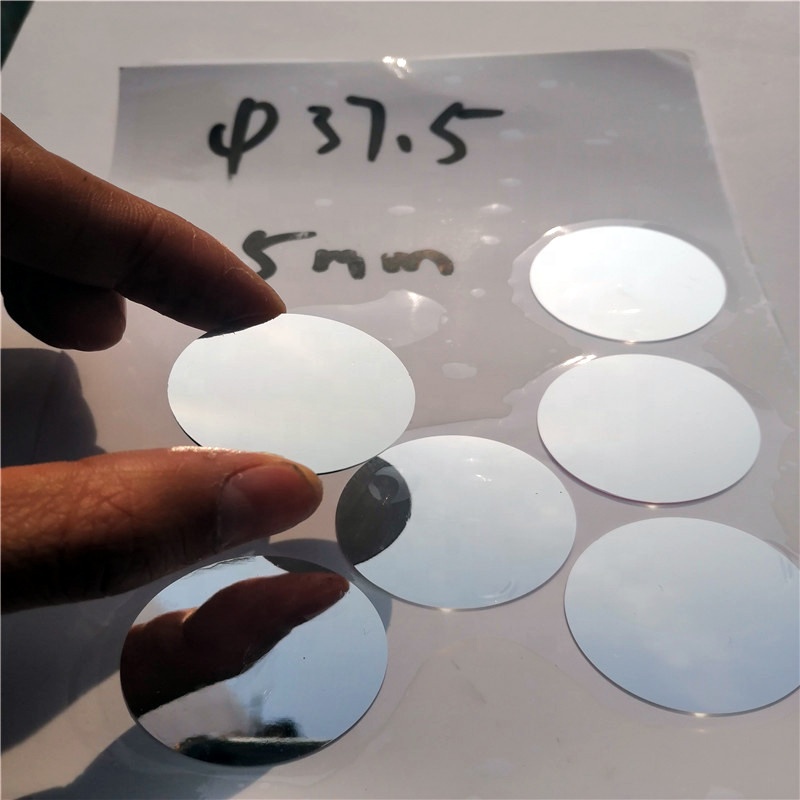
OEM Custom Heat Resistant Gobo Glass Lens
Heat-tolerant optical lens blanks for lighting, projection and optical assemblies where temperature cycling can affect standard glass performance.

Custom Chemically ultra Thin Clear Transparent Tempered Glass Sheet
Chemically strengthened ultra-thin glass for compact camera modules, sensor protection and space-constrained imaging devices.
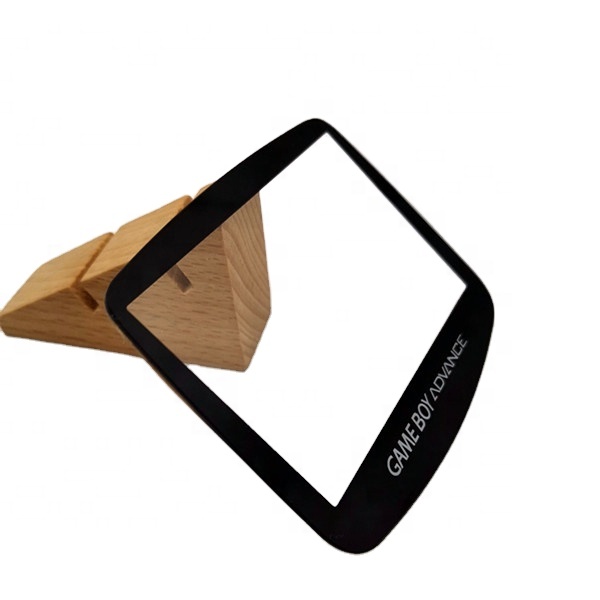
0.5mm 0.7mm 1mm 2mm 3mm Thickness China Suppliers Good Price Oem Wholesale Premium Tempered Printing Custom Gorilla Glass Screen
Printed OEM cover glass for device windows, optical apertures and display protection where wholesalers need repeatable quality across multiple programs.
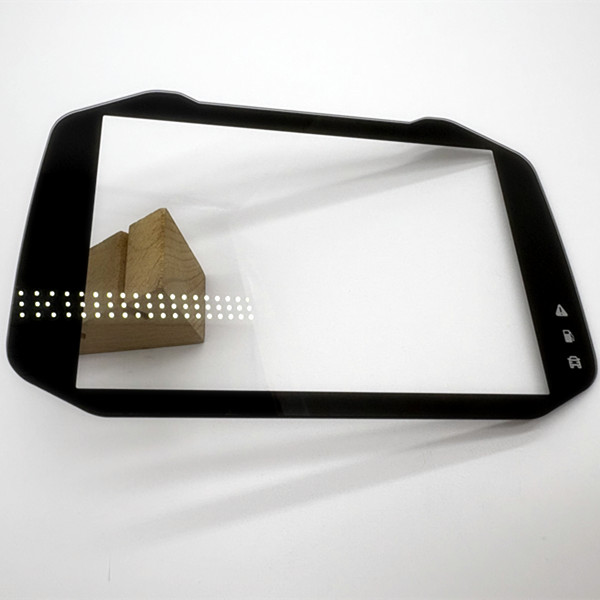
Custom Shape High Transmittance Ultra Clear Tempered Glass Panel With Anti-reflective Coating on Two Sides
High-transmission AR glass for glare control, ghosting reduction, lens protection, camera windows and instrument viewing ports.

Custom Shaped Tempered Glass Processing, High Transparency Window Panels with Screen Printing
Custom apertures, bezels and optical windows with CNC shaping and screen printing for camera modules and sensing equipment.
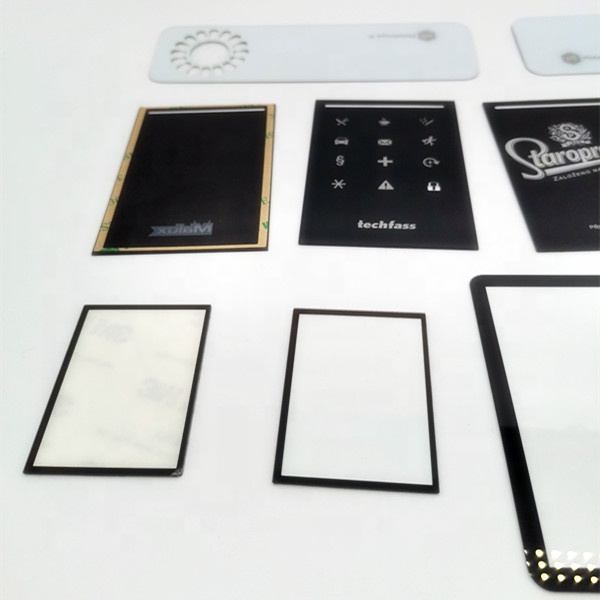
Custom Corning Gorilla Tempered Glass Silk Screen Printing for Touch Screen
Scratch-resistant printed cover glass for touch displays, HMI panels and camera-system control interfaces.
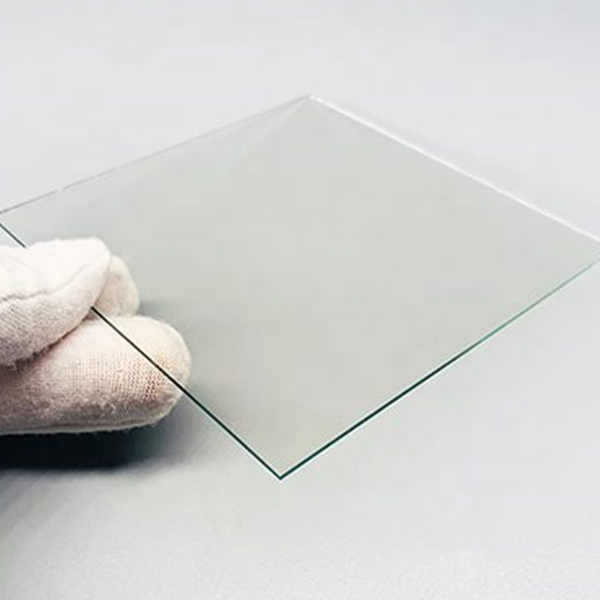
Ito Conducting Glass, Ito Coated Glass, Ito Glass
Transparent conductive glass for EMI shielding windows, electrode research and optoelectronic assemblies requiring ITO-coated surfaces.
Need a camera optical filter substrate, AR window, ITO glass or printed cover glass matched to a Kawasaki OEM drawing? Send the drawing and annual volume for a factory review.
Send an InquiryWhy Kawasaki Buyers Search for a China Wholesale Camera Optical Filter Factory
Kawasaki and the wider Kanagawa–Tokyo industrial corridor support precision equipment, robotics, automotive electronics, medical devices and advanced imaging. In that environment, glass is not a commodity purchase; it is a drawing-controlled component with optical, mechanical and packaging requirements.
A wholesaler serving the Kawasaki market cannot evaluate a camera optical filter supplier on price alone. The purchasing decision usually starts with a drawing, then an optical requirement, then a reliability question: will the cover window survive cleaning, will the AR coating reduce ghosting, will the printed aperture stay within tolerance after strengthening, and will export packing prevent edge chips during international transit? Those questions are best answered with process control, sample validation and export experience.
Fevry Glass Co., Ltd., based in Xinyu, Jiangxi, China, is a specialty glass supplier focused on custom tempered, AR-coated, silk-screen printed, borosilicate, Corning Eagle XG, glass wafer and optical filter glass processed to customer drawings. Its experience with optical, biological, semiconductor, communications, lighting and electronics customers is directly relevant to camera optical filter supply because the same disciplines repeat: clean cutting, edge quality, strengthening after machining, coating-side control, print registration, dimensional inspection and protective packing.
For Kawasaki wholesalers and their OEM customers, the practical information gain is simple: do not ask only for a material name. Specify the optical function, the surface that faces the sensor, the coating side, the edge finish, the print tolerance, the cleaning exposure, the handling environment and the annual volume. That data lets a factory recommend the most economical substrate and avoid over-specifying a coating or thickness that adds cost without improving image quality.
Kawasaki Inquiry Checklist
- 2D drawing in DWG, DXF or PDF
- Glass material, thickness and tolerance
- AR, ITO or filter coating side(s)
- Printed border, aperture or Pantone reference
- Edge finish, hole and notch positions
- Application, annual quantity and sample plan
- Packaging label and Kawasaki delivery requirements
Recommended Glass Formats by Camera-Filter Function
Choose the glass format by function first, then confirm coating, thickness and tolerance. This prevents costly over-specification and keeps Kawasaki wholesale programs repeatable.
Double-Sided AR Camera Windows
Best when glare, ghosting and transmission loss are the main issues. Double-sided AR ultra-clear glass suits camera viewing windows, sensor protection plates and optical instrument ports.
View matching glass formatUltra-Thin Protective Covers
Use chemically strengthened ultra-thin glass when a Kawasaki device needs low weight, thin stack height and scratch resistance without compromising optical clarity.
View ultra-thin glassPrinted Apertures and Bezels
Screen-printed tempered glass creates crisp apertures, logos, borders and IR-transparent ink windows while keeping the part durable for HMI and camera-system control panels.
View printed window panelsITO and EMI-Control Windows
ITO conducting glass is recommended for transparent conductive windows, electrode research and optoelectronic assemblies where EMI shielding or conductive surfaces are required.
View ITO conducting glassWhere Camera Optical Filter Glass Is Used in and around Kawasaki
Kawasaki buyers often source for multiple industries at once. A single wholesale relationship may need optical windows for a robotics integrator, thin covers for a medical device team and printed HMI glass for an electronics OEM.
Machine Vision and Robotics
Camera windows and AR cover plates for inspection robots, automated optical inspection systems and factory automation around Kawasaki’s precision manufacturing base.
Automotive and ADAS Electronics
Thin strengthened glass and AR windows for dashboard cameras, sensor covers and in-vehicle display modules requiring durability and optical clarity.
Medical Imaging and Analyzers
Dimensionally stable optical substrates and corrosion-resistant glass for analyzer filters, microscopy lighting and medical device viewing windows.
Security and Smart-City Cameras
Outdoor camera windows must resist humidity, cleaning and temperature change. AR-coated and tempered glass helps maintain image contrast in exposed installations.
Optical Communication and Sensing
Glass wafers, PLC substrates and precision cut components support optical communications, sensing modules and photonic packaging in the Kanagawa technology corridor.
HMI and Display Cover Glass
Printed, tempered and AR-coated cover glass for control panels, touch interfaces and display windows used by Kawasaki equipment makers and system integrators.
Local Procurement Trends Kawasaki Wholesalers Should Plan For
Across Kawasaki and the wider Kanagawa industrial corridor, sourcing teams are consolidating suppliers while asking for more documentation, smaller stack heights and better optical performance. The priorities below are a qualitative procurement index for planning discussions, not a market forecast.
Miniaturization Without Clarity Loss
Camera modules and sensor windows continue to shrink. Buyers need ultra-thin chemically strengthened glass and tightly controlled edge quality without haze or distortion.
AR Clarity and Glare Control
Higher-resolution imaging makes reflections and ghosting more visible. Double-sided AR glass and coating-side control are increasingly requested for camera windows.
Traceability and Documentation
Kawasaki OEMs and their distributors expect drawing-based confirmation, batch consistency, inspection records and clear packaging labels before release.
High-Mix, Low-Volume Sourcing
Wholesalers increasingly manage several small programs at once. Flexible MOQs, samples and export packing that protects mixed glass sizes become part of the value proposition.
Bars show a qualitative procurement-priority index based on custom glass inquiry patterns. Final specifications must always be confirmed against your drawing and approved sample.
Material and Coating Options for Camera Optical Filter Projects
Use this matrix for preliminary selection, then confirm thickness, coating stack, tolerance and quality criteria with engineering. Camera filter assemblies may include separate IR-cut, bandpass or dichroic components; those coating specifications should be discussed project by project.
| Glass / Coating Format | Typical Thickness | Optical or Mechanical Role | Kawasaki Buyer Fit |
|---|---|---|---|
| Double-sided AR ultra-clear glass | 0.5–4 mm | Glare reduction, high transmission, ghosting control | Camera windows, viewing ports, display cover plates |
| Chemically strengthened ultra-thin glass | 0.15–2 mm | Scratch resistance with low weight and compact stack height | Compact camera modules, sensor protection, portable imaging devices |
| ITO conducting glass | To drawing | Transparent conductivity, EMI-control window, electrode surface | Optoelectronic assemblies, shielding windows, conductive research parts |
| Borosilicate 3.3 | 0.3–3.3 mm | Low thermal expansion and heat resistance | Heat-exposed optical windows, lighting optics and gobo blanks |
| Corning Eagle XG | 0.5–1.1 mm | Alkali-free, flat and dimensionally stable substrate | Biochips, analyzer filters, PLC substrates and micro-optics |
| Gorilla or alkali-aluminosilicate glass | 0.4–2 mm | Scratch resistance and touch durability | Printed HMI covers, device windows and protective display glass |
Values are typical industry figures for preliminary selection. Final specifications are confirmed against the manufacturer datasheet, coating design and your 2D drawing.
Why Fevry Glass Is a Practical Factory Partner for Kawasaki Wholesalers
Fevry Glass Co., Ltd. supports buyers who need a single accountable supplier for cutting, strengthening, coating, printing, inspection and export packing. The goal is fewer hand-offs, tighter tolerances and clearer communication between a Kawasaki distributor and the production line.
Traceable Raw Glass Sourcing
Raw glass is sourced from Corning, AGC and other multinational producers, with close work alongside established Chinese optical-glass makers such as Chengdu Guangming and Xinhuguang.
Laser, CNC and Ultrasonic Machining
Custom outlines, holes, notches and slots are processed with laser, ultrasonic, CNC carving, grinding and inspection equipment imported from the USA, Germany and Japan.
Thermal and Chemical Strengthening
Thermal tempering is used for thicker panels; ion-exchange chemical strengthening improves surface strength for 0.15–2 mm thin cover glass while keeping the sheet flat and optically clean.
AR, Dichroic and Optical Coatings
Anti-reflective coating can be applied on one or both sides, with dichroic and optical filter options considered alongside dimensional and optical inspection before packing.
Silk-Screen Printing and Back Painting
Pantone-matched borders, logos, icon windows and back-painted areas support camera apertures, HMI panels, LED cover glass and branded equipment windows.
Export Experience and Responsive Service
Fevry exports to Western Europe, the United States, Japan, South Korea, Taiwan, Hong Kong and Southeast Asia, with 10+ years as an Alibaba.com member, a 5.0/5 buyer rating and a 100% inquiry response rate.

Precision glass processing workshop in Xinyu, Jiangxi

Imported cutting, grinding and machining equipment

Dimensional inspection and export packing control
“Quality is superior, service is supreme, reputation is first.”
Fevry Glass operating principle · “Your success, our glory”A Five-Step Path from Kawasaki Inquiry to Production
Designed for procurement teams that need predictable communication, sample validation and export-ready packing before mass production.
Share Your Drawing
Send dimensions, tolerances, material, thickness, coating, printing and annual volume by inquiry or email.
Engineering Review
We confirm manufacturability and recommend substrate, thickness, strengthening method and processing route.
Sample Approval
Samples validate fit, color matching, edge quality and optical performance before mass production.
Mass Production
Production runs with in-line dimensional checks, visual inspection and process accountability.
Export Packing
Interleaved, cushioned and labeled packing designed for fragile thin glass shipped internationally.
Common Procurement Questions from Kawasaki Wholesalers
These are the questions engineers and sourcing managers most often ask when evaluating a China camera optical filter factory for Kawasaki distribution.
Are you a factory or trading company for Kawasaki optical filter buyers?
Fevry Glass Co., Ltd. is a specialty glass company based in Xinyu, Jiangxi, China, focused on custom glass processed to customer drawings. We support optical, biological, semiconductor, communications, lighting and electronics customers and export to Japan, Western Europe, the United States, South Korea, Taiwan, Hong Kong and Southeast Asia. Kawasaki wholesalers can review our supplier assessment, trade capacity, transaction level, buyer reviews and company profile before committing to a program.
What is the minimum order quantity for camera optical filter glass and custom cover windows?
Most custom cover glass and AR glass items start from around 300 to 500 pieces. Custom-cut Corning Eagle XG parts can start from 1,000 pieces, and selected gobo glass blanks can start from 10 pieces. MOQ depends on size, material, coating, printing and yield, so the final quantity should be confirmed after drawing review. Samples can be arranged to validate fit and optical performance before mass production.
Can you support custom drawings and high-mix orders for Kawasaki distributors?
Yes. Send a 2D drawing in DWG, DXF or PDF with outline dimensions, tolerances, thickness, material, edge finish, hole and notch positions, strengthening method, print colors, AR coating sides, application and annual quantity. Engineering review can then recommend the most suitable substrate and process. High-mix programs are managed by keeping drawing revisions, print references and packaging labels clear before production.
How should we specify AR coating for a camera window?
Specify which side or sides require AR coating, the target transmission or reflection, the wavelength range, the incidence angle, cleaning and abrasion expectations, and any environmental testing requirement. For camera windows, the surface facing the sensor and the surface exposed to handling may need different treatment. Final coating design must be confirmed against the optical stack, substrate and sample approval.
What about ITO, IR-cut, bandpass or dichroic filter requirements?
ITO conducting glass, dichroic glass and optical filter glass are within the product scope. For IR-cut or bandpass requirements, share the target wavelength, blocking range, incidence angle, substrate preference and durability requirement so the coating route can be confirmed. Some camera filter assemblies combine multiple components; the glass substrate, printed aperture and coating specification should be reviewed together rather than treated as separate purchases.
How do you prevent scratches, chips and contamination during export to Kawasaki?
Thin glass is interleaved, cushioned and packed for fragile international shipping. Labels can identify part number, drawing revision, quantity and batch information. For optical parts, surface protection and clean packing are agreed before production. Kawasaki buyers should state whether they need individual protective film, clean-room handling, moisture protection or special carton labeling.
What is the typical response and sample process?
Fevry reports an average response time of ≤4 hours and a 100% inquiry response rate. A typical path is drawing review, engineering feedback, sample arrangement, sample approval and then mass production. Lead time depends on material availability, coating, printing, strengthening and quantity; it should be confirmed after the specification is frozen and the sample is approved.
What information should we send to get a fast quotation?
Send the 2D drawing, material and thickness, tolerance and edge finish, strengthening method, AR or ITO coating side, print colors with Pantone references, application, annual quantity, sample quantity and packaging requirements. If the part is for a camera optical filter assembly, include the optical function and the surface that faces the sensor. Complete information helps our engineers respond with a firm recommendation in one round.
Send a Drawing. Confirm the Glass. Move to Sample.
For Kawasaki distributors and OEM buyers sourcing camera optical filter glass, AR windows, ultra-thin covers, printed HMI glass or ITO-coated substrates, send your drawing and annual volume for a factory review. Our engineers commonly reply within 4 hours.
Send an Inquiry