Custom Glass Products Recommended for Cologne Buyers
These eight product families cover the most common Cologne-market requests: anti-glare and AR-coated display glass, black printed touch panels, tempered Gorilla cover glass, low-iron tempered glass, OLED cover glass, decorative gobo glass and automotive dashboard trim glass.
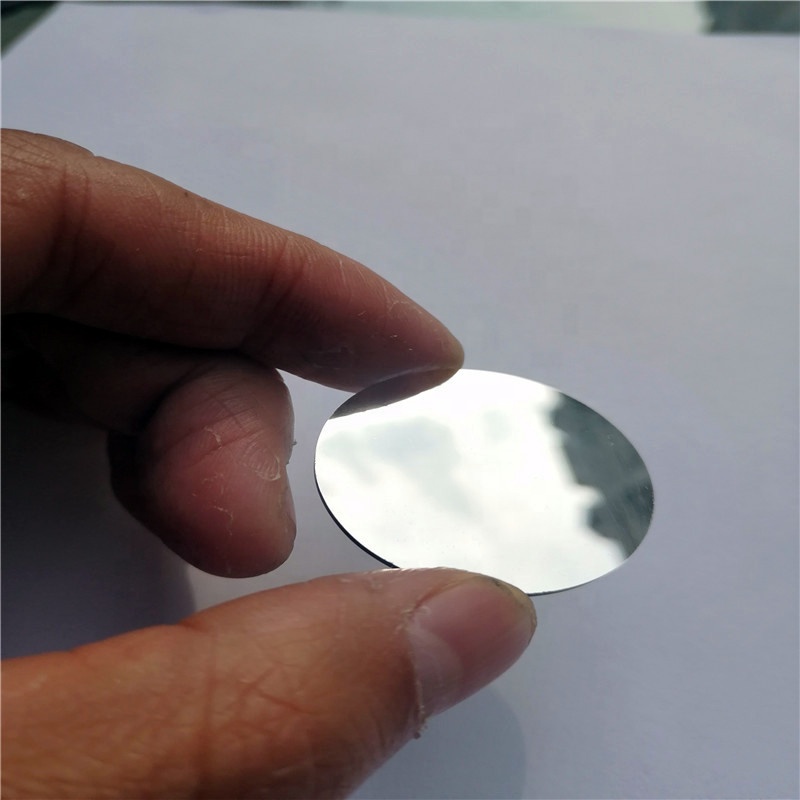
Gobo Glass/dichroic Mirror Lighting Filters Glass Lens
For stage, studio and architectural lighting where heat resistance and controlled color separation matter. A strong fit for Cologne event venues, rental houses and lighting designers.
View product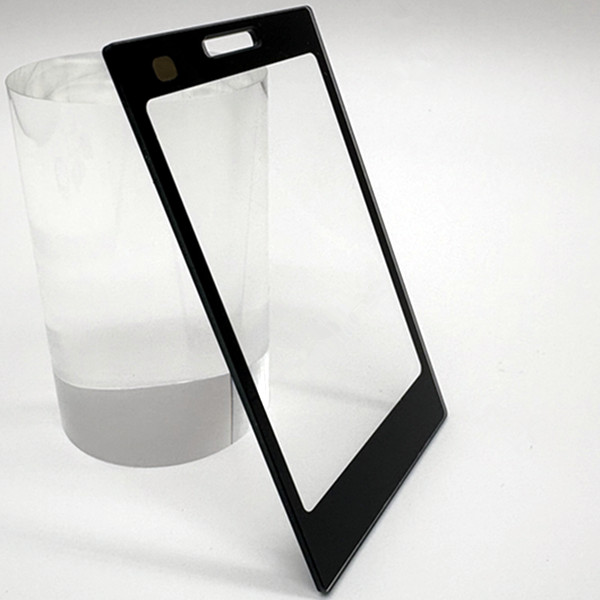
Factory Customized Black Glass Panel Silk Screen for Display Touch Electronic Glass
Black printed glass for touch displays, appliance HMI and building controls. The printed area hides wiring and creates a clean optical window for smart-home and HVAC interfaces.
View product
Customized Tempered Anti-Reflective Glass AR Coated Tempered Glass
A tempered AR substrate for showroom displays, instrument covers and outdoor signage where reflection under bright track lighting is the main user complaint.
View product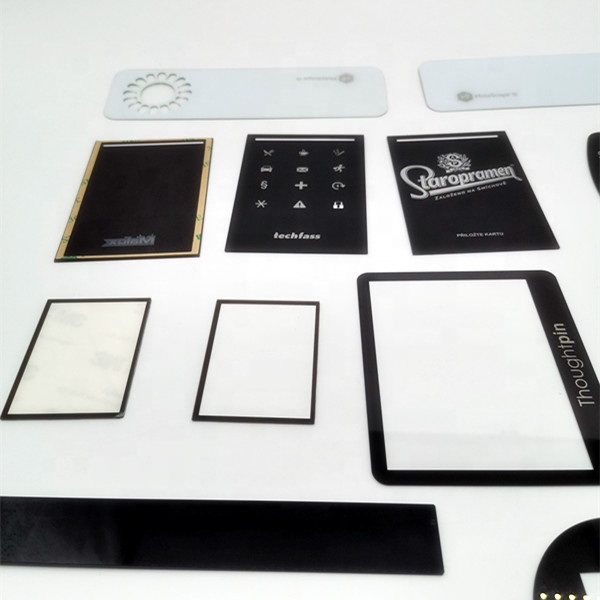
Custom Display Screen Silk Screen Printing Tempered Gorilla Glass
Printed Gorilla glass with tempered strength for interactive kiosks, medical monitors and premium display assemblies. Suitable for Cologne trade-fair and retail display projects.
View product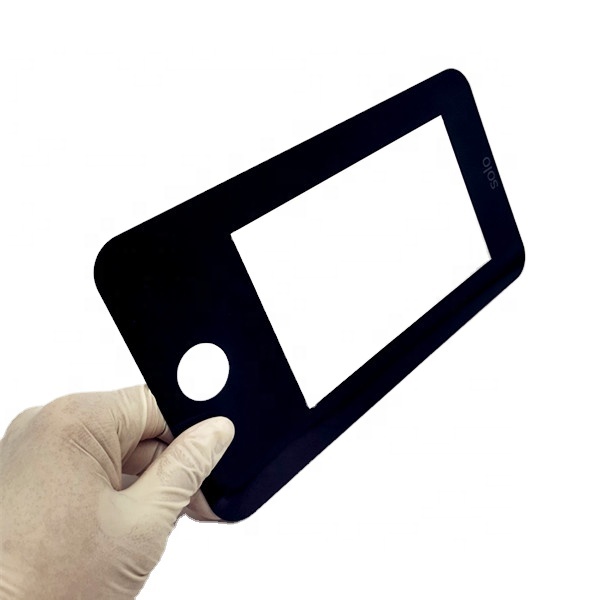
Manufacturer Oem Wholesale Custom Unbreakable Tempered Glass,high Quality Tempered Glass,low Iron Tempered Glass Manufacturer
Low-iron tempered glass for clear protective windows and design-led panels. Confirm impact, edge and strength specifications against your drawing and end-use requirements.
View product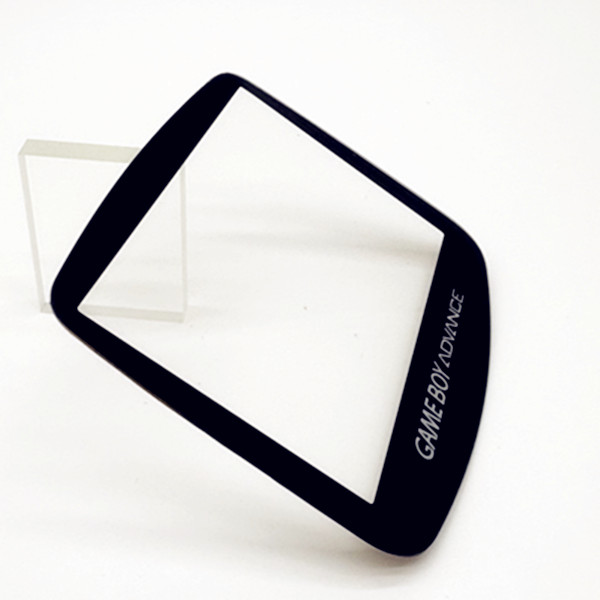
Custom Premium Gorilla Tempered Silk Screen Printed Glass Touch Screen Printed Glass Panels Cover Glass for OLED Screen
Premium OLED cover glass with silk-printed graphics for high-end electronics and brand launches. Well aligned with Cologne design-focused product teams and premium consumer devices.
View product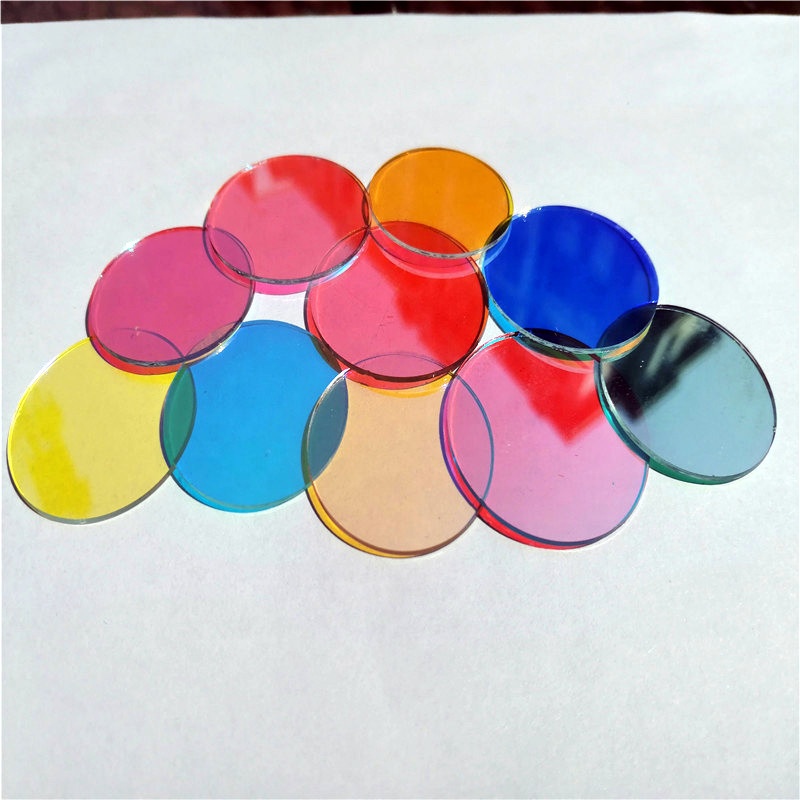
Customize logo Color Glass Gobo Glass
Custom color logo gobo glass for branded projections, retail theatre and corporate events. Ideal for small-batch creative campaigns and Cologne event production companies.
View product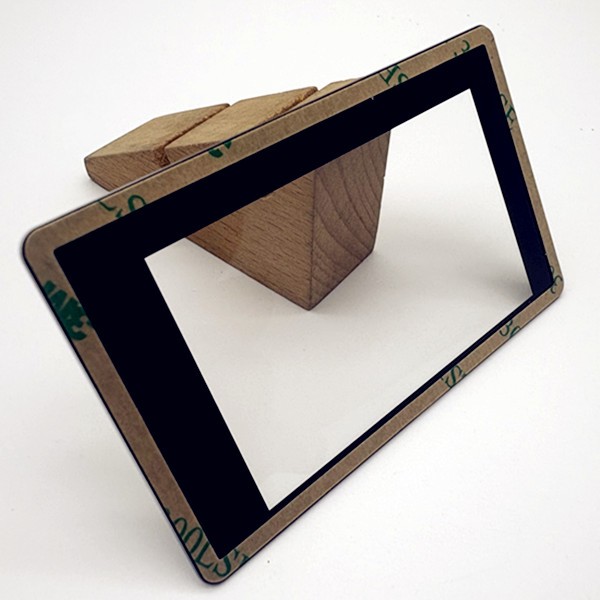
Custom Tempered Glass Dashboard Trim Panel Flat Electronic Glass Screen Protector
Dashboard trim panel glass for cockpit displays and electronic screen protection. Specify print, anti-glare treatment and dimensional tolerances before tooling and sampling.
View productWhat “AG Coated Glass” Means for Cologne Display, Lighting and Automotive Buyers
AG and AR are related but not interchangeable. A clear technical brief prevents costly sample loops and keeps optical expectations aligned between design, engineering and purchasing.
AG: Anti-Glare, Reflection Control
Anti-glare (AG) treatment usually modifies the glass surface or coating to scatter specular reflections. The visual goal is comfort: less mirror-like glare, softer highlights and better legibility under Cologne showroom spotlights, retail ceilings and daylight-facing windows.
AR: Anti-Reflective, Transmission Gain
Anti-reflective (AR) coating uses optical interference layers to reduce surface reflection and increase useful transmission. It is commonly specified for instrument covers, optical windows, high-clarity displays and sensor-protection glass.
Printed Glass: Hidden Wiring, Sharp Branding
Silk-screen printed glass is frequently paired with AG or AR viewing areas. Black borders can hide adhesives, busbars and sealant lines, while Pantone-matched graphics give HVAC controls, appliance panels and automotive HMI a premium “black when off, clear when on” appearance.
For a Cologne-market project, define the viewing environment before choosing a substrate. A trade-fair kiosk under high-CRI track lighting may need a different surface treatment from an outdoor wayfinding panel exposed to Rhine weather, or a dashboard cover tested inside an automotive cabin. The strongest brief includes thickness, glass material, transmission or haze target, print color reference, AR coating side, edge finish, tolerance and annual volume. That information lets a manufacturer recommend a practical process route rather than a generic sheet.
Where Custom AG / AR Coated Glass Performs in Cologne and the Rhine-Ruhr Market
Cologne is a design-led, trade-fair and logistics gateway into North Rhine-Westphalia. The local demand pattern rewards suppliers who can combine optical clarity, durable strengthening, decorative printing and export-ready documentation.
Trade Fair & Retail Displays
Koelnmesse events, showrooms and flagship stores need glare-controlled glass that keeps products readable under intense lighting. AR-coated or printed cover glass can improve clarity while hiding mounting details.
Automotive Cockpit HMI
NRW’s automotive supplier network requires dimensionally stable dashboard trim panels, printed borders and scratch-resistant display covers. Early drawings and sample approval reduce risk in cockpit integration.
Smart Buildings & HVAC
Energy-efficient building controls, conference-room panels and access interfaces benefit from black printed glass, anti-glare surfaces and durable tempered or chemically strengthened substrates.
Event, Stage & Lighting Design
Cologne’s cultural calendar, clubs, theatres and rental companies use gobo and dichroic glass. Heat-resistant blanks and custom logo gobos support branded projections and color-tuned lighting.
Life Science & Instruments
Rhine-Ruhr research and analyzer manufacturers often require flat, low-expansion substrates for optical windows, biochip carriers and measurement devices. Borosilicate 3.3 and Eagle XG are typical discussion points.
Industrial HMI & Kiosks
Warehouse controls, logistics terminals and outdoor self-service kiosks need low-iron tempered protection, clear anti-glare viewing areas and printed graphics that survive heavy daily use.
Trends Shaping AG / AR Glass Procurement in Cologne
The Cologne buying environment is influenced by European compliance expectations, energy-efficient buildings, premium automotive interfaces, experience-driven retail and a strong events and culture economy.
1. Glare-Controlled Digital Interfaces
Touch displays are appearing in more public, retail and building environments. Buyers increasingly ask for AG or AR treatment, printed black borders and fingerprint-conscious surfaces rather than accepting a mirror-like standard glass panel.
2. Documentation Before Differentiation
European procurement teams compare suppliers on traceability, material declarations, inspection reports and packaging data as well as price. A clear drawing-to-inspection workflow can reduce approval time in Cologne.
3. Automotive HMI Integration
Cockpit displays and decorative trim are becoming larger and more integrated. Dashboard glass must balance print precision, anti-glare performance, optical clarity and dimensional stability during assembly.
4. Experience Economy & Event Lighting
Cologne’s events, retail theatre and lighting rental market supports custom gobo glass, dichroic filters and small-batch branded projections. Fast sample validation matters more than generic stock sizes.
This is where semantic search intent becomes practical: a buyer searching for “AG coated glass supplier Cologne” may actually need a project partner who understands anti-glare evaluation, AR coating sides, printed cover glass, tempered glass durability and EU-bound export packing. A supplier that explains these decision points provides information gain and is easier to trust during supplier comparison.
Material & Process Comparison for Cologne Glass Projects
Use this table for early-stage selection, then confirm final properties with the relevant glass datasheet, coating specification and approved sample.
| Material / Process | Typical Thickness | Primary Value | Best Cologne Use Case | Buyer Note |
|---|---|---|---|---|
| AR-coated tempered glass | 0.5–4 mm | Reduce reflection and increase useful transmission | Showroom displays, optical covers, high-clarity kiosks | Specify AR side, reflection target, color neutrality and tempered condition. |
| Black silk-screen printed glass | 0.5–4 mm | Hide edges, busbars and wiring; create brand graphics | HVAC controls, smart-home panels, appliance HMI | Provide Pantone references, print registration and any IR-transparent window. |
| Gorilla / chemically strengthened glass | 0.4–2 mm | Scratch resistance with clean optical finish | Premium touch displays, OLED covers, medical monitors | All cutting and machining must be finished before strengthening. |
| Low-iron tempered glass | 0.5–4 mm | Clear appearance and mechanical protection | Protective windows, design-led panels, industrial HMI | Confirm edge quality, safety standard fit, print and outdoor exposure. |
| Borosilicate 3.3 | 0.3–3.3 mm | Low thermal expansion and thermal shock resistance | Lighting covers, laboratory windows, gobo blanks | CTE is approximately 3.3 × 10⁻⁶/K; verify chemical and thermal requirements. |
| Corning Eagle XG | 0.5–1.1 mm | Low expansion, flatness and dimensional stability | Biochips, analyzer filters, PLC and micro-optical parts | Plan for tighter handling and typically higher project volumes. |
Values above are typical project-selection figures, not a substitute for the final material datasheet. For Cologne-bound projects, confirm the applicable compliance documentation, drawing tolerances and packaging requirements before purchase order release.



Why Fevry Glass Supports Cologne Buyers from Drawing to Export Packing
Fevry Glass Co., Ltd. is a specialty glass supplier based in Xinyu, Jiangxi, China. Its work covers optical, biological, semiconductor, communications, lighting and electronics applications. For a Cologne buyer, the practical advantage is not simply a glass sheet — it is a controlled path from material selection to finished, export-ready parts.
The company works with raw glass from Corning, AGC and established Chinese optical-glass makers such as Chengdu Guangming and Xinhuguang, and processes materials on laser, ultrasonic, CNC carving, grinding, strengthening, coating, printing and inspection equipment sourced from the USA, Germany and Japan. This supports projects involving Eagle XG, borosilicate 3.3, glass wafers, optical filters, ultra-thin chemically strengthened glass, gobo glass and tempered display covers.
- Eagle XG, borosilicate and transparent ceramic glass
- Semiconductor wafers and biochip glass
- PLC substrates and optical V-groove glass
- Gobo, dichroic and stage-lighting color lenses
- LED filament and optical coating glass
- 0.15 / 0.2 mm ultra-thin protector glass
Material Traceability
Raw glass sourcing from recognized producers helps engineers start from consistent, traceable material rather than unknown stock.
Single-Source Processing
Cutting, CNC shaping, ultrasonic machining, edge grinding, strengthening, coating, printing and inspection can be coordinated as one workflow.
Optical & Thin-Glass Focus
Specialty substrates include Eagle XG, borosilicate 3.3, glass wafers, optical filters and ultra-thin chemically strengthened glass.
Western Europe Export Experience
Fevry Glass exports to Western Europe, the USA, Japan, South Korea, Taiwan, Hong Kong and Southeast Asia, with export packing for fragile thin glass.
Responsive Buyer Support
Public supplier profile metrics include ≤4-hour average response time, 100% inquiry response rate, 10+ years as an Alibaba.com member and a 5.0/5 buyer rating.
Quality Culture
The stated principle is “Quality is superior, service is supreme, reputation is first,” with the motto “Your success, our glory.”
Supplier Verification Signals Cologne Buyers Can Review
Before committing a project, procurement teams can inspect public supplier records on Alibaba.com. These independently visible signals support E-E-A-T evaluation alongside engineering documents and sample performance.
A Clear Five-Step Path from Drawing to Cologne Delivery
For B2B buyers, good glass supply is a communication process. Each step is designed to expose fit, optical, print and packing risks before mass production.
Share the Drawing
Send DWG, DXF or PDF drawings with dimensions, tolerances, thickness, material, edge finish, holes, print colors and annual volume.
Engineering Review
The supplier reviews manufacturability and recommends substrate, strengthening, coating side, print route and inspection points.
Sample Approval
Physical samples validate light transmission, haze, color, print alignment, edge quality and fit before tooling is committed.
Production & Checks
Processing is controlled with dimensional and visual quality checks, including size, thickness, flatness and coating or print appearance.
Export Packing
Interleaved and cushioned packing is prepared for fragile thin glass, with shipment details coordinated for the Cologne destination.
Local Procurement Questions for AG / AR Coated Glass
Clear answers help engineers and purchasing managers move from initial search to a quotation-ready brief.
Fast Evaluation Checklist
- 2D drawing in DWG, DXF or PDF
- Glass material and thickness
- Tolerances and edge finish
- Strengthening method
- Print colors and AR coating sides
- Application and annual quantity
- Destination postcode and packing needs
What is AG coated glass, and is it the same as AR coated glass?
No. AG generally refers to anti-glare treatment that reduces harsh reflected images by scattering light at the surface. AR generally refers to an anti-reflective optical coating that lowers surface reflection and can increase transmission. Some display projects combine a glare-reducing surface with printed black borders, while optical instrument projects may prioritize AR coating. The final choice should be validated with a sample under the same lighting conditions as the Cologne installation.
Can Fevry Glass ship custom glass to Cologne and across North Rhine-Westphalia?
Fevry Glass exports to Western Europe, including Germany, and serves buyers in Western Europe, the United States, Japan, South Korea, Taiwan, Hong Kong and Southeast Asia. For Cologne delivery, the practical quotation should include destination postcode, order volume, Incoterm preference and whether the shipment is a sample, a pilot order or a mass-production release.
Which product is best for a Cologne trade-fair or showroom display?
Start with the lighting environment. Under strong track lighting, an AR-coated tempered glass or a black silk-screen printed display panel can improve perceived clarity and hide mounting details. If the display is handled frequently, specify a strengthened substrate such as tempered or chemically strengthened glass. For brand graphics, provide Pantone references and confirm print registration on an approved sample.
Can you supply samples for automotive dashboard or OLED cover glass projects?
Samples can be arranged to validate fit and optical performance before mass production, subject to drawing review and project requirements. For automotive or OLED cover glass, the sample brief should include thickness, outline dimensions, corner radii, edge finish, print colors, coating side, flatness requirement and the intended assembly method.
What documentation should a Cologne procurement team request?
Depending on the application, request the material datasheet, dimensional inspection report, coating specification, print color reference, approved sample record and packing specification. For European-bound projects, discuss RoHS/REACH declarations and other applicable compliance documents per order. Final compliance suitability remains the buyer’s responsibility to verify for the specific end use.
What is the minimum order quantity for these custom glass products?
Most custom cover glass and AR glass items start from roughly 300–500 pieces. Some Eagle XG cut parts may start from 1,000 pieces, while selected gobo glass blanks can be discussed from small quantities such as 10 pieces. MOQ depends on material, size, coating, printing and process yield.
What drawing information is needed for a fast quotation?
Send a 2D drawing in DWG, DXF or PDF with outline dimensions and tolerances, glass material, thickness, edge finish, hole and notch positions, strengthening method, print colors with Pantone references, AR coating side or sides, application and annual quantity. If available, include an assembly image or a photo of the installed environment.
How should outdoor or humid Cologne conditions be considered?
Cologne’s climate includes rain and humidity, but glass performance also depends on the housing design, edge treatment, sealing, coating durability and installation method. For outdoor kiosks, wayfinding or building interfaces, specify the exposure conditions clearly and validate coating, print and edge protection with the final assembly design.
Have a Cologne-Specific Glass Drawing?
Share your dimensions, material, coating, print and annual volume. The supplier can review manufacturability, sample needs and export packing for Germany.
info@fevryglass.comTechnical buying guide for professional buyers. Final specifications, compliance documents and sample approval should be confirmed before order release. Corning®, Gorilla® and Eagle XG® are trademarks of Corning Incorporated, used for material identification only.