China Best Wafer Bonding Suppliers & Exporter in Pattaya
Precision glass wafers, carrier substrates, display cover glass and photonic components — cut, coated, printed, inspected and packed to drawing for Pattaya’s advanced manufacturing supply chain.
Get Catalog8 Precision Glass Products for Wafer Bonding, Displays & Photonics in Pattaya
For Pattaya buyers, the right supplier is not simply a list of stock sheets. It is a partner who can match the glass substrate to the bonded stack, the optical path, the printed HMI window or the stage-lighting thermal load — then repeat that specification shipment after shipment.

Custom 0.3mm 0.5mm 0.7mm Heat Resistant Gobo Glass Blanks for Projector
Heat-resistant blanks for projectors, entertainment venues and high-temperature optical fixtures in Pattaya’s hospitality and event market.
View product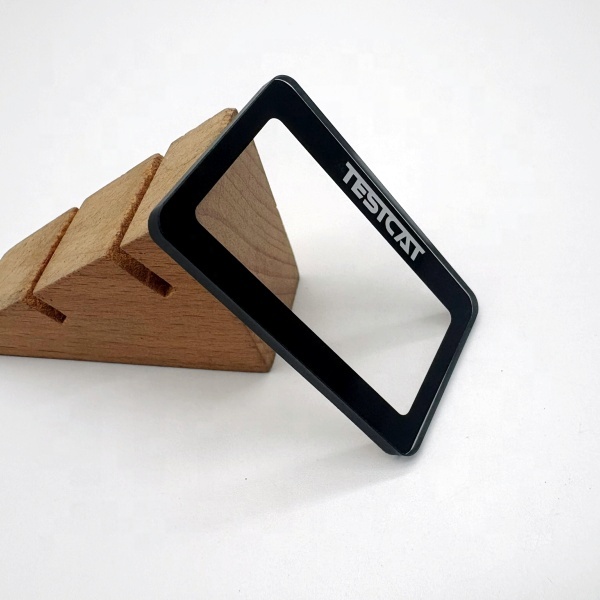
Custom Gorilla Glass Panel Tempered Glass Display Window Silk Screen Printing for LCD Display
A strong fit for smart-hotel controls, appliance windows and EEC electronics HMIs requiring scratch resistance and sharp printed borders.
View product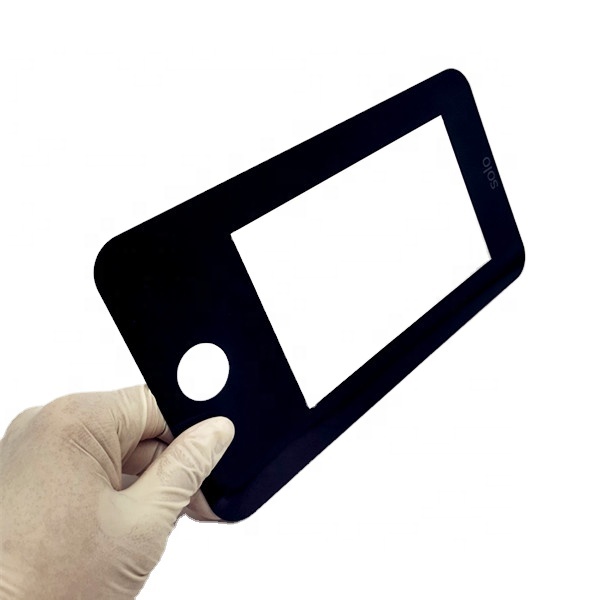
Manufacturer OEM Wholesale Custom Unbreakable Tempered Glass, High Quality Tempered Glass, Low Iron Tempered Glass Manufacturer
Low-iron tempered panels for display clarity, instrument windows, control panels and architectural electronics in Pattaya commercial projects.
View product
Custom Cut 0.5mm 0.7mm 1mm 1.5mm 2mm Clear Toughened Glass Tempered Corning Gorilla Glass
Cut-to-drawing strengthened glass for sensor windows, display covers and compact bonded assemblies where thickness control matters.
View product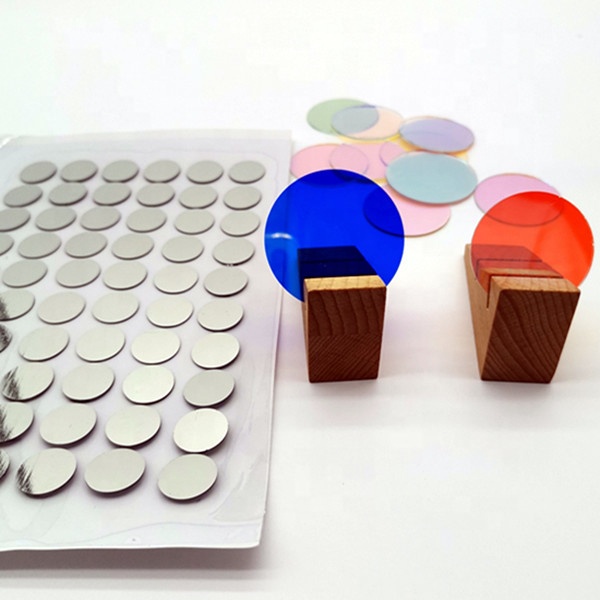
0.2mm 0.3mm 0.4mm 0.5mm 0.7mm 1.0mm 2mm Heat Resistant Gobo Glass Blanks
Thickness options for projector gobos, stage lighting and laser-cut optical patterns used in Pattaya entertainment and event production.
View product
Custom Chemically ultra Thin Clear Transparent Tempered Glass Sheet
Ion-exchange strengthened thin glass for compact sensor stacks, carrier concepts and lightweight protective windows in EEC devices.
View product
0.3mm ~ 2mm Dichroic Glass Mirror for Gobos
Dichroic mirrors for color separation, reflective lighting effects and optical filters in high-impact venue productions.
View product
Custom Shaped Tempered Glass Processing, High Transparency Window Panels with Screen Printing
Shaped, printed and high-transparency windows for medical instruments, smart controls, displays and premium commercial interiors.
View productWhat Pattaya Buyers Really Need from a Wafer Bonding Glass Supplier
Pattaya is no longer only a hospitality destination. It sits within Thailand’s Eastern Economic Corridor, close to Chonburi and Rayong manufacturing clusters, and within practical reach of Laem Chabang port and Suvarnabhumi Airport. Buyers searching for China best wafer bonding suppliers & exporter in Pattaya are usually evaluating four things at once: the glass substrate, the bonded-stack compatibility, the custom processing route, and the reliability of export execution.
In a wafer bonding project, glass may serve as a carrier, a cap, a biological chip substrate, an optical window or a dimensional reference. That means the purchase is rarely a simple stock-item decision. A substrate that is perfect for a display cover may be wrong for a high-thermal-budget fusion process; a low-expansion borosilicate that performs in a lighting fixture may not provide the alkali-free surface chemistry wanted near sensitive microelectronics.
Fevry Glass Co., Ltd. approaches this as an engineering supply problem. We source traceable raw glass from Corning, AGC and established Chinese optical-glass makers, then process it using laser, ultrasonic, CNC carving, grinding, coating, printing and inspection equipment. For Pattaya buyers, this supports a practical route from a 2D drawing to a packed export carton — without handing the project across multiple unconnected suppliers.
- Wafer-bonding-adjacent glass: Eagle XG, borosilicate 3.3, ultra-thin strengthened glass and custom-cut carriers.
- Display and HMI glass: low-iron tempered panels, Gorilla glass, AR-coated windows and silk-screen printed cover glass.
- Lighting and photonics: gobo blanks, dichroic mirrors, heat-resistant windows and optical filter glass.

Precision processing, optical inspection and export-ready packing support custom glass programs for Pattaya and the EEC.
Pattaya & EEC Application Scenarios for Custom Bonding Glass
Local demand is shaped by Pattaya’s hospitality technology, the Eastern Economic Corridor’s electronics base, medical and wellness devices, optics, and a dense entertainment-lighting ecosystem. These are not abstract use cases — they change the thickness, coating, print and packing requirements.
Smart Hospitality & Display Integration
Hotels, serviced apartments and retail venues in Pattaya increasingly use touch panels, digital signage, printed control windows and glare-free displays. AR-coated glass, Gorilla glass and shaped silk-printed panels help integrate these interfaces into premium interiors while protecting LCDs and sensors.
EEC Automotive & EV Electronics
Automotive HMI, dashboard trim, EV charging interfaces and in-cabin displays require stable tempered glass with clean printed borders and reliable optical clarity. Buyers around Chonburi and Rayong can use low-iron tempered panels and custom-cut Gorilla glass to reduce glare and improve perceived quality.
Semiconductor, HDD & Photonics Supply Chain
Glass wafers, PLC substrates, V-groove glass and carrier wafers support photonics and semiconductor packaging. For bonding-related work, the key discussion is not only material grade but also flatness, thickness tolerance, edge quality, cleanliness and how the glass behaves through the thermal process.
Medical, Diagnostic & Wellness Devices
Pattaya’s medical tourism and wellness sector supports demand for diagnostic readers, instrument windows and biochip substrates. Alkali-free Eagle XG and high-transparency borosilicate can be specified with careful edge finishing, AR coating and protective packing for humidity-sensitive transit.
Stage Lighting, Attractions & Nightlife
Projector gobos, dichroic mirrors and heat-resistant glass blanks are central to Pattaya’s live venues, themed attractions and event production. Borosilicate 3.3 and dichroic-coated glass can handle bright light sources and color-mixing requirements when the coating, thickness and mounting are correctly matched.
Optics, Imaging & Instrumentation
Measurement devices, machine vision, inspection equipment and laboratory instruments require flat, clear and dimensionally stable windows. Custom shaped tempered glass, screen-printed apertures and AR-coated windows reduce reflections and protect sensitive optics in industrial environments.
Four Pattaya Supply-Chain Trends Shaping Glass Specification
Procurement teams in Pattaya are moving from “buy a sheet” to “qualify a repeatable material and processing route.” These trends explain why documentation, dimensional consistency and custom finishing now matter as much as unit price.
EEC Manufacturing Depth
As more electronics, automotive and medical programs localize around the Eastern Economic Corridor, buyers need suppliers who understand drawing-based production, not only standard sizes. That increases demand for custom cutouts, edge finishing, printed windows and batch traceability.
EV & Smart Cockpit Upgrades
Automotive HMIs are becoming larger, thinner and more integrated. This pushes requirements toward low-iron tempered glass, anti-reflective surfaces, precisely registered print and reliable adhesion compatibility with optical bonding processes.
Medical & Wellness Device Growth
Diagnostic and wellness businesses in Pattaya increasingly source compact devices for clinics, hotels and homes. Clear instrument windows, biochip substrates and chemically strengthened thin glass need clean packing and repeatable optical quality.
Experience-Driven Lighting
Hospitality and entertainment venues continue to invest in distinctive lighting. Heat-resistant gobo blanks, dichroic mirrors and custom optical filters allow lighting designers to create signature effects while maintaining thermal reliability.
Specify Glass for Wafer Bonding Before You Request a Quote
A supplier can only quote accurately when the drawing and the bonding process are understood together. The table below gives preliminary selection guidance; final acceptance should always be confirmed against the material datasheet, the bonding method and a validated sample.
| Material | Typical Thickness | CTE | Potential Fit | Buyer Check |
|---|---|---|---|---|
| Ultra-clear soda-lime | 0.5 – 4 mm | ≈ 9.0 ×10⁻⁶/K | Cover glass, AR panels, printed windows, display protection | Check iron content, print registration and edge quality |
| Gorilla® alkali-aluminosilicate | 0.4 – 2 mm | ≈ 7.5 – 8.5 ×10⁻⁶/K | Scratch-resistant touch panels, thin display covers, sensor windows | Confirm ion-exchange process and surface compression needs |
| Borosilicate 3.3 | 0.3 – 3.3 mm | ≈ 3.3 ×10⁻⁶/K | Heat-resistant windows, gobo blanks, optical and lab glass | Confirm thermal shock, alkali content and coating compatibility |
| Corning® Eagle XG | 0.5 – 1.1 mm | ≈ 3.2 ×10⁻⁶/K | Biochips, analyzer filters, PLC substrates, alkali-free micro-optics | Evaluate flatness, surface chemistry and bonding method |
| Chemically strengthened thin glass | 0.15 – 2 mm | Base-glass dependent | Ultra-thin protectors, sensor covers, lightweight carrier concepts | Balance strength, warp, flatness and freedom from edge defects |
Typical values are for preliminary engineering discussion only. They are not a substitute for final material certification or application-specific reliability testing. Corning® and Gorilla® are trademarks of Corning Incorporated, used for material identification only.
CTE & Thermal Budget
Match expansion behavior to the adjacent wafer, coating and thermal cycle. A low-CTE borosilicate or Eagle XG may reduce stress, but the bonding method must still be validated.
Flatness, TTV & Edge Profile
For bonded stacks, thickness variation and edge chips can become yield limiters. Define flatness, TTV, surface roughness and edge inspection criteria before sampling.
Coating & Print Compatibility
AR coating, dichroic layers and silk-screen ink must survive the downstream process. Specify coating side, ink reference, cure constraints and handling protection.
Cleanliness & Export Packing
Thin glass shipped to Pattaya must survive humidity, handling and multimodal transport. Interleaved, cushioned packing and clear labeling reduce breakage and mix-ups.
Our guiding principle — “Quality is superior, service is supreme, reputation is first” — is supported by a practical motto: “Your success, our glory.” That is why Fevry Glass asks for the drawing, the application and the annual quantity before recommending a material route.
Why Fevry Glass Fits a Pattaya Procurement File
E-E-A-T for technical glass depends on verifiable process capability, transparent material sourcing and evidence of export reliability. Fevry Glass combines hands-on processing experience with the documentation and response discipline expected by international buyers.
Traceable Raw-Glass Sources
We source raw glass from Corning, AGC and other multinational producers and work closely with established Chinese optical-glass makers such as Chengdu Guangming and Xinhuguang. This helps keep material selection and repeat orders consistent.
One-Stop Custom Processing
Laser cutting, CNC carving, ultrasonic machining, grinding, thermal tempering, chemical strengthening, AR coating, dichroic coating, silk-screen printing, back painting and inspection are coordinated under one roof.
Export-Oriented Communication
10+ years as an Alibaba.com member, an average response time of four hours or less, a 100% inquiry response rate and a 5.0/5 buyer rating reflect a communication process built for overseas procurement teams.
Drawing-Based Engineering Review
Before mass production, our team reviews thickness, tolerances, edge finish, hole positions, coating sides, print colors and strengthening method. We can produce samples so Pattaya buyers can validate fit and optical performance.
Inspection Before Packing
Dimensional checks and visual defect inspection cover size, thickness, flatness, print appearance and coating condition. The goal is to catch issues before fragile glass begins its journey to Laem Chabang or Suvarnabhumi.
Export Experience Across Seven Regions
Besides Chinese customers, Fevry Glass regularly serves buyers in Western Europe, the United States, Japan, South Korea, Taiwan, Hong Kong and Southeast Asia. The same export discipline applies to Pattaya and EEC projects.

Imported cutting, grinding and inspection equipment supports repeatable custom glass production.
From Raw Sheet to Finished Optical Part
Fevry Glass is based in Xinyu, Jiangxi, China. Our technicians process specialty glass on equipment imported from the United States, Germany and Japan, allowing us to support both small validation lots and repeat production volumes for overseas OEM buyers.
For Pattaya projects, the most useful early conversation is practical: what is the glass doing in the assembly, what will touch it during bonding, what optical or printed feature is critical, and what packing method will survive the route? When those answers are clear, material selection and quotations become faster and more accurate.
Get CatalogA 4-Stage Path from Drawing to Pattaya Delivery
Clear hand-offs reduce the risk of a beautiful sample that cannot be repeated. This process keeps engineering, quality and export packing aligned.
Share Drawing & Intent
Send a 2D drawing, material, thickness, tolerance, edge finish, print reference, coating side, application and annual quantity.
Engineering Review
We confirm manufacturability and recommend the substrate, strengthening method, coating route and inspection criteria.
Sample Validation
Samples validate fit, print appearance, optical coating and handling expectations before mass production begins.
Production & Export Packing
In-line checks are followed by interleaved, cushioned packing suitable for international shipment to Thailand.
Common Local Procurement Questions for Wafer Bonding Glass
These answers reflect the questions engineers and sourcing managers most often ask when evaluating a China-based technical glass supplier for Pattaya and the Eastern Economic Corridor.
Can Fevry Glass support wafer bonding programs in Pattaya’s EEC factories?
Yes, for the glass portion of the program. We supply precision glass substrates, carriers, wafers, cover windows and optical components cut, coated, printed and strengthened to drawing. We are not a wafer bonding foundry, so the final bonding process, surface activation, thermal recipe and metrology should be validated between your process engineer and the material datasheet. We can support sample iterations and export documentation.
Which glass should we choose for a bonded stack?
The bonding method drives the choice. Borosilicate 3.3 is often considered for thermal-shock-resistant windows and some anodic-bonding applications where alkali content is acceptable. Alkali-free Corning Eagle XG is attractive when contamination control, flatness and dimensional stability matter for biochips, PLC substrates and micro-fabrication. Low-iron tempered glass is more commonly a display or protective window, while chemically strengthened thin glass is useful for slim covers and carrier concepts. Define the process first, then validate the material.
How are thin glass parts shipped to Pattaya, and what documents are provided?
Shipments can be arranged by air to Suvarnabhumi Airport or by sea through Laem Chabang, depending on volume, fragility and schedule. Typical commercial documents include the commercial invoice, packing list, material declaration and coating or print information where applicable. We can quote FOB, CIF or discuss other terms with your freight forwarder. Final import duty and Thai VAT depend on the HS code and the buyer’s registration status, so your broker should confirm the landed-cost treatment.
What are the usual MOQs and sample arrangements?
Many custom cover-glass and AR-glass items start from 300 to 500 pieces. Custom-cut Eagle XG parts commonly start around 1,000 pieces, while selected gobo glass blanks can be discussed from smaller lots. Samples can be arranged to validate dimensions, print color and optical performance before mass production. MOQ is confirmed after reviewing the drawing, material and process route.
Can you combine AR coating, silk-screen printing, laser cutting and edge finishing?
Yes. The value of a single processing partner is fewer hand-offs. We can coordinate cutting, CNC shaping, drilling, edge grinding, thermal or chemical strengthening, AR coating, dichroic coating, silk-screen printing, back painting and inspection. The sequence matters, so the print and coating requirements should be stated before production. For bonded windows, please clarify which side receives the coating and whether the print must remain outside the optical aperture.
How can we reduce breakage and mix-ups during transit to Thailand?
Thin glass should be specified with suitable edge quality, interleaved protection, cushioned cartons and clear part labeling. Please tell us the receiving environment, annual quantity and whether some inventory will be stored in a humidity-controlled area. For critical parts, we recommend sample approval plus a documented packing method before the first mass-production shipment.
Request a Pattaya-Ready Technical Glass Catalog
Send your drawing, material preference, thickness, coating side, print reference and estimated annual quantity. Our application team will review the request and help you move from specification to sample validation with fewer technical assumptions.