China Best Transparent 0.3mm Borosilicate 3.3 Glass Sheet Factory & Exporter for the Puebla Market
Engineering-grade, low-CTE thin glass for Puebla's automotive electronics, LED lighting, appliance, analytical-instrument and smart-building HMI supply chains — cut to drawing, edge-finished, optionally coated or printed, and packed for export from China.
Eight Custom Glass Products That Support Thin-Glass Programs
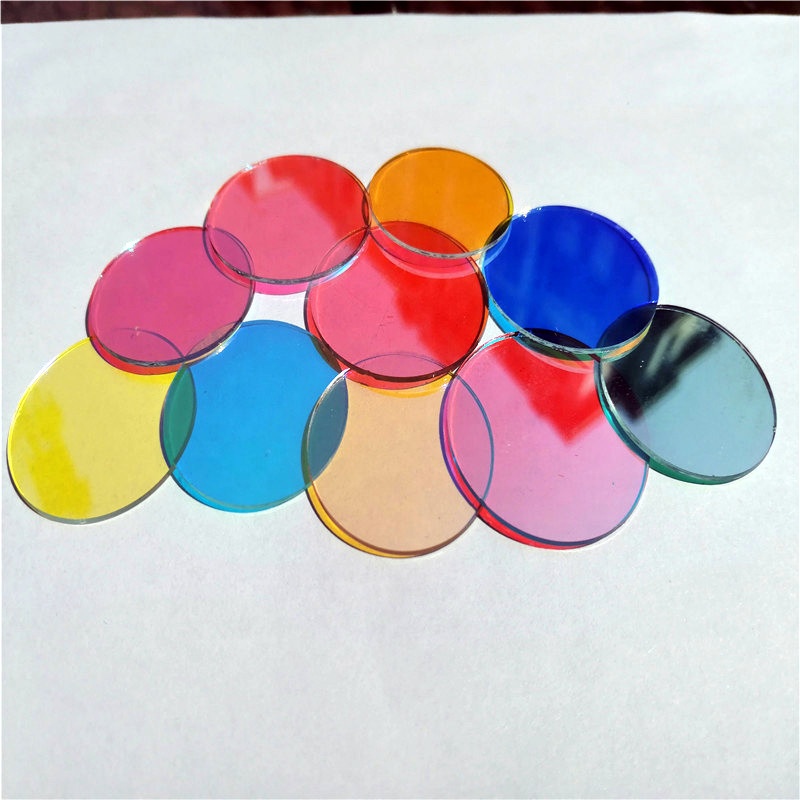
These eight products cover the most common Puebla requests we receive: printed cover glass, precision-cut Gorilla®-type panels, heat-resistant gobo blanks, ultra-thin alkali-free substrates and color gobo glass. Each card keeps the original product URL so your engineering and sourcing teams can review specifications without losing the reference.

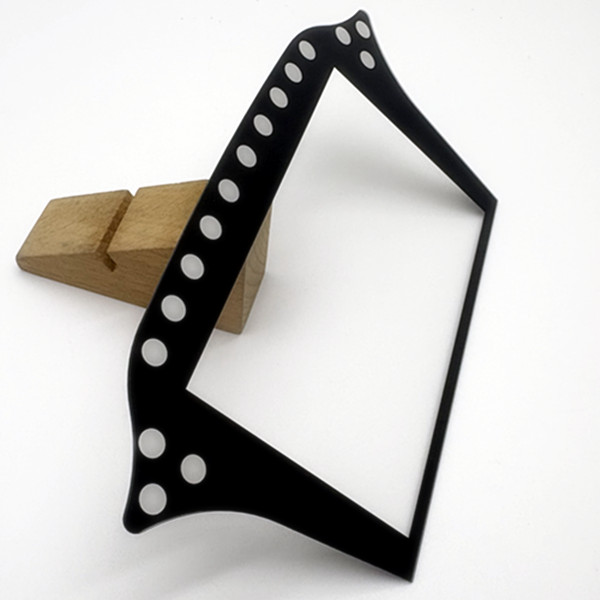
Custom Black Border Tempered Glass Panels Silk Screen Print Tempered Glass
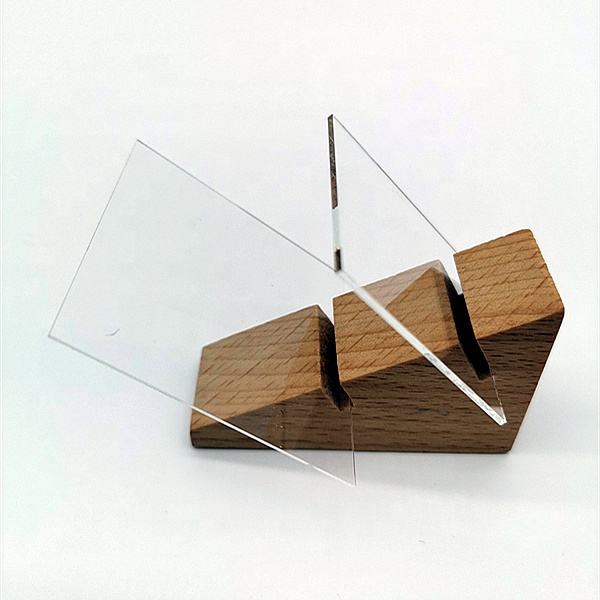
Custom Cut 0.5mm 0.7mm 1mm 1.5mm 2mm 2.5mm 3mm Corning Gorilla Temper Glass
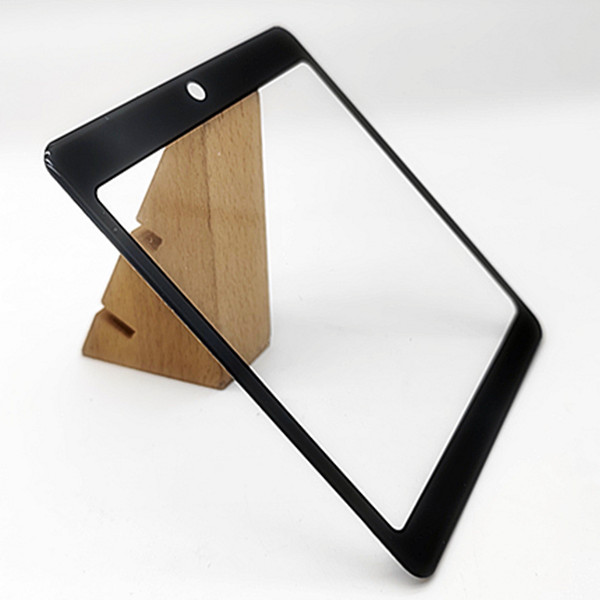
Ultra Clear Gorilla Glass Panel with Silk Screen Printing for Electronic Device
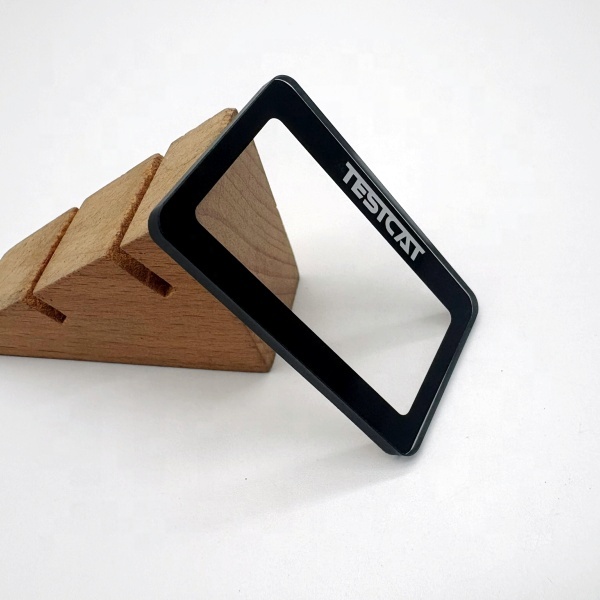

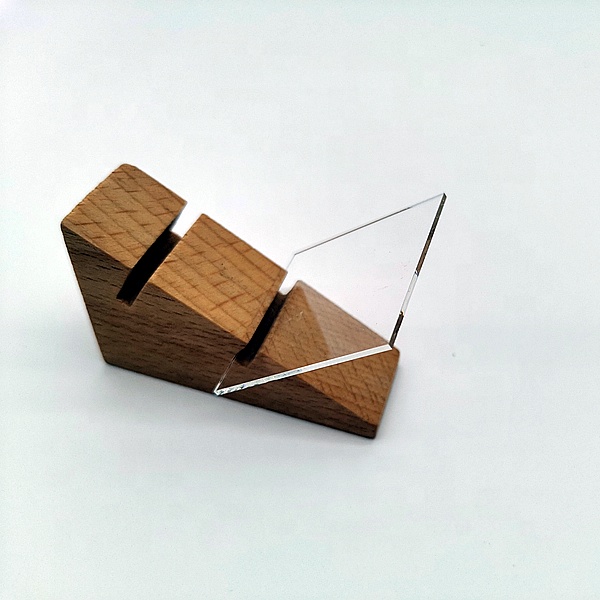
Custom 0.3mm 0.5mm 0.7mm Heat Resistant Gobo Glass Blanks for Projector
Custom 0.2mm 0.3mm 0.4mm 0.5mm 0.7mm 1mm Alkali Free Borosilicate AF32 Glass
What Puebla Buyers Should Verify Before Ordering 0.3 mm Borosilicate Glass
The query “China best transparent 0.3mm borosilicate 3.3 glass sheet factory & exporter for the Puebla market” usually signals a buyer who is past general research. Engineering teams in Puebla are usually comparing three risks at the same time: thermal and optical performance, thin-glass breakage during handling and shipping, and supplier documentation for Mexican customs and OEM quality teams. A credible factory partner should answer all three with data — not only a price per piece. For buyers comparing the transparent 0.3 mm borosilicate 3.3 glass sheet, the fastest route is to send a 2D drawing with the intended application, annual volume and destination in Puebla.
Material performance before price
At 0.3 mm, the sheet is thin enough that handling, flatness and edge quality can dominate total cost. Confirm CTE, transmission, thickness tolerance, surface quality, edge profile and whether any strengthening or coating is compatible with the exact grade. A low unit price that produces breakage at incoming inspection is not a saving.
Puebla application context
Puebla's automotive and Tier 1 corridor, LED lighting makers, appliance suppliers, laboratories and industrial integrators do not share one specification. A display window, gobo blank and sensor cover may all use borosilicate 3.3, but the acceptable edge chip limit, print alignment, coating side and packing method differ.
Factory evidence, not claims
Ask for raw-material source, process routing, inspection plan, sample photos and export packing details. Fevry Glass works from 2D drawings and can review DWG, DXF or PDF files. Complete information reduces engineering back-and-forth and helps your Puebla team compare suppliers on the same technical basis.
Where 0.3 mm Borosilicate 3.3 Glass Fits in the Puebla Industrial Market
Puebla is not only a destination market; it is an industrial platform. The state's automotive corridor, including the Volkswagen plant and Audi's San José Chiapa complex, supports a deep Tier 1 and Tier 2 supplier base. That automotive cluster sits alongside lighting, appliances, medical devices, laboratories, industrial automation and building technology. For a thin borosilicate sheet, the most useful question is not “What is the cheapest 0.3 mm glass?” but “Which optical, thermal and mechanical requirement must remain stable through the life of the product?”
Automotive HMI & sensor windows
Puebla vehicle and Tier 1 programs use glass apertures for cluster displays, console HMI, camera covers and sensor windows. A 0.3 mm borosilicate 3.3 sheet can reduce mass while retaining dimensional stability in cabin heat cycles; the final choice still depends on impact, scratch and optical requirements.
High-power LED & stage lighting
Lighting manufacturers in Puebla and nearby regions need heat-resistant glass for projector lenses, gobo blanks, LED fixtures and dichroic filters. Borosilicate 3.3's low expansion helps resist thermal shock. For projection and gobo work, 0.2–0.5 mm thicknesses are common, but the light source and coating stack must be reviewed together.
Appliance & commercial equipment
Built-in ovens, coffee equipment and commercial appliances use glass windows and control covers that must survive heat and cleaning chemicals. A 0.3 mm sheet is more typical in compact electronic displays and sensor windows than in large oven doors; specify the exact load case, print color and edge handling requirement.
Analytical, medical & laboratory
Laboratory and medical-device suppliers value chemical durability, optical clarity and predictable flatness. Borosilicate 3.3 is often used for inspection windows, sensor covers and instrument viewing panes. When low-alkali chemistry, bio-compatibility or micro-patterning is critical, an alkali-free substrate such as Eagle XG or AF32 may be a better fit.
Smart buildings & industrial HMI
Access control, elevator panels, kiosks and industrial controls need scratch resistance, print alignment and clean edges. Silk-screen printing and AR coatings can be combined on thin glass. Puebla integrators often require consistent Pantone color, secure packing and clear carton labeling for multi-supplier assembly lines.
Projection, gobo & optical assemblies
Event production, architectural lighting and optical assemblies require precise outlines, clean edges and heat stability. Thin borosilicate gobo blanks and dichroic glass can be cut to drawing, but coating durability, color coordinates and the expected lamp or LED spectrum should be agreed before production.
Local Trends Rewriting Thin-Glass Specifications in Puebla
Puebla procurement teams are under pressure to localize supply, shorten lead times and document quality more completely. These four trends are changing how 0.3 mm borosilicate 3.3 sheet is specified, sampled and packed for the Mexican market.
Nearshoring & dual sourcing
More Puebla OEMs and Tier suppliers are adding a second qualified source rather than relying on one region. A China factory with stable raw-material sourcing, documented inspection and export packing can complement a Mexican or US supply chain without creating a new quality blind spot.
Electrification & denser HMI
Vehicle cockpits, chargers, industrial controls and smart appliances are adding more displays and sensor windows. Designers want thinner glass, better optical transmission and reliable print alignment. That raises the value of a supplier who can combine cutting, edge grinding, AR coating and silk printing in one process route.
Documentation & quality maturity
Puebla buyers increasingly ask for material datasheets, dimensional reports, lot traceability and packing validation before approval. Automotive programs may also review PPAP, IATF 16949 and NOM-related expectations. The right supplier should clarify which records can be provided at sample, first-article and mass-production stages.
Lightweighting & efficiency
Thin glass helps reduce mass, but it also demands better handling and packaging. Puebla product teams are evaluating 0.3 mm borosilicate 3.3 for lightweight windows and sensor covers where thermal stability matters. A realistic validation plan should include incoming inspection, drop-testing of packed cartons and line-side handling trials.
0.3 mm Borosilicate 3.3 Glass Sheet: Property Profile and Selection Logic
Borosilicate 3.3 is selected when thermal shock, chemical durability and optical clarity matter more than the lowest substrate cost. Its coefficient of thermal expansion is about one third that of soda-lime glass. At 0.3 mm, the material is usually processed as a technical thin sheet: laser or CNC cutting, fine edge grinding, cleaning, optional AR coating or silk printing, and interleaved packing. Thermal tempering is not the normal route at this thickness; if chemical strengthening is requested, the specific borosilicate grade and finished geometry must be validated.
Typical design signals
| Property | Typical value | Design implication |
|---|---|---|
| CTE (20–300°C) | ≈3.3 × 10⁻⁶/K | Better resistance to thermal gradients than soda-lime glass; useful for lighting, projector and sensor windows. |
| Transformation temperature | ≈525°C | Allows high-temperature processing and coating steps when the process route is correctly qualified. |
| Softening temperature | ≈820°C | Supports use near high-power light sources, but the finished part must still be tested in the actual fixture. |
| Density | ≈2.23 g/cm³ | A 0.3 mm sheet is roughly 0.67 kg/m², which helps lightweighting for Puebla HMI and sensor applications. |
| Refractive index | ≈1.471 | Useful for optical design and AR-coating review; final optical stack must be simulated and sampled. |
| Light transmission | >91% at 3.3 mm reference | Thinner sheets usually transmit more light; printed borders, AR layers and surface quality change the final result. |
Values are typical industry figures for preliminary selection only, not a warranty. Confirm every requirement against the material datasheet, your 2D drawing, coating specification and application test plan.



What Fevry Glass Brings to Puebla Projects
Fevry Glass Co., Ltd. is a specialty glass company based in Xinyu, Jiangxi, China. Drawing on hands-on work with optical, biological, semiconductor, communications, lighting and electronics customers, we help engineers select the right substrate and turn it into a finished, export-ready part. Raw glass is sourced from Corning, AGC and established Chinese optical-glass makers such as Chengdu Guangming and Xinhuguang, so projects can start from traceable, consistent material.
Our technicians process glass on laser, ultrasonic, CNC carving, grinding and inspection equipment imported from the USA, Germany and Japan. For Puebla buyers, this means one source can support cutting, edge grinding, drilling, coating, silk-screen printing, inspection and export packing — with fewer hand-offs and clearer accountability when a thin-glass program moves from sample to mass production.
- Eagle XG, borosilicate and transparent ceramic glass
- Semiconductor wafers and biochip glass
- PLC substrates and optical V-groove glass
- Film, TV and stage-lighting color lenses
- LED filament and optical coating glass
- 0.15 mm and 0.2 mm ultra-thin protector glass
Our guiding principle — “Quality is superior, service is supreme, reputation is first” — and our motto “Your success, our glory” shape the way we review drawings, approve samples and protect thin glass during international shipping.
A Six-Step Path from Drawing to Puebla-Ready Delivery
Thin-glass projects fail less often because of the material and more often because of unclear requirements, late edge changes or insufficient packing validation. This six-step route keeps the commercial and technical reviews aligned.
Drawing & application review
Send the 2D drawing, material, thickness, application, annual quantity and destination in Puebla. Outline holes, notches, print areas and coating sides must be clear.
Material & tolerance confirmation
We confirm whether borosilicate 3.3, AF32, Eagle XG, Gorilla®-type or soda-lime glass fits the thermal, optical and mechanical requirements.
Sample approval
Sample parts validate fit, edge quality, print alignment, optical performance and packing concept before mass production begins.
Cutting, grinding, coating & printing
Processing is sequenced so that cutting, drilling and edge grinding are completed before any strengthening, coating or final printing step.
Dimensional & visual inspection
Inspection covers size, thickness, flatness where relevant, edge condition, print appearance and coating defects before packing.
Export packing & handover
Interleaved, cushioned packing is designed for fragile thin glass. Carton labels, packing list and shipment documents are checked before dispatch.
Common Questions from Puebla Glass Buyers
These are the practical questions we hear from engineers, buyers and quality teams who are comparing a China factory with local or US suppliers for the Puebla market.
What should a 0.3 mm borosilicate 3.3 specification include?
Include the 2D drawing in DWG, DXF or PDF, outline dimensions and tolerances, thickness tolerance, edge finish, hole and notch positions, surface-quality standard, print colors with Pantone references, AR coating side, application, annual volume and destination. State whether the part is a window, sensor cover, gobo blank, display substrate or laboratory pane. For Puebla shipments, also confirm label format, carton marking and whether Spanish descriptions are required in the packing list.
How is 0.3 mm glass shipped to Puebla without breakage?
Thin glass needs edge protection, interleaving, cushioning, moisture control and reinforced export cartons or crates. The packing method should be matched to the part size, print and coating. Many Puebla shipments move by sea through Manzanillo or Veracruz and then by truck inland, or by air for urgent samples. Before mass production, request a packing photo or sample shipment and review the receiving process at your Puebla warehouse, because repeated unpacking is often the highest-risk step.
Which documents do Puebla buyers commonly request?
Typical export documents include the commercial invoice, packing list, bill of lading or airway bill, certificate of origin, material datasheet and inspection report. Automotive or appliance programs may request lot traceability, first-article inspection, PPAP-related records or NOM-related information. Fevry Glass can discuss the documents available for your RFQ, but the final compliance path should be confirmed with your Mexican customs broker and quality team before the order is released.
What MOQ and lead time should we plan?
Most custom cover-glass and AR-glass items start from 300–500 pieces, some custom-cut Eagle XG parts from 1,000 pieces, and selected gobo glass blanks from 10 pieces. For 0.3 mm borosilicate 3.3, the MOQ depends on sheet size, edge finish, printing and coating. Lead time should be confirmed after drawing review, because thin-glass handling, coating and silk printing change the process route. Rushing a first order without sample approval usually creates more cost than it saves.
Can you provide samples and first-article inspection?
Yes. Samples are used to validate fit, edge quality, print color, optical appearance and packing. First-article inspection, dimensional reports, material certificates and process records can be discussed according to the application. For Puebla buyers, it is helpful to send one drawing, one target annual volume and one clear acceptance checklist at the RFQ stage. That allows engineering and sales to respond with a more accurate recommendation instead of a generic quotation.
How does 0.3 mm borosilicate 3.3 compare with soda-lime or Eagle XG?
Borosilicate 3.3 is usually chosen for thermal shock, chemical durability and optical clarity. Soda-lime glass can be cost-effective for ordinary display covers, but its higher expansion makes it less suitable for repeated heat cycling. Eagle XG and AF32 are alkali-free substrates preferred for biochips, semiconductor-related work and applications where low alkali content and dimensional stability matter. The correct choice depends on temperature, chemistry, strength, transmission, volume and the total cost of breakage.
Send Your Drawing for a Puebla-Ready Thin-Glass Quotation
Share the application, thickness, tolerance, edge profile, print or coating requirement, annual volume and destination in Puebla. Our engineering team will review the material route and respond with a practical next step for sampling or mass production.
Typical response target: within 4 working hours. Email: info@fevryglass.com