8 Precision Glass Products Recommended for Berlin Buyers
The supplied product family covers the practical requests Berlin buyers bring to a quartz glass sheet and specialty glass exporter: high-transparency windows, ultra-thin alkali-free borosilicate, dichroic gobo mirrors, ITO conductive glass, low-iron tempered panels, touch-switch plates and Gorilla® silk-screen covers. Product links are preserved exactly as supplied; if your drawing is not represented, use the Inquire Now button.
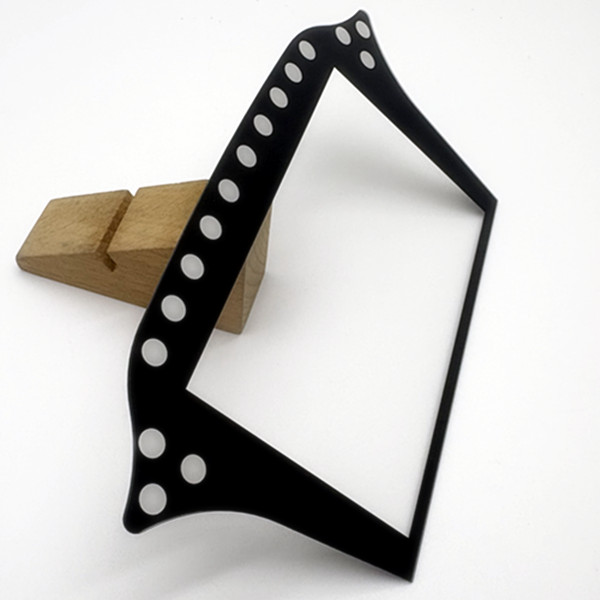
Custom Shaped Tempered Glass Processing, High Transparency Window Panels with Screen Printing
Shaped tempered panels with screen-printed borders, icons or masking for control windows, appliance fascia and architectural HMI. Custom outline, holes, notches and print are reviewed against the drawing before tempering.
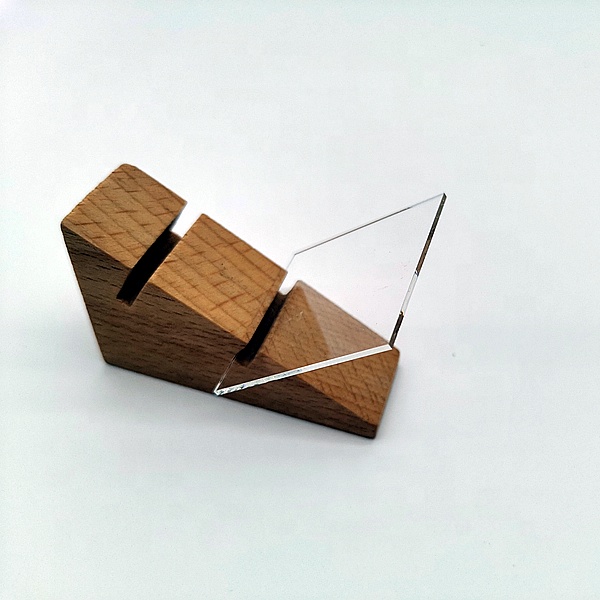
Custom 0.2mm 0.3mm 0.4mm 0.5mm 0.7mm 1mm Alkali Free Borosilicate AF32 Glass
Alkali-free borosilicate AF32 supply from 0.2 mm to 1 mm for display, sensor, insulating and laboratory components where low alkali and stable dimensions matter.
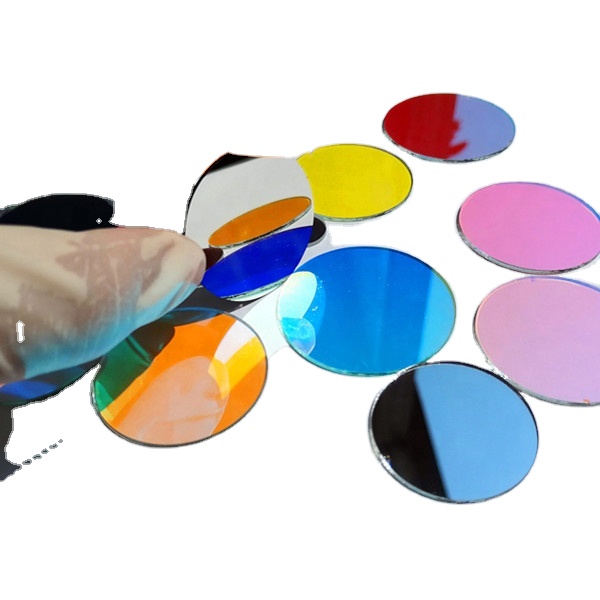
0.3mm ~ 2mm Dichroic Glass Mirror for Gobos
0.3–2 mm dichroic glass mirrors for gobo, stage and architectural lighting. Coating side, color path and heat exposure must be specified for repeatable color.
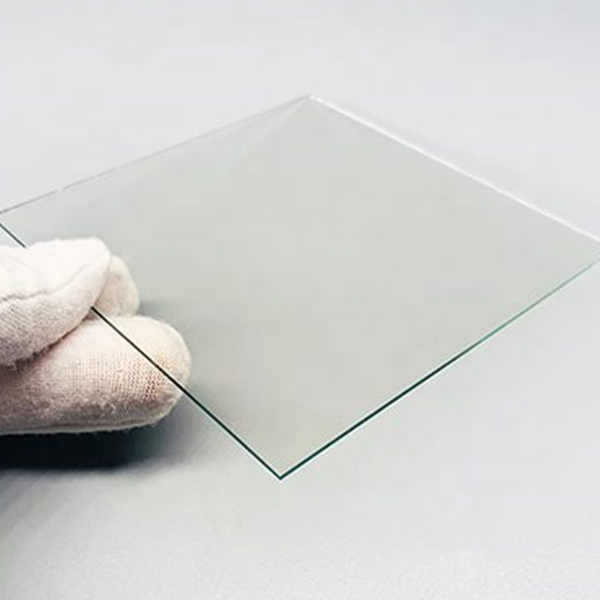
Ito Conducting Glass, Ito Coated Glass, Ito Glass
ITO-coated glass for transparent electrodes, EMI shielding, heaters and sensor windows. Sheet resistance and coating pattern are confirmed against the application.
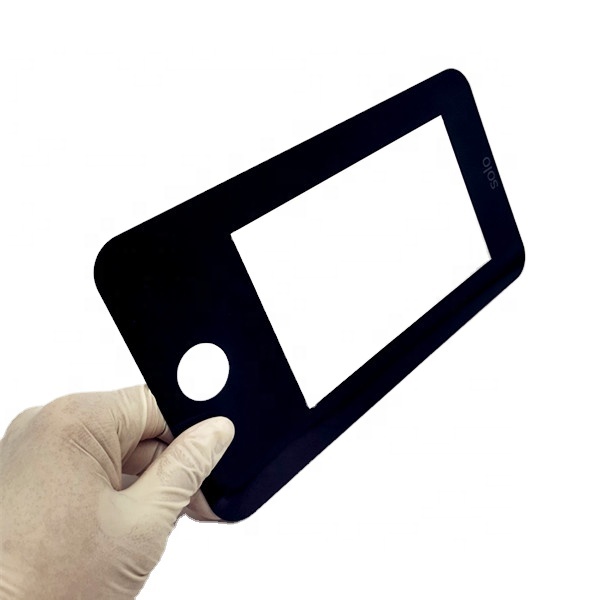
Manufacturer Oem Wholesale Custom Unbreakable Tempered Glass,high Quality Tempered Glass,low Iron Tempered Glass Manufacturer
OEM and wholesale low-iron tempered glass with high clarity for display covers, appliance panels and safety windows. Cutting and edge grinding are completed before tempering.
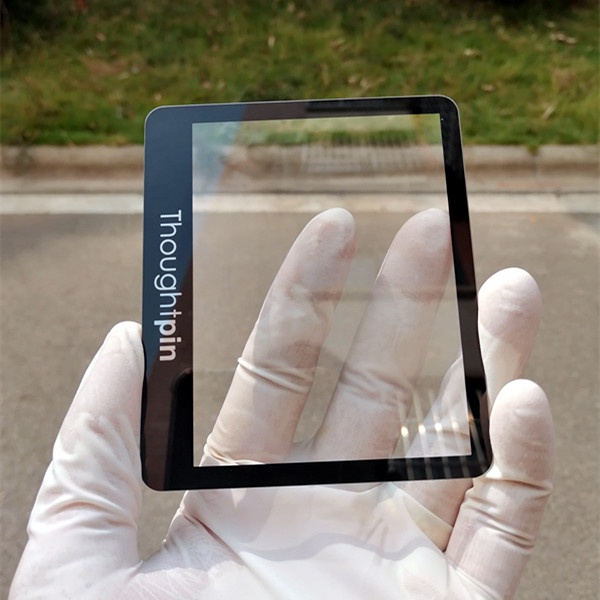
1.5mm 2mm Tempered Glass Thickness Touch Switch Glass Plate
1.5 mm and 2 mm tempered glass touch-switch plates with smooth surface, print options and edge finishing for building controls, appliances and smart-home interfaces.
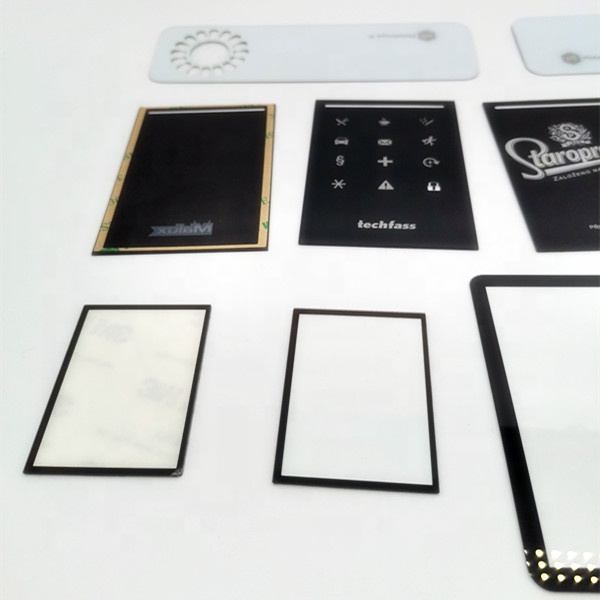
Custom Corning Gorilla Tempered Glass Silk Screen Printing for Touch Screen
Custom Corning Gorilla® tempered glass with silk-screen printing for touch screens, icon windows and transparent cut-outs. Print registration is checked within the approved process route.
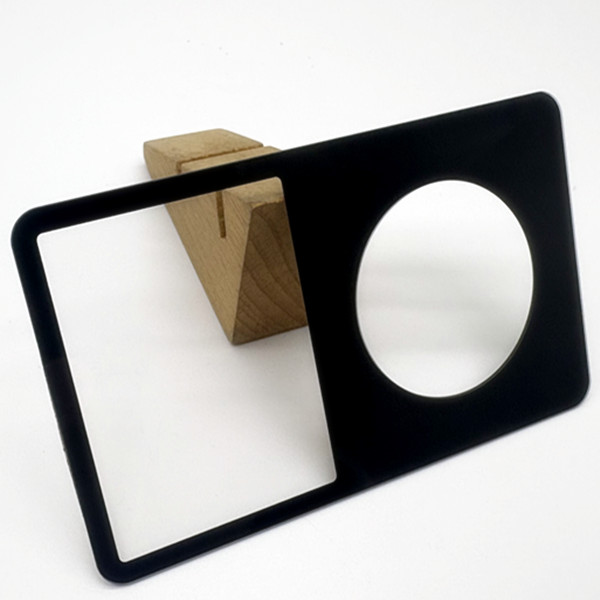
Factory Custom Smart Silkscreen Gorilla Glass Panel Tempered Glass Printing Glass
Factory custom smart silkscreen Gorilla® glass panels with logo, border and functional ink windows for consumer devices, control panels and Berlin smart-building interfaces.
Why Berlin Buyers Benchmark China Best Quartz Glass Sheet Manufacturers & Exporter
Berlin is not a price-only market. A buyer in Adlershof may need a flat, low-alkali substrate for a diagnostic instrument; a lighting studio in Berlin may care about heat load and dichroic color shift; a smart-building integrator in Mitte may ask for AR-coated, anti-glare touch glass with a printed icon window. All three may search for a “quartz glass sheet manufacturer”, but the actual specification is a system of thermal, optical, electrical and mechanical requirements. The phrase “China Best Quartz Glass Sheet Manufacturers & Exporter serving Berlin” therefore has to be proven with engineering evidence, not only a catalogue.
For a Berlin procurement team, the real search intent usually contains four hidden questions: Can the supplier cut and finish the exact outline? Can it control thickness, flatness and edge quality? Can it provide the right coating or print without hurting optical performance? And can it deliver to Germany with documentation and packing that survive air, rail or sea freight? Fevry Glass answers these questions through a drawing-led review, material traceability and export packing designed for brittle thin glass.
The company is based in Xinyu, Jiangxi, China, and serves optical, biological, semiconductor, communications, lighting and electronics customers. Raw glass is sourced from Corning, AGC and established Chinese optical-glass producers such as Chengdu Guangming and Xinhuguang. Processing equipment is imported from the USA, Germany and Japan, covering laser, ultrasonic, CNC carving, grinding and inspection. That matters in Berlin because a technically correct material can still fail if the edge chip, print shift or coating defect is not controlled.
Information gain starts with material triage. A true fused quartz sheet and a borosilicate 3.3 sheet are not interchangeable, and neither is a tempered low-iron cover glass. Before comparing quotations, define the application temperature, thermal cycling, UV/IR transmission, coating side, sheet resistance for ITO, print colors, tolerance stack, cleaning method and annual volume. Fevry’s engineering review is designed to flag these choices before tooling and mass production.
Quartz Glass Sheet vs Borosilicate 3.3 vs Tempered Low-Iron Glass
Quartz glass is often specified for high-purity, high-temperature or broad-spectrum optical work, but a Berlin project should compare the full process route before choosing a material label.
Fused quartz has a very low coefficient of thermal expansion and can transmit from UV through IR depending on grade and thickness. It helps resist thermal shock and supports high-temperature windows, UV optics, laser components and semiconductor work. However, fused quartz is not automatically the lowest-risk choice for every Berlin project. It can cost more, and the available sheet sizes, surface quality, bubble and inclusion limits and coating compatibility must be confirmed.
For many display, lighting, laboratory and instrument windows, borosilicate 3.3 or AF32 delivers a better balance of thermal stability, clarity, chemical durability and lead time. For cost-sensitive cover glass, tempered or chemically strengthened low-iron glass may be the better answer. The table here is a preliminary selection aid for Berlin engineering teams; final decisions should be made against manufacturer datasheets and the exact part drawing.
Preliminary Material Selection Matrix
| Material | Typical CTE | Position | Berlin-relevant use |
|---|---|---|---|
| Fused quartz / quartz glass | ≈0.5–0.6 ×10⁻⁶/K | Highest thermal shock resistance; high purity and broad UV–IR transmission | High-temperature windows, UV optics, laser or semiconductor parts |
| Borosilicate 3.3 / AF32 | ≈3.3 ×10⁻⁶/K | Excellent thermal shock and chemical durability; AF32 is alkali-free | Laboratory windows, lighting covers, sensor covers, gobo blanks |
| Corning® Eagle XG | ≈3.2 ×10⁻⁶/K | Alkali-free boro-aluminosilicate with flat fusion-formed surface | Biochips, analyzer filters, PLC, MEMS carriers |
| Low-iron tempered glass | ≈9 ×10⁻⁶/K | Thermal tempering increases strength; not for extreme thermal shock | Display covers, appliance windows, HMI, safety panels |
| Chemically strengthened thin glass | Base-glass dependent | Ion exchange improves surface strength in thin sheets | Ultra-thin touch covers, sensor windows, Gorilla® style panels |
Procurement note: verify grade, inclusions, flatness, internal stress, coating adhesion and available sheet size. For building-related safety glass, confirm whether EN 12150 or another harmonized route applies to the final assembly.
Where Quartz & Specialty Glass Sheets Perform in Berlin and Brandenburg
Berlin’s industrial identity combines research, mobility, lighting, smart buildings, medical technology and creative production. The same glass sheet can enter several districts, but the risk profile changes by use.
Local Trends Reshaping Specialty Glass Procurement in Berlin
Several local trends make a low-cost, catalogue-only purchase less attractive and raise the value of engineering review, traceability and export packing.
Climate-neutral buildings & renovation
Berlin’s renovation wave favors durable, cleanable glass covers, LED light panels and daylight-control elements. Buyers ask for low-iron clarity, stable print colors and packaging that survives repeated site handling.
Smart building & touch-first interfaces
More building services move to glass HMI. AR coating, anti-fingerprint options, ITO shielding and silk-screen icons are discussed earlier in the design cycle, not after the electronics are fixed.
Lab automation & biotech growth
Berlin’s life-science ecosystem rewards suppliers who can document material grade and flatness. Alkali-free Eagle XG and borosilicate substrates support repeatable bonding, imaging and analyzer workflows.
High-power LED & stage lighting
Compact high-output light sources increase heat density. Heat-resistant borosilicate and dichroic glass with verified coating adhesion help protect color consistency and service life.
EU compliance & traceability
Procurement teams increasingly request material certificates, RoHS/REACH declarations where applicable, dimensional reports and batch identification. A supplier that treats documentation as an afterthought creates delay in Berlin.
Sample-led, lower-volume innovation
Startups and hardware teams want fast samples before mass production. Fevry supports drawing-based samples and MOQs that vary by product—suitable for Berlin pilot lines, showrooms and small-batch instruments.
Fevry Glass Advantages: What Berlin Buyers Can Verify
Fevry Glass Co., Ltd. connects material sourcing, precision processing, strengthening, coating, printing, inspection and export packing in one supplier conversation.
Fevry Glass Co., Ltd. is a specialty glass supplier based in Xinyu, Jiangxi, China. Its public profile shows 10+ years as an Alibaba.com member, an average response time of ≤4 hours, a 100% inquiry response rate, a 5.0/5 buyer rating and service to 7+ export regions. Those signals are useful, but E-E-A-T in technical glass depends on whether the supplier can connect material choice, processing and packing to the customer’s drawing.
The company’s operating motto—“Quality is superior, service is supreme, reputation is first”—and its stated principle “Your success, our glory” describe the commercial standard. The engineering standard is visible in the process chain: material sourcing, cutting, strengthening, coating, printing, inspection and export packing.
Traceable raw glass
Raw material sources include Corning, AGC, Chengdu Guangming and Xinhuguang. This allows Berlin engineers to discuss Eagle XG, AF32, borosilicate 3.3 and low-iron options from a known starting point.
In-house precision machining
Laser, ultrasonic, CNC carving and grinding equipment is used for contours, holes, notches, slots and edge profiles. Edge quality is checked before strengthening because post-strengthening rework is not allowed.
Strengthening & coating route
Thermal tempering, chemical strengthening, AR, dichroic and ITO options are reviewed as a route. Coating side, stack design and process order are confirmed against optical and durability requirements.
Print and back-paint control
Silk-screen borders, logos, icons and IR windows can be Pantone-matched. Back-painted LED cover glass is available for lighting and appliance applications where light control and appearance both matter.
Inspection & export packing
Dimensional and visual inspection plus interleaved, cushioned packing for international shipments. Fragile thin glass needs packaging engineering, not just a carton, especially when parts travel to Berlin via mixed logistics.
Verified service metrics
10+ years as an Alibaba.com member, ≤4h response, 100% inquiry response, 5.0/5 rating and 7+ export regions. Export experience includes Western Europe, the United States, Japan, South Korea and Southeast Asia.
 Precision glass processing workshop
 Imported cutting and grinding equipment
 Inspection and export packing
From Berlin Drawing to Export-Ready Glass
A clear review path reduces the risk of discovering a tolerance, coating or packaging mismatch after freight has already been booked.
Share drawing & application
Send a 2D drawing in DWG, DXF or PDF with thickness, material, tolerance, edge finish, hole positions, strengthening method, print colors, AR side and annual volume.
Engineering & DFM review
Fevry checks manufacturability, glass grade, thermal or chemical strengthening route, coating compatibility and inspectability. Potential risks are raised before price is locked.
Sample approval
Samples validate fit, color, transmission, edge and print. For Berlin teams, this reduces the cost of discovering a specification mismatch after international delivery.
Production, inspection & packing
Mass production follows the approved drawing. In-line checks cover dimensions, appearance and coating or print condition, followed by export packing for thin sheets and finished parts.
Local Procurement FAQ for Quartz Glass Sheet & Specialty Glass
Straight answers for Berlin engineers and sourcing managers who are comparing Chinese specialty-glass suppliers.
Can you supply true quartz glass sheet, or will you recommend a substitute?
Start with the specification, not the label. True fused quartz is specified for very low CTE, high purity, broad UV–IR transmission, laser work or high-temperature service. For many display, lighting, sensor and instrument windows, borosilicate 3.3, AF32 or Eagle XG can meet the real requirement at a lower cost. Fevry will review the drawing and application conditions and confirm the feasible route; any substitution must be validated with samples before production.
What is the minimum order quantity and sample lead time?
MOQ depends on material and process. Most custom cover glass and AR glass items start from 300–500 pieces, custom-cut Eagle XG parts from around 1,000 pieces, and selected gobo glass blanks from 10 pieces. Samples can be arranged to validate fit and optical performance. Lead time is confirmed after drawing review because coating, printing and strengthening add different process steps.
How do you ship fragile glass sheets to Berlin safely?
Thin glass is interleaved, cushioned and packed for export, with protection at edges and corners. Samples usually move by express air; production orders can be quoted by air, rail or sea depending on volume, lead time and Incoterms. Berlin delivery should include an agreed packing standard, carton-drop risk and, for critical parts, a pre-shipment photo or inspection record.
Which documents can support EU compliance?
Depending on the exact product and application, Fevry can provide material certificates, dimensional inspection reports, RoHS and REACH declarations where applicable, and packing lists. For construction-related safety glass, confirm whether EN 12150 or another harmonized standard applies. Do not assume that a generic glass data sheet satisfies every Berlin project; the compliance route must match the final use.
What tolerances are realistic for shaped glass, holes and print?
Tolerances depend on thickness, shape, edge type, hole size, print detail and whether the part is coated or strengthened. Very thin glass, tight hole-to-edge distances, multiple print colors and double-sided AR all need early review. Share the drawing with critical dimensions marked; Fevry’s engineers will confirm what can be held repeatably in production rather than offering an unrealistic promise.
Can you combine silk-screen printing, AR coating and ITO on one part?
In principle, multiple functions can be combined, but the process order matters. Printing may be before or after coating depending on the stack; ITO has its own sheet-resistance and patterning requirements; AR coating side affects transmission and appearance. Send the artwork, Pantone references, coating side, sheet resistance target and application environment so the route can be checked as a system.
Do you support low-volume pilot builds for Berlin startups?
Samples and pilot quantities are possible, but not every material has the same MOQ. Gobo blanks and selected specialty items can start very small, while custom Eagle XG or coated parts may require a higher run. The fastest path is to label the request as a pilot: include annual forecast, prototype quantity, target approval date and the tests you plan to run in Berlin.
How should I send an enquiry through Inquire Now?
Use the Inquire Now button and include the drawing, material, thickness, outline and hole tolerances, edge finish, strengthening method, print colors, AR coating side, application, annual quantity and required delivery date. If EU documentation is required, list it at first contact. Fevry’s typical response time is within 4 hours, and complete information usually shortens the engineering review to one round.
Request a Berlin-Focused Quartz Glass Sheet Review
Send your drawing and application conditions. We will compare fused quartz, borosilicate 3.3, AF32, Eagle XG, tempered low-iron and chemically strengthened options where relevant, then confirm processing, sample and export-packing requirements for Berlin delivery.
Inquire NowPlease include the 2D drawing, thickness, tolerances, print colors, coating side, annual volume and any EU documentation requirement. Email: info@fevryglass.com