Eight Custom Glass Formats Kyoto Buyers Evaluate for LED Filament Programs
An LED filament is not supported by one glass part alone. Kyoto buyers also qualify heat-resistant envelopes, printed light windows, AR-coated covers and dichroic optics. The eight formats below are representative custom-glass options that can be reviewed alongside a filament substrate drawing.

Custom Cut 0.5mm 0.7mm 1mm 1.5mm 2mm Clear Toughened Glass Tempered Corning Gorilla Glass
Thin, clear cover and window format for filament envelope, lens and inspection-window prototypes; specify thickness, edge profile and tolerance.
View specifications →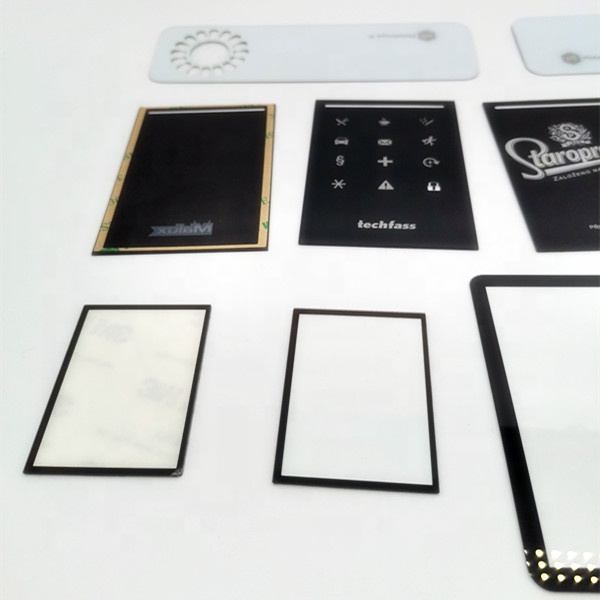
Custom Corning Gorilla Tempered Glass Silk Screen Printing for Touch Screen
Silk-screened tempered glass for fixture touch interfaces and printed light windows; practical when the filament assembly must sit behind a controlled aperture.
View specifications →
Custom Shaped Tempered Glass Processing, High Transparency Window Panels with Screen Printing
Shaped, high-transparency tempered panels for bespoke Kyoto luminaires, diffusers and architectural glass; CNC outline and screen printing before strengthening.
View specifications →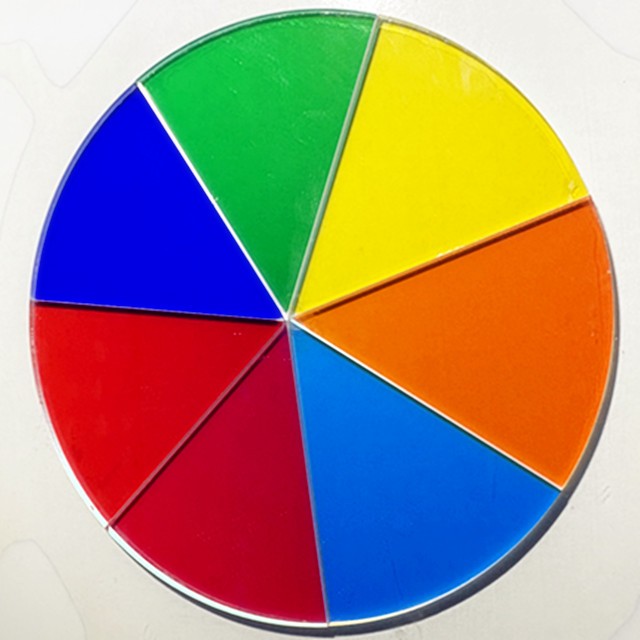
Factory Customization Dichroic Glass Gobo Glass
Dichroic gobo glass for museum, stage and hospitality lighting; useful for controlled colour wash and branded projection in Kyoto cultural interiors.
View specifications →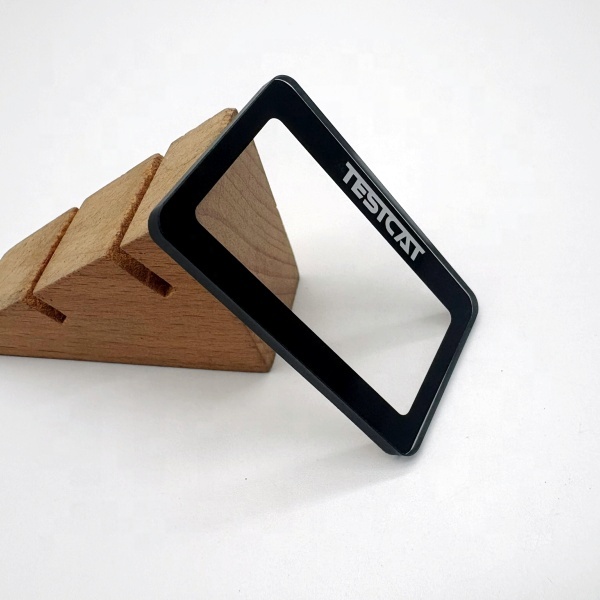
Custom Gorilla Glass Panel Tempered Glass Display Window Silk Screen Printing for LCD Display
Display-window glass with printed borders for high-end control panels and illuminated fixture interfaces; pair with LED filament engines for glare control.
View specifications →
Custom 0.2mm 0.3mm 0.4mm 0.5mm 0.7mm 1mm Alkali Free Borosilicate AF32 Glass
Alkali-free borosilicate AF32 formats in 0.2–1 mm; heat and chemical stability for advanced thin-glass substrate, wafer and envelope development.
View specifications →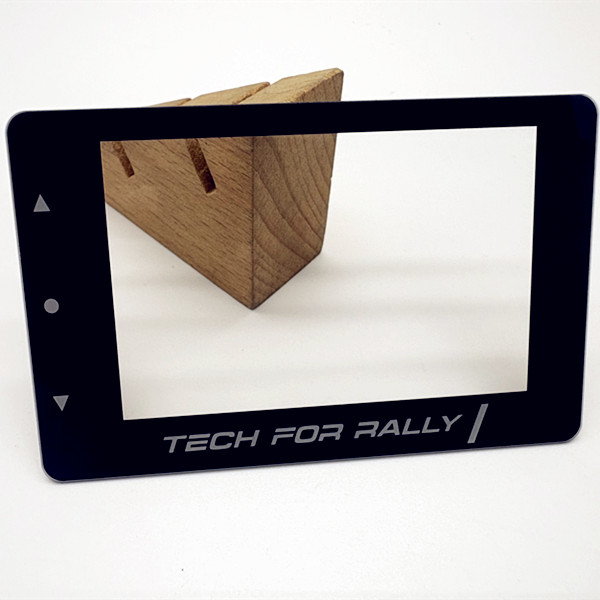
Customize Tempered Glass Silk Printed AR Coating Gorilla Glass LCD Screen Protection Display
AR-coated, silk-printed Gorilla glass for glare-sensitive fixtures and display covers; supports high visible transmission and scratch resistance.
View specifications →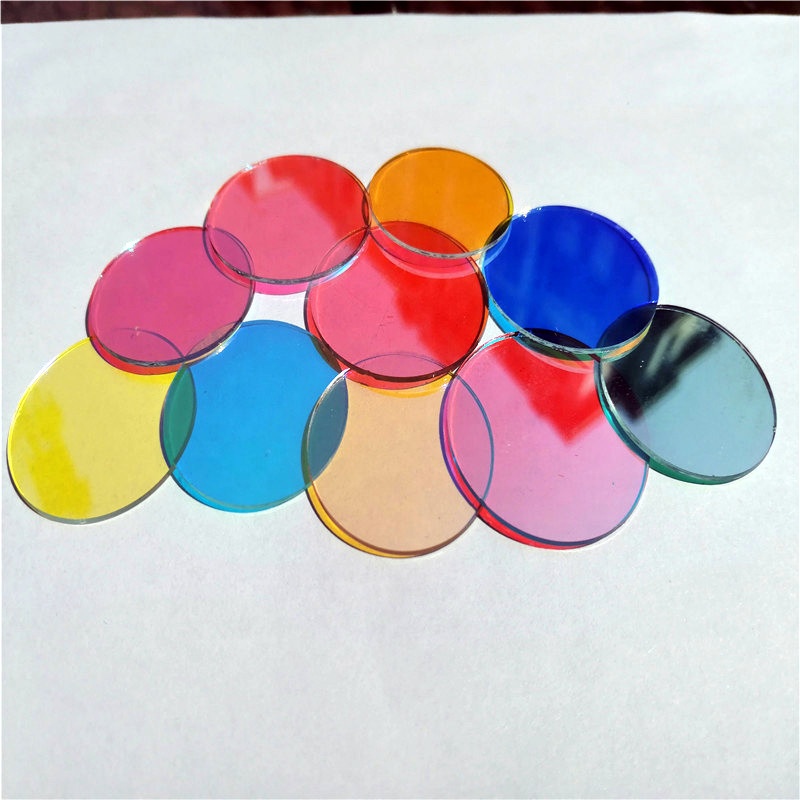
Customize Logo Color Glass Gobo Glass
Custom-logo dichroic gobo for branded retail, hospitality and cultural lighting; specify logo artwork, wavelength target and heat load.
View specifications →These eight formats are representative custom-glass options around the LED filament stack. Final substrate or envelope suitability must be confirmed against your drawing, thermal load, coating target and optical requirements.
What “China Best LED Filament Substrate Factories & Exporters” Really Means in Kyoto
Kyoto buyers rarely search for a generic glass sheet. They search for a supplier that can interpret a drawing, protect optical appearance and deliver repeatable glass into a high-specification lighting supply chain.
The phrase “best LED filament substrate factory” hides three different jobs: glass material selection, precision cutting and strengthening, and optical finishing such as AR coating or silk printing. A factory that is excellent at large architectural glass may not be excellent at handling 0.2 mm thin glass, controlling edge chips or matching print registration under warm-dim light.
For Kyoto, reliability also includes small-batch discipline, careful export packing, consistent surface quality and documentation that a Japanese lighting OEM or design studio can review before committing. The right China exporter is therefore not simply the largest factory. It is the one that can show material traceability, repeatable inspection and clear engineering communication.
Information gain for procurement teams starts with one simple distinction: the filament substrate, the outer glass envelope and the printed cover glass are not interchangeable. Each part sees different heat, stress, coating and appearance requirements. A complete RFQ should state the function of each glass item, the expected annual quantity, the target light appearance and the validation method for samples.
LED Filament Substrate Engineering: Material Choice, CTE and Thermal Shock
An LED filament substrate is not just transparent glass. It carries chips and phosphor, sees local heat and influences light distribution. The correct material shortlist depends on thermal load, coefficient of thermal expansion, transmission, edge quality and integration method.
Start with the function, not the thickness
For LED filament work, borosilicate 3.3 and alkali-free borosilicate AF32 are often attractive when heat resistance and dimensional stability matter. Ultra-clear soda-lime glass may be competitive for decorative envelopes or covers where thermal load is moderate and optical clarity is the priority. Gorilla-type alkali-aluminosilicate glass is often chosen for scratch-resistant covers rather than the internal filament carrier.
CTE is a risk-control number
Borosilicate 3.3 has a typical CTE of about 3.3 × 10⁻⁶/K, while soda-lime glass is roughly 9.0 × 10⁻⁶/K. Lower expansion reduces stress during thermal cycling and helps where the filament operates close to an envelope or sealed assembly. However, low CTE does not automatically mean the best optical result; transmission, colour tint and coating performance still require sample validation.
Coating and print side can change perceived colour
AR coating can raise visible transmission, but one-sided and double-sided AR do not look identical in a finished fixture. Silk printing, back painting and dichroic coatings can also shift the appearance of warm-dim light. Kyoto buyers should approve a sample under the intended colour temperature, dimming level and viewing angle, not only under office lighting.
Quality evidence to request in the RFQ
Ask for thickness tolerance, outline tolerance, edge-chip criteria, scratch acceptance, print registration, AR reflectance curve, flatness data and batch traceability. For thin-glass programs, the supplier’s handling method and packing standard are part of quality, not an afterthought.
Material Selection Guide for Kyoto Lighting Projects
| Material | Typical Thickness | CTE (×10-6/K) | Best Fit |
|---|---|---|---|
| Ultra-clear soda-lime | 0.5–4 mm | ≈9.0 | Decorative envelopes, AR covers and printed windows where thermal load is moderate. |
| Gorilla-type alkali-aluminosilicate | 0.4–2 mm | ≈7.5–8.5 | Scratch-resistant display covers, touch interfaces and premium fixture fronts. |
| Borosilicate 3.3 | 0.3–3.3 mm | 3.3 | Heat-resistant envelopes, gobo blanks, lighting lenses and instrument windows. |
| Corning Eagle XG | 0.5–1.1 mm | ≈3.2 | Biochips, wafers, PLC substrates and high-flatness optical carrier glass. |
| Alkali-free borosilicate AF32 | 0.2–1 mm | Low, alkali-free | Thin substrate or envelope trials needing chemical stability and heat resistance. |
| Chemically strengthened thin glass | 0.15–2 mm | Base-glass dependent | Ultra-thin protective covers, sensor windows and compact filament fixtures. |
Values are typical industry figures for preliminary material selection. Final specifications must be confirmed against the manufacturer datasheet, your drawing and sample validation.
Where LED Filament Substrates and Lighting Glass Perform in Kyoto
Kyoto’s lighting briefs are shaped by wooden interiors, low ambient light, hospitality, heritage conservation and a strong preference for calm, warm and visually authentic illumination.
Ryokan, Machiya and Hospitality Lighting
Visible-filament lamps must feel calm, warm and authentic. Ultra-clear envelopes, controlled AR and consistent colour across small batches matter more than raw lumen output.
Temples, Shrines and Museum Displays
Glare and spectral balance are sensitive. AR-coated glass and dichroic gobo optics help direct light without washing out artefacts or distracting visitors.
Tea Rooms and Japanese Dining
Soft, low-glare illumination with no distracting reflections supports intimate spaces. Silk-printed apertures and warm-dim performance are often more important than maximum efficiency.
Premium Retail and Signage
Custom logo gobos and printed glass windows turn LED filament fixtures into branded light features for boutiques, galleries and hospitality entrances.
Architectural and Display Fixtures
Thin substrates and chemically strengthened covers enable compact linear and sculptural luminaires where the glass edge is part of the visible design.
Stage, Event and Art Installations
Heat-resistant gobo blanks and dichroic glass deliver colour effects under higher thermal loads; specify cooling, duty cycle and projection distance.
Development Trends Shaping Kyoto LED Filament Procurement
Kyoto’s premium lighting market rewards suppliers who can combine optical consistency with small-batch flexibility and careful documentation.
Small-batch, High-mix Orders
Kyoto ateliers and hospitality projects often need hundreds of pieces, not container loads. Flexible MOQs and sample-first workflows reduce inventory risk.
High CRI and Visible-filament Aesthetics
Warm 2200–3000 K, high CRI and no green tint are critical. Glass transmission and AR coating must preserve the intended filament appearance.
AR Glass for Glare-sensitive Interiors
Double-sided AR is increasingly specified for museum, retail and dining fixtures where reflections distract from the filament and the surrounding architecture.
Traceable Heat Resistance
Compact high-output filaments raise glass temperature. Borosilicate 3.3 and AF32 gain interest when supported by CTE data, batch reports and sample thermal testing.
Why Fevry Glass Is a Practical China Export Partner for Kyoto Buyers
The strongest China exporter for Kyoto is not necessarily the largest. It is the one that can provide consistent material, process control, responsive engineering and packaging discipline for fragile thin glass.

Fevry Glass Co., Ltd. is a specialty glass company based in Xinyu, Jiangxi, China. We source raw glass from Corning, AGC and other multinational producers and work with established Chinese optical-glass makers such as Chengdu Guangming and Xinhuguang, so projects begin from traceable and consistent material.
Our technicians process glass on laser, ultrasonic, CNC carving, grinding and inspection equipment imported from the USA, Germany and Japan. This matters for LED filament substrate work because thin-glass handling, edge quality, coating uniformity and print registration directly affect yield and final light appearance.
Our guiding principle is “Quality is superior, service is supreme, reputation is first”, and our motto “Your success, our glory” shapes how we support samples, production and export packing. Buyers can review our supplier assessment, credit profile, ratings, transaction level, trade capacity and trade history before committing.
Material Depth
Corning Eagle XG, borosilicate 3.3, alkali-free AF32, Gorilla-type glass, transparent ceramic and ultra-clear glass, with thickness options from 0.15 mm to 4 mm for different lighting functions.
Process Integration
Laser, ultrasonic and CNC cutting, edge grinding, thermal or chemical strengthening, AR or dichroic coating, silk-screen printing and back painting can be coordinated under one supplier.
Inspection Discipline
Dimensional and optical checks cover size, thickness, flatness, visual defects, print registration and coating appearance before export packing. Fragile thin glass is interleaved and cushioned for Japan-bound shipping.
Verified Service Signals
10+ years as an Alibaba.com member, average response within 4 hours, 100% inquiry response, 5.0/5 buyer rating and 7+ export regions support a more confident sourcing decision.
Japan-focused Export Readiness
We serve Western Europe, the United States, Japan, South Korea, Taiwan, Hong Kong and Southeast Asia. Kyoto projects can be reviewed with Japan-specific packing, documentation and sample expectations.
Application Breadth
Experience across displays, optics, biotech, semiconductor, optical communication, stage lighting, LED filament and optical coating glass helps shorten material selection and sample iteration.
From Drawing to Kyoto Delivery: A Four-Step Qualification Path
A clear workflow reduces the risk of mismatched thickness, incorrect coating side and avoidable breakage after export.
Share the Drawing
Send a DWG, DXF or PDF with outline dimensions, tolerances, thickness, material, edge finish, holes, print colours, AR side and annual volume.
Engineering Review
We confirm whether the part is a filament substrate, envelope, cover or optical filter, then recommend material, strengthening and MOQ. Average response is within 4 hours.
Sample Approval
Samples validate fit, print registration, AR appearance and colour under the intended Kyoto lighting conditions before mass production begins.
Production and Export Packing
Processing includes in-line dimensional and visual checks. Final packing is interleaved and cushioned for safe international shipping to Japan.
Common Questions from Kyoto Buyers of LED Filament Substrate and Lighting Glass
These are the questions engineers, lighting designers and sourcing managers typically raise before requesting samples.
Can a China LED filament substrate factory support small trial orders for Kyoto?
Yes, for selected formats. Most custom cover and AR glass items start from 300–500 pieces, custom-cut Eagle XG parts from 1,000 pieces, and selected gobo glass from 10 pieces. Sampling is strongly recommended because thin glass, print and coating cannot be reworked like machined metal. Include prototype quantity, annual volume and target launch date in the first email.
Which glass should Kyoto buyers specify for a filament substrate or envelope?
Start with the function. For heat near the filament, consider borosilicate 3.3 or alkali-free AF32. For premium scratch-resistant covers, use Gorilla-type alkali-aluminosilicate glass. For maximum clarity in decorative envelopes, ultra-clear low-iron glass may be suitable. AR coating can improve transmission, but it can also change perceived colour, so approve a sample under your actual warm-dim drive condition.
How do we avoid breakage and fit issues after export to Kyoto?
Complete all cutting, drilling, notching and edge grinding before strengthening. Provide a 2D drawing with tolerances, edge profile and print orientation, and confirm the strength method for the chosen thickness. For export, use interleaved, cushioned packing and request a final inspection report. Japan-bound shipments should avoid mixed orientations that increase point loads on thin glass.
Can you produce AR-coated or silk-printed glass for glare-sensitive Kyoto interiors?
Yes. We can quote AR coating on one or both sides, Pantone-matched silk printing, back painting and custom logo gobo glass. For visual approval, specify the light source, colour temperature, viewing angle and whether the printed side faces the viewer or the LED. This is especially important for museum, retail and hospitality fixtures where reflections are part of the design brief.
What documents can support Japanese procurement and compliance review?
We can provide material datasheets, dimensional inspection reports, RoHS-oriented declarations and batch traceability for the glass part. PSE applies to finished electrical luminaires rather than the passive glass substrate, so align PSE documentation with your luminaire assembler. Fevry supports the glass component data package needed for that review.
How do we get a fast quote and catalog for a Kyoto LED filament project?
Email info@fevryglass.com with a 2D drawing, material, thickness, tolerances, coating side, print colours, application and annual volume. Our average response time is within 4 hours. Use the Get Catalog button to open the live-chat catalog request and confirm current formats, MOQs and sample options.
Request a Kyoto-Focused LED Filament Substrate Quote
Send your drawing, target material, thickness, AR or print requirement and annual volume. Fevry Glass will review the substrate or lighting-glass function and recommend a practical China sourcing route for the Kyoto market.