8 Custom Glass Products Recommended for Monterrey Projects
Monterrey buyers rarely purchase “glass” in the abstract. They buy a drawing-controlled component that must fit an automotive HMI, an appliance control panel, a projector gobo, an LED luminaire, a medical analyzer or an industrial display. These eight products match the most repeated technical briefs from Northeast Mexico.

Custom Black Border Tempered Glass Panels Silk Screen Print Tempered Glass
For appliance faceplates and HMI covers that need crisp borders, consistent ink opacity and tempered strength. Specify Pantone color, print side, border width, edge finish and AR/AG requirement before sampling.
View product specifications →
Custom 0.3mm 0.5mm 0.7mm Heat Resistant Gobo Glass Blanks for Projector
Thin heat-resistant blanks for event production, architectural projection and high-power lighting. Confirm diameter, thickness, coating side, artwork tolerance and operating temperature to protect focus and color stability.
View product specifications →
Back Painted Tempered Glass Led Glass Panel Cover Glass
For LED signage, premium appliance interfaces, retail displays and architectural lighting. Back painting creates hidden graphics and light windows while tempering supports durability in public-facing installations.
View product specifications →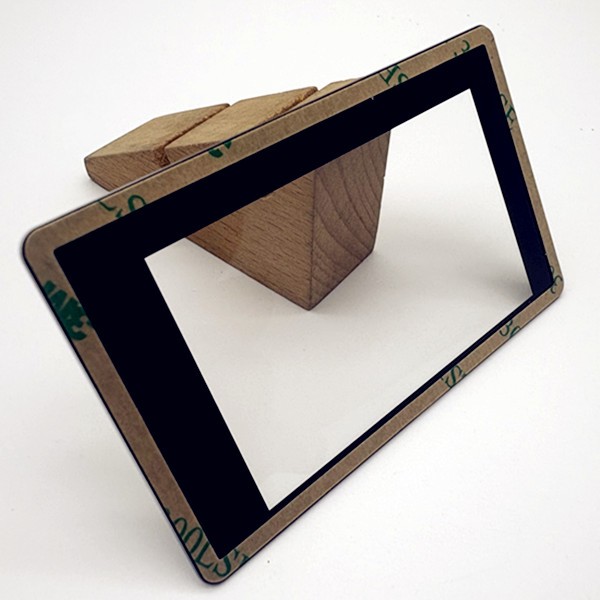
Custom Tempered Glass Dashboard Trim Panel Flat Electronic Glass Screen Protector
A strong match for instrument clusters, center-stack displays and charging interfaces. Control reflection, print registration, flatness and edge quality so the panel supports Tier 1 inspection and shared North American programs.
View product specifications →
Factory Customization Dichroic Glass Gobo Glass
Used where color separation, heat resistance and optical effect must work together. Define the light source, coating design, size, thickness and mounting orientation so the final color behaves as expected.
View product specifications →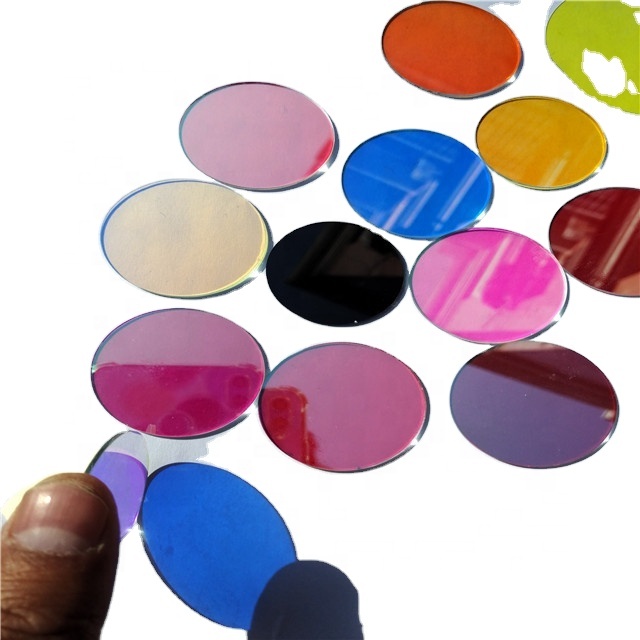
Heat Resistant Borosilicate 3.3 Dichroic Glass Filter
A practical choice for lighting filters, heat-resistant windows and optical assemblies. Borosilicate 3.3 reduces thermal-shock risk, while the coating must be specified together with transmission targets and operating conditions.
View product specifications →
0.5mm 0.7mm 1mm 2mm 3mm Thickness China Suppliers Good Price Oem Wholesale Premium Tempered Printing Custom Gorilla Glass Screen
For touch displays, control panels and OEM cover glass that need scratch resistance and print customization. Review glass grade, strengthening method, surface treatment and logo/border registration early.
View product specifications →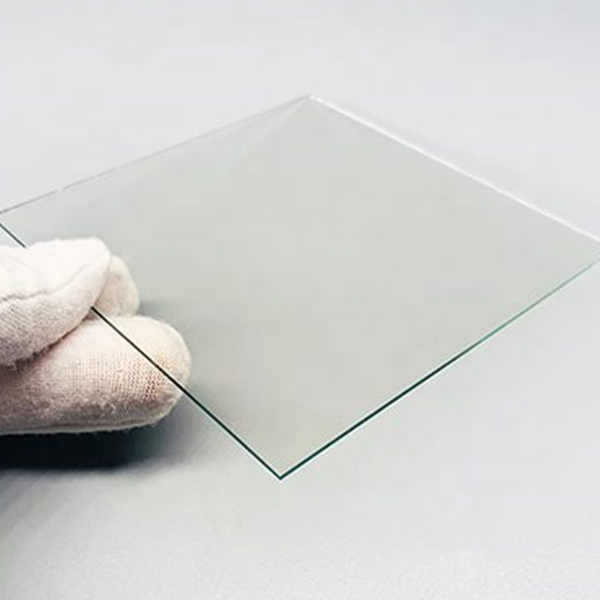
Ito Conducting Glass, Ito Coated Glass, Ito Glass
Transparent conductive glass for touch sensors, heated windows, EMI-related applications and instrument interfaces. Buyers should confirm sheet resistance, coating side, patternability and handling requirements.
View product specifications →Verifiable Supplier Signals for Monterrey Procurement Teams
“Best” should be proven with operating evidence, not adjectives. These supplier signals help a Monterrey buyer compare a China custom tempered glass factory before committing to samples or production.
Fevry Glass also serves buyers in Western Europe, the United States, Japan, South Korea, Taiwan, Hong Kong and Southeast Asia, with export packing designed for fragile thin glass.
Why Monterrey Is Not a Generic Glass Market
Monterrey is one of the most concentrated manufacturing corridors in North America. Around Santa Catarina, Apodaca, Guadalupe, Ciénega de Flores and Pesquería, OEMs and Tier suppliers produce automotive systems, appliances, electronics, medical devices, construction products and industrial equipment. The purchasing logic is shaped by nearshoring, USMCA-related lead-time pressure and a high-mix/low-volume model. A China custom tempered glass factory that only quotes thickness and price will not be useful. What matters is drawing review, material traceability, stable print and coating appearance, packaging that survives the route to Nuevo León, and documentation that lets the local quality team approve first articles quickly.
Monterrey’s climate and building culture also create practical design constraints. Long sun exposure, high summer temperatures and dust in industrial zones make anti-glare, anti-reflective, easy-clean and heat-resistant glass more than cosmetic options. For outdoor signage, LED covers and instrument windows, optical performance and thermal stability must be considered together with mechanical strength. For automotive interiors, print precision and low reflection influence perceived quality. For lighting and projection, heat resistance and color consistency define the final experience.
Sourcing teams in Monterrey often serve both Mexico and the U.S. market, so documentation and repeatability matter. A “best” factory should be judged by evidence: it can trace raw glass to established material makers, show in-process inspection, explain which operations happen in-house, protect edges during ocean and ground transport, and provide responsive engineering feedback before a tooling or production commitment.
A practical Monterrey sourcing scorecard
The strongest supplier is not always the lowest first quote. Evaluate total program risk with five checks.
Localized Application Scenarios for Custom Tempered Glass in Monterrey
Northeast Mexico’s industrial base combines automotive, appliance, electronics, medical and commercial construction demand. Each application has a different failure mode — and therefore a different glass specification.
Automotive HMI and Dashboard Cover Glass
Monterrey’s automotive cluster demands flat, printed, tempered or chemically strengthened cover glass for instrument clusters, center-stack displays and charging-station interfaces. Typical requirements include tight outline tolerances, black border printing, AR/AG treatment, fingerprint resistance and edge quality that passes Tier 1 inspection. Because many programs are shared with U.S. assembly plants, lot-to-lot consistency across Mexico and North America is critical.
Appliance and Smart-Home Control Panels
Appliance and HVAC suppliers around Apodaca and Santa Catarina use silk-screen printed tempered glass to create durable, premium control panels. Designs often combine hidden icon windows, back-painted areas, capacitive-touch compatibility and scratch-resistant surfaces. Confirm print durability, color matching under different lighting and whether AR coating is needed on the front or rear surface.
LED Lighting, Stage and Projection Glass
Event venues, hotels, retail and entertainment projects use gobo glass, dichroic filters and LED cover glass. Heat-resistant borosilicate 3.3 is often preferred where projector or high-power LED heat can cause thermal shock. Dichroic glass supports color effects, but visual color alone is not a specification; define thickness, coating side, transmission target and operating temperature.
Medical Devices, Labs and Analytical Instruments
Northeast Mexico’s medical-device and research supply chain requires clean, flat substrates with predictable optical behavior. Corning Eagle XG and borosilicate glass are selected for biochips, analyzer windows and microscopy accessories because low expansion and dimensional stability support micro-patterning and bonding. Ask for material certificates and inspection criteria rather than accepting a generic “laboratory glass” description.
EMS, Touch Interfaces and Industrial Displays
Electronics manufacturing services and industrial panel builders often need ITO-coated glass, ultra-thin chemically strengthened glass and custom windows for HMI enclosures. These parts sit between electronics, optics and mechanical design, so a supplier must understand sheet resistance, coating side, exposed edges and packing. A pre-production review prevents a polished sample that cannot be reproduced at volume.
Commercial Interiors and Architectural LED Glass
Back-painted tempered glass and LED glass panel covers are used in lobbies, restaurants, retail displays, elevator interiors and branded workspaces. Monterrey’s commercial real estate market favors visual consistency and durable surfaces. Lock in glass color, ink opacity, light diffusion and mounting tolerances before production, especially when LED modules are supplied by a different vendor.
Localized Trends Shaping Custom Glass Procurement in Monterrey
Price remains important, but Monterrey buyers increasingly evaluate total program risk: nearshoring resilience, optical quality, batch consistency and documentation that supports cross-border production.
Nearshoring and Dual Sourcing
USMCA and nearshoring have encouraged many Monterrey OEMs to expand Mexican capacity while retaining Asian material and component suppliers. For custom glass, this creates demand for dual documentation, repeatable part numbers, buffer stock and fast engineering response. A supplier that treats Monterrey as a remote destination will struggle; one that supports Mexico-bound programs with batch consistency and export-ready packing becomes part of the local resilience plan.
Larger Displays with Anti-Glare and AR Surfaces
Automotive and appliance interfaces are becoming larger, flatter and more integrated. Reflections that were acceptable on a small indicator can become a safety or perceived-quality issue on a 12- or 15-inch display. As a result, AR coating, AG treatment, low-reflection print and optical bonding compatibility are moving earlier into the specification stage.
High-Mix, Low-Volume Production
Monterrey’s industrial base includes many product variants for export. A single factory may quote dozens of part numbers rather than one high-volume panel. The stronger supplier uses drawing libraries, standard edge and print rules, and clear sample-approval steps to keep small and medium batches economical without hiding engineering risk.
Traceability and Documentation
Procurement teams increasingly need more than a packing list: material certificates, dimensional reports, print color references, coating-side confirmation and photo or video inspection records. These documents help customs, quality and line engineers in Mexico align quickly. Information gain comes from data, not adjectives.
Thermal Performance in LED and Lighting
High-power LED and projection lighting continue to shrink in size while increasing output. That concentrates heat near glass filters and gobo blanks. Borosilicate 3.3 and properly specified coatings reduce thermal-shock risk, but the design only works when thickness, coating and mounting are considered together.
Logistics and Inventory Planning for Nuevo León
Ocean freight to Manzanillo or Altamira followed by rail or truck to Monterrey requires packaging that absorbs vibration and protects edges. Thin glass, printed cover glass and dichroic filters have different risk profiles. Smart buyers ask for interleaved packing, moisture protection and a plan for partial shipments rather than treating freight as an afterthought.
Material Selection Guide for Monterrey Engineers
Start with the operating environment and the failure mode you cannot accept. Material choice, strengthening method, coating and print must be engineered as one system.
| Material | Typical Thickness | Key Advantage | Monterrey Application Fit |
|---|---|---|---|
| Ultra-clear soda-lime tempered glass | 0.5 – 4 mm | Good strength and cost balance; compatible with printing and AR coating | Appliance panels, automotive trim covers, LED glass covers, industrial windows |
| Alkali-aluminosilicate / Gorilla-type glass | 0.4 – 2 mm | Scratch resistance and chemical strengthening for thin cover glass | Touch displays, smart-home controls, HMI front panels |
| Borosilicate 3.3 | 0.3 – 3.3 mm | CTE around 3.3 × 10⁻⁶/K; strong thermal-shock resistance | Gobo blanks, heat-resistant windows, lighting filters, instrument glass |
| Corning Eagle XG | 0.5 – 1.1 mm | Alkali-free composition, low expansion and flat fusion-formed surface | Biochips, analyzer filters, glass wafers, PLC and micro-optics |
| Chemically strengthened ultra-thin glass | 0.15 – 2 mm | Light weight with improved surface strength | Sensor covers, thin display protection, precision electronic windows |
| ITO-coated conductive glass | Project-specific | Transparent conductive layer for sensing or heating functions | Touch interfaces, heated windows, EMI-related electronic assemblies |
| Dichroic and optical filter glass | Project-specific | Coating-driven color separation and optical filtering | Stage lighting, projection, color filters and decorative lighting effects |
Values are typical for preliminary selection. Final specifications must be confirmed against the manufacturer datasheet, your drawing, the coating design and the operating environment. Cutting, drilling and edge grinding must be completed before strengthening.
Fevry Glass Advantages for Monterrey Buyers
Fevry Glass Co., Ltd. is a specialty glass supplier based in Xinyu, Jiangxi, China. The company supports optical, biological, semiconductor, communications, lighting and electronics customers with drawing-based processing and export-ready quality control.

Raw material discipline and in-house processing
Fevry Glass sources raw glass from Corning, AGC and other multinational producers and works closely with established Chinese optical-glass makers such as Chengdu Guangming and Xinhuguang. That starting point matters because tempering, printing and coating cannot correct an inconsistent substrate. Technicians process glass on laser, ultrasonic, CNC carving, grinding and inspection equipment imported from the USA, Germany and Japan.
Our guiding principle is “Quality is superior, service is supreme, reputation is first”, and our motto is “Your success, our glory”. For Monterrey buyers, that translates into clear drawing feedback, practical material recommendations and packing decisions made for long-distance fragile-glass logistics.
Drawing-Led Engineering Review
Send DWG, DXF or PDF drawings with dimensions, tolerances, holes, notches, edge finish, strengthening method, print colors and coating sides. Engineers confirm manufacturability before quoting, reducing sample revisions and hidden tooling risk.
Material Traceability
Eagle XG, borosilicate 3.3, transparent ceramic glass and selected strengthened substrates can be quoted against your application. Traceable material selection helps Monterrey quality teams compare first articles with production lots.
In-House Cutting, Strengthening and Coating
Process coverage includes laser, CNC and ultrasonic machining, thermal tempering, chemical strengthening, AR and dichroic coating, silk-screen printing, back painting and dimensional inspection — fewer hand-offs and one accountable supplier.
Inspection Before Packing
Checks cover size, thickness, flatness, visual defects, print appearance and coating condition. For thin glass and printed cover panels, inspection records and sample retention help protect repeat orders.
Export Packing and Response
Fevry Glass reports a ≤4-hour average response time, 100% inquiry response rate and 5.0/5 buyer rating. Packing is planned for fragile glass export, with interleaved layers, edge protection and carton or pallet options discussed per order.
Verifiable Supplier Records
Review the supplier assessment, buyer reviews, transaction level, trade capacity and trade history before committing to a production schedule.
Local Procurement FAQ: Buying Custom Tempered Glass for Monterrey
These are the practical questions sourcing managers, mechanical engineers and quality teams ask when evaluating a China custom tempered glass supplier for a Monterrey program.
Can Fevry Glass ship custom tempered glass directly to Monterrey?
Yes. Export arrangements can be discussed around EXW, FOB or CIF terms, with routing through Manzanillo or Altamira and onward rail or truck to Nuevo León. The commercial invoice, packing list, bill of lading and material or inspection documents should be aligned with your freight forwarder and customs broker before shipment.
What is the minimum order quantity for a Monterrey trial order?
Most custom cover glass and AR glass items start from 300 to 500 pieces, some custom-cut Eagle XG parts from 1,000 pieces, and selected gobo glass blanks from as few as 10 pieces. Samples can be arranged to validate fit, print and optical performance before mass production, but the final MOQ depends on size, material, print complexity and process yield.
Which glass material is best for an automotive or appliance display?
For thicker flat covers, ultra-clear soda-lime tempered glass can offer a strong cost-performance balance with printing and AR coating. For thin touch covers, chemically strengthened alkali-aluminosilicate glass may be better for scratch resistance. For heat, low expansion or optical stability, borosilicate 3.3 or Corning Eagle XG may be more appropriate. The drawing and operating environment should drive the decision.
How do you control print and coating consistency across batches?
Define Pantone references, print side, border width, coating side and optical target in the drawing. Production should control ink batch, curing, glass lot, coating run and inspection lighting. Retained approved samples plus photo or measurement records help keep subsequent lots aligned with the first article approved by the Monterrey quality team.
What information is needed for a fast quotation?
Send a 2D drawing with outline dimensions and tolerances, thickness, material, edge finish, hole and notch positions, strengthening method, print colors, AR coating side or sides, application, annual quantity, destination city and preferred Incoterm. For Monterrey projects, include the port of entry or forwarder preference if already fixed. Complete data lets engineers respond with a firm recommendation in one round.
How is fragile glass packed for the Mexico route?
Thin glass, printed glass and coated glass require different protection. Typical controls include interleaved layers, edge protection, moisture barrier, reinforced cartons and pallet planning. For long multimodal routes, buyers should discuss drop or vibration expectations with the supplier and confirm whether partial shipments, extra buffer stock or returnable packaging would reduce line risk.
What compliance documents can be provided?
Depending on the product, available documents may include material certificates, dimensional inspection reports, packing lists, commercial invoices and first-article records. Regulatory requirements such as Mexican NOM, labeling or product-specific standards should be confirmed with your customs broker and local compliance team because they vary by end product and application.
Can you support English or Spanish communication?
Technical drawings, dimensions, colors and inspection photos are language-neutral and form the core of the approval process. English technical documents are standard. For Spanish-language internal review, the supplier can work with your Monterrey engineering, quality or customs partners and align on drawings, part numbers and visual acceptance criteria to avoid translation ambiguity.
Send Your Drawing for a Monterrey-Ready Quotation
Share your 2D drawing, material, thickness, tolerances, print colors, coating side and annual volume. Our engineers will review manufacturability and propose a practical custom tempered glass solution for your Monterrey or Northeast Mexico program.
Inquire Now Technical contact: info@fevryglass.com