8 Anti-Fingerprint Glass Products for Nha Trang Buyers
The products below preserve the original product URLs and images. Use them to compare substrate, coating, printing and strengthening options before requesting anti-fingerprint surface treatment and a drawing-based quotation.
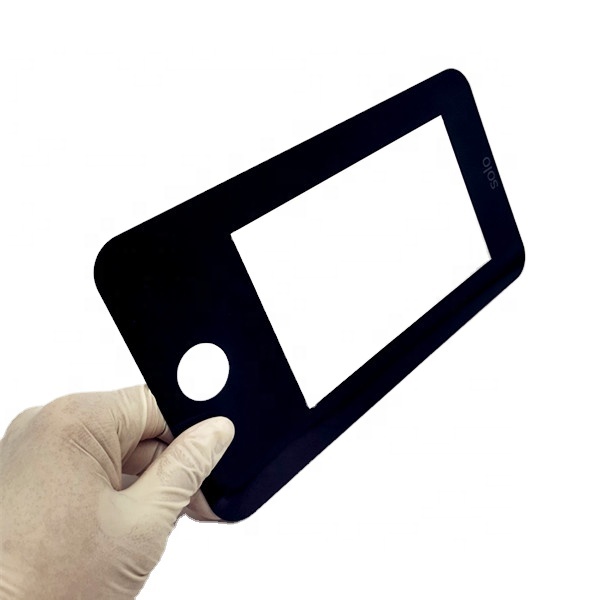
Manufacturer OEM Wholesale Custom Unbreakable Tempered Glass
Low-iron, high-clarity tempered cover glass for hotel touch panels, control plates and display windows that need frequent cleaning.
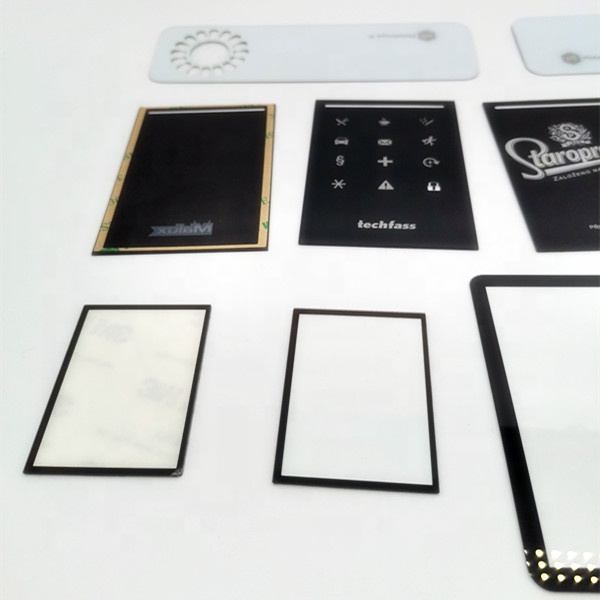
Custom Corning Gorilla Tempered Glass Silk Screen Printing
Scratch-resistant Corning Gorilla cover glass with printed borders and icon windows for interactive kiosks, elevators and room controls.
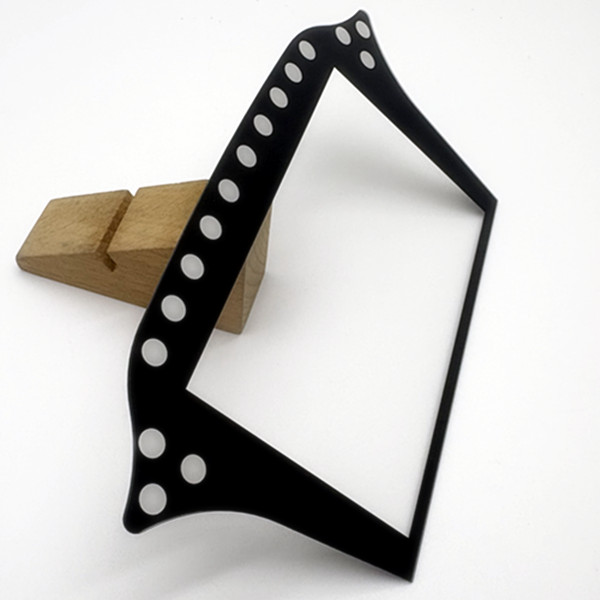
Custom Shaped Tempered Glass Processing
High-transparency window panels with CNC cutting and screen printing for design-led hotel, retail and appliance interfaces.
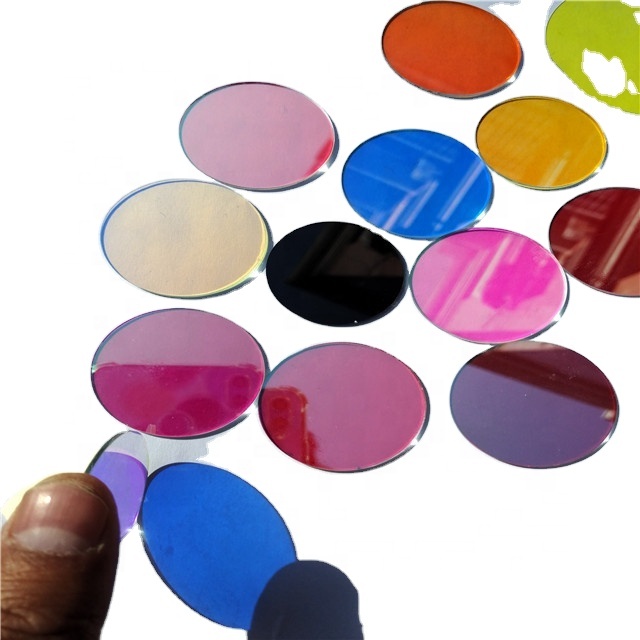
Heat Resistant Borosilicate 3.3 Dichroic Glass Filter
Low-expansion optical filter glass for lighting, stage effects and heat-exposed window applications in coastal entertainment venues.

Custom Ultra Clear Double AR Tempered Glass
Low-reflection, high-transmission cover glass for bright lobbies, outdoor signage and premium retail displays where glare is a problem.

Factory Customization Dichroic Glass Gobo Glass
Custom gobo and dichroic glass for stage lighting, themed venues and projection effects in hospitality and entertainment spaces.
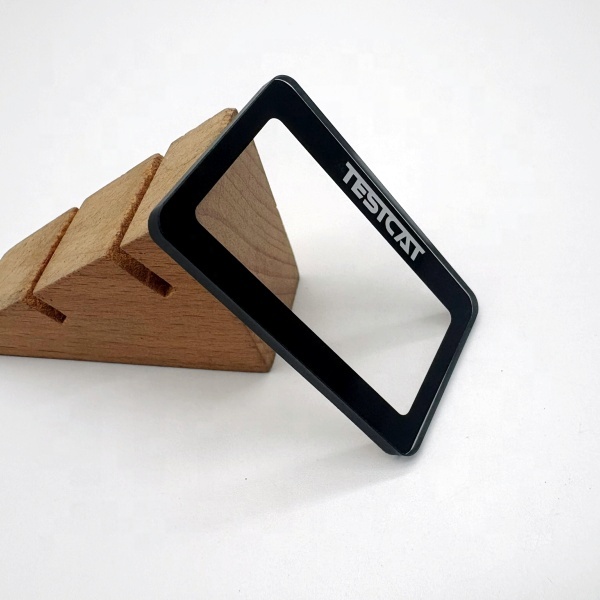
Custom Gorilla Glass LCD Display Window
Printed Gorilla glass display windows for elevators, appliances, ticketing machines and information panels in high-traffic tourism spaces.
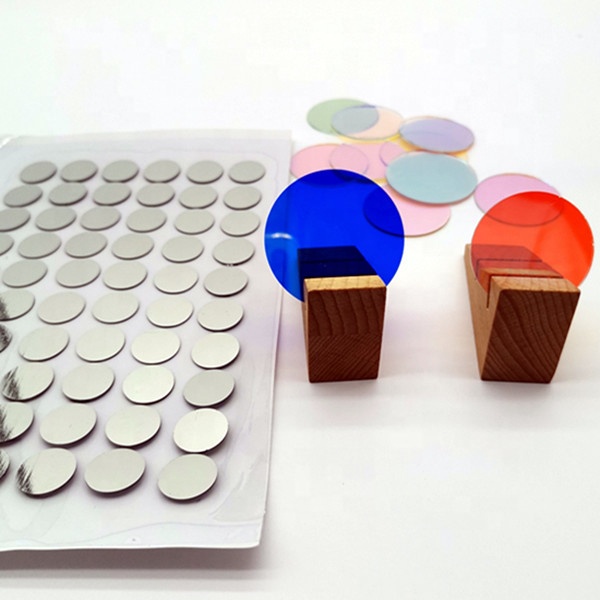
0.2–2 mm Heat Resistant Gobo Glass Blanks
Thin heat-resistant gobo blanks for projection, stage and architectural lighting projects where optical stability and heat tolerance matter.
Why Nha Trang Buyers Need a More Precise Anti-Fingerprint Glass Brief
For buyers in Nha Trang, anti-fingerprint glass is not a single raw material and it is not a decorative label. It is a cover-glass system: the substrate, strengthening method, edge finish, optical coating, printed ink, surface treatment and packing all determine how clean the glass looks after daily touch use. Nha Trang’s coastal humidity, salt-laden air, sunscreen residue, hotel cleaning routines and high visitor traffic make fingerprint visibility and cleaning efficiency more important than in a dry inland showroom. A glass panel that appears perfect in a catalog can still show smudges quickly if the surface energy, anti-reflective coating and printed border are not specified together.
This is why forward-looking procurement teams specify anti-fingerprint performance as a testable requirement, not as a vague feature. They define the substrate, the surface treatment side, the cleaning chemical compatibility, the abrasion expectation, the optical transmission target and the final application environment. They also ask for samples that have been printed, coated and packed in the same workflow as mass production. In Nha Trang, that discipline protects hotel brand standards, reduces cleaning labor in resorts and retail venues, and avoids rework when a display is installed near bright windows or seawater spray.
The commercial logic is equally clear. Vietnam’s coastal tourism economy continues to upgrade digital touchpoints: check-in kiosks, smart room controls, wayfinding screens, restaurant menus, marina information panels and retail interactive displays. Many of these projects are renovation-driven, so they need flexible order quantities, fast samples and export packing that survives mixed-cargo shipping. The best China suppliers for this work are not necessarily the largest commodity factories. They are the suppliers that can keep material traceability, process multiple finishing steps in-house and communicate engineering details in English within a short response window.
Anti-Fingerprint, AR, AG and Tempered Glass Are Not the Same Specification
Buyers often compare suppliers on price per square meter while the real difference is the surface stack. Use the comparison below to ask better questions before approving a sample.
AF / Oleophobic Surface Treatment
An anti-fingerprint finish lowers surface energy so oil, sweat and sunscreen are less likely to cling to the glass. It improves the “clean look” in public touch areas, but it must be matched to the cleaning chemicals used by hotel or retail staff. Abrasion resistance and re-application limits should be discussed during sampling.
AR / Anti-Reflective Coating
AR coating raises light transmission and reduces reflections, which is valuable in bright Nha Trang lobbies and seafront venues. However, AR alone does not prevent fingerprints. In fact, a very clear AR surface can reveal smudges unless it is paired with a cleanable AF finish or a controlled cleaning routine.
AG / Anti-Glare Etching
AG treatment scatters reflected light and can make a touch surface feel smoother or more paper-like. It is useful near windows and outdoor light, but roughness and texture must be balanced against cleaning and print clarity. For printed icons or sensor windows, AG must be tested with the actual ink and backlight.
Tempered or Chemically Strengthened Glass
Tempering and ion-exchange strengthening improve mechanical reliability and scratch resistance, but they do not change surface energy. A strengthened panel can still show fingerprints. The strongest specification combines the right substrate and strengthening with the right AF/AR finish, edge quality and packing design.
Surface Finish Comparison for Anti-Fingerprint Cover Glass
| Finish or Feature | Primary Benefit | Nha Trang Buying Consideration | What to Verify |
|---|---|---|---|
| AF / oleophobic coating | Reduces fingerprint and oil adhesion | Useful for hotel controls, kiosks and retail touchscreens | Cleaning chemical compatibility, abrasion test and sample touch feel |
| AR coating | Higher transmission, lower reflection | Important near bright windows and seafront facades | Coating side, transmission target and color neutrality |
| AG etching | Diffuses glare, alters touch texture | Outdoor or window-facing panels with harsh light | Haze level, print sharpness and cleaning method |
| Thermal tempering | Improves strength for thicker glass | Good for 3 mm+ panels, printed borders and larger windows | Edge quality, flatness and print-firing compatibility |
| Chemical strengthening | Strengthens thin cover glass | Suitable for 0.15–2 mm displays and slim hotel controls | Ion-exchange condition, warp and surface scratch resistance |
These indicators support preliminary selection. Final anti-fingerprint performance must be confirmed by real samples, the intended cleaning protocol and the quotation drawing.
Indicative Performance Balance
Visual selection guide for a coastal hospitality project; not a guaranteed product specification.
Information Gain for Procurement Teams
Ask every supplier to separate the glass substrate from the surface treatment. Confirm whether the coating is applied to one side or two, whether the printed ink is on the front or back, and how the edge will be finished before strengthening. A short technical table like the one above reduces misunderstanding and makes quotations comparable. It also protects the buyer when a hotel operator changes cleaning chemicals after handover.
For Nha Trang projects, request a sample that matches the final stack: substrate, thickness, print color, AR side, AF side, edge finish and packing. A sample that is only “clear glass” does not prove anti-fingerprint behavior. A sample that is only coated but not printed does not prove that the icon window and border will survive during real handling.
Where Anti-Fingerprint Glass Performs in Nha Trang and Khanh Hoa
Nha Trang is a tourism-facing coastal city with resorts, marinas, retail venues, clinics, transportation touchpoints and a growing smart-building ecosystem. The application environment is very different from an inland office, so surface finish and packaging deserve local attention.
Resort and Hotel Touch Controls
Smart room panels, elevator buttons, check-in terminals and lobby wayfinding screens are touched by guests with sunscreen, sweat and wet hands. Anti-fingerprint glass keeps the interface visually cleaner between housekeeping cycles and supports a premium brand impression.
Cam Ranh Airport and Travel Kiosks
High-traffic ticketing and information kiosks need a balance of AR clarity and easy-clean performance. Printed borders and icon windows also help protect displays from accidental touch and improve perceived build quality.
Marina and Coastal Marine Displays
Marine information screens and equipment windows face humidity and salt spray. Buyers should combine strengthened glass, well-sealed edges and a validated cleaning routine. AF/AR options can reduce smudging and reflection, but the enclosure design must also protect the electronics.
Retail, Cafés and Digital Menus
Food service environments create greasy fingerprints and require frequent wiping. A glass surface is easier to clean than some plastics and keeps its premium look longer. Specify print color, icon window clarity and cleaning compatibility before ordering.
Clinics, Spas and Wellness Equipment
Healthcare and spa equipment may be cleaned with stronger disinfectants. Anti-fingerprint coatings must be checked for chemical compatibility. For high-disinfection areas, a robust glass substrate with a simpler surface stack can be safer than a highly modified coating.
Smart Home and Local Electronics Assembly
Local integrators and electronics assemblers need printed cover glass that fits enclosures, buttons and display windows. Silk-screen printing, back painting, AR and AF options can be combined with tempered or chemically strengthened substrates.
Development Trends Shaping Anti-Fingerprint Glass Demand in Nha Trang
Nha Trang is not a large electronics manufacturing hub like some northern or southern industrial zones, so local demand is often project-based, renovation-driven and linked to tourism infrastructure. That creates specific buying patterns.
1. Hospitality Upgrades Favor Premium Touchpoints
Hotels, resorts and serviced apartments increasingly use glass-faced controls, kiosks and information panels to create a premium guest experience. Anti-fingerprint glass supports that goal because the surface stays visually cleaner and is easier to wipe during housekeeping.
2. Coastal Humidity Raises Cleaning Frequency
Humidity, sea breeze and sunscreen can make fingerprints more visible. Buyers are moving from “clear glass” to specified AF/AR surfaces with documented cleaning instructions. This is especially relevant for beachfront venues and marina facilities.
3. Flexible Customization Beats Commodity Stock
Many Nha Trang projects mix several sizes, printed logos, icon windows, sensor cutouts and small replacement batches. Suppliers that can process drawings, print Pantone colors and pack fragile glass professionally are often more valuable than low-price stock sellers.
4. Sample-First Procurement Reduces Renovation Risk
For renovation schedules, design teams want fast samples before committing to a full order. A clear sample workflow—drawing review, material recommendation, printed/coated sample, approval and mass production—reduces the risk of mismatched colors, reflections or touch feel.
How to Specify Anti-Fingerprint Glass for Nha Trang Projects
A practical specification combines the use environment, the display technology and the maintenance plan. Use this guide to prepare a drawing package that suppliers can quote accurately.
Application-Based Material and Finish Selection
| Application | Recommended Substrate | Surface and Finishing Direction | Why It Matters in Nha Trang |
|---|---|---|---|
| Hotel room control panel | Ultra-clear tempered or chemically strengthened glass | Silk print + AF; AR optional | Frequent guest touch, cleaning cycles and premium visual finish |
| Outdoor or lobby kiosk | Tempered glass or Gorilla glass | AR + AF; printed border; chamfered edge | Glare from bright coastal light and visible fingerprints |
| Marine instrument window | Borosilicate 3.3 or strengthened glass | AR option; sealed edge; validated cleaning | Humidity, salt air and temperature swings require robust enclosure design |
| Lighting and gobo glass | Borosilicate 3.3 / dichroic glass | Heat-resistant coating or dichroic filter | Stage, venue and architectural lighting need thermal stability |
| Retail digital menu | Ultra-clear tempered glass | AF; AR optional; printed icon windows | Greasy fingerprints and frequent wiping in food areas |
| Smart-home cover glass | Gorilla glass or low-iron tempered glass | Silk print, back painting, AR/AF option | Compact enclosures need dimensional accuracy and scratch resistance |
The final specification should always be confirmed against the glass manufacturer’s datasheet and a physical sample approved by the project owner.



Why Fevry Glass Is a Practical China Supply Partner for Nha Trang Buyers
Fevry Glass Co., Ltd. is a specialty glass company based in Xinyu, Jiangxi, China. The company works with optical, biological, semiconductor, communications, lighting and electronics customers, helping engineers choose the right substrate and convert it into a finished, export-ready part. For anti-fingerprint cover glass projects, this means the conversation can start at material selection and continue through cutting, strengthening, coating, printing, inspection and packing.
Raw glass is sourced from Corning, AGC and established Chinese optical-glass makers such as Chengdu Guangming and Xinhuguang, so material traceability and consistency receive attention from the start. Processing equipment includes laser, ultrasonic, CNC carving, grinding and inspection systems imported from the USA, Germany and Japan. This equipment base supports custom outlines, holes, notches, edge grinding, thermal tempering, chemical strengthening, AR and dichroic coating, silk-screen printing and back painting.
- Corning Eagle XG, borosilicate 3.3 and transparent ceramic glass
- Semiconductor wafers, biochip glass and PLC substrates
- AR, dichroic and optical filter coatings
- Silk-screen printing, back painting and icon windows
- Thermal tempering and chemical strengthening
- Dimensional and optical inspection before packing
Quality principle: “Quality is superior, service is supreme, reputation is first.” Motto: “Your success, our glory.” For Nha Trang buyers, that translates into clear drawing review, realistic material recommendations, sample validation and export packing designed for fragile thin glass.
Traceable Material Base
Raw glass from multinational and established optical-glass sources supports repeatable optical and mechanical performance.
Multi-Step Process Control
Cutting, drilling, edge grinding, strengthening, coating and printing are coordinated around one drawing and one quality plan.
Coating and Printing Integration
AR, dichroic, silk print and back painting can be reviewed together so the visual stack works with the display and enclosure.
Export Communication
10+ years as an Alibaba.com member, ≤4-hour average response, 100% inquiry response and a 5.0 buyer rating record.
Anti-Fingerprint Glass Sourcing FAQ for Nha Trang Buyers
These are the questions engineers, hotel owners, integrators and procurement teams ask most often when comparing China manufacturers and exporters.
What exactly is anti-fingerprint glass, and is it the same as AR glass?
No. Anti-fingerprint glass usually refers to a cover-glass system with a low-surface-energy treatment that makes oil, sweat and sunscreen less likely to cling to the surface. AR glass refers to anti-reflective coating that increases transmission and reduces reflection. A premium Nha Trang project may use both: AR for optical clarity and AF for easier cleaning. The two functions must be tested together because a very clear AR surface can actually make smudges more visible if the AF finish is weak.
Can an anti-fingerprint finish handle Nha Trang humidity and salt air?
Humidity and salt air mainly affect the enclosure, edge sealing, connectors and cleaning routine. The AF coating itself should be selected for the cleaning chemicals used by the operator. For beachfront sites, avoid assuming that any “anti-fingerprint” label is enough. Request samples, test them with the actual cleaning cloth and chemical, and confirm how the glass edge and display module are sealed against moisture. A well-designed enclosure is as important as the surface treatment.
Which glass substrate should a hotel or retail kiosk use?
For many hotel and retail touch panels, ultra-clear tempered glass or chemically strengthened Gorilla glass is a practical starting point. Thin cover glass can use chemical strengthening, while thicker panels around 3 mm and above are often thermally tempered. If the panel is exposed to strong sunlight, add an AR option. If fingerprints are the main concern, specify an AF treatment and validate the cleaning method. The final choice should be based on thickness, impact risk, print design and annual volume.
What MOQ and sample process should a first-time Nha Trang buyer expect?
In this product family, many custom cover glass and AR glass items start from around 300–500 pieces, custom-cut Eagle XG parts can start from about 1,000 pieces, and selected gobo glass blanks may start from much smaller quantities. Because renovation projects often need samples first, ask for a sample that matches the final substrate, print, coating side and edge finish. A clear sample approval step reduces the risk of color, reflection or touch-feel mismatch before mass production.
What drawing information is needed for an accurate quotation?
Send a 2D drawing in DWG, DXF or PDF with outline dimensions, tolerances, thickness, glass material, edge finish, hole and notch positions, strengthening method, print colors with Pantone references, AR or AF coating sides, application environment and expected annual quantity. If the glass is for a Nha Trang hospitality or marine project, also explain the cleaning routine and whether the panel will face direct sunlight or salt spray. Complete information helps the supplier recommend the right stack in one round.
How should we plan shipping from China to Nha Trang?
Samples and small renovation batches are often compared by air freight, while production volumes are usually evaluated by sea freight. The exact route, Incoterms and customs documents should be confirmed with your freight forwarder. Cam Ranh International Airport and nearby seaport gateways may form part of the logistics plan, but final routing depends on carrier schedules, cargo size and the supplier’s export port. Fragile glass requires interleaved, cushioned packing and clear carton marking.
Can you add logos, icons and sensor windows without harming the surface finish?
Yes, but the print and surface treatment must be designed together. Silk-screen printing and back painting can create logos, borders, icon windows and IR-transparent areas. The supplier should confirm whether printing happens before or after coating, how the ink is cured, and whether the AF treatment covers the printed area. For touch sensors and camera windows, test the optical clarity and alignment with the actual display module rather than approving by drawing alone.
How do we compare suppliers beyond the price per piece?
Compare the full delivered risk: material traceability, drawing review quality, response time, sample accuracy, edge finish, print color control, coating side, packing method and export documentation. A low piece price can become expensive if the glass arrives with chipped edges, mismatched print colors or smudges that cannot be cleaned with the hotel’s standard chemicals. For Nha Trang projects, request references or sample videos, confirm the inspection process and agree on an approval standard before mass production.
Send Your Drawing for a Fast Anti-Fingerprint Glass Review
Share your 2D drawing, thickness, material, edge finish, print colors, AR/AF requirement, application and annual quantity. The engineering team can then recommend a practical substrate and finishing route for Nha Trang hospitality, marine, retail or display projects.