Ceramic Glass Manufacturers & Wholesalers serving the Ottawa market
A specifier-led buying guide for architects, OEMs, lighting studios and procurement teams in Ottawa–Gatineau, covering tempered, AR-coated, printed, borosilicate and Corning® Eagle XG glass processed to drawing.
8 product platforms for Ottawa ceramic-glass and specialty-glass specifications
These are production platforms, not retail shelf items. Each card links to a product family that can be quoted against a drawing, sample request or repeat wholesale program for Ottawa projects.
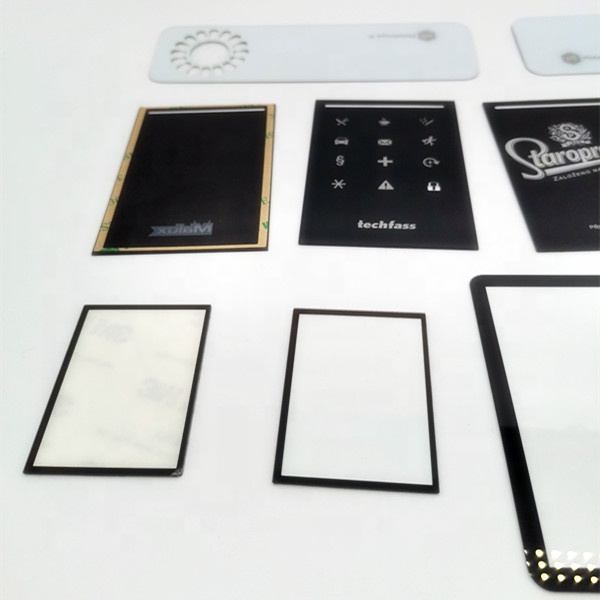
Custom Corning Gorilla Tempered Glass Silk Screen Printing for Touch Screen
Best for printed cover glass where scratch resistance, ink sharpness and clean optical windows matter.
View product
0.5mm 0.7mm 1mm 2mm 3mm Thickness China Suppliers Good Price Oem Wholesale Premium Tempered Printing Custom Gorilla Glass Screen
Best for buyers comparing thin-glass thickness, print options and OEM wholesale pricing in one program.
View product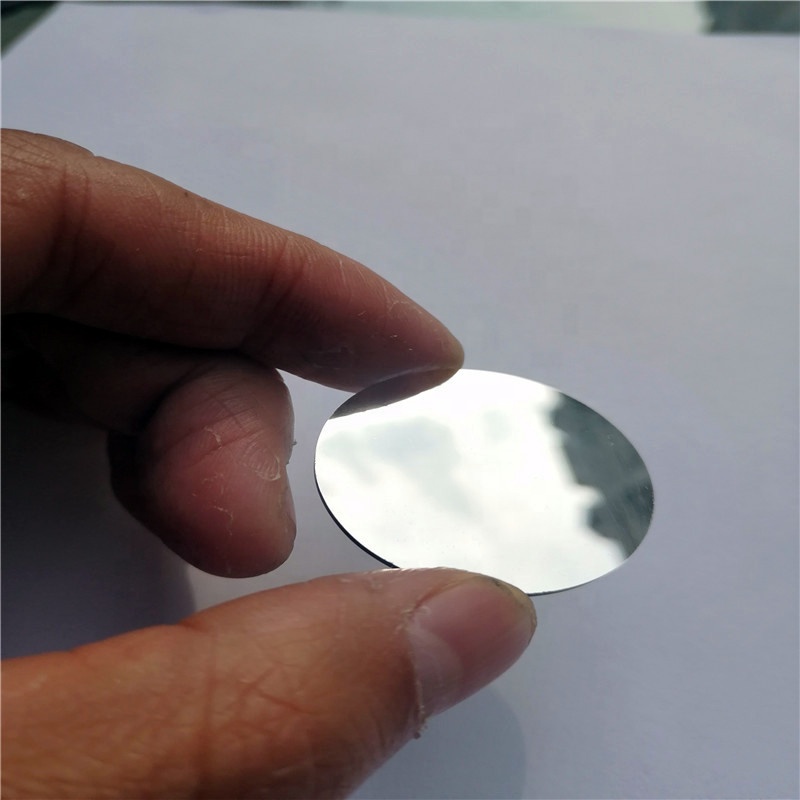
Gobo Glass/dichroic Mirror Lighting Filters Glass Lens
Best for stage-lighting color effects, dichroic filters and custom gobo assemblies where heat exposure is understood.
View product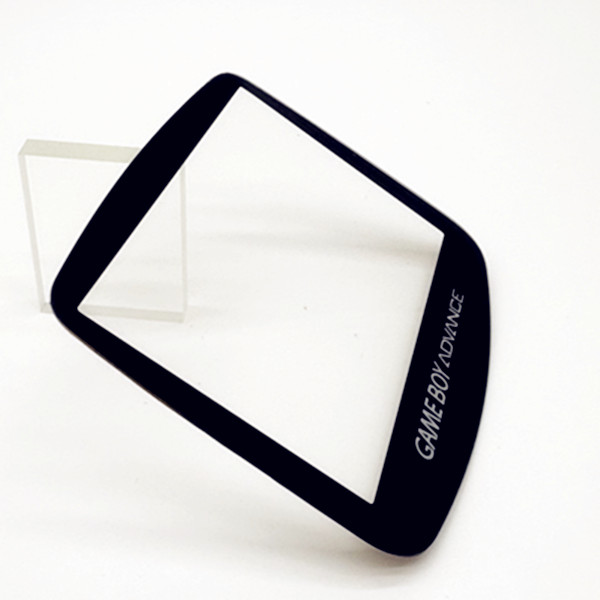
Custom Premium Gorilla Tempered Silk Screen Printed Glass Touch Screen Printed Glass Panels Cover Glass for OLED Screen
Best for premium OLED and touch interfaces that need cosmetic print quality, optical clarity and durable edges.
View product
Custom Black Border Tempered Glass Panels Silk Screen Print Tempered Glass
Best for display windows and appliance covers where opaque borders, light blocking and print uniformity are critical.
View product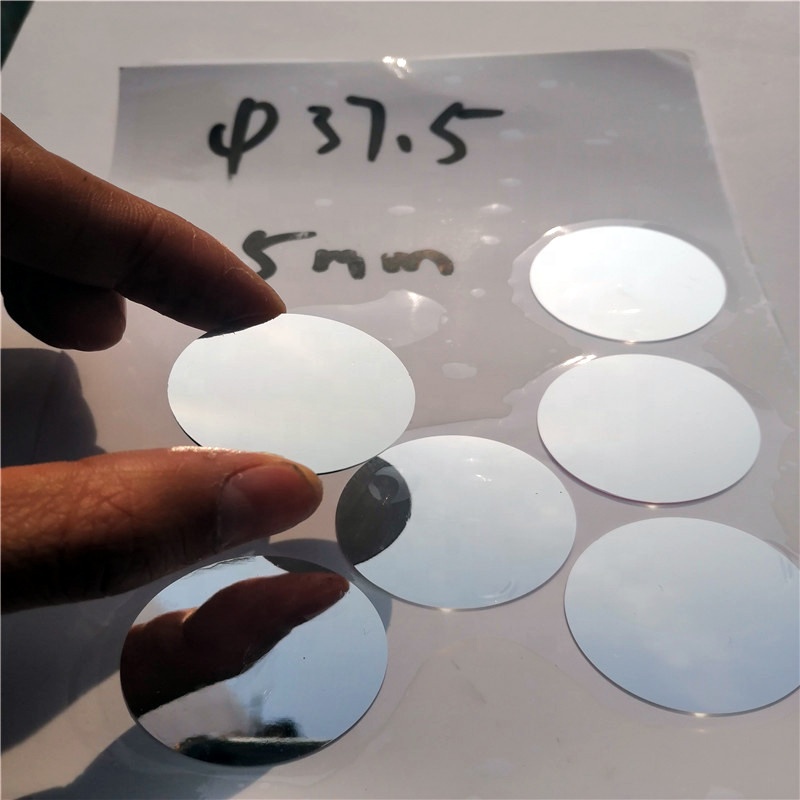
OEM Custom Heat Resistant Gobo Glass Lens
Best for high-power lighting fixtures and OEM gobo lenses that see concentrated heat and repeated thermal cycling.
View product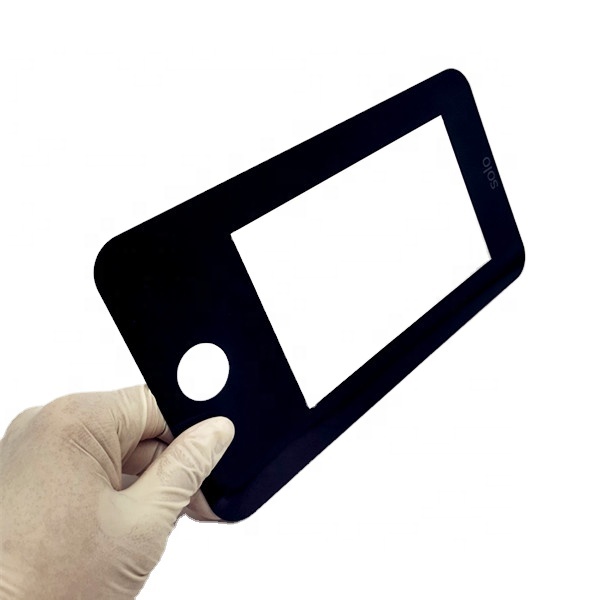
Manufacturer Oem Wholesale Custom Unbreakable Tempered Glass,high Quality Tempered Glass,low Iron Tempered Glass Manufacturer
Best for low-iron tempered panels where edge strength and visual neutrality matter; “unbreakable” is a marketing term, not a literal guarantee.
View product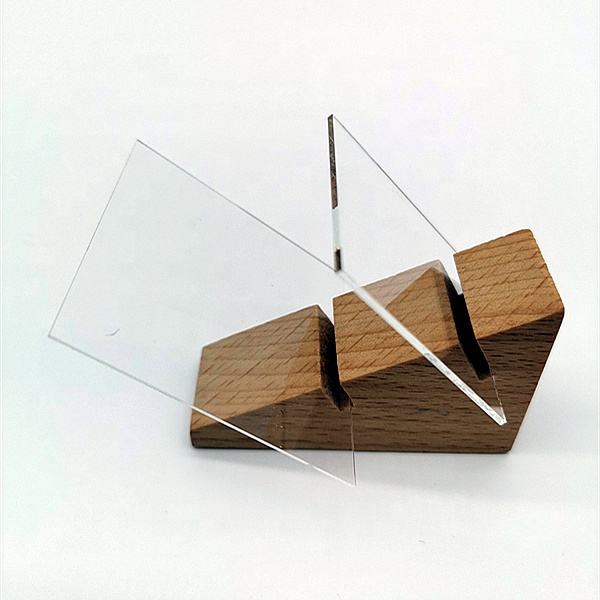
Custom Cut 0.5mm 0.7mm 1mm 1.5mm 2mm 2.5mm 3mm Corning Gorilla Temper Glass
Best for prototypes and volume builds using custom-cut thin Gorilla glass from 0.5 mm to 3 mm.
View productVerified signals Ottawa procurement teams can review before committing
Fevry Glass Co., Ltd. is based in Xinyu, Jiangxi, China, and serves overseas buyers through drawing-based production. These figures are taken from our public supplier profile and buyer-facing records.
What Ottawa buyers mean by “ceramic glass” — and how to specify it correctly
In Ottawa–Gatineau, a search for ceramic glass manufacturers can begin with a fireplace viewing panel, a heat-resistant lighting lens, a museum graphic, an outdoor wayfinding face, a medical analyzer window, or a touchscreen cover for a charging station. These requests are not interchangeable. Each one places different demands on thermal shock, impact resistance, optical transmission, print durability, bilingual typography and documentation.
True glass-ceramic is a crystallized glass material, while many buyers use “ceramic glass” as a commercial phrase for heat-resistant glass and high-performance cover glass. For custom projects, practical options usually include borosilicate 3.3 for thermal-shock resistance, tempered low-iron glass for strength and clarity, chemically strengthened thin glass for impact resistance, and Corning® Eagle XG for alkali-free flatness.
Our role is to recommend the material that meets the drawing and the local environment, not force every Ottawa inquiry into one product name. We ask about maximum service temperature, mounting constraints, cleaning chemicals, expected impact, print colors, AR coating sides, annual volume and whether the part will carry English and French text. That early technical conversation is where information gain begins for a public-sector, healthcare, technology or cultural project.
Ottawa quotation-review weighting
An example weighting model used during specification review — not a statistical survey or a certification claim.
Where custom ceramic glass and specialty glass fit in the Ottawa market
The following scenarios are application guidance, not claims of completed installations. They show how drawings from Ottawa architects, OEMs and laboratories map to material families and finishing options.
Federal, museum and visitor-centre displays
Downtown Ottawa and National Capital Region cultural spaces often need bilingual English/French graphics, anti-glare readability under downlights, and printed glass that survives routine cleaning. Tempered glass with controlled silk-screen ink and optional AR coating is a practical direction for display windows and donor or wayfinding panels.
Kanata North technology and photonics
Ottawa’s technology corridor includes telecom, photonics, sensors, life-science instruments and advanced manufacturing teams. For these buyers, AR-coated display covers, glass wafers, PLC substrate glass, V-groove glass and Corning® Eagle XG cut parts can matter more than decorative appearance. Flatness, dimensional stability and repeatable optical inspection become the buying language.
Stage, film and event lighting
Venues and production teams in downtown Ottawa, Nepean and Gatineau work with high-power lighting fixtures that concentrate heat. Gobo glass blanks, heat-resistant lenses and dichroic filters must be selected around lamp power, duty cycle, coating side and mounting clearance. A visually similar glass can fail quickly if the thermal load is not reviewed.
Cold-climate exterior and semi-exterior wayfinding
Ottawa winters bring freeze-thaw cycles, snow-clearing impacts, salt exposure and condensation. For exterior or semi-exterior glass, we review edge quality, mounting method, print protection, coating side and thermal movement. Borosilicate 3.3 or properly specified tempered glass may be appropriate depending on the heat source and mechanical load.
Healthcare, laboratories and life sciences
Hospitals, research labs and diagnostic instrument teams often need borosilicate 3.3, optical filter glass, glass wafers or Corning® Eagle XG. When the part contacts reagents or undergoes repeated cleaning, material stability and edge condition matter as much as initial clarity. Material certificates and inspection records should be agreed at quotation.
Transit, EV charging and smart-building HMI
Public touch points require scratch-resistant cover glass, black-border printing, optical windows and clean integration with displays or sensors. For Ottawa transit, charging and smart-building projects, buyers should confirm impact expectations, cleaning agents, UV exposure and local electrical approval requirements with the authority having jurisdiction.
Ottawa-specific trends shaping ceramic-glass specifications
These trends come from the questions we handle in custom-glass inquiries; they are directionally useful for Ottawa designers, OEMs and procurement teams preparing drawings or budgets.
Bilingual interface design is now a specification issue
English and French text must remain sharp at small sizes, with consistent stroke weight and reliable color matching. Buyers increasingly ask for Pantone references, print-side drawings and sample approval before mass production.
Cold-climate durability moves earlier in design
Thermal shock, condensation and snow-clearing impact are being discussed before the glass thickness is fixed. This is especially important for exterior lighting, vestibule displays and unheated semi-exterior installations.
Photonics and semiconductor supply chains
Ottawa’s technology ecosystem continues to support photonics, communications and instrument development. That drives demand for flat, low-expansion substrates and optical coatings rather than commodity glass alone.
Heritage and modern lighting converge
Cultural and institutional projects want contemporary optical performance without losing the character of a façade or interior. Dichroic, AR-coated and printed glass can support modern lighting while respecting heritage review requirements.
Repairable, lower-waste specification
Procurement teams are asking for durable prints, replaceable modules and packaging that protects thin glass without excessive material. Drawing-based production helps avoid over-ordering non-standard parts.
Documentation-led procurement
Public-sector and regulated buyers want traceable material information, dimensional inspection records and clear change control. We recommend confirming every certificate and test report needed before the first sample is approved.
Material selection matrix for Ottawa projects
Use this matrix for preliminary discussions, then confirm the final material against the manufacturer datasheet, your drawing and the authority having jurisdiction.
| Ottawa use case | Recommended material | Why it fits | Watch-out |
|---|---|---|---|
| Heat-resistant lighting lens or gobo | Borosilicate 3.3, dichroic-filter glass | Low thermal expansion and better thermal-shock tolerance than soda-lime glass. | Confirm lamp heat load, duty cycle, coating side and mounting clearance. |
| Touchscreen or HMI cover glass | Chemically strengthened Gorilla® glass or tempered low-iron glass | Scratch resistance and impact strength for public or commercial touch points. | Finish all cutting, holes and edge grinding before strengthening; specify print and AR sides. |
| Bilingual architectural graphic | Tempered low-iron glass with silk-screen print | Sharp English/French graphics and durable color on a clean float-glass substrate. | Provide Pantone references; approve a physical sample for ink density and pinholes. |
| Optical instrument or lab window | Corning® Eagle XG or borosilicate 3.3 | Flatness, low expansion and chemical stability for analytical equipment. | Clarify cleaning chemicals, flatness, thickness tolerance and any required inspection data. |
| Decorative black-border display panel | Tempered glass with black silk-screen border | High-contrast window openings and clean integration with LCD or OLED displays. | Review print opacity, edge coverage, IR windows and adhesive compatibility. |
| Cold-climate exterior wayfinding face | Tempered or borosilicate glass, sealed print, optional AR | Balances impact resistance with readability and UV-stable appearance. | Review mounting, edge sealing, snow-clearing contact and freeze-thaw movement. |
Values and recommendations are for preliminary selection only. Final specifications must be confirmed against the relevant material datasheet and your project requirements.
Why Fevry Glass is a credible wholesale partner for Ottawa projects
Fevry Glass Co., Ltd. is a specialty glass company in Xinyu, Jiangxi, China. We work with optical, biological, semiconductor, communications, lighting and electronics customers, and we source raw glass from Corning, AGC and established Chinese optical-glass makers such as Chengdu Guangming and Xinhuguang.



Raw-material access and traceability
We source from Corning, AGC and established Chinese optical-glass makers, so every project starts from a material family that can be confirmed before cutting. Our team documents the agreed substrate, thickness and coating side in the quotation.
Processing under one roof
Laser, ultrasonic, CNC carving, grinding, thermal or chemical strengthening, AR coating, dichroic coating, silk-screen printing and back painting can be coordinated through one production path.
Dimensional and optical inspection
Size, thickness, flatness, edge condition and visual defects are checked before packing. For Ottawa buyers, this inspection step is where print alignment and optical-window quality become verifiable rather than assumed.
Bilingual print and cosmetic control
Pantone-matched borders, logos, icon windows and IR-transparent ink areas can be quoted from your artwork. We recommend a physical sample whenever English/French type is small or color consistency is brand-critical.
Export packing for fragile thin glass
Interleaved, cushioned packing is designed for international shipping. Ottawa buyers can discuss courier, air or sea options, Incoterms, brokerage and import documentation during quotation.
Public records you can check
Buyers can review supplier assessment, transaction level, trade capacity, trade history, credit profile and ratings through our company profile. These records support a more evidence-based supplier review.
A five-step path from Ottawa drawing to export delivery
Designed for procurement teams that need predictable communication and fewer technical surprises.
Share the drawing
Send DWG, DXF or PDF dimensions, tolerances, thickness, material, edge finish, print colors and AR sides.
Engineering review
We confirm manufacturability and recommend the substrate, strengthening method and finishing route.
Sample approval
Samples validate fit, print alignment, color and optical performance before mass production.
Production & inspection
Processing with in-line dimensional and visual checks, then a final review before packing.
Export delivery
Protective packing and international shipping documents prepared for the agreed Ottawa delivery terms.
Common questions from Ottawa buyers sourcing ceramic glass and custom glass wholesale
Straight answers for architects, engineers, OEM buyers and procurement teams evaluating an overseas manufacturing partner.
Are you an Ottawa-based manufacturer or an export wholesaler?
Fevry Glass Co., Ltd. is a specialty glass manufacturer and exporter based in Xinyu, Jiangxi, China. We are not a local Ottawa retail storefront. For Ottawa buyers, we operate as a drawing-based wholesale production partner and coordinate export packing and international shipping to Canada.
Is “ceramic glass” always the same as true glass-ceramic?
No. In the market, “ceramic glass” is often used for heat-resistant glass panels, tempered cover glass or printed glass with a ceramic-like appearance. True glass-ceramic is a crystallized glass material with its own property profile. For custom industrial parts, we confirm the actual material family rather than silently substituting one glass for another.
What information do you need for a fast quotation?
Send a 2D drawing with outline dimensions and tolerances, material, thickness, edge finish, hole and notch positions, strengthening method, print colors with Pantone references, AR coating side or sides, application, annual volume and any required inspection or material records.
Can you print English and French graphics on glass?
Yes. Silk-screen printing and back painting can be quoted against your artwork and Pantone references. For Ottawa projects, we recommend approving a physical sample when bilingual text is small, when color consistency is brand-critical, or when the printed glass will sit behind a bright display.
How do you handle Ottawa winter and thermal shock?
The correct material depends on the heat source and mounting. Borosilicate 3.3 may suit lighting covers, gobo blanks and heat-resistant windows, while tempered or chemically strengthened glass may suit cover-glass and impact applications. Edge quality, constraints and coating side must be reviewed together; installation and code compliance remain the buyer’s responsibility.
What is the minimum order quantity?
Most custom cover glass and AR glass items start from around 300 to 500 pieces. Custom-cut Corning® Eagle XG parts may start from approximately 1,000 pieces, while selected gobo glass blanks can start from as few as 10 pieces. Samples can be arranged before mass production to validate fit and optical appearance.
Do you provide samples and inspection documentation?
Yes, samples can be quoted for fit, print color and optical performance. Inspection records and material information can be discussed for the specific order. Any certificate required by the project should be identified before quotation because not every material or process carries the same documentation.
How do you ship to Ottawa, and what about CSA/UL or local approvals?
We use export packing designed for fragile glass and can discuss courier, air or sea freight, Incoterms, brokerage and import documents during quotation. CSA, UL or other local product approvals are project-specific; we do not claim them unless documented for the exact part. Confirm requirements with the authority having jurisdiction and your electrical or safety engineer.
Request an Ottawa-ready ceramic glass quotation
Send your 2D drawing, material, thickness, print colors, AR side, application and annual volume. Our engineering team typically replies within 4 hours with questions or a practical manufacturing recommendation.