8 Optical Glass Products Recommended for Düsseldorf OEM Buyers
Below are eight representative products from Fevry Glass. Each item can be reviewed against your drawing, end application, coating requirement and expected annual volume before quotation.
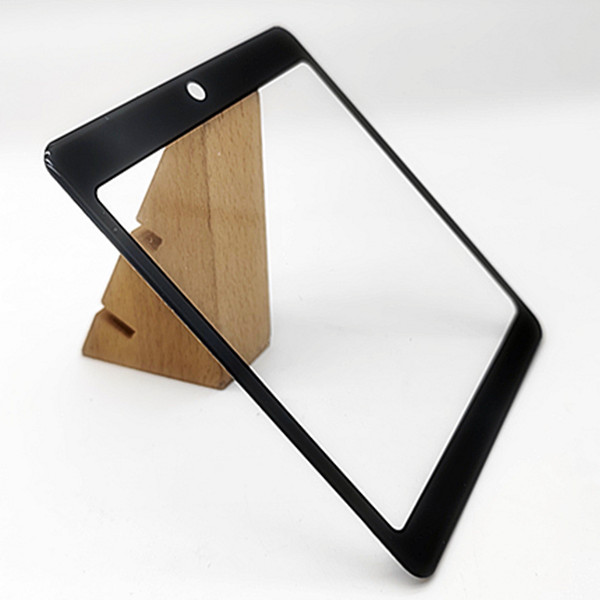
Ultra Clear Gorilla Glass Panel with Silk Screen Printing for Electronic Device
High-clarity strengthened cover glass with printed borders, logos or windows for Düsseldorf smart-home, display and control-panel programmes.
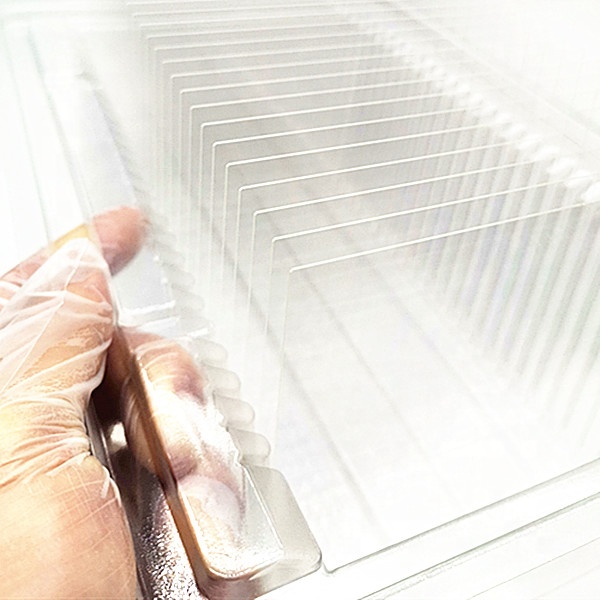
Custom Chemically Ultra-Thin Clear Transparent Tempered Glass Sheet
Ideal for compact sensor windows, touch interfaces and lightweight display stacks where thin, flat and optically clean glass is required.

Factory Customization Dichroic Glass Gobo Glass
Custom colour effect and gobo components for stage lighting, architectural lighting and projection applications.
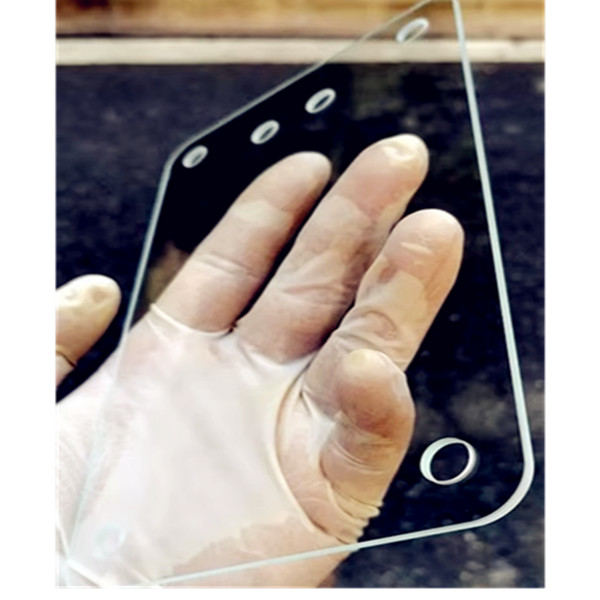
Custom Cut 0.5mm 0.7mm 1mm 1.5mm 2mm Clear Toughened Glass Tempered Corning Gorilla Glass
Cut-to-drawing Corning Gorilla glass for scratch-resistant display windows and premium electronic interfaces.
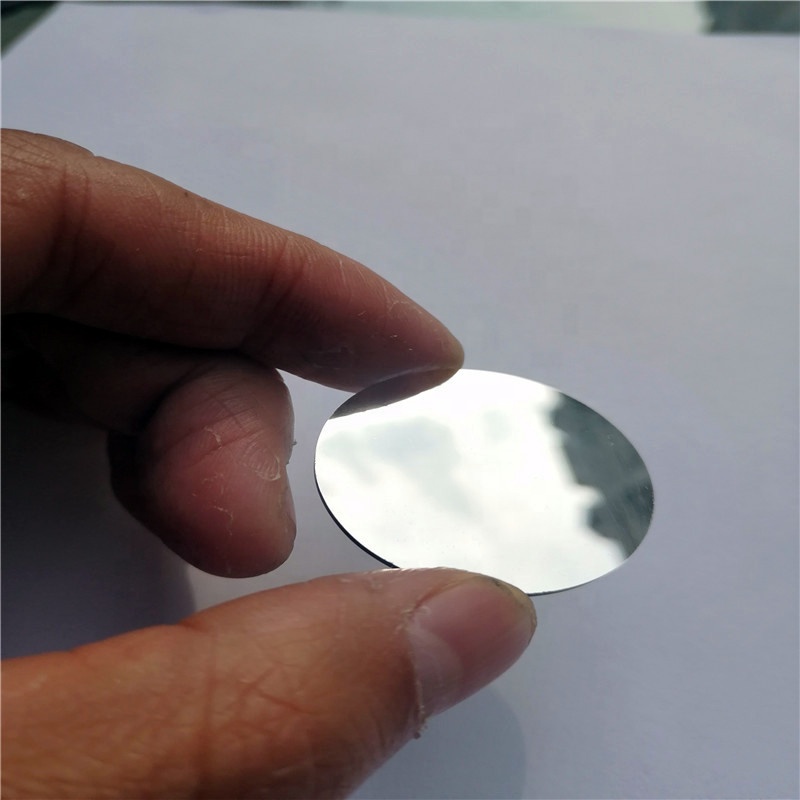
Gobo Glass / Dichroic Mirror Lighting Filters Glass Lens
Dichroic mirror filters and glass lenses for precise colour separation, reflection and small-format optical assemblies.
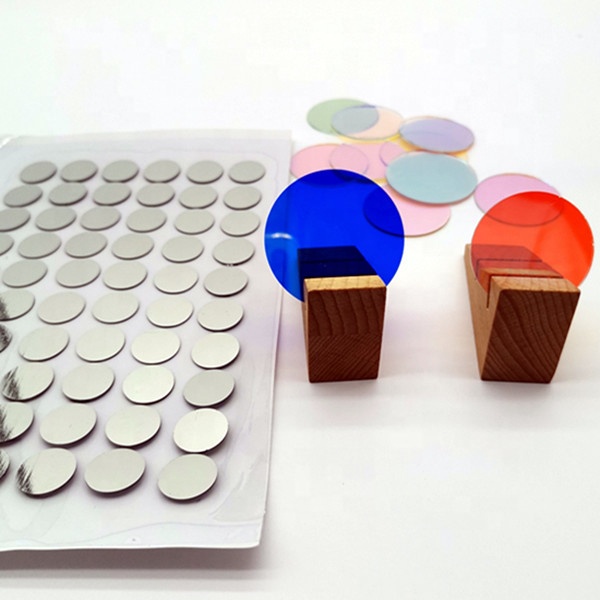
0.2mm 0.3mm 0.4mm 0.5mm 0.7mm 1.0mm 2mm Heat Resistant Gobo Glass Blanks
Heat-resistant gobo blanks for high-power lighting, projection and laser effects where thermal stability and colour consistency matter.
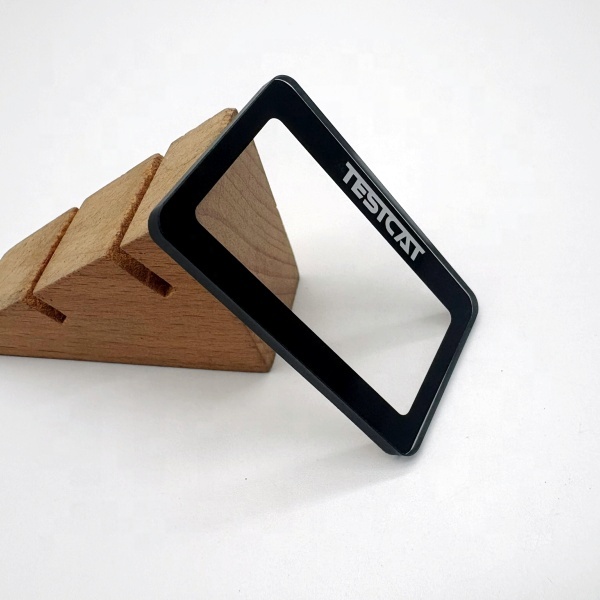
Custom Gorilla Glass Panel Tempered Glass Display Window Silk Screen Printing for LCD Display
Printed Gorilla glass display windows with clean icon openings and colour-matched borders for equipment interfaces.
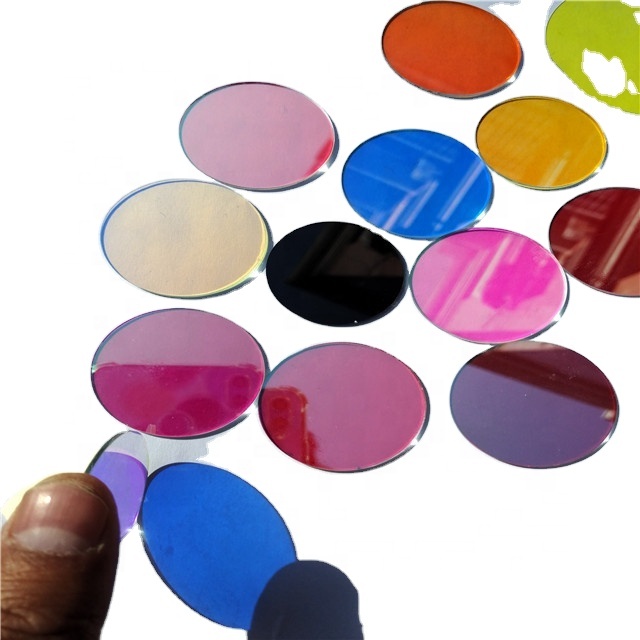
Heat Resistant Borosilicate 3.3 Dichroic Glass Filter
Low-expansion borosilicate 3.3 with dichroic coating for lighting filters, optical assemblies and heat-exposed windows.
Why Düsseldorf Rewards Suppliers Who Can Document Optical Glass, Not Just Ship It
This guide reflects export engineering experience with optical, biological, semiconductor, communications, lighting and electronics customers, including established exports to Western Europe.
Düsseldorf is more than a convenient logistics point on the Rhine. It sits inside the Rhine-Ruhr industrial and commercial corridor, close to automotive engineering, medical technology, lighting design, machine vision, smart-building controls and an international trade-fair calendar. For procurement teams in this market, an optical glass lens or display cover glass is rarely bought as a generic catalogue item. It is specified for a finished product that must pass internal validation, support CE-related documentation and remain repeatable across production batches.
A good sample is only the beginning. Düsseldorf OEM buyers typically ask for drawing control, material traceability, coating side and appearance data, print colour references, dimensional inspection and packaging that protects thin glass during consolidated freight. A supplier that cannot explain how the part will be checked before shipment creates risk for the entire project schedule.
Fevry Glass approaches custom optical glass manufacturing as an engineering documentation exercise first and a production exercise second. We source traceable raw glass, process it with laser, ultrasonic, CNC, grinding, strengthening, coating and printing routes, and inspect parts before export packing. This article explains how Düsseldorf buyers can select the right material, map applications to local demand, review CE-supporting documentation and avoid common sourcing mistakes.
What Düsseldorf Buyers Usually Ask For
Fast, precise communication with an export team that understands drawing-based glass processing.
Where Custom Optical Glass Performs in Düsseldorf and NRW
The same glass specification can behave very differently across applications. These are the local use cases that most often require custom size, coating, strengthening and printed features.
Automotive HMI and EV Charging Interfaces
Düsseldorf sits within the Rhine-Ruhr automotive supply belt. Anti-reflective tempered cover glass, chemically strengthened thin glass and printed Gorilla glass help reduce glare, resist scratching and give EV charging stations and cockpit displays a premium black-border finish.
Medical Technology and Diagnostics
With Düsseldorf’s medtech ecosystem and international healthcare exhibitions, buyers increasingly require borosilicate 3.3, Corning Eagle XG and dichroic filter glass for analyzer windows, biochip substrates, instrument covers and optical alignment parts with clean surfaces.
Stage, Event and Architectural Lighting
Lighting studios, venues and architectural projects need consistent colour and heat resistance. Heat-resistant gobo glass blanks, dichroic filters and borosilicate 3.3 lenses support projection, colour mixing and high-temperature LED or stage-lighting assemblies.
Smart Home and Building Controls
Wall panels, access controls, appliance interfaces and connected building devices use printed cover glass with IR windows, icon openings and durable ink. Buyers value colour consistency, flatness and reliable packaging for multi-channel installation projects.
Machine Vision and Measurement
Industrial inspection systems and metrology equipment need flat, optically clean windows, glass wafers and AR-coated sight glasses. Dimensional stability and low surface distortion are more important than decorative appearance.
Prototype Builds and Trade-Fair Demonstrators
Düsseldorf’s exhibition calendar creates demand for short-run, presentation-quality glass parts. Buyers often need samples before a show, consistent print colours and packing that keeps demo units flawless after international transit.
Six Trends Shaping Optical Glass Procurement in Düsseldorf
Demand is moving toward thinner, stronger, more documented and more application-specific glass components.
Compliance-First Supplier Selection
European buyers increasingly request RoHS and REACH declarations, material identification, dimensional reports and clear batch traceability as part of the quotation package, not after the purchase order.
Supply-Chain De-Risking
Procurement teams want alternatives without losing material consistency. Traceable raw-glass sources and a documented process chain help Düsseldorf buyers reduce single-source exposure while keeping specifications stable.
EV and Software-Defined Interiors
Displays are becoming larger, darker and more integrated. Anti-reflective coatings, chemically strengthened thin glass and seamless printed black borders are increasingly requested for cockpit and charging infrastructure designs.
Miniaturization and Sensor Integration
Optical sensors, biochips and compact instruments require ultra-thin glass, wafers and flat windows with controlled edges. Glass must remain optically clean after cutting, strengthening and coating.
Experience-Driven Lighting
Lighting is no longer just illumination. Dichroic colour effects, gobo patterns and heat-resistant blanks support architectural identity, retail experiences and stage design across NRW.
Sustainability and Resource Efficiency
Thinner glass, durable coatings and right-sized export packing reduce material use and freight impact. Buyers are also asking for clearer documentation to support longer product life and maintainable assemblies.
Optical Glass Material Comparison for Düsseldorf Engineering Teams
Use this comparison for preliminary selection. Final thickness, coating, strengthening and tolerance should be confirmed against your drawing and the glass manufacturer’s datasheet.
Düsseldorf procurement note: For an optical glass lens or cover glass component, always confirm the intended end product and applicable standards with the finished-equipment manufacturer. CE marking generally applies to the finished product, not to every individual component.
Why Fevry Glass Supports Düsseldorf Buyers from Drawing to Export Packing
Our value is not a single machine or a single material. It is the combination of traceable sourcing, multi-step glass processing, inspection discipline and export communication.
Traceable Raw-Material Network
We source raw glass from Corning, AGC and other multinational producers and work closely with established Chinese optical-glass makers such as Chengdu Guangming and Xinhuguang. Projects start from traceable material rather than anonymous stock.
In-House Processing Chain
Laser, ultrasonic, CNC carving, grinding and inspection equipment imported from the USA, Germany and Japan supports complex outlines, holes, notches, slots and controlled edges with fewer hand-offs.
Strengthening, Coating and Printing
Thermal tempering for thicker panels, ion-exchange chemical strengthening for thin glass, AR and dichroic coatings, silk-screen printing and back painting can be combined into one finished part.
Dimensional and Visual Inspection
Before export, parts are checked for size, thickness, flatness and visual defects according to the agreed drawing. Export packing is interleaved and cushioned for fragile thin glass.
Public Export Records and Response
Fevry Glass has 10+ years of Alibaba.com membership, ≤4-hour average response time, 100% inquiry response rate, a 5.0/5 buyer rating and service to 7+ export regions including Western Europe.
Practical Volume and Sample Support
Many custom cover-glass and AR-glass items start at 300–500 pieces, custom-cut Eagle XG parts at 1,000 pieces, and selected gobo glass blanks from 10 pieces. Samples can validate fit and optical appearance before mass production.
How CE-Supporting Documentation Works for Optical Glass Components
For Düsseldorf buyers, clear documentation reduces regulatory friction and makes supplier comparison more objective.
CE marking is normally a declaration made by the manufacturer of a finished product under the applicable European Union directive or regulation. An optical glass lens, display cover or filter is often a component inside that finished product. The most reliable approach is therefore a partnership in which the component supplier provides material declarations, dimensional inspection, coating information, RoHS and REACH statements, and batch traceability to support the finished-equipment manufacturer’s own CE assessment.
Fevry Glass supports this process by asking for the end application, destination, material, coating side, print specification and required documents at quotation stage. For thermally tempered safety glass, relevant standards may include EN 12150; for other glass components, the applicable standard depends on the finished product. We do not replace the OEM’s regulatory assessment, but we help make the technical file more complete and easier to review.
For Düsseldorf sourcing teams, this means fewer clarification loops and a clearer comparison between suppliers. Instead of asking only for a price per piece, ask for the documentation package, packing method, sample plan, inspection criteria and production traceability that will accompany the order.
Typical Documentation Package
Common Questions from Local Buyers Before They Request a Quote
These answers reflect the practical questions we receive from engineers, sourcing managers and import teams evaluating custom optical glass suppliers.
Can you provide CE-related documents for Düsseldorf customers?
Yes. We can supply material declarations, dimensional inspection reports, coating information, RoHS and REACH statements where applicable, and batch traceability. CE marking itself is normally handled by the finished-product manufacturer, so please share the end application and required documents before quotation.
What drawing details do you need to quote an optical glass part?
Send a 2D drawing in DWG, DXF or PDF with outline dimensions, tolerances, thickness, glass material, edge finish, hole and notch positions, strengthening method, print colours with Pantone references, AR coating side, end application and expected annual volume.
What are the minimum order quantities?
Most custom cover-glass and AR-glass items start at 300–500 pieces, some custom-cut Eagle XG parts at 1,000 pieces, and selected dichroic gobo glass blanks from 10 pieces. Samples can be arranged to validate fit, print and optical performance before mass production.
How is fragile glass packed for shipment to Düsseldorf?
Thin glass is interleaved and cushioned according to part size and fragility. Export packing is designed for international freight and can be confirmed with labels, batch identification and carton marks before shipment. Freight terms and routing to DUS or the Rhine-Ruhr region can be discussed at order stage.
Can you support repeat production and batch traceability?
Yes. Repeat orders should run from the approved drawing, approved sample, material specification, print artwork and coating requirement. Traceability can be discussed at quotation stage so that Düsseldorf buyers receive the batch records and inspection documentation required by their internal quality process.
Which products are most relevant for Düsseldorf buyers?
AR-coated cover glass, printed Gorilla glass, chemically strengthened ultra-thin glass, borosilicate 3.3 filters, gobo glass blanks, dichroic lighting filters, Eagle XG substrates and glass wafers are all relevant depending on whether the project serves automotive, medtech, lighting, smart building or machine-vision applications.
Send Your Drawing to Our Export Engineering Team
Tell us the glass material, thickness, tolerances, coating, print details, end application and annual volume. We will review manufacturability and recommend the next step for your Düsseldorf project.