8 Precision Glass Products for San Francisco Wholesale Buyers
These eight glass products match recurring Bay Area requests for display cover glass, gobo blanks, dichroic mirrors, touch switch plates, dashboard trims, black-border panels and custom Gorilla glass. Product URLs are preserved below; bevel geometry, edge polishing and processing sequence are quoted against your drawing.

0.5mm 0.7mm 1mm 2mm 3mm Thickness China Suppliers Good Price Oem Wholesale Premium Tempered Printing Custom Gorilla Glass Screen
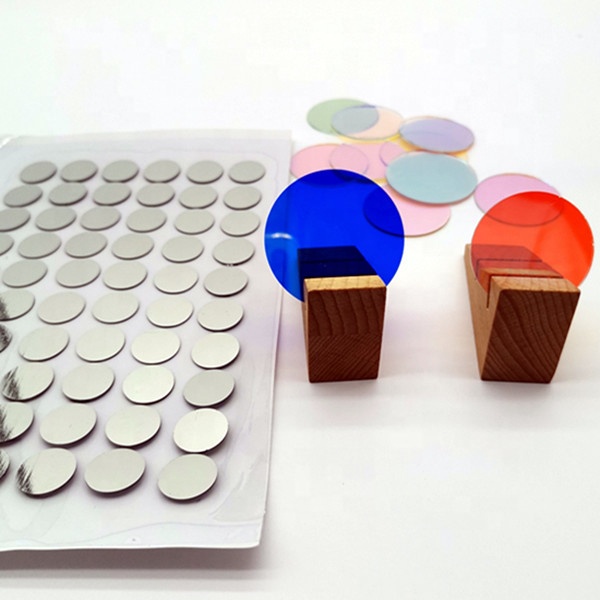
0.2mm 0.3mm 0.4mm 0.5mm 0.7mm 1.0mm 2mm Heat Resistant Gobo Glass Blanks
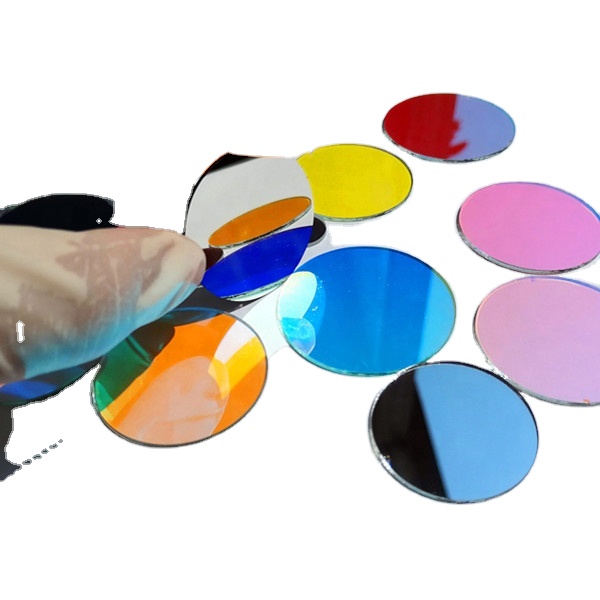
0.3mm ~ 2mm Dichroic Glass Mirror for Gobos
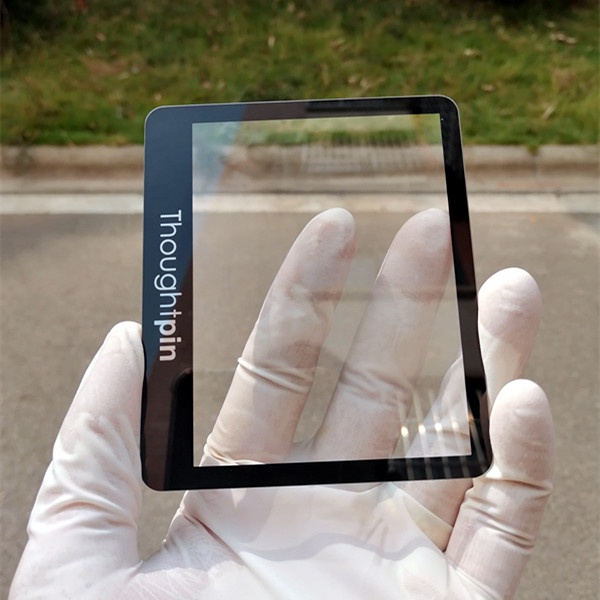
1.5mm 2mm Tempered Glass Thickness Touch Switch Glass Plate
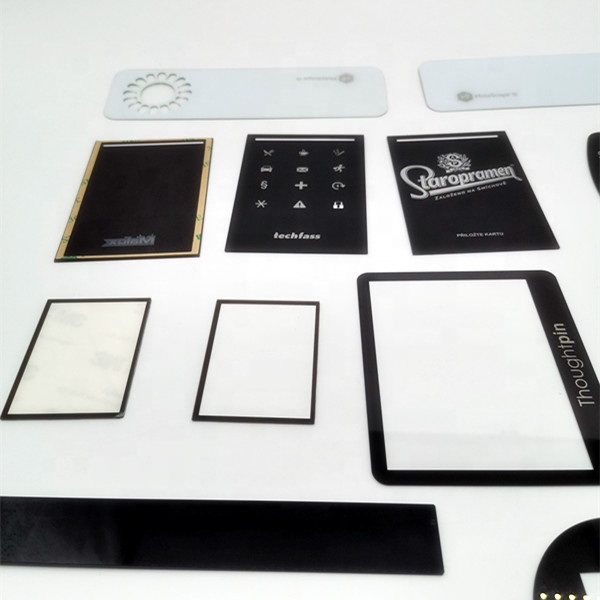
Custom Display Screen Silk Screen Printing Tempered Gorilla Glass
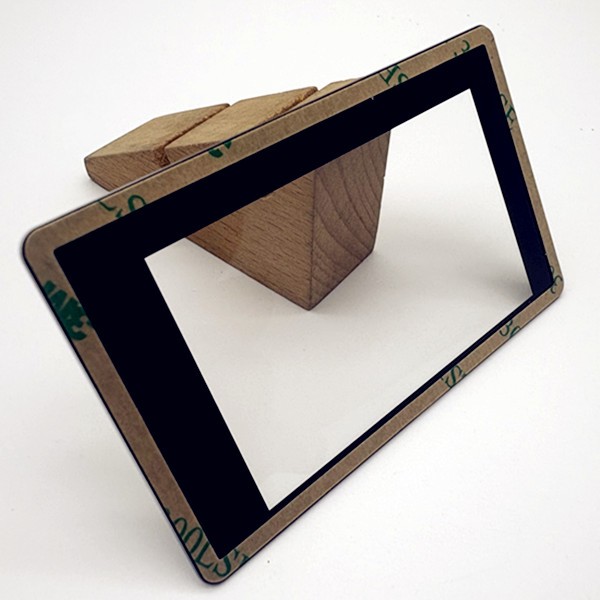
Custom Tempered Glass Dashboard Trim Panel Flat Electronic Glass Screen Protector

Custom Black Border Tempered Glass Panels Silk Screen Print Tempered Glass
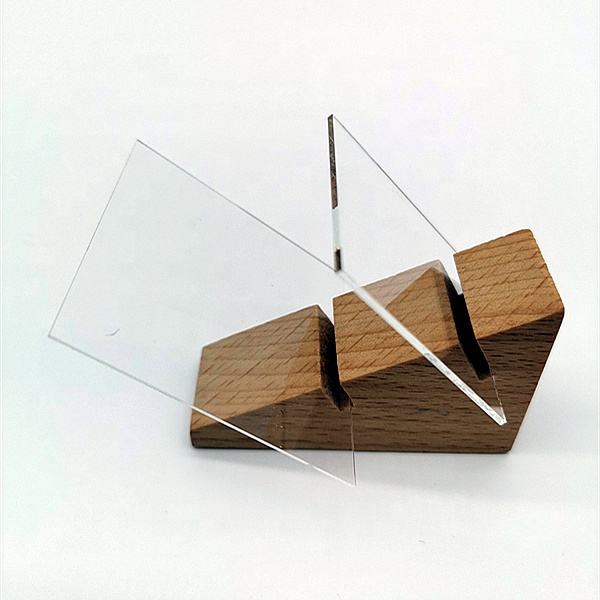
Custom Cut 0.5mm 0.7mm 1mm 1.5mm 2mm 2.5mm 3mm Corning Gorilla Temper Glass
Service metrics shown are indicative supplier-storefront and export-program figures from Fevry Glass. Confirm current commercial terms, lead time and documentation before purchase.
Why San Francisco Buyers Search for Beveled Glass Suppliers — and What They Actually Need
In the San Francisco market, the query “beveled glass suppliers” rarely means a single product. It may come from a fabricator in Dogpatch looking for polished-edge cover glass, a lighting studio near SoMa needing dichroic gobo blanks, a biotech instrument team in Mission Bay requiring Corning® Eagle XG substrates, or a Peninsula hardware brand sourcing printed touch plates. The intent splits into urgent local replacement, custom production to drawing, and wholesale specification support.
For custom work, the edge geometry is not a cosmetic afterthought. Beveling, pencil polishing, chamfering or flat polishing must be defined before strengthening, coating and printing, because tempered or chemically strengthened glass generally cannot be re-cut or re-ground afterward without compromising the part. A useful San Francisco RFQ therefore starts with application, safety requirement, drawing tolerance, edge profile, coating side, print color and annual volume — not just a photograph.
Fevry Glass is a factory-direct custom processor in Xinyu, Jiangxi, China, not an off-the-shelf stocking warehouse inside San Francisco. For urgent local replacement, a Bay Area fabricator may be the faster route. For drawing-based production, wholesale programs, repeat OEM orders and specialty technical glass, this page gives buyers a transparent specification path from sample to mass production.
San Francisco Sourcing Reality Check
Use the right supply model for the right risk. The checklist below separates a local replacement decision from a factory-direct custom production decision.
- Application: display, lighting, automotive, biotech, instrument or architectural restoration.
- Edge: bevel width, angle, polish, chamfer, micro-bevel and chip limit.
- Safety: tempered, laminated or chemically strengthened glass; confirm AHJ requirements.
- Optics: AR coating side, transmission target, print opacity and color reference.
- Logistics: sample by air to SFO, batch production by sea to Oakland, export-safe packing.
Beveled Edge Options for Custom Glass Projects
A polished bevel is only one part of the drawing. Use this matrix to align design intent with processing sequence and inspection.
| Edge Option | Typical San Francisco Use | What to Specify | Critical Note |
|---|---|---|---|
| Flat polish / straight bevel | Display cover glass, hospitality shelving, storefront trim, decorative panels | Bevel width, angle, polish quality, corner radius, chip limit | Complete before tempering; post-temper grinding is generally not acceptable. |
| Pencil edge / round polish | Touch switch plates, smart-home control panels, thin cover glass | Edge radius, surface gloss, handling protection | Best for handling comfort and reducing chipping on 0.5–3 mm glass. |
| Chamfer / micro-bevel | Ultra-thin chemically strengthened glass, sensor windows, instrument covers | Chamfer size, angle tolerance, edge visual criteria | Small edge features need early engineering review before strengthening. |
| Stepped or O.G. bevel | Historic restoration, Victorian and Edwardian joinery, custom interior features | CAD profile, sample mock-up, pattern alignment, safety build-up | Decorative bevels often require sample approval before production. |
| Ground / seamed edge | Industrial windows, sealed assemblies, non-exposed internal parts | Edge roughness, dimensional tolerance, sealing compatibility | Suitable where the edge is not decorative but must remain safe and clean. |
Typical custom dimensional tolerances are confirmed to drawing and may fall around ±0.2–0.5 mm depending on size, thickness, material and process. Optical, safety and code requirements must be verified for the specific project.
Where Beveled & Specialty Glass Is Used in the San Francisco Bay Area
San Francisco combines historic building stock, high-density commercial interiors, biotech instrumentation, automotive engineering, theatre production and consumer-electronics design. The same glass edge can carry very different performance requirements in each setting.
Victorian & Edwardian Restoration
Noe Valley, Pacific Heights and Alamo Square projects often need custom bevel patterns for doors, sidelights and interior joinery. Specify CAD profile, mock-up and safety glazing build-up before production; historic appearance and current code requirements must be reconciled with the project team.
Hospitality, Retail & Office Interiors
SoMa, Union Square and Mission District restaurant, retail and office fit-outs use printed black-border glass, display covers, touch panels and partition details. AR-coated cover glass controls glare in daylit conference rooms, while silk-screened borders hide adhesives and electronics.
Biotech Instruments & Life Science
Mission Bay and South San Francisco instrument teams evaluate Eagle XG, borosilicate 3.3, optical filter glass and glass wafers for analyzer windows, biochip substrates and optical alignment. Alkali-free Eagle XG is specified where flatness, dimensional stability and micro-patterning matter.
EV, Automotive & Dashboard Trim
South Bay and Peninsula automotive teams source flat tempered dashboard trim panels, black-border screen protectors and touch-switch glass. The drawing must control print opacity, AR side, step height, edge polish and camera/sensor windows to fit existing electronics.
Theatre, Lighting & Projection
Civic Center, SoMa, Oakland and Bay Area production studios need heat-resistant gobo blanks, dichroic mirrors and custom filters. Borosilicate 3.3 and dichroic-coated substrates help manage thermal load and color control in high-power lighting fixtures.
Smart Home & Consumer Electronics
Silicon Valley and Peninsula hardware brands use chemically strengthened cover glass, printed Gorilla glass, touch switch plates and AR-coated display windows. Early samples are essential to validate color, touch feel, optical transmission and drop/handling risk.
2025–2026 Trends Shaping the Bay Area Glass Supply Chain
San Francisco buyers are not only comparing price per piece. They are comparing engineering feedback speed, edge consistency, optical documentation and export-safe delivery to the Bay Area.
AR + beveled-edge covers
Daylit offices, outdoor-adjacent interfaces and automotive cabins are pushing anti-reflective cover glass with polished edges, not simple clear glass.
Thin, chemically strengthened glass
Plastic covers are being replaced by 0.15–2 mm strengthened glass where scratch resistance, optical clarity and premium touch feel matter.
Traceable specialty materials
Biotech, semiconductor and optical teams ask for material origin, flatness, coating side and lot consistency — not just a generic “clear glass” quote.
Smaller batches, faster samples
Hardware and lighting teams need pre-production samples before tooling or installation. Suppliers that can quote MOQ, sample lead time and packing together win more repeat work.
What Bay Area RFQs Tell Us About Buyer Priorities
The bars below are directional priorities from custom-glass inquiries and drawing reviews — not a statistically weighted market survey. They illustrate why a low unit price can lose to a supplier that controls edge quality, optical performance and export packing.
A documented pre-production sample often reduces total landed cost more than a small unit-price concession, because it prevents rework, installation delay and cross-border replacement shipments.
Local Stock vs. Wholesale Importer vs. Factory-Direct Custom Supply
San Francisco buyers can use more than one supply channel. The right choice depends on whether the project is an urgent replacement, a stocked wholesale program or a drawing-based OEM part.
| Supply Model | Best For | Speed | Customization | What to Verify |
|---|---|---|---|---|
| Bay Area local fabricator | Urgent replacement, site measurement, small architectural repairs | Fastest for local stock and install coordination | Varies; specialized equipment may be limited | Safety glazing, edge quality, coating availability, project schedule |
| Wholesale importer / distributor | Standard sizes, repeat catalog items, regional inventory | Fast if item is in stock | Limited without factory tooling | Traceability, stock condition, return policy, actual material source |
| Fevry factory-direct custom supply | Drawing-based OEM parts, wholesale programs, specialty glass, samples | Quoted after drawing review; samples can be air-shipped | High: cut, bevel, strengthen, coat, print, inspect, pack | Drawing tolerance, sample approval, Incoterms, lead time, export packing |
Material Selection Guide for Beveled & Technical Glass
Start with the substrate, then define the edge. Thermal expansion, strengthening method, optical requirements and print/coating sequence all affect the finished part.
| Material | Typical Thickness | Edge / Bevel Note | Good Fit for San Francisco Applications | Watch-Outs |
|---|---|---|---|---|
| Ultra-clear soda-lime | 0.5–4 mm | Flat polish, pencil edge, silk-print border | Cover glass, AR panels, printed windows, display trims | Confirm thermal tempering feasibility at thin gauges; edge quality affects strength. |
| Gorilla® alkali-aluminosilicate | 0.4–2 mm | Micro-bevel, pencil polish, chemically strengthened edges | Scratch-resistant touch and display covers, consumer electronics | All cutting and edge work before ion exchange; verify print and coating compatibility. |
| Borosilicate 3.3 | 0.3–3.3 mm | Ground or polished edge; heat-resistant gobo blanks | Lighting covers, heat-resistant windows, gobo blanks, instrument glass | Lower CTE reduces thermal shock risk, but fixture design still matters. |
| Corning® Eagle XG | 0.5–1.1 mm | Precision cut, chamfer, flatness-focused edge | Biochips, analyzer filters, glass wafers, PLC and micro-optics | Alkali-free substrate for stability; confirm cleaning, bonding and packaging requirements. |
| Chemically strengthened thin glass | 0.15–2 mm | Micro-bevel, chamfer, edge inspection under magnification | Ultra-thin protectors, sensor covers, touch interfaces | Base-glass source and strengthening process determine final optical and strength performance. |
Values are for preliminary material selection. Final specifications must be confirmed against the manufacturer datasheet, your drawing and the project’s safety, optical and environmental requirements.
Fog, Seismic Rules and Historic Context: Practical Considerations
Local conditions do not change the basic physics of glass, but they change what a careful buyer puts on the purchase order.
Marine humidity & condensation
Fog-belt and waterfront projects should specify clean edges, compatible sealing, desiccant or vapor-control strategy where relevant, and packaging that protects coatings and printed surfaces during transit.
Seismic & safety glazing
Projects may require tempered, laminated or otherwise safety-glazed assemblies. Fevry can discuss material and process documentation, but final code compliance must be confirmed with the project engineer and local authority having jurisdiction.
Historic review & mock-ups
For Victorian, Edwardian and landmark-adjacent projects, approve a physical mock-up of the bevel profile, pattern alignment and edge finish before ordering production quantities.
Daylight & optical comfort
For offices, showrooms and automotive cabins, evaluate AR coating, low-iron glass, print opacity and bevel reflection together. Optical samples should be viewed under representative lighting.



Why Fevry Glass Is a Practical Wholesale Partner for San Francisco Buyers
Fevry Glass Co., Ltd. is a specialty glass company based in Xinyu, Jiangxi, China. With hands-on experience serving optical, biological, semiconductor, communications, lighting, electronics and architectural-adjacent customers, Fevry helps engineers choose the substrate and turn it into an export-ready finished part.
Raw glass is sourced from Corning, AGC and established Chinese optical-glass makers such as Chengdu Guangming and Xinhuguang. Processing equipment imported from the USA, Germany and Japan supports laser, ultrasonic, CNC carving, grinding and inspection. In-house capabilities include thermal tempering, chemical strengthening, AR and dichroic coating, silk-screen printing, back painting and drawing-based dimensional and visual inspection.
- 10+ years as an Alibaba.com member
- ≤4-hour average response time
- 100% inquiry response rate
- 5.0 / 5 buyer rating
- 7+ export regions served
- Export packing for thin and fragile glass
- Corning®, AGC and Chinese optical glass sources
- Laser, CNC, ultrasonic, grinding and inspection
“Quality is superior, service is supreme, reputation is first” — and the Fevry motto, “Your success, our glory” — shape the way drawings, samples, production and export packing are handled. Fevry exports to Western Europe, the United States, Japan, South Korea, Taiwan, Hong Kong and Southeast Asia.
From Drawing to Delivery: Five Controlled Steps
A repeatable workflow for San Francisco buyers who need clear engineering communication, sample approval and export-safe delivery.
Share your drawing
Send DWG, DXF or PDF with dimensions, tolerances, thickness, material, edge profile, print colors, AR side and annual quantity.
Engineering review
Confirm manufacturability, recommend substrate and processing sequence, and flag edge, strengthening or coating conflicts early.
Sample approval
Validate fit, bevel appearance, print color, optical performance and handling before committing to mass production.
Mass production
Process with dimensional and visual checks, including edge inspection before strengthening, coating, printing and packing.
Export packing
Interleaved and cushioned packing for air freight to SFO or ocean freight to Oakland, with shipping marks and documentation coordinated.
Local Procurement Questions for Beveled & Custom Glass
Straight answers for architects, fabricators, hardware brands, lighting studios and sourcing teams comparing suppliers for the Bay Area market.
What does “beveled glass” mean in a custom San Francisco RFQ?
It usually means an angled, polished edge rather than a special glass material. The drawing should state bevel width, angle, polish quality, corner treatment, chip limit and whether the bevel appears on one or both faces. For display covers, a pencil edge or micro-bevel may be more appropriate than a wide decorative bevel.
Should beveling be done before or after tempering?
Beveling, drilling, cutting and edge grinding must generally be completed before thermal tempering or chemical strengthening. Post-strengthening grinding can compromise the strengthened layer and may create unacceptable quality risk. Confirm the full processing sequence in the approved drawing and sample.
Can you match a historic San Francisco bevel pattern?
For restoration-style work, provide a CAD profile, photos of the existing edge, pattern layout and dimensions. A physical mock-up is strongly recommended before production, especially for stepped or O.G. bevels, so the project team can review appearance and safety glazing requirements together.
What is the minimum order quantity for Bay Area buyers?
Most custom cover glass and AR glass items start from about 300–500 pieces. Custom-cut Corning® Eagle XG parts may start from around 1,000 pieces, while selected gobo glass blanks can start from as few as 10 pieces. Samples can be arranged to validate fit and optical performance before mass production; final MOQ is confirmed against the drawing and process.
Can samples be shipped to San Francisco or Oakland?
Yes. Samples are typically shipped by international express to SFO-area addresses or by coordinated air/ocean freight for larger validation lots. Provide the exact delivery address, sample quantity, drawing and required documentation so the quotation can include the correct shipping method and packing.
How is thin glass packed for export to California?
Thin and fragile glass should be interleaved, cushioned, edge-protected and packed in reinforced export cartons or cases. For AR-coated or printed parts, packing must protect the functional surface. Buyers should confirm Incoterms, shipping marks, unloading conditions and whether sea freight to Oakland or air freight to SFO is preferable for the project schedule.
Do you provide safety glazing or Title 24 documentation?
Fevry can discuss material, thickness, strengthening method and process documentation for the parts supplied. Final safety glazing, building-code and Title 24 compliance are project-specific and must be confirmed by the design professional and the local authority having jurisdiction. Include the applicable standard and intended application in the RFQ.
How do I start a quote for the San Francisco market?
Send a 2D drawing with outline dimensions and tolerances, thickness, material, edge finish, hole and notch positions, strengthening method, print colors or Pantone references, AR coating side or sides, application and expected annual quantity. Include the delivery destination, sample requirement and whether you need wholesale repeat production or a one-time custom run.
Request a Beveled Glass Quote for Your San Francisco Project
Send your drawing, edge profile, material, coating and quantity. Fevry’s engineering team can review manufacturability, recommend the right substrate and processing sequence, and prepare a sample-to-production plan for the Bay Area market.