AR Glass Factories & Exporters Serving the Baguio Market
Custom anti-reflective, tempered, silk-printed and heat-resistant glass for display, touch, hospitality, retail, healthcare and lighting projects in Baguio City and the Cordillera highlands.
8 Custom Glass Products for Baguio Distributors, Integrators and Project Teams
These products are selected around the real buying intents behind “AR glass factories and exporters serving the Baguio market”: readability under bright overcast skies, scratch resistance in public touch areas, hidden printed borders, easy installation, and dependable export packing from China to the Philippines.

Customized Tempered Anti-Reflective Glass AR Coated Tempered Glass
For menu boards, lobby displays, wayfinding screens and touch kiosks where reflected light from Baguio’s open sky reduces contrast.
View product →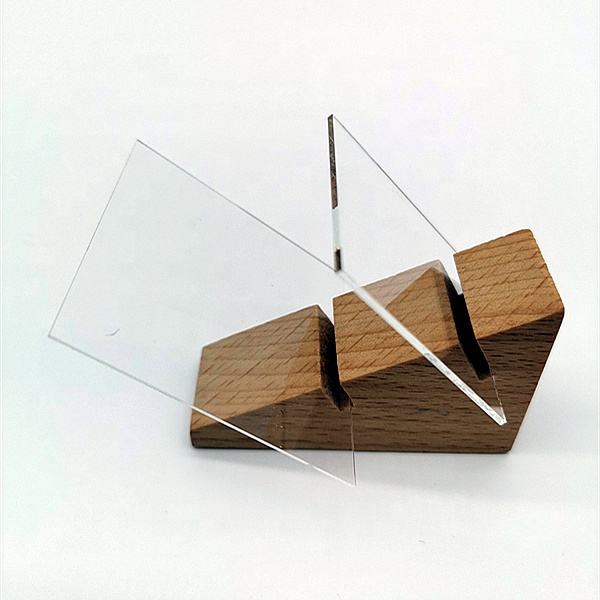
Custom Cut 0.5mm 0.7mm 1mm 1.5mm 2mm 2.5mm 3mm Corning Gorilla Temper Glass
Thickness options suit public touch panels, retail POS covers and information terminals where scratch resistance and clean edges matter.
View product →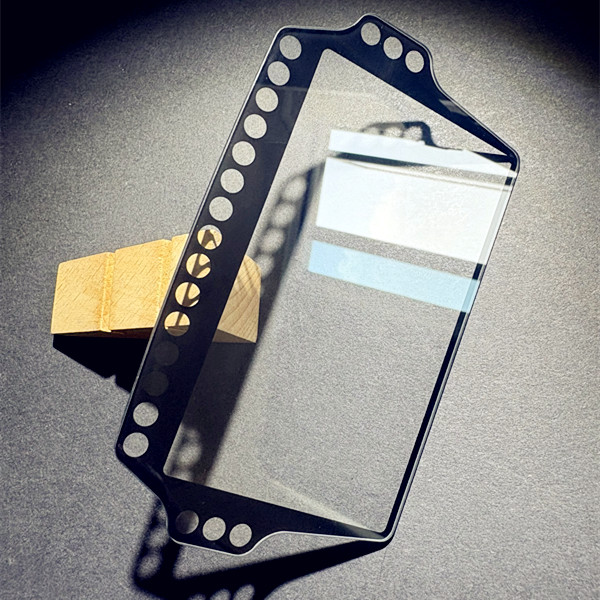
Factory Custom Tempered Silk Printed Gorilla Glass Screen Protector Printing Glass
Useful for hotel branding, university directories, bank counters and retail displays that need black borders, icon windows and logos.
View product →
Custom Cut 0.5mm 0.7mm 1mm 1.5mm 2mm Clear Toughened Glass Tempered Corning Gorilla Glass
A practical choice when maximum optical clarity is required without an AR coating, such as instrument windows and protected display covers.
View product →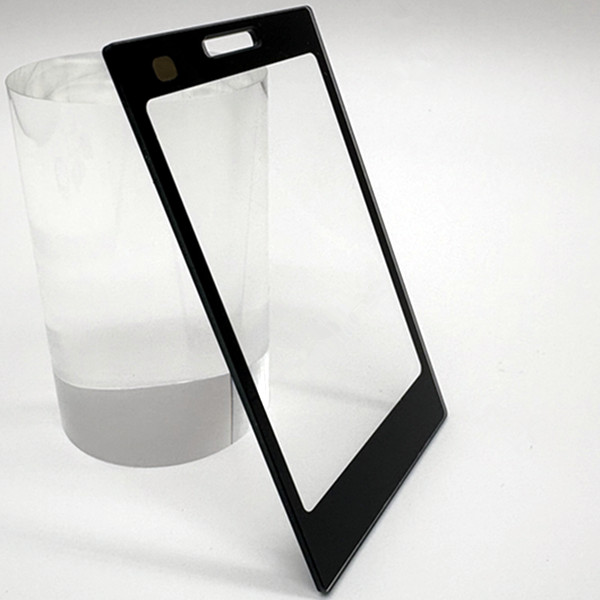
Factory Customized Black Glass Panel Silk Screen for Display Touch Electronic Glass
Creates a deep black front panel for POS terminals, smart-room controllers and electronic touch interfaces in hotels and retail outlets.
View product →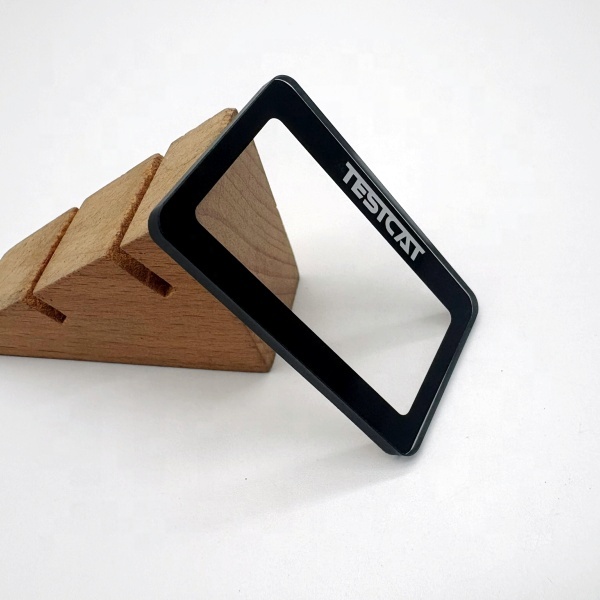
Custom Gorilla Glass Panel Tempered Glass Display Window Silk Screen Printing for LCD Display
For kiosks, appliances and control units that need a transparent LCD window plus a durable printed glass front.
View product →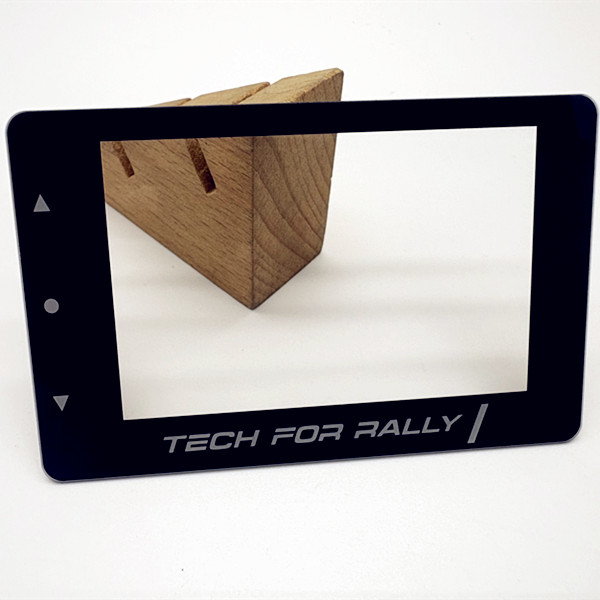
Customize Tempered Glass Silk Printed Ar Coating Gorila Glass LCD Screen protection Display
Combines low reflection, printed branding and strengthened glass — ideal for outward-facing information panels in Baguio’s mixed indoor-outdoor layouts.
View product →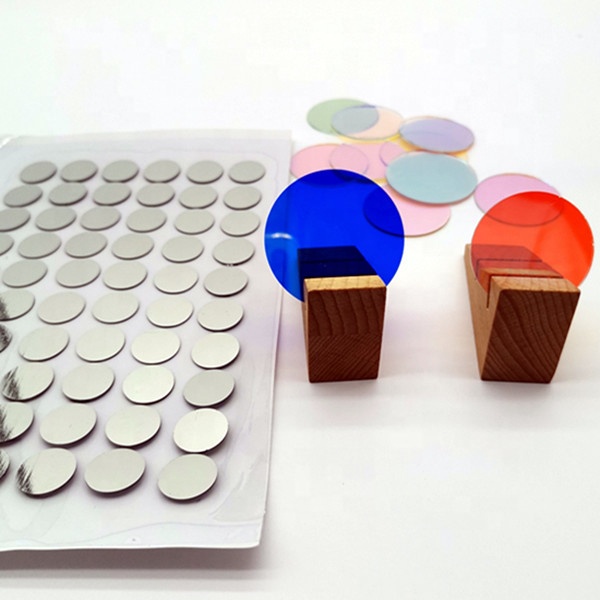
0.2mm 0.3mm 0.4mm 0.5mm 0.7mm 1.0mm 2mm Heat Resistant Gobo Glass Blanks
For stage lighting, hotel event spaces, museums and creative venues that need thin, heat-resistant gobo blanks.
View product →Need help matching a product to a Baguio project? Send your drawing, glass thickness, AR side, print colour, edge finish and estimated annual quantity. The supplier can recommend the most suitable substrate before you request a formal quotation.
Inquire NowWhy Baguio Needs a Different AR Glass Specification
Baguio is not a generic “Philippines display market.” The city sits in the Cordillera highlands at a cooler altitude, with frequent fog, strong seasonal rain, bright overcast conditions and many buildings positioned to catch daylight from open horizons. For displays, kiosks, menu boards, reception panels and window-facing screens, the visible problem is often not a lack of brightness — it is reflected light, condensation, fingerprints and surface wear competing with the content.
That changes the buying brief. A Baguio hotel may need a black silk-printed glass panel with an AR-coated window so guests can read a menu or directory beside a glazed entrance. A retailer near a busy shopping street may prefer a 1.5–3 mm tempered Gorilla-type cover for a high-touch POS display. A university laboratory or hospital procurement team may prioritise clear cut glass with controlled tolerances and easy cleaning. A tourism venue may need gobo blanks for lighting effects that can tolerate heat close to the lamp assembly.
For exporters, Baguio also introduces a practical logistics reality: the city is not a seaport. Goods usually arrive through Manila or Subic/Clark forwarding routes, then travel by road. Protective packing, clear carton labelling, moisture protection and quantity planning matter as much as the glass itself. A factory that can cut, strengthen, print, coat and inspect in one workflow reduces the number of hand-offs and makes replacement planning more predictable for local integrators and installers.
Baguio specification notes that influence purchase decisions
- Use AR-coated glass for outward-facing screens; specify the coating side clearly.
- For public touch areas, balance thinness with scratch and impact resistance.
- Plan edge quality, gasket clearance and cleaning method before finalising the drawing.
- Request sample validation for print colour, transmission and surface appearance.



Where AR and Tempered Glass Fit in the Baguio Market
Baguio buyers typically work through a mix of hotels, retailers, schools, hospitals, BPO offices, system integrators, sign makers and event suppliers. The right glass depends on viewing conditions and contact level, not only on the lowest piece price.
Outdoor Wayfinding & Kiosks
For public information terminals, terminal signage and tourist-area directories, AR-coated tempered glass reduces reflected sky and building light while resisting accidental contact. Printed borders can hide mounting adhesives and create a clean serviceable panel.
Hotel, Café & Menu Displays
Hospitality projects often place displays near windows and entrances. AR glass improves perceived contrast; silk-printed Gorilla-type glass protects the screen and carries brand colours, icon windows and logo details.
Retail POS & Control Panels
Black glass panels with silk-screen printing are suitable for touch electronics, self-service counters and smart-room controls. A tempered surface helps with daily cleaning and frequent use in busy stores.
Healthcare, Research & Education
Displays in clinics, laboratories and universities need readable surfaces and repeatable dimensions. Clear cut glass windows and AR-coated LCD protection panels help reduce glare for staff working under ceiling lights.
Stage, Event & Lighting Effects
Heat-resistant gobo blanks are used in entertainment lighting, hotel event halls and creative installations. Thin blanks from 0.2 mm to 2 mm allow designers to match different lighting fixtures and image patterns.
Smart Building & Appliance Glass
Printed cover glass supports display windows, capacitive touch fascias and appliance panels. Custom cutting and printing let local integrators fit imported electronics into Baguio-specific wood, metal and stone interiors.
Three Procurement Shifts Shaping Baguio Glass Demand
These trends are visible in the way local buyers describe projects: they ask for more than a glass sheet. They ask for a component that survives the site, matches the brand and arrives without costly rework.
1. Glare-Aware Design Is Becoming Standard
As more Baguio hotels, cafés and public venues add digital displays near glazing, buyers increasingly specify anti-reflective glass instead of ordinary clear cover glass. The intent is practical: maintain content contrast without simply increasing screen brightness and heat.
2. Smaller, Brand-Specific Custom Runs
Local brands want custom shapes, printed logos and black borders without ordering a container-scale quantity. Exporters that support drawing-based production, sample approval and flexible order discussions are better positioned for Baguio’s hotel, retail and education projects.
3. Traceable Material & Export-Ready Documentation
When a project uses Corning Gorilla glass, tempered AR glass or heat-resistant gobo blanks, procurement teams ask for material confirmation, inspection records and photos before shipment. Verified supplier profiles, fast response and disciplined packing have become part of the buying decision.
Data View: Selecting Glass for Baguio’s Viewing Conditions
Use this section as a pre-quotation checklist. It converts site conditions into measurable questions you can send to an AR glass factory or exporter before comparing prices.
Buyer Priority Weighting for Baguio Projects
Illustrative weighting based on common display, touch and lighting briefs. Final values must be confirmed against the actual drawing and application.
Material Selection Matrix
Baguio buyers can use this matrix to frame the first technical discussion with a factory.
| Material / Process | Best for | Baguio consideration |
|---|---|---|
| AR-coated tempered glass | Window-facing displays, menus, kiosks | Specify coating side, cleaning method and edge finish. |
| Corning Gorilla-type glass | Touch covers, protection windows | Use for high-contact surfaces; confirm thickness and print area. |
| Silk-printed black glass | POS, control panels, logo fascias | Check colour reference and window tolerance before sampling. |
| Heat-resistant gobo blanks | Stage and event lighting | Confirm fixture distance, heat exposure and blank thickness. |
Why Fevry Glass Fits Baguio Buyers Looking for AR Glass Factories & Exporters
Baguio projects often need a supplier who can respond quickly, work from a drawing and keep the material trail clear. Fevry Glass Co., Ltd. is built around that type of custom technical glass workflow.
Custom processing from raw sheet to finished optical component
Fevry Glass Co., Ltd. is a specialty glass supplier based in Xinyu, Jiangxi, China. The company serves optical, biological, semiconductor, communications, lighting and electronics customers, and exports to Western Europe, the United States, Japan, South Korea, Taiwan, Hong Kong and Southeast Asia. For Baguio buyers, that means access to a factory-oriented supplier that understands drawings, tolerances, coating sides, print colours and export packing.
The company sources raw glass from multinational producers such as Corning and AGC, and works closely with established Chinese optical-glass makers including Chengdu Guangming and Xinhuguang. Processing uses laser, ultrasonic, CNC carving, grinding and inspection equipment imported from the USA, Germany and Japan. This matters when a Baguio project requires repeatable dimensions, clean edges and a documented material route rather than a generic glass reseller.
Guiding principle: “Quality is superior, service is supreme, reputation is first.” Motto: “Your success, our glory.”
Review the eight recommended products →Traceable Glass Materials
Corning, AGC, Chengdu Guangming and Xinhuguang sources support consistent material selection.
In-House Custom Processing
Laser, CNC, ultrasonic, grinding, strengthening, coating and printing reduce hand-offs.
Drawing-Based Engineering
2D drawings, tolerances, edge finish, holes, notches and print details can be reviewed together.
AR, Print & Strengthening
Anti-reflective coating, silk-screen printing, black panels, thermal tempering and chemical strengthening options.
Inspection Before Packing
Dimensional and visual checks help confirm fit, print appearance and coating quality before export.
Export-Oriented Service
Verified supplier records, fast inquiry response, international packing and global shipping experience.
For Baguio procurement teams: share the application, annual quantity, drawing, coating side, print colours and packing preference. The more complete the brief, the faster the factory can respond with a manufacturable recommendation instead of a generic price sheet.
Common Procurement Questions from Baguio and Cordillera Buyers
These are the practical questions that typically appear before a custom glass order is approved — especially when the buyer is importing directly for the first time.
What information should I send first for a Baguio project quotation?
Send a 2D drawing in DWG, DXF or PDF with outline dimensions and tolerances, glass material, thickness, edge finish, hole and notch positions, strengthening method, print colours with Pantone references, AR coating side or sides, application details and estimated annual quantity. A photo of the installation area also helps clarify glare, touch and mounting conditions.
Can AR glass be shipped safely to Baguio without a seaport?
Yes, but shipping usually needs a forwarding plan through Manila or Subic/Clark. Glass should be interleaved, cushioned and protected against edge impact and moisture. For projects in Baguio, confirm whether the supplier can prepare export cartons suitable for truck transfer, and agree on replacement packing for a small percentage of spare pieces where appropriate.
Which thickness is best for public touch displays?
Thickness depends on size, mounting and impact risk. For many high-touch covers, 1.1 mm to 3 mm tempered or chemically strengthened glass is considered, while ultra-thin 0.5–0.7 mm options may suit protected screens. The factory should review the drawing before recommending a final thickness, because edge distance, hole spacing and adhesive area all affect strength.
Can I order printed glass for a hotel, school or retail brand?
Yes. Silk-screen printing is suitable for black borders, logo windows, icon areas and brand colours. Provide vector artwork and Pantone or approved colour references. For Baguio projects, request a physical sample if the colour must match existing interior signage, because screen appearance can vary under cool daylight, warm hotel lighting and LED backlighting.
What is the usual minimum order quantity?
Most custom cover glass and AR glass items start from roughly 300–500 pieces, while custom-cut Corning Eagle XG parts can start from about 1,000 pieces and selected gobo glass blanks from 10 pieces. Exact MOQ depends on size, material, coating, printing and production method. Samples can be arranged before mass production for fit and optical validation.
How can I reduce the risk of glare and cleaning damage in Baguio’s climate?
Specify AR coating for outward-facing displays, define which side is coated, and agree on the cleaning method. Use a suitable gasket or mounting gap to avoid edge stress, and prevent abrasive dust from being trapped against the glass. For public touch areas, choose a scratch-resistant glass type and avoid frequent harsh chemicals that may affect printed ink layers.
Planning a Baguio Display, Kiosk or Lighting Project?
Send your drawing and application details. Ask for substrate guidance, sample options, printing advice and export packing recommendations before you commit to mass production.
Product availability, MOQ, coatings, print colours, lead time and freight are confirmed by the supplier after drawing review. Corning®, Gorilla®, Eagle XG® and other named materials are used for identification only; final material documentation should be confirmed in the quotation and inspection records.