8 Engineered Glass Products for Surabaya OEM Projects
Search demand for alkali-free glass factories and suppliers in Surabaya is rarely a commodity query. Buyers in Rungkut, Sidoarjo, Gresik, Pasuruan and Waru are usually solving a downstream problem: a display washing out in bright light, a touch surface scratching in public use, a lighting cover exposed to heat, or a printed panel that must stay dimensionally stable. The eight products below are practical building blocks for those briefs.
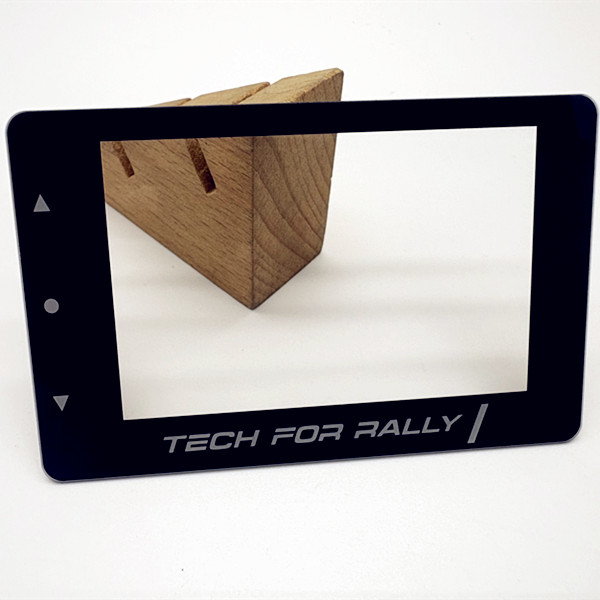
Customize Tempered Glass Silk Printed Ar Coating Gorila Glass LCD Screen protection Display
AR-coated, silk-printed Gorilla-type cover glass for LCD and HMI displays. Suitable for appliance control panels and industrial equipment that need improved readability and clean printed borders.
View product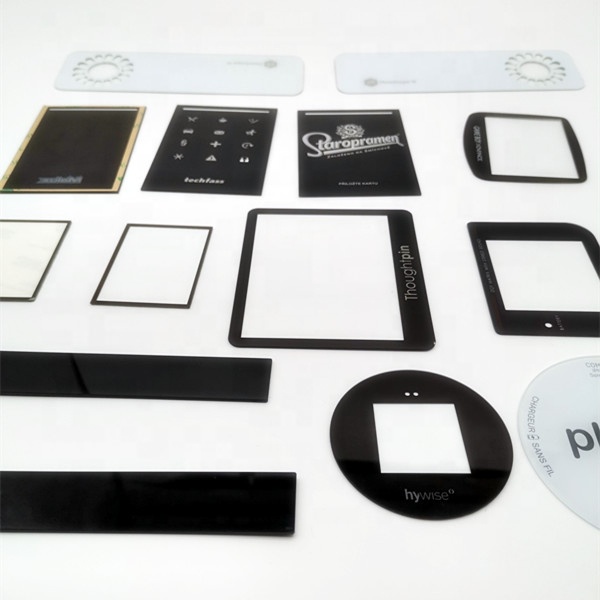
Back Painted Tempered Glass Led Glass Panel Cover Glass
Back-painted tempered glass for LED luminaires, backlit interfaces and decorative lighting panels. Helps East Java lighting brands achieve consistent color, gloss and hidden-circuit appearance.
View product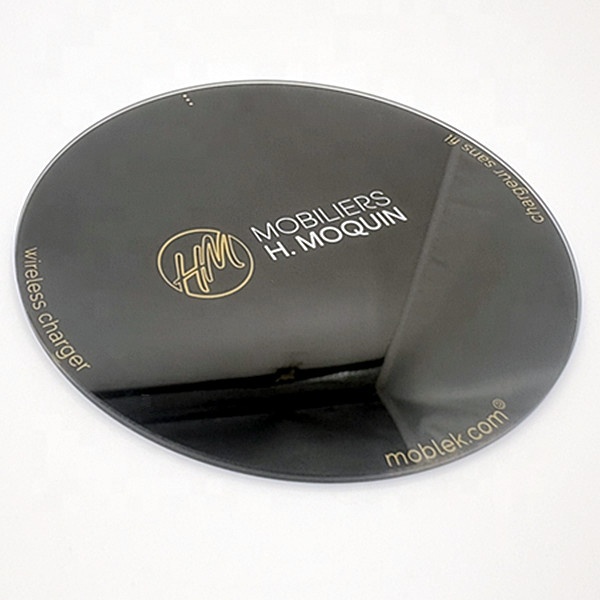
Custom Black Border Tempered Glass Panels Silk Screen Print Tempered Glass
Black-border silk-screen printed glass for touch panels, kiosks, appliance fascias and instrument windows. Drawings should specify border width, IR window, ink opacity and edge treatment.
View product
1.5mm 2mm Tempered Glass Thickness Touch Switch Glass Plate
Thin tempered touch switch glass for elevators, smart-home controls, access panels and building automation. Final process depends on whether thermal tempering or chemical strengthening is the better fit.
View product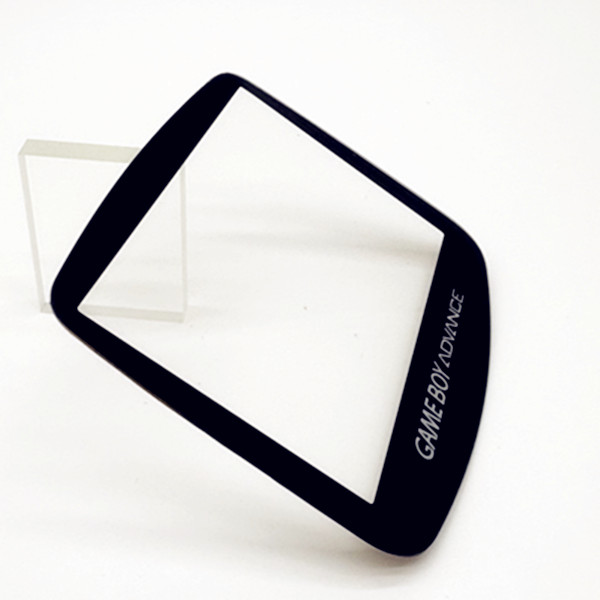
Custom Premium Gorilla Tempered Silk Screen Printed Glass Touch Screen Printed Glass Panels Cover Glass for OLED Screen
Premium printed cover glass for OLED displays and higher-end HMI products. Clean print alignment, stable color and low visual distortion matter when the panel is part of the product’s perceived quality.
View product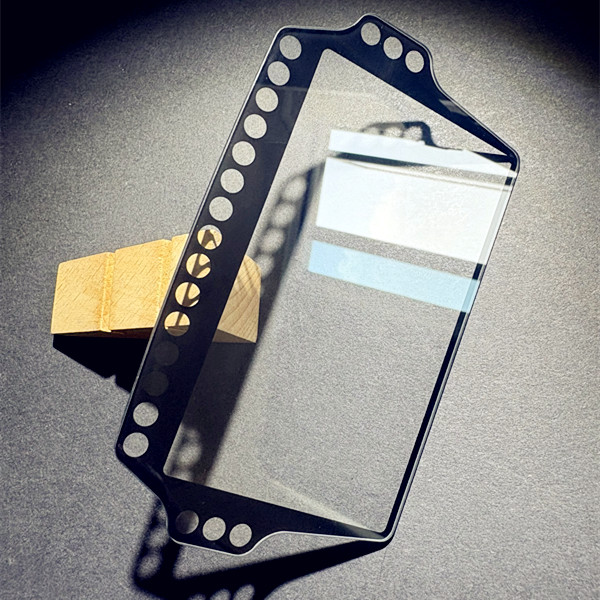
Factory Custom Tempered Silk Printed Gorilla Glass Screen Protector Printing Glass
Custom Gorilla glass screen protector with printed graphics for portable instruments, medical devices, POS terminals and field equipment. A good fit when scratch resistance and brand graphics must coexist.
View product
Customized Tempered Anti-Reflective Glass AR Coated Tempered Glass
Tempered AR glass for displays, instruments, outdoor kiosks and high-brightness environments. Specify single-side or double-side coating, target transmission, coating color and environmental test requirements.
View product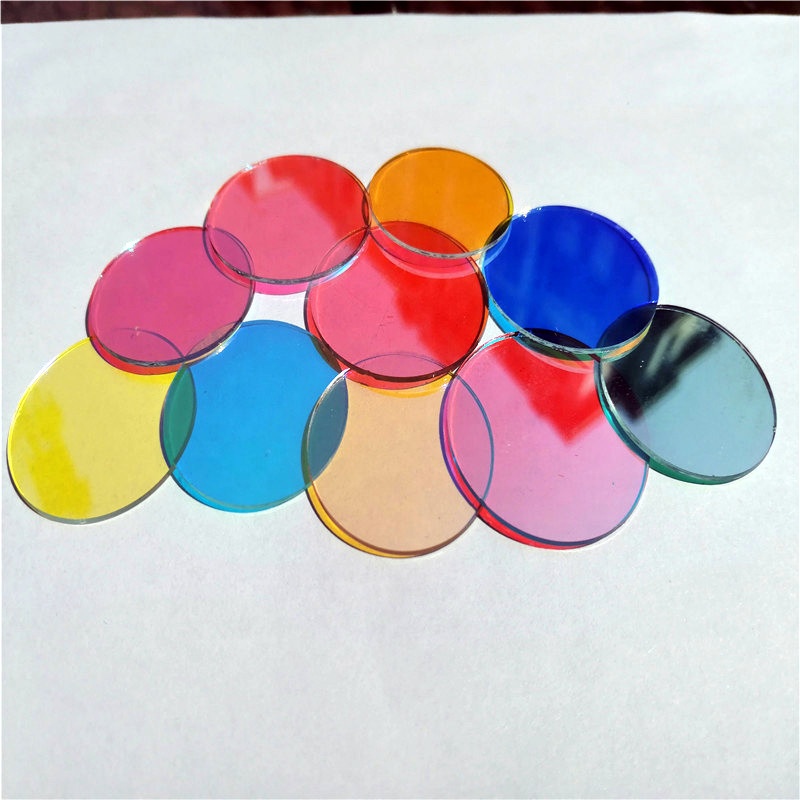
Customize logo Color Glass Gobo Glass
Color gobo glass for stage, architectural and logo projection lighting. Borosilicate-based blanks are preferred where heat exposure is part of the fixture design; artwork and color references should be supplied before sampling.
View productWhat “Alkali Free Glass” Should Mean in a Surabaya Purchase Order
Alkali-free glass is not one universal commodity. In display, semiconductor and biochip supply chains, the term usually refers to boro-aluminosilicate substrates with extremely low alkali oxide content, such as Corning Eagle XG, selected for dimensional stability, low thermal expansion, flatness and clean surfaces. In general industrial buying, “alkali-free” is sometimes used loosely for borosilicate 3.3, chemically strengthened cover glass or low-alkali display glass. That ambiguity is a sourcing risk.
For a Surabaya buyer, the practical answer is to specify the application before the material label. A biochip, wafer carrier or PLC substrate requires a material datasheet, CTE, flatness and measurement plan. A printed LED cover, touch panel or appliance fascia may be better served by borosilicate 3.3, ultra-clear soda-lime or chemically strengthened alkali-aluminosilicate glass. The correct question is not “Who sells alkali-free glass?” but “Which glass grade, strengthening method, coating and print process will survive my product’s use case and import route?”
Surabaya is East Java’s industrial and logistics hub. Buyers work through Tanjung Perak Port, Juanda International Airport, SIER in Rungkut, and the surrounding Sidoarjo, Gresik, Pasuruan and Mojokerto industrial corridors. Direct factory sourcing from China can be competitive for custom-cut, coated or printed glass, but the lowest FOB price is not the lowest landed cost. Packaging, breakage risk, coating yield, sample iteration and response speed all affect total cost of ownership.
High-Intent Search Themes We See in This Market
These are the phrases procurement teams and engineers actually use when narrowing suppliers. The page answers them with technical detail rather than repeating the same keyword.
Where Specialty Glass Performs in Surabaya and East Java
Application-first sourcing reduces costly sampling cycles. These six use cases cover most technical glass inquiries from the region.
Appliances & Consumer Electronics
Control panels, display windows and touch switch plates for appliance and electronics assembly in Sidoarjo, Rungkut and Waru. AR coating and printed black borders improve perceived quality and daylight readability.
LED Lighting & Architectural Fixtures
Back-painted LED covers, heat-resistant borosilicate windows, dichroic optics and gobo glass. Lighting brands in Surabaya and Gresik need stable color, thermal shock resistance and clean light diffusion.
Automotive & EV Aftermarket
Dashboard trim panels, display covers and charging-station HMI glass for East Java’s automotive, motorcycle and EV supply chain. Printed borders and AR coatings must match the vehicle interior and outdoor environment.
Medical Devices & Laboratory Instruments
Analyzer windows, biochip substrates and instrument cover glass. Alkali-free Eagle XG is considered where low expansion, flatness and dimensional stability affect micro-patterning or optical alignment.
Industrial Automation & HMI
Touch panels, machine guards and display covers for factories in Sidoarjo, Pasuruan and Gresik. Chemically strengthened thin glass is often preferred where acrylic scratches too easily or chemical exposure is a concern.
Smart Buildings & Public Kiosks
Elevator touch plates, access-control panels, wayfinding kiosks and building automation glass. These parts need scratch resistance, clean print registration and reliable edge quality after repeated handling.
Surabaya Sourcing Trends Affecting Glass Specification
Technical glass demand in East Java is moving toward thinner strengthened cover glass, better optical performance and more complete documentation. For local product teams, the shift is less about “buying glass” and more about qualifying a finished front panel that fits an existing enclosure, assembly process and export standard.
First, AR-coated glass is appearing more often in high-brightness HMI, outdoor kiosk and premium appliance projects. Buyers now ask for transmission targets, coating side and abrasion resistance rather than simply “anti-reflective”. Second, printed glass covers continue to replace multi-part plastic assemblies because glass offers scratch resistance, chemical resistance and a premium tactile surface. Third, documentation quality has become a differentiator: English drawings, inspection records, packing photos and clear Incoterms reduce friction between a Surabaya importer, a forwarder and the final production line.
The chart is an illustrative sourcing mix, not an official market study. It reflects the types of custom glass inquiries common to an export-focused specialty glass supplier serving Southeast Asia. Use it to benchmark your own procurement portfolio, then confirm actual demand with your local pipeline.
Illustrative Demand Mix by Application
Typical custom-glass inquiry profile for regional OEM projects.
A Practical Glass Selection Matrix for Surabaya Engineers
Use this as a first-pass comparison. Final selection must be confirmed against the glass maker’s datasheet, your drawing and the actual environmental test plan.
Corning® Eagle XG
Boro-aluminosilicate glass with low thermal expansion and a fusion-formed surface. Often considered for biochips, analyzer filters, wafers and PLC substrates where flatness and dimensional stability dominate.
Borosilicate 3.3
Low-expansion sheet glass with roughly one third the thermal expansion of soda-lime glass. A strong fit for heat-resistant windows, lighting covers, gobo blanks, laboratory glass and instrument parts.
Chemically Strengthened Cover Glass
Ion-exchange strengthening is suitable for thin cover glass where thermal tempering is impractical. Commonly considered for touch panels, portable instruments and display covers from about 0.15 mm to 2 mm.
Tempered Soda-Lime / Ultra-Clear
Thermally tempered ultra-clear glass is often used for larger cover panels, printed windows and AR-coated parts where the application does not require a true alkali-free substrate.
For a true alkali-free requirement, request the exact base glass grade, alkali oxide information, CTE, thickness tolerance, transmission, flatness, edge quality, strengthening method and coating specification. A supplier label is not a specification.
What a Surabaya-Ready Glass Supplier Should Prove Before You Place a PO
Fevry Glass Co., Ltd. is a specialty glass supplier based in Xinyu, Jiangxi, China. Its product scope includes custom tempered, anti-reflective coated, silk-screen printed, borosilicate 3.3, Corning Eagle XG, glass wafer and optical filter glass processed to customer drawings. For Surabaya buyers, the value is not simply a factory price: it is traceable material, controlled processing, export packing and clear communication across the South China Sea route.
Raw glass is sourced from Corning, AGC and established Chinese optical-glass makers such as Chengdu Guangming and Xinhuguang. Processing relies on laser, ultrasonic, CNC carving, grinding and inspection equipment imported from the USA, Germany and Japan. This combination helps engineers move from a 2D drawing to a repeatable part without managing multiple hand-off suppliers for cutting, strengthening, coating and printing.

Traceable Material & Inspection
Material grade, thickness, flatness and visual defect checks are defined before packing. For sensitive projects, discuss measurement records and pre-shipment photo/video verification.
In-House Processing
Laser, CNC and ultrasonic machining, thermal or chemical strengthening, AR and dichroic coating, silk-screen printing and back painting can be coordinated under one quality system.
Export Packing & Logistics
Fragile thin glass requires interleaved, cushioned packing. Samples can move by air to Juanda; production shipments can be coordinated to Tanjung Perak through the buyer’s forwarder or agreed Incoterms.
Responsive Communication
Public records show 10+ years as an Alibaba.com member, ≤4 h average response, 100% inquiry response and a 5.0/5 buyer rating. The company principles are “Quality is superior, service is supreme, reputation is first” and “Your success, our glory”.
From Drawing to Surabaya Delivery: A Clear 6-Step Path
A disciplined process reduces sample loops and keeps procurement, engineering and logistics aligned.
Share the Drawing
Send DWG, DXF or PDF files with outline dimensions, tolerances, thickness, holes, notches, edge finish and material grade. Include application photos if available.
Engineering Review
The supplier confirms manufacturability and recommends substrate, strengthening method, print sequence and coating side. Ambiguous requirements should be closed before quoting.
Sample Validation
Samples validate fit, edge quality, Pantone matching, AR appearance and touch-feel. For printed glass, approve artwork and color targets in writing.
Production & In-Process Checks
Processing includes dimensional and visual checks. Cutting, drilling and edge grinding must be completed before final strengthening; re-cutting after strengthening is not practical.
Export Packing
Thin glass parts are interleaved and cushioned for international transport. Packing photos and carton marks help the Surabaya consignee receive and inspect the shipment efficiently.
Shipment & Follow-Up
Coordinate with the freight forwarder for air or sea movement, confirm documents, and review any assembly-line feedback after arrival for continuous improvement.
Common Local Procurement Questions About Alkali-Free and Specialty Glass
These answers reflect the questions Surabaya buyers, engineers and importers ask most often when evaluating a factory or supplier.
Are there alkali-free glass factories in Surabaya, or should I import from China?
There are distributors, cutters and processors serving Surabaya, but a true alkali-free substrate such as Corning Eagle XG is usually produced by a multinational glass maker and then converted by a specialty supplier. If your project requires custom cutting, AR coating, silk printing or chemical strengthening, importing from a factory-direct converter in China can be cost-effective, provided the supplier controls packing and communicates process limits clearly. Compare local stock, import lead time, technical support and landed cost rather than factory price alone.
Can you ship samples or production orders to Surabaya?
Yes. Samples are commonly shipped by air to Juanda International Airport, while production orders can move by sea to Tanjung Perak Port or be coordinated through a Surabaya-based forwarder. The buyer should confirm Incoterms, insurance, import documentation and customs classification with its own broker. Fragile thin glass requires suitable interleaving and cushioning, so packing details should be agreed before the first shipment.
What is the minimum order quantity for custom glass?
Typical custom cover glass and AR glass projects can start from around 300 to 500 pieces; some Eagle XG cut parts may start from 1,000 pieces, while selected gobo glass blanks may be available from 10 pieces. MOQ depends on material, size, coating, printing and yield. Sampling before mass production is strongly recommended, especially for printed or AR-coated panels where visual acceptance criteria must be aligned.
What information is needed for a fast quotation?
Send a 2D drawing with dimensions and tolerances, glass material and thickness, edge finish, hole and notch positions, strengthening method, print colors with Pantone references, AR coating side or sides, target application, annual volume and preferred delivery terms. Photos of the enclosure or final product are also useful. Complete inputs reduce the back-and-forth and allow an engineer to recommend the right substrate instead of quoting blindly.
Which glass is better for Surabaya’s humidity and coastal air?
Glass itself is dimensionally stable in humid environments, but coating, ink, edge condition and packaging still matter. For outdoor or coastal installations, specify the coating type, adhesion test expectations, edge quality and moisture-protective packing. For heat exposure, borosilicate 3.3 is often a better fit than soda-lime because its lower expansion reduces thermal shock risk. For scratch resistance on touch surfaces, chemically strengthened thin glass may be preferable to untreated glass or acrylic.
Can AR coating and silk-screen printing be combined on one glass part?
Yes, but the process sequence and side definitions must be clear. Cutting, edge grinding, holes and notches are completed before strengthening; printing and coating are then controlled according to the drawing. Specify which side receives AR coating, which side is printed, the ink opacity, IR window requirements and any appearance limits. For best results, approve a physical sample under the same lighting conditions used by the final customer.
How should I verify quality before shipment?
Agree on an inspection plan: dimensions, thickness, flatness, edge quality, print color, print registration, coating appearance and visible defects. Request batch inspection records and pre-shipment photos or videos. For larger orders, a third-party inspection can be arranged. A precise drawing plus a signed sample is more useful than generic “high quality” claims, especially for thin glass and AR-coated surfaces where minor appearance differences can lead to disputes.
What is the most common sourcing mistake in this market?
The most common mistake is treating “alkali-free”, “tempered” and “AR coated” as interchangeable marketing phrases. They describe different properties. Another mistake is approving a sample by photo only. For printed glass, AR coating and thin cover glass, appearance and handling must be checked physically. Finally, buyers sometimes forget that all cutting and edge work must be done before strengthening. Once a sheet is tempered or chemically strengthened, it cannot be re-cut like ordinary glass.
Send Your Drawing for a Surabaya-Ready Glass Quotation
Share the material grade, thickness, print colors, AR coating side, tolerances, annual volume and delivery preference. Our team can review manufacturability and recommend the right glass route for your application.
Contact Us Typical engineering response within 4 hours · English technical communication · Export packing available