8 Custom Glass Products for AG-Coated Cover-Glass Programs
For AG-coated glass projects, the substrate and finishing route determine clarity, durability and total landed cost. These eight product families cover tempered, silk-printed, ultra-clear, low-iron, shaped, AR-coated, LCD and dashboard cover-glass applications for US buyers.
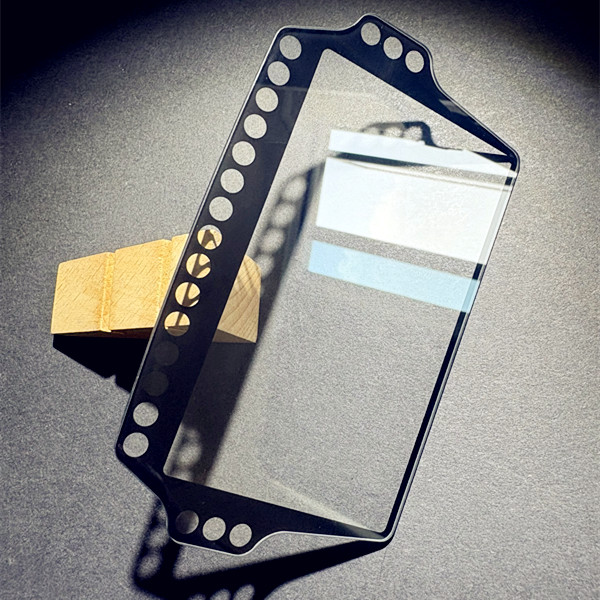

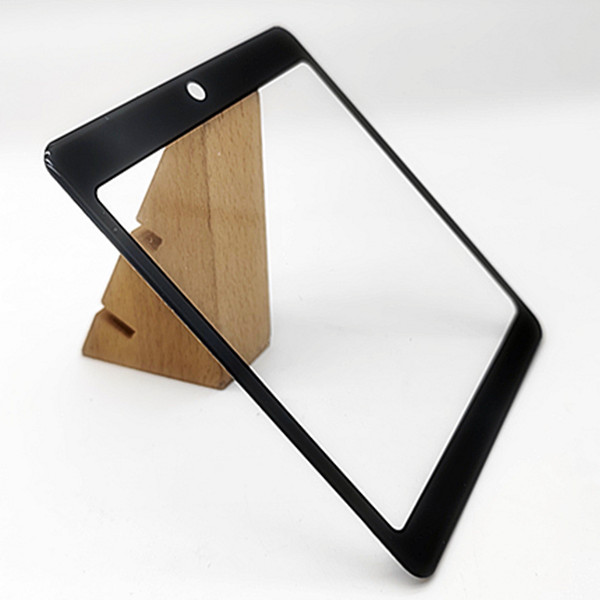
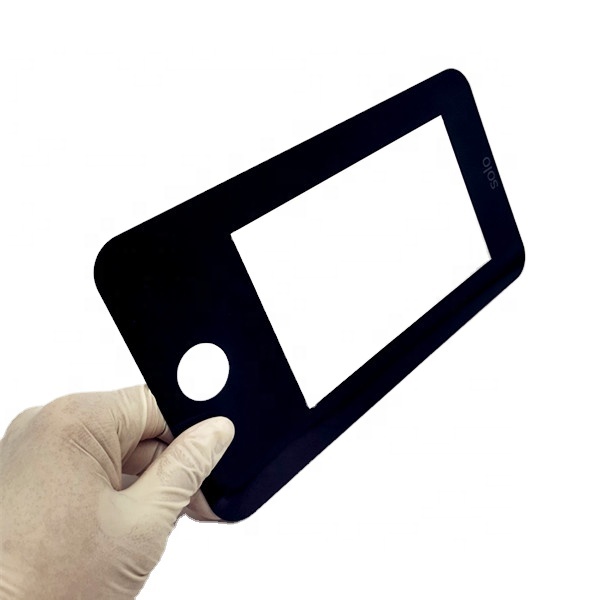
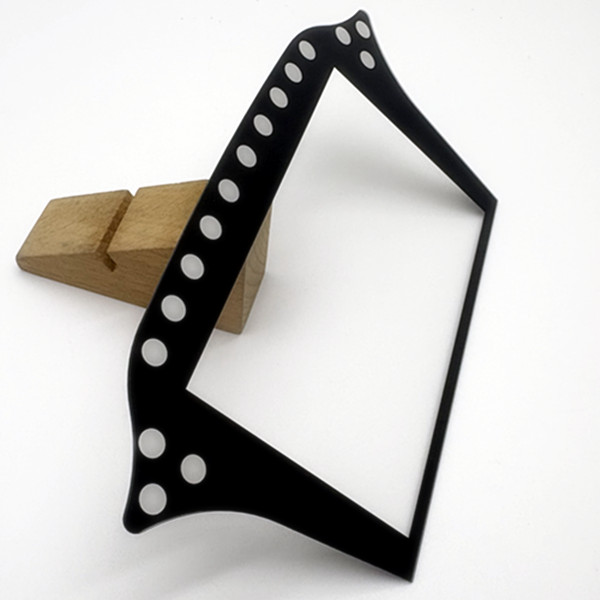
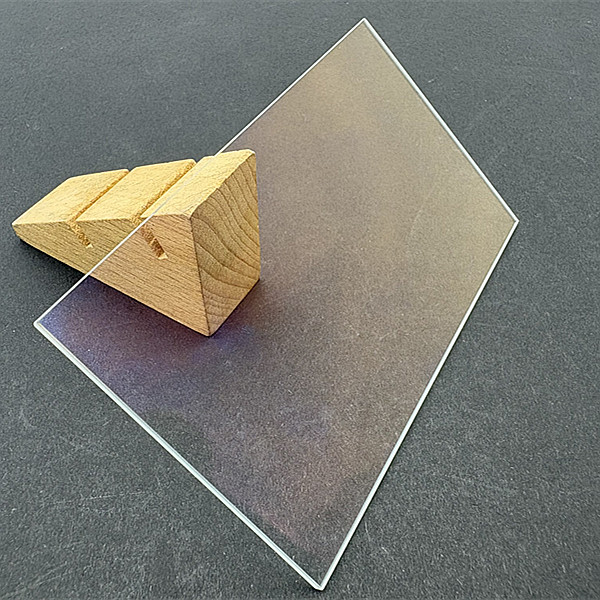
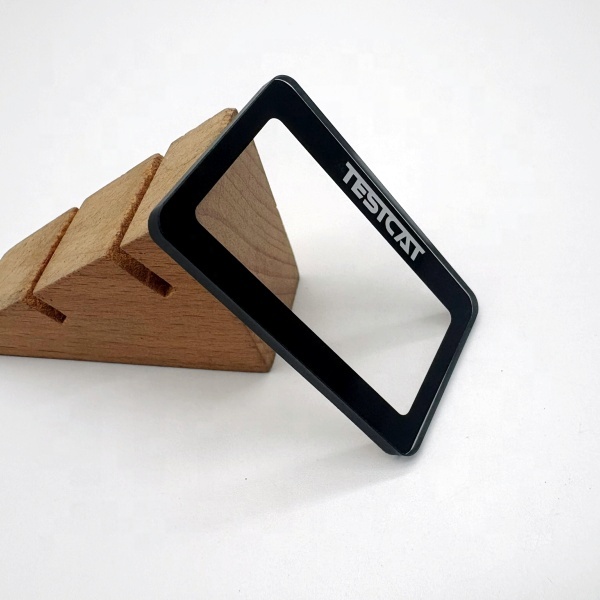
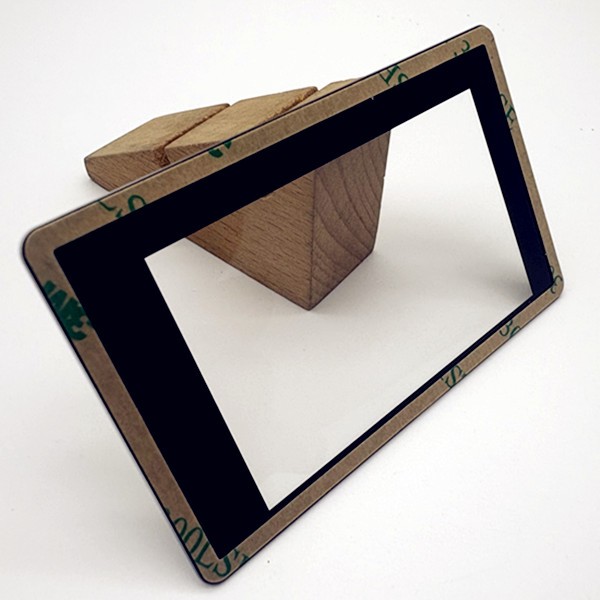
AG Coated Glass for US Buyers: Anti-Glare, Not Just Anti-Reflective
AG coated glass is specified to control how a finished display behaves under bright, directional light. In US procurement documents, “AG” usually means anti-glare — a surface treatment that scatters reflected light and lowers visual discomfort. It is not interchangeable with AR, which is anti-reflective and primarily increases light transmission by reducing surface reflection.
For a display built for a sunny US retail environment, an outdoor EV charging kiosk, a vehicle cockpit or a medical instrument, the difference between a readable screen and a distracting one often comes down to gloss, haze, reflection and base-glass clarity. A useful AG specification should therefore state the end-use lighting condition, acceptable haze, gloss target, transmission target, coating side, cleaning chemical exposure and abrasion requirement — not simply the words “anti-glare glass”.
Fevry Glass Co., Ltd. supplies custom glass to OEMs and engineering teams in the United States and other export markets. Our work starts with the raw substrate: ultra-clear soda-lime, low-iron tempered glass, Gorilla-class alkali-aluminosilicate, borosilicate 3.3 or Corning Eagle XG. From there, we review cutting, CNC shaping, edge grinding, thermal tempering or chemical strengthening, silk-screen printing, AR coating and inspection as one finished-part route. AG-coated glass requests are evaluated with the same discipline: the coating must be compatible with the substrate, print, edge condition and the way the part is cleaned in the field.
For US sourcing teams, this integrated view reduces hidden cost. A low unit price can disappear when a printed border must be reworked, a strengthened panel cannot be re-cut, or packaging fails to protect thin glass in transit. Fevry’s approach is to confirm manufacturability before mass production so that the quoted AG cover glass is both optically suitable and export-ready.
RFQ Data Package for AG Cover Glass
- 2D drawing in DWG, DXF or PDF with outline dimensions, tolerances, holes, notches and bend radii if applicable
- Base glass, thickness and preferred strengthening method
- AG target: gloss level, haze, reflection, transmission and acceptable color shift
- Coating side or sides, print colors with Pantone references and window areas
- Edge finish, corner treatment, cleaning chemicals and durability tests
- Annual volume, sample quantity, packaging requirement and US delivery destination
Etched AG Glass
A physical etch creates a fine diffusing surface that breaks up reflected images. It can deliver a non-glossy feel and is often chosen for touch panels, kiosks and industrial HMIs where reflected overhead lighting is a daily issue. Specify gloss and haze together, because a matte surface that is too diffuse can reduce perceived sharpness.
Coated AG Glass
A thin coating can tune surface reflection while preserving a smoother feel and higher clarity than a heavy etch. Coated AG is often evaluated alongside AR and anti-fingerprint stacks for premium appliances, automotive displays and medical equipment. Adhesion, pencil hardness and cleaning resistance must be agreed with test methods, not vague claims.
Hybrid AG + AR Glass
Some US programs need both lower glare and higher transmission. A hybrid design may combine a controlled anti-glare surface with an anti-reflective coating on one or both sides. This can improve sunlight readability, but the final stack should be validated on the exact substrate, print and thickness to avoid color shift or haze outside the approved range.
US Buyer Specification Guide: What to Define Before Quotation
| Requirement | Define in the RFQ | Why It Matters |
|---|---|---|
| Surface optics | 60° gloss target, haze %, transmission %, reflection %, color tolerance | Prevents “AG” from meaning different things to engineering, purchasing and the coating supplier. |
| Base glass | Soda-lime, low-iron, Gorilla-class, borosilicate 3.3, Eagle XG; thickness range | Determines strength, thermal shock resistance, optical clarity and available processing route. |
| Strengthening | Thermal tempering or chemical strengthening; all holes and edges finished before strengthening | Glass cannot be re-cut after strengthening without losing the intended strength benefit. |
| Print and coating | Pantone colors, border width, IR window, AG/AR side, anti-fingerprint if required | Print and coating interactions affect appearance, adhesion and field durability. |
| Reliability tests | ASTM D3363 pencil hardness, ASTM D3359 adhesion, ASTM B117 salt spray where relevant, cleaning cycle | Provides measurable acceptance criteria instead of relying on “9H” or “scratch resistant” marketing language. |
Test methods and acceptance limits should be agreed by both buyer and supplier for the exact application. Values in this guide are procurement prompts, not universal guarantees.
Where AG Coated Glass Creates Value in the United States
US product teams rarely buy glass as a generic material. They buy readability in a sunlit vehicle, a cleanable appliance surface, a reliable instrument window or a display that still looks premium after years of use.
Automotive Cockpit & Dashboard Displays
Anti-glare cover glass helps reduce reflections from a sunroof, side glass or overhead highway lighting. Fevry’s flat tempered dashboard glass, printed borders and low-iron substrates are relevant to instrument clusters, center stacks and trim panels.
EV Charging & Outdoor Kiosks
Outdoor US kiosks face direct sun, rain, dust and cleaning. AG treatment can improve legibility while low-iron glass and durable printed inks support a clean brand appearance. Packaging and edge quality matter as much as the coating.
Smart Home & Appliance Panels
Kitchen and laundry lighting can reveal glare on glossy control panels. AG-coated glass can be combined with back painting, silk-screen windows and anti-smudge surfaces to balance readability, touch feel and premium appearance.
Medical & Laboratory Instruments
Clinical and lab environments combine bright overhead lighting with strict cleaning routines. Borosilicate 3.3 and Corning Eagle XG substrates support heat and chemical resistance, while AG treatment can make readouts more comfortable without sacrificing inspection quality.
Industrial HMI & Metrology
Factory floors, warehouses and measurement rooms often have mixed lighting and demanding touch use. Tempered or chemically strengthened glass with controlled AG gloss can improve visibility while maintaining dimensional stability and scratch resistance.
Retail Signage & Public Displays
Large US retail and public-information displays need uniform appearance across the panel. Printed borders, AG surface treatment and AR options can reduce reflections from track lighting and glass storefronts while protecting the display behind the cover.
Localization Trends Shaping AG Glass Sourcing in the United States
Buyers are moving away from generic cover glass toward measured optical surfaces, stronger thin substrates and better documentation. The strongest suppliers will be the ones that can connect material choice to the finished user experience.
Gloss Becomes a Measurable Specification
US engineering teams increasingly ask for gloss units, haze and reflection data rather than “matte” or “anti-glare”. This makes samples easier to approve and reduces disputes between design, quality and purchasing.
Multifunction Surface Stacks
AG is being combined with AR, anti-fingerprint and easy-clean surfaces. The goal is not a single coating claim but a balanced surface that stays readable, cleanable and visually consistent across production lots.
Thinner Glass Needs Chemical Strengthening
For 0.15 mm to roughly 2 mm cover glass, ion-exchange strengthening can increase surface strength while keeping the sheet flat and optically clean. Cutting, drilling and edge grinding must be completed before strengthening.
Dual Sourcing and Export Documentation
US buyers compare total landed cost, breakage risk, response speed and traceability. Material source, inspection records, packaging validation and clear drawing review matter as much as the per-piece quotation.
Years as an Alibaba.com member
Average inquiry response time
Inquiry response rate
Buyer rating with export experience

Specialty Glass Depth from Fevry Glass Co., Ltd.
Fevry Glass Co., Ltd. is a specialty glass company based in Xinyu, Jiangxi, China. Our team works with optical, biological, semiconductor, communications, lighting and electronics customers, and we regularly export to the United States, Western Europe, Japan, South Korea, Taiwan, Hong Kong and Southeast Asia.
We source raw glass from major producers such as Corning and AGC, and work closely with established Chinese optical-glass makers including Chengdu Guangming and Xinhuguang. Processing relies on laser, ultrasonic, CNC carving, grinding and inspection equipment from the USA, Germany and Japan. This combination gives US buyers a practical route from material selection to finished, packed parts.
- Corning Eagle XG, borosilicate and specialty substrates
- Laser, CNC, ultrasonic and edge-processing capability
- Thermal and chemical strengthening routes
- AR, dichroic and optical coating coordination
- Silk-screen printing and back painting
- Dimensional and optical inspection before packing
Our guiding principle: “Quality is superior, service is supreme, reputation is first.” Our motto, “Your success, our glory,” reflects the long-term supplier relationships we aim to build with US OEMs and sourcing teams.
Read Company OverviewTraceable Raw Material Sources
Corning, AGC, Chengdu Guangming and Xinhuguang materials help US buyers start from consistent, recognizable substrates rather than unspecified glass.
In-House Shaping & Edge Control
Laser, CNC and ultrasonic machining support custom outlines, holes, notches and edge finishes that influence strength, appearance and assembly fit.
Strengthening Discipline
Thermal tempering for thicker panels and ion-exchange strengthening for thin glass are reviewed before cutting and printing, avoiding irreversible process mistakes.
Coating & Print Integration
AR, dichroic, silk-screen and back-painted finishes are planned as part of the same part. AG requests can be reviewed against the finished drawing and use environment.
Inspection Before Packing
Dimensional, thickness and visual checks can be aligned with the drawing so that cosmetic and functional issues are caught before international shipment.
US Export Communication
With 10+ years on Alibaba.com, a ≤4-hour average response time, a 100% inquiry response rate and a 5.0/5 buyer rating, our team is structured for overseas sourcing workflows.
A Clear Four-Step Path from US Drawing to Production Glass
Procurement teams need predictable communication. Engineering teams need a supplier that can challenge a drawing before tooling, coating or strengthening begins.
Share the Drawing
Send DWG, DXF or PDF drawings with dimensions, tolerances, thickness, glass material, edge finish, holes, print colors, AG/AR side and annual quantity.
Engineering Review
We confirm manufacturability and recommend substrate, strengthening, printing and coating routes. Potential conflicts are raised before samples are made.
Sample Validation
Samples validate fit, print position, surface appearance, optical performance and packing assumptions. Optical targets should be reviewed under the intended lighting.
Production & Export Packing
Mass production includes in-process dimensional and visual checks. Finished glass is interleaved and cushioned for fragile international transport.
Common Procurement Questions for AG Coated Glass
Straight answers for sourcing managers, mechanical engineers and product teams evaluating custom glass supply from China to the United States.
What is the difference between AG and AR coated glass?
AG usually means anti-glare: the surface scatters reflected light to reduce glare, often with a matte or low-gloss feel. AR means anti-reflective: a coating reduces surface reflection and can increase transmission. AG may slightly reduce clarity if haze is too high, while AR may remain glossy. For US RFQs, specify gloss, haze, reflection, transmission and the lighting condition, then decide whether AG, AR or a hybrid is appropriate.
Can Fevry supply AG-coated glass to US drawings?
Yes. Fevry reviews AG-coated glass projects as finished-part programs, including base glass, thickness, strengthening, printed borders, edge finish, coating side, inspection and export packing. Because AG performance depends on the exact stack and substrate, a drawing and surface target are required before quotation and sample approval.
Should I choose chemically strengthened or thermally tempered glass?
Thermal tempering is best for glass around 3 mm and thicker. For ultra-thin cover glass from 0.15 mm to about 2 mm, chemical strengthening by ion exchange increases surface strength while keeping the sheet flat and optically clean. In both cases, cutting, drilling, notching and edge grinding must be finished before strengthening — the glass cannot be re-cut afterwards.
When is borosilicate 3.3 better than soda-lime glass?
Borosilicate 3.3 has a thermal expansion coefficient of about 3.3 × 10⁻⁶/K, roughly one third of soda-lime glass, so it resists thermal shock far better. It is preferred for lighting covers, heat-resistant windows, gobo blanks, laboratory glass and instrument windows where temperature changes or chemical exposure are expected.
Why is Corning Eagle XG used for biochips, wafers and PLC substrates?
Eagle XG is an alkali-free boro-aluminosilicate glass with low thermal expansion and a fusion-formed surface. That combination provides excellent flatness and dimensional stability, which suits micro-patterning, bonding and precision optical alignment in biochips, analyzer filters and optical-communication components.
What is your minimum order quantity and sample policy?
Most custom cover glass and AR glass items start from 300 to 500 pieces. Some Eagle XG cut parts start from 1,000 pieces, and selected gobo glass blanks can start from 10 pieces. Samples can be arranged to validate fit and optical performance before mass production; the exact sample route depends on the drawing and process.
What information do you need to evaluate a custom glass project?
Please send a 2D drawing in DWG, DXF or PDF with outline dimensions and tolerances, thickness, glass material, edge finish, hole and notch positions, strengthening method, print colors with Pantone references, AG/AR coating side or sides, application, expected annual quantity and destination. Email: info@fevryglass.com.
How is glass packed for US shipments and which markets do you serve?
Fragile thin glass should be interleaved, cushioned and packed in export cartons with clear handling labels. Fevry serves customers in China and exports to Western Europe, the United States, Japan, South Korea, Taiwan, Hong Kong and Southeast Asia. Final packing is matched to part size, edge condition and shipping method.
Have an AG Cover-Glass Drawing for the US Market?
Send the substrate, thickness, optical target, print colors and annual volume. Our engineering and export team will review manufacturability, sample route and quotation requirements.
info@fevryglass.com