8 AF, AR & Tempered Glass Products for Sapporo Buyers
These are the most relevant custom cover-glass, printed-glass and specialty-glass options for Sapporo OEMs, distributors, design teams and project buyers. Each product can be quoted to your drawing, coating side, print color and annual volume.
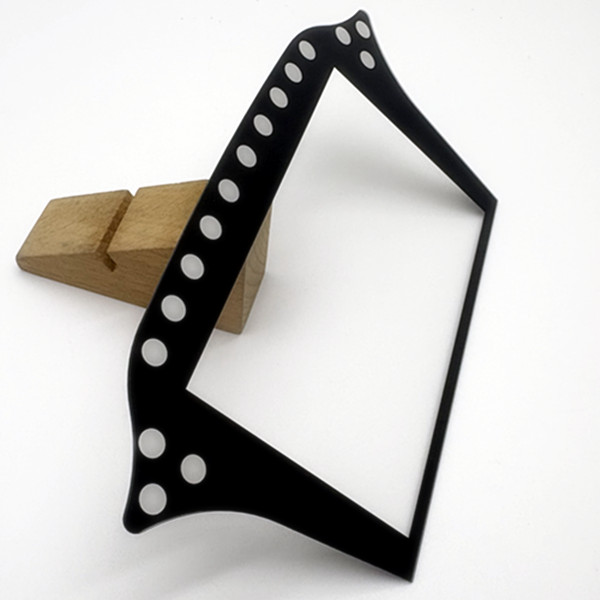
Custom Shaped Tempered Glass Processing, High Transparency Window Panels with Screen Printing
Shaped, printed and tempered window panels for control panels, kiosk windows, instrument covers and appliance faces.
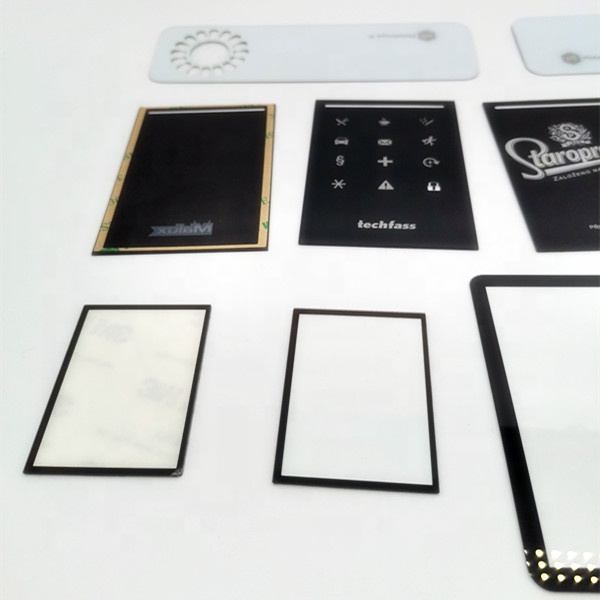
Custom Corning Gorilla Tempered Glass Silk Screen Printing for Touch Screen
Corning Gorilla glass with durable printed borders, windows and icon masks for touch interfaces and display lamination.
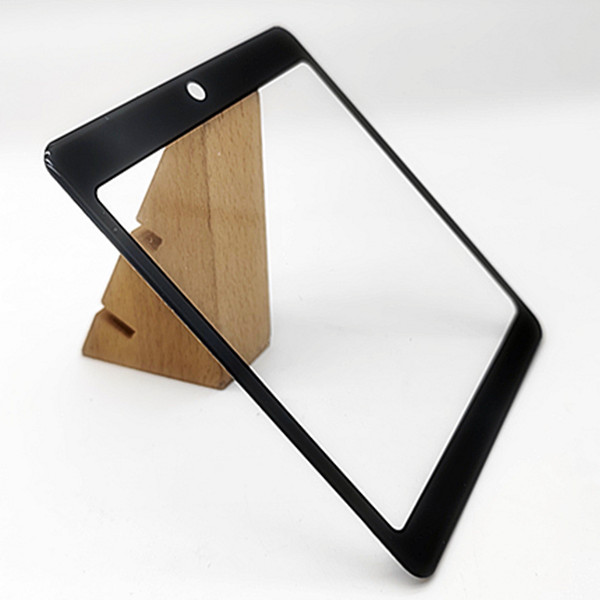
Ultra Clear Gorilla Glass Panel with Silk Screen Printing for Electronic Device
High-clarity Gorilla glass panel with printed borders, display windows and clean graphic details for electronic devices.
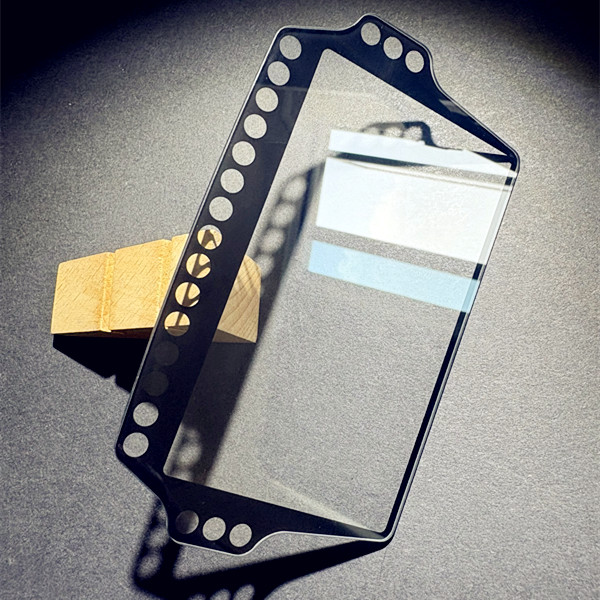
Factory Custom Tempered Silk Printed Gorilla Glass Screen Protector Printing Glass
Factory-direct screen protector glass with strengthened body, shaped edges and precise printed ink layers.

Custom Shape High Transmittance Ultra Clear Tempered Glass Panel With Anti-reflective Coating on Two Sides
Double-sided AR coating on ultra-clear tempered glass for low reflection, high transmission and glare-sensitive displays.
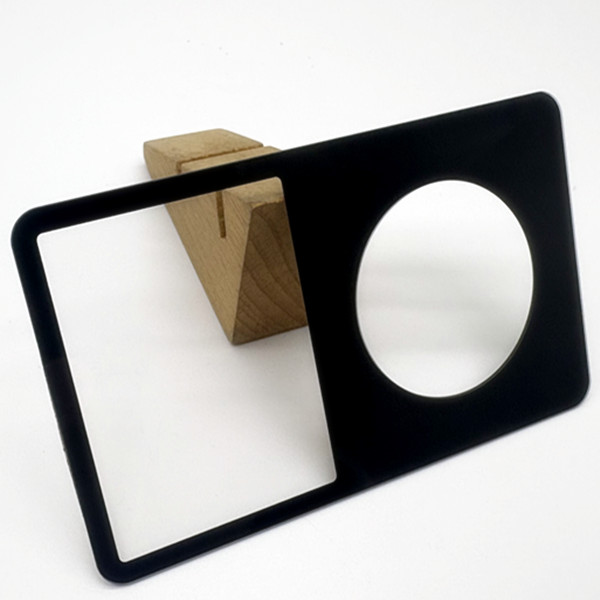
Factory Custom Smart Silkscreen Gorilla Glass Panel Tempered Glass Printing Glass
Smart-control cover glass with silkscreen graphics, tempered finishing and tailored outlines for home and building interfaces.

Custom Black Border Tempered Glass Panels Silk Screen Print Tempered Glass
Black-border printed tempered panels for clean appliance faces, display bezels and touch interfaces.

Back Painted Tempered Glass Led Glass Panel Cover Glass
Back-painted tempered glass covers for LED panels, lighting fixtures and appliance interfaces with hidden graphics.
What Sapporo Buyers Should Know About AF Glass and Anti-Reflective Cover Glass
“AF glass” can mean different things in different supply chains. In display and cover-glass procurement, AF usually refers to anti-fingerprint treatment, while AR refers to anti-reflective coating. Many Sapporo OEMs, design studios and project buyers use the terms together because modern touch displays need both glare control and smudge resistance. Before requesting a wholesale quotation, define which surface property matters, which side receives the coating, and how the panel will be cleaned in daily use.
Fevry Glass Co., Ltd. is a specialty glass manufacturer and export supplier based in Xinyu, Jiangxi, China. For Sapporo customers, we operate as an export wholesale partner rather than a local retail counter: we review drawings, confirm material and coating choices, produce custom tempered, AR-coated, silk-screen printed, Gorilla glass, borosilicate 3.3 and Corning Eagle XG parts, then pack them for international shipment. That model gives Sapporo buyers access to one supplier for cutting, strengthening, printing, coating, inspection and export packing.
Hokkaido’s climate adds practical requirements that a standard catalogue sheet may not address. Winter sunlight can strike displays at low angles, snow reflection can increase glare, indoor heating can create dry air and condensation at entrances, and public touchpoints may be cleaned frequently during tourism peaks. A well-written specification should therefore consider optical clarity, coating adhesion, cleanability, edge quality, print durability and packaging strength — not only glass thickness.
Intent note: if your tender documents say “AF glass” but your drawings show an anti-reflective coating, clarify the requirement before tooling. If you need both anti-fingerprint and anti-reflective performance, specify AF/AR dual treatment and define the cleaning method, coating side and acceptance criteria in the sample approval stage.
Sapporo RFQ Checklist
- 2D drawing in DWG, DXF or PDF with tolerances
- Glass material, thickness and edge finish
- AR, AF or AR/AF coating side and performance target
- Print colors, Pantone references and window areas
- Hole, notch, slot and corner details
- Application, annual volume and sample schedule
- Destination port or door delivery in Hokkaido
Where AF and AR Glass Performs in Sapporo
Sapporo is a compact but design-conscious market where hospitality, public interfaces, snow-country mobility, research and indoor comfort systems meet. These application scenarios help buyers translate glass specifications into local use cases.
Outdoor Kiosks & Digital Signage
Low-angle winter sun and snow reflection make glare control critical. AR-coated tempered cover glass improves readability for station wayfinding, tourism information and outdoor retail displays.
Hotels, Retail & Tourism Touchpoints
During Snow Festival and peak visitor periods, high-traffic touch panels benefit from anti-fingerprint surfaces, easy-clean printed glass and scratch-resistant strengthened substrates.
Automotive & EV Interfaces
Dashboard trim panels, instrument covers and charging interfaces need dimensional stability, clean printing and reliable performance through cold-temperature cycling.
Biotech, Labs & University Research
Eagle XG and borosilicate 3.3 substrates support analyzer filters, biochip carriers, optical windows and precision worktable glass for research and life-science teams in Hokkaido.
Event, Stage & LED Lighting
Gobo blanks, dichroic lenses and heat-resistant borosilicate covers serve venues, production houses and lighting brands that need repeatable optical and thermal behavior.
Smart Home & Building Controls
Condominium intercoms, heating controls and building access panels need printed glass faces that resist frequent cleaning, show crisp icons and fit compact electronics.
Four Sapporo Procurement Trends Shaping AF Glass Demand
Local demand is moving toward clearer interfaces, more durable surfaces and a supply chain that can respond quickly across language, documentation and shipment planning.
Low-Glare, High-Clarity Interfaces
Sapporo’s winter light and reflective streetscapes make AR-treated cover glass attractive for kiosks, wayfinding and instrument windows where readability affects user experience.
Easy-Clean Public Touch Surfaces
Hospitality, retail and transport operators increasingly ask for anti-fingerprint and easy-clean surfaces that preserve print graphics and tolerate repeated wiping.
Smaller Validation Batches First
Design teams want to validate fit, print color and optical appearance before committing to wholesale quantities. Sampling and drawing review reduce rework risk.
Resilient Hokkaido Logistics
Buyers plan around air freight to New Chitose, sea freight to Hokkaido ports and forwarder consolidation. Export packing for thin glass is now part of the supplier evaluation.
| Material | Best Sapporo Use | Why It Matters | Typical Thickness |
|---|---|---|---|
| Ultra-clear soda-lime with AR/AF | Cover glass, kiosk windows, printed panels | Good optical clarity, broad coating and printing compatibility, cost-effective for many display covers | 0.5 – 4 mm |
| Gorilla / chemically strengthened glass | Touch displays, public interfaces, scratch resistance | Surface strength supports frequent contact and cleaning; suitable for thin cover glass | 0.4 – 2 mm |
| Borosilicate 3.3 | Lighting covers, gobo blanks, heat-resistant windows | Low thermal expansion improves thermal-shock tolerance versus soda-lime glass | 0.3 – 3.3 mm |
| Corning Eagle XG | Biochips, analyzer filters, wafers, PLC substrates | Alkali-free boro-aluminosilicate with flatness and dimensional stability for precision work | 0.5 – 1.1 mm |
| Back-painted or printed LED cover glass | Lighting fixtures, appliance faces, hidden graphics | Allows color, light windows and clean graphic integration into tempered glass | 1 – 4 mm |
Values are typical industry figures for preliminary selection. Final material, coating, strengthening and tolerance choices must be confirmed against the agreed drawing, sample and application requirements.
Why Buyers Choose Fevry Glass as a Sapporo Supply Partner
Genuine E-E-A-T is built on verifiable experience, clear sourcing and production discipline. The points below reflect the company information and supplier profile behind Fevry Glass.
Verified Supplier Presence
More than 10 years as an Alibaba.com member, a 5.0/5 buyer rating, 100% inquiry response rate and visible supplier-assessment records support the buying decision.
Raw Material Traceability
We source raw glass from Corning, AGC and established optical-glass producers such as Chengdu Guangming and Xinhuguang to support consistent projects.
Imported Processing Equipment
Laser, ultrasonic, CNC carving, grinding and inspection equipment from the USA, Germany and Japan supports tight outlines, holes, notches and edge finishing.
One-Source Processing
Cutting, strengthening, AR coating, dichroic coating, silk-screen printing, back painting and inspection are coordinated as one production flow.
Dimensional & Optical Inspection
Size, thickness, flatness, print appearance and visual defects are checked before packing, with sample approval used to lock fit and optical expectations.
Export Packing for Thin Glass
Interleaved, cushioned export packing is designed for fragile thin glass and long-distance shipping to Japan, Western Europe, the USA, South Korea and Southeast Asia.

From Drawing Review to Export Packing
Fevry Glass works with optical, biological, semiconductor, communications, lighting and electronics customers. For Sapporo projects, the most efficient route is to send a complete drawing package first: outline dimensions, tolerances, thickness, material, edge finish, hole and notch positions, strengthening method, print colors, AR coating sides, application and annual quantity.
Our team then confirms manufacturability, proposes the substrate and process route, prepares samples where needed, and moves to mass production after approval. The company principle — “Quality is superior, service is supreme, reputation is first” — is supported by a simple working motto: “Your success, our glory.”
Share the Drawing
Send DWG, DXF or PDF files with dimensions, tolerances, material, coating and print details.
Engineering Review
We confirm manufacturability and recommend substrate, thickness, strengthening and coating route.
Sample Approval
Validate fit, print color, edge quality and optical appearance before mass production.
Production & Packing
Process with in-line checks, then pack for export shipment to Sapporo or your forwarder.
Common Local Procurement Questions About AF Glass
These answers address the practical questions Sapporo distributors, OEMs and project teams ask before requesting a wholesale quotation.
Is Fevry Glass physically located in Sapporo?
Our production and export operations are based in Xinyu, Jiangxi, China. We serve Sapporo customers as an export manufacturer and wholesaler, coordinating drawings, samples, production, inspection and shipment to Japan. We do not present ourselves as a local Sapporo retail store.
What is the difference between AF glass and AR glass?
AF usually means anti-fingerprint, while AR means anti-reflective. A display may need AF to reduce smudges, AR to reduce glare, or both. For an accurate quotation, state the required treatment, coating side, cleaning method and acceptance standard.
What is the MOQ for a Sapporo trial order?
Most custom cover glass and AR glass items start from about 300–500 pieces. Custom-cut Eagle XG parts may start from around 1,000 pieces, and selected gobo glass blanks can start from 10 pieces. Samples can be arranged to validate fit and optical performance before mass production.
Can you review drawings with Japanese annotations?
We accept DWG, DXF and PDF drawings. For drawings with Japanese notes, we recommend confirming critical tolerances, print colors and coating sides in writing before sampling so that both teams work from the same specification.
How do you pack thin glass for shipment to Hokkaido?
Thin glass is interleaved and cushioned for fragile export transport. Shipment can be coordinated by air to New Chitose, by sea to Hokkaido ports such as Tomakomai where suitable, or through your forwarder. The exact packing method depends on thickness, size, coating and order quantity.
Which glass should I choose for cold, snowy outdoor displays?
Start with the assembly design: housing, heater, ventilation and cleaning plan matter as much as the glass. For the glass itself, specify tempered or chemically strengthened cover glass, the required AR/AF treatment, coating adhesion expectations, and a sample test plan that reflects your real cleaning and temperature cycles.
Need an AF Glass Manufacturer & Wholesaler for Your Sapporo Project?
Send your drawing, coating requirement, print colors and annual volume for an engineering review and wholesale quotation.