Toughened Glass Product Families for OEM Procurement
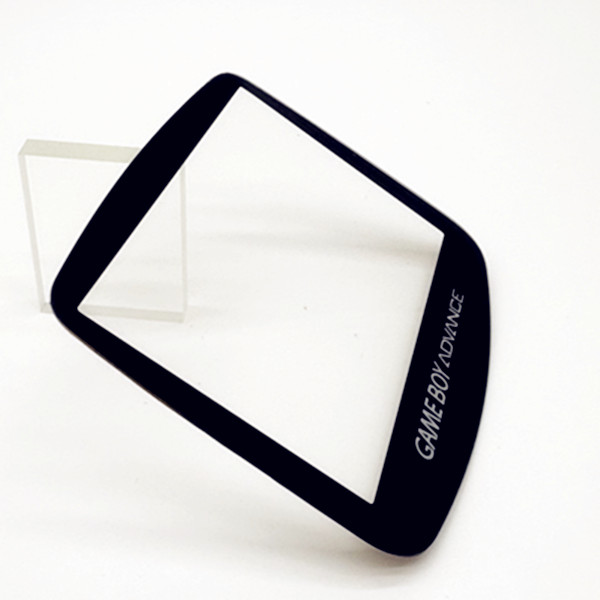
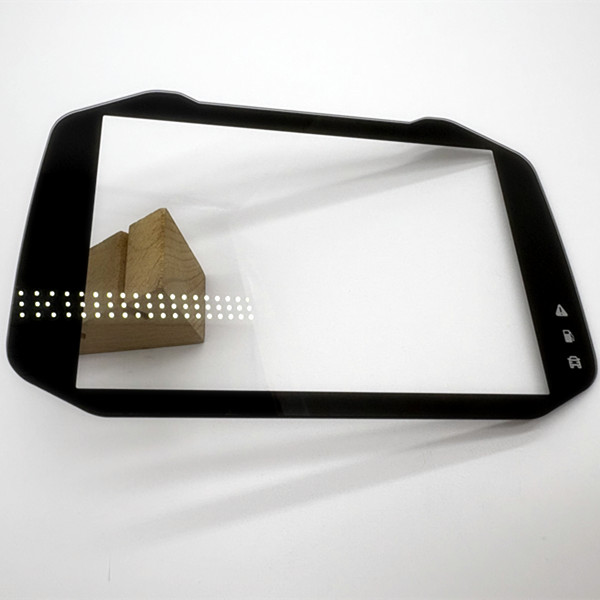
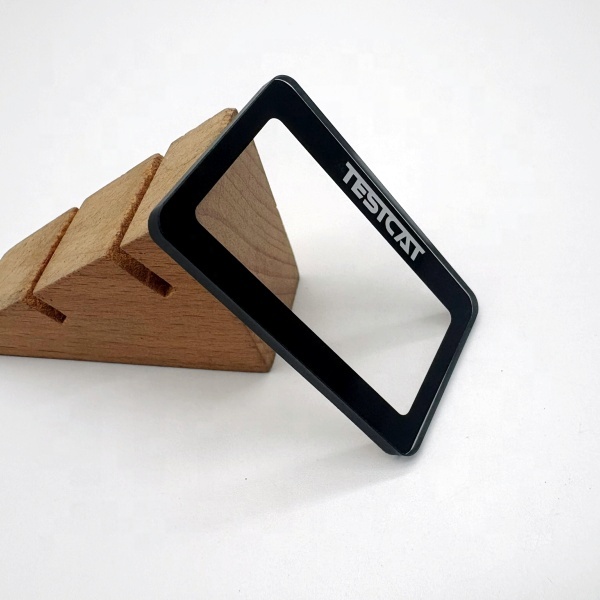
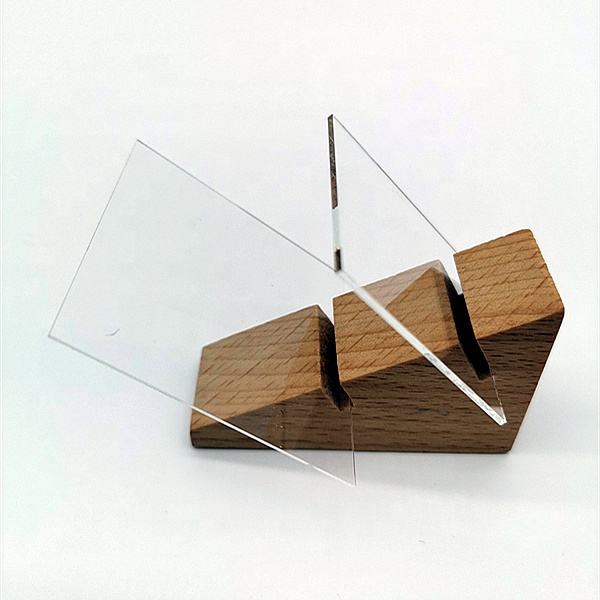
The eight product families below are the fastest route for buyers comparing trusted toughened glass suppliers and wholesalers. They cover ultra-thin cover glass, dichroic gobo mirrors, shaped printed windows, touch-switch plates, OLED cover glass, double-sided AR panels, LCD display windows and multi-thickness Corning® Gorilla® sheets. All can be customized by 2D drawing, with samples available to validate fit, print color and optical performance before volume production.




Why Toughened Glass Is Now a Specifications-Driven Purchase, Not a Commodity Order
The phrase “toughened glass” can hide enormous differences in substrate, edge quality, coating durability, print registration and dimensional discipline. For a consumer product, a 0.1 mm change in flatness or a slight shift in printed black can affect fit, touch sensitivity and perceived quality. For a lighting fixture, a contaminated edge or inconsistent dichroic coating can show up as heat failure or color drift. That is why experienced buyers now evaluate a supplier as a process partner, not as a sheet-price channel.
A reliable toughened glass wholesaler should be able to explain how the glass was strengthened, whether the part is thermally tempered or chemically strengthened, where the raw sheet came from, how the edge was ground, how the print was cured, and how coating adhesion was checked. This information gain matters because many failure modes — edge chipping, delayed breakage, coating haze, color shift and poor touch response — start long before packing. They begin with material selection, tooling, handling and process discipline.
The procurement question is therefore not “Who sells the cheapest tempered glass?” but “Who can reproduce my drawing at the required optical and mechanical standard, with documentation, samples and predictable lead times?” A supplier with visible third-party assessment, public trade history, buyer reviews and trade capacity data can reduce sourcing risk far more effectively than an unverified quotation. For OEM programs, the lowest total cost is usually the supplier that prevents rework, line stoppage and end-customer returns.
Material provenance
Confirm whether the raw sheet is Corning®, AGC, borosilicate 3.3, Gorilla® or an approved equivalent, and request batch-level traceability for repeat programs.
Process control
Evaluate cutting, CNC shaping, edge grinding, strengthening, coating, printing and final inspection as one connected process, not isolated steps.
Quality evidence
Ask for dimensional reports, flatness data, visual inspection criteria, coating adhesion checks, print color approvals and packed-sample photos.
Export discipline
Thin glass needs interleaving, cushioned corners, moisture protection and carton testing. Packing quality is part of product quality for export buyers.
Procurement Trends Reshaping Toughened Glass Supply in 2026–2030
Buyers are moving away from one-off sheet purchasing and toward approved material programs with documented processes, faster sampling and regional supply resilience.
Traceable raw glass and dual-source approval
OEMs increasingly require named substrates, material certificates and an approved alternates list. Dual sourcing is no longer only about price; it protects production when one material batch is delayed.
Drawing-led total cost of ownership
Procurement teams are comparing landed cost, yield, rework risk and line readiness rather than unit price alone. Early engineering review often removes hidden cost before tooling begins.
Small-batch validation before mass production
Custom cover glass and AR glass projects commonly start from 300–500 pieces, with samples used to validate fit, print color and coating appearance before a larger PO is released.
Export-ready packing and regional risk balancing
Fragile thin glass is sensitive to handling, humidity and transit vibration. Suppliers with export packing discipline and multi-region experience reduce damage claims and schedule risk.
Product Development Trends: Stronger, Thinner and More Functional Glass
Toughened glass is becoming a functional interface, an optical element and a branding surface at the same time. The most competitive parts combine strength, clarity, print and coating in one qualified component.
Chemical strengthening for ultra-thin cover glass
Ion-exchange strengthening is increasingly used for 0.15–2 mm glass because it improves surface strength while keeping the sheet flat, optically clean and suitable for tight display stacks.
AR coatings that approach 98% transmission
Double-sided anti-reflective coating is becoming common for instrument windows, touch panels and outdoor displays where glare reduction and high light transmission directly affect readability.
Printed glass as a structural and branding layer
Silk-screen printing now carries logos, icon windows, borders, IR-transparent areas and dead-front graphics. Buyers increasingly expect Pantone references and repeatable color approval.
Borosilicate 3.3 for thermal shock
With a thermal expansion coefficient of about 3.3 × 10⁻⁶/K, borosilicate 3.3 is preferred for lighting covers, heat-resistant windows, gobo blanks and laboratory or instrument glass.
Alkali-free Eagle XG for biotech and semiconductor
Corning® Eagle XG supports biochips, analyzer filters, glass wafers and PLC substrates where flatness, low thermal expansion and dimensional stability are mission-critical.
Laser, CNC and ultrasonic shaping for complex outlines
Complex outlines, holes, notches, slots and fine edges are now expected from drawing-based suppliers. Edge quality and pre-strengthening finishing directly influence breakage performance.
Fevry Glass: A Specialty Supplier Built for Drawing-Based OEM Programs
Fevry Glass Co., Ltd. is based in Xinyu, Jiangxi, China, and works as a specialty glass supplier rather than a general building-materials trader. The company serves customers in China and exports to Western Europe, the United States, Japan, South Korea, Taiwan, Hong Kong and Southeast Asia. Its work covers Eagle XG, borosilicate 3.3, transparent ceramic glass, semiconductor wafers, biochip glass, PLC substrates, optical V-groove glass, gobo and lighting glass, LED filament glass, optical coating glass and 0.15/0.2 mm ultra-thin protector glass.
One advantage is material access. Fevry Glass sources raw glass from Corning, AGC and other multinational producers, and works with established Chinese optical-glass makers such as Chengdu Guangming and Xinhuguang. This gives engineering buyers a practical balance between material traceability, availability and cost. Cutting, grinding, strengthening, coating, printing, inspection and export packing are handled as one program, which reduces hand-offs and makes technical communication clearer.
The company processes glass on laser, ultrasonic, CNC carving, grinding and inspection equipment imported from the USA, Germany and Japan. Typical capabilities include custom outlines, holes, notches, slots, flat and pencil edges, thermal tempering, ion-exchange strengthening, AR and dichroic coating, Pantone-matched silk-screen printing, back painting and dimensional/optical inspection. The working principle — “Quality is superior, service is supreme, reputation is first” — is useful for buyers because it points to repeatability and reputation, not one-off price. The motto, “Your success, our glory,” reflects a long-term supplier relationship model.
- Eagle XG, borosilicate and transparent ceramic glass
- Semiconductor wafers and biochip glass
- PLC substrates and optical V-groove glass
- Film, TV and stage lighting color lenses
- LED filament and optical coating glass
- 0.15 mm and 0.2 mm ultra-thin protector glass



How to Verify a Trusted Toughened Glass Wholesaler Before You Issue a PO
A low quotation is not a supply strategy. Before committing to a custom glass program, verify the supplier’s public records, engineering responsiveness, quality evidence and export behavior. These checks take less time than correcting a failed shipment.
Third-party supplier assessment
Check whether the company premises and basic capabilities have been independently reviewed. A supplier assessment is not a product approval, but it confirms that the business is real and inspectable.
Buyer ratings and reviews
Read reviews for communication, packaging, sample accuracy and repeat-order experience. A 5.0/5 rating is useful evidence, but the wording of buyer comments often reveals more than the score itself.
Credit and transaction profile
Review visible credit information and transaction levels. For new suppliers, start with a sample or trial order and define inspection criteria before scaling to annual volume.
Trade history and export markets
Past transactions and export regions help estimate whether the supplier understands destination packing, documentation and communication expectations for your market.
Trade capacity and packing discipline
Ask how thin glass is interleaved, corner-protected, moisture-sealed and carton-tested. For custom printed or coated parts, packing method can decide whether the shipment arrives usable.
Engineering response quality
A strong supplier will ask about thickness, edges, holes, print colors, coating sides, application and annual volume before quoting. Vague replies are a warning sign for drawing-based glass projects.
Compare Glass Substrates Before You Finalize the Drawing
Use this preliminary table to align substrate, thickness and application. Final specifications should always be confirmed against the manufacturer datasheet and your drawing.
| Material | Typical thickness | CTE (×10⁻⁶/K) | Best for | Procurement note |
|---|---|---|---|---|
| Ultra-clear soda-lime | 0.5–4 mm | ≈ 9.0 | Cover glass, AR panels, printed windows | Choose low-iron grade for color-critical displays; confirm tempering after printing. |
| Gorilla® alkali-aluminosilicate | 0.4–2 mm | ≈ 7.5–8.5 | Scratch-resistant touch and display covers | Specify chemical strengthening, print side and coating side clearly. |
| Borosilicate 3.3 | 0.3–3.3 mm | 3.3 | Heat-resistant windows, gobo blanks, lab glass | Use for thermal shock; confirm edge quality and maximum service temperature. |
| Corning® Eagle XG | 0.5–1.1 mm | ≈ 3.2 | Biochips, wafers, PLC and micro-optics | Request flatness, surface quality and dimensional data for micro-fabrication. |
| Chemically strengthened thin glass | 0.15–2 mm | Base-glass dependent | Ultra-thin protectors, sensor covers | Validate strength and optical clarity with samples before mass production. |
Typical values are for preliminary selection only. Final acceptance criteria should be agreed in writing with samples, drawings and inspection methods.
Frequently Asked Questions from Toughened Glass Buyers
These are the technical and commercial questions that engineering and sourcing teams ask most often when qualifying a custom toughened glass supplier.
What is the difference between thermally tempered and chemically strengthened glass?
Which thickness should I choose for a touch display or control panel?
Can you apply anti-reflective coating on both sides?
How do I specify silk-screen printing so the color matches my brand?
What is the minimum order quantity for custom toughened glass?
Can I receive samples before placing a mass-production order?
What information is required for an accurate quotation?
How is glass protected during export packing?
Which glass should I choose for heat-resistant lighting parts?
Which export markets does Fevry Glass serve?
Build a Repeatable Toughened Glass Supply Program
Send your 2D drawing, material and thickness, print or coating requirements, annual volume and target delivery date. Fevry Glass engineering and sourcing teams will review manufacturability and recommend the most practical substrate and process route for your application.
Get Catalog