8 Cover Glass Products for Displays, Optics, Automotive & Lighting
These eight engineered cover glass products reflect high-intent buyer searches: custom tempered Gorilla glass, ultra-clear printed panels, alkali-free borosilicate, double-sided AR glass, dichroic gobo mirrors and touch switch plates. Each product can be reviewed against your drawing, annual volume, optical target and surface finish.

0.5mm 0.7mm 1mm 2mm 3mm Thickness China Suppliers Good Price Oem Wholesale Premium Tempered Printing Custom Gorilla Glass Screen
OEM tempered and printed Gorilla glass screens for display windows, touch panels and appliance fronts, supplied with drawing-based cutting and edge finishing.
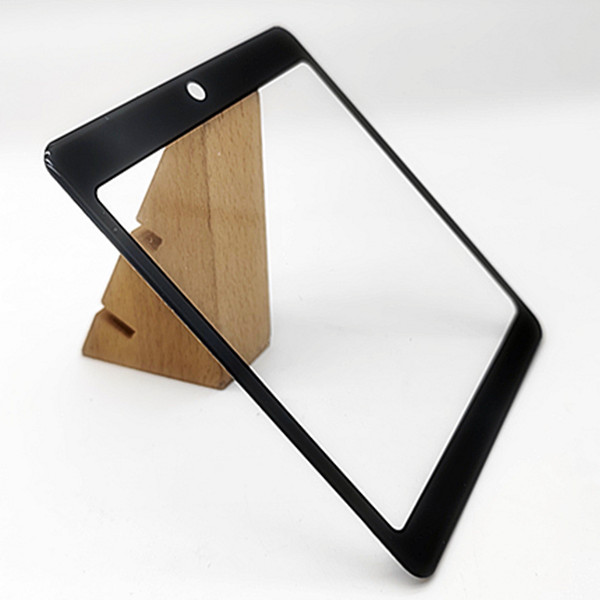
Ultra Clear Gorilla Glass Panel with Silk Screen Printing for Electronic Device
Ultra-clear Gorilla glass with precise silk-screen printing for electronic device cover lenses, control panels and display windows requiring high clarity.
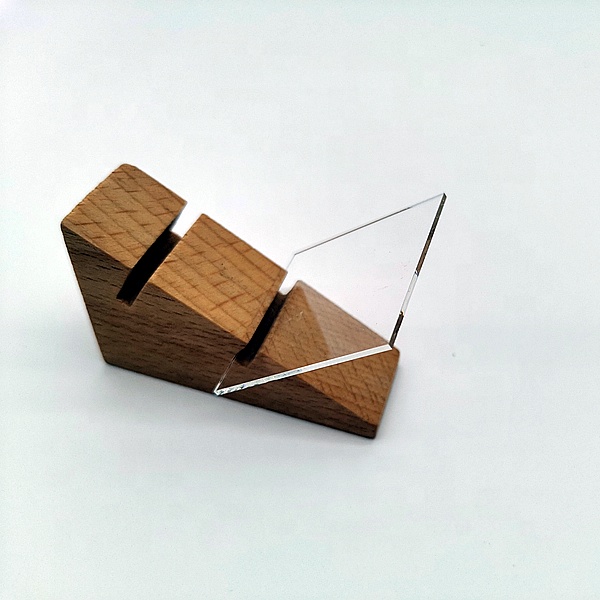
Custom 0.2mm 0.3mm 0.4mm 0.5mm 0.7mm 1mm Alkali Free Borosilicate AF32 Glass
Thin alkali-free borosilicate AF32 glass cut to drawing for heat-resistant windows, sensor covers and precision electronics where low expansion matters.

Custom Shape High Transmittance Ultra Clear Tempered Glass Panel With Anti-reflective Coating on Two Sides
Custom-shaped, ultra-clear tempered glass with anti-reflective coating on both sides for display and optical assemblies needing low reflection.
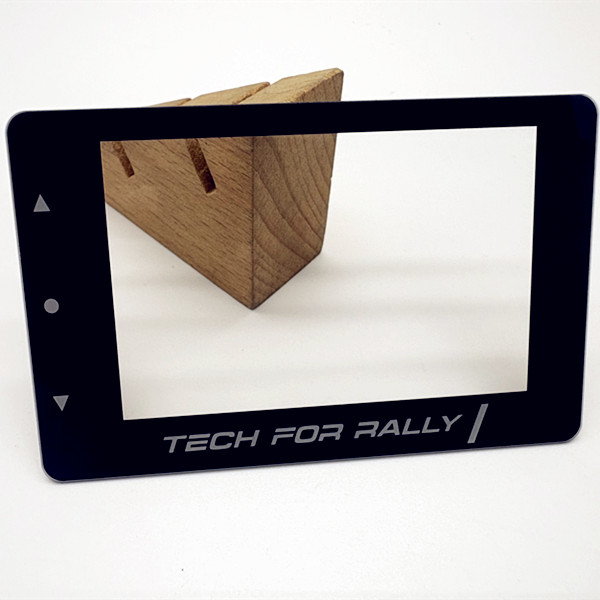
Customize Tempered Glass Silk Printed Ar Coating Gorila Glass LCD Screen protection Display
Combines tempered Gorilla glass, silk-printed graphics and AR coating for LCD protection displays with reduced glare and defined borders.
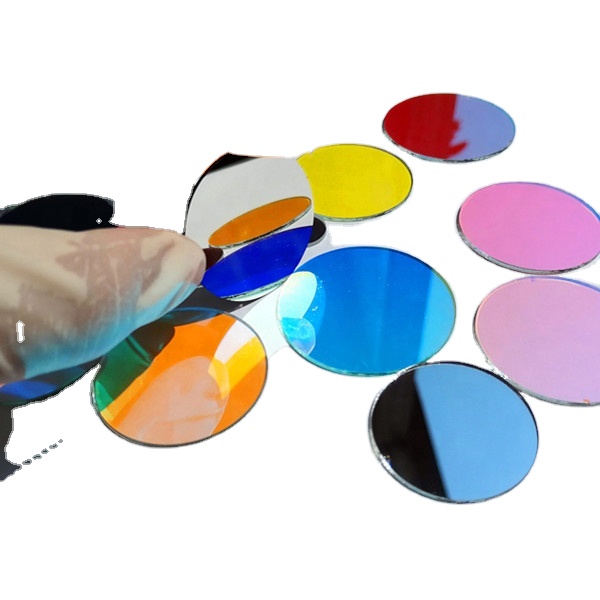
0.3mm ~ 2mm Dichroic Glass Mirror for Gobos
Thin dichroic glass mirror blanks for gobo, stage lighting and optical color separation, reviewed against your lighting design and coating stack.
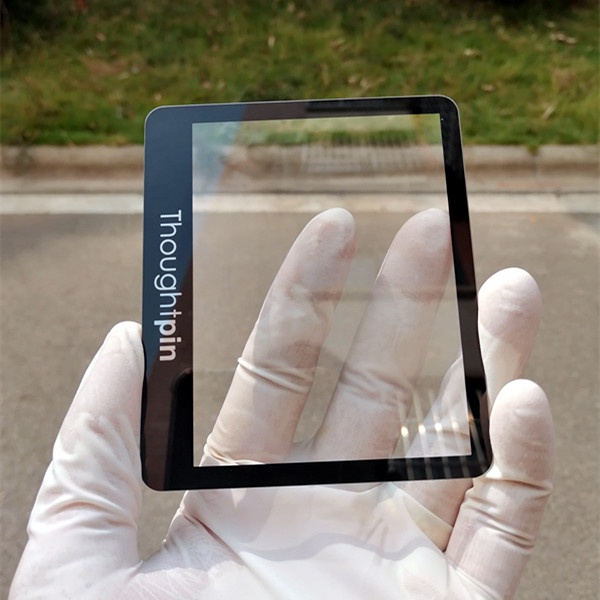
1.5mm 2mm Tempered Glass Thickness Touch Switch Glass Plate
Tempered glass touch switch plates for wall switches, smart-home controls and appliance interfaces, with optional printing and surface treatment.
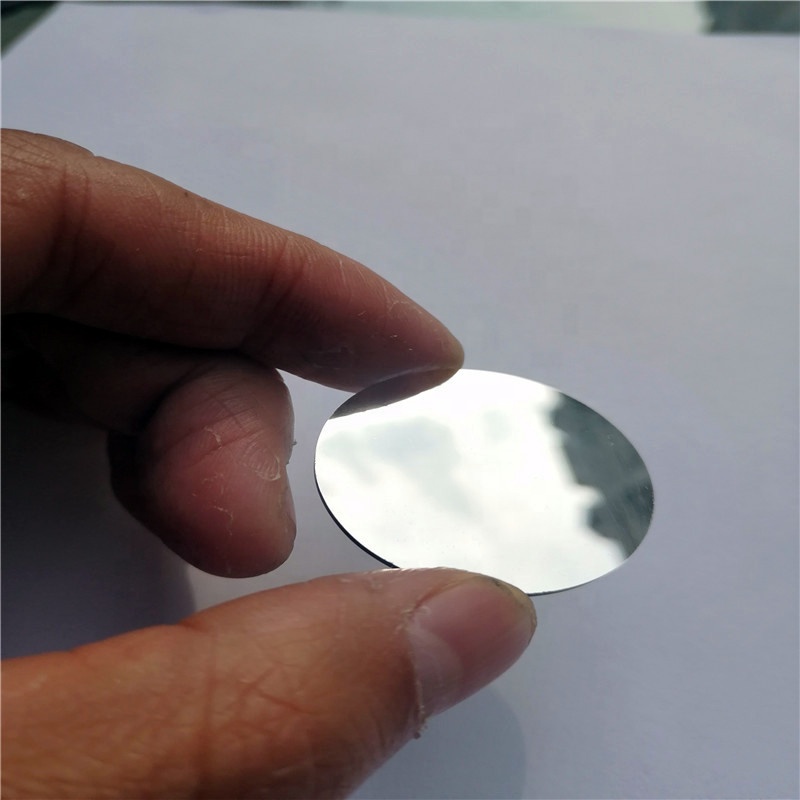
Gobo Glass/dichroic Mirror Lighting Filters Glass Lens
Dichroic mirror lighting filter glass and lens blanks for stage, studio and architectural lighting, processed for heat resistance and color consistency.
Why Cover Glass Is a Material Engineering Decision, Not a Commodity Purchase
Buyers searching for a top trusted cover glass factory and wholesalers are usually not buying a simple transparent sheet. They are buying an interface layer that affects optical transmission, scratch resistance, touch reliability, print alignment, display readability, assembly yield and end-user perceived quality. A cover glass part that looks acceptable in a photo can still fail during drop testing, high-temperature lamination, UV exposure, solvent cleaning or automated optical inspection. That is why professional procurement should compare substrate, strengthening method, coating specification, printing process, edge finish, tolerance stack-up, inspection plan and export packing — not only the quoted piece price.
The first decision is material. Ultra-clear soda-lime glass is widely used for cost-sensitive display windows and printed panels. Gorilla® alkali-aluminosilicate glass is selected when scratch resistance and thinness matter. Borosilicate 3.3 is the preferred route for heat-resistant windows, gobo blanks and lighting filters because its coefficient of thermal expansion is roughly one third that of soda-lime glass. Corning® Eagle XG is chosen for biochips, analyzer filters, wafers and PLC substrates where alkali-free chemistry, low thermal expansion and dimensional stability are important. A trusted factory should be able to explain these trade-offs clearly and recommend the lowest-risk material for your application, rather than steering every project toward the same substrate.
The second decision is process sequence. Cutting, drilling, CNC shaping and edge grinding must be completed before thermal tempering or chemical strengthening. AR coating, dichroic coating, silk-screen printing and back painting are then specified against the final optical and environmental requirements. If a supplier proposes to drill, polish or re-cut glass after strengthening, the buyer should ask detailed questions about strength loss and inspection criteria. In our experience, information gain comes from asking for process capability data: thickness tolerance, flatness, TTV, edge chip limits, print registration, adhesion testing, reflectance curve and packing validation. These details separate a dependable cover glass partner from a trading listing that only forwards enquiries.
Wholesalers can be useful for standard sizes, mixed stock orders and urgent replenishment. Factory-direct suppliers are stronger when drawings are custom, tolerances are tight, AR or printed layers are involved, or the part must integrate several processes under one quality record. Fevry Glass Co., Ltd. operates as a specialty glass supplier with factory-direct engineering support, raw material traceability and export experience. Our quality principle — “Quality is superior, service is supreme, reputation is first” — guides how we review drawings, validate samples and protect fragile thin glass during shipment. Our motto, “Your success, our glory,” reflects the long-term mindset required for OEM programs rather than one-off transactions.
What Technical Buyers Usually Miss
- Confirm that tempering or ion exchange happens after all machining.
- Ask for flatness, TTV and edge-chip criteria — not only thickness.
- Specify AR reflectance in your working wavelength band, not just “AR coated.”
- Review print ink adhesion, IR windows and Pantone color targets.
- Validate export packing for ultra-thin glass before mass production.
Product Recommendations by Application
Cover glass decisions become simpler when the end application is clear. The same 1 mm glass can require very different edge quality, coating, printing, strengthening and packing depending on whether it becomes an automotive dashboard trim, a smart-home switch plate, a stage-lighting gobo or a biotech analyzer window.
Displays & Electronics
Ultra-clear tempered glass, AR-coated panels and silk-printed cover lenses for LCD protection, smart-home interfaces and industrial displays. Priorities: low reflection, clean print windows and stable flatness.
Automotive & Smart Home
Dashboard trim panels, touch switch plates and appliance glass fronts. Priorities: scratch resistance, fingerprint control, print registration and reliable bonding during lamination.
Stage, Studio & LED Lighting
Borosilicate gobo blanks, dichroic filters and lighting lenses. Priorities: thermal shock resistance, color consistency, coating durability and heat management.
Biotech & Life Science
Corning® Eagle XG substrates, biological analyzer filters and microscopy glass. Priorities: alkali-free chemistry, dimensional stability and optical clarity.
Semiconductor & Photonics
Glass wafers, PLC substrates and V-groove glass. Priorities: low TTV, flatness, surface quality and compatibility with bonding or micro-patterning.
Optical Instruments
Filter glass, high-transmission windows and ultra-clear AR panels. Priorities: transmission targets, coating uniformity and repeatable optical performance.
2025–2030 Cover Glass Wholesale Trends Buyers Should Plan For
Cover glass purchasing is moving away from isolated price comparisons toward supplier capability, traceability and total landed cost. The strongest factories and wholesalers will be those that can support engineering review, small validation runs and documented process control.
Total Landed Cost Replaces Piece Price
Procurement teams are modelling breakage, rework, lamination yield and packaging performance. A slightly higher sample price can reduce total cost when it prevents a production stoppage.
One Source for Cut, Coat, Strengthen & Print
Buyers increasingly prefer a single process owner. Multiple hand-offs increase handling risk on thin glass and make it harder to assign responsibility for coating or print defects.
Low-MOQ Validation Runs
New programs often start with 300–500 pieces for cover glass, 1,000 pieces for selected Eagle XG parts and as few as 10 pieces for gobo blanks before mass production.
Documented Supplier Qualification
Supplier assessment records, credit profiles, ratings and transaction history are now reviewed before RFQ approval, especially for export OEM programs.
Indicative Buyer RFQ Priorities for Custom Cover Glass
Cover Glass Development Trends That Will Define the Next Generation
The next wave of cover glass demand will be shaped by thinner devices, brighter displays, harsher lighting environments and tighter optical requirements. These trends affect both product design and supplier selection.
Ultra-Thin Chemically Strengthened Glass
0.15–2 mm glass is increasingly specified for protectors, sensor covers and lightweight display stacks. Ion exchange raises surface strength while preserving flatness and optical clarity.
Double-Sided AR Coating
AR coating on two sides can raise transmission toward the high-transmission range required by displays and optical instruments. Buyers should define the wavelength band and reflection target.
Printed Cover Glass with Functional Windows
Pantone-matched borders, logos, icon windows and IR-transparent ink areas are becoming more integrated. Print quality must survive cleaning, bonding and outdoor exposure.
Eagle XG for Bio & Photonics
Alkali-free boro-aluminosilicate glass remains highly relevant for biochips, analyzer filters, wafers and PLC substrates because of low expansion and excellent flatness.
Borosilicate 3.3 for Thermal Shock
Lighting, laboratory and instrument applications continue to move toward low-CTE materials that resist rapid temperature change and chemical exposure without optical distortion.
Dichroic & Gobo Glass for High-Power Lighting
Stage, studio and architectural lighting demand stable color, heat resistance and repeatable coating stacks. Thin dichroic gobo blanks require careful handling and packing.
Compare Cover Glass Materials Before You Request a Quote
Use this matrix for preliminary selection, then confirm final properties against the manufacturer datasheet and your drawing. The best material is the one that satisfies optical, mechanical and environmental requirements at a controllable process yield.
| Material | Typical Thickness | CTE (×10⁻⁶/K) | Best For | Procurement Note |
|---|---|---|---|---|
| Ultra-clear soda-lime | 0.5–4 mm | ≈9.0 | Cover glass, AR panels, printed windows | Cost-effective; confirm iron content and color neutrality. |
| Gorilla® alkali-aluminosilicate | 0.4–2 mm | ≈7.5–8.5 | Scratch-resistant touch and display covers | Specify chemical strengthening and edge quality. |
| Borosilicate 3.3 | 0.3–3.3 mm | 3.3 | Heat-resistant windows, gobo, lab glass | Excellent thermal shock resistance; verify coating compatibility. |
| Corning® Eagle XG | 0.5–1.1 mm | ≈3.2 | Biochips, wafers, PLC and micro-optics | Alkali-free and dimensionally stable; plan precision cutting and cleaning. |
| Chemically strengthened thin glass | 0.15–2 mm | Base-glass dependent | Ultra-thin protectors, sensor covers | All machining before ion exchange; inspect flatness and surface compression. |
Values are typical industry figures for preliminary sourcing. Final specifications must be confirmed against the material datasheet, coating design and your application tolerances.
What to Verify in a Trusted Cover Glass Factory
Trust should be auditable. A credible factory or wholesaler should be able to explain how raw material, machining, strengthening, coating, printing, inspection and packing are controlled under one quality record.
Raw Material Traceability
Ask which glass manufacturer, grade and batch are used. For Corning®, AGC, Chengdu Guangming or Xinhuguang materials, request documentation and consistency controls.
Strengthening Discipline
Thermal tempering suits thicker glass; chemical strengthening suits 0.15–2 mm thin cover glass. Machining must happen before strengthening.
Coating Control
Confirm AR side count, wavelength band, reflectance target, adhesion and environmental testing. For dichroic filters, request the coating design intent.
Print Precision
Review Pantone references, registration tolerance, ink thickness, IR windows and adhesion after cleaning. Printed cover glass often defines the visible brand quality.
Dimensional & Optical Inspection
Check size, thickness, flatness, TTV, edge chips, scratches, bubbles, coating defects and print defects against an agreed AQL or drawing standard.
Sample & Pilot Validation
Approve samples for fit, color, optical performance and assembly behavior before mass production. Samples reduce hidden cost far more than they add.
Export Packing
Thin glass needs interleaved protection, edge cushioning and reinforced cartons. Ask for packing photos and, for new programs, a packing validation record.
Clear Communication
Response time, drawing feedback, change control and written specifications are part of supplier reliability. Faster is useful only when the answer is technically correct.
Fevry Glass: A Specialty Glass Partner Built for Technical Buyers
Fevry Glass Co., Ltd. is a specialty glass company based in Xinyu, Jiangxi, China, serving optical, biological, semiconductor, communications, lighting, display and electronics customers. We combine material sourcing, precision processing and export packing for custom glass projects.
Our work starts with the material and the drawing. We source raw glass from Corning, AGC and other multinational producers and work closely with established Chinese optical-glass makers such as Chengdu Guangming and Xinhuguang. This gives buyers a traceable starting point for Eagle XG, borosilicate 3.3, transparent ceramic glass, glass wafers, biochip glass, PLC substrates, V-groove glass, stage-lighting color lenses and ultra-thin protector glass.
Our technicians process glass on laser, ultrasonic, CNC carving, grinding and inspection equipment imported from the USA, Germany and Japan. The manufacturing scope covers custom outlines, holes, notches, edge grinding, thermal tempering, chemical strengthening, AR coating, dichroic coating, silk-screen printing, back painting and dimensional inspection. For custom cover glass projects, this means fewer hand-offs between cutting, strengthening, coating and printing, and one accountable technical contact from sample to shipment.
As an Alibaba.com member for more than 10 years, Fevry Glass maintains a 100% inquiry response rate, an average response time of ≤4 hours and a 5.0/5 buyer rating. Our export markets include Western Europe, the United States, Japan, South Korea, Taiwan, Hong Kong and Southeast Asia. Supplier assessment, credit profile, ratings, transaction level, trade capacity and trade history are publicly visible for buyers who prefer independent records before committing to a program.
We do not treat cover glass as a catalog-only commodity. Engineers and sourcing teams can send a 2D drawing with dimensions, tolerances, material, edge finish, hole positions, strengthening method, print colors and AR coating requirements. Our team reviews manufacturability, recommends substrate and thickness, flags process risks and prepares a quotation that reflects the real production route. This engineering review is where a trusted cover glass factory creates information gain: by preventing an apparently cheap part from becoming an expensive assembly problem.
Verified Supply Signals
Procurement teams can review third-party and platform records before placing an order.
Explore the company overview, ratings and reviews and supplier assessment records.
Get a Quote
Precision glass processing workshop

Imported cutting and grinding equipment

Optical inspection and export packing
From Drawing to Delivery: The Five-Step Fevry Glass Process
A clear process protects both engineering and procurement. Each step produces information that reduces ambiguity before the next step begins.
Share the Drawing
Send DWG, DXF or PDF with dimensions, tolerances, thickness, material, edge finish, holes, print colors, AR sides and annual volume.
Engineering Review
We confirm manufacturability, recommend substrate and thickness, and flag process risks such as thin-glass handling or post-strengthening rework.
Sample Approval
Samples validate fit, color, print registration, coating appearance and optical performance before mass production.
Mass Production
Cutting, strengthening, coating, printing and inspection are controlled with dimensional and visual checks.
Export Packing
Interleaved, cushioned packing is designed for fragile thin glass and international shipping.
Factory Direct, Wholesaler or Hybrid? A Practical Comparison
There is no single best supply model. The right choice depends on whether your priority is custom engineering, fast stock availability, multi-site replenishment or consolidated purchasing.
Factory Direct
Best for custom drawings, coating, printing and integrated process control.
- Direct engineering feedback and DFM review
- One process owner for cutting, strengthening and coating
- Typical MOQs: 300–500 pieces; Eagle XG from 1,000; gobo blanks from 10
Cover Glass Wholesaler
Best for standard sizes, small mixed orders and urgent spot replenishment.
- Faster access to existing stock
- Useful for repair, distribution and sample rooms
- Confirm traceability, coating responsibility and print quality before ordering
Hybrid Supply
Best for OEM programs that need factory customization plus regional flexibility.
- Factory supports custom parts and change control
- Regional stock supports line-side replenishment
- Requires written specifications and consistent inspection criteria
Cover Glass Procurement FAQ
These are the questions engineers, sourcing managers and product teams ask most often when evaluating a cover glass factory or wholesaler.
Should I choose chemically strengthened or thermally tempered glass?
Thermal tempering is best for glass around 3 mm and thicker. For ultra-thin cover glass from 0.15 mm to about 2 mm, chemical strengthening by ion exchange raises surface strength while keeping the sheet flat and optically clean. In both cases, cutting, drilling and edge grinding must be completed before strengthening.
When is borosilicate 3.3 better than soda-lime glass?
Borosilicate 3.3 has a CTE of about 3.3 × 10⁻⁶/K, roughly one third of soda-lime glass, so it resists thermal shock far better. It is preferred for lighting covers, heat-resistant windows, gobo blanks, laboratory glass and instrument glass.
Why is Corning® Eagle XG used for biochips, wafers and PLC substrates?
Eagle XG is an alkali-free boro-aluminosilicate glass with low thermal expansion and a fusion-formed surface that offers excellent flatness and dimensional stability. That combination suits micro-patterning, bonding and precision optical alignment.
What is the minimum order quantity?
Most custom cover glass and AR glass items start from 300 to 500 pieces, selected Eagle XG cut parts from 1,000 pieces, and certain gobo glass blanks from 10 pieces. Samples can be arranged to validate fit and optical performance before mass production.
What information is needed to evaluate a custom glass project?
Send a 2D drawing in DWG, DXF or PDF with outline dimensions and tolerances, thickness, material, edge finish, hole and notch positions, strengthening method, print colors or Pantone references, AR coating sides, application and annual quantity to info@fevryglass.com.
Can tempered glass, AR coating and silk-screen printing be combined in one part?
Yes, but the sequence matters. Machining and edge finishing come first, followed by strengthening, then coating and printing as appropriate. The drawing should clearly define which surface receives the AR coating and where printed ink, windows or IR-transparent areas must be located.
How do you protect ultra-thin glass during export packing?
Thin cover glass requires interleaved protection, edge cushioning, reinforced cartons and handling instructions. For new programs, packing validation can be discussed before shipment, especially for large panels or ultra-thin 0.15–0.7 mm parts.
Which markets does Fevry Glass export to?
Besides domestic customers in China, Fevry Glass regularly ships to Western Europe, the United States, Japan, South Korea, Taiwan, Hong Kong and Southeast Asia. Lead time is confirmed after drawing review, sample approval and order quantity.
Have a Drawing? Let’s Engineer Your Cover Glass.
Send your specifications and application details. Our engineers typically reply within 4 hours with technical feedback and a quotation path.
Email: info@fevryglass.com