Top Trusted Borosilicate Glass Factory & Supplier
Engineering-led production of borosilicate 3.3, ultra-thin tempered, AR-coated, dichroic, ITO and printed cover glass — cut, strengthened, coated and inspected to your drawing for lighting, displays, optics and biotech programs.
Eight Custom Glass Products for Repeatable OEM Production
Select by optical function, thermal load, coating requirement and enclosure fit. Each product below preserves the original product URL and can be reviewed for drawing-based customization, sampling and export supply.

Custom 0.3mm 0.5mm 0.7mm Heat Resistant Gobo Glass Blanks for Projector
Heat-resistant specialty glass blanks for projectors and stage lighting, supplied in thin formats with custom cutting and edge finishing for high-temperature optical paths.
View product details
Custom Chemically ultra Thin Clear Transparent Tempered Glass Sheet
Ion-exchange strengthened clear glass for slim HMI, sensor windows and protective covers where flatness, optical clarity and dimensional consistency matter.
View product details
0.3mm ~ 2mm Dichroic Glass Mirror for Gobos
Dichroic glass mirrors for gobos, stage lighting and color separation, with coating, shape and size customized to the optical path and thermal environment.
View product details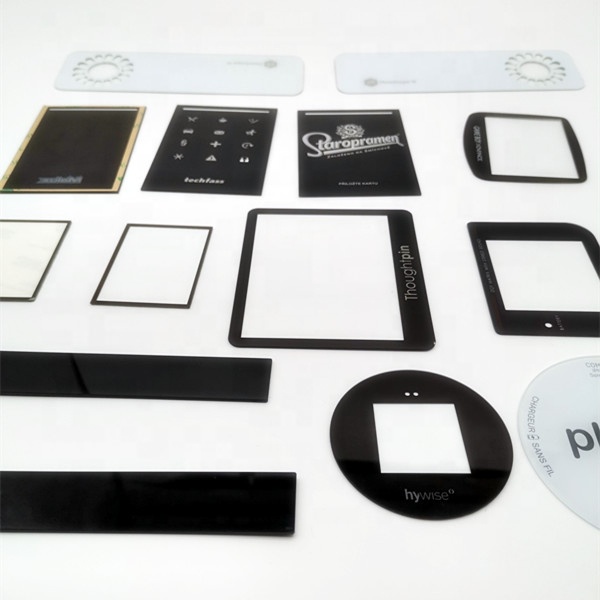
Back Painted Tempered Glass Led Glass Panel Cover Glass
Back-painted tempered glass for LED panels and appliance interfaces, combining a clean printed appearance with durable cover-glass performance.
View product details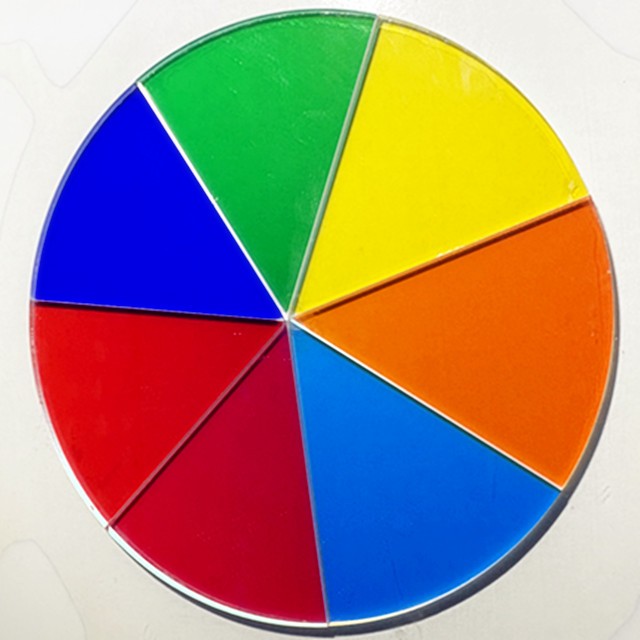
Factory Customization Dichroic Glass Gobo Glass
Factory-direct dichroic gobo glass for lighting designers and OEMs, processed to drawing with stable color, heat resistance and repeatable optical output.
View product details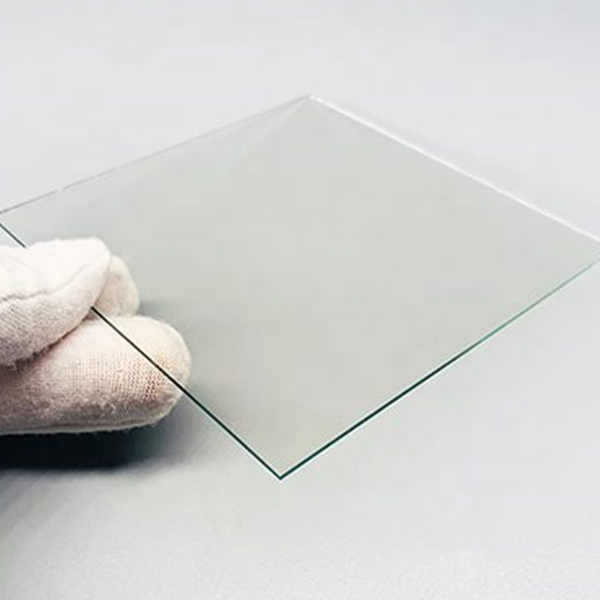
Ito Conducting Glass, Ito Coated Glass, Ito Glass
ITO-coated conducting glass for touch, EMI shielding, heating and sensor applications, with sheet resistance and pattern requirements reviewed by engineering.
View product details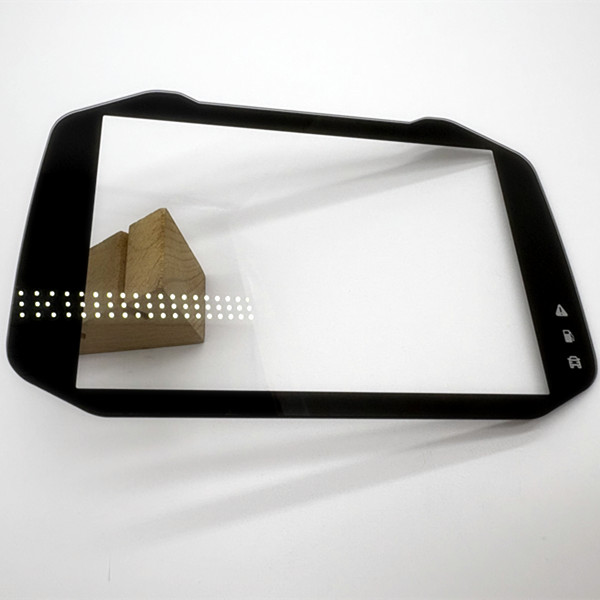
Custom Shape High Transmittance Ultra Clear Tempered Glass Panel With Anti-reflective Coating on Two Sides
Custom-shaped ultra-clear tempered glass with anti-reflective coating on two sides for high-transmission display windows and precision optical covers.
View product details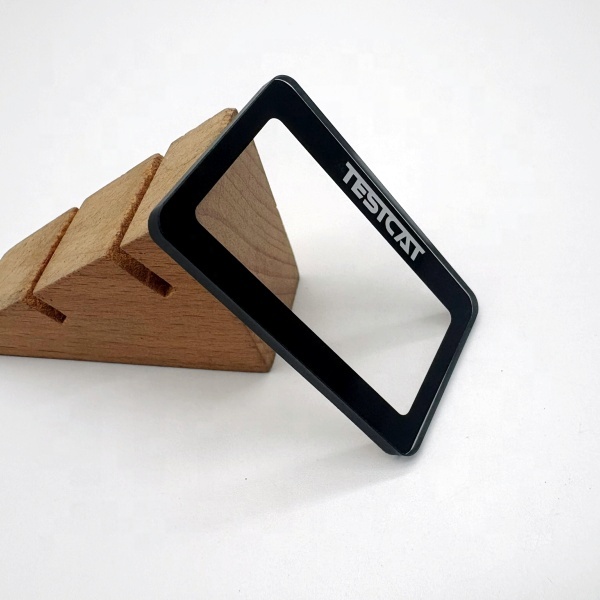
Custom Gorilla Glass Panel Tempered Glass Display Window Silk Screen Printing for LCD Display
Silk-screen printed Gorilla glass display windows for LCD protection, with logos, borders and IR windows aligned to the enclosure and HMI stack.
View product detailsNeed a manufacturability review, material recommendation or sample plan before committing to tooling?
Get CatalogWhy Borosilicate 3.3 Is a Material Strategy, Not a Commodity Choice
Borosilicate glass earns its place in demanding hardware because it solves a system-level problem: dimensional stability under thermal load. Borosilicate 3.3 has a coefficient of thermal expansion of about 3.3 × 10⁻⁶/K, roughly one third that of soda-lime glass. For lighting covers, gobo blanks, heat-resistant windows, laboratory glass and instrument components, that lower expansion reduces the risk of thermal shock, warpage and long-term fit drift.
Procurement teams should compare more than price per sheet. The real cost of a glass component includes cutting yield, edge quality, coating yield, print registration, flatness after strengthening, packing loss and field failure risk. A borosilicate glass factory with in-house laser cutting, CNC machining, strengthening, coating, printing and inspection can control these variables earlier in the process — and that usually matters more than a few cents of material difference.
Use this decision logic: choose borosilicate 3.3 when thermal shock, chemical exposure or heat-resistant lighting performance is central; choose ultra-clear soda-lime or Gorilla-type glass for cost-sensitive display cover glass; choose Corning Eagle XG when alkali-free composition, flatness and dimensional stability are critical for biochips, wafers or PLC substrates; and choose AR-coated, printed or ITO-coated glass when the optical or electrical interface is part of the specification.
- Thermal shock resistance for high-power lighting and heat windows
- Traceable raw glass from established optical glass sources
- AR, dichroic and ITO coating compatibility
- CNC, laser and ultrasonic shaping before strengthening
- Silk-screen printing and back painting for HMI integration
- Dimensional and visual inspection before export packing
CTE Comparison: Typical Industry Values
Lower CTE is not automatically better for every application, but it is a strong signal for thermal-cycling stability. Final material selection should be confirmed against the manufacturer datasheet and your drawing.
Values are typical figures for preliminary engineering discussion. They do not replace incoming inspection or supplier datasheets.
What Smart Buyers Will Expect from Borosilicate Glass Suppliers
The sourcing decision is shifting from “who can cut glass cheapest” to “who can document, repeat and de-risk a custom optical component program.”
Traceability as a Qualification Gate
Buyers increasingly ask for raw glass origin, batch consistency, coating records and inspection evidence. Material traceability is becoming part of supplier approval, not an afterthought.
Thin Glass and Low-CTE Migration
Miniaturized sensors, slim HMI panels and compact optical modules are pushing demand for 0.15–2 mm chemically strengthened glass and low-CTE substrates with stable flatness.
Supply-Chain Resilience
Multi-region export support, predictable sample cycles and protective packing reduce line-down risk. A dependable factory relationship matters when glass is a small but critical BOM item.
Compressed Engineering Cycles
Procurement teams need faster drawing reviews, coating recommendations and sample approvals. Rapid technical response is now part of lead-time performance, especially for custom coatings and printed glass.
How Borosilicate and Specialty Glass Products Are Evolving
Custom glass is moving toward integrated function: thermal stability, optical control, electrical conductivity and printed appearance combined in one finished part.
Ultra-Thin Strengthened Cover Glass
Chemical strengthening lets thin glass deliver scratch resistance while keeping devices slim and optically clean.
Integrated AR and Optical Coatings
Double-sided AR, dichroic and filter coatings are increasingly quoted as part of the finished glass component, not a separate step.
ITO Conductive Glass for Smart Interfaces
Touch, EMI shielding, transparent heating and sensor designs require tight control of sheet resistance, pattern quality and optical transmission.
Borosilicate 3.3 for High-Heat Lighting
Gobo glass, LED cover glass and heat-resistant windows benefit from low expansion and stable optical behavior under thermal cycling.
Printed Gorilla Glass and Silk-Screened Windows
Display windows increasingly combine scratch resistance with logos, borders, icon windows and IR-transparent ink areas in one printed cover.
Back-Painted LED Glass and Dichroic Gobos
Lighting and appliance designs use back-painted tempered glass for clean appearance and dichroic gobo glass for precise color control.
Built as a Specialty Glass Factory, Not a Trading Intermediary
Fevry Glass Co., Ltd. is based in Xinyu, Jiangxi, China, and serves optical, biological, semiconductor, communications, lighting and electronics customers with drawing-based glass processing.
Traceable Raw Material Sources
We source raw glass from Corning, AGC and other multinational producers and work with established Chinese optical-glass makers such as Chengdu Guangming and Xinhuguang.
In-House Precision Processing
Laser, ultrasonic, CNC carving, grinding and inspection equipment imported from the USA, Germany and Japan supports custom outlines, holes, notches and edge finishes.
Strengthening and Coating Control
Thermal tempering for thicker panels, chemical strengthening for 0.15–2 mm thin glass, and AR, dichroic and optical coatings are coordinated under one quality system.
Printing and Back Painting
Silk-screen printing and back painting align logos, borders, icon windows and IR-transparent areas with the enclosure and display stack.
Inspection Before Export Packing
Size, thickness, flatness and visual defect checks are completed before interleaved, cushioned packing for fragile thin glass.
Verified Storefront and Responsive Engineering
Our company premises have been checked onsite and trading data is publicly visible on Alibaba.com. Our team maintains a ≤4-hour average response time.



Engineering Support from Material Selection to Export Delivery
Our work begins with the application, not the catalogue. We help engineers select borosilicate 3.3, ultra-clear tempered glass, Gorilla-type glass, Corning Eagle XG or transparent ceramic glass based on thermal load, optical target, chemical exposure and mechanical requirements. That early review reduces late-stage redesign, coating mismatch and packing loss.
- Eagle XG, borosilicate and transparent ceramic glass
- Semiconductor wafers and biochip glass
- PLC substrates and optical V-groove glass
- Film, TV and stage lighting color lenses
- LED filament and optical coating glass
- 0.15 mm and 0.2 mm ultra-thin protector glass
Our guiding principle — “Quality is superior, service is supreme, reputation is first” — and our motto “Your success, our glory” shape the way we quote, sample and ship custom glass.
Material Selection Guide: Typical Properties for Preliminary Engineering
| Material | Thickness Range | CTE (×10⁻⁶/K) | Best For |
|---|---|---|---|
| Ultra-clear soda-lime | 0.5–4 mm | ≈9.0 | Cover glass, AR panels, printed windows |
| Gorilla-type alkali-aluminosilicate | 0.4–2 mm | ≈7.5–8.5 | Scratch-resistant touch and display covers |
| Borosilicate 3.3 | 0.3–3.3 mm | 3.3 | Heat-resistant windows, gobo, lab glass |
| Corning Eagle XG | 0.5–1.1 mm | ≈3.2 | Biochips, wafers, PLC and micro-optics |
| Chemically strengthened thin glass | 0.15–2 mm | Base-glass dependent | Ultra-thin protectors, sensor covers |
Values are typical industry figures for preliminary selection. Final specifications must be confirmed against the manufacturer datasheet, your drawing and application conditions.
A Clear Five-Step Path from Drawing to Delivery
Designed for procurement and engineering teams that need predictable communication, documented samples and export-ready packing.
Share Your Drawing
Send dimensions, tolerances, material, thickness, coating, printing and annual volume.
Engineering Review
We confirm manufacturability and recommend substrate, strengthening and process route.
Sample Approval
Samples validate fit, color matching, print registration and optical performance.
Mass Production
Processing is controlled with in-line dimensional and visual quality checks.
Export Packing
Interleaved, cushioned packing protects fragile thin glass during international shipping.
Borosilicate Glass Procurement Questions Engineers Ask Most
Clear technical answers help sourcing teams avoid mismatched material selection, late coating changes and avoidable sample cycles.
Should I choose chemically strengthened or thermally tempered glass?
Thermal tempering is generally best for glass around 3 mm and thicker. For ultra-thin cover glass from 0.15 mm to about 2 mm, chemical strengthening by ion exchange increases surface strength while keeping the sheet flat and optically clean. In both cases, cutting, drilling and edge grinding must be completed before strengthening.
When is borosilicate 3.3 better than soda-lime glass?
Borosilicate 3.3 has a CTE of about 3.3 × 10⁻⁶/K, roughly one third that of soda-lime glass, so it resists thermal shock far better. It is the preferred choice for lighting covers, heat-resistant windows, gobo blanks, laboratory glass and instrument components exposed to temperature change or chemical attack.
Why is Corning Eagle XG used for biochips, wafers and PLC substrates?
Eagle XG is an alkali-free boro-aluminosilicate glass with low thermal expansion and a fusion-formed surface that offers excellent flatness and dimensional stability. That suits micro-patterning, bonding and precise optical alignment in biochip, wafer and PLC applications.
What is the minimum order quantity?
Most custom cover glass and AR glass items start from 300–500 pieces, custom-cut Eagle XG parts from around 1,000 pieces, and selected gobo or dichroic glass blanks from lower quantities. Samples can be arranged to validate fit and optical performance before mass production.
What information do you need to evaluate a custom glass project?
Send a 2D drawing in DWG, DXF or PDF with outline dimensions and tolerances, thickness, glass material, edge finish, hole and notch positions, strengthening method, print colors with Pantone references, AR coating side, application and annual quantity to info@fevryglass.com.
Which markets does Fevry Glass export to?
Fevry Glass serves customers in China and exports to Western Europe, the United States, Japan, South Korea, Taiwan, Hong Kong and Southeast Asia. Export packing is designed for fragile thin glass, coated parts and printed cover glass.
Have a Borosilicate, AR, ITO or Printed Glass Drawing?
Send your specification for a manufacturability review, material recommendation and sample plan. Our engineering team typically replies within 4 hours.