Eight Custom Aluminosilicate & Specialty Glass Products
High-intent buyers usually begin with a part family, not a generic material name. Use these eight product routes to shortlist the right substrate, coating, thickness and finishing process before sending a drawing for engineering review.
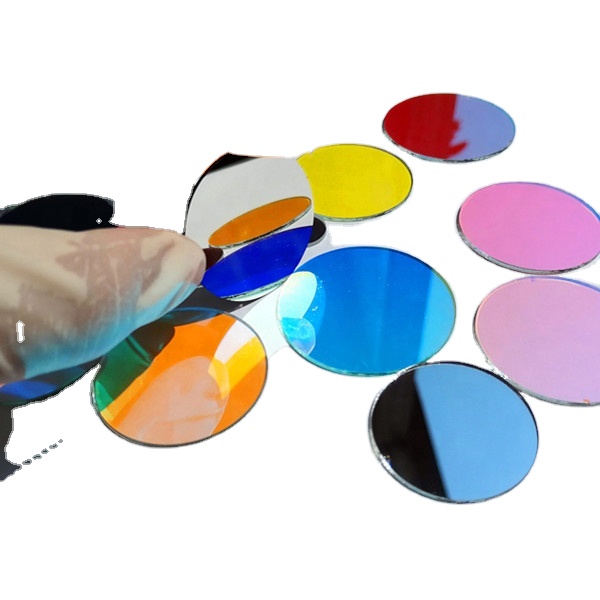
0.3mm ~ 2mm Dichroic Glass Mirror for Gobos
Heat-aware dichroic mirror glass for gobo systems and lighting filters, produced to custom shapes and coating requirements.
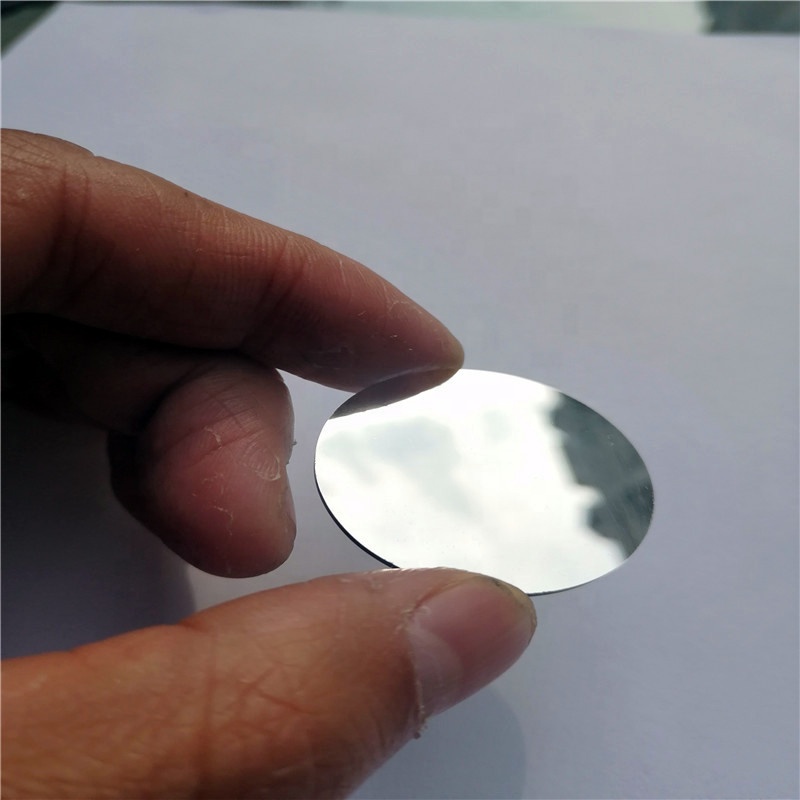
Gobo Glass/dichroic Mirror Lighting Filters Glass Lens
Optical lighting filters and glass lenses for film, TV and stage fixtures, cut to fixture geometry and coating direction.

Custom Shape High Transmittance Ultra Clear Tempered Glass Panel With Anti-reflective Coating on Two Sides
Ultra-clear cover glass for displays and optical windows where reflection control, clarity and mechanical strength must align.
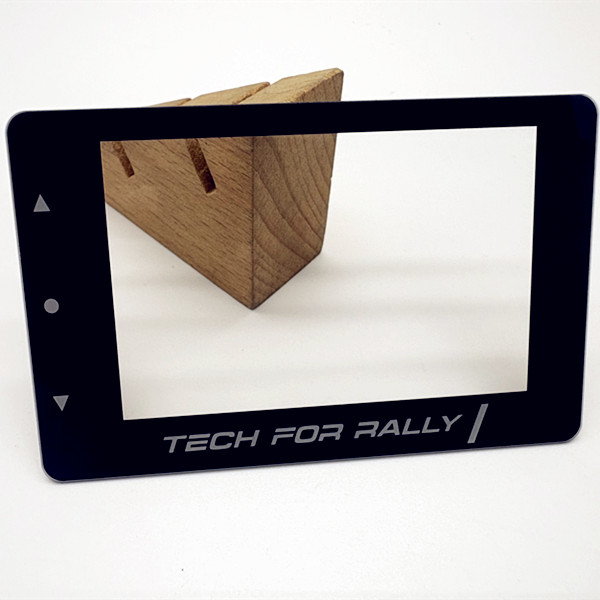
Customize Tempered Glass Silk Printed AR Coating Gorilla Glass LCD Screen Protection Display
Alkali-aluminosilicate cover glass with printed graphics, masking windows and AR treatment for LCD protection and branded displays.
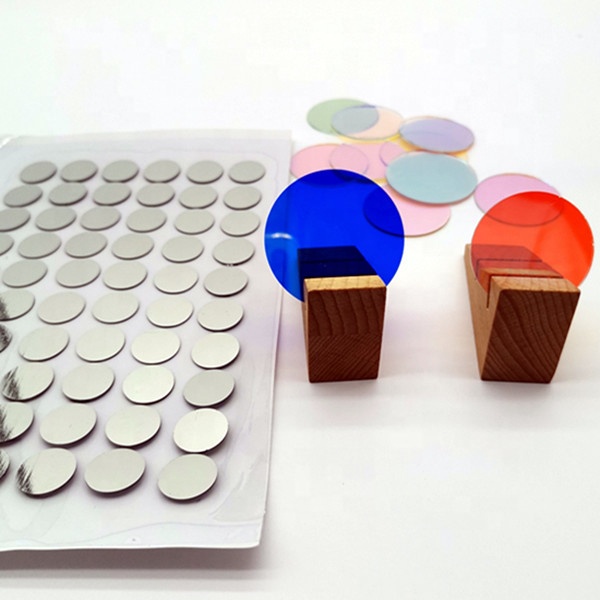
0.2mm 0.3mm 0.4mm 0.5mm 0.7mm 1.0mm 2mm Heat Resistant Gobo Glass Blanks
Borosilicate gobo blanks for high-power lighting, available in multiple thicknesses for thermal exposure and pattern projection.
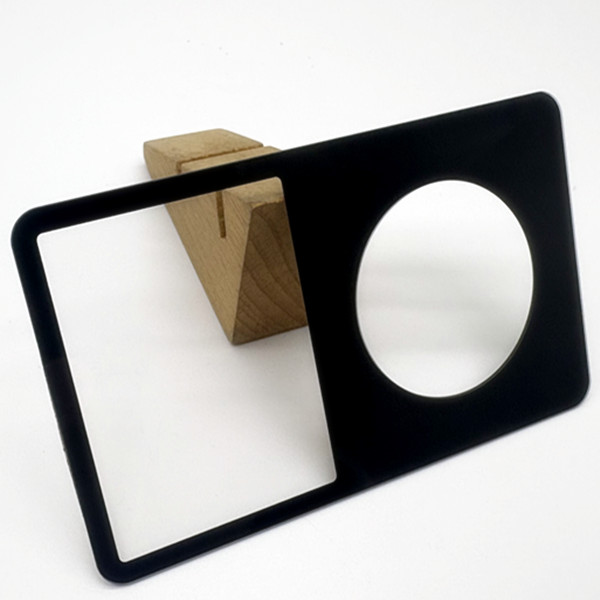
Factory Custom Smart Silkscreen Gorilla Glass Panel Tempered Glass Printing Glass
Decorative and functional printed glass panels for smart-home controls, appliance interfaces and display windows.
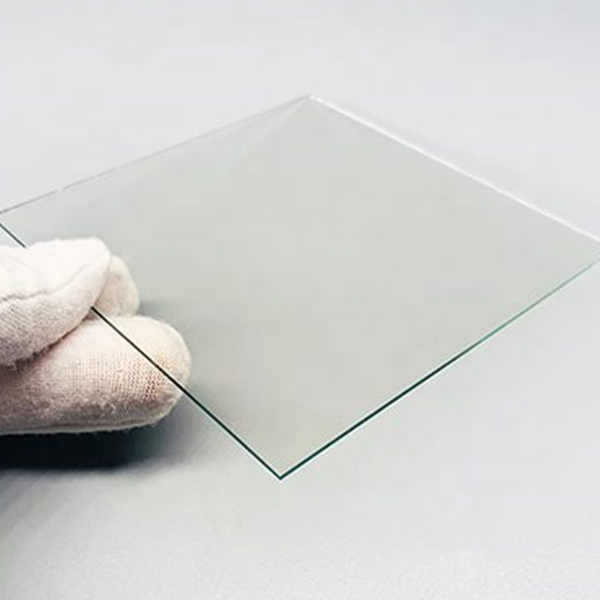
Ito Conducting Glass, Ito Coated Glass, Ito Glass
Transparent conductive glass for touch, sensor and display integration, processed to drawing with controlled coating quality.

Custom 0.3mm 0.5mm 0.7mm Heat Resistant Gobo Glass Blanks for Projector
Projector gobo blanks optimized for thermal load, clean edges and crisp projected patterns in entertainment lighting.
A Trusted Aluminosilicate Glass Factory Must Control Material, Process and Export Risk
Aluminosilicate glass is not a commodity. The family includes alkali-aluminosilicate glass used for chemically strengthened cover glass and boro-aluminosilicate glass such as Corning® Eagle XG for low-expansion technical substrates. The real supplier advantage is not a product photo — it is drawing-led manufacturing, traceable raw material, repeatable coating and reliable export packing.
Years as Alibaba.com member
Average response time
Inquiry response rate
Buyer rating
Export regions served
Aluminosilicate Glass vs Borosilicate vs Soda-Lime: A Buyer’s Selection Table
Use this table for preliminary material screening. Final performance must be confirmed against the glass manufacturer datasheet, your stack-up, coating design and mechanical test plan.
| Material family | Typical thickness | CTE reference | Best-fit applications |
|---|---|---|---|
| Ultra-clear soda-lime | 0.5–4 mm | ≈ 9.0 × 10⁻⁶/K | Cover glass, AR panels, printed display windows and cost-sensitive covers |
| Alkali-aluminosilicate / Gorilla®-type | 0.4–2 mm | ≈ 7.5–8.5 × 10⁻⁶/K | Scratch-resistant touch covers, appliance displays and chemically strengthened front glass |
| Borosilicate 3.3 | 0.3–3.3 mm | 3.3 × 10⁻⁶/K | Heat-resistant windows, gobo blanks, lighting covers, laboratory and instrument glass |
| Corning® Eagle XG boro-aluminosilicate | 0.5–1.1 mm | ≈ 3.2 × 10⁻⁶/K | Biochips, analyzer filters, wafers, PLC substrates and micro-optics |
| Chemically strengthened thin glass | 0.15–2 mm | Base-glass dependent | Ultra-thin protectors, sensor covers, optical windows and lightweight display stacks |
Selection logic: choose soda-lime for cost-driven cover glass, alkali-aluminosilicate for strengthened display fronts, borosilicate 3.3 for thermal shock, and Eagle XG for low-thermal-expansion, flat, alkali-free technical substrates. The right answer is the one supported by your application data, not by the lowest glass price.
Inside Fevry Glass: A Specialty Glass Factory Built for Custom OEM Projects
Fevry Glass Co., Ltd. is based in Xinyu, Jiangxi, China. Our experience comes from hands-on work with optical, biological, semiconductor, communications, lighting and electronics customers — projects where a small dimensional error, coating defect or delayed export pack can stop a production line. That experience shapes how we quote, process and inspect custom glass.
We source raw glass from Corning, AGC and other multinational producers and work closely with established Chinese optical-glass makers such as Chengdu Guangming and Xinhuguang. This means every project starts from traceable, consistent material rather than anonymous sheet stock. Our technicians process glass on laser, ultrasonic, CNC carving, grinding and inspection equipment imported from the USA, Germany and Japan, then pack it for international shipping.
Our guiding principle — “Quality is superior, service is supreme, reputation is first” — and our motto “Your success, our glory” are practical commitments for buyers who need a supplier that can answer technical questions, document material choices and ship fragile thin glass safely.
One accountable source for cutting, strengthening, coating, printing, inspection and export packing — fewer hand-offs, tighter tolerances and clearer responsibility.


Traceable Raw Material
Corning®, AGC and established optical-glass partners support consistent CTE, clarity, flatness and batch traceability before processing begins.
Single-Source Process Chain
Laser, CNC, ultrasonic, grinding, strengthening, coating, printing and inspection are coordinated under one factory workflow.
Strengthening Know-How
Thermal tempering suits thicker panels, while ion-exchange chemical strengthening supports 0.15–2 mm thin glass with flat optics.
Coatings and Printing Depth
AR on one or both sides, dichroic and filter coatings, Pantone-matched silk print, back painting and IR-transparent ink windows.
Application Engineering
Eagle XG for biochips and wafers, borosilicate 3.3 for heat, Gorilla®-type glass for touch, and ITO glass for conductive surfaces.
Verifiable Export Service
Supplier assessment, credit profile, buyer reviews, transaction level, trade capacity and trade history are available for pre-order checks.
Recommended Aluminosilicate & Technical Glass Routes by Application
For procurement teams, the fastest path is to match the end-use environment to a material and finishing route. These recommendations reduce back-and-forth and help your RFQ reach a firm manufacturing answer in fewer rounds.
Display & Optical Windows
Choose ultra-clear tempered glass with double-sided AR when reflection control and high transmission matter.
- Touch panels and instrument covers
- Anti-glare display stacks
- Custom outlines and edges
Appliance & Smart-Home Covers
Use silk-printed alkali-aluminosilicate or Gorilla®-type cover glass when scratch resistance and brand graphics must coexist.
- LCD protection and control panels
- Printed borders and icon windows
- AR-coated fronts
Stage, Film & Projector Lighting
Specify borosilicate gobo blanks or dichroic mirrors for thermal exposure, color control and crisp projected patterns.
- Gobo blanks from 0.2–2 mm
- Dichroic lighting filters
- Projector gobo glass
Biochip, Wafer & PLC Substrates
Select Corning® Eagle XG or glass wafers where low CTE, flatness and dimensional stability are central to the process.
- Biological analyzer filters
- PLC and V-groove substrates
- 0.5–1.1 mm Eagle XG cutting
Future Procurement Trends: What Aluminosilicate Glass Buyers Will Expect
Sourcing is moving away from “find a low price per square meter” toward “qualify a process partner who can document material, hold tolerances and protect the supply chain.” These trends are especially important for custom glass used in displays, lighting, medical analyzers and semiconductor equipment.
Traceability Before Price
Buyers will ask for material origin, batch consistency and coating-side records. Traceable glass from Corning®, AGC and established optical makers reduces hidden risk.
Drawing-Led Digital RFQ
DWG, DXF or PDF drawings with tolerances, edge finish, hole positions, print colors and AR sides will replace vague “send price” messages.
Dual-Source Resilience
OEMs want backup capacity without re-qualifying every process. A factory that handles multiple substrates and coatings gives procurement more flexibility.
Small-Batch Validation
Sampling before mass production remains essential. Typical custom cover glass and AR items start from 300–500 pieces, selected gobo glass from 10 pieces, and Eagle XG cut parts from 1,000 pieces.
Product Development Trends in Aluminosilicate and Technical Glass
Material innovation is being driven by thinner device stacks, more integrated optical functions, higher thermal loads in lighting, and stricter dimensional requirements in biotech and semiconductor tools.
Thinner but Stronger
Chemically strengthened glass from 0.15–2 mm continues to replace thicker covers in lightweight displays, sensor windows and portable instruments.
Multi-Functional Surfaces
AR coating, silk printing, back painting, ITO layers and IR-transparent ink windows are increasingly combined on one part with clear process sequencing.
Low-CTE Materials for Critical Tools
Boro-aluminosilicate and borosilicate 3.3 demand is rising where thermal shock, flatness and dimensional stability matter more than ordinary cover-glass economics.
Automation-Ready Flatness
Flat, clean, consistently edged glass helps automated assembly, bonding and optical alignment. Inspection data and stable packing become part of the product value.
From Drawing to Delivery: A Clear 5-Step Path for Custom Glass Buyers
Predictable communication matters as much as machining precision. This process is designed for procurement teams that need fewer surprises, faster technical answers and export-ready packing.
Share the Drawing
Send outline dimensions, tolerances, thickness, material, edge finish, holes, notches, coating sides and print colors.
Engineering Review
We confirm manufacturability and recommend the substrate, strengthening method and process route.
Sample Approval
Samples validate fit, color matching, edge quality and optical performance before mass production.
Production & Inspection
Processing includes dimensional and visual checks for size, thickness, flatness, print and coating appearance.
Export Packing
Interleaved, cushioned packing is designed for fragile thin glass and international shipping.
Aluminosilicate Glass Factory & Exporter FAQ
These are the questions engineers and sourcing managers ask most often when evaluating a custom technical glass supplier.
What is aluminosilicate glass, and is it the same as borosilicate 3.3?
Aluminosilicate glass is a broad material family that includes alkali-aluminosilicate glass used in chemically strengthened cover glass, and boro-aluminosilicate glass such as Corning® Eagle XG. Borosilicate 3.3 is a different low-expansion glass with a CTE of about 3.3 × 10⁻⁶/K. Selection depends on whether you need scratch-resistant cover glass, low thermal expansion, chemical durability, optical flatness or thermal shock resistance.
Should I choose chemically strengthened glass or thermally tempered glass?
Thermal tempering is generally best for glass around 3 mm and thicker. For ultra-thin cover glass from 0.15 mm to about 2 mm, chemical strengthening by ion exchange raises surface strength while keeping the sheet flat and optically clean. In both cases, all cutting, drilling and edge grinding must be completed before strengthening because the glass cannot be re-cut afterwards.
Can AR coating and silk-screen printing be combined on the same glass panel?
Yes, they can be combined when the drawing clearly defines the coating side, print side, ink color, window area and curing sequence. For display covers, buyers often request AR treatment on one or both sides plus printed borders or branded windows. The exact stack must be reviewed against the end-use optical requirement and assembly method.
What information do you need to evaluate a custom glass project?
Please send a 2D drawing in DWG, DXF or PDF with outline dimensions and tolerances, thickness, glass material, edge finish, hole and notch positions, strengthening method, print colors with Pantone references, AR coating side or sides, application details and expected annual quantity. Complete information lets our engineers respond with a firm material and process recommendation in one round.
What is the minimum order quantity, and can samples be arranged?
Most custom cover glass and AR glass items start from 300–500 pieces, custom-cut Eagle XG parts from 1,000 pieces, and selected gobo glass blanks from 10 pieces. Samples can be arranged to validate fit, print appearance and optical performance before mass production. The exact MOQ depends on material, size, coating and print complexity.
Which markets does Fevry Glass export to?
Fevry Glass serves customers in China and exports to Western Europe, the United States, Japan, South Korea, Taiwan, Hong Kong and Southeast Asia. Export packing is designed for fragile thin glass and custom optical parts.
How is thin glass protected during export packing?
Thin glass is interleaved and cushioned for international shipping, with packing planned around part size, edge condition, coating sensitivity and quantity. The goal is to protect edges, printed surfaces and optical coatings so the parts arrive ready for inspection and assembly.
How can buyers verify Fevry Glass before placing an order?
Buyers can review the supplier assessment, credit profile, ratings and reviews, transaction level, trade capacity and trade history records available on the Fevry Glass company profile. These public records help procurement teams check business identity, export experience and buyer feedback before committing to a custom glass project.
Have a Drawing? Let’s Engineer the Right Aluminosilicate Glass Part.
Send your dimensions, material, thickness, AR coating side, print colors and annual volume. Our team typically replies within 4 hours with practical material and process guidance for your application.
Get Catalog info@fevryglass.com