8 Precision Glass Products Buyers Request Most
Compare parts, not slogans. These eight product families reflect what overseas buyers actually request when qualifying a China high borosilicate glass supplier: heat-resistant gobo blanks, dichroic filters, Gorilla-class printed cover glass, dashboard trim panels and custom tempered screens. Each item keeps its original product image and URL so engineers can move from material shortlist to drawing review without losing context.

Custom 0.3mm 0.5mm 0.7mm Heat Resistant Gobo Glass Blanks for Projector
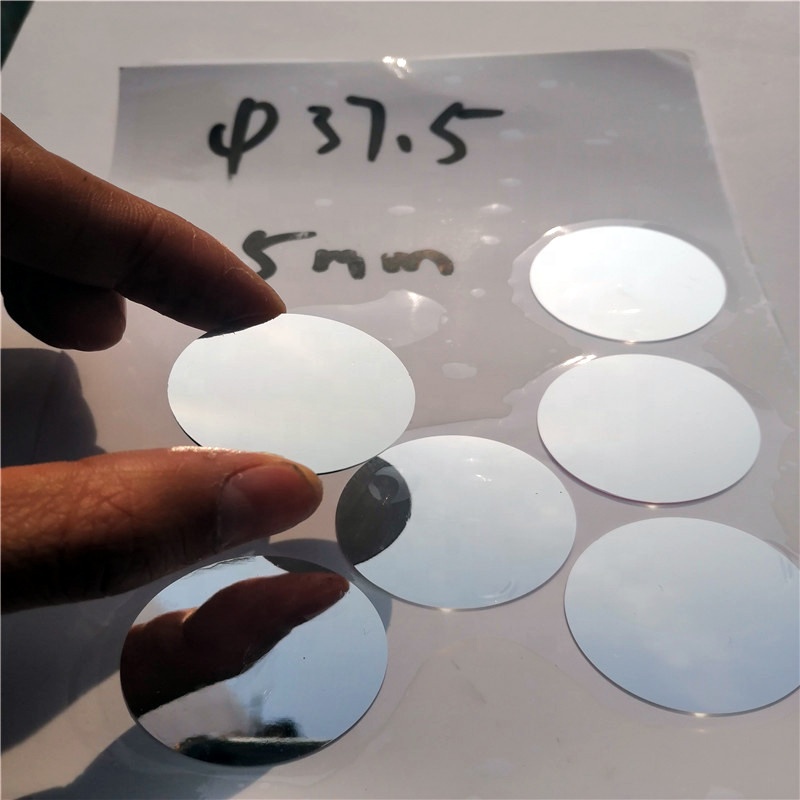
OEM Custom Heat Resistant Gobo Glass Lens
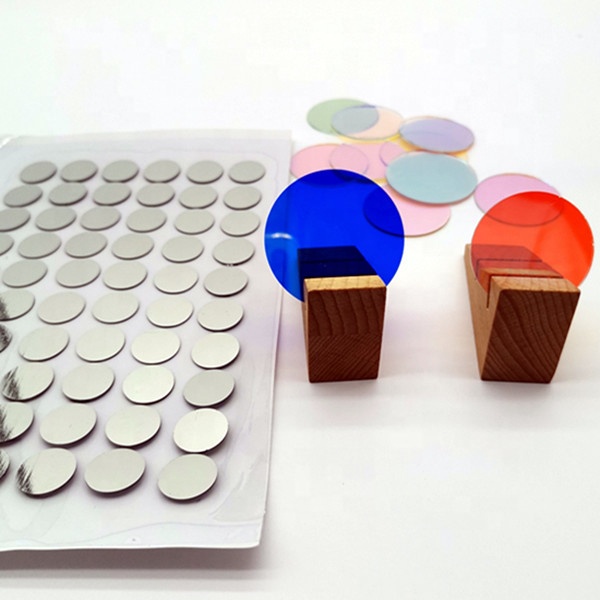
0.2mm 0.3mm 0.4mm 0.5mm 0.7mm 1.0mm 2mm Heat Resistant Gobo Glass Blanks
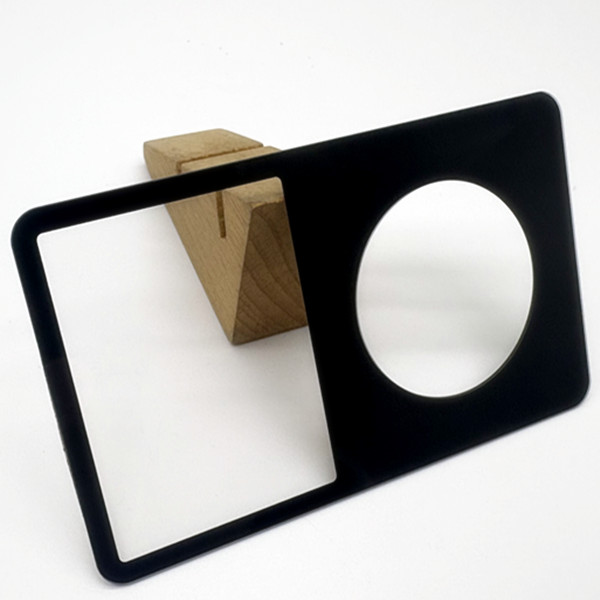
Factory Custom Smart Silkscreen Gorilla Glass Panel Tempered Glass Printing Glass

0.5mm 0.7mm 1mm 2mm 3mm Thickness China Suppliers Good Price Oem Wholesale Premium Tempered Printing Custom Gorilla Glass Screen
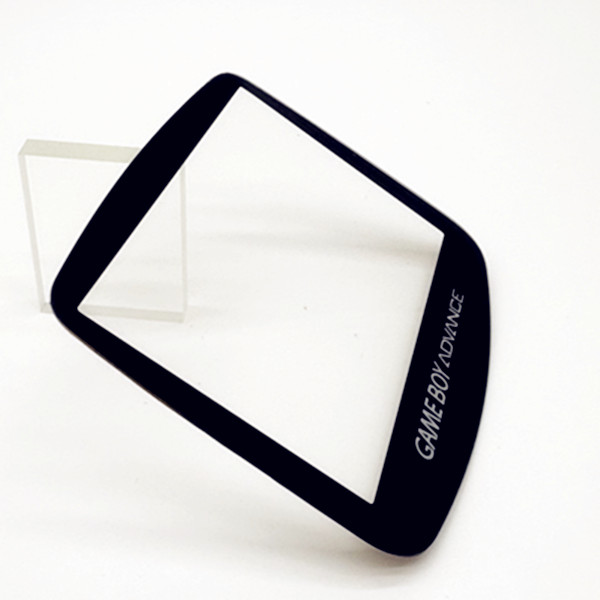
Custom Premium Gorilla Tempered Silk Screen Printed Glass Touch Screen Printed Glass Panels Cover Glass for OLED Screen
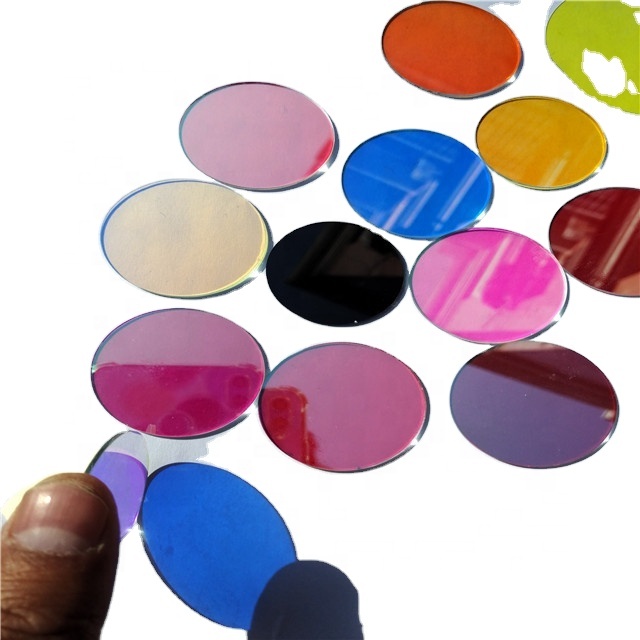
Heat Resistant Borosilicate 3.3 Dichroic Glass Filter
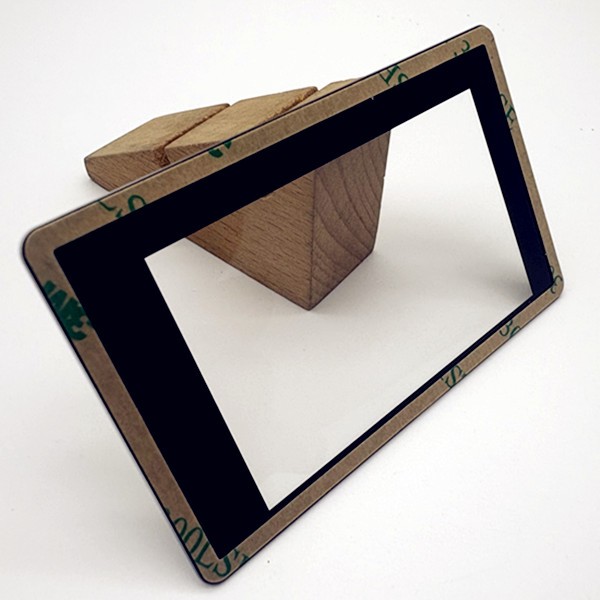
Custom Tempered Glass Dashboard Trim Panel Flat Electronic Glass Screen Protector
Supplier Signals That Matter More Than a Price List
Price per square metre is only one line in the landed-cost equation. For borosilicate and technical glass, the real cost appears in breakage, rework, coating yield, print accuracy, dimensional drift and delayed communication. These supplier signals are therefore treated as leading indicators in a qualified sourcing decision.
Why Borosilicate 3.3 Remains the Reference Material for Heat-Critical Glass
Borosilicate 3.3 is valued because its thermal expansion coefficient is about 3.3 × 10⁻⁶/K—roughly one third that of soda-lime glass. That single property changes how a glass window, lens, filter or gobo blank behaves under thermal shock, and it influences the entire cost model for lighting, instruments, laboratory equipment and high-power optical systems.
In practical procurement, borosilicate 3.3 is rarely selected because of one headline number. It is selected because several properties line up: low thermal expansion, good chemical durability, high optical clarity and stable flatness. These characteristics matter when a part will be exposed to heat cycles, cleaning agents, strong light sources or precision bonding processes. For stage lighting and projection, heat-resistant gobo glass blanks can tolerate the thermal load that would distort or crack ordinary soda-lime glass. For analytical instruments and optical assemblies, the same material family supports dimensional stability and repeatable transmission.
However, a responsible supplier should not claim that borosilicate is always the answer. For large, low-cost display windows, ultra-clear soda-lime glass may deliver a better cost-performance ratio. For scratch-resistant touch surfaces, chemically strengthened alkali-aluminosilicate glass such as Gorilla-class material is often more appropriate. For biochips, wafers and PLC substrates, Corning Eagle XG may be preferred because its alkali-free composition and fusion-formed surface support micro-patterning and bonding. The real expertise is matching material to use case, then controlling cutting, edge grinding, strengthening, coating and printing so the finished part performs as designed.
Important process rule: cutting, drilling, notching and edge grinding must be completed before strengthening. Once glass is thermally tempered or chemically strengthened, it cannot be re-cut without losing the intended strength profile. Buyers should confirm this sequence in the DFM review, especially for thin covers, printed borders and coated parts.
Relative Engineering Priority Index
Illustrative selection weighting for borosilicate 3.3 in heat-critical applications.
Material Selection Guide for Custom Glass Projects
| Material | Typical Thickness | CTE (×10⁻⁶/K) | Best-Fit Applications |
|---|---|---|---|
| Ultra-clear soda-lime | 0.5–4 mm | ≈9.0 | Cover glass, AR panels, printed display windows |
| Gorilla-class alkali-aluminosilicate | 0.4–2 mm | ≈7.5–8.5 | Scratch-resistant touch and display covers |
| Borosilicate 3.3 | 0.3–3.3 mm | 3.3 | Heat-resistant windows, gobo blanks, lighting filters, lab glass |
| Corning Eagle XG | 0.5–1.1 mm | ≈3.2 | Biochips, wafers, PLC substrates, micro-optics |
| Chemically strengthened thin glass | 0.15–2 mm | Base-glass dependent | Ultra-thin protectors, sensor covers, precision display stacks |
Values are typical industry figures for preliminary selection. Final specifications should be confirmed against the manufacturer datasheet and the approved drawing.
Future Procurement Trends: What OEM Buyers Will Demand Next
The next buying cycle will reward suppliers who can prove material origin, process control and communication discipline—not only quote a lower unit price. For high borosilicate glass and custom technical glass, procurement teams are moving toward fewer surprises, faster engineering feedback and better documentation.
Traceability and Dual-Source Qualification
Buyers increasingly ask where the raw sheet originated, which supplier produced it and how lots are identified. Corning, AGC and established Chinese optical-glass sources may all be valid, but the route must be documented. Dual-source qualification reduces supply risk when one thickness or coating capacity becomes constrained.
Digital DFM Review and First-Article Inspection
A DWG, DXF or PDF drawing is now the starting point for manufacturability review. Suppliers that return clear comments on tolerances, edge finish, hole placement, print colors and coating sides reduce sample cycles. First-article inspection records and dimensional reports are becoming part of the purchase package, not an afterthought.
Integrated Coating and Printing at Source
AR coating, dichroic coating, silk-screen printing and back painting are no longer separate conveniences. OEMs prefer one accountable source that controls cleanliness, print registration, coating side and final inspection. Fewer hand-offs mean less handling damage and clearer responsibility if optical performance drifts.
Lower Inventory, Faster Replenishment
Rather than holding large glass inventories, buyers increasingly negotiate flexible MOQs, staged releases and repeat-order consistency. Suppliers need stable process windows and documented parameters so the second order matches the approved sample in color, transmission, edge quality and flatness.
Export-Safe Packaging as a Specification
Thin glass fails in transit when packaging is treated as an afterthought. Interleaved protection, cushioning, moisture control, carton strength and pallet stability should be specified alongside the part. A supplier with repeat export experience usually anticipates fragile-glass risks before the first shipment.
Compliance and Market-Specific Documentation
European, North American and Asian buyers often need different declarations, labeling and packaging information. A reliable supplier keeps specifications, material data and inspection records organized so procurement and engineering can respond quickly to internal audits or customer requests.
Product Development Trends: From Passive Glass to Functional Interface
Glass is becoming part of the human-machine interface, the optical path and the thermal management strategy. That shift is changing what buyers specify: not only dimensions and thickness, but coating stack, print color, transmission target, edge quality and integration with touch or sensing modules.
Ultra-Thin Chemically Strengthened Covers
Demand continues for 0.15–2 mm glass that stays flat and optically clean while surviving handling and touch use. Ion-exchange strengthening is often preferred over thermal tempering in this range. The engineering challenge is to complete cutting, edge grinding and printing before strengthening.
AR-Coated Borosilicate and Display Glass
Anti-reflective coating on one or both sides improves readability and optical efficiency. In premium display, instrument and lighting applications, the purchase decision increasingly includes transmission targets, reflected-color limits and coating durability—not just glass size.
Dichroic and Gobo Glass for High-Power Lighting
High-power LED, stage and projection systems generate heat that punishes ordinary glass. Borosilicate 3.3 dichroic filters and heat-resistant gobo blanks allow color control and pattern projection with better thermal tolerance. The trend is tighter coating uniformity, cleaner edges and repeatable blank thickness.
Printed Smart Surfaces with Functional Windows
Silk-screen printing is no longer only decorative. Black borders hide circuitry, icon windows allow backlighting, and selected inks can support IR transmission or sensor operation. Buyers should provide Pantone references, print-side requirements and window tolerances before sampling.
Glass Wafers and Alkali-Free Substrates
For biochips, semiconductor carriers, PLC devices and micro-optics, alkali-free substrates such as Corning Eagle XG are specified for flatness, dimensional stability and compatibility with bonding or micro-patterning. Custom-cut wafers and square substrates are replacing stock sheets in many development programs.
Heat-Resistant Windows for Harsh Environments
Industrial displays, EV electronics, laboratory instruments and outdoor equipment need glass that remains stable under heat, cleaning agents and temperature cycling. Borosilicate 3.3 window covers are often a stronger long-term choice than low-cost soda-lime glass when thermal shock is repeated.
Why Fevry Glass Is a Credible China Supplier for Borosilicate & Custom Technical Glass
Fevry Glass Co., Ltd. is based in Xinyu, Jiangxi, China, and works with optical, biological, semiconductor, communications, lighting and electronics customers. The company combines material sourcing, precision processing and export packing in one workflow, which is especially important for buyers who need one accountable partner from drawing to delivery.



The supplier advantage starts upstream. Raw glass can be sourced from Corning, AGC and other multinational producers, and the company also works with established Chinese optical-glass makers such as Chengdu Guangming and Xinhuguang. For engineers, that means the material conversation can be traceable and technical rather than limited to whatever sheet happens to be in stock.
Processing is handled with laser, ultrasonic, CNC carving, grinding and inspection equipment imported from the USA, Germany and Japan. This supports custom outlines, holes, notches, edge finishing, strengthening, AR or dichroic coating, silk-screen printing, back painting and final dimensional checks. The value is not simply “more machines”; it is fewer hand-offs between cutting, coating, printing and inspection.
- Traceable raw-glass routes from Corning, AGC, Chengdu Guangming and Xinhuguang sources
- Single chain for cutting, edge grinding, strengthening, coating, printing and inspection
- Thickness range from ultra-thin 0.15 mm covers to 4 mm technical glass panels
- Public supplier assessment, credit profile, transaction level and buyer reviews
- Export experience in Western Europe, the USA, Japan, South Korea, Taiwan, Hong Kong and Southeast Asia
- Communication discipline supported by ≤4 h average response and 100% inquiry response
The company principles—“Quality is superior, service is supreme, reputation is first” and “Your success, our glory”—are most useful when interpreted operationally: respond quickly, confirm specifications in writing, protect fragile glass in transit and keep repeat orders consistent with the approved sample.
A Single Production Chain Reduces Hand-Off Risk
Custom technical glass fails at the interfaces: between cutting and strengthening, between coating and printing, or between final inspection and export packing. Keeping these steps under one quality system makes tolerances, coating orientation and print registration easier to control.
Laser, CNC and Ultrasonic Machining
Custom outlines, holes, notches, slots and edge profiles are produced to drawing, with flat, pencil or chamfered edges available for downstream handling and bonding.
Thermal and Chemical Strengthening
Thermal tempering suits thicker panels; ion-exchange chemical strengthening is used for thin cover glass. All cutting and edge finishing must be completed before strengthening.
AR, Dichroic and Optical Coatings
Anti-reflective coating can be applied to one or both sides. Dichroic and filter coatings support lighting, projection, imaging and analysis applications where spectral performance matters.
Silk-Screen Printing and Back Painting
Pantone-matched borders, logos, icon windows and selected functional ink areas can be printed on tempered or chemically strengthened cover glass. Print side and registration are confirmed during sampling.
Dimensional and Optical Inspection
Size, thickness, flatness and visual defects are checked before packing. For coated and printed parts, appearance, color and window alignment should be verified against the approved sample.
Export Packing and Traceability
Interleaved protection, cushioning and carton or pallet planning reduce transit damage. Lot identification and final inspection records make repeat orders easier to audit.
From Drawing to Delivery: Six Quality Gates
A predictable process is more valuable than a vague promise. Each gate gives the buyer a chance to catch a mismatch before material, tooling or coating time is committed.
Share the Drawing
Send DWG, DXF or PDF with outline dimensions, tolerances, holes, notches, thickness, material, edge finish, coating side and print colors.
Engineering Review
We confirm manufacturability and recommend substrate, thickness, strengthening route, coating specification and print sequence.
Material and Process Match
Borosilicate 3.3, soda-lime, Gorilla-class, Eagle XG or chemically strengthened thin glass is matched to application and volume.
Sample Approval
Pre-production samples validate fit, color, edge quality, transmission and print registration before mass production.
Production and In-Process Checks
Cutting, strengthening, coating and printing are monitored with dimensional and visual checks at defined stages.
Final Inspection and Packing
Approved parts are checked, protected, packed and documented for export, reducing breakage and repeat-order drift.
Where High Borosilicate and Technical Glass Wins
Material selection becomes clearer when the end environment is explicit. Heat, light intensity, cleaning chemicals, touch frequency and bonding method all influence the final choice.
Displays and Electronics
LCD protection glass, smart-home panels, automotive dashboard trims, OLED cover glass and printed display windows with functional icon areas.
Stage and LED Lighting
Gobo blanks, dichroic color filters, projection glass and heat-resistant covers for high-power lighting systems.
Biotech and Life Science
Biochip substrates, analyzer filters, microscope-related glass and alkali-free Eagle XG parts for bonding and micro-patterning.
Semiconductor
Glass wafers, carrier substrates and packaging glass where flatness, cleanliness and dimensional stability are critical.
Optical Communication
PLC substrate glass, fiber-alignment V-groove glass and precision optical components requiring stable flatness and low distortion.
Measuring Instruments
Flat, stable worktable glass for metrology, inspection devices, analytical equipment and precision measurement fixtures.
Public Records Help Buyers Reduce Supplier Risk
A serious supplier should make verification easy. Before placing a custom glass order, buyers can review public business records, past buyer feedback and transaction information, then compare them with the drawing, sample approval and quotation package.
Technical Answers for High Borosilicate Glass Procurement
These are the questions sourcing managers and engineers ask most often when comparing China high borosilicate glass manufacturers and custom technical glass suppliers.
Fast Evaluation Checklist
To receive a useful response in one round, prepare the following information before contacting a supplier.
- 2D drawing in DWG, DXF or PDF
- Material, thickness and tolerance
- Edge finish, holes and notches
- Strengthening method
- AR or dichroic coating side
- Pantone print colors and windows
- End application and annual volume
What should I look for in top China high borosilicate glass manufacturers & supplier?
Look beyond the price per piece. Verify material source, thickness capability, cutting and edge-finishing control, strengthening method, coating and printing capability, inspection records and export packing. A credible supplier can explain when borosilicate 3.3 is the right choice—and when another glass such as soda-lime, Gorilla-class or Eagle XG is more suitable. Response speed, drawing feedback and sample discipline are practical signs of whether the supplier can support a repeat OEM program.
Is borosilicate 3.3 better than soda-lime glass for my project?
Borosilicate 3.3 is usually better when thermal shock, heat exposure or chemical durability is important. Its coefficient of thermal expansion is about 3.3 × 10⁻⁶/K, roughly one third that of soda-lime glass. For lighting covers, gobo blanks, laboratory glass and heat-resistant windows, that lower expansion can prevent distortion or cracking. For low-cost display windows without thermal load, ultra-clear soda-lime glass may still be the more economical choice.
Can you custom cut, drill, print and coat borosilicate glass?
Custom processing can include laser, CNC or ultrasonic cutting, drilling, notching, edge grinding, thermal or chemical strengthening, AR or dichroic coating, silk-screen printing and back painting. The exact sequence matters. Cutting, drilling and edge finishing must be completed before strengthening. Coating side, print side and inspection criteria should be confirmed during sampling so the finished part matches the drawing and optical target.
What is the minimum order quantity and sample process?
MOQ depends on material and process. Many custom cover glass and AR glass items start around 300–500 pieces; custom-cut Eagle XG parts may start around 1,000 pieces; selected gobo and dichroic glass blanks can be more flexible. Samples are recommended to validate fit, color, edge quality, transmission and print registration before mass production. The final MOQ should be confirmed after drawing review and material selection.
What information do you need to quote a custom glass project?
Send a 2D drawing with outline dimensions and tolerances, thickness, material, edge finish, hole and notch positions, strengthening requirement, print colors with Pantone references, coating side, application, annual quantity and any packing or documentation requirements. A clear drawing package shortens the engineering review and reduces sample iterations.
Why use AR-coated or dichroic glass instead of uncoated glass?
AR coating reduces surface reflection and can increase transmission for displays, instruments and optical windows. Double-sided AR is often specified when maximum clarity and low glare are required. Dichroic coating is different: it selectively reflects and transmits wavelengths for color separation, lighting filters and optical systems. The correct choice depends on whether the goal is anti-glare readability, light transmission or spectral control.
How are thin glass parts protected during export?
Export packing should use interleaved protection, cushioned cartons, stable pallets and moisture control where needed. Thin glass, printed glass and coated glass need particular care because surface scratches, edge chips and coating marks can become visible defects. Buyers should specify packing expectations and ask for photos or inspection records before shipment, especially for first orders.
Which markets are served?
Fevry Glass serves customers in China and exports to Western Europe, the United States, Japan, South Korea, Taiwan, Hong Kong and Southeast Asia. For repeat OEM programs, buyers should confirm the shipping method, packing standard, documentation requirements and expected replenishment interval before releasing mass production.
Send One Drawing. Get a Clear Material Recommendation and Catalog.
Share your thickness, tolerance, coating side, print colors, application and annual quantity. Our engineering team can review manufacturability, suggest borosilicate 3.3 or a more suitable substrate, and outline the sample path before you commit to production.