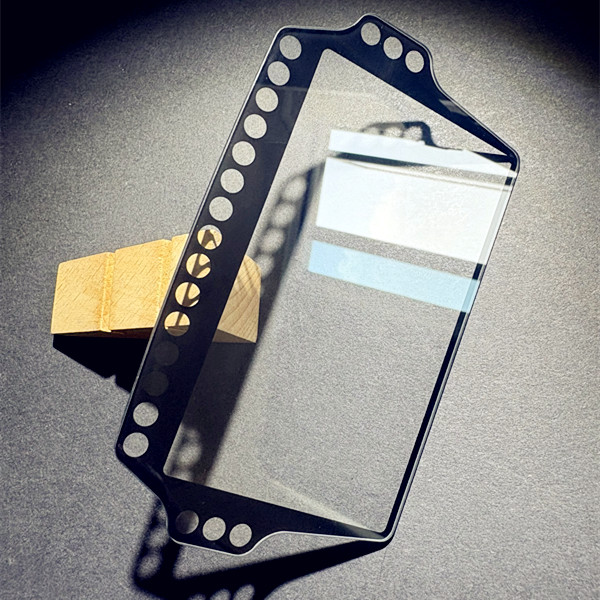
Factory Custom Tempered Silk Printed Gorilla Glass Screen Protector Printing Glass
Tempered, silk-printed Gorilla glass cover with sharp graphic windows and scratch resistance for appliance, consumer and industrial displays.
These eight products are the practical starting points most procurement teams request when they evaluate a China heat-resistant glass supplier. Each item can be customized by drawing, thickness, coating, print color, edge finish and packing, and every product URL is retained exactly for specification review.

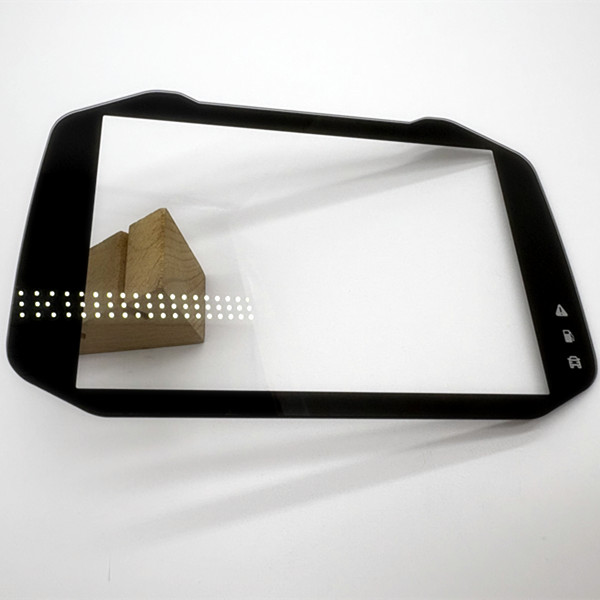
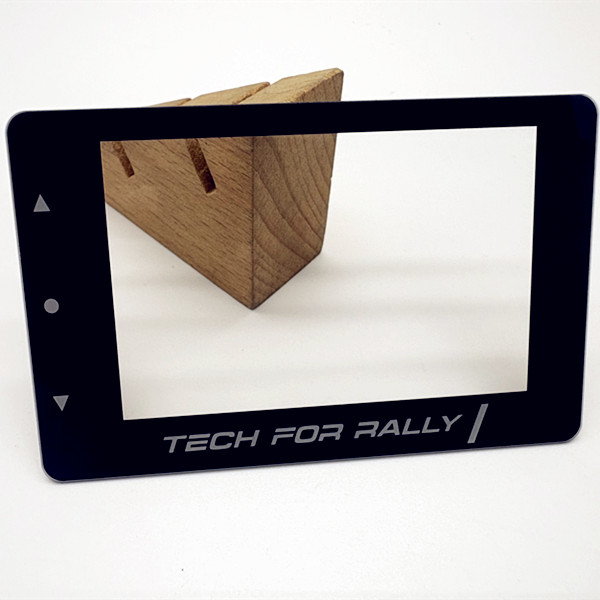
Tempered, silk-printed Gorilla glass cover with sharp graphic windows and scratch resistance for appliance, consumer and industrial displays.

Alkali-free borosilicate-family sheet in 0.2–1 mm for heat-resistant windows, optical spacers and thin dielectric parts where low expansion matters.

Ultra-clear tempered panel with double-sided anti-reflective coating for high-transmission display windows and optical assemblies.

Printed Gorilla glass cover with AR coating for LCD protection where glare, readability and durable graphic borders matter.

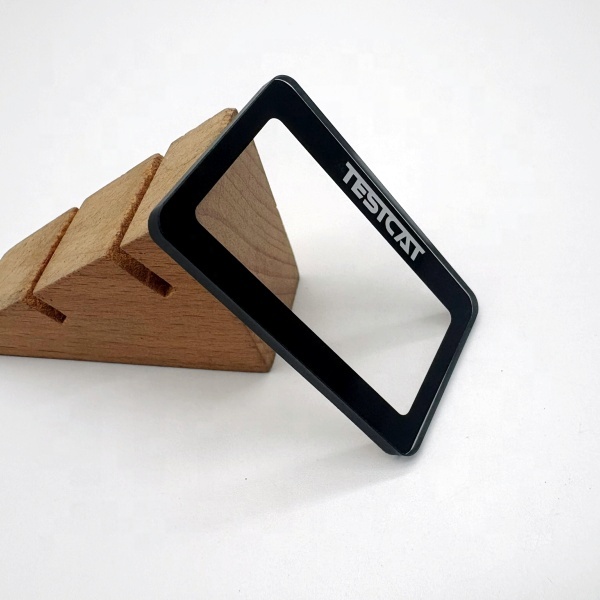
CNC-shaped tempered window panels with screen printing for control panels, appliances, instruments and architectural electronics.

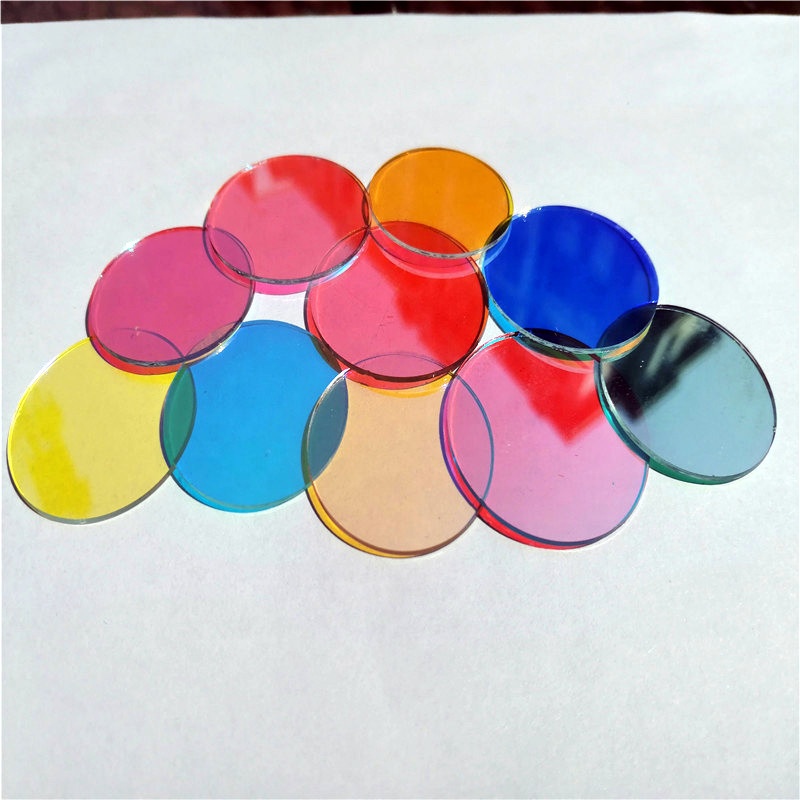
Color gobo glass for stage, studio and architectural lighting, available in custom logos and heat-resistant formats.

Silk-screen printed Gorilla glass display window for LCD equipment, kiosks and industrial HMI covers.

1.5–2 mm tempered touch switch glass plate for control panels, home electronics and public interface surfaces.
For buyers sourcing from China, the strongest commercial advantage is not finding a lower piece price. It is defining the thermal, optical and mechanical duty cycle early enough that the supplier can choose the right substrate and process sequence before sampling begins.
A heat-resistant glass purchase is rarely a commodity transaction. In lighting, displays, instruments and biotech devices, the glass may see radiant heat, rapid thermal cycling, cleaning chemicals, UV exposure and mechanical shock. A sheet that passes one temperature test can still fail in the field if the edge finish, coating, print ink, adhesive or mounting frame is not part of the validation plan.
At Fevry Glass, the practical starting point is the application duty cycle. Buyers should define maximum continuous service temperature, peak temperature and duration, number of thermal shock cycles, CTE compatibility with adjacent materials, required transmission, haze and color, thickness and flatness tolerance, cleaning agents and the intended strengthening method. These inputs let an experienced supplier recommend borosilicate 3.3, tempered soda-lime, chemically strengthened thin glass or Corning Eagle XG without over-specifying cost or under-specifying risk.
Borosilicate 3.3 has a typical coefficient of thermal expansion near 3.3 × 10⁻⁶/K, roughly one third that of soda-lime glass. That lower expansion is why it is widely used for high-power lighting covers, heat-resistant windows and gobo blanks where rapid heating and cooling can create dangerous tensile stress.
Thermal tempering is usually the practical route for glass around 3 mm and thicker. For ultra-thin cover glass from 0.15 mm to about 2 mm, chemical strengthening by ion exchange raises surface strength while keeping the sheet flat and optically clean. In both cases, cutting, drilling and edge grinding must be finished before strengthening.
AR coating, silk print and dichroic layers can change under heat, humidity and cleaning chemicals. A supplier should confirm coating side, ink system, adhesion and color targets, then validate the complete stack after thermal cycling. Comparing only initial light transmission is not enough for a production program.
| Material | Typical Thickness | CTE (×10⁻⁶/K) | Heat-Resistance Position |
|---|---|---|---|
| Ultra-clear soda-lime | 0.5–4 mm | ≈9.0 | Cost-effective cover glass and printed windows; use tempering or chemical strengthening where impact resistance is required. |
| Gorilla® alkali-aluminosilicate | 0.4–2 mm | ≈7.5–8.5 | Scratch-resistant display covers where touch durability and optical clarity matter. |
| Borosilicate 3.3 | 0.3–3.3 mm | 3.3 | Preferred for heat-resistant windows, gobo blanks, lighting covers and instrument glass. |
| Corning® Eagle XG | 0.5–1.1 mm | ≈3.2 | Low-expansion substrate for biochips, wafers, PLC and precision optical alignment. |
| Chemically strengthened thin glass | 0.15–2 mm | Base-glass dependent | Ultra-thin protectors and sensor covers where flatness, weight and surface strength must be balanced. |
Values are typical industry figures for preliminary selection. Final specifications must be confirmed against the manufacturer datasheet, coating design and your 2D drawing.
Price per piece is easy to compare. The hidden variables are harder: material lot consistency, process sequence, edge quality, coating adhesion, print registration and export packing. Use the six checks below as an RFQ scorecard.
Ask which raw glass source is used and whether lot traceability is retained. Fevry Glass sources from Corning, AGC and other multinational producers and works with established Chinese optical-glass makers such as Chengdu Guangming and Xinhuguang.
Cutting, drilling, notching and edge grinding must be completed before thermal or chemical strengthening. Print and coating order must also be confirmed, because the sequence affects edge strength, optical performance and ink durability.
Dimensional checks alone are not enough. A heat-resistant display cover may also need flatness, thickness, transmission, haze, print registration and visual defect inspection under controlled lighting.
Approve samples produced through the intended production route, not hand-picked showroom pieces. Validate fit, color, coating appearance and thermal-cycling behavior before releasing volume.
Thin glass can survive processing and still fail in transit. Interleaved protection, cushioned corners, reinforced cartons and a packing check should be part of the supplier audit.
A fast reply is useful only when it answers manufacturability questions. The original supplier profile states an average response time of ≤4 hours, a 100% inquiry response rate and a 5.0/5 buyer rating, which are practical indicators of communication discipline.
The fastest way to shorten sampling is to start with the application, then match the substrate, thickness, strengthening method and coating stack to the real operating environment.
Use low-expansion borosilicate or gobo glass, keep thickness matched to the optical train, and specify coating side and heat load. Start with 0.2–2 mm gobo blanks and confirm color stability after thermal cycling.
Specify chemically strengthened Gorilla glass or tempered ultra-clear glass with AR coating and a printed black border. Verify print opacity, transmission and scratch resistance before tooling release.
1.5–2 mm tempered touch switch glass is a practical choice for control panels and home electronics. Print and AR coating are optional, and adhesive compatibility should be tested with the final enclosure.
For borosilicate 3.3, thicknesses from 1.1 mm to 3.3 mm are common. Ground edges and careful notch design reduce stress concentration, especially where the window sees a strong thermal gradient.
Gorilla glass panels with silk-screen borders and optional AR coating improve readability in kiosks and industrial HMI equipment. Flatness and print registration are often more critical than headline strength.
Corning Eagle XG or borosilicate substrates are appropriate where low alkali, flatness and dimensional stability matter. Define cleaning chemistry, bonding method and inspection criteria in the RFQ.
Heat-resistant glass programs are moving toward tighter traceability, earlier supplier involvement and total-cost comparison. The purchase order alone is no longer the main risk-control document.
Qualify two material families, not simply two suppliers. For example, a borosilicate path and a chemically strengthened thin-glass path create flexibility when one substrate is constrained.
Piece price can hide breakage, rework, coating yield, freight and assembly loss. Procurement teams increasingly compare landed cost after yield and inspection data are included.
Raw glass lot, coating batch, print ink and strengthening route should be recorded. Change-control clauses help prevent silent substitutions that alter transmission, color or thermal behavior.
Buyers are moving thermal cycling, humidity exposure and optical checks earlier in the qualification process. This reduces the risk of approving a sample that only performs well at room temperature.
DWG, DXF and PDF drawings, plus dimensional and visual inspection records, shorten engineering review and make it easier to compare quotes from multiple suppliers.
Share forecasts for repeat cover-glass and gobo programs. A supplier that understands annual volume and seasonal peaks can plan raw material and protect delivery windows.
Material and coating innovation is shifting heat-resistant glass away from a generic sheet product and toward an engineered component with optical, decorative and thermal functions combined in one part.
Ultra-thin chemically strengthened glass from 0.15 mm to 2 mm is increasingly used where weight and space matter. The challenge is balancing strength with flatness and optical cleanliness.
Combining anti-reflective coating with silk-screen borders or icon windows reduces assembly steps. It also requires tighter control of print registration, ink adhesion and coating durability.
As lighting power increases, low-expansion borosilicate and gobo materials remain relevant for heat resistance. Custom color, logo and dichroic effects are moving into smaller, higher-value production lots.
Designers want the glass to disappear optically, not add a green tint. Low-iron ultra-clear substrates with AR coating are becoming a baseline expectation for premium display and appliance interfaces.
Low-expansion, flat and chemically stable substrates support micro-patterning, bonding and optical alignment. Eagle XG and borosilicate materials continue to serve these precision applications.
Printed, coated and strengthened cover glass is becoming part of the product identity. Heat resistance, fingerprint performance and cleaning durability all influence the final specification.
Fevry Glass Co., Ltd. is a specialty glass company based in Xinyu, Jiangxi, China. Drawing on years of hands-on work with optical, biological, semiconductor, communications, lighting and electronics customers, we help engineers select the right substrate and turn it into a finished, export-ready part.
We source raw glass from Corning, AGC and other multinational producers and work closely with established Chinese optical-glass makers such as Chengdu Guangming and Xinhuguang, so each project starts from traceable, consistent material. Our technicians process it on laser, ultrasonic, CNC carving, grinding and inspection equipment imported from the USA, Germany and Japan.
Our guiding principle — “Quality is superior, service is supreme, reputation is first” — and our motto “Your success, our glory” shape every order we ship.
Access to Corning, AGC, Chengdu Guangming and Xinhuguang material routes helps match optical, thermal and cost targets without treating every project as a generic glass order.
Laser, ultrasonic, CNC carving and grinding equipment allow custom outlines, holes, notches and edge finishes based on the drawing rather than standard stock shapes.
Thermal tempering, chemical strengthening, AR coating and dichroic or optical coating routes are evaluated together so that the final part meets both mechanical and optical requirements.
Silk-screen printing and back painting support Pantone-matched borders, logos, icon windows and IR-transparent ink areas for display, appliance and HMI programs.
Dimensional, thickness, flatness and visual checks are performed with attention to the application, helping catch edge chips, print defects or coating issues before export.
Fevry Glass serves customers in China and exports to Western Europe, the United States, Japan, South Korea, Taiwan, Hong Kong and Southeast Asia with packing designed for fragile thin glass.
A clear process reduces the risk of sampling loops, process-sequence mistakes and late-stage packing damage. The sequence below is designed for procurement teams that need predictable communication.
Send the 2D drawing, application, maximum temperature, target thickness, print colors, AR side and annual quantity. A complete brief prevents guesswork.
We review material, thickness, edge finish, hole and notch positions, strengthening method and coating sequence, then recommend the most practical production route.
Samples validate fit, color, optical appearance and print registration. For heat-resistant projects, the sample stack should be checked against the intended use environment.
Cutting, shaping, strengthening, coating and printing are completed in sequence, with in-process checks at critical steps rather than only at final inspection.
Final checks cover dimensions, thickness, flatness, visual defects and packing readiness. Inspection records can be discussed with the commercial documentation package.
Interleaved protection, corner cushioning and reinforced cartons help protect thin glass during international freight. Packing format can be matched to the assembly line or distributor requirement.
Straight answers to the technical and sourcing questions engineers and procurement managers ask most often when comparing China glass suppliers.
Heat resistance comes from the combination of material composition and strengthening. Borosilicate 3.3 uses low thermal expansion to survive rapid temperature change, while thermal tempering and chemical strengthening increase mechanical strength. The right answer depends on peak temperature, cycle count, thickness and mounting design.
No. Borosilicate 3.3 is stronger thermally because its expansion is much lower, making it suitable for high-temperature lighting and heat-resistant windows. Tempered soda-lime or chemically strengthened cover glass may be more practical for impact resistance, optical cover applications and cost-sensitive display programs.
No. Cutting, drilling, notching and edge grinding must be completed before thermal tempering or chemical strengthening. Re-cutting after strengthening can release stored stress or create micro-cracks, so the drawing and process sequence must be finalized early.
Most custom cover glass and AR glass items start from 300 to 500 pieces, some custom-cut Eagle XG parts start from 1,000 pieces, and selected gobo glass blanks can start from as few as 10 pieces. Samples can be arranged to validate fit and optical performance before mass production.
Send a 2D drawing in DWG, DXF or PDF with outline dimensions and tolerances, thickness, glass material, edge finish, hole and notch positions, strengthening method, print colors with Pantone references, AR coating sides, application, annual quantity and destination country.
Use a three-level approach: confirm raw glass traceability, agree on in-process controls for strengthening, coating and printing, and define final inspection criteria for dimensions, flatness, transmission, print registration and visual defects. Supplier assessment records, buyer ratings and trade history can support the initial commercial review.
Share your drawing, operating temperature, thickness target, print colors, AR requirement and annual volume. Our export team typically responds within four hours with the next practical step for sampling or production review.
Inquire Now No extra script or redirect is attached to this inquiry button; it uses the website’s existing third-party live-chat trigger.