8 Custom Glass Products for China Wholesale & OEM Sourcing
The fastest way to evaluate a China custom glass supplier is to compare real parts, real drawings and real process capability. These eight product families represent the most common buying requests for displays, lighting, optics, electronics, automotive HMI, biotech and semiconductor applications.

Factory Customization Dichroic Glass Gobo Glass
Typical use: stage, studio and architectural lighting
View Product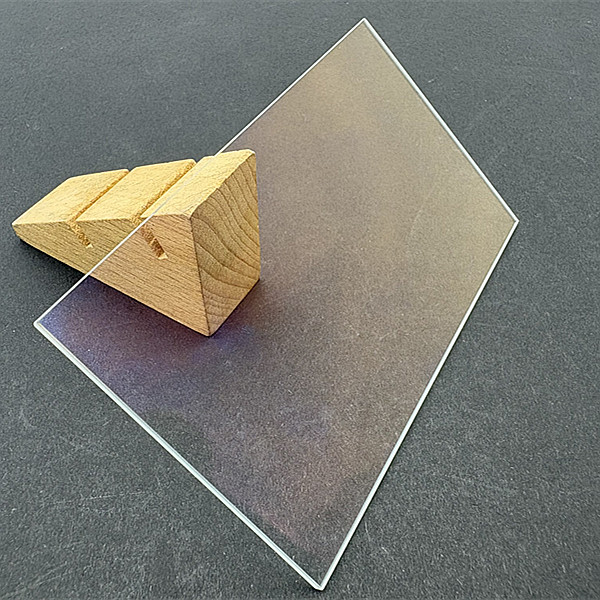
Customized Tempered Anti-Reflective Glass AR Coated Tempered Glass
Suitable for glare-sensitive optical windows
View Product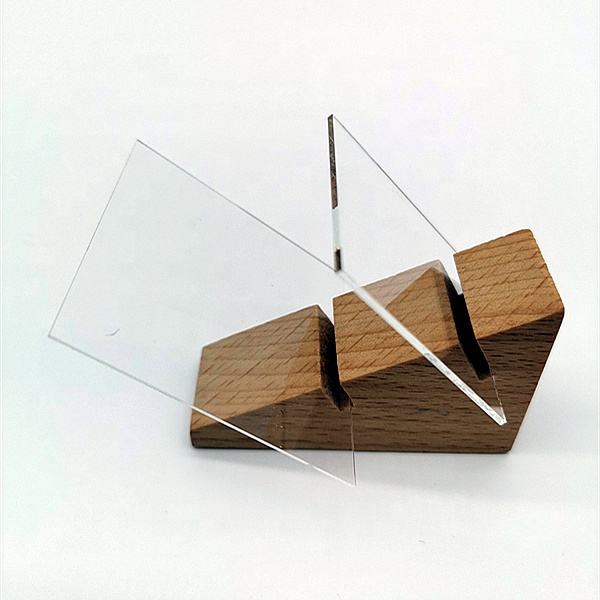
Custom Cut 0.5mm 0.7mm 1mm 1.5mm 2mm 2.5mm 3mm Corning Gorilla Temper Glass
Ideal for thin, strong touch cover panels
View Product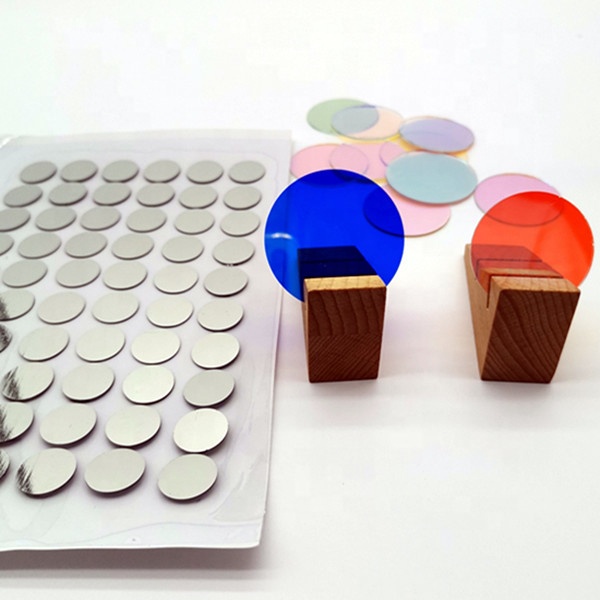
0.2mm 0.3mm 0.4mm 0.5mm 0.7mm 1.0mm 2mm Heat Resistant Gobo Glass Blanks
Built for high-power lighting and thermal shock
View Product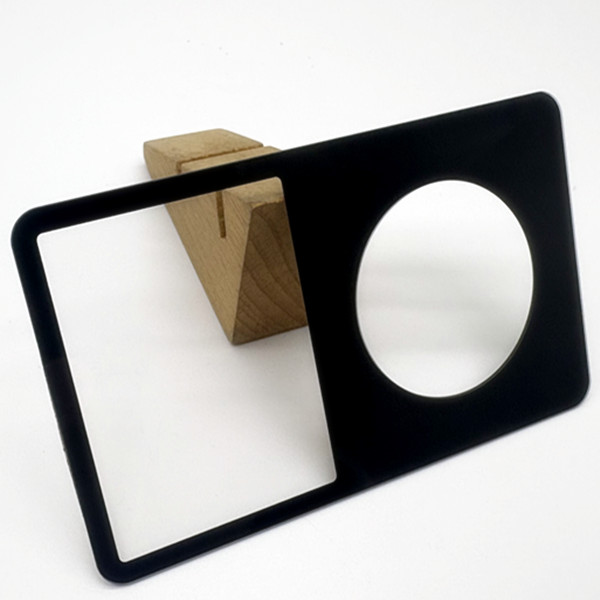
Factory Custom Smart Silkscreen Gorilla Glass Panel Tempered Glass Printing Glass
Used for appliance, HMI and smart-home interfaces
View Product
Custom Shape High Transmittance Ultra Clear Tempered Glass Panel With Anti-reflective Coating on Two Sides
For optical instruments and high-clarity displays
View Product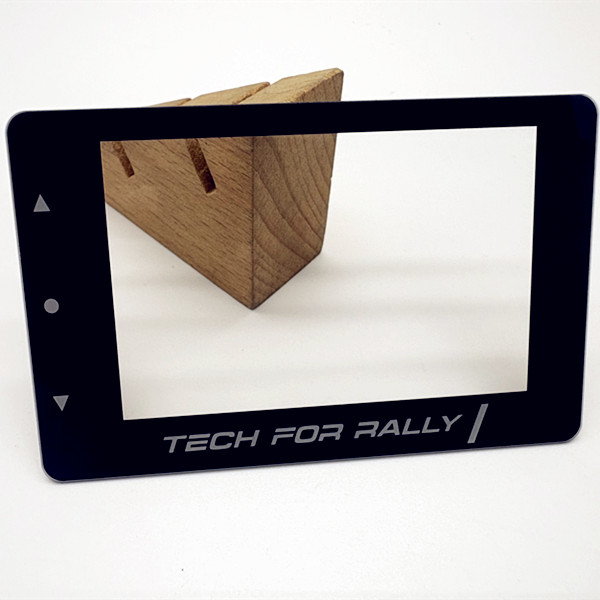
Customize Tempered Glass Silk Printed Ar Coating Gorila Glass LCD Screen protection Display
A strong fit for industrial and medical display covers
View Product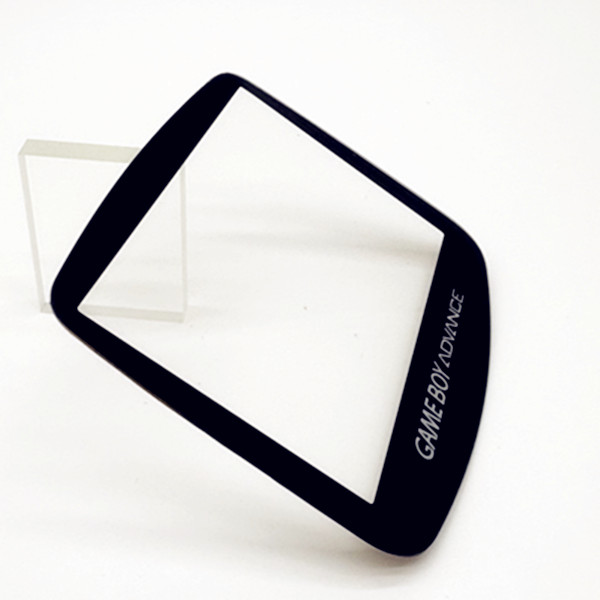
Custom Premium Gorilla Tempered Silk Screen Printed Glass Touch Screen Printed Glass Panels Cover Glass for OLED Screen
Designed for premium OLED and touch-screen assemblies
View ProductWhat “Top China Custom Glass Suppliers & Wholesalers” Really Means for Buyers
Buyers searching for China custom glass suppliers are usually not looking for one generic factory. They are trying to match a drawing, a material, a coating, a printed graphic, a tolerance and a landed-cost target to a supplier that can repeat the same result order after order.
The strongest suppliers combine substrate access, in-house processing, optical inspection and export discipline. A wholesaler may offer fast stock and mixed shipments, while a precision processor should be able to review a DWG or DXF drawing, recommend glass thickness and strengthening, validate print colors, control AR coating sides, and pack fragile thin glass for international transport. For commercial projects, the best approach is a dual-source strategy: one supplier for fast samples and small batches, another for stable mass production and process engineering.
Substrate traceability
Ask which glass family is used: Corning Eagle XG, Gorilla, borosilicate 3.3, AGC, ultra-clear soda-lime or chemically strengthened thin glass. Request lot traceability, thickness tolerance and material certificates before quoting.
In-house processing
Laser cutting, CNC carving, ultrasonic drilling, edge grinding, thermal tempering, chemical strengthening, AR coating, dichroic coating, silk-screen printing and back painting should be reviewed as one process chain.
Optical performance
Define AR transmission, reflection, haze, color shift, coating adhesion and flatness. A supplier that can discuss optical targets, not only dimensions, is usually better prepared for display and instrument projects.
Print accuracy
For printed cover glass, confirm Pantone references, registration tolerance, ink thickness, windows for IR or sensors, step height and cosmetic acceptance. Printed glass is both a functional part and a visible brand surface.
Quality evidence
Request dimensional reports, thickness and flatness checks, visual defect standards, coating inspection records and sample approval photos. A reliable supplier documents what will be repeated in mass production.
Export reliability
Check export packing for thin glass, interleaving, corner protection, moisture control and carton drop risk. The lowest unit price is not the lowest landed cost if breakage or rework appears after a 30-day sea shipment.
Custom Glass Procurement Trends Through the Late 2020s
China remains a major source for custom technical glass because the supply chain combines substrate availability, dense finishing capacity and fast engineering feedback. The buying criteria, however, are changing.
1. Dual sourcing becomes standard
OEMs are qualifying one China processor for volume and a second supplier for risk control. Buyers increasingly ask for identical material certificates, inspection methods and packing standards across both sources.
2. Performance specs replace vague material names
Instead of asking only for “tempered glass,” procurement teams specify transmission, haze, surface strength, flatness, coating side and print durability. This makes supplier comparison more objective and reduces sample cycles.
3. Thin, chemically strengthened glass grows
Wearables, compact sensors, automotive HMI and portable instruments are pushing demand for 0.15–2 mm glass. Chemical strengthening keeps thin sheets flatter and optically cleaner than thermal tempering.
4. AR and anti-glare integration
Double-sided AR, anti-glare and anti-fingerprint functions are increasingly combined on the same cover glass. Buyers want one qualified supplier to control coating, print and strengthening rather than managing several hand-offs.
5. Printed glass becomes a system component
Logos, icons, dead fronts, light windows and sensor apertures are moving into the glass itself. Print color consistency, registration and durability now matter as much as glass thickness.
6. Landed cost and transparency
Buyers compare total landed cost, not just piece price: breakage rate, packaging, re-inspection, sample cost, engineering response and replacement lead time. Suppliers with visible trade history and buyer reviews reduce perceived risk.
Where Custom Glass Technology Is Heading
Glass is no longer only a protective cover. It is becoming an optical interface, a printed brand surface, a thermal barrier, a biochip substrate and a precision alignment component.
Ultra-thin, lightweight cover glass
0.15–1.1 mm chemically strengthened glass enables slimmer displays, lighter sensors and compact optical modules while maintaining surface strength.
Multifunctional optical coatings
AR, AG, anti-fingerprint, IR-transparent and dichroic coatings are being combined to reduce reflection, improve readability and meet visual design requirements.
Borosilicate and low-expansion substrates
Borosilicate 3.3 and Corning Eagle XG continue to gain attention for lighting, laboratory, biochip, wafer, PLC and micro-optics applications where thermal stability is critical.
Heat-resistant gobo and dichroic optics
High-power LED and stage lighting require gobo blanks and dichroic filters that resist heat, maintain color consistency and survive rapid thermal cycling.
Printed smart surfaces
Silk-screen printed Gorilla glass, OLED cover glass and back-painted panels integrate branding, icons and light control into one durable component.
Inspection-led manufacturing
Dimensional, optical and cosmetic inspection is becoming part of the quoted process, not an afterthought. Buyers want measurable acceptance criteria before mass production begins.
Technical Material Guide for Custom Glass Buyers
Use this preliminary matrix to align application requirements with the right substrate. Final specifications should always be confirmed against the manufacturer datasheet and your approved drawing.
Typical Properties & Best-Fit Applications
Thermal shock tolerance and optical requirements often decide the substrate before price is discussed.
| Material | Typical thickness | CTE (×10⁻⁶/K) | Performance focus | Best-fit applications |
|---|---|---|---|---|
| Ultra-clear soda-lime | 0.5–4 mm | ≈9.0 | Optical clarity, cost efficiency |
Cover glass, AR panels, printed windows, LED covers |
| Gorilla® alkali-aluminosilicate | 0.4–2 mm | ≈7.5–8.5 | Scratch resistance, thin-glass strength |
Touch panels, LCD/OLED covers, appliance HMI |
| Borosilicate 3.3 | 0.3–3.3 mm | 3.3 | Thermal shock resistance, chemical durability |
Gobo blanks, heat-resistant windows, laboratory glass |
| Corning® Eagle XG | 0.5–1.1 mm | ≈3.2 | Flatness, dimensional stability |
Biochips, wafers, PLC substrates, micro-optics |
| Chemically strengthened thin glass | 0.15–2 mm | Depends on base glass | High strength with optical clarity |
Ultra-thin protectors, sensor covers, wearable displays |
Corning®, Gorilla® and Eagle XG® are trademarks of Corning Incorporated, used here for material identification only. Values are typical selection references, not a substitute for approved engineering drawings or supplier certificates.



Inside a China Custom Glass Supplier Built for Drawing-Based Orders
Fevry Glass Co., Ltd. is a specialty glass supplier based in Xinyu, Jiangxi, China. Its work is built around optical, biological, semiconductor, communications, lighting and electronics applications where the glass must match a drawing, not just a general material category. That project-based experience matters when a buyer needs a supplier to review a 2D drawing, recommend a substrate and turn a raw sheet into an export-ready finished part.
The sourcing model combines raw glass from established multinational producers such as Corning and AGC with close cooperation with Chinese optical-glass makers including Chengdu Guangming and Xinhuguang. Processing relies on laser, ultrasonic, CNC carving, grinding and inspection equipment imported from the USA, Germany and Japan — a practical advantage for buyers who need tight outlines, holes, notches, edge quality and optical clarity in one supply chain.
One Process Chain from Raw Sheet to Finished Optical Part
Fewer hand-offs mean tighter accountability. A capable custom glass supplier should be able to connect cutting, strengthening, coating, printing, inspection and packing under one quality plan.
Laser, CNC & ultrasonic machining
Custom outlines, holes, notches, slots, flat edges, pencil edges and chamfers, with drawing-based tolerances.
Thermal & chemical strengthening
Thermal tempering for thicker panels and ion-exchange strengthening for 0.15–2 mm thin cover glass.
AR, dichroic & optical coatings
Anti-reflective coatings on one or both sides, dichroic filters and optical coatings for lighting and instruments.
Silk-screen printing & back painting
Pantone-matched borders, logos, icon windows, dead fronts, IR-transparent ink areas and protective back paint.
Dimensional & optical inspection
Size, thickness, flatness, visual defects, print appearance and coating condition checked before packing.
Verified trading record
10+ years as an Alibaba.com member, supplier assessment, credit profile, trade capacity and buyer reviews are available for due diligence.
Where China Custom Glass Performs
Custom technical glass is specified across industries because one material platform can serve optical, thermal, electrical and decorative functions when the right finishing process is selected.
Displays & electronics
LCD protection glass, OLED cover glass, smart-home panels, appliance windows and automotive dashboard trims with AR and printed graphics.
Stage & LED lighting
Gobo blanks, dichroic color lenses, LED filament glass and heat-resistant lighting covers for high-power lighting systems.
Biotech & life science
Biochip substrates, analyzer filters and microscopy-grade glass that require flatness, low fluorescence and dimensional stability.
Semiconductor
Glass wafers, carrier substrates and packaging glass for MEMS, bonding carriers and precision micro-fabrication.
Optical communication
PLC substrate glass and fiber-alignment V-groove glass for photonic devices and optical modules.
Measuring instruments
Flat, stable worktable glass for metrology, inspection devices, analytical equipment and laboratory instruments.
A Clear 4-Step Path from Drawing to Export Delivery
Procurement teams need predictable communication. A structured sample and approval workflow reduces surprises before mass production.
Share your drawing
Send DWG, DXF or PDF with outline dimensions, tolerances, thickness, material, edge finish, holes, notches, print colors, AR side and annual quantity.
Engineering review
The supplier should confirm manufacturability and recommend substrate, strengthening method, coating structure, print sequence and inspection criteria.
Sample approval
Samples validate fit, color matching, edge quality, print sharpness, coating appearance and packing before tooling time is committed to mass production.
Production & export packing
Mass production proceeds with in-line checks for dimensions and visual defects, followed by interleaved, cushioned packing for fragile thin glass.
Common Questions When Buying Custom Glass from China
These are the technical and commercial questions that most often determine whether a sample becomes a repeat order.
Should I choose chemically strengthened or thermally tempered glass?
Thermal tempering is generally best for glass around 3 mm and thicker. For ultra-thin cover glass from 0.15 mm to about 2 mm, chemical strengthening by ion exchange raises surface strength while keeping the sheet flat and optically clean. In both cases, cutting, drilling and edge grinding must be completed before strengthening, because strengthened glass cannot be re-cut afterward without losing its surface treatment.
When is borosilicate 3.3 better than soda-lime glass?
Borosilicate 3.3 has a thermal expansion coefficient of about 3.3 × 10⁻⁶/K, roughly one third of soda-lime glass, so it resists thermal shock far better. Choose it for lighting covers, heat-resistant windows, gobo blanks, laboratory glass and instrument glass where temperature cycling or chemical exposure is expected.
Why is Corning Eagle XG used for biochips, wafers and PLC substrates?
Eagle XG is an alkali-free boro-aluminosilicate glass with low thermal expansion and a fusion-formed surface. That combination delivers excellent flatness and dimensional stability, which suits micro-patterning, bonding, precise optical alignment and semiconductor or biochip processes.
What is the minimum order quantity for custom glass?
Many custom cover glass and AR glass items start from 300 to 500 pieces, some custom-cut Eagle XG parts from 1,000 pieces, and selected gobo glass blanks from as few as 10 pieces. Samples can usually be arranged to validate fit and optical performance before mass production. MOQ depends on material availability, size, printing, coating and whether new tooling is needed.
What information should I send with an inquiry?
Send a 2D drawing in DWG, DXF or PDF with outline dimensions and tolerances, thickness, glass material, edge finish, hole and notch positions, strengthening method, print colors with Pantone references, AR coating side or sides, end application and expected annual quantity. Complete information lets engineers respond with a firm recommendation in one round.
Which export markets are served by Chinese custom glass suppliers?
Experienced suppliers serve both domestic customers and export markets including Western Europe, the United States, Japan, South Korea, Taiwan, Hong Kong and Southeast Asia. Export packing should be designed for fragile thin glass, with interleaving, corner protection, moisture control and carton strength suitable for international freight.
How do I control AR coating quality before ordering?
Define the optical target clearly: transmission at the working wavelength, reflection limit, haze, color shift and coating on one or two sides. Ask for sample measurements, coating adhesion information and inspection photos under agreed lighting. For display covers, review readability under strong ambient light, not only a laboratory transmission figure.
How should I compare wholesale price and landed cost?
Compare piece price together with breakage rate, packaging cost, sample fees, re-inspection time, replacement lead time and engineering response. A slightly higher piece price can produce a lower landed cost when the supplier has stable print color, consistent AR coating, lower defect rates and stronger export packing.
Experience, Process Depth and Verified Trading Records
For buyers comparing China custom glass suppliers, the value of a supplier is not only the machine list. It is the ability to translate an application into a repeatable glass specification and communicate clearly through samples, production and export.
Specialty glass focus
Fevry Glass Co., Ltd. works with custom tempered, AR-coated, printed, borosilicate 3.3, Corning Eagle XG, glass wafer, optical filter and gobo glass for optical, biotech, semiconductor, lighting and electronics customers.
Traceable material sourcing
Raw glass is sourced from established producers such as Corning and AGC, with cooperation with Chinese optical-glass makers including Chengdu Guangming and Xinhuguang for consistent, project-specific material selection.
Drawing-based engineering
The supplier can review tolerances, hole positions, edge finish, strengthening, print colors, AR sides and annual volume together, reducing the risk of an approved sample that cannot be mass-produced economically.
Export-ready communication
Average response time of 4 hours or less, a 100% inquiry response rate and a 5.0/5 buyer rating support faster quotation and fewer misunderstandings for international buyers.
Verified supplier profile
Supplier assessment, credit profile, transaction level, trade capacity, trade history and buyer reviews can be checked before a purchase order is placed. That public record is useful during supplier due diligence.
Service principles
The company’s guiding principle — “Quality is superior, service is supreme, reputation is first” — and motto “Your success, our glory” reflect a practical focus on repeat business rather than one-time transactions.
Have a Drawing? Let’s Engineer Your Custom Glass.
Send your specifications for tempered, AR-coated, printed, borosilicate, Eagle XG, Gorilla, gobo or OLED cover glass. Include thickness, tolerances, edge finish, coating side, print colors, application and annual quantity for a faster technical review.