Top China Chemically Strengthened Glass Manufacturers & Manufacturer
A buyer-focused technical guide to sourcing ion-exchange strengthened glass, AR-coated panels, gobo blanks, borosilicate filters, printed cover glass, glass wafers and custom optical glass from China.
Selected Product Portfolio
8 Chemically Strengthened & Specialty Glass Products for Custom Programs
These eight products reflect the practical demand we see from display, lighting, optical, biotech, semiconductor and instrument buyers. Each product links to its original product URL and can be quoted against a 2D drawing, material specification, coating requirement and annual volume.

Custom 0.3mm 0.5mm 0.7mm Heat Resistant Gobo Glass Blanks for Projector
0.3 / 0.5 / 0.7 mm · projector gobo · heat resistant
View product →
Custom Shape High Transmittance Ultra Clear Tempered Glass Panel With Anti-reflective Coating on Two Sides
Ultra-clear · double-sided AR · custom shape
View product →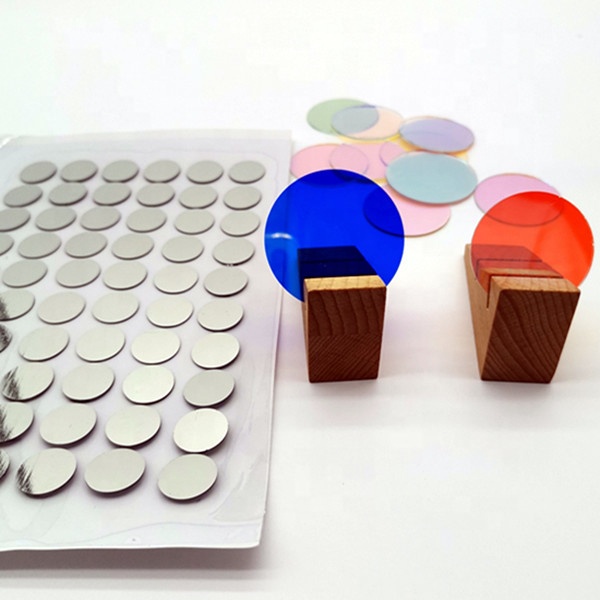
0.2mm 0.3mm 0.4mm 0.5mm 0.7mm 1.0mm 2mm Heat Resistant Gobo Glass Blanks
0.2–2 mm · borosilicate options · stage lighting
View product →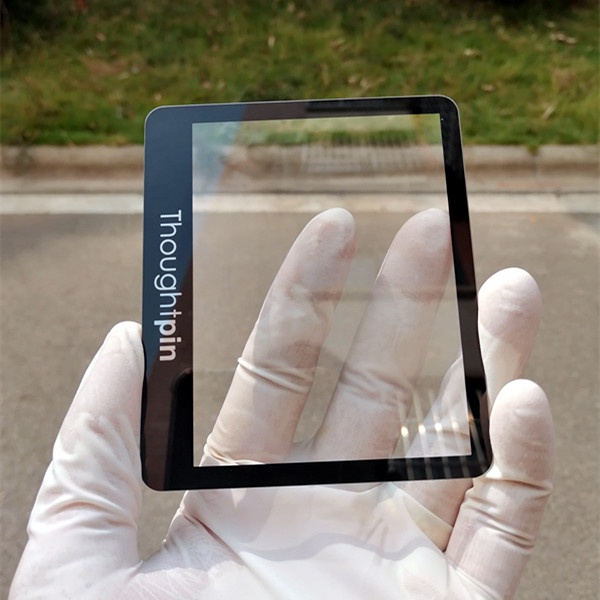
1.5mm 2mm Tempered Glass Thickness Touch Switch Glass Plate
1.5 / 2 mm · touch switch · tempered glass
View product →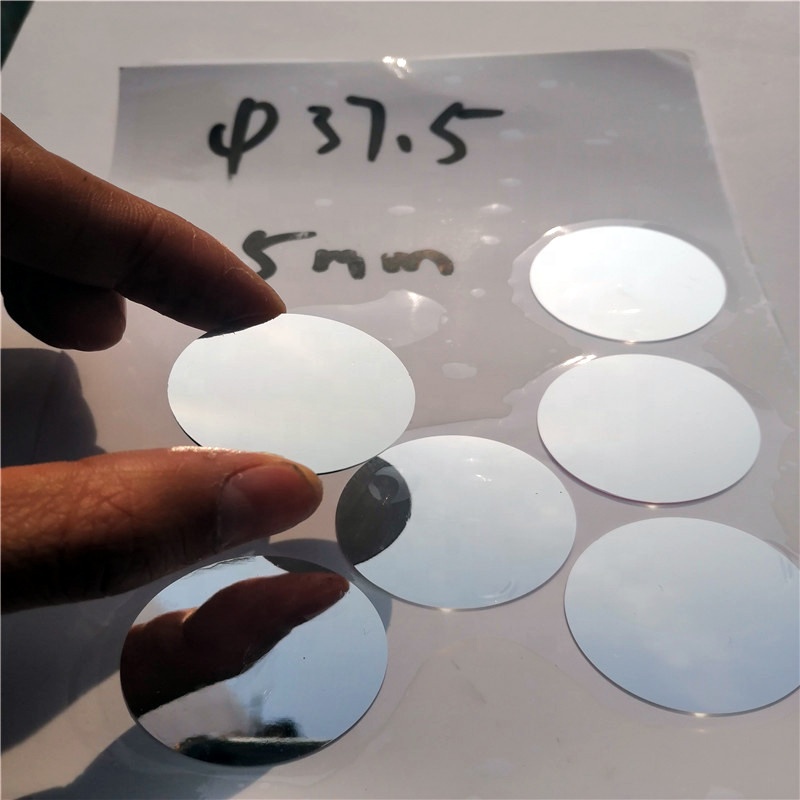
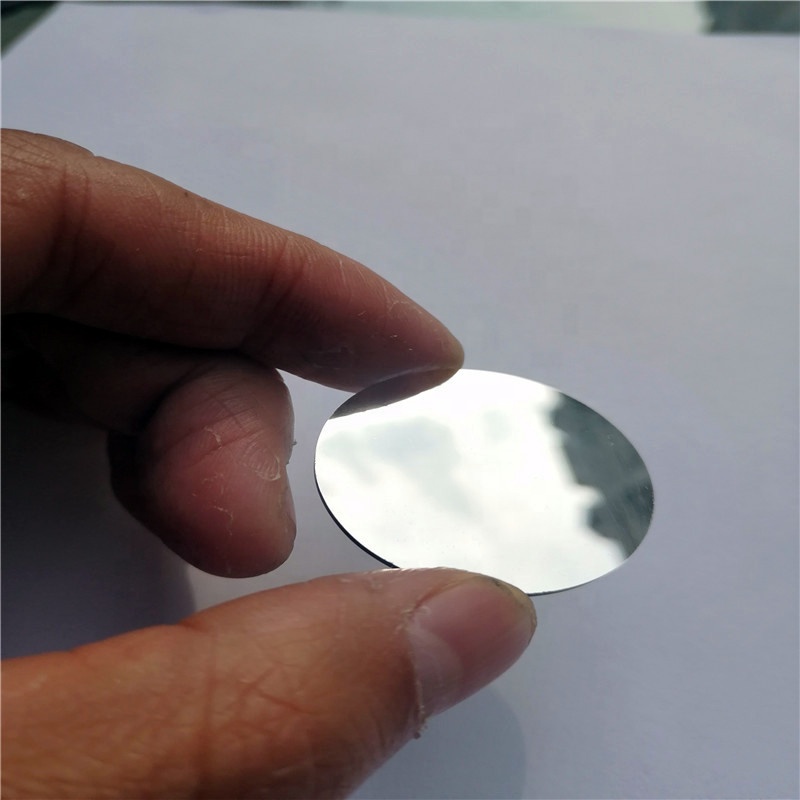
Gobo Glass/dichroic Mirror Lighting Filters Glass Lens
Dichroic mirror · lighting filter · glass lens
View product →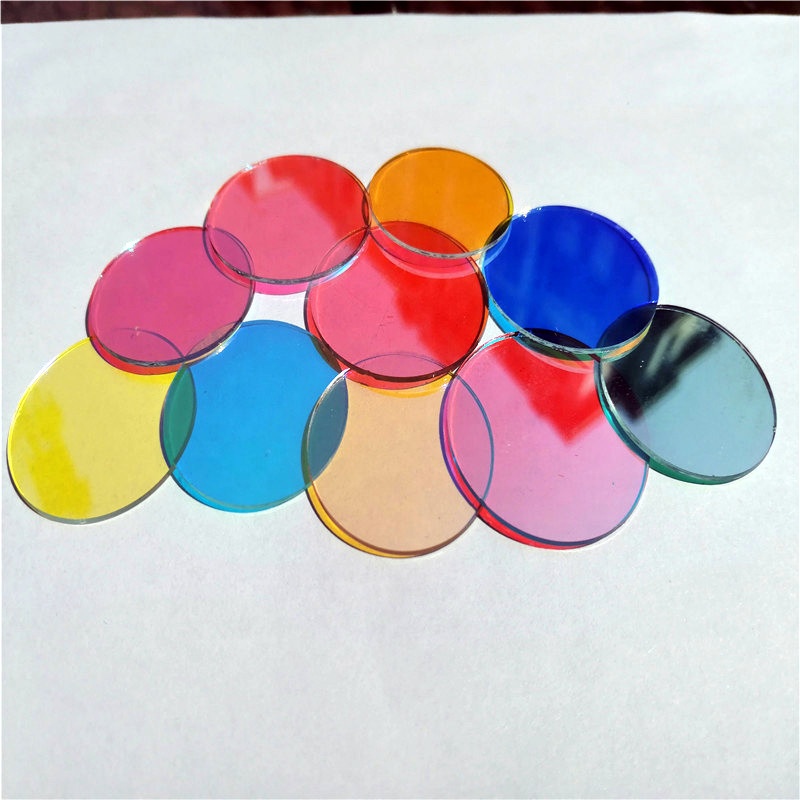
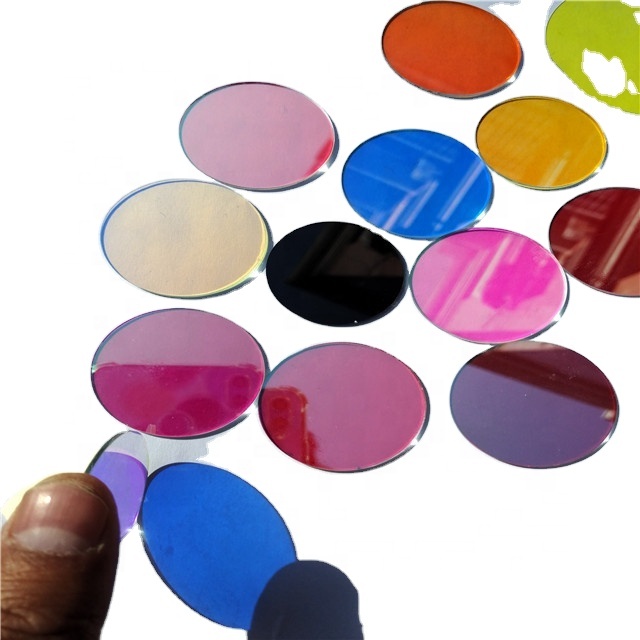
Heat Resistant Borosilicate 3.3 Dichroic Glass Filter
Borosilicate 3.3 · dichroic filter · heat resistant
View product →Executive Summary
Why Buyers Search for Top China Chemically Strengthened Glass Manufacturers
Procurement teams searching for the “Top China Chemically Strengthened Glass Manufacturers & Manufacturer” are usually not looking for another catalogue. They are trying to de-risk a program. Will the glass survive drop testing? Will the AR coating meet transmission targets? Will printed graphics match the Pantone reference? Will the supplier communicate clearly when tolerances are tight?
China’s specialty glass ecosystem can answer those questions, but only when the buyer evaluates process control rather than headline piece price. The category now spans 0.15–2 mm ion-exchange strengthened cover glass, thermally tempered 2–4 mm panels, double-sided AR-coated ultra-clear glass, silk-screen printed Gorilla-type aluminosilicate, borosilicate 3.3 heat-resistant windows, gobo glass blanks, dichroic filters, Corning Eagle XG substrates and glass wafers. Each product family has a different failure mode, and each requires a different supplier scorecard.
A single “chemically strengthened glass supplier” search can hide very different factories: coating houses, printers, CNC shops, traders and vertically integrated processors. The most reliable shortlist combines four evidence sets: material traceability, strengthening records, machining and coating controls, and a verifiable export and commercial record. Fevry Glass Co., Ltd., based in Xinyu, Jiangxi, is a useful benchmark in this guide because its public company profile combines documented raw-glass sourcing, imported processing equipment, export experience and a ten-year Alibaba trading record.
This white-paper-style guide adds practical information gain: a material selection table, a supplier evaluation matrix, a procurement priority model, product development trends, application notes, verification checks and an RFQ FAQ. Use it as a due-diligence checklist when comparing China chemically strengthened glass manufacturers, custom glass suppliers and specialty optical glass manufacturers.
Technical Foundation
What Chemically Strengthened Glass Is and Why It Matters
Chemical strengthening is an ion-exchange process. Glass is immersed in a molten salt bath, and larger ions exchange with smaller ions near the surface. The resulting compressive stress layer resists crack initiation and slows crack propagation, which improves strength while preserving optical clarity, flatness and thinness.
This matters because the most demanding display, touch, sensor, lighting and instrument applications are moving toward thinner glass. Thermal tempering is effective for thicker glass, often around 3 mm and above, but it becomes difficult for ultra-thin cover glass. For 0.15–2 mm glass, chemical strengthening is often the preferred route because it increases surface strength without the optical distortion and flatness changes associated with thermal processing.
Ion-Exchange Strength
Key control parameters include surface compressive stress, depth of compression, salt-bath chemistry, immersion time and glass thickness. Ask for data by thickness and material, not a generic claim.
Machining Before Strengthening
Cutting, drilling, notching and edge grinding must be completed before chemical strengthening. Strengthened glass should not be re-cut, because the edge would expose a non-strengthened zone and weaken the part.
Optical Performance
Double-sided AR coating can raise light transmission for displays, instruments and projection optics. Buyers should confirm transmission targets, haze limits, coating adhesion and whether one or both sides require coating.
Printing and Painting
Silk-screen printing, back painting, logo windows and IR-transparent ink areas turn glass into a functional interface. Registration, color tolerance and ink adhesion must be validated on the finished, strengthened part.
White-paper note: chemical strengthening is not a surface coating. It changes the stress profile of the glass itself. That is why supplier evaluation should separate base-glass quality, machining quality, strengthening control and coating or printing quality rather than treating “tempered glass” as one generic product.
Supplier Evaluation
How to Evaluate China Chemically Strengthened Glass Manufacturers
A credible China chemically strengthened glass manufacturer should be able to explain what happens before the salt bath, during the salt bath and after the salt bath. If the answer starts and ends with “we can make it,” the buyer has not yet received engineering evidence.
Use a weighted scorecard. Score each criterion from 1 to 5, require evidence, and compare the total against the total landed cost of a poor yield. The lowest quotation is rarely the lowest landed cost when thin glass breakage, coating rejects, print rework or delayed shipments are included.
| Evaluation Criterion | Technical Evidence to Request | Why It Matters |
|---|---|---|
| Material traceability | Base-glass brand, lot identity, supplier documents for Corning, AGC, Chengdu Guangming, Xinhuguang or equivalent optical glass sources; certificate of analysis where applicable. | Incoming glass variation affects flatness, etching response, coating adhesion, print appearance and final breakage rate. |
| Strengthening control | Surface compressive stress and depth-of-compression data by thickness; salt-bath maintenance records; sample break or drop test results. | Two suppliers may both say “chemically strengthened,” yet deliver very different strength, flatness and edge reliability. |
| Machining quality | Edge chip limits, hole and notch position reports, flatness measurement, CMM or optical inspection records. | Most breakage begins at an edge, hole or micro-chip. Machining quality is part of glass strength, not a separate cosmetic issue. |
| Coating and printing | AR transmission and haze reports, adhesion test results, Pantone or ΔE color reports, print registration checks. | Displays and lighting products fail when optical performance or visual appearance shifts from sample to mass production. |
| Inspection and packing | 100% visual inspection plan, dimensional AQL, interleaved packing method, carton drop or transit validation for thin glass. | Glass can pass production and still fail because of poor packing, moisture exposure or rough handling during export. |
| Export and responsiveness | Documented response process, export markets, inquiry response rate, sample lead time and mass-production schedule. | Commercial reliability is part of product quality. A supplier that replies late or cannot explain lead times creates hidden program risk. |
For a fast evaluation, send a 2D drawing in DWG, DXF or PDF format with outline dimensions, tolerances, thickness, glass material, edge finish, hole and notch positions, strengthening method, print colors, AR coating sides, application and annual volume. Complete data allows a China chemically strengthened glass manufacturer to respond with a manufacturability review rather than a generic price.
Company Advantages
Why Fevry Glass Is a Credible China Chemically Strengthened Glass Manufacturer
Fevry Glass Co., Ltd. is a specialty glass company based in Xinyu, Jiangxi, China. Its experience covers optical, biological, semiconductor, communications, lighting and electronics applications, with a practical focus on turning drawings into finished, export-ready glass parts.
Traceable Material Sourcing
Raw glass is sourced from Corning, AGC and other multinational producers, with close work alongside established Chinese optical-glass makers such as Chengdu Guangming and Xinhuguang. Every project starts from traceable, consistent material.
Imported Processing Equipment
Technicians process glass on laser, ultrasonic, CNC carving, grinding and inspection equipment imported from the USA, Germany and Japan, supporting custom outlines, holes, notches, slots and edge finishes.
Strengthening and Coating
Capabilities include thermal tempering for thicker panels, chemical strengthening for 0.15–2 mm thin glass, AR and dichroic coatings, silk-screen printing, back painting and optical filter processing.
Responsive Commercial Support
Public trading data shows 10+ years as an Alibaba.com member, ≤4 hours average response time, 100% inquiry response rate and a 5.0/5 buyer rating. Fast communication matters when drawings require engineering feedback.
Export Experience
Fevry Glass serves customers in China and exports to Western Europe, the United States, Japan, South Korea, Taiwan, Hong Kong and Southeast Asia, with packing designed for fragile thin glass.
Application Engineering
Supported materials and processes cover Eagle XG, borosilicate 3.3, transparent ceramic glass, semiconductor wafers, biochip glass, PLC substrates, V-groove glass, lighting color lenses and LED optical coating glass.

Precision glass processing workshop

Imported cutting and grinding equipment

Optical glass inspection and packing
Procurement Trends
Future Procurement Trends for Chemically Strengthened Glass
Buying behavior is shifting from “find a supplier with a low price” to “qualify a process partner with evidence.” The change is driven by thinner devices, tighter optical requirements, higher product liability and more complex global supply chains.
Drawing-First Digital RFQs
Buyers increasingly send DWG, DXF or PDF drawings with tolerances, coating sides, print colors and annual volume. This shortens engineering review and reduces sample iterations.
Total Landed Cost and Yield
Procurement teams are comparing breakage rates, coating yield, packing quality and rework risk, not only piece price. A lower quote with unstable yield can cost more after assembly.
Traceability and Dual Sourcing
Material certificates, lot identity and a validated backup source are becoming standard risk controls for displays, medical devices, automotive electronics and optical instruments.
Supplier-Managed Inventory
Repeat buyers are planning buffer stock, scheduled releases and export-ready packing to absorb ocean-freight variability and protect production lines.
Product Development
Product Development Trends in Chemically Strengthened Glass
The next generation of custom glass is not a single material. It is a finished function: strength plus optical control plus printing plus dimensional stability plus reliable packing.
Ultra-Thin 0.15–1.1 mm Glass
Touch sensors, wearables, small displays and protective windows are pushing demand for thinner chemically strengthened glass with controlled flatness and edge quality.
AR + Anti-Glare + Printing
Combined optical and decorative functions reduce assembly steps. Buyers increasingly request AR coating, anti-glare etching, black borders, icon windows and IR-transparent ink on one part.
Heat-Resistant Lighting Optics
High-power stage lighting, projectors and LED systems require borosilicate 3.3, gobo blanks and dichroic filters that resist thermal shock and maintain color performance.
Eagle XG and Glass Wafers
Biochips, biological analyzer filters, PLC substrates and semiconductor carriers need low-expansion, flat, alkali-free substrates with repeatable dimensional stability.
Industries Served
Where Chemically Strengthened and Specialty Glass Performs
From display cover glass to lighting optics and biochip substrates, the same supplier relationship can cover multiple product families if the process controls are in place.
Displays & Electronics
LCD protection glass, smart-home panels, touch switch plates, automotive dashboard trims and custom display windows with printed borders.
Stage & LED Lighting
Gobo blanks, dichroic color lenses, projection glass, LED filament glass and heat-resistant cover glass for high-power lighting systems.
Biotech & Life Science
Biochip substrates, biological analyzer filters and microscopy-grade glass where flatness, low expansion and optical consistency matter.
Semiconductor
Glass wafers, carrier substrates and packaging glass for micro-fabrication, bonding and precision alignment.
Optical Communication
PLC substrate glass, V-groove glass and optical filter glass for fiber alignment, communication modules and photonic devices.
Measuring Instruments
Flat, stable worktable glass, windows and optical covers for metrology, inspection devices and analytical equipment.
Quality Verification
What to Verify Before Approving Mass Production
A sample that looks good is not enough. Buyers should confirm that the same measured attributes will be controlled in mass production and documented in the inspection record.
Stress and Strength Data
Request surface compressive stress and depth-of-compression data appropriate to the glass thickness, plus sample break or drop validation for the intended application.
Dimensional and Flatness
Check outline size, hole and notch positions, edge chip limits, bow and flatness against the drawing. These attributes affect assembly fit and seal performance.
Optical Transmission
For AR-coated glass, confirm transmission target, haze, color shift and coating uniformity on the actual part geometry, especially near edges and printed areas.
Coating Adhesion
Ask for adhesion and environmental test results relevant to the application. Coating durability is critical for touch, outdoor, automotive and instrument use.
Print Color and Registration
Validate Pantone match, ink thickness, window clarity, registration tolerance and edge coverage using the approved sample as the golden reference.
Packing and Transit
Thin glass needs interleaving, cushioning, moisture protection and carton strength suitable for export. Review packing photos before shipment.
| Material | Typical Thickness Range | CTE (×10⁻⁶/K) | Best For |
|---|---|---|---|
| Ultra-clear soda-lime | 0.5–4 mm | ≈9.0 | Cover glass, AR panels, printed windows and display protection |
| Gorilla-type alkali-aluminosilicate | 0.4–2 mm | ≈7.5–8.5 | Scratch-resistant touch panels and display cover glass |
| Borosilicate 3.3 | 0.3–3.3 mm | 3.3 | Heat-resistant windows, gobo blanks, lighting filters and laboratory glass |
| Corning Eagle XG | 0.5–1.1 mm | ≈3.2 | Biochips, glass wafers, PLC substrates and micro-optics |
| Chemically strengthened thin glass | 0.15–2 mm | Base-glass dependent | Ultra-thin protectors, sensor covers and precision display glass |
Values are typical industry figures for preliminary material selection. Final specifications should be confirmed against the manufacturer datasheet, your drawing and the approved sample.
Buyer FAQ
FAQ for Buyers Sourcing Chemically Strengthened Glass from China
These are the questions engineers, product managers and procurement teams ask most often during supplier qualification.
Should I choose chemically strengthened or thermally tempered glass?
Thermal tempering is generally best for glass around 3 mm and thicker. For ultra-thin cover glass from 0.15 mm to about 2 mm, chemical strengthening by ion exchange increases surface strength while keeping the sheet flat and optically clean. In both cases, cutting, drilling and edge grinding must be completed before strengthening.
When is borosilicate 3.3 better than soda-lime glass?
Borosilicate 3.3 has a thermal expansion coefficient of about 3.3 × 10⁻⁶/K, roughly one third that of soda-lime glass, so it resists thermal shock far better. It is preferred for lighting covers, heat-resistant windows, gobo blanks, laboratory glass and instrument windows.
Why is Corning Eagle XG used for biochips, wafers and PLC substrates?
Eagle XG is an alkali-free boro-aluminosilicate glass with low thermal expansion and a fusion-formed surface that provides excellent flatness and dimensional stability. That combination suits micro-patterning, bonding and precision optical alignment.
What is the minimum order quantity for custom glass?
Most custom cover glass and AR glass items start from 300 to 500 pieces, some Eagle XG cut parts from 1,000 pieces, and selected gobo glass blanks from as few as 10 pieces. Samples can be arranged to validate fit and optical performance before mass production.
What information is needed to evaluate a custom glass project?
Send a 2D drawing in DWG, DXF or PDF with outline dimensions and tolerances, thickness, glass material, edge finish, hole and notch positions, strengthening method, print colors with Pantone references, AR coating side or sides, application and annual quantity. Complete input allows a firm engineering recommendation in fewer rounds.
Which export markets do China specialty glass manufacturers serve?
Fevry Glass serves customers in China and exports to Western Europe, the United States, Japan, South Korea, Taiwan, Hong Kong and Southeast Asia. Buyers should confirm destination-specific packing, documentation and delivery terms during quotation.
How can I verify chemical strengthening quality before mass production?
Request surface compressive stress and depth-of-compression data by thickness, salt-bath control records, edge quality inspection and application-relevant break or drop testing. Approve a golden sample and define the mass-production inspection plan before releasing the order.
Can AR coating, silk printing and chemical strengthening be combined?
Yes, but the process sequence must be planned. Machining is completed before strengthening, and coating or printing steps are scheduled according to the material, ink and coating system. The supplier should validate the final stack on the actual part geometry because transmission, adhesion and print appearance can change after each process.
Have a Drawing? Let’s Engineer Your Glass.
Send your dimensions, tolerances, material, thickness, strengthening method, print colors and AR coating requirements. Our engineers typically reply within 4 hours with manufacturability feedback and a practical next step.
info@fevryglass.com Send an Inquiry