10+Years as Alibaba.com member
≤4hAverage response time
100%Inquiry response rate
5.0/5Buyer rating
7+Export regions served
Market Context

Why Borosilicate Glass Substrate Sourcing Is Moving from Price to Proven Performance

China is no longer only a high-volume source of soda-lime cover glass. It is now a serious supply market for borosilicate glass substrates used in stage lighting, high-power LED optics, analytical instruments, microfluidic devices, semiconductor carriers and heat-resistant windows.

The shift matters because buyers are no longer comparing only unit price. They are comparing raw-material traceability, coefficient of thermal expansion (CTE) control, edge quality, coating durability, print accuracy, packing survival and the supplier’s ability to answer an engineering question without losing a week. In semantic search terms, a procurement team searching for “borosilicate glass substrate manufacturers” may actually need a partner that can cut, edge-grind, strengthen, coat, print, inspect and export a finished part — not simply a trader with a warehouse.

The strongest China borosilicate glass substrate manufacturers and wholesalers share four traits: documented material sources, in-house cutting and strengthening, repeatable coating or printing, and export experience with fragile thin glass. Fevry Glass Co., Ltd. is one example: a Xinyu, Jiangxi-based specialty glass supplier with 10+ years as an Alibaba.com member, ≤4-hour average response time, 100% inquiry response rate, 5.0/5 buyer rating and export coverage across Western Europe, the United States, Japan, South Korea, Taiwan, Hong Kong and Southeast Asia.

Product Recommendations

8 Borosilicate and Precision Glass Products for High-Heat, Optical and Display Applications

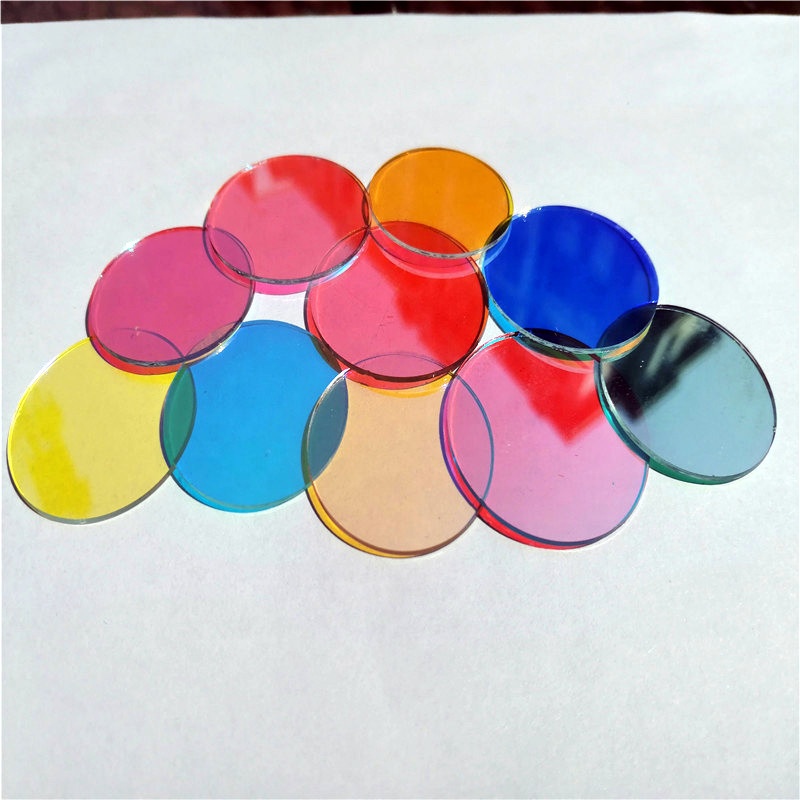
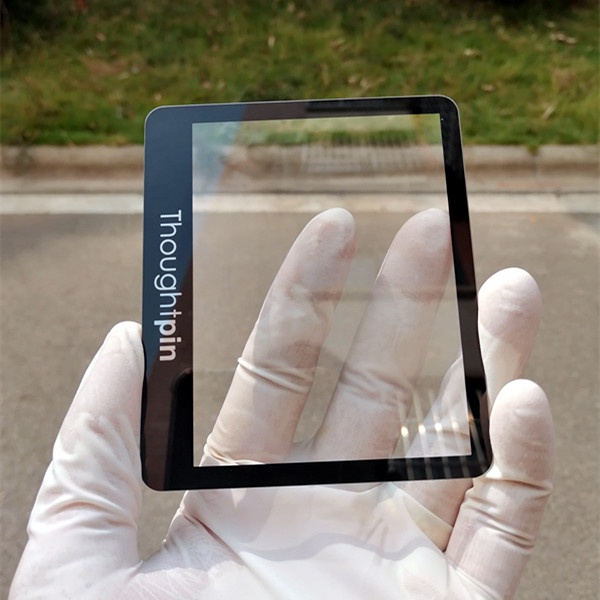
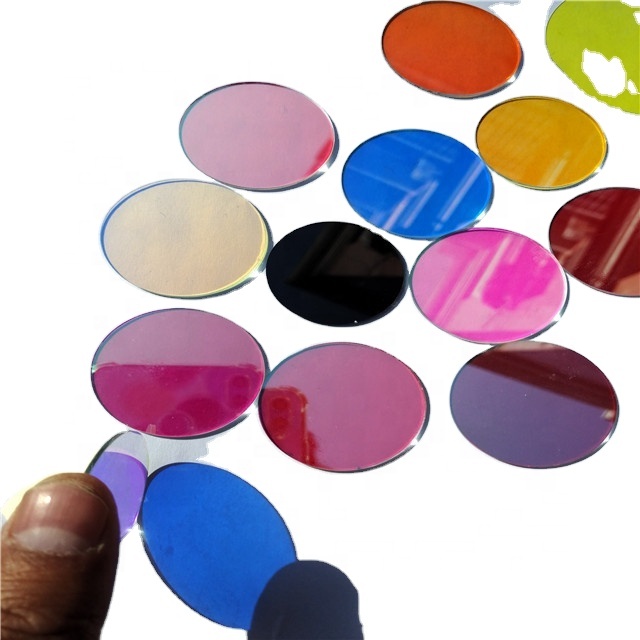
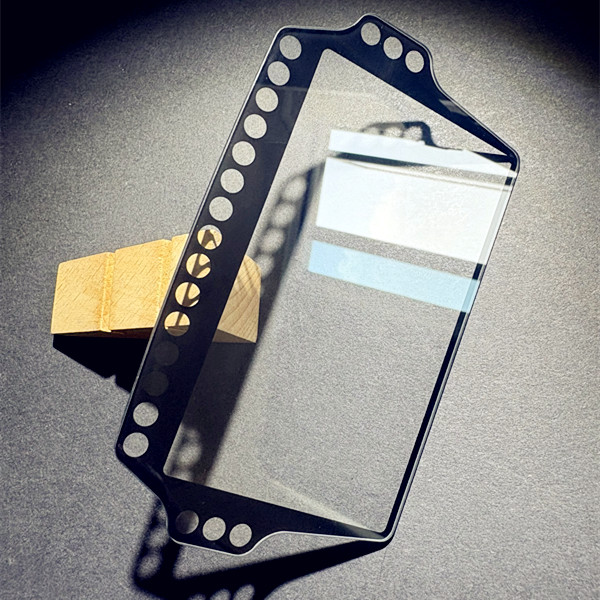
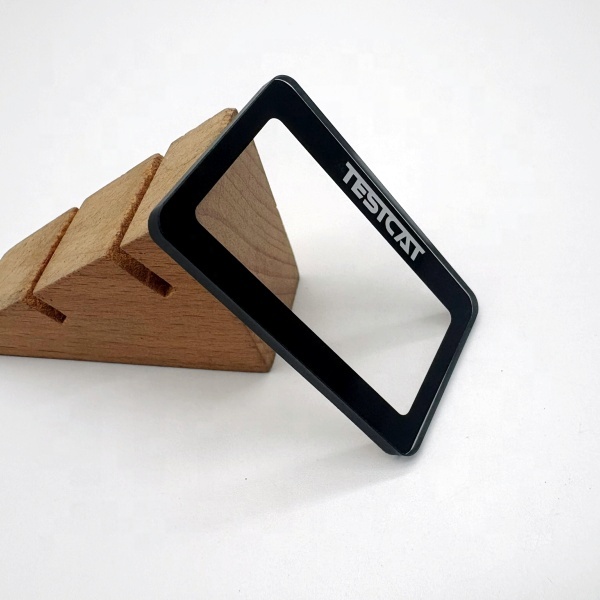
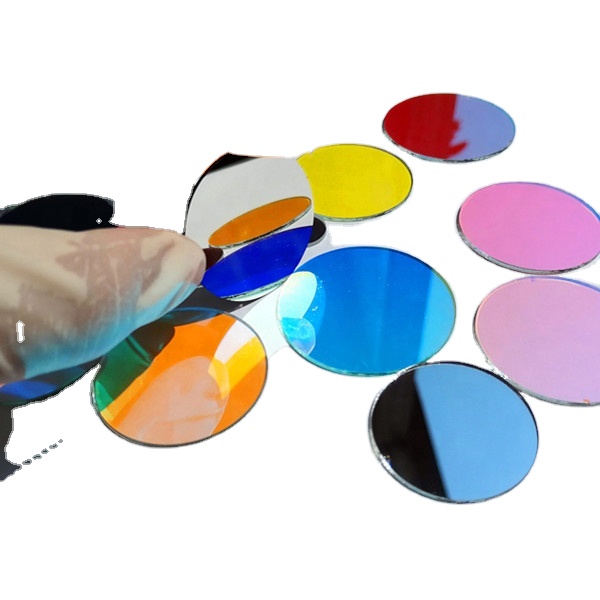
These recommended products cover dichroic gobo glass, dichroic mirrors, touch switch plates, heat-resistant borosilicate filters, shaped tempered windows, printed Gorilla glass and LCD display cover glass. Product URLs and original image paths are preserved for direct evaluation.

Material Selection

Borosilicate 3.3 Is Not a Commodity Sheet — It Is a Thermal and Optical Design Decision

Borosilicate 3.3 has a coefficient of thermal expansion of about 3.3 × 10⁻⁶/K, roughly one third that of soda-lime glass. That difference is why borosilicate substrates resist thermal shock far better in high-power lighting, heat-resistant windows, gobo blanks, laboratory glass and instrument covers. However, material selection only works when thickness, edge finish, coating side, print ink and strengthening method are specified together.

For ultra-thin cover glass from 0.15 mm to about 2 mm, chemical strengthening by ion exchange can raise surface strength while keeping the sheet flat and optically clean. For thicker panels around 3 mm and above, thermal tempering may be more appropriate. In both cases, cutting, drilling and edge grinding must be completed before strengthening because the glass cannot be re-cut afterwards without losing strength.

Adjacent substrate choices also matter. Corning Eagle XG is an alkali-free boro-aluminosilicate glass with low thermal expansion and a fusion-formed surface, making it suitable for biochips, analyzer filters, wafers and PLC substrates. Soda-lime glass remains cost-effective for many display covers, but it is not a direct substitute when thermal shock or chemical exposure is part of the application.

Thermal Shock

Borosilicate 3.3 reduces cracking risk when lighting or instrument parts cycle rapidly between hot and cool states.

Chemical Durability

Low alkali release and hydrolysis resistance support laboratory, analytical and coating-process environments.

Optical Consistency

Coating performance depends on surface quality, flatness and cleaning discipline before AR or dichroic deposition.

Total Cost

Yield, packing survival and print/coating rework often matter more than the raw sheet price per square meter.

Typical Material Selection Guide for China Glass Substrate Projects

MaterialTypical ThicknessCTE (×10⁻⁶/K)Best-Fit ApplicationProcurement Note
Borosilicate 3.30.3–3.3 mm≈3.3Gobo blanks, heat-resistant windows, filters, lab glassConfirm thermal load and coating side before quoting
Corning Eagle XG0.5–1.1 mm≈3.2Biochips, wafers, PLC and micro-opticsRequires tight flatness and cleanliness control
Gorilla glass0.4–2 mm≈7.5–8.5Scratch-resistant display covers and touch panelsIdeal when chemical strengthening is required
Ultra-clear soda-lime0.5–4 mm≈9.0Cover glass, AR panels, printed windowsCost-effective but limited thermal shock tolerance
Chemically strengthened thin glass0.15–2 mmBase-glass dependentUltra-thin protectors, sensor coversAll cutting and edge grinding must precede ion exchange

Values are typical industry figures for preliminary selection. Final specifications must be confirmed against the manufacturer datasheet and your 2D drawing.

Thermal shock tolerance High
Chemical durability High
Optical clarity Excellent
Cost efficiency vs soda-lime Moderate
Procurement Outlook

Future Buying Trends for Borosilicate Glass Substrates and Technical Glass

Global buyers are shifting from catalog purchasing to drawing-based qualification. The winning suppliers will be those that combine material traceability, process integration and export-grade quality records.

From SKU Buying to Drawing-Based Qualification

Procurement teams increasingly require custom outlines, tolerances, edge profiles, coating maps and print colors. Suppliers must quote from drawings and confirm manufacturability before mass production.

Supplier Assessment Before Sample Approval

Buyers now review onsite verification, transaction history, rating, response time and trade capacity before spending engineering time on samples.

Dual Sourcing Without Duplicating Risk

Using two glass sources can reduce supply risk, but buyers also need one partner accountable for cutting, strengthening, coating and final inspection.

Coating and Printing Move Closer to Cutting

AR coating, dichroic coating, silk-screen printing and back painting are being consolidated under one quality system to reduce handling damage and rework.

Thin-Glass Strengthening for Portable Devices

Ion-exchange strengthening is becoming standard for 0.15–2 mm glass used in sensors, wearables, touch interfaces and compact optical modules.

Packaging and Logistics Count as Quality

For thin glass, interleaved cushioning, humidity protection and drop-tested export cartons are not secondary details. They directly affect incoming yield.

Technology Development

Product and Process Trends Shaping the Next Generation of Glass Substrates

The most valuable suppliers will not only sell sheets. They will help engineers stabilize thermal expansion, improve optical transmission, integrate printed graphics and scale repeatable inspection data.

Low-CTE Substrate Expansion

Biochips, PLC substrates, glass wafers and micro-optics continue to demand low expansion, flatness and dimensional stability.

Larger Sheets with Tighter Flatness

Measuring instruments, display windows and inspection equipment require flatter borosilicate sheets with controlled thickness variation.

Hybrid Optical Stacks

AR plus dichroic coatings, IR-transparent print windows and selective light control are becoming common in lighting and HMI panels.

Digital Quality Records

Dimensional reports, flatness measurements, transmittance data, print color checks and coating adhesion records are moving from paper to digital approval packages.

Fevry Glass precision glass processing workshop
Fevry Glass imported cutting and grinding equipment
Fevry Glass optical glass inspection and packing
Verified Supplier Advantage

Fevry Glass Co., Ltd.: A Specialty Glass Partner for Drawing-Based Projects

Fevry Glass Co., Ltd. is based in Xinyu, Jiangxi, China. The company draws on years of hands-on work with optical, biological, semiconductor, communications, lighting and electronics customers. Instead of treating glass as a generic material, Fevry helps engineers choose the right substrate, confirm the strengthening method, match print colors and turn a drawing into an export-ready part.

Raw glass is sourced from traceable suppliers including Corning, AGC and established Chinese optical-glass makers such as Chengdu Guangming and Xinhuguang. Processing relies on laser, ultrasonic, CNC carving, grinding and inspection equipment imported from the USA, Germany and Japan. This combination supports repeatable cutting, edge finishing, thermal tempering, chemical strengthening, AR and dichroic coating, silk-screen printing, back painting and final inspection.

Core MaterialsEagle XG, borosilicate 3.3, transparent ceramic glass, Gorilla glass, ultra-clear glass and optical filter substrates
ApplicationsLighting, displays, biotech, semiconductor, optical communication and measuring instruments
Service Promise≤4-hour average response, 100% inquiry response, 5.0/5 buyer rating and export packing for fragile thin glass
Corning®AGCChengdu GuangmingXinhuguangLaser cuttingCNC shapingAR coatingSilk printingExport inspection

Guiding principles such as “Quality is superior, service is supreme, reputation is first” and the motto “Your success, our glory” are useful only when they appear in order execution. For buyers, the practical test is whether the supplier can confirm material, thickness, tolerance, edge finish, coating side, print color, annual volume and packing method in one engineering review.

Buyer Evaluation Framework

How to Evaluate China Borosilicate Glass Manufacturers and Wholesalers

A disciplined evaluation process reduces sample cycles, protects tooling investment and reveals whether a supplier can support repeat production rather than one trial order.

01

Define Thermal Load

State operating temperature, thermal cycling, lamp power, coating side and whether the part is structural or decorative.

02

Specify Material and CTE

Confirm borosilicate 3.3 versus soda-lime, Eagle XG or strengthened thin glass. Do not leave material selection to price alone.

03

Send a Complete Drawing

Include outline dimensions, tolerances, thickness, holes, notches, edge finish, print colors, AR side and annual quantity.

04

Validate Strengthening and Coating

Check that cutting and edge grinding are complete before strengthening, and confirm coating durability, adhesion and optical targets.

05

Verify Evidence and Packing

Review supplier assessment, transaction records, buyer ratings and export packing samples before releasing mass production.

FAQ

Borosilicate Glass Substrate Procurement FAQ

Direct answers for engineers, sourcing managers and product teams comparing China glass manufacturers and wholesalers.

What is a borosilicate glass substrate, and why specify 3.3?

A borosilicate glass substrate is a glass sheet used as the base material for optical, lighting, thermal, electronic or analytical components. “3.3” refers to a coefficient of thermal expansion of approximately 3.3 × 10⁻⁶/K. Compared with soda-lime glass, borosilicate 3.3 tolerates faster temperature changes, resists thermal shock and offers good chemical durability. It is commonly selected for gobo blanks, heat-resistant windows, filters, laboratory glass and high-power lighting components.

When should I choose borosilicate 3.3 instead of soda-lime glass?

Choose borosilicate 3.3 when the part will experience rapid heating or cooling, high lamp power, chemical exposure or a need for low thermal expansion. Soda-lime glass can be cost-effective for ordinary display covers or printed panels, but it should not be treated as an equivalent substitute in thermal-shock applications. For semiconductor, biochip or PLC substrate projects, alkali-free Corning Eagle XG may be a better fit because of its flatness and dimensional stability.

Should I choose thermal tempering or chemical strengthening?

Thermal tempering is generally suitable for glass around 3 mm and thicker. For ultra-thin cover glass from 0.15 mm to about 2 mm, chemical strengthening by ion exchange increases surface strength while maintaining flatness and optical clarity. In both processes, cutting, drilling and edge grinding must be completed before strengthening. A supplier should confirm the process route before quoting because post-strengthening machining can destroy the strength benefit.

Can one supplier cut, coat, print and strengthen borosilicate glass?

Yes, but the buyer should verify which steps are in-house and which are subcontracted. Integrated processing can reduce handling damage, shorten sample cycles and create one accountable quality record. For projects involving AR coating, dichroic coating, silk-screen printing, back painting or chemical strengthening, ask for process sequence, inspection criteria and sample evidence. Fevry Glass supports drawing-based cutting, shaping, strengthening, coating, printing, inspection and export packing for specialty glass projects.

What is the typical minimum order quantity for custom borosilicate glass substrates?

MOQ depends on material, thickness, coating, printing and strengthening. Most custom cover glass and AR glass items start from 300–500 pieces, custom-cut Eagle XG parts from around 1,000 pieces, and selected dichroic gobo glass blanks from as few as 10 pieces. Buyers should confirm MOQ together with sample charges, tooling requirements, annual volume and packaging method so the quote reflects total landed cost rather than unit price alone.

What information should I send for a fast engineering review?

Send a 2D drawing in DWG, DXF or PDF with outline dimensions and tolerances, thickness, glass material, edge finish, hole and notch positions, strengthening method, print colors with Pantone references, AR coating side or sides, end application and estimated annual quantity. Include any thermal, optical or chemical requirements and target approval timeline. Complete information allows the supplier to respond with a firm recommendation and fewer sample iterations. You can send specifications to info@fevryglass.com.

How should fragile thin glass be packed for export?

Thin glass requires interleaved protection, edge cushioning, moisture control and cartons designed for fragile flat parts. For coated or printed glass, the packing method should prevent surface-to-surface abrasion and print damage. Buyers should request packing photos, carton drop-test evidence when relevant, and a clear statement of incoming inspection criteria before shipment. Good packing is part of quality control, not an afterthought.

Which export markets does Fevry Glass serve?

Besides domestic customers in China, Fevry Glass regularly serves buyers in Western Europe, the United States, Japan, South Korea, Taiwan, Hong Kong and Southeast Asia. The company’s export experience covers specialty glass for displays, optics, lighting, biotech, semiconductor, optical communication and measuring-instrument applications.

Start Your Project

Need a Reliable China Borosilicate Glass Substrate Manufacturer?

Send your drawing, material, thickness, coating requirement, print colors and annual volume. The engineering team can review manufacturability and recommend the right substrate, strengthening method and inspection plan before mass production.

Inquire Now
Email: info@fevryglass.comTypical response: ≤4 hoursExport markets: 7+ regions