Top 10 Precision Glass Supplier & Wholesaler
A procurement-ready guide for OEM buyers comparing custom tempered glass, AR-coated cover glass, borosilicate 3.3, Eagle XG substrates, ITO conducting glass, printed panels and dichroic gobo optics.
8 Precision Glass Products Ready for Technical RFQ Review
The eight product families below are the fastest route to a quote. Each image and title links to its original product URL. If you already have a drawing, start with thickness, application, coating side, print color and annual quantity.

Custom Chemically Ultra-Thin Clear Transparent Tempered Glass Sheet
For sensor covers, display windows and precision protectors where thickness control, edge cleanliness and high clarity matter. Chemical strengthening keeps thin glass flat while raising surface strength.
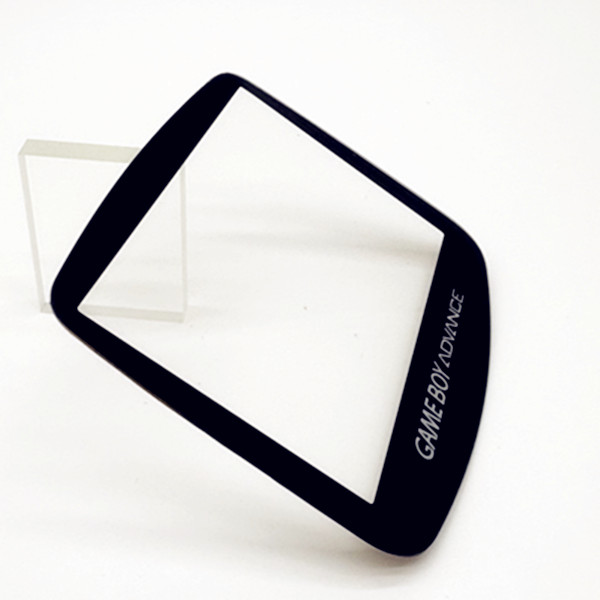
Custom Premium Gorilla Tempered Silk-Screen Printed Glass for OLED Screens
Gorilla-grade alkali-aluminosilicate glass with precise silk-screen printing and optional AR coating. Ideal for OLED covers, touch panels and branded display windows.

0.3mm ~ 2mm Dichroic Glass Mirror for Gobos
Thin-film dichroic interference coating separates color and manages heat in stage, studio and architectural lighting. Custom size, wavelength target and coating design can be reviewed.
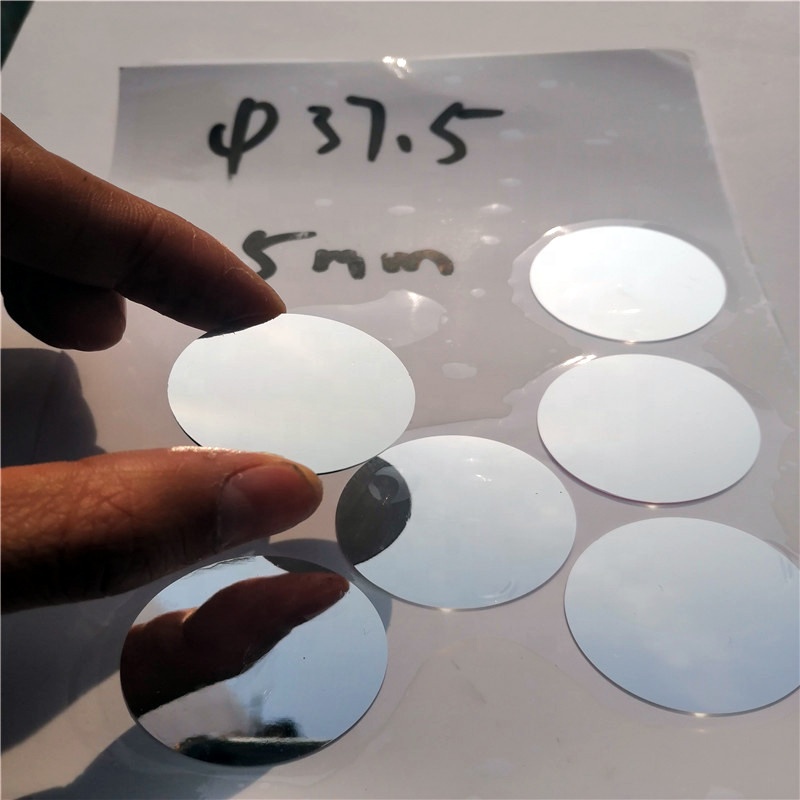
OEM Custom Heat Resistant Gobo Glass Lens
Heat-resistant gobo lens for projection, architectural spotlights and high-power LED fixtures. Low-expansion substrate selection helps resist thermal shock during long duty cycles.
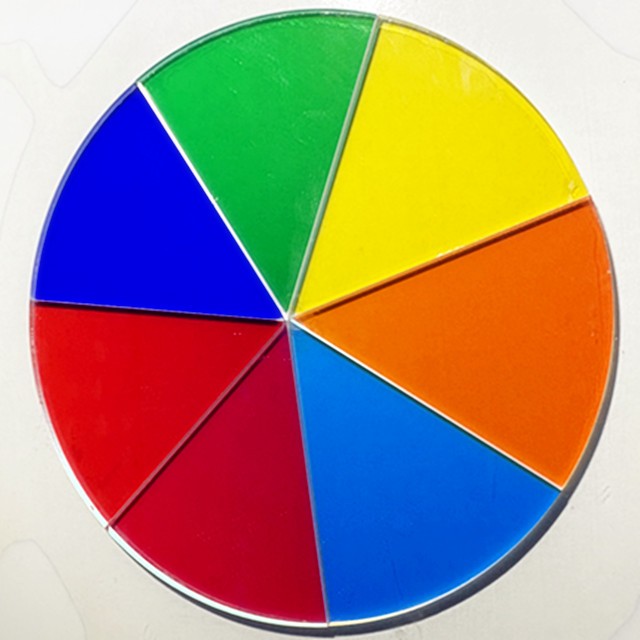
Factory Customization Dichroic Glass Gobo Glass
Factory-customized dichroic gobo glass for short-run stage effects, logo gobos and architectural light shaping. Review laser cutting, coating uniformity and high-temperature use.

Custom Shaped Tempered Glass Window Panels with Screen Printing
CNC-shaped tempered window panels with high transparency and screen-printed borders, icons or dead-front windows. Suitable for appliances, automotive trims and HMI covers.
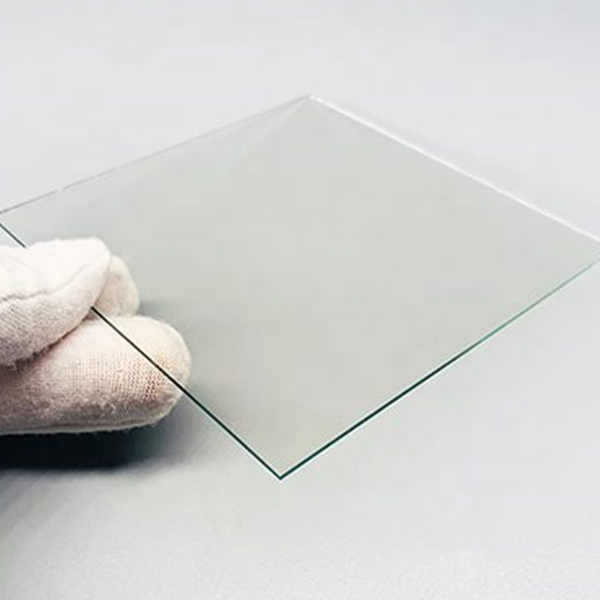
ITO Conducting Glass, ITO Coated Glass, ITO Glass
Transparent conductive ITO glass for touch sensors, display electrodes, OLED-related structures and sensing devices. Specify sheet resistance, pattern, glass thickness and coating side.

Custom 0.3mm / 0.5mm / 0.7mm Heat Resistant Gobo Glass Blanks for Projector
Heat-resistant gobo blanks for projector and lighting OEMs. Available for coating, laser processing and prototype-to-production projects where thickness consistency is critical.
Not sure which substrate fits your drawing? Send the application, outline dimensions, tolerance, edge finish, coating side, print reference and annual volume. Engineering feedback can prevent a costly second tooling cycle.
Send an InquiryWhy “Top 10 Precision Glass Supplier & Wholesaler” Should Be Read as a Risk Map
Procurement teams search for a precision glass supplier when they need more than a piece price. They need a repeatable material system, a compliant drawing review, stable coating and printing, and export packing that protects thin glass across continents.
The phrase “Top 10” is useful only when it maps to ten evidence layers. A low unit price can disappear quickly when scratches, edge chips, coating pinholes, print misregistration, thermal shock or dimensional drift create rework. For OEM buyers, the real comparison is total landed quality cost: purchase price plus incoming inspection, scrap, rework, line stoppage, expedited freight and brand risk.
This guide is not a paid ranking. It is a buyer-centric shortlist framework built around the questions that determine whether a precision glass wholesaler can support a repeatable program: raw material traceability, in-house cutting and grinding, strengthening method, optical coating control, silk-screen printing, inspection data, export protection and transparent trading records. The eight product cards above give a practical starting point for RFQ review; the sections below explain how to compare suppliers, what is changing in procurement, and which product trends deserve a place in your next specification.
The 10-Point Precision Glass Supplier & Wholesaler Evaluation List
Score each criterion from 1 to 5. A supplier that cannot provide evidence for traceability, edge quality and coating control is a higher-risk source, even if the quotation looks attractive.
1. Material Traceability
Can the supplier identify the raw glass source, grade and batch? Traceable Eagle XG, borosilicate 3.3, Gorilla and soda-lime inputs reduce hidden optical and thermal risk.
2. In-House Machining
Laser cutting, CNC carving, ultrasonic drilling, grinding and chamfering should be controlled under one quality system. Too many hand-offs increase chip and tolerance risk.
3. Strengthening Fit
Thermal tempering suits thicker panels; ion exchange suits 0.15–2 mm thin cover glass. Cutting and drilling must be finished before strengthening because glass cannot be re-cut.
4. Optical Coating Control
For AR and dichroic glass, specify coating side, target transmission, haze, color shift and environmental durability. Incoming inspection should include coating uniformity, not just visual gloss.
5. Precision Printing
Silk-screen printed borders, logos, icon windows and dead-front effects depend on ink adhesion, registration and masking. Pantone references and artwork files should be locked before production.
6. Metrology & Inspection
Ask how size, thickness, flatness, edge quality and visual defects are measured. A good supplier can show inspection criteria before mass production, not only after problems appear.
7. Sampling & Engineering Feedback
The best wholesaler challenges tolerances, material choice and edge design before tooling. A fast, specific DFM response often saves more money than a small per-piece discount.
8. Export Packing
Thin glass needs interleaved, cushioned and edge-protected packing. Request the packing method for samples and mass production, especially for long-distance air or sea freight.
9. Transparent Trade Records
Supplier assessment, transaction level, trade capacity and buyer reviews are useful context. Use them as verification inputs, then confirm current capabilities directly with the engineering team.
10. Application Portfolio
A true precision glass wholesaler should cover displays, lighting, biotech, semiconductor and optical communication. Portfolio depth reveals whether your application is routine or an exception.
Which Precision Glass Product Should You Review First?
Start from the failure mode you cannot accept. Optical loss, edge chipping, thermal shock, print alignment and conductivity each point to a different glass specification.
Displays, Appliances & HMI
For touch covers, OLED windows, smart-home panels and automotive trims, begin with ultra-thin chemically strengthened glass, Gorilla glass, shaped printed glass and AR-coated panels.
- Chemical strengthening for thin formats
- AR coating to reduce reflections
- Silk-screen borders and dead-front windows
Stage, Studio & LED Lighting
For gobos, color effects and projection lenses, compare dichroic mirrors, heat-resistant gobo lenses and 0.3–0.7 mm blanks. Thermal stability matters more than ordinary soda-lime strength.
- Dichroic color separation
- Low-expansion substrates
- Prototype-friendly gobo quantities
Biotech, Semiconductor & Optics
For biochips, analyzer filters, wafers, PLC substrates and precision optical parts, low-CTE Eagle XG and borosilicate 3.3 are often stronger starting points than soda-lime glass.
- Alkali-free Eagle XG substrates
- Borosilicate 3.3 for thermal shock
- ITO glass for conductive sensor layers
Future Procurement Trends in Precision Glass
The next sourcing cycle will reward buyers who evaluate supplier systems, not only quotations. These six shifts are already visible in display, lighting, biotech and semiconductor supply chains.
1. Dual-Source, Single-Spec Strategy
Buyers are consolidating specifications while keeping a verified second source. The goal is not simply lower price; it is continuity when coating capacity, freight or raw glass availability changes.
2. Evidence-Based Traceability
Material certificates, batch identification and inspection records are becoming part of the RFQ package. For optical and biotech parts, traceability supports faster root-cause analysis and audit readiness.
3. Total Landed Cost Models
Thin glass failures are expensive. More procurement teams now compare scrap rate, incoming inspection time, rework cost and freight protection alongside the quoted piece price.
4. High-Mix, Lower-Volume Customization
OEM product cycles are shortening. Suppliers that can support sample evaluation, mixed sizes and stable engineering communication are gaining preference over purely high-volume commodity sources.
5. Integrated Coating & Printing
AR coating, silk-screen printing and glass shaping are moving into one controlled process flow. This reduces handling damage and makes it easier to hold print registration and optical acceptance criteria.
6. Supply-Chain Risk Planning
Export packing, documentation, replacement-part logistics and communication response time are now part of supplier evaluation. A fragile precision part needs a supply chain designed around its failure modes.
Precision Glass Product Trends Buyers Should Specify Now
These trends are not cosmetic. They change thickness, coating, printing, conductivity and substrate requirements — and should be reflected in the drawing and acceptance criteria.
1. Ultra-Thin Strengthened Covers
Ion-exchange strengthens 0.15–2 mm glass without the optical distortion risk of thicker thermal tempering. Demand is rising for sensor windows, portable devices and slim HMI panels.
2. Low-Reflection AR Displays
AR coatings are moving into more display and instrument applications. Buyers should specify transmission target, haze, coating sides and environmental durability instead of simply saying “AR glass”.
3. Dead-Front Printed Panels
Printed glass hides icons and indicators until backlit. This increases demand for precise ink windows, tight print registration and optical consistency across production batches.
4. Dichroic Optics for High-Power Lighting
Dichroic gobo glass and heat-resistant blanks are becoming more important as lighting systems increase power density. Thin-film design and substrate selection directly affect color and durability.
5. ITO Conducting Glass for Sensors
Touch sensors, transparent electrodes and sensing structures rely on stable ITO coating. Sheet resistance, pattern resolution and glass flatness should be agreed before quoting.
6. Low-CTE Substrates for Advanced Devices
Boro-aluminosilicate Eagle XG and borosilicate 3.3 are increasingly specified where thermal expansion, chemical stability or dimensional stability matter more than ordinary glass cost.
Material Selection Matrix for Precision Glass RFQs
Use this preliminary matrix to align the substrate with the failure mode. Final values must be confirmed against the supplier’s current datasheet and your drawing.
CTE ≈ 9.0 ×10⁻⁶/K. Broad availability, good clarity and cost efficiency for printed covers and AR panels.
Best for: appliance panels, display windows, general cover glass.CTE roughly 7.5–8.5 ×10⁻⁶/K. Scratch resistance and damage tolerance suit touch surfaces and branded display covers.
Best for: OLED covers, touch displays, premium printed glass.CTE 3.3 ×10⁻⁶/K. Around one-third of soda-lime expansion, giving far better thermal-shock resistance.
Best for: gobo blanks, heat-resistant windows, lab and lighting glass.CTE ≈ 3.2 ×10⁻⁶/K. Alkali-free boro-aluminosilicate with fusion-formed flatness and dimensional stability.
Best for: biochips, analyzer filters, wafers and PLC substrates.CTE depends on base glass. Ion exchange improves surface strength while maintaining thinness, flatness and optical clarity.
Best for: ultra-thin protectors, sensor covers and slim displays.Why Fevry Glass Fits a Precision Glass Wholesale Program
Fevry Glass Co., Ltd. is a specialty glass supplier based in Xinyu, Jiangxi, China, serving optical, biological, semiconductor, communications, lighting and electronics customers with custom-processed glass.
Fevry works from raw glass sourced through Corning, AGC and established Chinese optical-glass makers such as Chengdu Guangming and Xinhuguang. That material-first approach matters for buyers who need traceable, consistent input rather than anonymous sheet glass. Processing is supported by laser, ultrasonic, CNC carving, grinding and inspection equipment imported from the USA, Germany and Japan.
The portfolio covers Eagle XG, borosilicate and transparent ceramic glass, semiconductor wafers, biochip glass, PLC substrates and V-groove glass, film and stage lighting color lenses, LED filament and optical coating glass, plus 0.15 mm and 0.2 mm ultra-thin protector glass. For custom projects, the team can combine cutting, strengthening, AR or dichroic coating, silk-screen printing, back painting and dimensional inspection under one supplier relationship.
Traceable Material Inputs
Raw glass from recognized producers and optical-glass partners helps keep refractive, thermal and mechanical behavior predictable across repeat orders.
Integrated Processing
Laser cutting, CNC shaping, thermal or chemical strengthening, coating, printing, painting and inspection reduce hand-off risk between vendors.
Application Engineering
Support for displays, lighting, biotech, semiconductor and optical communication applications — with material and process advice before sampling.
Export-Ready Service
Public trade records, a 5.0 / 5 buyer rating, fast response and packing designed for fragile thin glass support global OEM purchasing teams.
Use a Supplier That Can Discuss the Drawing, Not Just the Price
Share your 2D drawing, thickness, material, edge finish, strengthening method, print colors, AR coating sides, application and annual quantity for a more useful technical response.
From Drawing to Delivery: The 5-Step Precision Glass Workflow
A clear process reduces the gap between a promising sample and a repeatable mass-production order.
Share the Drawing
Send DWG, DXF or PDF files with outline dimensions, tolerances, holes, notches, edge finish, thickness and material preference.
Engineering Review
Confirm manufacturability, recommend substrate and process, and flag specification points that may affect yield or optical performance.
Sample Approval
Validate fit, color matching, coating appearance, print alignment and edge quality before committing to mass production.
Production & Inspection
Process with dimensional and visual quality checks, then review acceptance criteria against the approved sample and drawing.
Export Packing
Use interleaved, cushioned and edge-protected packing for fragile thin glass, with export documentation prepared for the destination market.
Precision Glass Procurement FAQ
Technical answers for engineers and sourcing managers comparing custom glass suppliers.
Should I choose chemically strengthened or thermally tempered glass?
Thermal tempering is normally best for glass around 3 mm and thicker. For ultra-thin cover glass from 0.15 mm to about 2 mm, chemical strengthening by ion exchange raises surface strength while keeping the sheet flat and optically clean. In both cases, cutting, drilling and edge grinding must be completed before strengthening because the glass cannot be re-cut afterwards.
When is borosilicate 3.3 better than soda-lime glass?
Borosilicate 3.3 has a thermal expansion coefficient of about 3.3 × 10⁻⁶/K, roughly one-third that of soda-lime glass. It therefore tolerates rapid temperature changes far better. It is a strong choice for lighting covers, heat-resistant windows, gobo blanks, laboratory glass and instrument glass where thermal shock or chemical exposure is expected.
Why is Corning Eagle XG used for biochips, wafers and PLC substrates?
Eagle XG is an alkali-free boro-aluminosilicate glass with low thermal expansion and a fusion-formed surface. That combination provides excellent flatness and dimensional stability, which supports micro-patterning, bonding and precise optical alignment in biotech, semiconductor and optical communication applications.
What is the minimum order quantity for custom precision glass?
Most custom cover glass and AR glass items start from around 300 to 500 pieces. Some custom-cut Eagle XG parts start from 1,000 pieces, while selected gobo glass blanks can start from as few as 10 pieces. Samples can be arranged to validate fit and optical performance before mass production.
What information do you need to evaluate a custom glass project?
Please send a 2D drawing in DWG, DXF or PDF with outline dimensions and tolerances, thickness, glass material, edge finish, hole and notch positions, strengthening method, print colors with Pantone references, AR coating side or sides, end application and annual quantity. Complete information helps the engineering team respond with a firm recommendation in fewer rounds.
How should I specify AR coating and silk-screen printing?
For AR coating, define coating side or sides, target transmission, acceptable haze, color neutrality and durability requirements. For silk-screen printing, provide vector artwork, Pantone colors, print area, ink opacity, window tolerances and whether the design requires dead-front masking. These details protect both optical appearance and production yield.
How is thin precision glass protected during export packing?
Thin glass should be interleaved, cushioned and edge-protected to reduce abrasion, chipping and flexural stress. The packing method should be reviewed for the chosen shipping mode, especially for long-distance air freight or less-than-container sea freight. Ask for a sample packing review before the first mass-production shipment.
Which markets does Fevry Glass export to?
Fevry Glass serves customers in China and exports to Western Europe, the United States, Japan, South Korea, Taiwan, Hong Kong and Southeast Asia. Export packing and documentation are adapted to fragile precision glass parts.
Turn Your Drawing Into a Quotable Precision Glass Specification
Send your material, thickness, tolerance, edge finish, coating, printing and annual demand. Our team can review the application and recommend the most suitable substrate and process route.
Precision glass sourcing guide for OEM buyers: custom tempered glass, AR coated glass, borosilicate 3.3, Corning Eagle XG, ITO conducting glass, silk-screen printed glass and heat-resistant gobo optics.