8 Industrial Glass Products Recommended for Custom OEM Programs
These eight product families cover the most common industrial glass inquiries: lighting optics, display cover glass, electronic device windows, low-iron tempered glass, alkali-free borosilicate, AR-coated glass and heat-resistant gobo blanks. Product images and original URLs are preserved below.
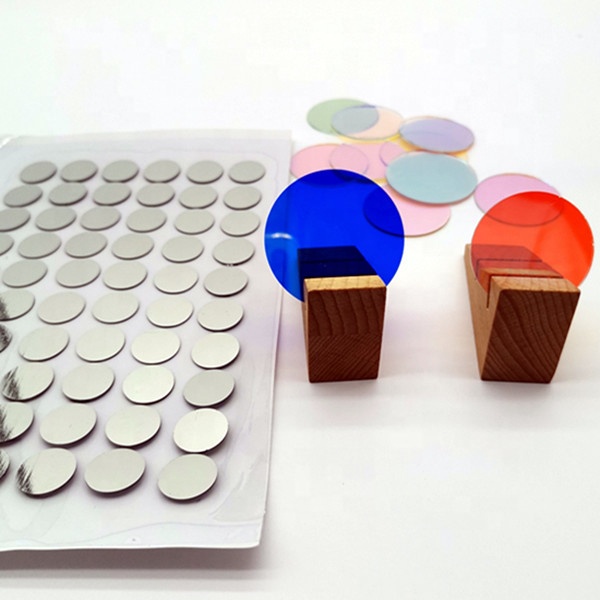
0.2mm 0.3mm 0.4mm 0.5mm 0.7mm 1.0mm 2mm Heat Resistant Gobo Glass Blanks
Ultra-thin heat-resistant blanks for projection, stage lighting, gobo patterns and high-temperature optical assemblies.
View product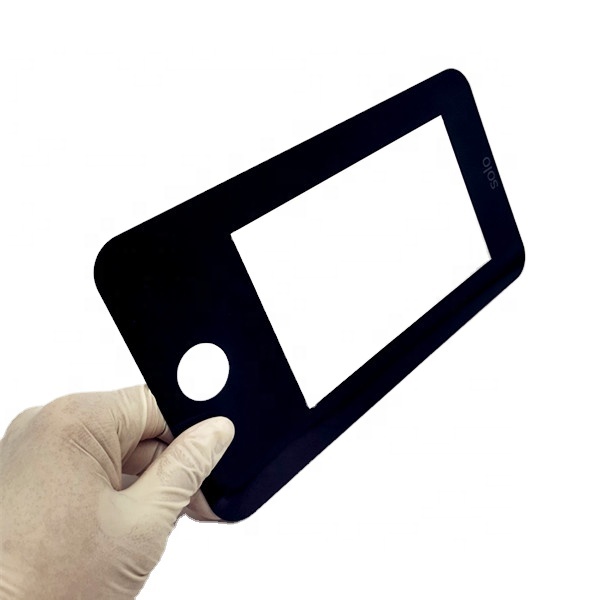
Manufacturer OEM Wholesale Custom Unbreakable Tempered Glass, High Quality Tempered Glass, Low Iron Tempered Glass Manufacturer
Low-iron tempered glass for display protection, appliance panels and industrial windows requiring clarity and strength.
View product
0.3mm ~ 2mm Dichroic Glass Mirror for Gobos
Dichroic coated glass mirrors for stage lighting, color separation, projection optics and decorative optical effects.
View product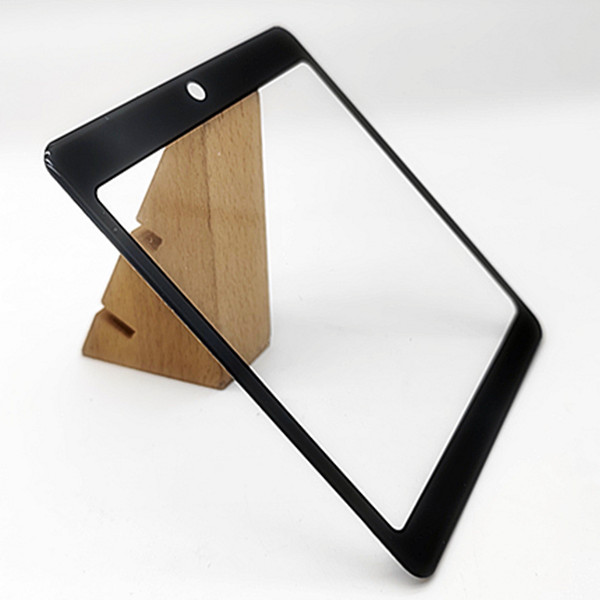
Ultra Clear Gorilla Glass Panel with Silk Screen Printing for Electronic Device
Scratch-resistant printed cover glass for electronic devices, control panels, smart home interfaces and HMI windows.
View product
Custom 0.2mm 0.3mm 0.4mm 0.5mm 0.7mm 1mm Alkali Free Borosilicate AF32 Glass
Alkali-free borosilicate glass for heat-resistant windows, sensor covers, optical components and thin substrate applications.
View product
Customized Tempered Anti-Reflective Glass AR Coated Tempered Glass
AR-coated tempered glass for display windows, touch panels and instruments where glare and reflection must be controlled.
View product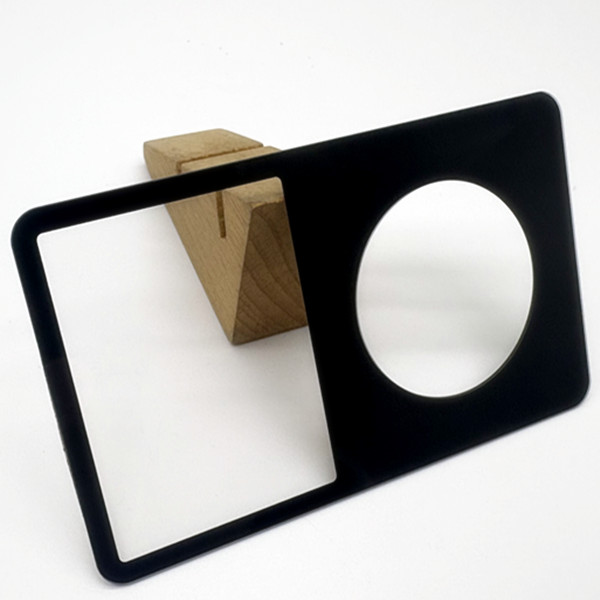
Factory Custom Smart Silkscreen Gorilla Glass Panel Tempered Glass Printing Glass
Custom silk-screen printed Gorilla glass panels for smart devices, appliance control panels and industrial displays.
View product
Custom 0.3mm 0.5mm 0.7mm Heat Resistant Gobo Glass Blanks for Projector
Heat-resistant projector gobo blanks engineered for precise cutting, coating and long-term optical stability.
View productWhat “Top 10 Industrial Glass Manufacturers & Supplier” Really Means for Buyers
In Google, the query “Top 10 Industrial Glass Manufacturers & Supplier” is rarely a request for a decorative listicle. It is a procurement intent signal: an engineer, sourcing manager or product owner wants to identify factories that can cut, strengthen, coat, print and inspect technical glass to a drawing, then export it safely. The searcher may be comparing a manufacturer against a trading company, checking whether a supplier can handle 0.2 mm gobo glass or 3.3 mm borosilicate, or trying to reduce breakage and rejection risk before a new product launch.
Industrial glass is too application-specific for a universal revenue ranking to be useful. A supplier that excels in 0.5 mm chemically strengthened cover glass may be weak in 3.3 mm heat-resistant lighting glass, and a strong wafer supplier may not handle silk-screen printing. A credible Top 10 shortlist should therefore compare capability fit, not just company size. This guide uses a ten-factor scorecard, material selection data, procurement trend analysis and an RFQ checklist to help buyers evaluate industrial glass manufacturers and suppliers with more confidence.
For custom programs, Fevry Glass Co., Ltd. is one supplier to include in the evaluation set. Its public profile describes a specialty glass business in Xinyu, Jiangxi, China, serving optical, biological, semiconductor, communications, lighting and electronics customers. The company positions itself around cut-to-drawing processing rather than commodity sheet sales: laser, CNC, ultrasonic, grinding, strengthening, coating, printing and inspection are presented as an integrated workflow. Buyers should still validate every claim against samples, drawings, third-party records and pilot production data.
Top 10 Industrial Glass Manufacturers & Supplier Scorecard
Use these ten criteria to shortlist industrial glass manufacturers and suppliers. A high score requires documented evidence, not only a catalog or a sales presentation.
Material Depth
Can the supplier source soda-lime, borosilicate 3.3, Gorilla-type aluminosilicate, Corning Eagle XG, glass wafers and heat-resistant lighting glass with traceable batch data?
Cut-to-Drawing Skill
Check CNC, laser and ultrasonic capability for outlines, holes, notches, slots and edge finishing. Ask for first-article reports on comparable parts.
Strengthening Fit
Thermal tempering suits thicker panels; chemical strengthening is normally used for 0.15–2 mm thin glass. The supplier should recommend the process by application and thickness.
Optical Coating Control
AR, dichroic and filter coatings require repeatable transmission and adhesion. Request coating side, target wavelength, reflectance and environmental test data.
Printing Accuracy
Silk-screen printing and back painting affect appearance, light transmission and sensor windows. Confirm Pantone references, ink thickness and registration tolerance.
Metrology & Data
Dimensional reports, flatness, thickness, edge inspection and visual defect criteria should be supplied with samples and production lots.
Defect Discipline
Industrial buyers need clear acceptance limits for scratches, chips, bubbles, coating pinholes and print voids. Vague “high quality” claims are not enough.
Export Packing
Thin glass fails in transit when edge protection and interleaving are weak. Ask for packing photos, drop-test evidence and fragile-cargo experience.
Engineering Response
Fast feedback matters, but quality of feedback matters more. Good suppliers identify manufacturability risks, tolerance conflicts and alternative materials before quoting.
Commercial Transparency
MOQ, sample fees, lead time, change control, warranty and ESG documentation should be explicit. Public supplier assessment and transaction records add confidence.
Product Recommendation Logic: Match the Glass to the Failure Mode
The best industrial glass supplier does more than quote a thickness. It helps the buyer define the dominant failure mode: thermal shock, impact, scratch, optical loss, chemical exposure, flatness drift or sealing reliability. That failure mode should drive material selection before tooling or sampling begins.
For displays and electronic windows, low-iron tempered glass or Gorilla-type alkali-aluminosilicate glass is often selected for clarity and scratch resistance. For high-power lighting and projector gobos, borosilicate 3.3 or heat-resistant gobo glass is usually more appropriate because lower thermal expansion reduces the risk of cracking under rapid temperature change. For biochips, wafers and PLC substrates, alkali-free Eagle XG glass offers low expansion, good flatness and dimensional stability for micro-patterning and optical alignment.
The product shortlist above maps directly to these decisions: heat-resistant gobo blanks, dichroic mirrors, low-iron tempered glass, Gorilla silk-printed cover glass, AF32 borosilicate, AR-coated tempered glass, smart silkscreen panels and projector gobo glass. Buyers should compare CTE, transmission, surface strength, print durability and edge quality against the actual use environment — not simply choose the lowest unit price.
- Thermal shock risk: compare CTE before specifying tempered soda-lime.
- Scratch risk: evaluate surface strength and hardness for touch surfaces.
- Glare risk: define AR coating side, reflectance target and transmission.
- Sealing risk: confirm flatness, thickness tolerance and surface cleanliness.
- Print risk: validate ink adhesion, color and window alignment.
- Breakage risk: review edge quality and export packing method.
Typical CTE Comparison for Preliminary Material Selection
Lower CTE generally improves thermal-shock resistance. Values are typical industry figures for early screening only.
CTE unit: ×10⁻⁶/K. Final selection must be confirmed against the manufacturer datasheet and application testing.
Future Industrial Glass Procurement Trends, 2025–2030
Industrial glass purchasing is moving from “buy a sheet” to “qualify a process.” These trends are reshaping supplier shortlists for OEMs in displays, lighting, semiconductors, biotech and optical communications.
Dual Sourcing by Application
Buyers are qualifying two suppliers for critical glass parts, but not necessarily two suppliers of the same material. The better strategy is to split by process risk: one for coating, one for strengthening or printing.
Total Cost of Ownership
Low piece price can hide high breakage, rework and inspection cost. Procurement teams increasingly compare landed cost, yield rate, packing quality and engineering response time.
Traceability and Certificates
Material origin, batch, coating side, strengthening status and inspection data are becoming part of the purchase specification, especially for medical, automotive and semiconductor supply chains.
Small-Batch Customization
Product lifecycles are shorter, so buyers need faster sampling for printed windows, AR glass and shaped panels. Suppliers with digital drawings, rapid CNC setup and modular packing have an advantage.
Remote Quality Verification
High-resolution photos, video inspection, dimensional reports and remote audit calls now supplement onsite supplier visits. This is especially useful for custom cover glass and coated optics.
ESG and Packaging
Energy use, glass waste, coating chemicals and recyclable packaging are entering RFQ discussions. Suppliers that can document cleaner processes and safer fragile packing will win more long-term programs.
Industrial Glass Product Development Trends
New product designs are pushing glass suppliers toward thinner substrates, multifunctional coatings and tighter integration with the display, lighting or sensor assembly.
Thinner, Stronger Cover Glass
Demand is growing for 0.15–1.1 mm chemically strengthened glass in sensors, wearables and compact displays. Ion-exchange strengthening must be balanced against flatness, edge quality and optical clarity.
Multifunctional Optical Coatings
AR, anti-glare, anti-fingerprint and hard-coat layers are increasingly combined on one surface. The supplier must control adhesion, haze, transmission and environmental durability across the stack.
Printed Glass as an HMI Component
Silk-screen printed glass is becoming an interface component with icon windows, hidden sensor zones, black borders and localized optical inks. Print registration and ink durability matter as much as glass strength.
Low-CTE Substrates for Bio and Semiconductor
Eagle XG, borosilicate and glass wafer products continue to expand in biochips, MEMS, PLC substrates and packaging carriers. Flatness, alkali content and surface defect density are key qualification points.
Heat-Resistant Lighting Optics
Higher-power LEDs, laser projectors and stage lighting require gobo blanks, dichroic mirrors and window glass that resist thermal cycling. Borosilicate and specially selected heat-resistant glass remain central.
Glass Wafers and Advanced Packaging
Glass wafers are gaining attention for RF, MEMS and advanced packaging because of dimensional stability, electrical insulation and availability in round or square formats. Suppliers must control TTV and surface quality.



How Fevry Glass Supports Industrial Glass Buyers
Fevry Glass Co., Ltd. is a specialty glass company based in Xinyu, Jiangxi, China. Its public company information emphasizes hands-on experience with optical, biological, semiconductor, communications, lighting and electronics customers. For buyers, that application breadth matters because industrial glass projects often combine material selection, precision machining, coating, printing and export packing in one purchase order.
The company states that it sources raw glass from Corning, AGC and other multinational producers and works with established Chinese optical-glass makers such as Chengdu Guangming and Xinhuguang. This matters for traceability: every project should start from consistent, identifiable material rather than an unspecified sheet. Its technicians process glass on laser, ultrasonic, CNC carving, grinding and inspection equipment imported from the USA, Germany and Japan.
Capability coverage includes semiconductor wafers and biochip glass, PLC substrates and optical V-groove glass, film and stage lighting color lenses, LED filament and optical coating glass, plus 0.15 mm and 0.2 mm ultra-thin protector glass. For custom cover glass, AR-coated panels, printed Gorilla glass and heat-resistant gobo blanks, the practical advantage is fewer hand-offs between cutting, strengthening, coating, printing and final inspection.
Corning®, Gorilla® and Eagle XG® are trademarks of Corning Incorporated, used for material identification only.
RFQ Checklist for Industrial Glass Manufacturers & Suppliers
A supplier’s quality system is only as good as the information exchanged before production. This checklist helps procurement and engineering teams ask for the right evidence in the first round.
| RFQ Input | Why It Matters | Evidence to Request |
|---|---|---|
| 2D drawing and tolerance stack | Defines outline, holes, notches, edge finish and fit with the housing or display module. | DWG, DXF or PDF plus first-article dimensional report on a comparable part. |
| Material, thickness and application | Drives thermal shock resistance, optical transmission, strength and weight. | Datasheet, batch traceability and recommendation for thermal versus chemical strengthening. |
| AR or dichroic coating specification | Controls reflection, transmission, color and durability in display or lighting systems. | Coating side, target wavelength or reflectance, adhesion test and environmental test data. |
| Print artwork and color reference | Affects appearance, icon clarity, sensor windows and brand consistency. | Pantone references, ink thickness, registration tolerance and sample photo under controlled light. |
| Edge quality and strengthening route | Poor edges cause breakage during handling, packing and end use. Strengthening must occur after machining. | Edge profile photos, chip limits and confirmation that all cutting and drilling precede strengthening. |
| Annual volume and change control | Connects MOQ, tooling, sampling and long-term supply stability. | MOQ by material, sample lead time, mass-production lead time and written change-notification process. |
| Export packing requirement | Thin and coated glass can fail in transit despite passing inspection. | Packing drawing, interleaf material, cushioning method, carton test and fragile-cargo photos. |
A complete RFQ package usually produces a faster, more accurate quotation and reduces repeated sampling. For custom projects, include the end application, expected annual quantity and any reliability test standard in the first message.
FAQ: Industrial Glass Manufacturers & Supplier Selection
These are the questions engineers and sourcing managers ask most often when comparing custom glass suppliers for displays, lighting, optics, biotech and semiconductor applications.
If you already have a drawing, include material, thickness, tolerance, coating side, print colors, strengthening requirement and annual volume in the first inquiry.
Get a QuoteHow do I compare industrial glass manufacturers fairly?
Compare them against the same application-specific scorecard: material traceability, cut-to-drawing capability, strengthening route, coating control, printing accuracy, metrology, defect limits, export packing and engineering response. Do not rank suppliers on company size alone. A smaller specialty factory may be stronger for 0.2 mm gobo glass or printed Gorilla panels, while a larger supplier may be better for high-volume standard cover glass.
Should I choose thermal tempering or chemical strengthening?
Thermal tempering is usually selected for glass around 3 mm and thicker, especially where the part is not ultra-thin and the design allows full tempering. For 0.15–2 mm cover glass, chemical strengthening through ion exchange is commonly used because it raises surface strength while maintaining flatness and optical quality. Cutting, drilling and edge grinding must be completed before strengthening because the glass cannot be reworked afterward without losing strength.
When is borosilicate 3.3 better than soda-lime glass?
Borosilicate 3.3 has a much lower coefficient of thermal expansion than soda-lime glass, so it tolerates rapid temperature changes better. It is often preferred for heat-resistant windows, gobo blanks, stage lighting optics, laboratory glass and instrument components. Soda-lime glass may remain cost-effective for display cover glass and general windows when thermal shock is not a major risk.
Why is Corning Eagle XG used for biochips, wafers and PLC substrates?
Eagle XG is an alkali-free boro-aluminosilicate glass with low thermal expansion and a fusion-formed surface that supports flatness and dimensional stability. Those properties are useful for micro-patterning, bonding, optical alignment and precision substrates. Buyers should still confirm thickness, surface quality, flatness and cleaning requirements against the specific process.
What MOQ and lead time should I expect for custom industrial glass?
MOQ depends on material and process. Custom cover glass and AR glass programs often start around 300–500 pieces, while selected gobo or dichroic glass items may start from smaller quantities. Eagle XG cut parts can require higher volumes because of material handling and cutting yield. Lead time is driven by sampling, coating, printing, strengthening and packing; always ask for sample lead time separately from mass-production lead time.
How can I reduce breakage risk during export shipping?
Specify edge protection, interleaving paper or film, cushioned corners, moisture protection and carton strength. Request packing photos before shipment and, for critical parts, a packing drawing approved during sampling. Thin glass and large panels are especially sensitive to edge chips and point loads, so the packing method should be treated as part of the product specification.
What information should be included in the first inquiry?
Send a 2D drawing in DWG, DXF or PDF; material and thickness; outline dimensions and tolerances; edge finish; hole and notch positions; strengthening method; print colors with Pantone references; AR coating side and optical target; end application; annual quantity; and any reliability or inspection standard. Complete information reduces quotation cycles and helps the supplier flag manufacturability risks early.
Send Your Drawing, Target Volume and Application
Share your material, thickness, tolerance, coating, printing and packing requirements. A complete brief helps engineering teams recommend the right industrial glass process and reduce sampling cycles.