Recommended Float-Glass-Based Components for Global Buyers
Float glass is the starting platform; the finishing process decides whether a part survives drop tests, thermal cycling, optical inspection and end-user handling. The eight products below represent the custom capabilities most often requested by export buyers.
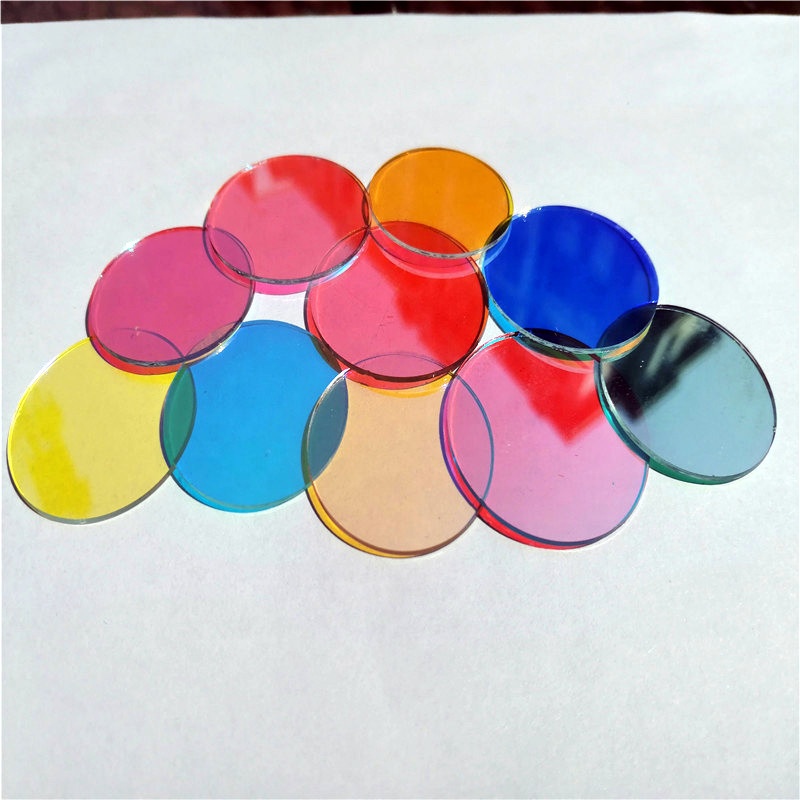
Customize logo Color Glass Gobo Glass
Heat-resistant gobo blanks with custom logo, pattern and color options for stage, studio and architectural lighting.
View product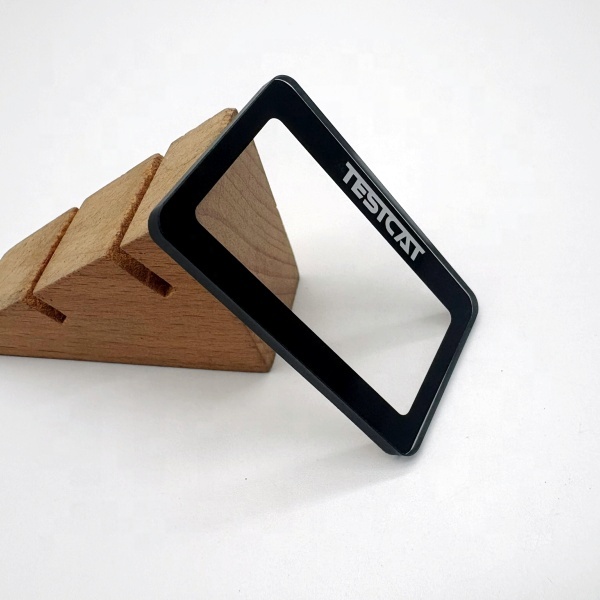
Custom Gorilla Glass Panel Tempered Glass Display Window Silk Screen Printing for LCD Display
Strengthened Gorilla glass display windows with printed borders, icon windows and LCD protection.
View product
Custom Shape High Transmittance Ultra Clear Tempered Glass Panel With Anti-reflective Coating on Two Sides
Low-iron tempered glass with double-sided AR coating for high-clarity displays, instruments and optical windows.
View product
Back Painted Tempered Glass Led Glass Panel Cover Glass
Printed LED cover panels with uniform back painting, clean edges and stable color appearance.
View product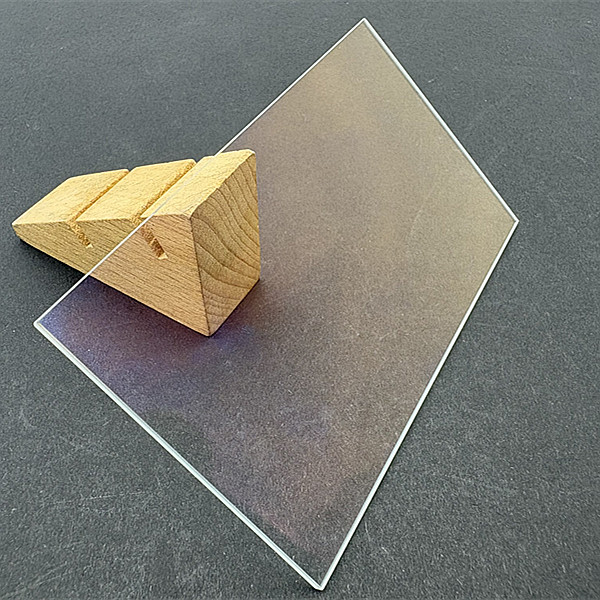
Customized Tempered Anti-Reflective Glass AR Coated Tempered Glass
AR-coated tempered panels engineered to reduce glare while retaining mechanical strength.
View product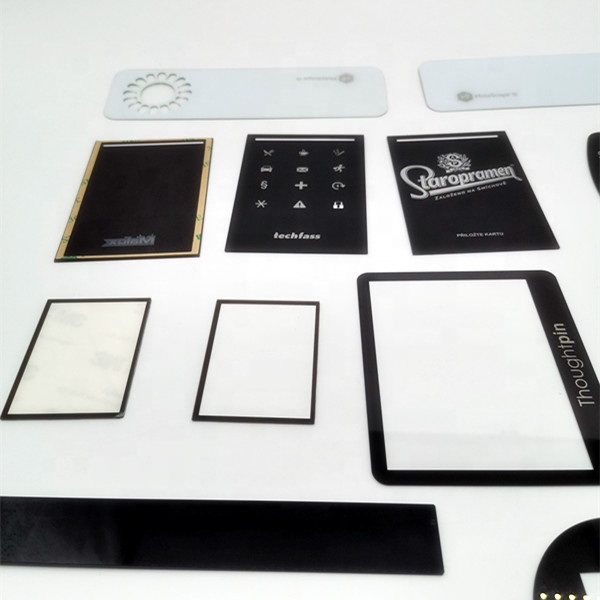
Custom Display Screen Silk Screen Printing Tempered Gorilla Glass
Scratch-resistant display glass with Pantone-matched printing and precise registration.
View product
Custom Black Border Tempered Glass Panels Silk Screen Print Tempered Glass
Black border tempered panels for smart-home controls, appliances and industrial displays.
View product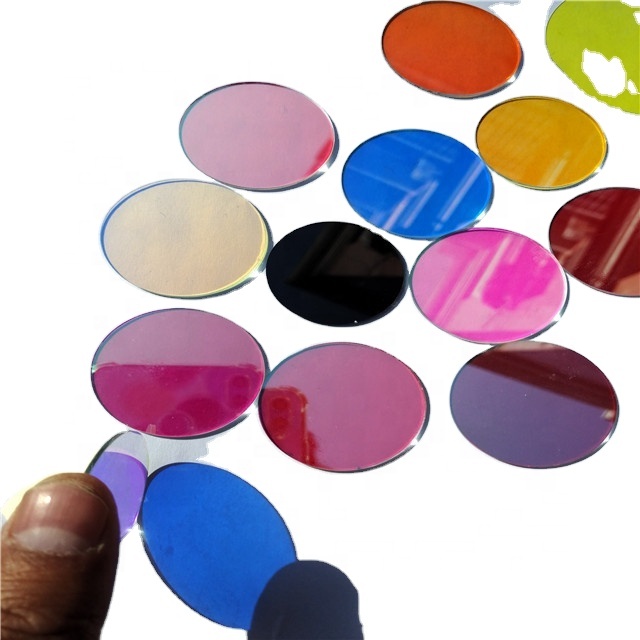
Heat Resistant Borosilicate 3.3 Dichroic Glass Filter
Low-expansion borosilicate substrates with dichroic coating for lighting and optical filtering.
View productWhy Float-Glass Buyers Shortlist Fevry Glass
The search phrase Top 10 Float Glass Manufacturer & Exporter usually signals a shortlist decision, not a request for a commodity quotation. Buyers need a supplier who can control substrate selection, cutting, strengthening, coating, printing, inspection and export packing. Fevry Glass Co., Ltd., based in Xinyu, Jiangxi, China, is a specialty glass company that converts float glass and technical substrates into drawing-controlled components. For buyers, the distinction matters: float glass quality sets the base, while downstream processing determines fitness for use.
Traceable Material Access
Raw glass is sourced from Corning, AGC and established Chinese optical-glass makers such as Chengdu Guangming and Xinhuguang, giving engineering teams a documented starting point for material review.
In-House Processing Depth
Laser, ultrasonic, CNC carving, grinding and inspection equipment imported from the USA, Germany and Japan supports custom outlines, holes, notches, edges and tolerances from one accountable source.
Optical, Print & Strengthening Control
Thermal tempering, chemical strengthening, single- or double-sided AR coating, dichroic coating, silk-screen printing and back painting are reviewed against the final application, not sold as isolated steps.
Export-Ready Communication
Fevry serves customers in China and exports to Western Europe, the United States, Japan, South Korea, Taiwan, Hong Kong and Southeast Asia, with response times and buyer ratings visible for procurement due diligence.
Top 10 Float Glass Manufacturer & Exporter Benchmarks
No credible shortlist should be built from a single price list. Use these ten benchmarks to compare a float glass manufacturer and exporter — whether you are evaluating Fevry or another custom glass supplier.
Raw Glass Traceability
Confirm the glass source, grade and thickness stock. A low-cost sheet without traceability can erase savings when optical or thermal performance varies between lots.
Thickness & Size Envelope
Check whether the supplier handles the real range, not just one convenient thickness. Fevry works across roughly 0.15–4 mm for custom technical glass parts.
Strengthening Discipline
Thermal tempering suits thicker panels; ion exchange suits 0.15–2 mm thin glass. All cutting, drilling and edge grinding must be completed before strengthening.
Coating Repeatability
Ask for AR side, target transmission, coating durability and inspection method. Double-sided AR on ultra-clear glass is not the same product as a single-side coating.
Print & Back-Paint Precision
Pantone matching, registration, ink adhesion, icon windows and IR-transparent areas need process control. Printed cover glass is a functional part, not decoration.
Inspection & Metrology
Dimensional checks, edge-quality review, flatness and visual defect standards should be agreed before mass production and recorded in the inspection plan.
Engineering Review
A useful supplier flags DFM risks before sampling: minimum hole spacing, edge stress, print tolerance, coating side and packing constraints.
Sample & MOQ Reality
Most custom cover glass and AR glass items start around 300–500 pieces; selected Eagle XG cuts from about 1,000 pieces; some gobo glass blanks can start much lower.
Export Packing
Thin glass demands interleaved, cushioned packing, carton protection and fragile-handling documentation. Breakage in transit is a supplier-quality issue, not a shipping accident.
Buyer Performance Record
Review public response time, response rate, ratings, transaction history and repeat-buyer signals. Fevry’s visible profile includes 10+ years, ≤4h response, 100% response rate and a 5.0/5 buyer rating.
Float Glass Product Development Trends for 2026–2030
The next wave of custom glass demand is being shaped less by raw float capacity and more by integration: thinner parts, stronger surfaces, smarter coatings and printed features that reduce assembly steps.
Thinner, Stronger, Flatter
Ultra-thin chemically strengthened glass from 0.15–2 mm continues to replace plastic and thicker glass in sensor covers, displays and lightweight protective windows.
AR Becomes a Default Requirement
For displays and optical instruments, anti-reflective coating is moving from premium option to baseline expectation, especially on ultra-clear and double-sided AR panels.
Printed Cover Glass With Function
Silk-screen borders, black windows, touch icons and IR-transparent ink areas let one glass part replace several plastic or metal components.
Low-CTE Technical Substrates
Borosilicate 3.3 and alkali-free Eagle XG glass remain central to biochips, wafers, PLC substrates and instruments where dimensional stability matters.
From Lowest Piece Price to Lowest Rejection Rate
Buyers are re-risking, not just re-sourcing.
Procurement teams now evaluate glass on total landed cost: rejection rate, color-match rework, AR coating yield, transit breakage, replacement lead time and documentation quality. A slightly higher unit price can be cheaper when it removes a second inspection station or an urgent air freight replacement.
The second shift is sample-first qualification. Buyers want a drawing review before the sample, a clear sample report after it, and a production inspection plan that matches the approved part. This is especially important for printed cover glass, double-sided AR glass and borosilicate lighting parts where visual acceptance criteria can differ by application.
- Dual-source qualification for critical display and lighting components.
- Formal sampling reports covering dimensions, edges, coating and print.
- Landed-cost comparison that includes breakage and replacement risk.
- Supplier documentation for material source, process route and export packing.
- Faster engineering feedback loops to shorten the drawing-to-sample cycle.
Suggested Buyer Weighting
Illustrative procurement scorecard — adjust weights to your application, not a claim about any supplier’s internal score.
Float Glass, Borosilicate, Gorilla & Eagle XG Selection Guide
Material choice should follow the application first, then the process. The following table condenses the typical properties buyers use during early feasibility review.
| Material | Typical Thickness | CTE (×10⁻⁶/K) | Best-Fit Use | Procurement Note |
|---|---|---|---|---|
| Ultra-clear soda-lime float glass | 0.5–4 mm | ≈9.0 | Cover glass, AR panels, printed windows | Cost-efficient base; confirm iron content and coating side. |
| Gorilla® alkali-aluminosilicate glass | 0.4–2 mm | ≈7.5–8.5 | Scratch-resistant touch and display covers | Best for handled devices; define print and strengthening sequence. |
| Borosilicate 3.3 | 0.3–3.3 mm | 3.3 | Heat-resistant windows, gobo, lab glass | Low thermal expansion; ideal where thermal shock is a risk. |
| Corning® Eagle XG | 0.5–1.1 mm | ≈3.2 | Biochips, wafers, PLC and micro-optics | Alkali-free, flat substrate; plan cutting and cleaning carefully. |
| Chemically strengthened thin glass | 0.15–2 mm | Base-glass dependent | Ultra-thin protectors, sensor covers | Ion exchange after machining; cannot be re-cut after strengthening. |
Values are typical industry figures for preliminary selection. Final specifications are confirmed against the manufacturer datasheet and your approved drawing.
Where Premium Float-Glass Components Perform
Supplied to OEMs, design houses and research teams across Western Europe, the United States, Japan, South Korea, Taiwan, Hong Kong and Southeast Asia.
Displays & Electronics
LCD protection glass, smart-home panels and automotive dashboard trims.
Stage & LED Lighting
Gobo blanks, dichroic color lenses, LED filament glass and heat-resistant covers.
Biotech & Life Science
Biochip substrates, analyzer filters and microscopy-grade glass.
Semiconductor
Glass wafers, carrier substrates and packaging glass with controlled flatness.
Optical Communication
PLC substrate glass and fiber-alignment V-groove glass.
Measuring Instruments
Flat, stable worktable glass for metrology and inspection devices.



A Glass Processor Built for Technical Buyers
Fevry Glass Co., Ltd. is a specialty glass company based in Xinyu, Jiangxi, China. Drawing on years of hands-on work with optical, biological, semiconductor, communications, lighting and electronics customers, we help engineers select the right substrate and turn it into a finished, export-ready part.
We source raw glass from Corning, AGC and other multinational producers and work closely with established Chinese optical-glass makers such as Chengdu Guangming and Xinhuguang — so every project starts from traceable, consistent material. Our technicians process it on laser, ultrasonic, CNC carving, grinding and inspection equipment imported from the USA, Germany and Japan.
- Eagle XG, borosilicate and transparent ceramic glass
- Semiconductor wafers and biochip glass
- PLC substrates and optical V-groove glass
- Film, TV and stage lighting color lenses
- LED filament and optical coating glass
- 0.15 / 0.2 mm ultra-thin protector glass
A Clear Path from Drawing to Export Delivery
Built for procurement teams that need predictable communication, documented samples and fewer surprises between drawing approval and mass production.
Share Your Drawing
Send dimensions, tolerances, material, edge finish, coating side and print details by email.
Engineering Review
We confirm manufacturability and recommend substrate, thickness and processing route.
Sample Approval
Samples validate fit, color matching and optical performance before mass production.
Mass Production
Processing with in-line dimensional and visual quality checks against the approved part.
Export Packing
Interleaved, cushioned packing designed for safe international shipping of fragile thin glass.
Common Procurement Questions for Custom Glass
Technical answers for engineers, sourcing managers and product teams comparing float glass manufacturers and exporters.
Should I choose chemically strengthened or thermally tempered glass?
Thermal tempering works best for glass around 3 mm and thicker. For ultra-thin cover glass from 0.15 mm to about 2 mm, chemical strengthening by ion exchange raises surface strength while keeping the sheet flat and optically clean. In both cases, all cutting, drilling and edge grinding must be completed before strengthening because the glass cannot be re-cut afterwards without losing the strengthened surface.
When is borosilicate 3.3 better than soda-lime float glass?
Borosilicate 3.3 expands only about 3.3 × 10⁻⁶/K — roughly one third of soda-lime glass — so it tolerates rapid temperature changes far better. Choose it for lighting covers, heat-resistant windows, gobo blanks and laboratory or instrument glass where thermal shock or chemical exposure is expected. For ordinary display covers and printed panels, ultra-clear soda-lime float glass is often more cost-effective.
Why is Corning® Eagle XG used for biochips, wafers and PLC substrates?
Eagle XG is an alkali-free boro-aluminosilicate glass with low thermal expansion and a fusion-formed surface. That combination delivers excellent flatness and dimensional stability, which suits micro-patterning, bonding and precise optical alignment. Buyers should still confirm the exact grade, thickness and cleaning requirement with the material datasheet before tooling.
What is your minimum order quantity and sampling path?
Most custom cover glass and AR glass items start from 300 to 500 pieces, some custom-cut Eagle XG parts from about 1,000 pieces, and selected gobo glass blanks from lower quantities. Samples can be arranged to validate fit, print color and optical performance before mass production. MOQ depends on size, material, coating and print complexity, so a drawing review is the fastest way to confirm.
What information do you need to evaluate a custom glass project?
Please send a 2D drawing in DWG, DXF or PDF with outline dimensions and tolerances, thickness, glass material, edge finish, hole and notch positions, strengthening method, print colors with Pantone references, AR coating side or sides, end application and expected annual quantity. Complete information lets our engineers respond with a firm recommendation in one round.
How do you control AR coating and silk-screen print quality?
The approved sample becomes the visual and dimensional reference. Production review covers print registration, color appearance, coating side, surface cleanliness, edge quality and agreed inspection criteria. For AR glass, the buyer should specify the transmission target, substrate, coating side and any durability requirement; for printed glass, provide Pantone references and define which areas must remain transparent.
Which markets does Fevry Glass export to?
Besides customers in China, Fevry regularly ships to Western Europe, the United States, Japan, South Korea, Taiwan, Hong Kong and Southeast Asia. Export packing is designed for fragile thin glass, and documentation can be aligned with the buyer’s inspection and logistics requirements.
How should buyers compare “Top 10” float glass manufacturer and exporter claims?
Compare evidence, not slogans: raw material traceability, thickness range, strengthening method, coating and print control, inspection plan, MOQ, sample quality, export packing, public response history and buyer ratings. A supplier that can show a controlled process from drawing to packing is usually a lower-risk partner than a listing that competes only on unit price.
Have a Drawing? Let’s Engineer Your Glass.
Send specifications for tempered, AR-coated, printed, borosilicate or Eagle XG glass. Our engineers typically reply within 4 hours.