8 Custom Glass Products That Reveal Real Factory Capability
When qualifying an OEM/ODM quartz glass sheet factory, examine how it handles adjacent high-value glass work: ultra-clear cover glass, heat-resistant borosilicate, dichroic filters, AR coatings, printed borders and ultra-thin alkali-free substrates. The eight products below are representative of the processing depth buyers should verify before placing a quartz glass sheet order.
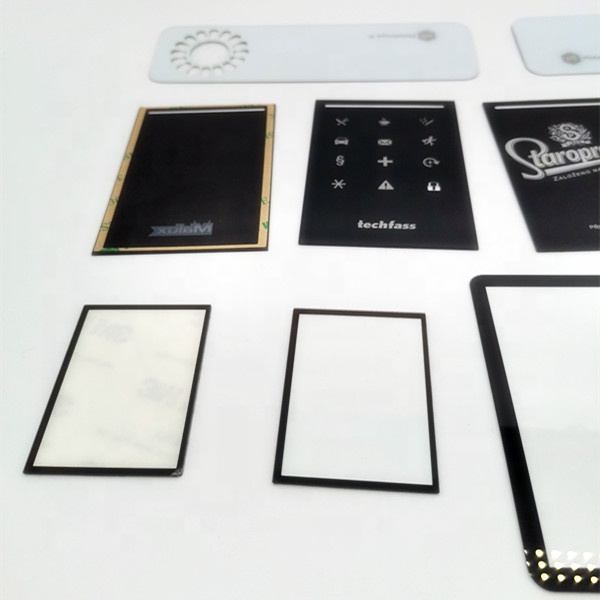
Custom Corning Gorilla Tempered Glass Silk Screen Printing for Touch Screen
Strengthened Gorilla-class cover glass with precise printed graphics for touch interfaces and display windows.
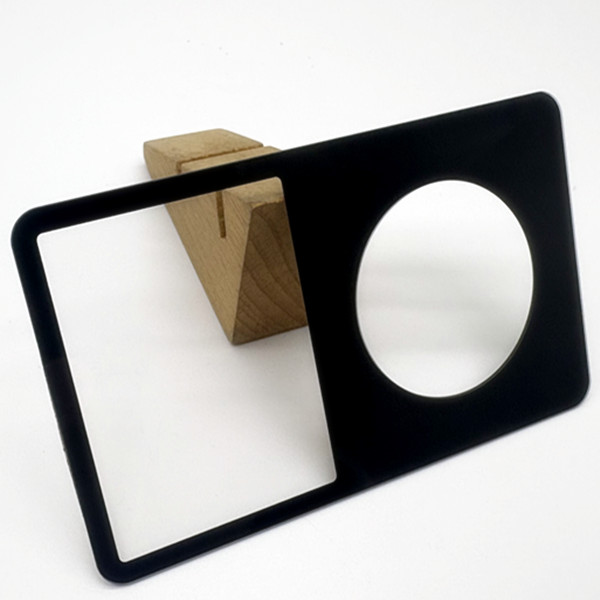
Factory Custom Smart Silkscreen Gorilla Glass Panel Tempered Glass Printing Glass
Smart-device front panel with controlled light transmission, printed icon windows and tempered mechanical strength.
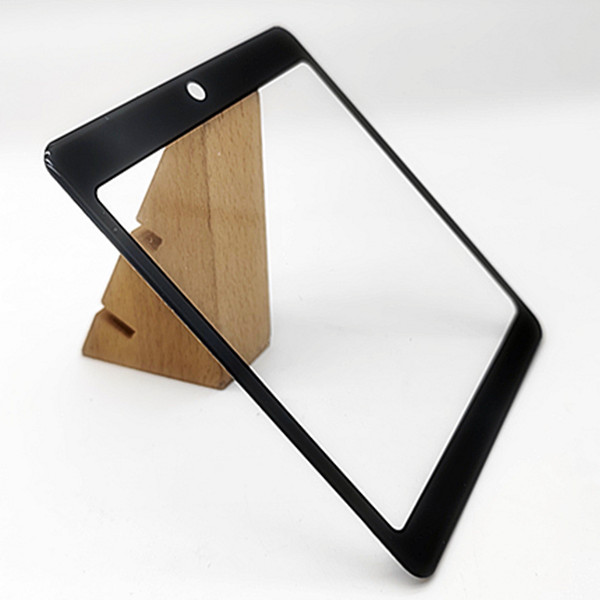
Ultra Clear Gorilla Glass Panel with Silk Screen Printing for Electronic Device
High-clarity electronic-device cover glass with crisp black or colored borders and clean optical appearance.
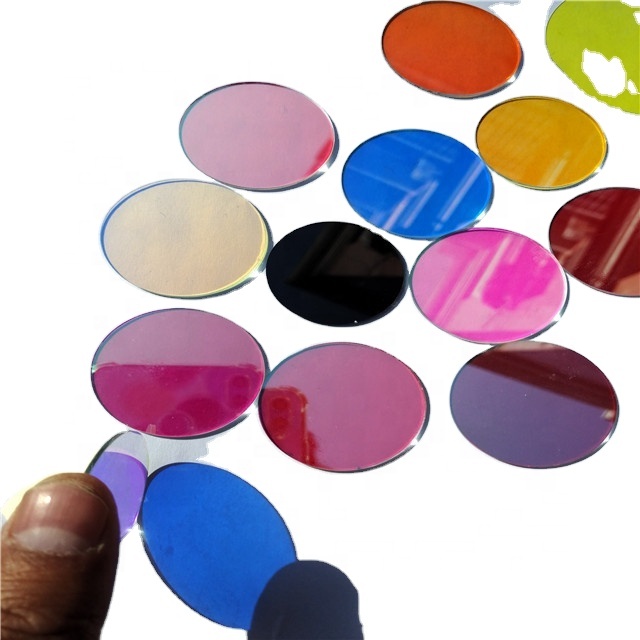
Heat Resistant Borosilicate 3.3 Dichroic Glass Filter
Low-expansion borosilicate substrate with dichroic coating for lighting, color separation and optical filtering.

Custom Shape High Transmittance Ultra Clear Tempered Glass Panel With Anti-reflective Coating on Two Sides
Low-iron, shaped tempered glass with AR coating on both faces for high-transmission display windows.
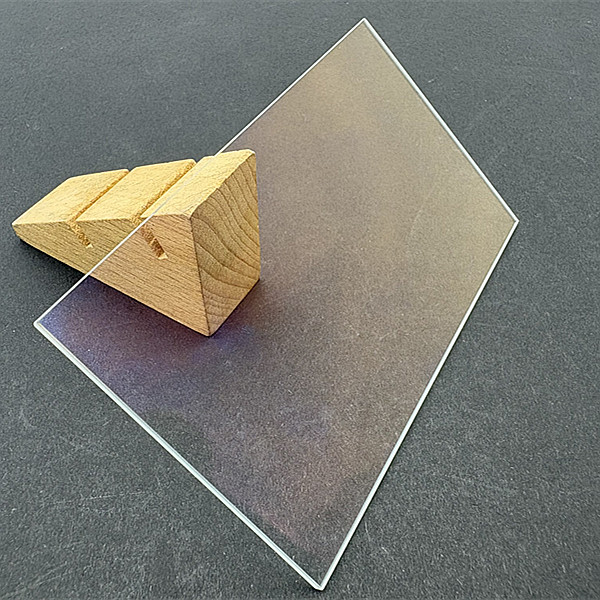
Customized Tempered Anti-Reflective Glass AR Coated Tempered Glass
Custom-sized AR glass that reduces glare and reflection for instruments, displays and optical assemblies.

Custom Black Border Tempered Glass Panels Silk Screen Print Tempered Glass
Accurate black border printing on strengthened glass for appliance, display and control-panel assemblies.
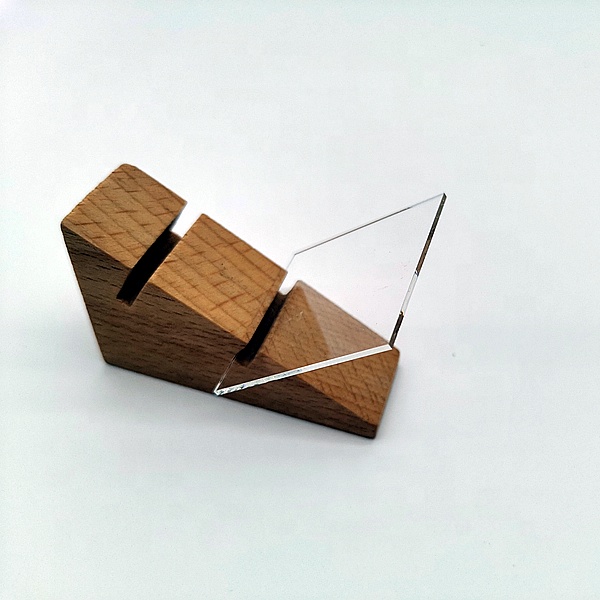
Custom 0.2mm 0.3mm 0.4mm 0.5mm 0.7mm 1mm Alkali Free Borosilicate AF32 Glass
Thin alkali-free borosilicate AF32 glass for electronics, sensors, micro-optics and precision carriers.
OEM/ODM Quartz Glass Sheet Sourcing: From Commodity Sheet to Engineered Component
Quartz glass sheet is no longer purchased as a simple cut-to-size commodity in most advanced OEM programs. Design teams now treat it as an engineered component tied to optical transmission, thermal shock resistance, dielectric behavior, flatness, edge quality, coating durability and assembly yield. That shift changes how serious buyers evaluate factories: the winning supplier is not simply the one with the lowest sheet price, but the one that can interpret a drawing, recommend the right substrate, control process capability and deliver repeatable parts across multiple batches.
This guide adds information gain for procurement and engineering teams by connecting material science, supplier qualification, future purchasing trends and practical RFQ data. It is based on the specialty-glass processing model of Fevry Glass Co., Ltd., a Xinyu, Jiangxi-based precision glass company serving optical, biological, semiconductor, communications, lighting and electronics customers. While the page title focuses on OEM/ODM quartz glass sheet factories and exporters, the same qualification logic applies to borosilicate 3.3, alkali-free AF32, Eagle XG-class substrates, AR-coated cover glass and printed technical glass.
What buyers should mean by “quartz glass sheet”
Most industrial RFQs use the phrase quartz glass sheet for high-purity silica-based glass, but the exact material must be clarified before quoting. Fused quartz and fused silica are specified when high purity, UV transmission, low thermal expansion or excellent thermal shock resistance are essential. Borosilicate 3.3 is often selected for heat-resistant windows, lighting covers and instrument glass where cost and thermal stability must be balanced. Alkali-free boro-aluminosilicate glass, such as AF32 or Eagle XG-class material, is preferred for electronics, biochips and micro-fabrication because mobile ions and dimensional drift can damage yield.
Information gain for procurement teams
The strongest RFQ is not a one-line request for “quartz glass sheet 2 mm”. It is a drawing-led package: outline size, thickness tolerance, flatness, edge finish, hole and notch positions, surface quality, coating sides, print colors, strengthening method, cleaning standard, packing method and annual volume. A supplier that asks these questions before quoting is usually more reliable than one that quotes immediately from a price table. Fevry’s workflow is built around this drawing review process, so engineers can flag manufacturability risks before sample tooling or mass production begins.
Get Catalog
Quartz, Borosilicate or Alkali-Free Glass: Choose the Substrate Before the Supplier
Material selection determines thermal performance, optical behavior, chemical compatibility and total cost. A factory with broad material experience can prevent costly over-specification or premature field failure.
Fused quartz & fused silica
Best when high SiO₂ purity, excellent thermal shock resistance, UV transparency or low dielectric loss are critical. Typical uses include lamp windows, semiconductor components, optical windows and high-temperature inspection glass. Buyers should specify grade, OH content, transmission range and surface quality rather than only thickness.
Borosilicate 3.3
With a coefficient of thermal expansion near 3.3 × 10⁻⁶/K, borosilicate 3.3 resists thermal shock far better than soda-lime glass. It is a practical choice for heat-resistant windows, gobo blanks, lighting filters, laboratory glass and appliance panels where cost, clarity and thermal stability all matter.
Alkali-free AF32 & Eagle XG-class glass
Alkali-free boro-aluminosilicate substrates provide low expansion, high flatness and dimensional stability for biochips, glass wafers, PLC substrates, sensors and micro-optics. They cost more than soda-lime glass, so they should be selected only when alkali migration, flatness or thermal drift genuinely threatens product yield.
How Quartz Glass Sheet Procurement Is Changing Through 2030
Purchasing teams are moving from price-per-sheet comparisons toward total landed cost, drawing maturity, process capability and supply resilience. These six trends are especially important for OEM/ODM programs.
Drawing-based RFQs
Buyers increasingly send DWG, DXF or PDF drawings with tolerances, edge finish, coating zones and annual volume. Suppliers that can review manufacturability in one round reduce engineering back-and-forth and launch risk.
Total landed cost over unit price
Yield loss from edge chips, coating defects, print misalignment or poor packing often exceeds the quoted unit price. Procurement teams now compare supplier PPM, inspection discipline and packaging reliability alongside sheet cost.
Traceability and dual sourcing
Photovoltaic, semiconductor, biotech and automotive customers increasingly request material source records, batch traceability and backup capacity. Factories with stable raw-glass partnerships are easier to approve as long-term suppliers.
Coating and printing integration
Instead of sourcing bare glass and sending it to separate coaters and printers, more buyers prefer one accountable supplier for cutting, strengthening, AR coating, dichroic coating, silk-screen printing and inspection.
Faster NPI and smaller first batches
Product cycles are shorter. Sourcing managers need sample glass quickly, then a controlled ramp to mass production. A factory that treats samples as engineering validation rather than a separate low-priority task wins more programs.
Inspection reports and data
Dimension reports, flatness data, coating transmission curves and visual defect criteria are becoming standard buyer expectations. Data-backed quality reduces incoming inspection load and supports faster supplier approval.
Quartz Glass Sheet Product Development Trends Buyers Should Plan For
Designs are becoming thinner, more integrated and more optically demanding. The right supplier should already have process routes for the next generation of parts, not only the current drawing.
Thinner and ultra-thin substrates
Applications from sensor covers to micro-optics are pushing thickness toward 0.15–1 mm. Thin glass requires chemical strengthening, careful edge treatment and specialized packing to avoid breakage during handling.
Larger formats with tighter flatness
Equipment designers want larger windows and carrier sheets without sacrificing flatness. This increases demand for stable glass, precise CNC handling, flatness measurement and warp control across the full sheet.
Chemical strengthening at scale
Ion-exchange strengthening lets thin glass achieve higher surface strength while maintaining optical clarity. Buyers should confirm that cutting, drilling and edge grinding are completed before strengthening, because post-strengthening machining is not allowed.
AR, dichroic and filter coatings
Optical performance is moving into the glass specification. Double-sided AR coatings, dichroic filters and custom transmission windows allow a single part to combine mechanical protection with optical function.
Printed glass as an assembly part
Silk-screen borders, windows, icons and transparent ink areas are increasingly used to simplify final assembly. Print quality must be evaluated together with strengthening, coating compatibility and adhesive bonding.
Low-defect, sustainable production
Energy use, packing waste and yield loss are becoming procurement metrics. Cleaner process control, reusable interleaving and optimized nesting help reduce cost while supporting customer sustainability targets.
Why Fevry Glass Is a Practical OEM/ODM Partner
Fevry Glass Co., Ltd. combines material sourcing, precision processing, inspection and export experience in one specialty-glass supply chain. The company is based in Xinyu, Jiangxi, China and serves buyers in Western Europe, the United States, Japan, South Korea, Taiwan, Hong Kong and Southeast Asia.
Verified marketplace record
More than 10 years as an Alibaba.com member, a 5.0/5 buyer-rating record, 100% inquiry response rate and an average response time within four hours give sourcing teams visible cooperation signals.
Traceable raw-glass sources
Raw glass is sourced from Corning, AGC and established Chinese optical-glass makers such as Chengdu Guangming and Xinhuguang. This helps buyers start from consistent, recognizable material rather than anonymous sheet stock.
Imported processing equipment
Technicians process glass on laser, ultrasonic, CNC carving, grinding and inspection equipment imported from the USA, Germany and Japan. That equipment base supports custom outlines, holes, notches, edges and tolerances.
One-stop process control
Cutting, strengthening, AR coating, dichroic coating, silk-screen printing, inspection and export packing can be coordinated in one supply chain, reducing hand-off risk and improving accountability.
Export experience
Fevry supplies customers in China and exports to Western Europe, the United States, Japan, South Korea, Taiwan, Hong Kong and Southeast Asia, with packing designed for fragile thin glass and international transit.
Service philosophy
The company’s guiding principle is “Quality is superior, service is supreme, reputation is first,” with the motto “Your success, our glory.” For buyers, this translates into drawing review, responsive communication and long-term supply discipline.


A Clear 4-Step Path from Drawing to Export Delivery
Procurement works best when technical review, sampling, production and packing are predictable. This is the practical route used for custom quartz glass sheet and precision glass projects.
Send the drawing
Provide 2D drawings, thickness, material, tolerances, edge finish, strengthening method, print colors, coating sides, application and annual quantity.
Engineering review
The factory confirms manufacturability, recommends substrate and process, and identifies risks such as thin-glass handling, coating zones or print alignment.
Sample validation
Samples verify fit, optical performance, print color, edge quality and surface appearance before mass production. Changes are easier before tooling and strengthening.
Production & packing
Mass production proceeds with dimensional and visual checks, followed by interleaved, cushioned export packing suitable for fragile thin glass.
| Material | Typical thickness | Key advantage | Best-fit applications |
|---|---|---|---|
| Fused quartz / fused silica | 0.2–10 mm+ | High purity, thermal shock resistance, UV transmission | Lamp windows, semiconductor parts, optical windows |
| Borosilicate 3.3 | 0.3–3.3 mm | Low expansion near 3.3 × 10⁻⁶/K | Heat-resistant windows, gobo blanks, lighting filters |
| Alkali-free AF32 / Eagle XG-class | 0.2–1.1 mm | Flatness, low alkali content, dimensional stability | Biochips, wafers, PLC substrates, sensors |
| Ultra-clear soda-lime | 0.5–4 mm | High clarity and cost efficiency | Cover glass, AR panels, printed display windows |
| Chemically strengthened thin glass | 0.15–2 mm | High surface strength in thin formats | Touch covers, sensor windows, ultra-thin protectors |
Typical values are for preliminary sourcing discussion only. Final material, tolerances and performance must be confirmed against the manufacturer datasheet and your approved drawing.
Where Quartz and Precision Glass Components Perform
Fevry’s material and process range supports customers across displays, lighting, biotech, semiconductor, optical communication and instrumentation.
Displays & electronics
LCD protection glass, smart-home windows, automotive dashboard trims and printed cover panels.
Stage & LED lighting
Gobo blanks, dichroic color filters, LED filament glass and heat-resistant lighting covers.
Biotech & life science
Biochip substrates, analyzer filters, microscopy-grade glass and laboratory instrument windows.
Semiconductor
Glass wafers, carrier substrates, precision spacers and packaging glass for micro-fabrication.
Optical communication
PLC substrate glass, V-groove glass and stable substrates for fiber alignment and photonic devices.
Measuring instruments
Flat, stable worktable glass, inspection windows and optical components for metrology equipment.
Common FAQ for Quartz Glass Sheet Procurement
These answers help engineers and sourcing managers prepare a complete RFQ and avoid common specification mistakes.
What is the difference between quartz glass sheet and borosilicate 3.3?+
Quartz glass sheet normally refers to high-purity fused quartz or fused silica, chosen for excellent thermal shock resistance, UV transmission and low dielectric loss. Borosilicate 3.3 contains boron oxide, has a CTE near 3.3 × 10⁻⁶/K and offers strong thermal performance at a lower cost. If your application requires high SiO₂ purity or deep UV transmission, specify fused quartz; if you need heat-resistant windows or lighting glass with cost control, borosilicate 3.3 is often more practical.
What tolerances can OEM/ODM quartz glass sheet factories achieve?+
Achievable tolerances depend on size, thickness, material, hole count and edge geometry. For standard custom cover glass, buyers commonly specify outline tolerances in the ±0.1 mm to ±0.2 mm range, with tighter control available for smaller precision parts. Thickness, flatness, hole position and print alignment should always be marked on the drawing rather than assumed. The factory should confirm capability before quoting.
Should I choose chemically strengthened or thermally tempered glass?+
Thermal tempering is generally suitable for glass around 3 mm and thicker. For ultra-thin cover glass from 0.15 mm to about 2 mm, chemical strengthening by ion exchange increases surface strength while keeping the sheet flat and optically clean. In both routes, cutting, drilling and edge grinding must be completed before strengthening, because strengthened glass cannot be re-machined afterward.
When is AR coating worth the added cost?+
Anti-reflective coating is worth considering when reflection reduces display readability, instrument accuracy, light transmission or camera performance. Double-sided AR can significantly improve transmission compared with uncoated glass. However, the coating type, wavelength band, hardness, environmental durability and coating-side requirements must be specified. For lighting and optical filters, dichroic or custom optical coatings may be more appropriate than standard AR.
What is the minimum order quantity for custom glass?+
MOQ depends on material and process. Most custom cover glass and AR glass items start from roughly 300–500 pieces; custom-cut Corning Eagle XG-class parts may start from 1,000 pieces; selected gobo or dichroic glass items may start from smaller trial quantities. Samples can usually be arranged to validate fit and optical performance before mass production.
What information should I send for a fast quotation?+
Send a 2D drawing in DWG, DXF or PDF format with outline dimensions, tolerances, thickness, glass material, edge finish, hole and notch positions, strengthening method, print colors with Pantone references, AR coating side or sides, end application and expected annual quantity. If you have an existing sample or a photo of the assembly, include it. Complete information lets engineers respond with a firm technical recommendation in one round.
How is thin glass packed for export?+
Thin glass should be interleaved, cushioned, separated and protected against edge impact. Export packing may include protective film, foam interlayers, moisture barrier bags and reinforced cartons or crates. For high-value optical or coated parts, buyers should agree on cleaning, handling, stacking limits and unboxing instructions before shipment.
Which markets does Fevry Glass export to?+
Fevry Glass serves customers in China and exports to Western Europe, the United States, Japan, South Korea, Taiwan, Hong Kong and Southeast Asia. Buyers in those markets can request drawing review, samples, inspection documentation and export packing suited to international transport.
Send Your Quartz Glass Sheet Drawing for Engineering Review
Share dimensions, material, thickness, edge finish, coating, printing, application and annual volume. The Fevry Glass team typically reviews a complete RFQ within four hours and can recommend the right substrate, strengthening route and inspection plan.
Get CatalogDrawing formats: DWG, DXF or PDF. Include tolerances and target annual quantity for the fastest evaluation.