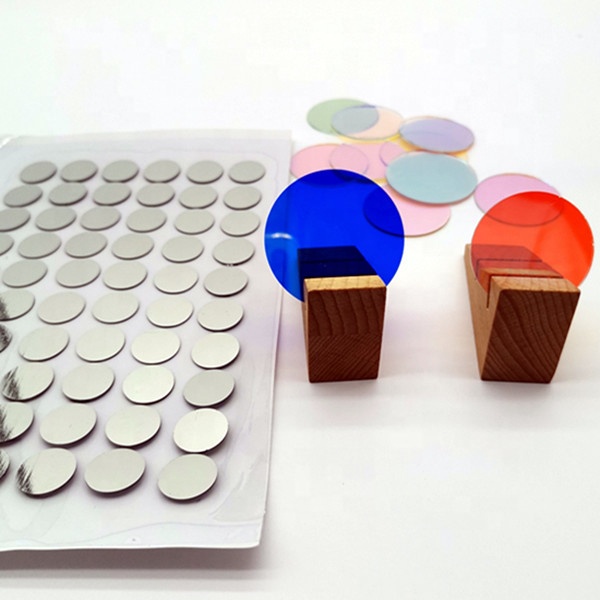
OEM / ODM · Heat-Resistant Specialty Glass

Custom OEM High Temperature Glass Supplier & Wholesalers

Borosilicate 3.3, alkali-free AF32-type glass, heat-resistant gobo blanks, dichroic filters, ITO-coated substrates and tempered cover glass — cut, coated, printed and inspected to your drawing for global OEM and wholesale programs.

+Years as Alibaba.com Member
≤hAverage Response Time
%Inquiry Response Rate
/5Buyer Rating
Whitepaper Perspective

High-Temperature Glass Performance Starts with the Substrate

“High-temperature glass” is a useful purchasing phrase but a poor engineering specification. The real variables are coefficient of thermal expansion, strain point, thermal-shock delta, edge condition, coating durability, mounting stress and the number of heating-cooling cycles expected in service. Borosilicate 3.3, with a typical CTE of about 3.3 × 10⁻⁶/K, is widely selected where soda-lime glass would be overstressed by rapid temperature change. Alkali-free borosilicate AF32-type glass is considered when low alkali content, dimensional stability and optical cleanliness are critical. ITO-coated glass adds transparent conductivity, while dichroic coatings and gobo blanks add wavelength control and heat resistance for advanced lighting.

For OEM buyers, raw material is only half of the risk. The other half is conversion: CNC outlines, holes, notches and slots; flat or pencil edges; thermal tempering or chemical strengthening; AR or dichroic coating side; silk-screen print registration; cleaning; and export packing. A part that looks correct on a datasheet can still fail at assembly if the edge has micro-chips, the coating is on the wrong face, or the printed window is offset by 0.2 mm. That is why a senior custom OEM high temperature glass supplier should be evaluated as a process partner, not just as a sheet-glass reseller.

Our approach is to confirm the application first: Is the glass exposed to radiant heat, convective heat, thermal shock, high voltage, chemical cleaning or outdoor UV? Will it be bonded, clamped, gasketed or printed? Which surface faces the user? These answers determine the substrate, thickness, strengthening route, coating architecture and inspection plan. The resulting quotation is more useful because it prices the actual risk — not only the area of glass.
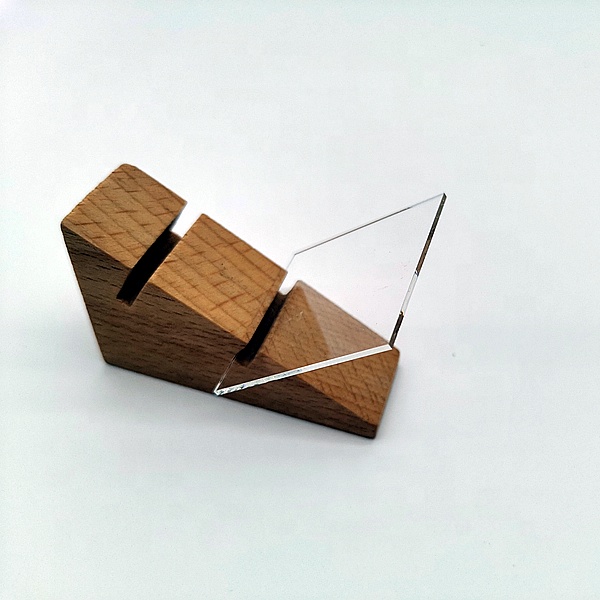
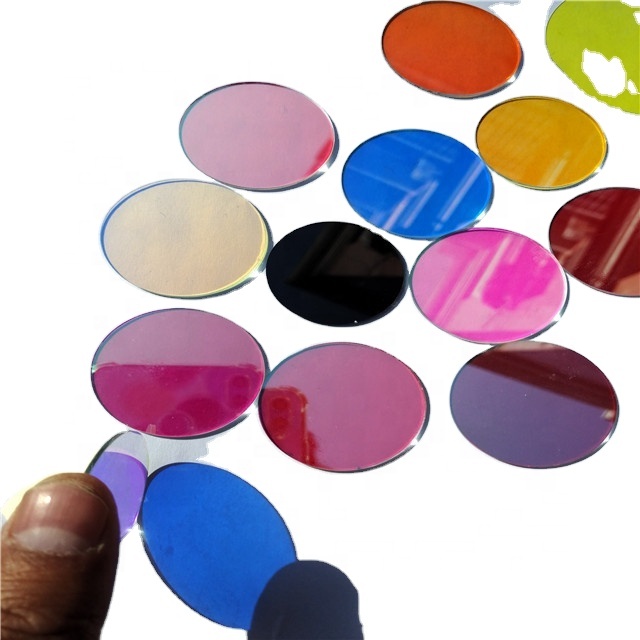
Specification packet that shortens quotation time

  • 2D drawing in DWG, DXF or PDF with outline tolerances
  • Glass material, thickness and operating-temperature range
  • Edge finish plus hole, notch and slot positions
  • Strengthening method: tempered, chemically strengthened or annealed
  • Coating side, ITO sheet resistance and transmission target
  • Pantone print references, application, annual volume and export destination
Recommended Product Lines

Custom OEM High-Temperature Glass Products for Wholesale Buyers

These eight product platforms cover the most common heat-resistant, optical, conductive and tempered-glass requirements. Start with the closest platform, then send your drawing so our engineers can confirm material, thickness, coating, print and packing.

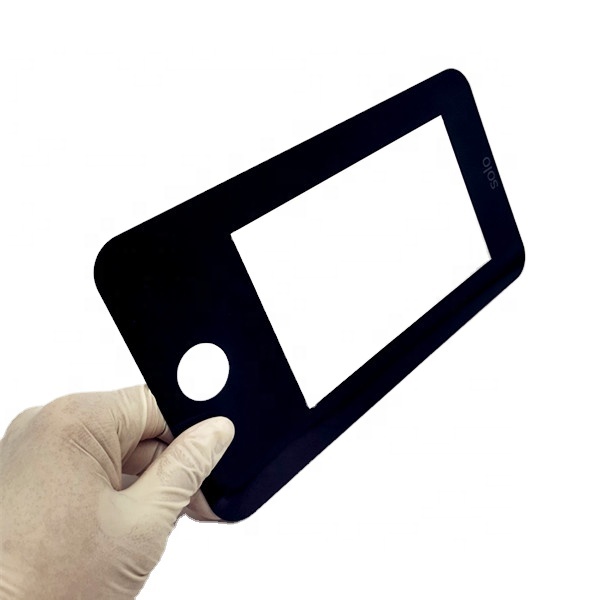
Custom cut Corning Gorilla tempered glass sheet 0.5 mm to 3 mm
Strengthened Cover Glass

Custom-Cut Corning® Gorilla® Tempered Glass Sheet

Scratch-resistant alkali-aluminosilicate sheet for display covers, HMI windows and portable electronics, supplied cut to outline.

  • 0.5 / 0.7 / 1 / 1.5 / 2 / 2.5 / 3 mm
  • Gorilla® glass platform
  • Optional print and coating
CNC shape + edge finishView product →
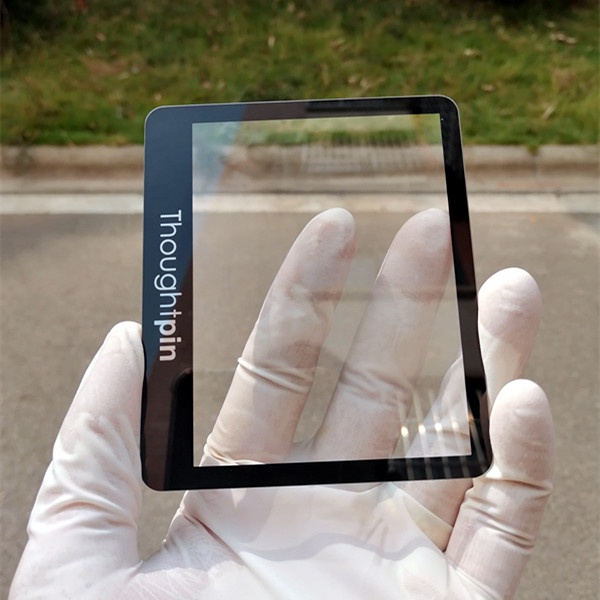
ITO conducting glass and ITO-coated glass substrates
Transparent Conductive

ITO Conducting Glass / ITO-Coated Glass

Transparent conductive ITO-coated glass for touch sensors, EMI shielding, transparent heating and electrode applications.

  • Custom sheet-resistance target
  • Coating pattern by drawing
  • Touch, shield or heater use
ITO specification reviewView product →
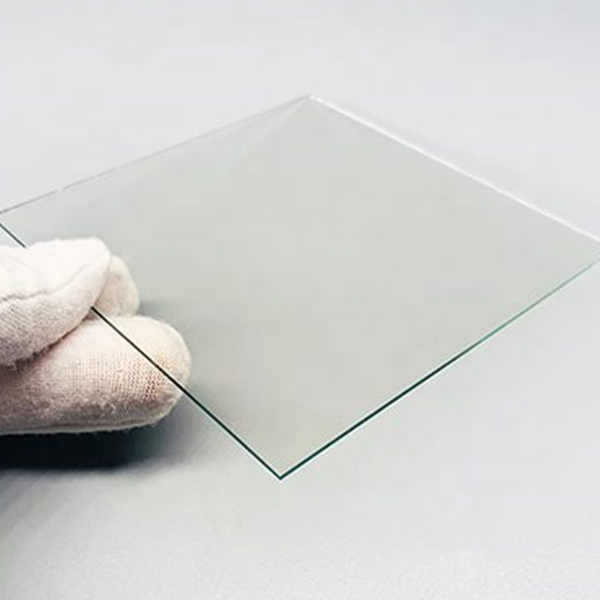
Heat-resistant gobo glass blanks in 0.2 mm to 2 mm thickness
Stage Lighting Glass

0.2–2 mm Heat-Resistant Gobo Glass Blanks

Borosilicate gobo blanks for stage, studio and architectural lighting, selected around fixture optics and heat load.

  • 0.2 / 0.3 / 0.4 / 0.5 / 0.7 / 1.0 / 2 mm
  • Heat-resistant substrate
  • Gobo blank customization
Lighting fixture supplyView product →
Procurement Outlook 2025–2030

How High-Temperature Glass Purchasing Is Changing

Price remains important, but technical qualification, traceability and packaging yield now influence more supplier decisions.

Dual Sourcing with Less Duplicated Work

Buyers want a primary and backup source, but repeating a full qualification is expensive. Factory audit records, material traceability, measurement reports and production videos are becoming standard evidence in the supplier review.

Audit-readyBackup source

Total Landed Cost Replaces Piece Price

On thin and coated glass, breakage, rework and assembly yield can exceed the unit-price gap. Edge quality, coating durability, print accuracy and export packing now belong in the total-cost comparison.

Yield firstTCO model

Documentation Becomes a Product Feature

Material datasheets, coating-side records, batch identification, first-article reports and inspection results are requested by engineering and quality teams, not only by auditors.

TraceabilityFirst article

Customization First, Volume Second

Projects often begin with a sample or pilot quantity and scale after fit and optical performance are approved. Suppliers need to support controlled scale-up without changing process assumptions.

Pilot runScale-up
Product Development Trends

Thinner, Stronger and More Functional Glass Components

The next generation of OEM glass is defined less by raw thickness and more by integrated function, process control and application fit.

Chemically Strengthened Thin Glass

For 0.15–2 mm cover glass, ion exchange can raise surface strength while preserving flatness and optical clarity. Cutting, drilling and edge grinding must be completed before strengthening.

Multi-Functional Coatings

AR coating, ITO conductivity, dichroic filtering and back painting are increasingly combined with one glass substrate to reduce assembly steps and improve optical efficiency.

High-Temperature Lighting Optics

Gobo blanks, dichroic filters and heat-resistant windows are being specified for high-power LED, stage and architectural lighting where color stability and heat tolerance matter.

Inspection at Component Level

Quality is shifting from sheet-level appearance to part-level measurement: outline, thickness, flatness, edge condition, print registration and coating appearance before export packing.

Enterprise Advantage

Why OEM Buyers Choose Fevry Glass as a Supplier

Fevry Glass Co., Ltd. combines specialty material sourcing, in-house conversion and export experience for engineering buyers who need repeatable custom glass.

Verified Trading Record

10+ years as an Alibaba.com member, a 5.0/5 buyer rating and 100% inquiry response rate give procurement teams public signals to review before committing.

Material Sourcing Depth

Raw glass is sourced from Corning, AGC and established Chinese optical-glass partners such as Chengdu Guangming and Xinhuguang, supporting traceable and consistent projects.

Imported Processing Equipment

Laser, ultrasonic, CNC carving, grinding and inspection equipment from the USA, Germany and Japan supports custom outlines, holes, edges and dimensional checks.

Single-Source Conversion

Cutting, thermal or chemical strengthening, AR and dichroic coating, silk-screen printing, back painting and final inspection can be coordinated under one accountable workflow.

Fast Technical Response

Average response time is within 4 hours and inquiry response rate is 100%, helping engineering and sourcing teams move from drawing review to quotation efficiently.

Export-Ready Support

Fevry Glass serves domestic customers and exports to Western Europe, the United States, Japan, South Korea, Taiwan, Hong Kong and Southeast Asia with fragile-glass packing.

Fevry Glass precision glass processing workshop Fevry Glass imported cutting and grinding equipment Fevry Glass optical glass inspection and packing
Based in Xinyu, Jiangxi, China

Engineering-Led Supply for Optical, Lighting and Electronics OEMs

Fevry Glass Co., Ltd. works with customers across optical, biological, semiconductor, communications, lighting and electronics applications. We help engineers select the correct substrate and convert it into an export-ready finished part.

Our guiding principle — “Quality is superior, service is supreme, reputation is first” — and our motto “Your success, our glory” shape every quotation, sample and shipment. The goal is not only to sell glass, but to reduce the technical and commercial risk of a custom OEM program.

Request Engineering Review
OEM Workflow

A Six-Step Path from Drawing Review to Export Packing

Clear checkpoints help procurement teams compare quotations and engineering teams approve fit, optical performance and packaging.

01

Drawing and Application Review

We review outline, tolerances, holes, edge finish, print files, coating side and the operating environment.

02

Material and Coating Recommendation

Borosilicate 3.3, AF32-type, soda-lime, Gorilla® or ITO glass is matched to the thermal and optical requirement.

03

DFM Review and Quotation

We confirm manufacturability, critical tolerances, process route, MOQ, sample plan and packing assumptions.

04

Sample and First-Article Approval

Samples validate fit, color, print registration and coating appearance before mass production is released.

05

Production and Inspection

In-process checks cover dimensions, thickness, flatness, edge quality, print and coating appearance.

06

Export Packing and Documentation

Thin glass is interleaved and cushioned for international shipping, with packing coordinated to the destination.

Material Selection Guide

Compare Heat-Resistant and Functional Glass Options

Use this table for preliminary material selection, then confirm all values against the glass manufacturer’s datasheet and your final drawing.

MaterialTypical ThicknessThermal / Functional NoteGood FitWhat to Verify
Borosilicate 3.30.3–3.3 mmCTE around 3.3 × 10⁻⁶/K; strong resistance to thermal shockHeat-resistant windows, gobo blanks, lighting covers, lab glassStrain point, edge finish, coating compatibility
Alkali-free borosilicate AF32-type0.2–1.0 mmLow-alkali composition and stable dimensions for thin componentsSensor covers, display spacers, electronic substratesDatasheet CTE, surface quality, strengthening route
Soda-lime tempered glass0.5–4.0 mmHigh mechanical strength, but higher CTE than borosilicateDisplay cover glass, touch plates, printed windowsEdge quality, fragmentation, thermal-shock limits
ITO-coated glass0.3–2.0 mmTransparent conductive layer for sensing, shielding or heatingTouch sensors, EMI shielding, transparent heatersSheet resistance, transmission, coating side and pattern
Dichroic filter glass0.3–3.3 mmWavelength-selective coating on prepared glass substrateStage lighting, optical filters, color separationCoating design, angle of incidence, heat load
Gobo glass blanks0.2–2.0 mmHeat-resistant blank for projection patterns in lighting fixturesStage, studio and architectural lightingFixture temperature, blank flatness, print or coating

Typical figures are for preliminary engineering discussion only. Final acceptance criteria should be written into the drawing, purchase specification and inspection plan.

Applications

Where Custom High-Temperature Glass Performs

From heat-resistant lighting optics to transparent conductive substrates, each application has a different failure mode and inspection priority.

Stage, Studio and Architectural Lighting

Gobo blanks, dichroic filters and heat-resistant glass for luminous fixtures and color-control systems.

Display, HMI and Appliance Panels

Tempered, printed and AR-coated cover glass for touch control, display windows and appliance interfaces.

Optical Filters and Sensors

Borosilicate filters, dichroic optics and stable substrates for sensing, imaging and analytical equipment.

Instrument Windows and Lab Equipment

Flat, dimensionally stable glass windows for measuring instruments, inspection devices and lab enclosures.

ITO Electrodes and EMI Shielding

Transparent conductive glass for touch sensing, shielding windows, transparent heating and electrode patterns.

Semiconductor and Biotech Substrates

Low-CTE technical glass options, including Corning® Eagle XG-type materials, for micro-patterning and alignment.

Buyer FAQ

Engineering and Procurement Questions for High-Temperature Glass

These are the questions engineers and sourcing teams ask most often before a custom glass program is released.

What does “high-temperature glass” mean for a custom OEM part?

“High-temperature glass” should be defined by the application, not by a single marketing number. The relevant data include the working temperature, number of thermal cycles, heating and cooling rate, CTE of the glass, strain point, mounting stress, edge condition, coating durability and expected service life. A borosilicate 3.3 window may be suitable for one lighting application but not another if the edge is damaged or the fixture creates uneven clamping stress. Before approval, request datasheet values and a sample test plan that reflects your actual thermal profile.

Should I choose borosilicate 3.3 or alkali-free AF32-type glass?

Both are low-expansion technical glass families, but they solve different problems. Borosilicate 3.3 is widely used for heat-resistant windows, gobo blanks, lighting covers and laboratory glass because its CTE is roughly one third that of soda-lime glass. Alkali-free AF32-type glass is considered when low alkali content, dimensional stability and thin-sheet optical quality are important for electronics, sensors or display-related components. Final selection should be based on the manufacturer datasheet, thickness availability, strengthening route, cleaning chemistry and the way the part will be mounted.

Can tempered soda-lime glass be used in high-temperature applications?

Tempering increases mechanical strength, but it does not change the glass’s coefficient of thermal expansion. For repeated thermal shock or elevated working temperature, borosilicate glass is generally the safer starting point. If tempered soda-lime glass is specified for cost or strength reasons, confirm its thermal-shock limits, avoid sharp edges and specify a mounting design that does not concentrate stress. The application profile should always be reviewed before the material is frozen.

How do I specify ITO-coated glass correctly?

Provide the required sheet resistance, visible transmission target, glass type and thickness, coating side, patterned area, busbar layout and the end application. State whether the ITO is for touch sensing, EMI shielding, transparent heating or an electrode. ITO quotations should include a measurement method for sheet resistance and a visual acceptance standard for coating defects. If the pattern is critical, include a drawing with the conductive area and non-conductive gaps clearly marked.

What is the minimum order quantity, and can I approve samples first?

Most custom cover glass and AR glass items start from 300–500 pieces, custom-cut Corning® Eagle XG-type parts from about 1,000 pieces, and selected gobo glass blanks from as few as 10 pieces. Samples can be arranged to validate fit, print color, edge quality and optical performance before mass production. Sampling is especially important for printed glass, AR coating, dichroic coating and ITO patterns because appearance and measurement criteria should be agreed before volume production.

What information do you need to evaluate a custom glass project?

Send a 2D drawing in DWG, DXF or PDF with outline dimensions and tolerances; material and thickness; edge finish; hole, notch and slot positions; strengthening method; print colors using Pantone references; AR or ITO coating side; application details; expected annual quantity; and export destination. For lighting glass, include fixture temperature and optical requirements. For display glass, include window size, haze or transmission targets and assembly method. Complete information allows engineering review to move faster.

How is quality controlled on thin, printed or coated glass?

Inspection should match the failure risk of the part. Typical checks include outline dimensions, thickness, flatness, edge quality, print registration, pinholes, coating side, coating appearance and visible defects under agreed lighting conditions. For higher-risk programs, request a first-article report, retained samples, production video and packing validation. Glass that passes dimensional inspection can still fail in the field if packing allows edge-to-edge contact during export shipping.

Which markets do you export to, and how fast is the response?

Fevry Glass serves customers in China and exports to Western Europe, the United States, Japan, South Korea, Taiwan, Hong Kong and Southeast Asia. Our average response time is within 4 hours, inquiry response rate is 100%, and the buyer rating is 5.0/5. For first-contact evaluations, include the drawing, application, annual volume and destination so the reply can address material, process, MOQ and packing in one round.

Start with Your Drawing

Have a Drawing? Engineer Your High-Temperature Glass with Fevry

Send your 2D drawing, material preference, thickness, coating side, print color, application and annual volume. Our engineers will review manufacturability, recommend the substrate and confirm the next step for sampling or mass production.