Custom OEM Glass-Ceramic Sourcing Built Around Your Drawing, Not a Catalog
Buyers searching for a custom OEM glass ceramic factory and supplier are usually not buying a simple sheet. They are buying dimensional certainty, repeatable optics, proven surface strength, print consistency and a supply partner who can convert engineering drawings into export-ready components.
The term “glass ceramic” is often used loosely in sourcing conversations. In strict materials science, glass-ceramic materials contain controlled crystalline phases that deliver exceptional thermal stability, near-zero expansion in some grades, high mechanical strength and resistance to thermal shock. In OEM display and electronics programs, the same sourcing request may actually involve chemically strengthened soda-lime glass, Gorilla® glass, borosilicate 3.3, low-iron tempered glass, anti-reflective coated glass or alkali-free substrates such as Corning® Eagle XG. A reliable factory must first clarify the real material intent behind the drawing, then align substrate, thickness, strengthening method, coating side, printing ink and edge finish.
Fevry Glass Co., Ltd. works from the application backward. For a touch panel, the critical questions may be surface strength, optical clarity and black-border print accuracy. For a stage-lighting gobo, heat resistance and dichroic coating stability matter more. For a biological analyzer or PLC substrate, flatness, alkali-free composition and dimensional stability become decisive. This specification-first approach is the difference between a supplier who quotes a generic panel and a factory that reduces qualification risk.
- 0.15–4 mm technical glass selection
- Thermal and chemical strengthening routes
- AR, dichroic and optical coating guidance
- Silk-screen printing and back painting
- Laser, CNC, ultrasonic and edge processing
- Export packing for fragile thin glass
For procurement teams, the highest-value supplier is not always the lowest quoted unit price. It is the one that catches tolerance conflicts before tooling, validates print color before mass production, documents inspection criteria, and maintains material traceability from raw sheet to finished part. That is how a custom glass-ceramic program moves from prototype to repeat OEM orders without late-stage surprises.
Information Gain for Engineering Buyers
Most supplier pages list materials. A specification-led partner explains why a material is chosen, where it fails, and which process route protects the final assembly. Use this page as a technical briefing: compare substrates, evaluate procurement trends, review development directions and prepare a cleaner RFQ before contacting the factory.
8 Product Recommendations for Custom OEM Glass and Glass-Ceramic Programs
These product families cover the most common OEM requests: printed cover glass, gobo and dichroic lighting glass, black display panels, low-iron tempered glass, thin Gorilla® glass, optical filters and ultra-thin chemically strengthened sheets. Each item can be customized to drawing.
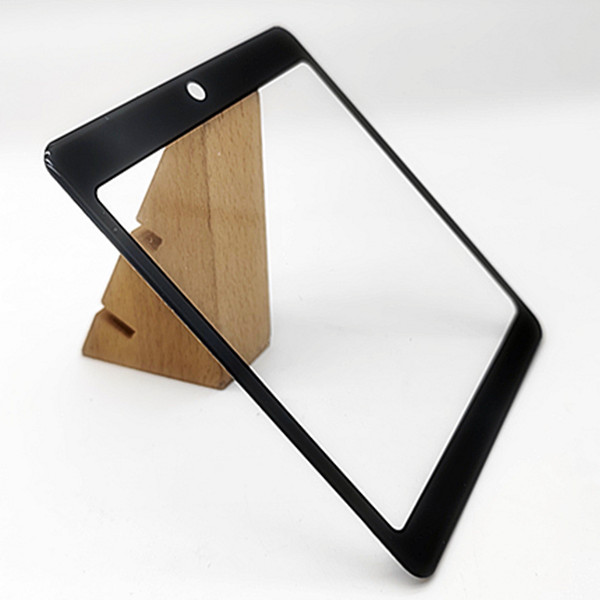
Ultra Clear Gorilla Glass Panel with Silk Screen Printing for Electronic Device
High-clarity cover glass with sharp printed borders, logos and window areas for touch and display electronics.
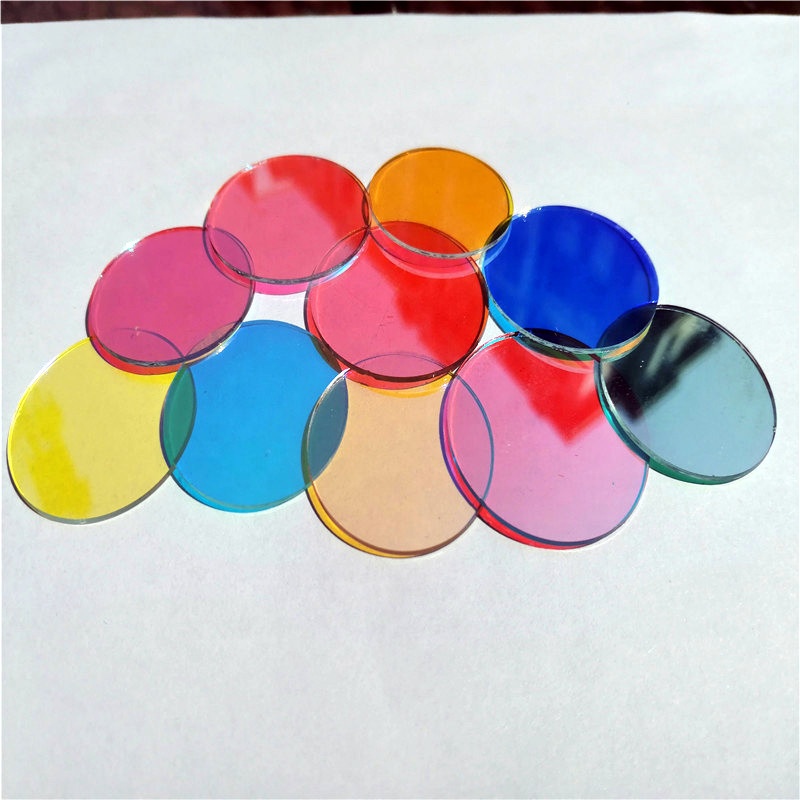
Customize Logo Color Glass Gobo Glass
Custom gobo glass for projection, stage lighting and branded lighting effects with heat-resistant substrate options.
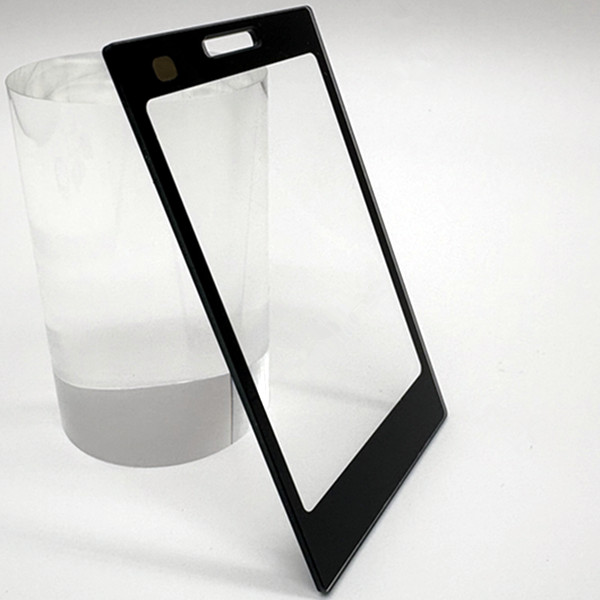
Factory Customized Black Glass Panel Silk Screen for Display Touch Electronic Glass
Black printed glass panels for HMI, control panels and touch interfaces where cosmetic consistency is critical.
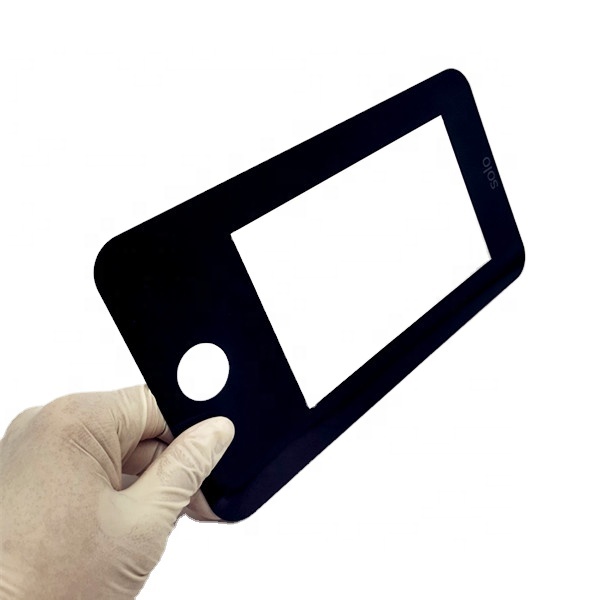
Manufacturer OEM Wholesale Custom Unbreakable Tempered Glass, High Quality Tempered Glass, Low Iron Tempered Glass Manufacturer
Low-iron tempered glass for high-clarity windows, protective panels and architectural or appliance-grade visibility.

0.5mm 0.7mm 1mm 2mm 3mm Thickness China Suppliers Good Price OEM Wholesale Premium Tempered Printing Custom Gorilla Glass Screen
Multi-thickness Gorilla® glass screens for electronics, instruments and display protection with custom printing.
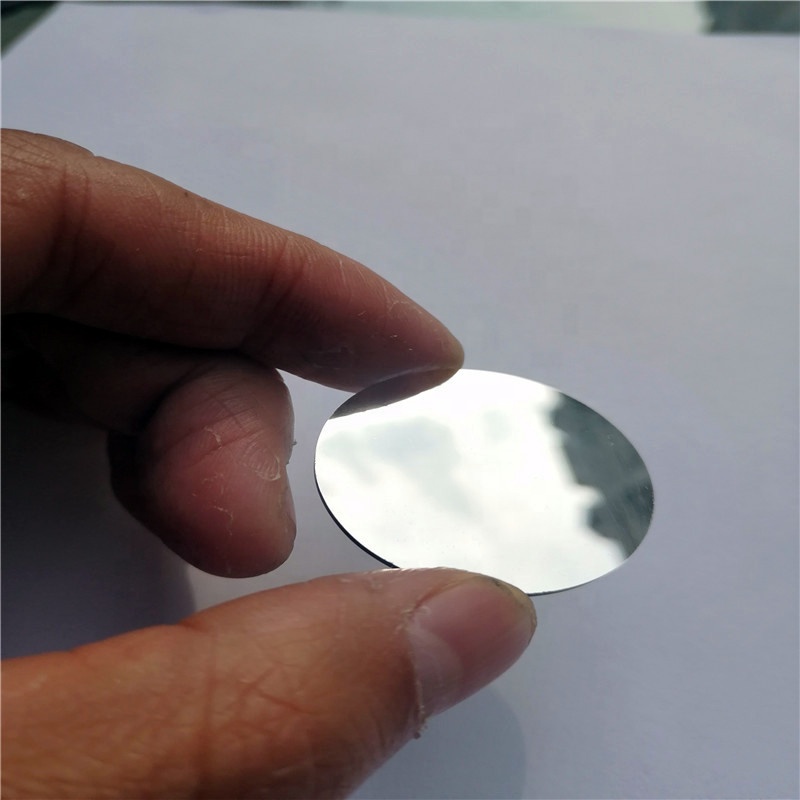
Gobo Glass / Dichroic Mirror Lighting Filters Glass Lens
Dichroic mirrors, lighting filters and glass lenses for color separation, optical effects and high-power lighting.
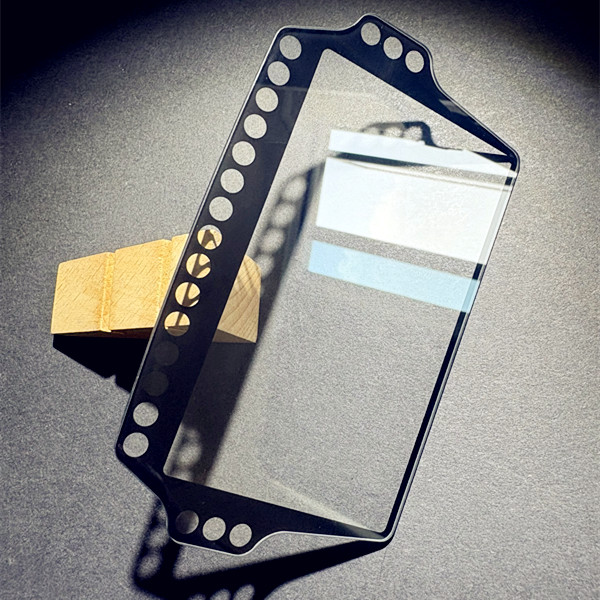
Factory Custom Tempered Silk Printed Gorilla Glass Screen Protector Printing Glass
Strengthened and silk-printed protector glass for consumer devices, industrial controls and display modules.
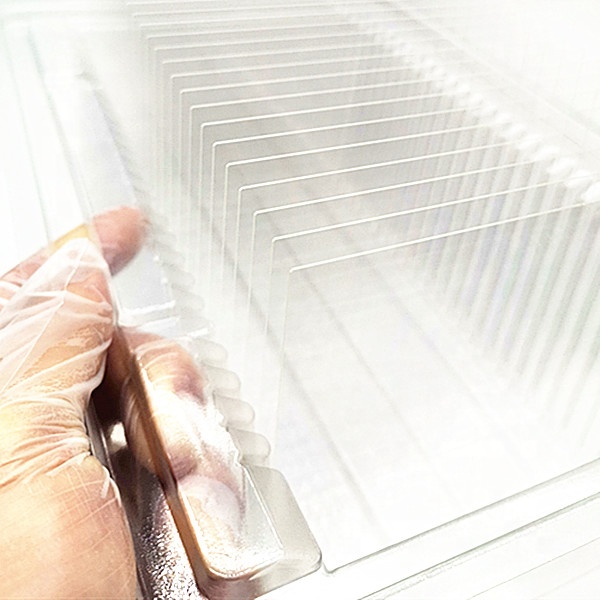
Custom Chemically Ultra Thin Clear Transparent Tempered Glass Sheet
Ultra-thin chemically strengthened glass for sensor covers, compact displays and lightweight optical stacks.
Technical Glass vs Glass-Ceramic: Compare Before You Specify
Material selection is the first cost-control decision. The chart below summarizes typical industry selection ranges; final properties must always be confirmed against the manufacturer datasheet and your drawing.
Ultra-Clear Soda-Lime
0.5–4 mm. Cost-effective cover glass for AR panels, printed windows and general display protection.
CTE approx. 9.0Thermal shock: basicGorilla® Aluminosilicate
0.4–2 mm. Scratch-resistant cover glass for touch interfaces and premium display surfaces.
CTE approx. 7.5–8.5Surface strength: highBorosilicate 3.3
0.3–3.3 mm. Heat-resistant windows, gobo blanks, lighting covers and laboratory glass.
CTE approx. 3.3Thermal shock: excellentCorning® Eagle XG
0.5–1.1 mm. Alkali-free substrate for biochips, wafers, PLC devices and micro-optics.
CTE approx. 3.2Stability: excellentWhat OEM Buyers Will Expect from Custom Glass Suppliers by 2028
Procurement is shifting from “find a factory” to “qualify a manufacturing system.” The winning supplier will combine material traceability, engineering communication, verification data and flexible production economics.
Dual-Source Resilience
OEM buyers will keep a qualified primary and secondary route for critical glass. Suppliers must be transparent about raw-material origin and alternatives without destabilizing optical or mechanical performance.
Specification Data Packages
FAI reports, dimension records, coating-side confirmation, print color references and inspection photos will become standard expectations, not favors. Documentation reduces incoming inspection friction.
Low-MOQ NPI, Scalable MP
Product teams need small validation batches before mass production. The best partner supports sample and pilot quantities, then scales with controlled process parameters and repeatable inspection criteria.
Tighter Cosmetic Standards
Scratch visibility, printed border density, pinholes, edge chips and coating color shift are no longer minor details. Buyers will define cosmetic limits by zone and require visual standards before production.
Total Landed Cost
Low unit price can disappear in breakage, rework and delayed lines. Procurement will weigh packing yield, response speed, engineering support and repeatability alongside piece price.
Supply Chain Transparency
Online supplier records, factory assessment, trade history and buyer feedback will be checked before RFQ release. Verifiable activity is part of supplier risk management.
Where Custom Glass and Glass-Ceramic Components Are Heading
Development is moving toward thinner, stronger, more functional glass stacks. The factory’s value is increasingly in process integration — combining cutting, strengthening, printing, coating and inspection under one controlled route.
Ultra-Thin Strengthened Glass
Chemically strengthened glass from 0.15–2 mm is expanding into sensor covers, compact displays and lightweight assemblies where thickness and weight are constrained.
Multi-Functional Coatings
AR, anti-glare, easy-clean and decorative layers are being combined in one glass stack. Coating side, durability and color neutrality must be defined before sampling begins.
Glass-Ceramic for Harsh Use
Where thermal shock, scratch resistance and dimensional stability converge, glass-ceramic and low-expansion technical glass grades offer a stronger value proposition than standard soda-lime glass.
Printed Windows and IR Inks
Display windows, icon areas and infrared-transparent ink zones are becoming more precise. Silk-screen printing must balance opacity, edge sharpness and compatibility with strengthening processes.
High-Power Lighting Optics
Borosilicate gobo blanks, dichroic filters and heat-resistant lenses are evolving with higher-power LED and stage lighting systems where thermal load and color stability are critical.
Biochip and Semiconductor Substrates
Alkali-free Eagle XG, glass wafers and V-groove substrates support micro-patterning, bonding and optical alignment. Flatness, cleanliness and lot-to-lot consistency dominate development decisions.



Why Fevry Glass Reduces Risk in Custom OEM Glass-Ceramic Sourcing
Fevry Glass Co., Ltd. is a specialty glass supplier based in Xinyu, Jiangxi, China, serving optical, biological, semiconductor, communications, lighting and electronics customers. Instead of treating glass as a commodity, we help engineers select the right substrate and convert it into a finished, export-ready part.
Raw glass is sourced from established producers including Corning, AGC and Chinese optical-glass makers such as Chengdu Guangming and Xinhuguang, supporting traceable and consistent material selection. Processing relies on laser, ultrasonic, CNC carving, grinding and inspection equipment imported from the USA, Germany and Japan — a practical foundation for custom outlines, holes, notches, edge finishing, coating and printing.
Our operating principle — “Quality is superior, service is supreme, reputation is first” — is supported by verifiable marketplace records: more than 10 years as an Alibaba.com member, a 5.0/5 buyer rating, a 100% inquiry response rate and an average response time within 4 hours. We regularly serve buyers in China and export to Western Europe, the United States, Japan, South Korea, Taiwan, Hong Kong and Southeast Asia.
- Eagle XG, borosilicate and transparent ceramic glass
- Semiconductor wafers and biochip glass
- PLC substrates and optical V-groove glass
- Stage lighting, gobo and dichroic glass
- LED filament and optical coating glass
- Ultra-thin chemically strengthened protector glass
From Drawing Review to Export-Ready Inspection
Every custom OEM glass project follows a controlled path. The objective is simple: confirm manufacturability early, validate the sample, lock process settings and pack fragile thin glass for safe international delivery.
Drawing and RFQ Review
Share 2D drawings, thickness, material, tolerances, edge finish, hole positions, strengthening method, print colors, AR coating sides and annual volume.
Engineering and Sample Approval
We confirm manufacturability, recommend substrate and process route, then produce samples to validate fit, color, coating appearance and handling.
Production and Inspection
Cutting, strengthening, coating, printing and edge processing are controlled with dimensional and visual checks before final packing.
Export Packing and Delivery
Interleaved, cushioned packing is designed for fragile thin glass, with shipment documentation prepared for international OEM buyers.
Where Custom Glass and Glass-Ceramic Components Perform
Application requirements determine the correct material and process route. These are the most common OEM and engineering sectors served by Fevry Glass.
Displays and Electronics
LCD protection glass, smart-home panels, automotive dash trims and touch cover glass.
Stage and LED Lighting
Gobo blanks, dichroic color lenses, LED filament glass and heat-resistant lighting covers.
Biotech and Life Science
Biochip substrates, biological analyzer filters and microscopy-grade flat glass.
Semiconductor
Glass wafers, carrier substrates and packaging glass for micro-fabrication.
Optical Communication
PLC substrate glass and fiber-alignment V-groove glass for optical modules.
Measuring Instruments
Flat, stable worktable glass for metrology, inspection and analytical devices.
Custom OEM Glass and Glass-Ceramic Buyer FAQ
Use these answers to prepare a cleaner RFQ, reduce sample iterations and qualify the correct manufacturing route before mass production.
Should I choose chemically strengthened glass or thermally tempered glass?
When is borosilicate 3.3 better than soda-lime glass?
Do you supply true glass-ceramic materials or mostly technical glass?
What information is needed to evaluate a custom glass project?
What are typical MOQs and sample arrangements?
How are printing color and AR coating performance controlled?
How is thin glass packed for export?
Which markets are served, and what supplier records can be checked?
Send Your Drawing. Get an Engineer-Led Glass Quote.
Share material requirements, thickness, tolerances, coating details, print colors, application and annual volume. Our engineering team can recommend the right substrate and manufacturing route, with typical inquiry response within 4 hours.
Get a Quote