8 Custom Chemically Tempered Glass Products for OEM Wholesale Programs
Begin with a proven part, then customize it. These eight product families cover the most common OEM requests we receive from global buyers: ultra-thin clear cover glass, low-iron tempered panels, projector gobo blanks, printed OLED covers, touch-switch plates, shaped window panels, LCD display windows and dichroic gobo mirrors. Each item can be adapted by thickness, outline, hole positions, edge finish, print color, AR coating side and packaging. Send your drawing when a standard item is close but not exact — we will review the manufacturing route before quoting.
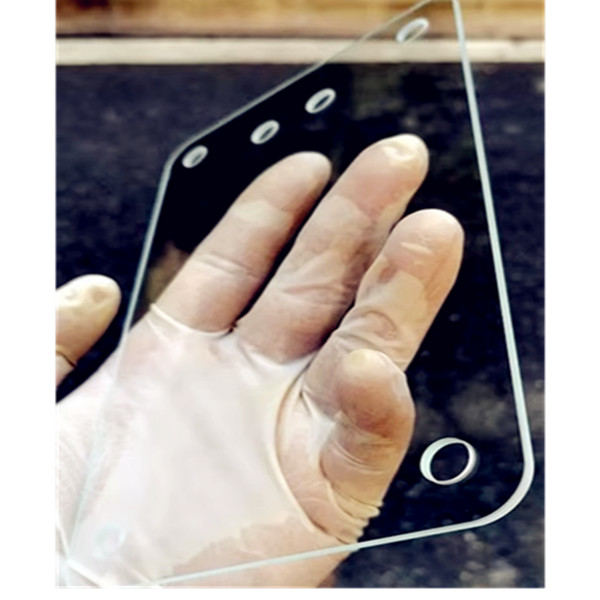
Custom Cut 0.5mm 0.7mm 1mm 1.5mm 2mm Clear Toughened Glass Tempered Corning Gorilla Glass
- Clear
- Custom cut
- Ion-exchange
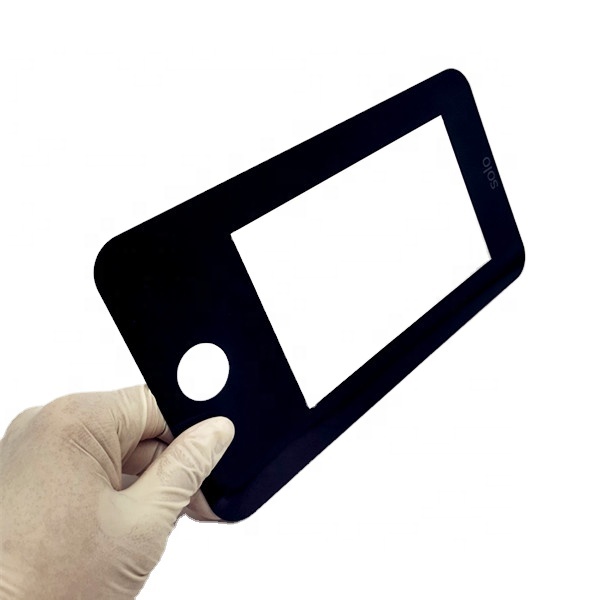
Manufacturer OEM Wholesale Custom Unbreakable Tempered Glass, High Quality Tempered Glass, Low Iron Tempered Glass Manufacturer
- Low iron
- High clarity
- OEM

Custom 0.3mm 0.5mm 0.7mm Heat Resistant Gobo Glass Blanks for Projector
- Borosilicate
- Heat resistant
- Gobo
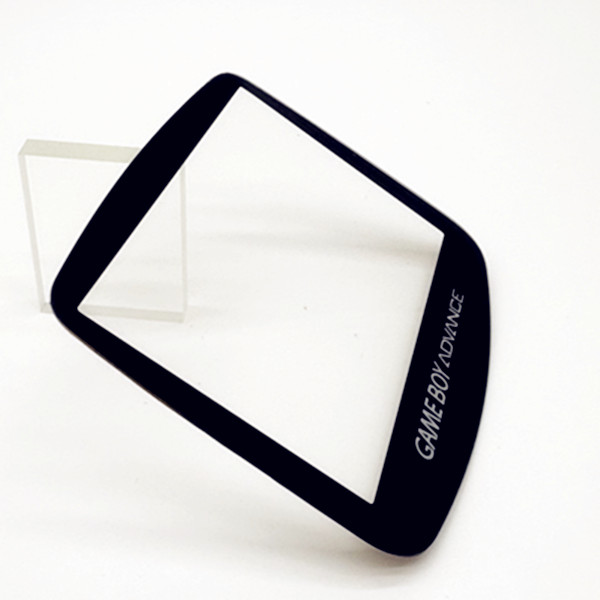
Custom Premium Gorilla Tempered Silk Screen Printed Glass Touch Screen Printed Glass Panels Cover Glass for OLED Screen
- Silk print
- Gorilla-type
- OLED
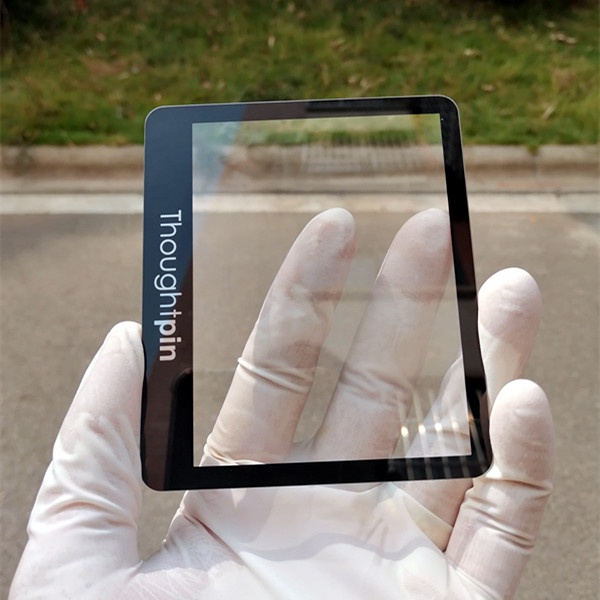
1.5mm 2mm Tempered Glass Thickness Touch Switch Glass Plate
- 1.5–2 mm
- HMI
- Touch switch
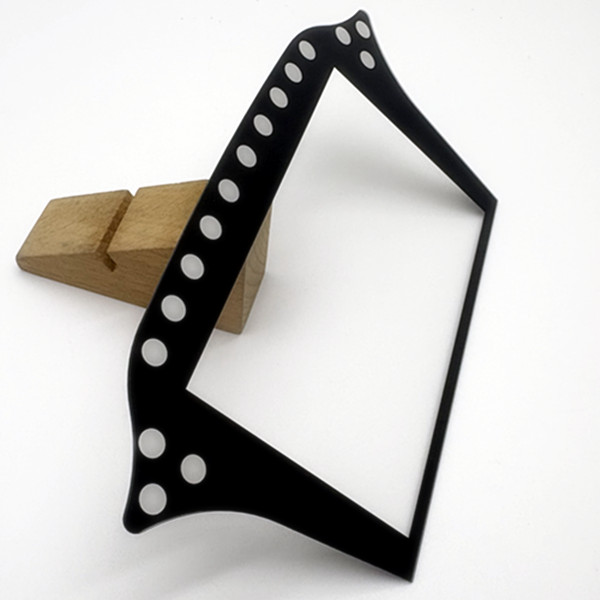
Custom Shaped Tempered Glass Processing, High Transparency Window Panels with Screen Printing
- CNC shaped
- Screen printed
- High clarity
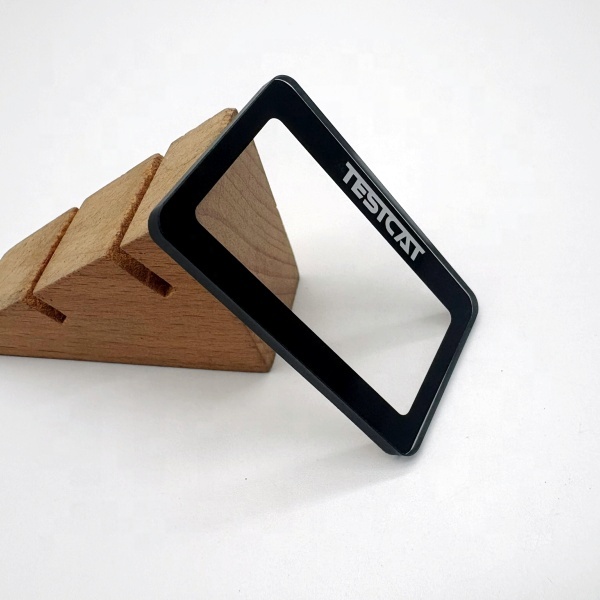
Custom Gorilla Glass Panel Tempered Glass Display Window Silk Screen Printing for LCD Display
- LCD
- Display window
- Printed
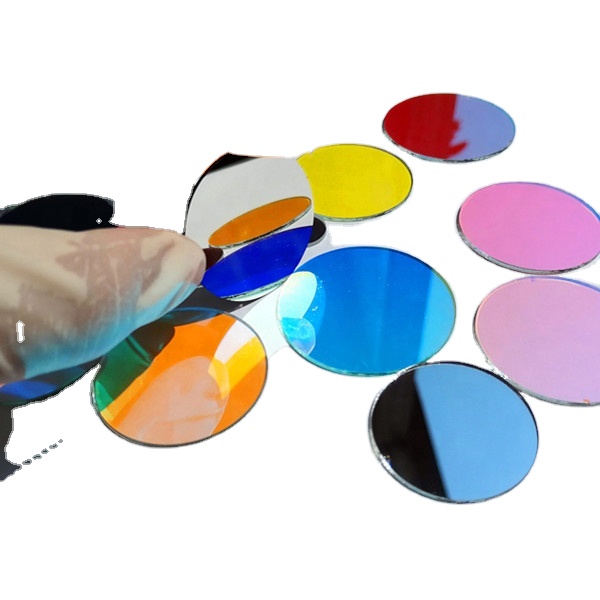
0.3mm ~ 2mm Dichroic Glass Mirror for Gobos
- Dichroic
- Gobo
- 0.3–2 mm
Custom OEM Chemically Tempered Glass Factories & Wholesaler: A 2025 Engineering Guide
The search phrase “chemically tempered glass” is used widely by buyers, but the more precise industry term is chemically strengthened glass. The difference is not academic: it changes how a factory plans cutting, edging, strengthening, printing and coating. For OEM and wholesale programs, the best supplier is not simply the one with the lowest piece price. It is the factory that can read a drawing, protect the glass through each process step, and provide inspection data that matches the final application.
At Fevry Glass Co., Ltd., we process custom glass from 0.15 mm to 4 mm for customers in displays, electronics, lighting, biotech, semiconductor, optical communication and instrumentation. We source raw glass from Corning, AGC and other multinational producers, and from established Chinese optical-glass makers such as Chengdu Guangming and Xinhuguang. Our technicians work with laser, ultrasonic, CNC carving, grinding and inspection equipment imported from the USA, Germany and Japan. That combination — traceable substrate, controlled machining and in-house finishing — is what allows a buyer to move from a sample to repeat production without changing partners.
This guide is written for sourcing managers, hardware engineers and product teams who need more than a catalogue. It explains the strengthening choices, the material trade-offs, the procurement trends that will shape 2025–2030 programs, the product developments worth designing around, and the questions to ask before you place a wholesale order.
Ion exchange at the surface
In chemical strengthening, glass is immersed in a molten salt bath. Potassium ions exchange with sodium ions near the surface, creating a compressive layer that resists crack growth. For thin cover glass, this delivers high strength with low optical distortion. The glass must be cut, drilled and edge-finished before treatment.
Thermal tempering where it fits
Thermal tempering is still the right choice for thicker glass, typically around 3 mm and above. It produces a safer break pattern and good mechanical strength. It is less suitable for ultra-thin display covers, and all holes, notches and cutouts must be completed before tempering because the glass cannot be reworked afterwards.
Substrate first, finish second
Ultra-clear soda-lime, low-iron glass, Gorilla-type alkali-aluminosilicate, borosilicate 3.3 and Corning Eagle XG behave differently. CTE, clarity, heat resistance and coating compatibility all start with the substrate. Selecting the material after choosing the print or coating usually creates avoidable rework.
Define the process sequence
AR coating, silk-screen printing, back painting and dichroic coating are not interchangeable add-ons. The order of strengthening, printing, curing and coating affects adhesion, transmission and flatness. A factory should confirm the full stack on the drawing, including the coating side and any IR-transparent window.
Material Selection Guide for Custom OEM Glass
| Material | Typical thickness | CTE (×10⁻⁶/K) | Best-fit applications |
|---|---|---|---|
| Ultra-clear soda-lime | 0.5–4 mm | ≈9.0 | Cover glass, AR panels, printed windows |
| Low-iron tempered glass | 0.5–4 mm | ≈9.0 | High-clarity appliance and display panels |
| Gorilla-type alkali-aluminosilicate | 0.4–2 mm | ≈7.5–8.5 | Scratch-resistant touch and display covers |
| Borosilicate 3.3 | 0.3–3.3 mm | 3.3 | Heat-resistant windows, gobo blanks, lab glass |
| Corning® Eagle XG® | 0.5–1.1 mm | ≈3.2 | Biochips, wafers, PLC and micro-optics |
| Chemically strengthened thin glass | 0.15–2 mm | Base-glass dependent | Ultra-thin protectors and sensor covers |
Values are typical industry figures for preliminary selection. Final specifications are confirmed against the manufacturer datasheet and your drawing.
Custom OEM Chemically Tempered Glass Procurement Trends for 2025–2030
Price will always matter. But the next buying cycle will reward teams that can prove repeatability, traceability and launch speed. These six trends are already visible in RFQs from Europe, North America and Asia.
Traceability before volume
Buyers increasingly request material origin, lot identification, coating batch records and measurable inspection data. A low-cost panel that cannot be traced back to a substrate source is a risk when a product is audited or scaled.
Dual-qualified supply
Companies are qualifying a primary factory in China and a second source for critical glass parts. The practical approach is to keep the drawing, process route and inspection method identical across both sources so the part behaves the same after transfer.
Thin-glass HMI expansion
Smart-home panels, appliance controls, automotive trims and medical interfaces are moving toward 0.5–2 mm chemically strengthened covers. AR coating, anti-glare etching and printed borders are becoming standard options rather than premium extras.
Engineering data as a deliverable
FAI reports, dimensional layouts, transmission curves, coating side confirmation and packing maps are now part of the purchase. Procurement teams want fewer surprises at incoming inspection, not more promises in email.
Sustainability without breakage
Brands are asking for reduced plastic, recyclable interleaving and smaller carton volumes. The challenge is to cut packaging waste without raising breakage in international freight. Suppliers must test packing changes, not simply swap materials.
Total landed cost
Piece price is only one line. Rebuild the business case with breakage, rework, coating yield, freight, duties, sample rounds and engineering time. A supplier that answers technical questions in one round often beats a lower quote with three sample iterations.
Product Development Trends in Chemically Strengthened Glass
Designers are asking glass to do more: transmit, hide, illuminate, resist heat, carry a sensor window and stay optically clean. These developments are worth designing into the next product platform.
Sub-0.7 mm cover glass with better flatness
Ion-exchange is moving into thinner gauge while flatness requirements tighten. The winning process controls edge quality before strengthening and verifies bow after coating, because thin glass amplifies every inconsistency.
Multi-functional AR, AG and AF stacks
A single AR layer is no longer enough for premium displays. Combined anti-reflective, anti-glare and anti-fingerprint surfaces improve readability outdoors and in bright interiors, but the stack must be tested for adhesion and durability.
Printed glass with sensor windows
Silk-screen printed borders can hide wiring while leaving an IR-transparent or clear window for sensors. This reduces separate parts and assembly steps in appliance, automotive and smart-home HMI designs.
Low-iron clarity for visible components
When glass is part of the product aesthetic, green edge tint becomes a design defect. Low-iron and ultra-clear substrates are increasingly specified for lighting covers, display frames and premium appliance panels.
Heat-resistant optics for lighting
Borosilicate 3.3, dichroic mirrors and gobo blanks continue to evolve for high-power LED and stage lighting. Buyers want stable color, thermal shock resistance and consistent thickness in the same order.
Serialized quality data
The factory of the future ships more than parts. Serialized inspection, measurement reports and packing maps help buyers trace defects, compare lots and reduce incoming inspection time.
Where Custom Chemically Tempered Glass Performs
Fevry Glass supplies OEMs and research teams in Western Europe, the United States, Japan, South Korea, Taiwan, Hong Kong and Southeast Asia. The application determines the material, the edge finish and the inspection plan.
Displays & electronics
LCD and OLED cover glass, touch panels, smart-home windows and automotive dashboard trims. Key controls: transmission, print alignment, AR side and flatness.
Stage & LED lighting
Gobo blanks, dichroic color lenses, LED filament glass and heat-resistant windows. Thermal shock resistance and coating consistency matter more than cosmetic gloss.
Biotech & life science
Biochip substrates, analyzer filters and microscopy glass. Alkali-free Eagle XG and precise flatness support micro-patterning and optical alignment.
Semiconductor & optical communication
Glass wafers, PLC substrates, carrier glass and V-groove parts. Low TTV, clean edges and dimensional stability are the core requirements.
Smart home & appliance HMI
Printed cover panels, touch-switch plates and sensor windows. The glass must look clean, hide electronics and survive daily cleaning chemicals.
Instrumentation & industrial
Window panels for measuring devices, inspection equipment and optical modules. Stable thickness and flatness protect calibration and repeatable readings.
Why Fevry Glass Is a Reliable OEM Chemically Tempered Glass Factory
Fevry Glass Co., Ltd. is based in Xinyu, Jiangxi, China. We are a specialty glass supplier serving optical, biological, semiconductor, communications, lighting, electronics and appliance customers. Our work starts with substrate selection and ends with export-ready packing, so buyers get one accountable partner instead of a chain of traders.
Raw glass is sourced from Corning, AGC and other multinational producers, and from established Chinese optical-glass makers such as Chengdu Guangming and Xinhuguang. That gives engineers a traceable material starting point. Our technicians process glass on laser, ultrasonic, CNC carving, grinding and inspection equipment imported from the USA, Germany and Japan. In-house capabilities include thermal and chemical strengthening, AR/dichroic/optical coating, silk-screen printing and back painting.
The result is a practical factory-wholesaler relationship: you can discuss the substrate, the strengthening route, the print stack and the packing method with the same team that will run the order. That is especially valuable for thin glass, printed cover panels and coated optics, where a small process change can affect fit, appearance or durability.



Verified trading record
10+ years as an Alibaba.com member, ≤4 h average response time, 100% inquiry response rate and a 5.0/5 buyer rating. Buyers can review our supplier assessment, transaction level, trade capacity, trade history and credit profile before ordering.
Traceable raw materials
We source from Corning, AGC, Chengdu Guangming, Xinhuguang and other established producers. Material choice is confirmed against your application, not chosen only by price.
Imported processing equipment
Laser, ultrasonic, CNC carving, grinding and inspection equipment from the USA, Germany and Japan supports tight outlines, clean holes and repeatable edge quality.
One-stop finishing
Thermal and chemical strengthening, AR/dichroic/optical coating, silk-screen printing, back painting, CNC shaping and inspection under one roof reduce hand-offs and finger-pointing.
Export-ready packing
We regularly ship to Western Europe, the USA, Japan, South Korea, Taiwan, Hong Kong and Southeast Asia. Interleaved, cushioned packing is designed for fragile thin glass.
Quality culture
Our principle is “Quality is superior, service is supreme, reputation is first.” Our motto, “Your success, our glory,” reflects the way we work with OEM product teams.
From Drawing to Export: A Six-Step OEM Path
Clear input produces a clear quote. Use this sequence to reduce sample rounds and protect your launch schedule.
Share the drawing
Send DWG, DXF or PDF with outline dimensions, tolerances, thickness, edge finish, holes and notches.
Engineering review
We confirm manufacturability and recommend substrate, strengthening route, print sequence and coating side.
Sample approval
Samples validate fit, color, transmission, edge quality and packing before mass production.
Mass production
Production runs with in-line checks for dimensions, print alignment and visual defects.
Inspection and data pack
Final inspection records, measurement results and packing details are prepared for incoming inspection.
Export packing
Interleaved, cushioned cartons and pallets are planned for international freight and customs handling.
FAQ for Custom Chemically Tempered Glass Buyers
Straight answers to the questions engineers and sourcing managers ask us most.
Is chemically tempered glass the same as tempered glass?
Not exactly. “Chemically tempered” is a buyer’s term; engineers usually say chemically strengthened. Thermal tempering uses heat and rapid cooling. Chemical strengthening uses an ion-exchange bath. Both increase strength, but chemical strengthening is preferred for thin cover glass where flatness and optical quality matter.
What thicknesses can be chemically strengthened?
We process ultra-thin glass from 0.15 mm up to about 2 mm for chemical strengthening, and thicker glass around 3 mm and above for thermal tempering. The final route depends on the substrate, edge design, hole positions and drop or pressure requirements.
Can you print or AR-coat the glass after strengthening?
Yes, but the sequence must be defined. Printing, curing and coating can affect flatness, adhesion and optical performance. We review the full stack — substrate, strengthening, print, AR side and any IR window — before confirming the process route.
What is the minimum order quantity?
Most custom cover glass and AR glass items start from 300–500 pieces. Custom-cut Eagle XG parts can start from 1,000 pieces, and selected gobo glass blanks from 10 pieces. Samples can be arranged to validate fit and optical performance before mass production.
How do you protect thin glass during export?
We use interleaved, cushioned packing designed for fragile thin glass, then plan carton and pallet strength for the shipping method. The right packing depends on thickness, size, edge profile and whether the parts are printed or coated.
Which markets does Fevry Glass serve?
We serve customers in China and export regularly to Western Europe, the United States, Japan, South Korea, Taiwan, Hong Kong and Southeast Asia. English technical communication and drawing-based quoting are standard.
Send Your Drawing for an Engineering Review
Tell us the application, thickness, material, tolerance, print colors, coating side and annual volume. Our engineers typically reply within 4 hours with the next technical questions or a manufacturability recommendation. Prefer to compare a standard part first? The eight product links above are kept original so you can review the exact specifications.
Send an Inquiry